Efficient Oil Filter Replacement and Service Intervals
In summary: Professional engine maintenance dictates that oil filter replacement must occur at every lubricant change to prevent the circulation of abrasive contaminants. Neglecting this interval leads to increased internal friction, bypass valve activation, and potential catastrophic component failure.
When is an oil filter replacement technically necessary?
The operational lifespan of an internal combustion engine is directly proportional to the cleanliness of its lubrication system. An oil filter serves as the primary barrier against microscopic debris, including carbon soot, metallic wear particles, and airborne dust that bypasses the intake system. The standard interval for oil filter replacement is typically aligned with the vehicle manufacturer’s oil change schedule, which generally ranges between 10,000 and 15,000 kilometres in modern passenger vehicles. However, in heavy-duty applications or machinery operating in high-dust environments, these intervals are often measured in engine hours.
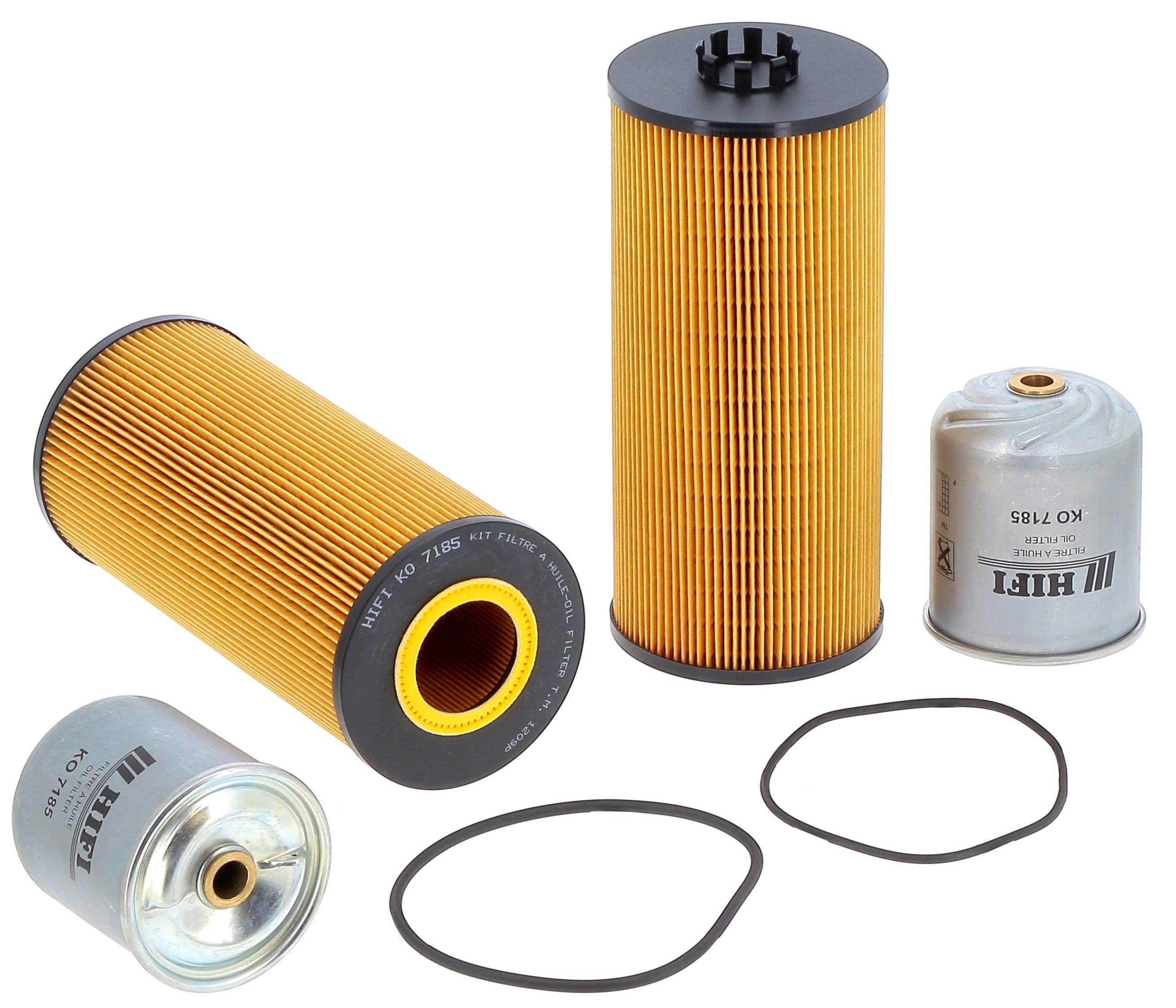
Technical degradation of the filter media occurs as the pleats become saturated with contaminants. As the pressure differential (delta P) across the filter element increases, the structural integrity of the media—whether cellulose or synthetic—is tested. High-quality components, such as the HIFI FILTER KO 7185, are engineered to maintain high filtration efficiency throughout the entire service interval. Failure to replace the unit on time results in the filter reaching its maximum dirt-holding capacity, which triggers the bypass valve. Once the bypass valve is engaged, unfiltered oil circulates through the engine to prevent oil starvation, but this carries harmful particles directly to sensitive components like crankshaft bearings and camshaft lobes.
What mechanical components ensure oil filter efficiency?
An oil filter is a complex assembly consisting of several critical technical components. The casing must withstand high burst pressures, especially during cold starts when oil viscosity is at its peak. Inside, the filter media is responsible for trapping particles as small as 5 to 20 microns. The efficiency of this media is often measured by its Beta ratio, representing the relationship between the number of particles before and after the filter. Modern synthetic media provides a lower resistance to flow while maintaining a higher capacity for fine particulates compared to traditional paper elements.
Another essential feature is the anti-drainback valve. This silicone or nitrile rubber seal prevents oil from draining out of the filter and into the sump when the engine is switched off. This ensures that upon the next start-up, oil pressure is reached almost instantaneously, minimising dry-friction wear. Furthermore, the bypass valve (or relief valve) is calibrated to open at a specific pressure setting. If the filter media becomes obstructed, this valve ensures the engine remains lubricated, albeit with unfiltered oil. For comprehensive maintenance, using a dedicated kit like the HIFI FILTER LO K001 ensures that all necessary sealing components are replaced simultaneously, maintaining the pressure integrity of the lubrication circuit.
Which technical errors occur during oil filter replacement?
Despite being a routine procedure, oil filter replacement is prone to several technical errors that can lead to oil leaks or engine damage. One of the most frequent mistakes is the failure to lubricate the new rubber gasket with fresh engine oil before installation. A dry gasket can bunch, tear, or become pinched during tightening, leading to a high-pressure leak once the engine reaches operating temperature. Furthermore, technicians must ensure that the old gasket from the previous filter was removed from the mounting flange. "Double-gasketing" is a common cause of catastrophic oil loss, as the two seals will fail to create a high-pressure bond.
Over-tightening is another significant issue. Most spin-on filters require only hand-tightening—usually three-quarters of a turn after the gasket makes contact with the base. Using a filter wrench to over-torque the unit can deform the casing or damage the threads on the mounting stud. Conversely, under-tightening can lead to the filter vibrating loose over time. Additionally, the condition of the drain plug and its sealing washer must be inspected. If the threads are compromised or the washer is crushed beyond its functional limit, it must be replaced with a compatible component such as the HIFI FILTER MO 3001 to prevent slow leaks that lead to oil level depletion.
How do hydraulic oil filters differ from standard engine units?
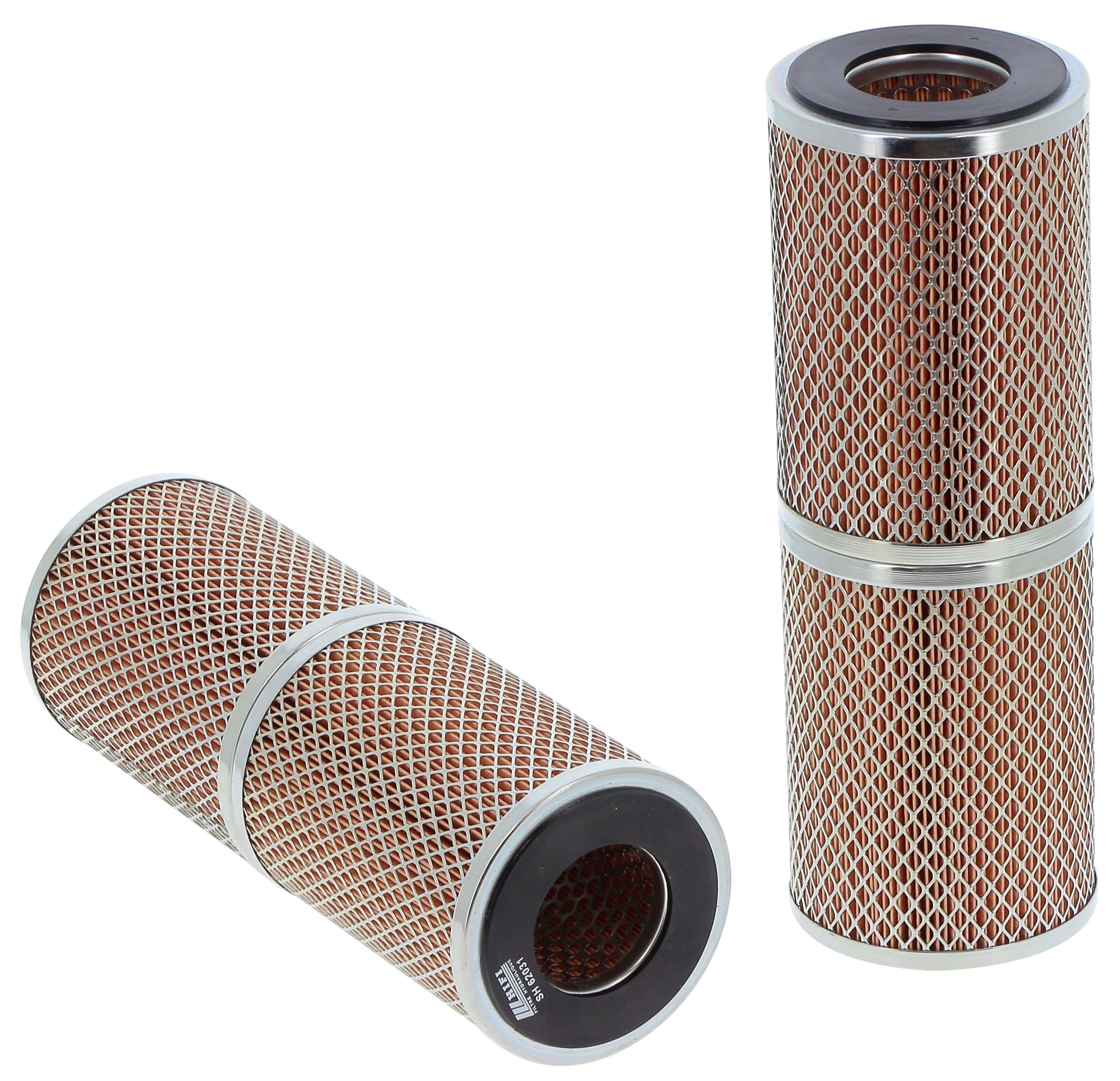
While the principles of oil filter replacement are similar across different systems, hydraulic filters such as the HIFI FILTER SH 62031 are designed for significantly different operating conditions. Hydraulic systems operate at much higher pressures than engine lubrication circuits. Consequently, the canisters and internal elements of hydraulic filters are built with higher burst pressure ratings and reinforced centres to prevent media collapse. The filtration requirements in hydraulics are often stricter, as sensitive valves and actuators can be damaged by particles invisible to the naked eye.
In heavy machinery, the hydraulic system may have several stages of filtration, including suction strainers, pressure line filters, and return line filters. Replacing these follows a more rigorous schedule, often guided by pressure sensors that indicate when the element is restricted. Using an engine oil filter in a high-pressure hydraulic application is a critical error, as the casing would likely fail under the hydraulic system's peak loads. Therefore, identifying the correct specification—whether for engine lubrication or hydraulic power—is paramount for system reliability.
Frequently asked questions
Can I change the oil without changing the oil filter?
Technically possible, but highly discouraged. A used filter contains approximately half a litre of contaminated oil and a saturated filter element. Mixing new oil with the old debris trapped in the filter significantly reduces the chemical effectiveness of the new lubricant and accelerates engine wear.
What is the meaning of a 'bypass' in an oil filter?
The bypass is a safety mechanism. When the filter element is too clogged to allow oil through, or when the oil is too thick during a cold start, the bypass valve opens. This allows oil to flow around the filter media to ensure the engine parts are lubricated, preventing immediate seizure due to lack of oil.
How do I know if my oil filter was installed too tightly?
If you cannot remove the filter by hand or with a standard removal tool without crushing the canister, it was likely over-torqued. Over-tightening can damage the threads on the engine block and distort the mounting plate, which may cause leaks that are difficult to rectify without expensive repairs.
Does the micron rating matter during oil filter replacement?
Yes. The micron rating indicates the size of particles the filter can trap. A lower micron rating means finer filtration. However, the filter must also balance this with flow rate. A filter that is too restrictive may cause the bypass valve to open too frequently, leaving the engine unprotected.
Share