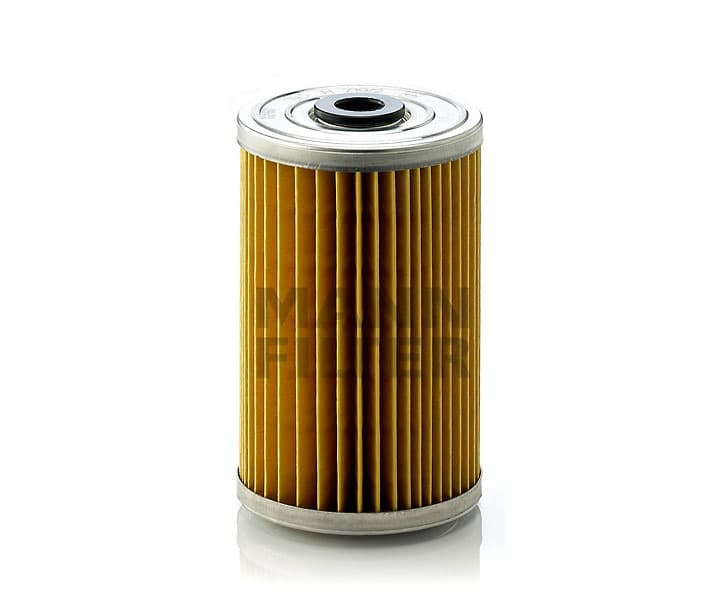
Choosing Right Oil Filters: Technical Selection Criteria
In summary: Professional oil filter selection requires an analysis of volumetric flow rates, bypass valve differential pressure, and media efficiency (Beta ratios) to ensure the lubrication circuit maintains specified cleanliness levels without inducing excessive pressure drops.
Which filtration metrics define professional selection?
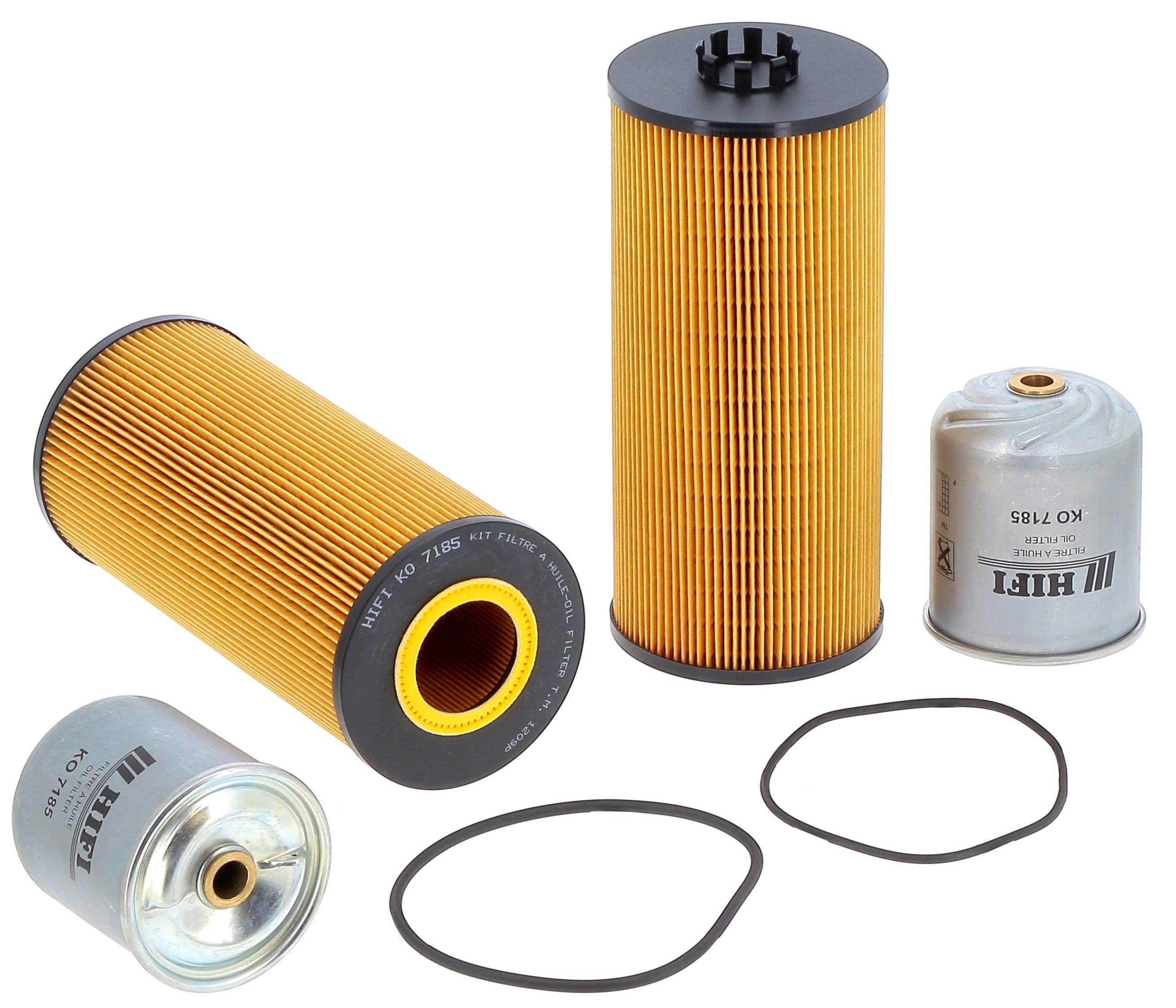
When engineers and maintenance specialists are choosing right oil filtration components, they must look beyond physical dimensions. The most critical technical specification is the micron rating, which is categorised as either nominal or absolute. A nominal rating indicates the filter's ability to capture a percentage of particles of a specific size, whereas an absolute rating (typically associated with high-performance synthetic media) indicates a 98.7% or higher capture efficiency. For high-precision machinery, components such as the HIFI FILTER KO 7185 are designed to meet stringent OEM cleanliness standards, ensuring that even microscopic abrasive particles are removed before they reach the crankshaft bearings.
Furthermore, the Beta ratio (βx) provides a more accurate picture of performance than a simple micron rating. This ratio compares the number of particles upstream of the filter to the number downstream. A Beta ratio of 200 means that for every 200 particles of a given size entering the filter, only one passes through. Understanding these ratios is essential for maintaining the target ISO 4406 cleanliness codes required for modern common-rail engines and hydraulic systems.
Why does the bypass valve opening pressure matter?
The bypass valve, or relief valve, is a critical safety mechanism designed to prevent engine starvation. When oil is cold and highly viscous, or when the filter media is saturated with contaminants, the differential pressure (ΔP) across the filter element increases. If this pressure exceeds a specific threshold, the bypass valve opens to allow unfiltered oil to lubricate the engine components. Choosing right oil filters means matching the valve's cracking pressure—measured in bars or PSI—exactly to the manufacturer's specifications.
If the bypass pressure is too low, the filter will frequently bypass, leading to premature wear from unfiltered contaminants. If it is too high, the engine may suffer from oil starvation during cold starts. The HIFI FILTER SH 77085 and similar hydraulic-focused oil filters are engineered with precise spring tensions to ensure the valve operates only under designated fail-safe conditions, maintaining the balance between filtration and flow security.
How does media surface area influence service intervals?
The service life of an oil filter is dictated by its contaminant holding capacity (CHC). This capacity is a function of the total surface area of the media and its depth. Traditional cellulose media uses a 'surface filtration' approach, where particles are trapped on the top layer. Modern synthetic or blended media, often found in kits like the HIFI FILTER LO K001, utilise a multi-layered structure that allows for 'depth filtration'.
Depth filtration enables the medium to trap smaller particles within the various layers of synthetic glass fibres, significantly increasing the CHC without a corresponding increase in the filter's physical size. This allows for extended drain intervals (EDI) while maintaining a low pressure drop throughout the filter's operational life. When choosing right oil filters for heavy-duty applications, the pleat count and pleat stability are also vital; unstable pleats can collapse under high flow rates, leading to 'channelling' where oil bypasses the media entirely.
What role do structural components play in high-pressure systems?
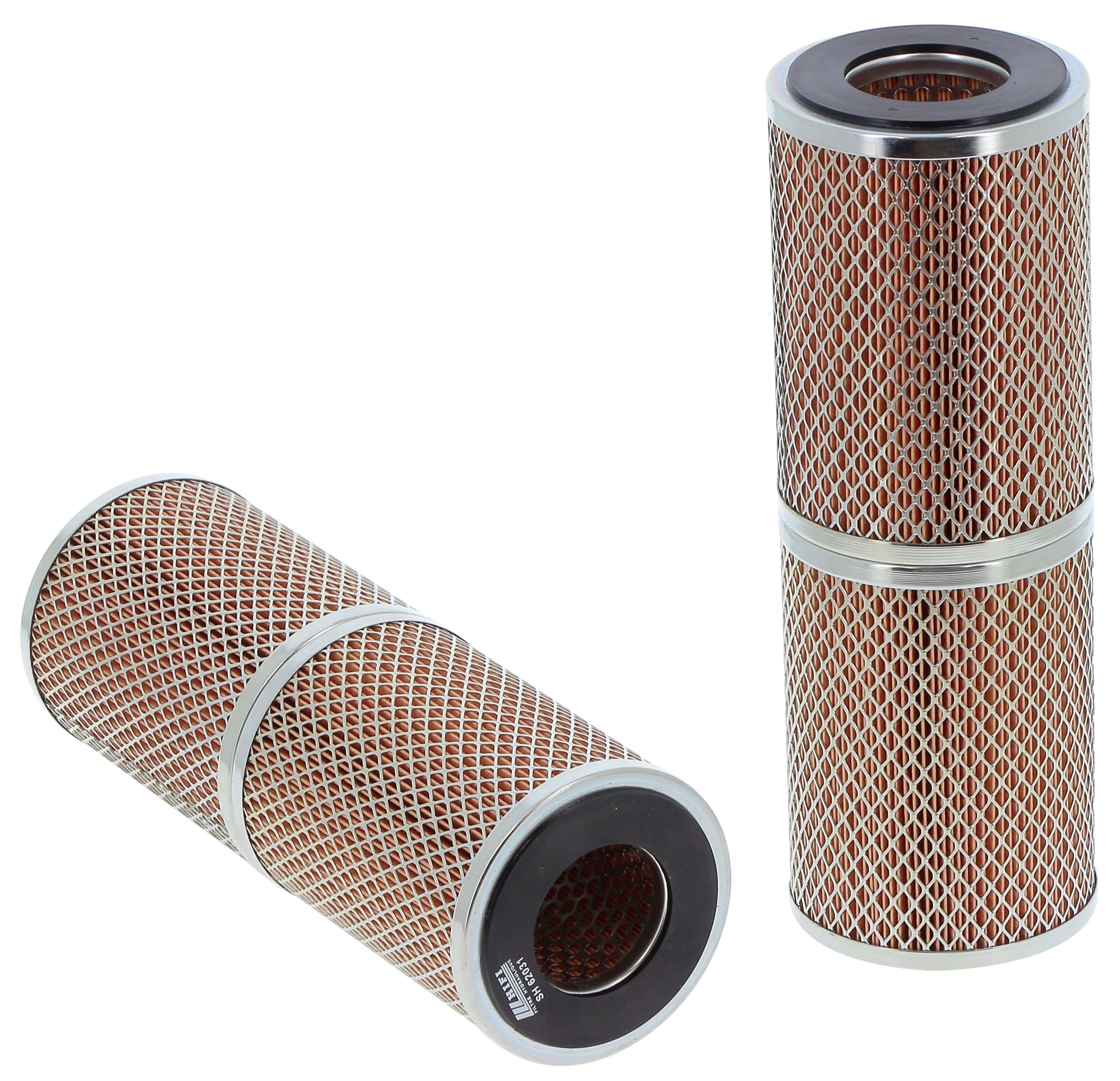
In addition to the internal media, the mechanical construction of the filter canister or housing is a key technical consideration. Oil filters are subject to cyclic pressure fatigue and must withstand peak system pressures without deformation or bursting. High-pressure hydraulic oil circuits require specialised units such as the HIFI FILTER SH 62031, which feature reinforced steel housings and heavy-duty end caps.
The centre tube must also be rigid enough to resist collapse. A spirally-wound or perforated metal centre tube provides the necessary radial strength to support the media under high differential pressure. Furthermore, the base plate must be thick enough to prevent thread stripping and ensure a consistent seal against the engine block or filter head, especially in environments with high levels of vibration.
Why are sealing and gaskets critical for system integrity?
Even the most efficient filter media is useless if the external or internal seals fail. The external gasket must be compatible with the specific chemistry of the oil being used—whether mineral-based or fully synthetic. Nitrile (Buna-N) gaskets are common, but applications involving high temperatures may require Viton (FKM) seals to prevent hardening and subsequent leakage. Furthermore, internal components like the HIFI FILTER MO 3001 plug or cap systems must be checked for thread compatibility to maintain the hermetic seal of the lubrication circuit.
The anti-drainback valve (ADBV) is another essential seal. Usually made of silicone or nitrile, this flap sits behind the inlet holes. It prevents oil from draining out of the filter when the engine is off. This ensures that upon the next start, oil pressure is achieved almost instantaneously, preventing 'dry start' friction which accounts for a significant portion of long-term engine wear. When choosing right oil filtration units, verifying the ADBV material is a technical necessity for engines where the filter is mounted in a horizontal or inverted position.
Frequently asked questions
What is the difference between absolute and nominal filtration?
Nominal filtration is an arbitrary micrometre rating given by manufacturers, often representing a 50% to 75% efficiency. Absolute filtration is a verified rating, usually indicating that the filter captures 98.7% or more of particles at that specific size, based on standardised laboratory tests.
How does the Beta ratio help in choosing right oil filters?
The Beta ratio provides a mathematical measurement of filtration efficiency. A ratio expressed as β10=200 means the filter is 99.5% efficient at capturing particles 10 microns or larger. Higher Beta ratios indicate superior protection for sensitive engine components.
When should a hydraulic-specific oil filter be used?
Hydraulic oil filters, such as the HIFI FILTER SH 78002, should be used when the system operates under high working pressures or requires very fine filtration (often 3-10 microns) to protect sensitive valves and actuators, which standard automotive oil filters cannot handle.
Does a larger filter always provide better filtration?
Not necessarily. While a larger filter may have more media surface area and a higher contaminant holding capacity, it must still match the engine's required bypass pressure and thread specifications. A larger filter with the wrong bypass setting can cause engine damage.
Share