Optimal oil filter replacement intervals and technical life
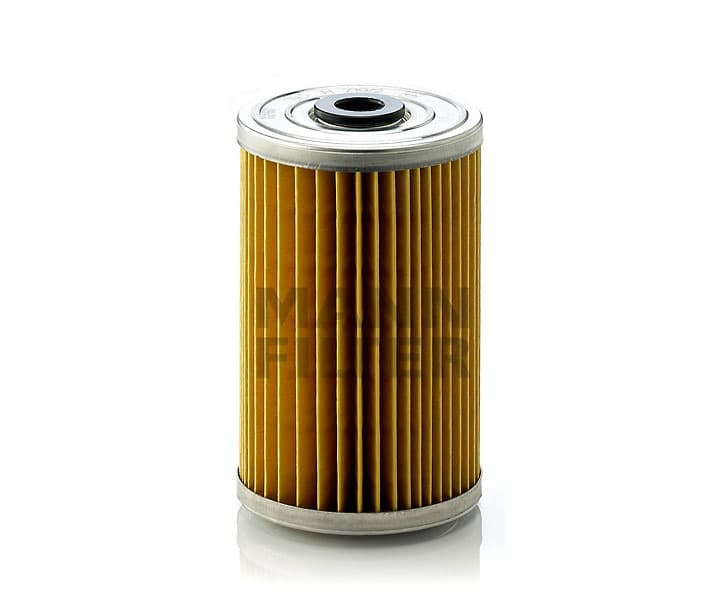
In summary: The oil filter replacement interval is a critical maintenance parameter determined by the filter media's holding capacity, the engine's duty cycle, and the environmental conditions in which the vehicle or machinery operates. While manufacturers often suggest intervals ranging from 10,000 to 20,000 miles for modern passenger vehicles, technical analysis frequently suggests shorter intervals for engines operating under high thermal stress or in high-particulate environments to prevent the bypass valve from opening and circulating unfiltered oil.
Why is the oil filter replacement interval critical for engine health?
The primary function of an oil filter is to capture and retain contaminants such as carbon soot, metallic wear particles, and combustion by-products. As the filter performs this task, the accumulation of debris within the media—typically a blend of cellulose and synthetic fibres—creates a progressive restriction to oil flow. This restriction is measured as a pressure differential (delta-P) between the inlet and outlet sides of the filter element.
If the oil filter replacement is neglected, the pressure differential will eventually exceed the setting of the internal bypass valve. At this point, the valve opens to ensure the engine components receive lubrication, but the oil supplied is no longer filtered. Operating an engine with a saturated filter significantly accelerates the wear of crankshaft bearings, cam lobes, and cylinder walls, as abrasive particles are allowed to recirculate continuously through the lubrication system. Therefore, adhering to a precise interval is not merely about oil cleanliness, but about maintaining the structural integrity of the engine's internal components.
How do operating conditions dictate the oil filter replacement schedule?
Standard manufacturer recommendations are usually based on 'ideal' operating conditions, which involve moderate speeds, stable ambient temperatures, and long-distance travel that allows the oil to reach and maintain its optimal operating temperature. However, many vehicles operate under what technical manuals define as 'severe service' conditions. This includes frequent short trips where the engine does not reach thermal equilibrium, prolonged idling (common in urban delivery or construction), and operation in dusty or off-road environments.
Under these conditions, the rate of contaminant entry into the oil increases. Short trips lead to water condensation and fuel dilution in the sump, which can cause the filter media to degrade more rapidly. In heavy-duty applications, such as those utilising the SF FILTER BT7349, the filter is designed to handle a higher volume of soot. Nevertheless, even high-capacity filters have a finite limit. In severe service, it is a standard engineering practice to reduce the oil filter replacement interval by 30% to 50% compared to the standard service schedule to compensate for the higher rate of particulate loading.
What role does the bypass valve play in determining the interval?
Most modern spin-on and cartridge filters, such as the SF FILTER BC7326, incorporate a pressure relief or bypass valve. This valve is a safety mechanism designed to prevent oil starvation. When the oil is cold and viscous, or when the filter media is clogged with contaminants, the pressure drop across the filter increases. Once this pressure exceeds a calibrated threshold (often between 10 and 25 PSI depending on the engine design), the valve opens.
The danger is that there is often no cockpit indicator to inform the operator that the filter is in bypass mode. The engine continues to run with normal oil pressure readings on the dashboard, yet the oil is bypassing the filtration media entirely. Technical oil analysis often reveals that engines with extended oil filter replacement intervals show a sharp spike in silicon and iron particulates once the bypass threshold is reached. This is why the interval must be set to ensure the filter never reaches the point of total saturation.
How does filter media technology affect the replacement interval?
The material used in the filter element significantly influences how long it can effectively remain in service. Traditional cellulose filters are cost-effective but have a limited capacity for holding small particulates and can degrade over time when exposed to the acidic compounds found in used engine oil. In contrast, full synthetic or glass-fibre reinforced media offers a higher void volume, allowing for greater contaminant retention without a corresponding increase in flow resistance.
For instance, heavy-duty components like the SF FILTER 51458 are engineered with specific structural reinforcements to maintain pleat geometry under high pressure. When a system uses high-efficiency media, the interval can sometimes be extended, provided that the oil itself remains chemically stable. However, even the most advanced synthetic media cannot filter out liquid contaminants or neutralise acids; therefore, the filter should always be replaced in conjunction with a full oil change to ensure the new lubricant is not immediately contaminated by the residual debris trapped in an old filter.
What are the technical signs that an oil filter replacement is overdue?
While the most reliable method for determining replacement is following a fixed mileage or hour-based schedule, certain mechanical symptoms may indicate a failed or clogged filter. A noticeable drop in oil pressure after the engine has reached operating temperature can indicate high restriction. Furthermore, an increase in mechanical noise—specifically 'ticking' from the hydraulic lifters or valve train—often suggests that the oil flow is insufficient or that the oil contains too much suspended debris.
In some commercial applications, technicians use a differential pressure gauge to monitor the health of the filtration system. A significant increase in delta-P over a short period is a definitive signal that the oil filter replacement must be performed immediately. For stationary engines or fleet vehicles, oil analysis is the gold standard; if the 'insolubles' percentage in the oil report is rising, it indicates the filter's efficiency is declining and its service life has reached its end.
Frequently asked questions
Can I change the oil filter without changing the oil?
While technically possible, it is not recommended. Removing the filter will cause some oil loss, and installing a clean filter into dirty, depleted oil will cause the new filter to reach its saturation point much faster. It is more efficient and safer for the engine to replace both simultaneously.
What happens if I use a filter with the wrong micron rating?
Using a filter with a micron rating that is too coarse will allow smaller, more abrasive particles to pass through the engine. Conversely, a filter with a micron rating that is too fine for the oil pump's capacity may create excessive backpressure and force the system into bypass mode prematurely, resulting in no filtration at all.
Is the oil filter replacement interval different for synthetic oil?
Synthetic oil is more resistant to thermal breakdown, which may allow for longer oil drain intervals. However, the physical particulates and soot created by the engine remain the same regardless of the oil type. Therefore, if you extend your oil drain interval using synthetic oil, you must ensure you are using a high-capacity filter designed for extended service.
Does a larger oil filter provide a longer replacement interval?
A larger filter housing generally contains more surface area of filtration media, which theoretically allows for a higher contaminant holding capacity. However, you should only use filters that match the specific thread size, gasket diameter, and bypass valve pressure settings required by the engine manufacturer.
Share