Hydraulic Filters: Your Essential Guide to System Protection
The Unsung Heroes of Hydraulic Systems: An Introduction
In the demanding world of heavy machinery and industrial operations, hydraulic systems are the powerhouse, converting fluid power into mechanical motion. From lifting massive loads on construction sites to precisely controlling agricultural implements or powering complex manufacturing processes, these systems operate under immense pressure and require absolute reliability. At the heart of this reliability lies a critical component often overlooked until issues arise: the hydraulic filter. This unassuming device plays a monumental role in protecting sensitive hydraulic components from contaminants, ensuring smooth operation, extending equipment lifespan, and preventing costly downtime. Understanding their function, selection, maintenance, and replacement is paramount for any operator, mechanic, or fleet manager.
At Filtry.org, we recognise the indispensable value of clean hydraulic systems. As a leading distributor of automotive and industrial filters, we offer an extensive selection of over 300,000 products from reputable manufacturers. Our specialisation in various filter types, including Filtry.org's comprehensive range of hydraulic filters, positions us as your trusted partner for maintaining peak machinery performance. This article serves as a practical guide to hydraulic filters, covering their applications, essential selection criteria, signs of wear, and best practices for replacement and maintenance, applicable to passenger cars, trucks, construction machinery, agricultural equipment, and industrial machines across Europe, including the UK, Germany, and Poland.
Understanding the Vital Role of Hydraulic Filters
A hydraulic system is a closed loop of fluid under pressure. However, despite being 'closed', it is highly susceptible to contamination. Contaminants can be external, introduced during maintenance or through worn seals, or internal, generated from wear and tear of components within the system itself. These particles – be they metallic debris, dirt, dust, water, or degraded oil – act as abrasive agents, causing accelerated wear to pumps, valves, cylinders, and seals. This wear leads to:
- Reduced system efficiency and power.
- Increased operating temperatures.
- Premature component failure.
- Expensive repairs and unplanned downtime.
Hydraulic filters are specifically designed to capture and remove these harmful contaminants from the hydraulic fluid. By doing so, they maintain the fluid's cleanliness level, which is directly correlated with the longevity and performance of the entire hydraulic system. They act as the first line of defence, protecting the system's intricate parts from abrasive particles and ensuring the hydraulic fluid remains in optimal condition for its lubrication, power transmission, and heat dissipation functions.
Diverse Applications: Where Hydraulic Filters Work Hard
The need for robust hydraulic filtration extends across a vast spectrum of machinery and industries, each presenting unique challenges and demands on the hydraulic system.
Hydraulic Filters for Construction Machinery
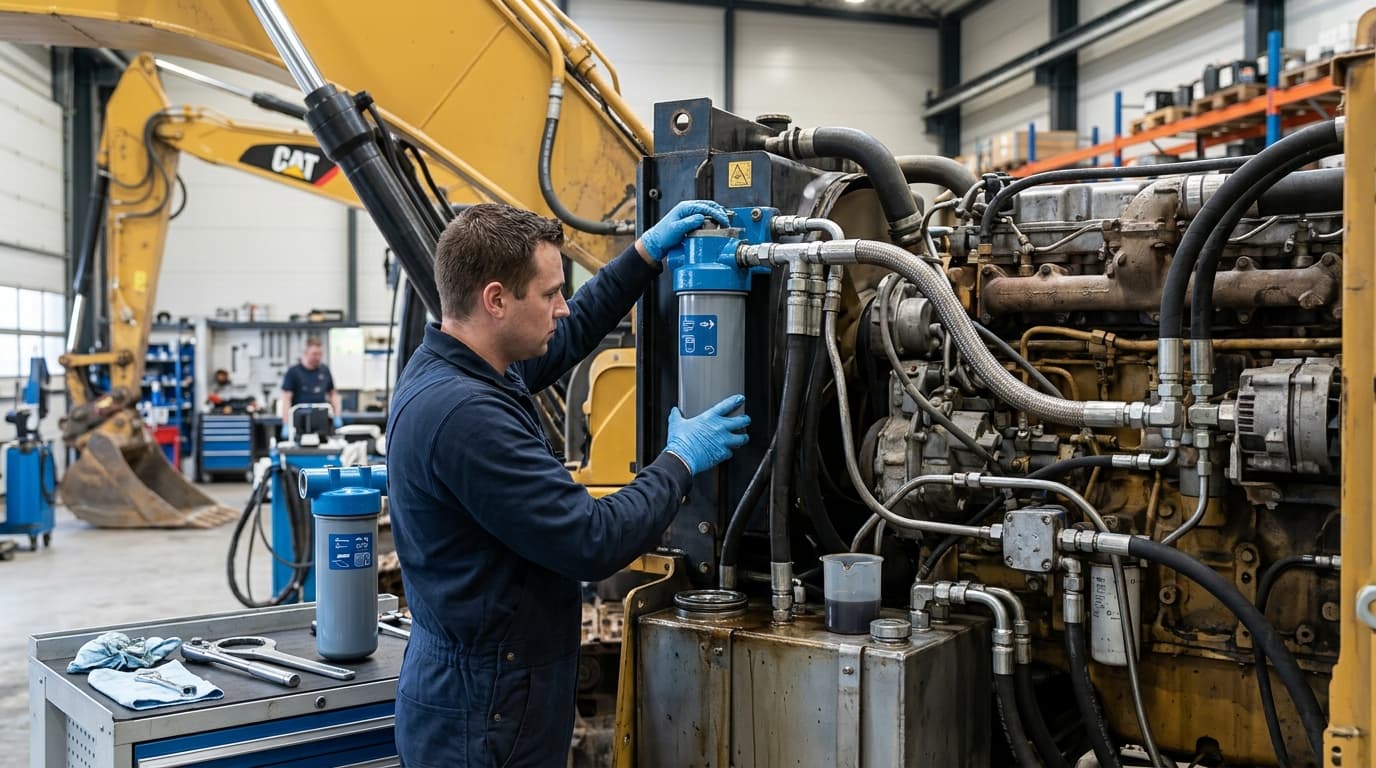
Construction sites are harsh environments. Excavators, loaders, bulldozers, cranes, and graders operate amidst dust, dirt, and extreme conditions. Their hydraulic systems are constantly under high loads and pressures, performing digging, lifting, pushing, and pulling tasks. Contamination from external sources, coupled with internal wear, can rapidly degrade hydraulic fluid quality. High-efficiency hydraulic filters are indispensable in these machines to protect high-value components like hydraulic pumps, motors, and control valves from abrasive particles, ensuring consistent power and precision during critical operations and reducing the likelihood of costly field failures.
Hydraulic Filters in Agricultural Equipment
Modern agricultural equipment, such as tractors, combine harvesters, sprayers, and balers, relies heavily on sophisticated hydraulic systems for everything from steering and lifting implements to powering various auxiliary functions. These machines frequently operate in dusty fields, endure significant vibrations, and are exposed to various weather conditions. The ingress of dirt, crop residue, and moisture poses a constant threat to hydraulic fluid integrity. Reliable hydraulic filters are crucial for maintaining the performance and longevity of these machines, preventing breakdowns during critical planting or harvesting seasons, and ensuring that farmers can operate efficiently and productively.
Hydraulic Filters for Industrial Machines
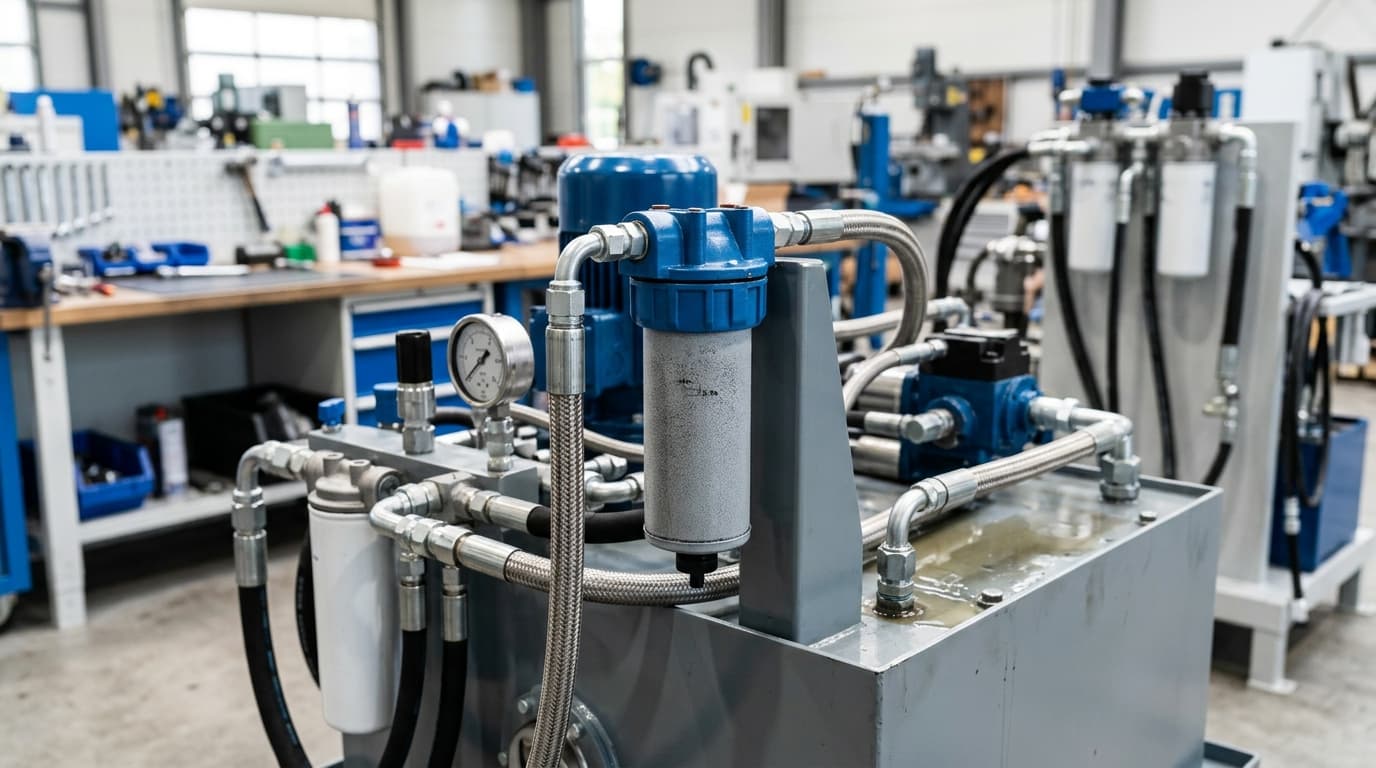
Industrial settings, including manufacturing plants, workshops, and processing facilities, house a diverse range of machinery that depends on hydraulic power. This includes hydraulic presses, plastic injection moulding machines, CNC equipment, robotic arms, and various material handling systems. In these environments, precision, repeatability, and continuous operation are key. Hydraulic systems in industrial machines often operate for extended periods and may face internal contamination from component wear or external contaminants from the manufacturing process. Effective hydraulic filtration is vital to maintain the high precision required by these machines, reduce wear on sensitive servo valves, and ensure uninterrupted production cycles, thereby optimising operational efficiency and product quality.
Types of Hydraulic Filters: A Classification Guide
Hydraulic systems employ various types of filters strategically placed at different points to achieve optimal fluid cleanliness. Each type serves a specific purpose in the filtration process.
Suction Filters (Inlet Filters)
These filters are located in the suction line, typically submerged in the hydraulic reservoir before the pump. Their primary role is to protect the hydraulic pump from large contaminants that could cause catastrophic damage. They usually have a coarser micron rating (e.g., 100-250 µm) to minimise pressure drop and ensure adequate fluid flow to the pump, preventing cavitation. While they offer initial protection, they are not designed for fine filtration.
Pressure Filters
Pressure filters are installed in the pressure line, immediately downstream from the pump but upstream of critical components like valves and cylinders. They operate under high system pressures and are designed to protect the most sensitive and expensive components. These filters typically have very fine micron ratings (e.g., 3-25 µm) to achieve high levels of fluid cleanliness. Due to the high pressure, their housings are robust, and they often incorporate a bypass valve to ensure fluid flow if the filter element becomes clogged.
Return Line Filters
Positioned in the return line before the fluid re-enters the reservoir, return line filters are responsible for cleaning the fluid after it has passed through the hydraulic system's components. They capture contaminants generated within the system (e.g., wear particles from cylinders, valves, and seals) before the fluid is stored in the reservoir for recirculation. They typically have medium micron ratings (e.g., 10-25 µm) and often include a bypass valve.
Off-line Filters (Bypass Filters)
Off-line filters operate independently of the main hydraulic circuit. A small portion of the hydraulic fluid is continuously drawn from the reservoir, passed through a dedicated filter system (often with very fine filtration capabilities, sometimes sub-micron), and then returned to the reservoir. These systems are ideal for achieving extremely high levels of cleanliness and can extend the life of the main system filters. They are particularly useful in large or critical systems where continuous, high-efficiency filtration is required.
Breather Filters
While not directly in the fluid path, breather filters are crucial for hydraulic system cleanliness. They are mounted on the hydraulic reservoir and prevent airborne contaminants (dust, moisture, pollen) from entering the tank as the fluid level fluctuates or temperature changes cause the air in the reservoir to expand and contract. High-quality breather filters protect the entire system from external environmental particulate and moisture ingress, a common source of contamination.
Key Parameters: How to Select the Correct Hydraulic Filter
Choosing the right hydraulic filter is not a one-size-fits-all task. It requires a careful consideration of several critical parameters to ensure effective protection and optimal system performance.
Micron Rating: The Purity Measure
The micron rating (µm) indicates the size of the smallest particle the filter element can capture. It is perhaps the most crucial specification. Filters are typically rated as 'absolute' or 'nominal'.
- Nominal Rating: Refers to the percentage of particles of a given size that the filter can remove (e.g., 90% of 10 µm particles). This rating can be less precise.
- Absolute Rating: Specifies the size of the largest particle that will pass through the filter, with a capture efficiency of 98.7% or higher. This is a more reliable indicator of filtration performance.
The required micron rating depends on the sensitivity of your hydraulic components. More sophisticated systems with servo valves or hydrostatic transmissions require finer filtration (e.g., 3-5 µm absolute), while less sensitive systems might use coarser filters (e.g., 10-25 µm absolute).
Flow Rate and Pressure Rating
The filter must be able to handle the system's maximum flow rate (litres per minute, GPM) without excessive pressure drop. An undersized filter can restrict flow, leading to cavitation, overheating, and component damage. Similarly, the filter housing and element must be rated to withstand the maximum operating pressure of its specific location within the system (e.g., suction, pressure, return line). Using a filter with an inadequate pressure rating can lead to catastrophic failure.
Bypass Valve Settings
Many hydraulic filters incorporate a bypass valve. This valve opens if the filter element becomes clogged or the pressure drop across it exceeds a pre-set level, allowing unfiltered fluid to bypass the element. While this prevents system starvation, it also means contaminants are circulating freely. The bypass valve's opening pressure must be correctly matched to the system. A bypass valve that opens too soon negates the filter's purpose, while one that opens too late can damage the filter or upstream components.
Filter Media Type
The material and construction of the filter element significantly impact its efficiency and dirt-holding capacity:
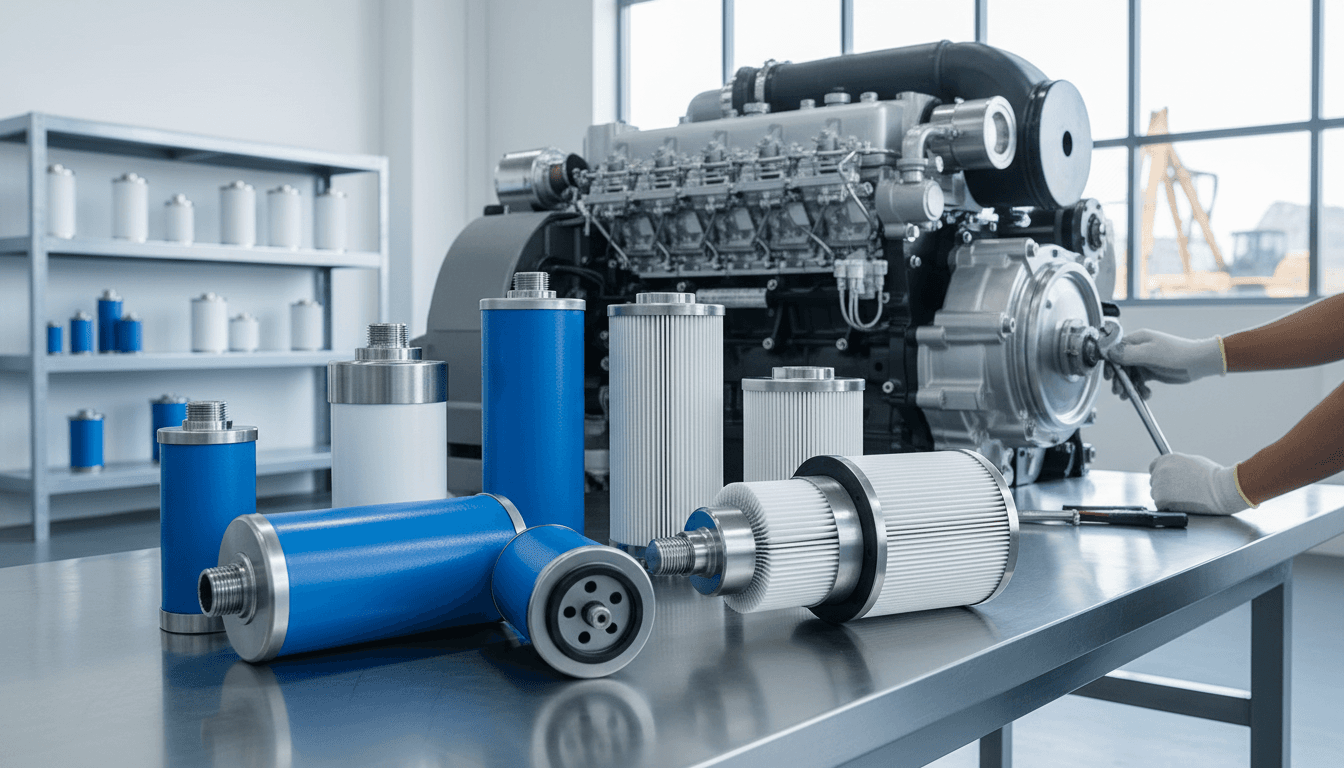
- Cellulose Media: Traditionally made from paper-based materials, these are cost-effective but generally offer lower efficiency and dirt-holding capacity compared to synthetics. They are often used for less critical applications or as primary filters.
- Synthetic Media: Made from synthetic fibres (e.g., fibreglass), these elements offer superior efficiency (often absolute ratings), higher dirt-holding capacity, and better resistance to water and temperature fluctuations. They are ideal for high-performance systems and extended service intervals.
- Wire Mesh Media: Used primarily for suction strainers or applications requiring very coarse filtration, they can be cleaned and reused but offer limited fine particle removal.
Housing Material and Construction
The filter housing must be robust enough to withstand the operating environment, including pressure, temperature, and potential exposure to corrosive substances. Materials like steel, aluminium, or high-strength plastics are common, chosen for their durability and compatibility with various hydraulic fluids.
Compatibility and OEM Specifications
Always consult the original equipment manufacturer (OEM) manual for specific filter part numbers and specifications. Using a filter that doesn't meet OEM requirements, even if it appears to fit, can compromise system performance, void warranties, and potentially lead to expensive failures. Manufacturers carefully engineer their systems to work with filters of specific characteristics.
Signs of Wear and When to Replace Your Hydraulic Filter
Knowing when to replace a hydraulic filter is crucial for preventive maintenance and avoiding costly repairs. While manufacturers provide recommended service intervals, several indicators suggest that a filter may be nearing the end of its effective life or is already compromised.
Decreased Machine Performance
A primary sign of a clogged or failing hydraulic filter is a noticeable reduction in machine performance. This can manifest as:
- Sluggish or slow hydraulic functions (e.g., slow lift, decreased cycle times).
- Reduced power or force during operation.
- Difficulty in achieving desired speeds or pressures.
These symptoms occur because a restricted filter starves the hydraulic pump or system components of adequate fluid flow.
Unusual Noises from the Hydraulic System
Listen for changes in the sound of your machinery. A whining or grinding noise, particularly from the hydraulic pump, can indicate cavitation. This happens when the pump is struggling to draw enough fluid due to a clogged suction filter, creating vacuum pockets that collapse violently and cause damage.
Elevated System Temperature
Increased friction from contaminated fluid, or a system working harder due to flow restrictions, can lead to higher-than-normal hydraulic fluid temperatures. Excessive heat degrades the hydraulic fluid, damages seals, and reduces component lifespan. A consistently hot hydraulic system can be a sign of a filter issue among other potential problems.
Warning Lights and Indicators
Many modern machines are equipped with sophisticated monitoring systems. Pressure differential indicators on filter housings or dashboard warning lights are designed to alert operators when a filter element is becoming clogged and requires attention. Never ignore these warnings; they are your system's direct communication about an impending problem.
Visible Contamination or Fluid Discolouration
While not always possible or safe to observe, if you can safely inspect the hydraulic fluid (e.g., via a sight glass or a fluid sample), look for cloudiness, unusual colours, or visible particulate matter. Dark or milky fluid can indicate contamination, water ingress, or fluid degradation, signaling that the filtration system is overwhelmed or failing.
Regular Maintenance Schedules and Fluid Analysis
The most reliable way to know when to replace a hydraulic filter is to adhere to the manufacturer's recommended service intervals. These intervals are based on typical operating hours and conditions. For high-value machinery, regular fluid analysis can provide a detailed snapshot of fluid condition and contamination levels, allowing for proactive filter replacement based on actual fluid cleanliness rather than just time. This predictive maintenance approach can save significant costs in the long run.
It's also important to remember that other filter types play a vital role in machine longevity. For example, regularly replacing oil filters is crucial for engine health, just as fuel filters protect the fuel system from damaging contaminants. A holistic approach to filtration maintenance is always best.
A Step-by-Step Guide to Hydraulic Filter Replacement and Maintenance
Replacing a hydraulic filter is a fundamental maintenance task that, when done correctly, ensures the continued health of your hydraulic system. Incorrect procedures can introduce new contaminants or damage the system. Always refer to your equipment's specific service manual, as procedures may vary.
Prioritise Safety
Before beginning any work on hydraulic systems, ensure the machine is safely shut down, locked out, and tagged out according to safety protocols. Relieve any residual system pressure to prevent sudden fluid discharge or movement of hydraulic components, which could cause serious injury. Wear appropriate Personal Protective Equipment (PPE), including safety glasses, gloves, and protective clothing.
Consult the Equipment Manual
Your machine's operator or service manual is the definitive guide. It will provide specific instructions for filter location, the correct procedure for depressurising the system, the exact part number for the replacement filter, and any specific tools required.
Prepare for the Replacement
Gather all necessary tools, the new hydraulic filter element(s), fresh hydraulic fluid (if topping up is required), and containers to catch any drained fluid. Ensure your work area is clean to prevent introducing new contaminants during the replacement process.
Draining and Depressurising the System
Follow the manual's instructions to safely drain a small amount of fluid from the filter housing or, if necessary, from a system drain point to reduce pressure and volume before filter removal. This minimises spills and ensures safety.
Removing the Old Hydraulic Filter
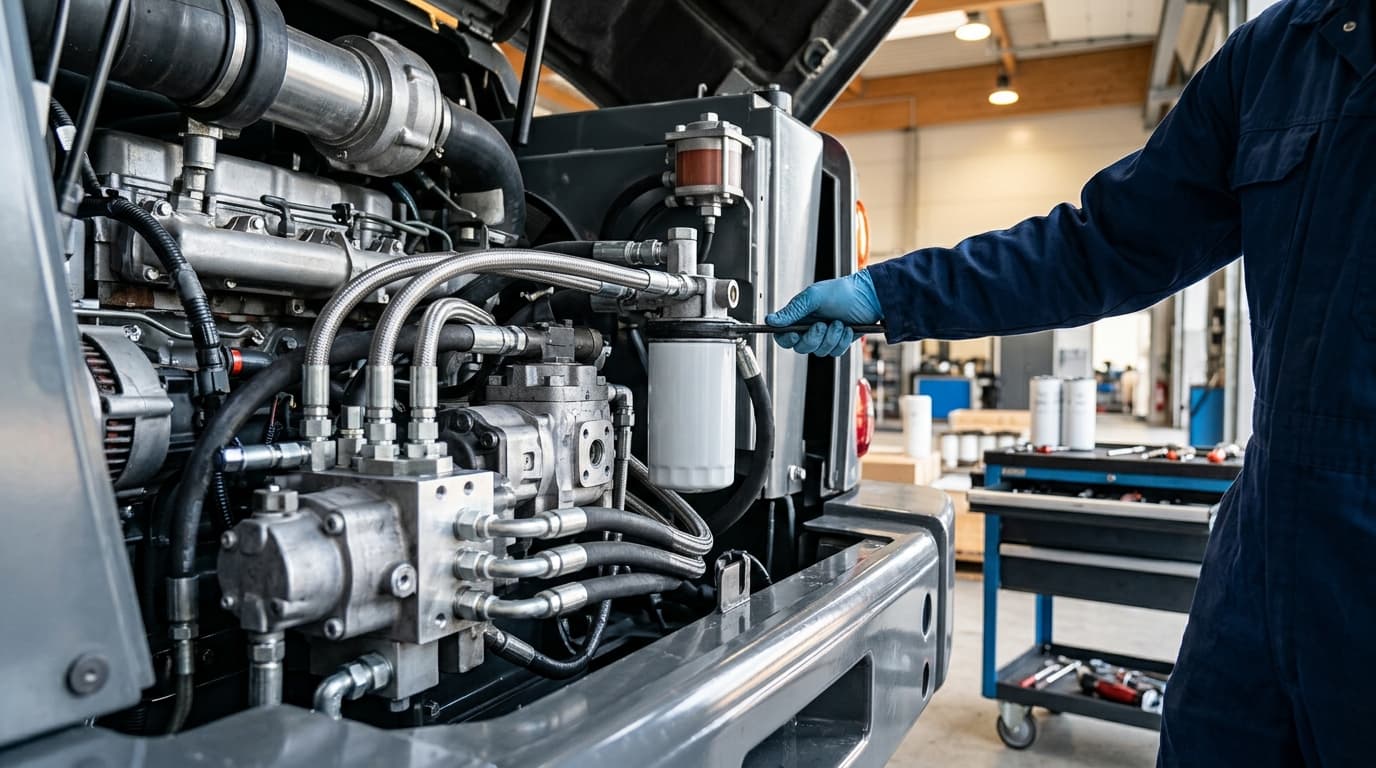
Carefully unscrew or unclamp the filter housing. Be prepared for some residual fluid to spill, even after depressurising. Remove the old filter element. Inspect the old element for signs of severe clogging, collapsed media, or unusual debris, which can provide clues about the health of your hydraulic system.
Inspecting the Filter Housing and System
Clean the inside of the filter housing, removing any accumulated sludge or debris. Inspect the housing and seals for any damage, cracks, or wear. Replace seals or O-rings as specified by the manufacturer, typically supplied with the new filter element. Ensure the sealing surfaces are clean and smooth.
Installing the New Hydraulic Filter
Lightly lubricate the new filter's O-rings or seals with clean hydraulic fluid. Carefully insert the new filter element into the housing, ensuring it is correctly seated. Re-attach the filter housing, tightening it to the manufacturer's specified torque. Overtightening can damage seals, while undertightening can lead to leaks.
Re-filling and Bleeding the Hydraulic System
Once the new filter is in place, check the hydraulic fluid level in the reservoir. Top up with clean, specified hydraulic fluid using appropriate filtration carts or clean funnels to avoid introducing contaminants. Many systems require 'bleeding' to remove trapped air. Follow the manual's procedure, which often involves cycling the hydraulic functions slowly without load to purge air from the lines and components.
Testing and Monitoring Post-Replacement
Start the machine and monitor the hydraulic system closely. Check for any leaks around the new filter and listen for unusual noises. Operate the hydraulic functions through their full range of motion. Check any pressure gauges or diagnostic indicators to ensure the system is operating within normal parameters.
Disposal of Used Filters and Fluid
Used hydraulic filters and fluid are considered hazardous waste. Dispose of them responsibly and in accordance with local environmental regulations. Never simply discard them in general waste.
Beyond hydraulic filters, a well-rounded maintenance programme for heavy machinery should also include regular checks and replacements for other critical components, such as air filters, to ensure comprehensive protection and optimal performance.
The Crucial Importance of Quality Hydraulic Filters
It might be tempting to opt for cheaper, generic hydraulic filters to save on immediate costs. However, this is a false economy that can lead to significantly higher expenses in the long run. Quality hydraulic filters, manufactured to precise specifications, offer superior filtration efficiency, higher dirt-holding capacity, and robust construction. They are designed to meet or exceed OEM performance standards, ensuring your hydraulic system receives the protection it deserves.
Investing in high-quality filters from a reputable supplier like Filtry.org means you are:
- Maximising the lifespan of expensive hydraulic components (pumps, motors, valves).
- Minimising unplanned downtime and associated operational losses.
- Ensuring consistent machine performance and productivity.
- Reducing repair costs and labour expenses over the equipment's lifetime.
- Maintaining equipment warranties.
The cost of a quality hydraulic filter pales in comparison to the cost of a new hydraulic pump or an unscheduled repair that halts production or a construction project.
Conclusion: Invest in Protection, Ensure Performance
Hydraulic filters are the frontline defence against contamination, the silent guardians that ensure the efficiency, longevity, and reliability of hydraulic systems in construction, agricultural, and industrial machinery. Understanding their different types, selecting the correct specifications, recognising signs of wear, and adhering to proper replacement procedures are non-negotiable aspects of effective maintenance.
By investing in high-quality hydraulic filters and following best practices, drivers, mechanics, and machine operators can significantly extend the operational life of their valuable equipment, reduce unexpected breakdowns, and maintain optimal performance. Don't compromise on the health of your hydraulic system. Choose quality, choose reliability, and choose Filtry.org for all your filtration needs. With over 300,000 products available for delivery across Europe, including the UK, Germany, and Poland, we are committed to providing the right filtration solutions to keep your machinery running smoothly.
Share