Effective Hydraulic Filter Maintenance and Selection
The Essential Role of the Hydraulic Filter in Modern Systems
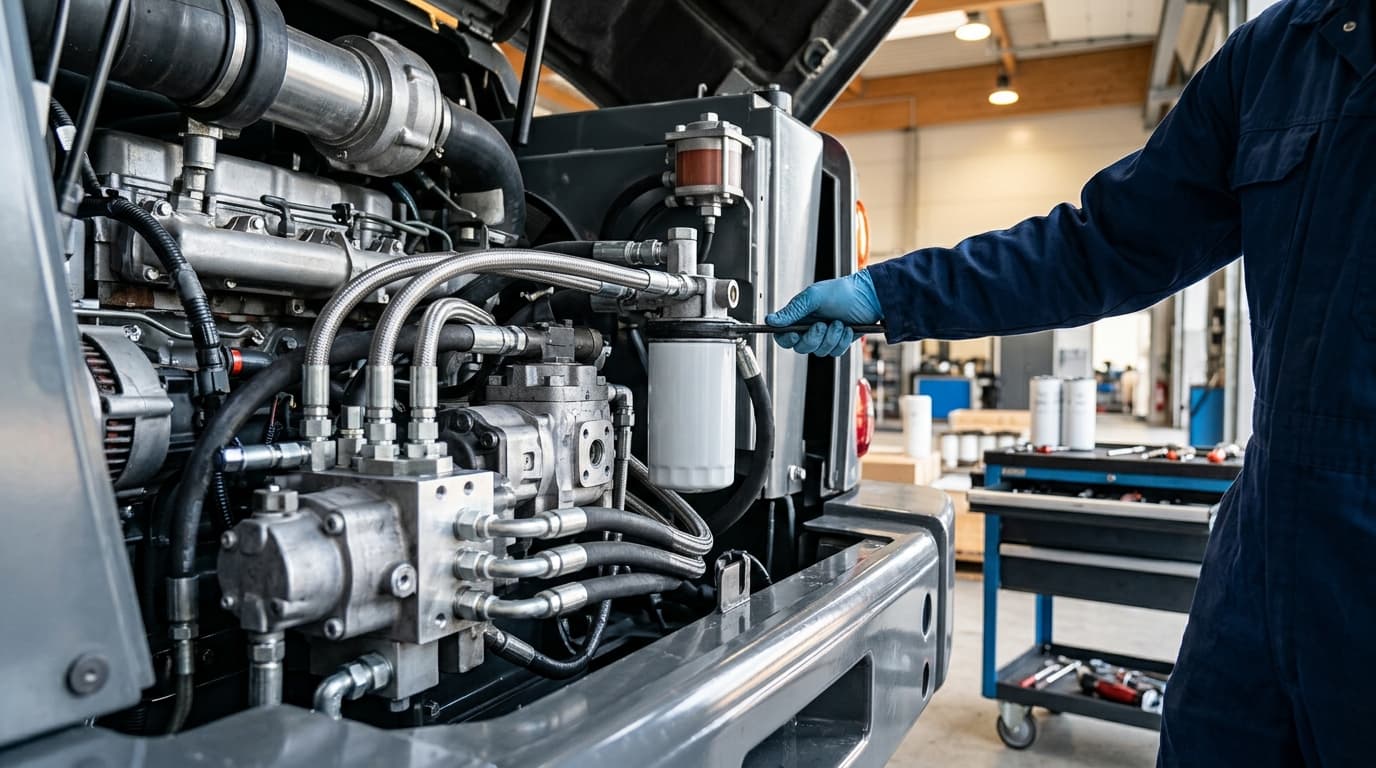
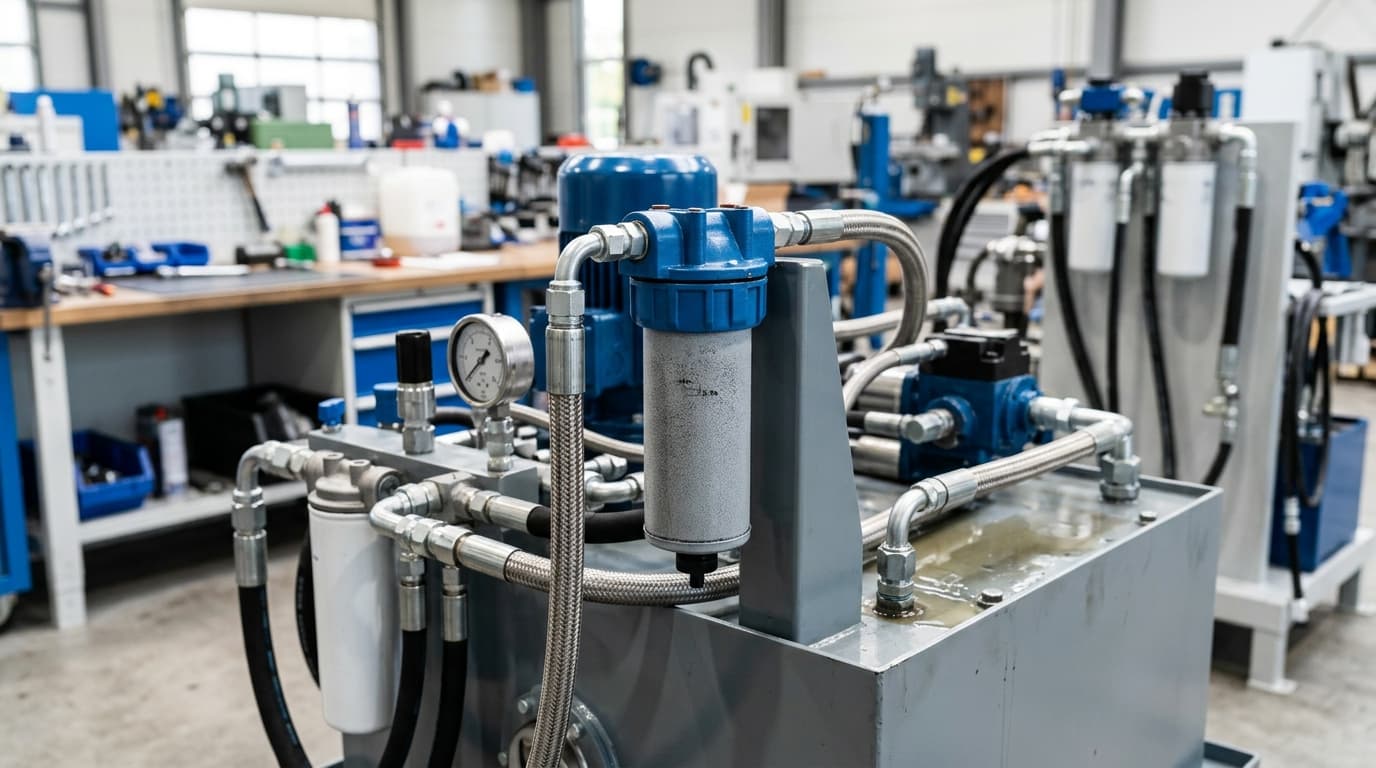
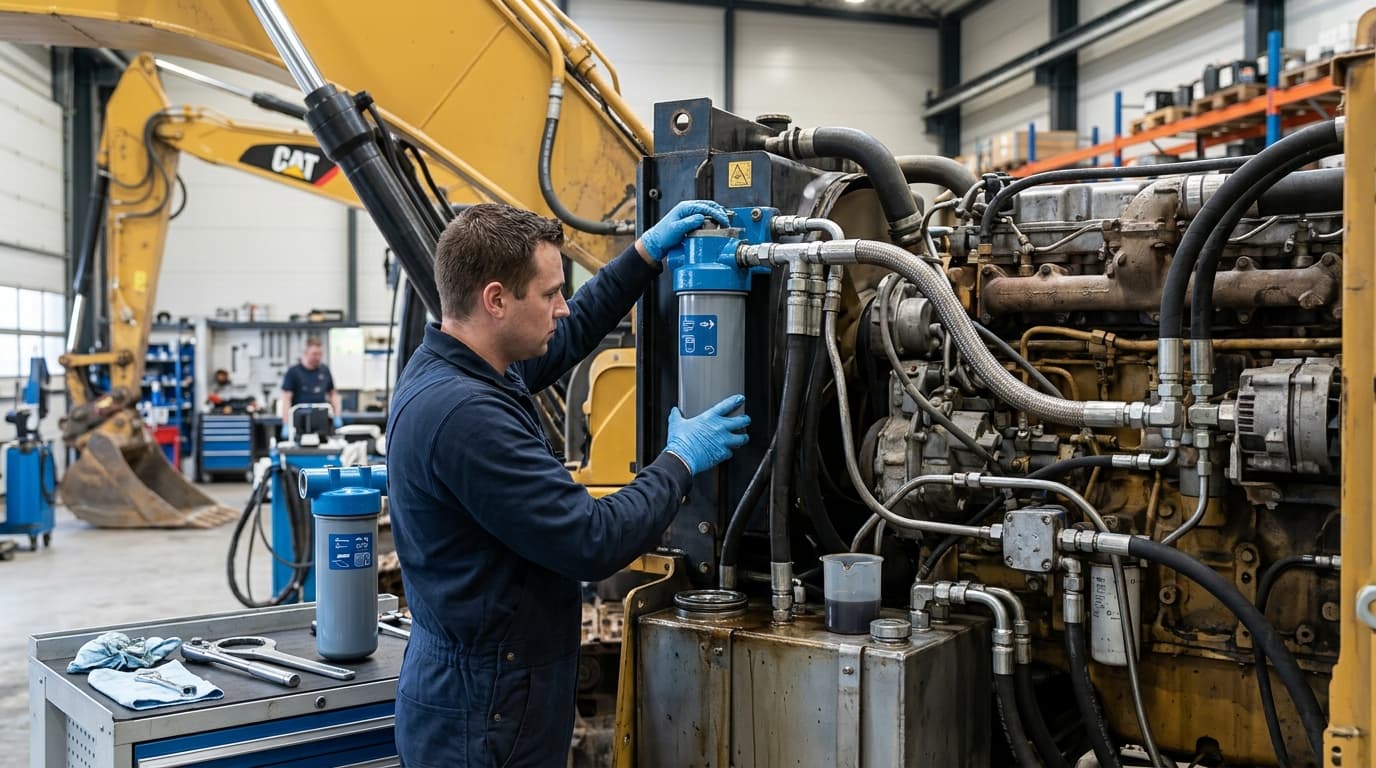
In the world of heavy machinery and industrial automation, the hydraulic filter is an unsung hero. It performs the critical task of maintaining fluid cleanliness within a complex układ hydrauliczny (hydraulic system), ensuring that power is transmitted efficiently and components remain protected from premature wear. Without adequate filtration, even the most robust maszyny budowlane (construction machines) would suffer from frequent breakdowns and costly downtime. As an operator or maintenance professional, understanding the nuances of a high-quality filtr hydrauliczny is the first step toward extending the lifespan of your equipment and optimising its performance in demanding environments.
Hydraulic systems operate under immense pressure, often exceeding several hundred bars. At these levels, even microscopic particles of dust, metal, or rubber can act as abrasive agents, carving out grooves in precision-engineered valves and cylinders. This process, known as abrasive wear, quickly leads to internal leakage and loss of system efficiency. By implementing a rigorous filtration strategy, you are not just protecting a single component; you are safeguarding the entire operational capability of your fleet, whether it consists of excavators, tractors, or industrial presses.
Understanding Contamination in Hydraulic Systems
To appreciate the value of a hydraulic filter, one must first understand what it is fighting against. Contamination in a hydraulic system can be categorised into three primary types:
- Built-in contamination: This refers to debris left behind during the manufacturing or assembly process, such as welding slag, metal shavings, or lint from cleaning rags.
- Ingressed contamination: Particles that enter the system from the external environment, often through worn seals, breather caps, or during fluid replenishment.
- Generated contamination: Wear particles produced internally by the moving parts of the system, such as pump components or cylinder rods.
Each of these contaminants poses a unique threat. Fine particles can clog small orifices, while larger shards can cause catastrophic mechanical failure. The role of the filter is to intercept these particles before they can reach sensitive components like servo valves and high-pressure pumps. Effective filtration ensures that the fluid remains within the ISO cleanliness levels specified by the equipment manufacturer.
Types of Hydraulic Filters and Their Applications
Not all filters are created equal, and their placement within the circuit determines their specific function. A comprehensive filtration strategy usually involves several different types of filters working in tandem.
Suction Filters
Located on the inlet side of the pump, suction filters (or strainers) are designed to protect the pump from large contaminants that may have settled in the reservoir. Because they are on the suction side, they must have a low pressure drop to prevent pump cavitation. They are typically coarser than other filter types but serve as a vital first line of defence.
Pressure Filters
These are installed downstream of the pump and are built to withstand the full operating pressure of the system. Pressure filters are usually the most efficient and have the finest micron ratings. Their primary job is to protect sensitive downstream components, such as proportional valves and actuators, from particles generated by the pump.
Return Line Filters
As the name suggests, return line filters are positioned at the end of the hydraulic circuit, just before the fluid enters the reservoir. They capture wear particles from the entire system, ensuring that the fluid returning to the tank is clean. This is often the most cost-effective location for high-efficiency filtration in many maszyny budowlane.
Breather Filters
Often overlooked, breather filters are mounted on the reservoir to filter the air that enters as fluid levels fluctuate. In dusty environments common to construction and agriculture, a high-quality breather is essential to prevent atmospheric dust from contaminating the hydraulic oil.
How to Choose the Correct Hydraulic Filter
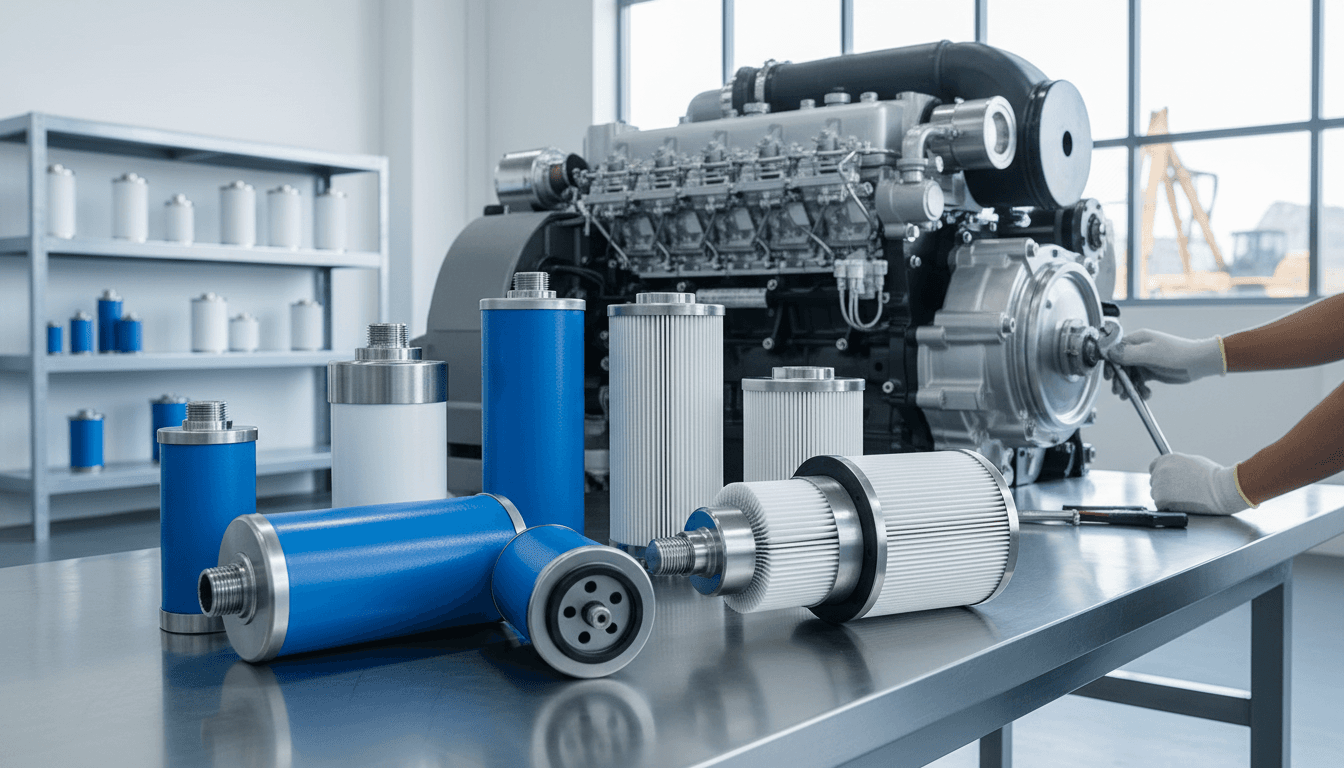
Selecting the right filtr hydrauliczny involves more than just finding a part that fits the housing. Several technical parameters must be considered to ensure the filter provides adequate protection without hindering system performance.
- Micron Rating: This indicates the size of particles the filter can capture. However, it is important to distinguish between nominal and absolute ratings. An absolute rating is a more reliable measure of a filter’s efficiency.
- Beta Ratio (β): This is a standard measure of filtration efficiency. A higher beta ratio means the filter is more effective at removing particles of a specific size.
- Flow Rate: The filter must be capable of handling the maximum flow of the system without creating an excessive pressure drop. Selecting a filter that is too small can lead to the bypass valve opening, allowing unfiltered oil to circulate.
- Pressure Rating: Ensure the filter housing and element can handle the maximum operating pressure and any potential pressure spikes within the circuit.
- Media Material: Filters can be made from cellulose, synthetic glass fibre, or wire mesh. Synthetic media generally offers better dirt-holding capacity and higher efficiency than traditional cellulose.
When selecting replacements, it is often wise to review the requirements for other parts of the machine, such as oil filters for the engine, to ensure a holistic approach to maintenance. Using compatible, high-quality components across the board reduces the risk of unexpected failures.
Signs of a Clogged or Damaged Hydraulic Filter
A failing or clogged filter rarely stops a machine instantly; instead, it provides subtle warnings that, if ignored, lead to major repairs. Operators should be trained to recognise the following symptoms:
- Sluggish Hydraulic Response: If the machine’s movements feel slower than usual or lack power, a clogged filter may be restricting the flow of oil or causing the bypass valve to activate.
- Increased Noise: Cavitation in the pump, often caused by a restricted suction filter, produces a distinct whining or growling sound. This is a critical warning sign that requires immediate attention.
- Rising Fluid Temperatures: When a filter is clogged, the pump has to work harder, and fluid may be forced through narrow passages or bypass valves, generating excess heat. Overheated oil loses its lubricating properties and damages seals.
- Discoloured or Cloudy Oil: If the hydraulic fluid appears dark, milky, or contains visible particles, it is a clear sign that the filtration system is failing to keep up with contamination.
- Frequent Pressure Spikes: A restricted filter can cause erratic pressure readings within the system, leading to inconsistent performance of hydraulic tools and attachments.
Monitoring these signs in your układ hydrauliczny is essential for preventing the kind of damage that leads to weeks of downtime for maszyny budowlane.
The Importance of Regular Filter Replacement
Maintenance schedules for hydraulic filters are typically determined by the equipment manufacturer based on operating hours. However, these are general guidelines and may need to be adjusted based on the operating environment. For instance, a machine working in a dusty quarry will require more frequent filter changes than one operating in a clean indoor factory.
Many modern systems are equipped with differential pressure indicators. These devices monitor the pressure drop across the filter and provide a visual or electronic signal when the element is becoming restricted. This "condition-based maintenance" approach is often more efficient than relying solely on hourly intervals, as it prevents replacing a good filter too early while ensuring a dirty one is caught before the bypass opens.
During a filter change, it is also a good opportunity to inspect the fuel filters and air filters. A comprehensive service ensures that all critical systems are protected, as contaminants in the fuel or air can indirectly affect the overall health and thermal balance of the machine.
Step-by-Step Guide to Replacing a Hydraulic Filter
Replacing a filter might seem straightforward, but following the correct procedure is vital to avoid introducing new contaminants into the system during the process.
- Preparation: Clean the area around the filter housing thoroughly. Any dirt on the outside of the housing can easily fall into the system once the filter is removed.
- Depressurisation: Ensure the hydraulic system is completely depressurised. Move all control levers to relieve trapped pressure and shut down the engine.
- Drainage: If the housing has a drain plug, use it to remove the oil into a clean container. This prevents a mess and allows you to inspect the oil for large debris.
- Removal: Unscrew the filter element or the housing cover. Be careful not to damage any seals or threads.
- Inspection: Examine the old filter element. Cutting it open can reveal a wealth of information about the health of the system. For example, excessive bronze particles might indicate a failing pump.
- Installation: Lubricate the seal of the new filter with clean hydraulic oil. Install the new element according to the manufacturer’s torque specifications. Do not over-tighten, as this can damage the gasket.
- Priming and Testing: Refill the system if necessary, start the engine, and operate the hydraulics through their full range of motion. Check for leaks around the new filter.
Protecting Construction and Agricultural Machinery
In sectors like construction and agriculture, the układ hydrauliczny is under constant threat from the elements. Dust, moisture, and temperature fluctuations are the norm. For maszyny budowlane, the hydraulic system often powers everything from the tracks to the heavy-duty attachments. A failure in the filtration system can halt an entire project.
Agricultural equipment faces similar challenges, especially during harvest season when machines work long hours in extremely dusty conditions. In these scenarios, using high-capacity filters with superior dirt-holding capabilities is not an expense—it is an investment in reliability. Operators should also pay close attention to the seals and breathers, as these are the primary entry points for environmental contaminants.
The Economics of Quality Filtration
While it may be tempting to opt for the cheapest available filters, the long-term economics suggest otherwise. High-quality filters offer better protection, which translates to fewer component replacements. A single hydraulic pump or valve block for a large excavator can cost thousands of pounds, far outweighing the price difference between a standard and a premium filter.
Furthermore, efficient filtration maintains the chemical properties of the hydraulic oil for longer. Clean oil oxidises more slowly, meaning you can potentially extend the intervals between expensive oil changes, provided you monitor the oil quality through regular laboratory analysis. This reduces both the environmental impact of your operations and the total cost of ownership for your machinery.
Summary: A Proactive Approach to Hydraulic Health
The health of your machinery depends on the cleanliness of its fluids. By selecting the correct filtr hydrauliczny, monitoring its condition, and adhering to a strict replacement schedule, you can ensure that your układ hydrauliczny remains powerful and reliable. Whether you are managing a fleet of maszyny budowlane on a busy site or maintaining a single tractor on a farm, the principles of filtration remain the same: keep it clean, keep it cool, and never ignore the warning signs of contamination.
At Filtry.org, we provide access to a vast range of filtration solutions designed to meet the rigorous demands of modern industry. By prioritizing quality and technical precision in your filtration strategy, you are choosing a path of operational excellence and long-term mechanical health. Remember that a filter is not just a consumable part; it is a critical component of your machine's engineering, designed to keep the lifeblood of your equipment flowing smoothly for years to come.
Share