A Guide to Selecting and Maintaining a Hydraulic Filter
The Vital Role of the Hydraulic Filter in Industrial Systems
In the world of heavy machinery and industrial automation, the reliability of a hydraulic system (układ hydrauliczny) is paramount. At the heart of this reliability lies a component that is often overlooked until a failure occurs: the hydraulic filter. This essential part serves as the primary line of defence against contaminants that can compromise the efficiency and lifespan of expensive equipment. Whether you are managing a fleet of excavators or maintaining a manufacturing plant, understanding how to select and maintain these filters is crucial for operational success.
Contamination is the leading cause of failure in hydraulic components. Even microscopic particles can cause significant damage to pumps, valves, and cylinders. By implementing a robust filtration strategy, operators can ensure that their hydraulic filter effectively removes harmful debris, thereby reducing downtime and preventing costly repairs. This guide explores the technical nuances of hydraulic filtration, providing practical advice for professionals working with construction machinery (maszyny budowlane), agricultural equipment, and industrial systems.
Understanding Contamination in Hydraulic Systems
Before diving into the specifics of filter selection, it is important to understand what we are trying to filter out. Contamination in a hydraulic system typically falls into three categories: built-in, ingressed, and generated. Built-in contamination includes debris left behind during the manufacturing or repair process, such as metal shavings or welding scale. Ingressed contamination enters the system from the external environment through seals, breathers, or during fluid top-ups. Finally, generated contamination is the result of internal wear and tear, such as metal particles from pump components or elastomer bits from seal degradation.
The presence of these particles leads to several destructive processes:
- Abrasive wear: Small particles act as grinding paste between moving parts.
- Erosion: High-velocity particles strike surfaces, chipping away material.
- Adhesion: Metal-to-metal contact caused by the breakdown of the oil film due to contamination.
- Fatigue: Repeated stress from trapped particles leading to surface cracks.
By using high-quality filtration solutions, similar to how we use oil filters to protect internal combustion engines, we can neutralise these threats before they cause catastrophic failure.
Types of Hydraulic Filters and Their Applications
Not all filters are created equal, and their placement within the system dictates their specific function. A comprehensive filtration circuit often employs multiple types of filters to ensure maximum cleanliness. Each position in the circuit addresses a different stage of the fluid's journey through the machine.
Suction Filters
Suction filters are located on the pump inlet line, submerged in the reservoir or just outside it. Their primary purpose is to protect the pump from large contaminants that could cause immediate damage. However, they must be designed carefully to avoid creating a high pressure drop, which could lead to pump cavitation. Modern systems often use suction strainers for large debris, relying on other filters for fine particulate removal.
Pressure Filters
Pressure filters are positioned downstream of the pump. They are designed to withstand the full system pressure and are crucial for protecting sensitive components like proportional valves and actuators. Because they handle the highest pressures, these filter housings are typically more robust and made from heavy-duty materials. They capture particles generated by the pump before they reach the rest of the system.
Return Line Filters
As the name suggests, return line filters are placed in the circuit where the fluid returns to the reservoir. This is often the most common location for a hydraulic filter because it captures wear particles from the entire system before they can settle in the tank. Return line filters are generally more cost-effective than pressure filters but are vital for maintaining overall fluid cleanliness over time.
Bypass or Offline Filtration
In many modern machines, especially those used in demanding construction environments, offline filtration systems are employed. These systems circulate fluid from the reservoir through a dedicated filter and back to the tank, independent of the main hydraulic circuit. This allows for very fine filtration without affecting the primary system's flow or pressure characteristics.
Technical Criteria for Selecting the Right Filter
Choosing the correct filter is not just about finding a part that fits the housing. Technical specifications must be matched to the machine's requirements to ensure effective protection. When browsing for components at a specialised distributor like Filtry.org, consider the following technical parameters:
Micron Rating
The micron rating indicates the size of particles the filter can capture. A micron is one-millionth of a metre. For context, a human hair is about 70 microns thick. Hydraulic systems often require filtration in the 3 to 25-micron range. It is important to distinguish between nominal and absolute ratings. An absolute rating implies that the filter will stop nearly all particles of that size, whereas a nominal rating is an average efficiency figure.
Beta Ratio (Efficiency)
The Beta Ratio is a more precise way to measure filter efficiency. it is calculated by comparing the number of particles of a certain size upstream of the filter to the number downstream. A higher Beta Ratio indicates better filtration performance. For example, a Beta ratio of 200 at 10 microns means that for every 200 particles of 10-micron size entering the filter, only one passes through.
Pressure Drop (Delta P)
As fluid passes through the filter media, there is a natural loss of pressure. This is known as the pressure drop. If the pressure drop is too high, it can trigger the bypass valve or, in the case of suction filters, damage the pump. It is essential to select a filter that offers the right balance between fine filtration and low flow resistance.
Signs of a Failing or Clogged Hydraulic Filter
Operators and mechanics must be vigilant for signs that a filter is no longer performing its duty. Ignoring these signs can lead to the "bypass" mode, where fluid flows around the filter media to prevent the housing from bursting, effectively leaving the system unprotected. Look for the following symptoms:
- Increased operating temperature: When filters are clogged, the system works harder, generating more heat.
- Unusual noise: Whining or growling from the pump can indicate cavitation caused by a restricted suction filter.
- Slow or erratic movement: If valves are becoming fouled by contaminants, the machine's response time will suffer.
- Filter bypass indicators: Most professional filter housings have visual or electrical indicators that trigger when the pressure drop exceeds a certain threshold.
- Fluid appearance: If the hydraulic oil appears cloudy or dark, it is a clear sign that the filtration system is overwhelmed.
Just as a machine requires clean air via air filters to function, the hydraulic system requires pristine fluid to transmit power effectively.
Maintenance Best Practices for Machine Operators
Preventative maintenance is the most effective way to extend the life of hydraulic components. Following a strict schedule for filter replacement is far cheaper than replacing a hydraulic pump or a set of cylinders. Here are some best practices for maintaining your system:
Establish a Replacement Schedule
Always follow the manufacturer's recommendations for replacement intervals. These are typically based on operating hours. However, in harsh environments, such as dusty construction sites or high-humidity agricultural settings, you may need to replace filters more frequently. Consistency is key to preventing the accumulation of silt in the reservoir.
Sampling and Fluid Analysis
Regular oil analysis is a powerful tool. By sending a sample of the hydraulic fluid to a laboratory, you can determine the exact level of contamination and the health of the additives. This data can help you decide if you need to upgrade to a more efficient hydraulic filter or if your current replacement intervals are sufficient.
Proper Storage and Handling
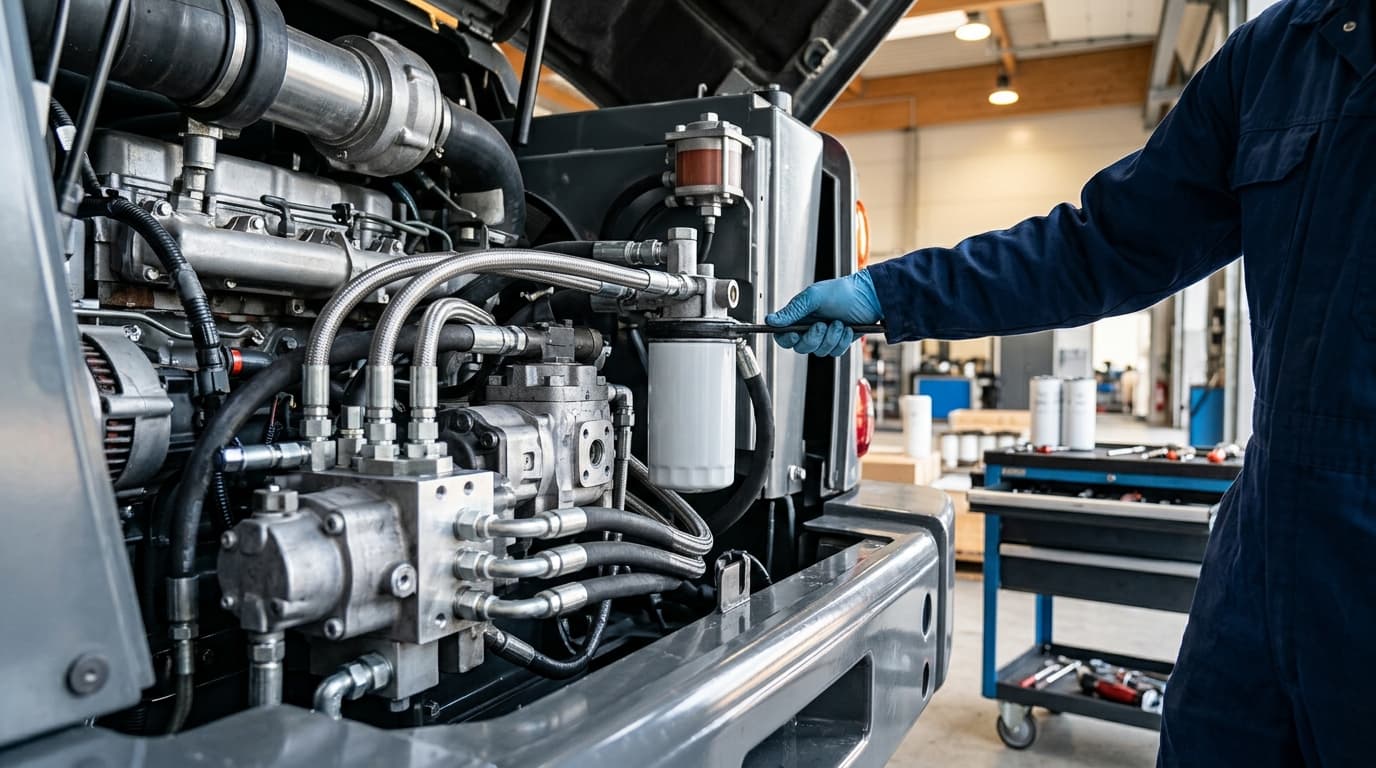
New filters should be kept in their original packaging until the moment of installation. Storing them on open shelves can allow dust to settle on the clean side of the media. When performing a change, ensure the area around the filter housing is cleaned thoroughly to prevent introducing new contaminants into the system during the process.
Check the Breather Filter
Often overlooked, the reservoir breather is a critical part of the filtration system. As the fluid level rises and falls, air is drawn into and pushed out of the tank. If the breather is clogged or inefficient, it can pull dust and moisture into the hydraulic fluid. Ensure that the breather is replaced as often as the main filters.
Hydraulic Filtration in Different Sectors
The requirements for hydraulic filtration vary significantly depending on the application. Each sector presents unique challenges that influence filter selection.
Construction Machinery (Maszyny Budowlane)
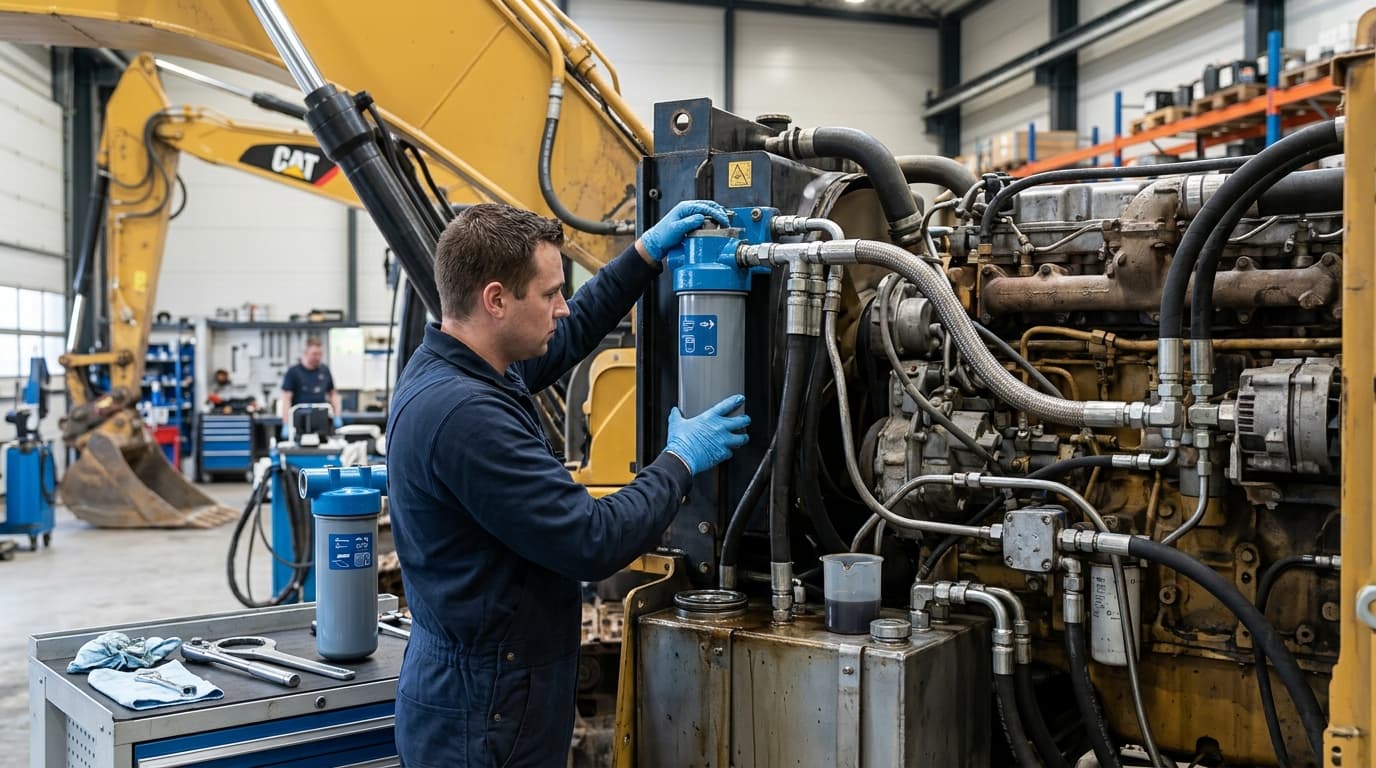
Equipment like excavators, loaders, and dozers operates in some of the most punishing environments. High levels of airborne dust and heavy vibration are constant. In these applications, filters must have high dirt-holding capacity and robust mechanical strength. Return line filtration is often supplemented by high-pressure filters to protect the sensitive hydrostatic drives.
Agricultural Equipment
Tractors and harvesters often use their hydraulic systems to power external implements. This creates a risk of cross-contamination when switching between different tools. Furthermore, the presence of fertilisers and chemicals requires filter housings and seals that are resistant to corrosion. Effective fuel filters and hydraulic filters are the duo that keeps farm machinery running during the critical harvest season.
Industrial Manufacturing
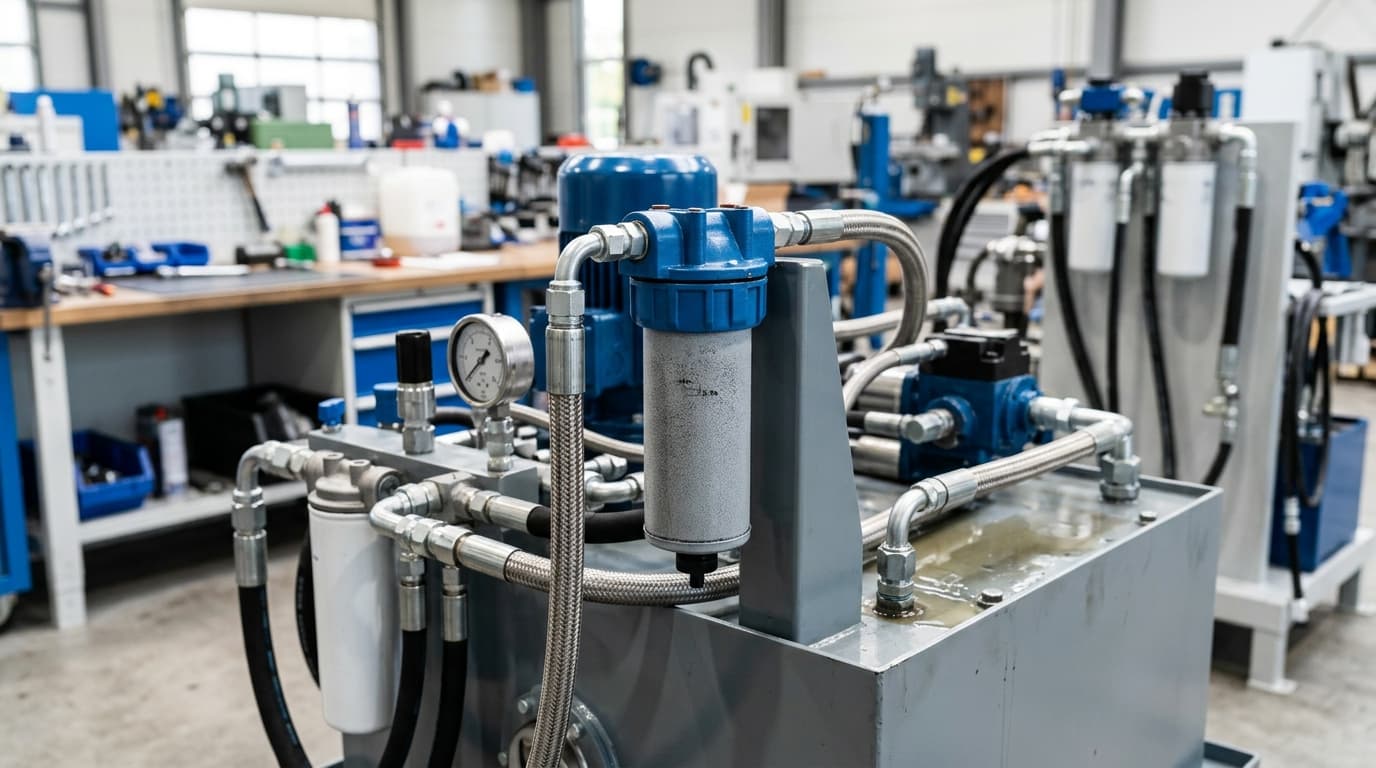
In a factory setting, hydraulic systems often run 24/7. Here, the focus is on long-term stability and precision. Industrial systems often utilise large offline filtration units to maintain an extremely high level of fluid cleanliness, ensuring that precision CNC machines or injection moulding presses operate with repeatable accuracy.
How to Choose the Right Filter at Filtry.org
With a catalogue of over 300,000 products, Filtry.org provides access to the world's leading filtration technologies. When searching for a replacement, it is helpful to have the original equipment manufacturer (OEM) part number. However, if that is not available, you can select filters based on technical dimensions and performance specifications.
Key considerations when purchasing include:
- Housing compatibility: Ensure the thread size and seal diameter match your equipment.
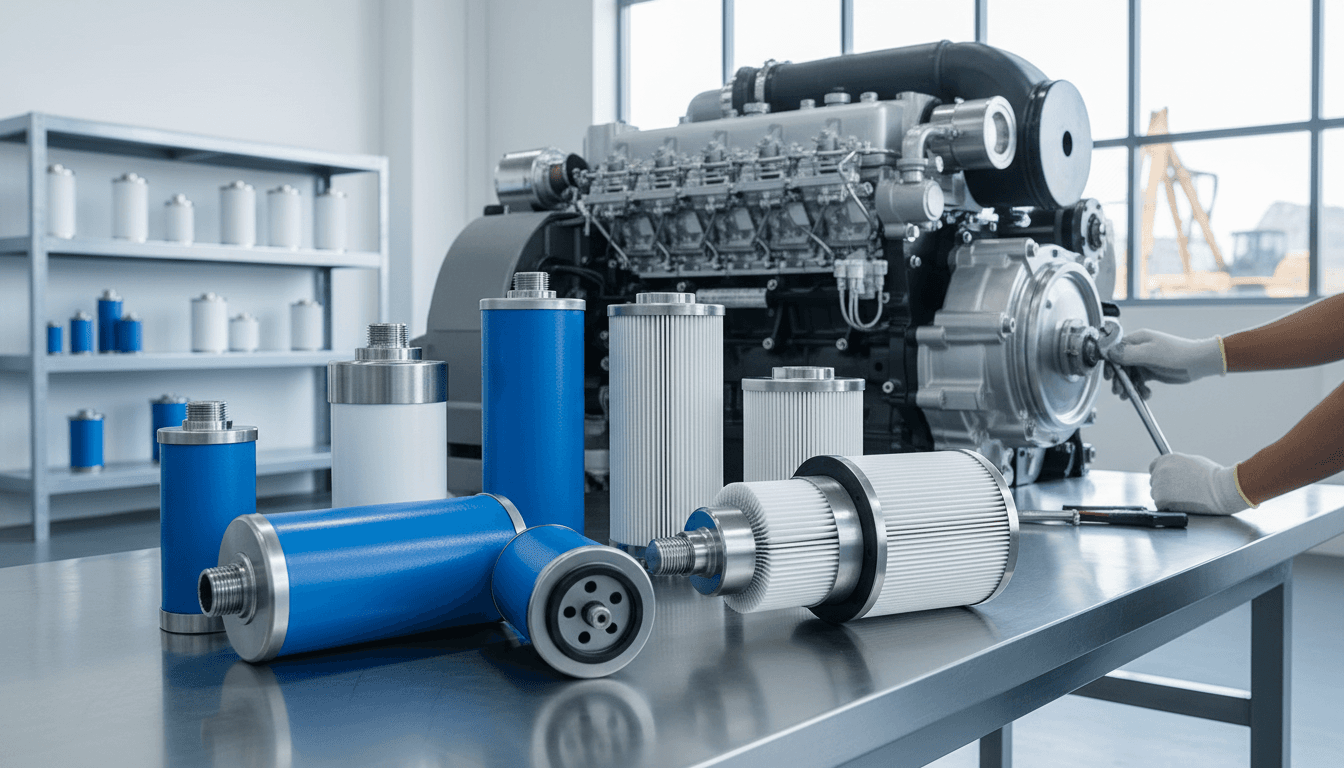
- Media material: Choose between cellulose (standard), synthetic (high efficiency), or wire mesh (washable/suction).
- Seal material: Standard Nitrile (Buna-N) is common, but Viton may be required for high-temperature applications or specific fire-resistant fluids.
- Bypass valve setting: Ensure the internal bypass valve opens at the correct pressure specified by the machine manufacturer.
The Economic Benefits of High-Quality Filtration
While it may be tempting to opt for the cheapest possible filter, the long-term economic consequences are usually negative. A high-quality hydraulic filter might cost more initially, but it offers better protection, lasts longer, and maintains lower pressure drops. This leads to several financial advantages:
- Reduced component replacement: Pumps and valves last significantly longer when the fluid is kept clean.
- Improved fuel efficiency: A clean system operates with less internal friction and lower back-pressure, reducing the load on the engine.
- Higher resale value: Machines with well-documented maintenance records and clean hydraulic systems command higher prices on the used market.
- Less environmental impact: By extending the life of the hydraulic fluid and the components, you generate less waste.
Common Mistakes in Hydraulic Filter Maintenance
Even experienced mechanics can fall into common traps when dealing with hydraulic systems. One frequent mistake is waiting for a filter indicator to turn red before ordering a replacement. It is always better to have the spare part on hand. Another mistake is cleaning and re-using filters that are designed to be disposable. Modern synthetic media is designed for single use; attempting to wash it can damage the microscopic structure, allowing large particles to pass through.
Finally, never ignore a leaking filter housing. A leak is not just a loss of fluid; it is a potential entry point for air and contaminants. Even a small damp spot around a seal should be addressed immediately to maintain the integrity of the układ hydrauliczny.
Conclusion
The humble hydraulic filter is a fundamental component in the world of modern machinery. From protecting heavy-duty maszyny budowlane to ensuring the precision of industrial robots, its role cannot be overstated. By understanding the types of filters available, the technical criteria for selection, and the best practices for maintenance, operators can ensure their equipment remains productive for years to come. With the vast selection available at Filtry.org, finding the right filtration solution for any application in Europe, from the UK to Poland, has never been easier. Invest in quality filtration today to safeguard your machinery for tomorrow.
Share