Hydraulic Filters: The Unsung Heroes of Heavy Machinery
The Indispensable Role of Hydraulic Filters in Modern Machinery
In the demanding world of heavy machinery – from robust construction equipment to efficient agricultural vehicles and complex industrial systems – the smooth operation and longevity of hydraulic components are paramount. At the heart of this reliability lies the often-underestimated hydraulic filter. These essential components are designed to protect the intricate hydraulic circuits from damaging contaminants, ensuring peak performance, extended service life, and preventing costly downtime.
Hydraulic systems are the muscle behind countless operations, converting fluid power into mechanical force. Whether it’s lifting a heavy load with an excavator, steering a powerful tractor, or operating an industrial press, the hydraulic fluid transmits this power. However, this fluid is constantly exposed to internal and external contamination, which if left unchecked, can lead to catastrophic system failure. This comprehensive guide from Filtry.org will delve into the world of hydraulic filtration, offering practical advice for drivers, mechanics, and machine operators on understanding, selecting, replacing, and maintaining these critical filters.
Understanding Hydraulic Systems and the Threat of Contamination
A hydraulic system typically comprises a pump, a reservoir, control valves, actuators (cylinders or motors), and the hydraulic fluid itself, all interconnected by hoses and pipes. The fluid, usually oil, is pressurized by the pump and directed by the valves to move the actuators, performing work.
Sources and Types of Contamination
Contamination in a hydraulic system can originate from several sources, each posing a unique threat:
- Built-in Contamination: Residues from manufacturing, assembly, welding, casting, and machining processes. This includes metal swarf, sand, lint, and rust.
- Ingressed Contamination: Particles entering the system from the external environment, often through cylinder rod seals, worn pump seals, and especially through the reservoir breather. Dust, dirt, moisture, and even airborne fibres fall into this category.
- Generated Contamination: Particles created within the system during operation. This is primarily due to wear of moving parts (pumps, valves, cylinders), but also includes degradation products of the hydraulic fluid itself (oxidation sludge, varnish).
- Fluid Degradation: Over time, hydraulic fluid can degrade due to heat, pressure, and chemical reactions, forming acids, sludge, and varnish that can clog filters and damage components.
The Detrimental Impact of Contamination
Even microscopic particles, invisible to the naked eye, can cause significant damage:
- Accelerated Wear: Contaminants act as abrasive agents, grinding away at precision-machined surfaces in pumps, valves, and cylinders, leading to reduced efficiency and eventual failure.
- Component Malfunction: Particles can lodge in small clearances of servo valves, pilot valves, and other sensitive components, causing them to stick, jam, or operate erratically.
- Reduced Efficiency: Internal leakage increases as clearances widen due to wear, leading to a loss of power and slower operation.
- Fluid Degradation: Contaminants can catalyse the breakdown of hydraulic fluid, shortening its useful life and increasing operational costs.
- Overheating: Increased friction from wear and reduced fluid flow can lead to elevated operating temperatures, further degrading the fluid and system components.
- System Downtime: Ultimately, contamination leads to component failure, resulting in unscheduled maintenance, costly repairs, and significant operational losses.
Types of Hydraulic Filters and Their Placement
To combat these threats, various types of hydraulic filters are strategically placed throughout the system. Each filter type serves a specific purpose, designed to capture contaminants at different stages of the fluid's journey.
1. Suction Filters (Intake Filters)
- Placement: Located in the suction line, typically submerged in the reservoir, directly before the hydraulic pump.
- Purpose: To protect the pump from large contaminants that could cause immediate damage or cavitation. These are generally coarser filters.
- Characteristics: Often wire mesh or screen-type strainers. They have a relatively large surface area to minimise pressure drop, which is crucial for pump protection.
- Considerations: Must not restrict flow too much, as this can starve the pump of fluid, leading to cavitation and severe damage.
2. Pressure Filters
- Placement: Installed in the high-pressure line, immediately after the pump and before sensitive components like control valves and actuators.
- Purpose: To protect critical components downstream from contaminants generated by the pump or not captured by the suction filter.
- Characteristics: Designed to withstand high operating pressures. They typically offer finer filtration levels and are equipped with a bypass valve to prevent filter rupture or system starvation if the filter element becomes clogged.
- Variations: Can be high-pressure, medium-pressure, or low-pressure, depending on the system's working pressure.
3. Return Line Filters
- Placement: Situated in the return line, just before the fluid re-enters the reservoir.
- Purpose: To capture contaminants generated within the system (e.g., wear particles from cylinders, valves, and motors) before they return to the reservoir and are recirculated.
- Characteristics: Often have a finer micron rating than suction filters and may also incorporate a bypass valve. They are generally designed for lower pressures than pressure line filters.
4. Off-Line (Kidney Loop) Filters
- Placement: Installed in a separate loop, independent of the main hydraulic circuit, using a dedicated pump to continuously filter the fluid from the reservoir.
- Purpose: Provides continuous, highly effective filtration, maintaining superior fluid cleanliness levels without affecting the main system's flow or pressure. Ideal for critical systems or for cleaning heavily contaminated fluid.
- Characteristics: Can achieve very fine filtration and often incorporate water removal elements.
5. Breather Filters (Reservoir Air Filters)
- Placement: Mounted on top of the hydraulic reservoir, where air enters and exits as the fluid level changes (e.g., due to cylinder movement or temperature fluctuations).
- Purpose: To prevent airborne contaminants (dust, moisture, pollen) from entering the hydraulic fluid through the reservoir vent.
- Characteristics: Often combine particle filtration with moisture absorption capabilities (desiccant breathers). Often overlooked but vital for preventing ingress of external contaminants. These are essentially specialised air filters for the reservoir.
Filter Media and Micron Ratings
The effectiveness of a hydraulic filter largely depends on its media and micron rating:
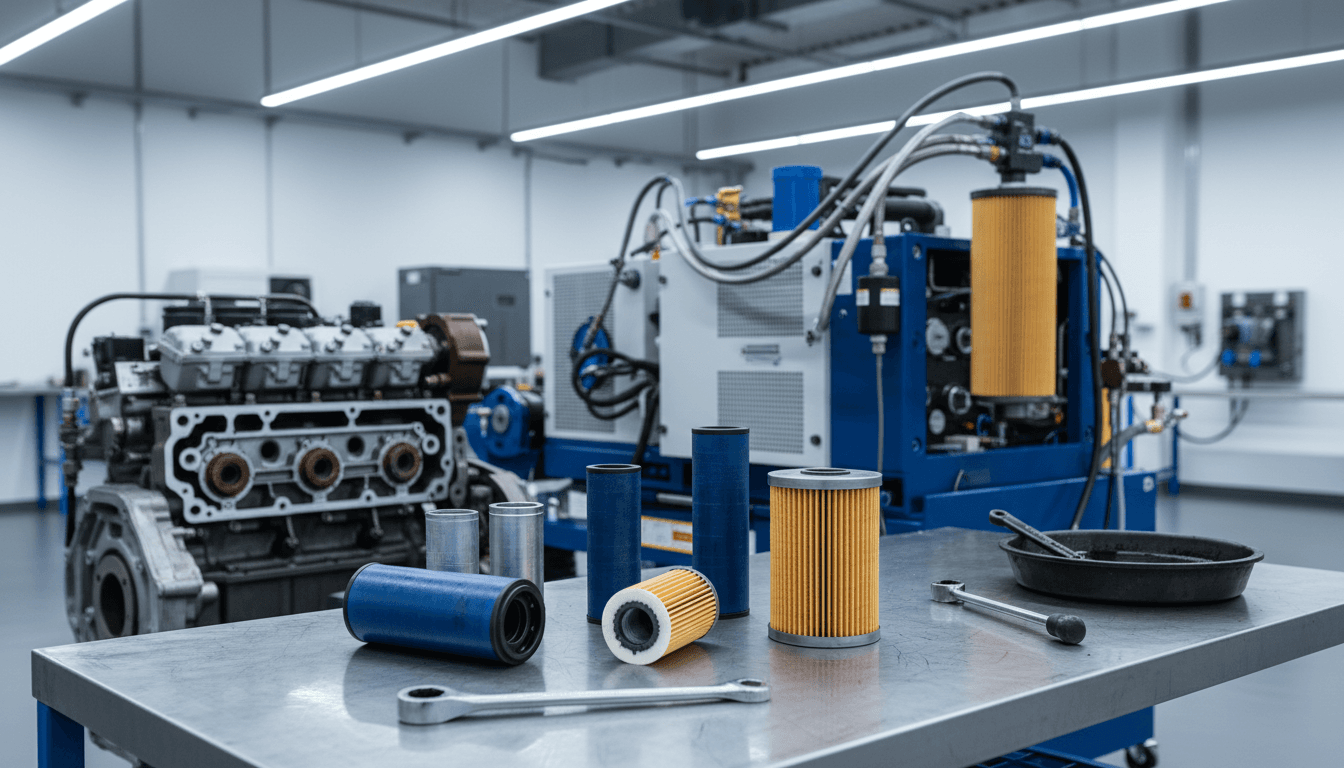
- Filter Media: Can be made from various materials, including cellulose, synthetic fibres, glass fibre, or woven wire mesh. Synthetic media generally offer higher dirt-holding capacity, better filtration efficiency, and longer service life.
- Micron Rating: Indicates the size of the smallest particle the filter can capture. Absolute micron rating specifies that all particles larger than the given size are removed. Nominal micron rating indicates that a certain percentage of particles larger than the given size are removed.
- Beta Ratio (βx): A more precise measure of filter efficiency, indicating the ratio of particles of a given size (x microns) upstream to downstream of the filter. For example, a β10 = 200 means that for every 200 particles of 10 microns entering the filter, only 1 particle of 10 microns passes through.
Applications of Hydraulic Filters Across Industries
The ubiquity of hydraulic power means that hydraulic filters are indispensable across a vast array of machinery and industries.
Maszyny Budowlane (Construction Machinery)
Construction sites are harsh environments, characterized by dust, dirt, and extreme operating conditions. Hydraulic systems in machinery like excavators, bulldozers, wheel loaders, cranes, and concrete pumps are under constant stress. Efficient filtration protects:
- Hydraulic cylinders for digging, lifting, and steering.
- Pumps and motors that power attachments and propulsion.
- Sensitive control valves critical for precise operation.
Maszyny Rolnicze (Agricultural Equipment)
Agricultural machinery, including tractors, combine harvesters, sprayers, and balers, relies heavily on hydraulics for steering, operating implements, and controlling functions. These machines often operate in dusty fields and demanding seasonal conditions. Effective filtration ensures:
- Reliable operation of power steering and braking systems.
- Precise control of hydraulic attachments like plows, cultivators, and loaders.
- Longevity of hydraulic pumps and cylinders in a dirty environment.
Maszyny Przemysłowe (Industrial Machines)
In industrial settings, hydraulic systems power a wide range of stationary and mobile equipment, including:
- Injection moulding machines and metal presses.
- Robotics and automated manufacturing lines.
- Machine tools for precision cutting and shaping.
- Hydraulic lifts, conveyors, and material handling systems.
These applications demand extremely clean hydraulic fluid to ensure precise control, prevent downtime, and maintain product quality. Fine filtration, often supplemented by off-line filtration, is common here.
Other Applications
Beyond these core sectors, hydraulic filters are vital in:
- Forestry Equipment: Harvesters, forwarders.
- Mining Machinery: Drills, haul trucks, rock breakers.
- Marine Vessels: Steering gears, winches, thrusters.
- Aerospace: Landing gear, flight control surfaces (though often with very specialized fluids and filters).
How to Choose the Right Hydraulic Filter
Selecting the correct hydraulic filter is crucial for optimal system performance and protection. It’s not just about finding a filter that physically fits; it’s about matching the filter’s characteristics to the specific requirements of the hydraulic system.
1. Identify the Filter’s Location and Function
First, determine where the filter will be placed in the system (suction, pressure, return, off-line, breather) as this dictates its primary characteristics.
2. System Pressure and Flow Rate
- Pressure Rating: The filter housing and element must be rated to withstand the maximum operating pressure of its location in the system. Pressure filters, for example, require robust housings.
- Flow Rate: The filter must be capable of handling the system’s maximum flow rate without excessive pressure drop. An undersized filter will restrict flow, lead to cavitation (if on the suction side), or trigger bypass valves prematurely.
3. Required Fluid Cleanliness Level (Micron Rating / Beta Ratio)
This is perhaps the most critical factor. The cleanliness level required depends on the sensitivity of the system components. Manufacturers typically specify desired ISO cleanliness codes for their equipment.
- Micron Rating: Match the filter’s absolute micron rating (or high Beta ratio) to the cleanliness requirements. More sensitive components (e.g., servo valves) require finer filtration.
- Dirt-Holding Capacity: A higher dirt-holding capacity (often a feature of synthetic media) means the filter can capture more contaminants before becoming clogged, extending its service interval.
4. Fluid Compatibility
Ensure the filter element’s materials (media, seals, adhesives) are compatible with the type of hydraulic fluid being used (mineral oil, synthetic fluid, fire-resistant fluids, biodegradable fluids). Incompatible materials can degrade, releasing contaminants and compromising filtration.
5. Bypass Valve Considerations
Most pressure and return line filters include a bypass valve. Understand its cracking pressure. If the filter becomes clogged, the bypass valve opens, allowing fluid to flow unfiltered to prevent system starvation or filter rupture. While this protects the system from immediate issues, it also means contaminants are circulating, so monitoring is essential.
6. Temperature Range
The filter and its seals must be able to operate effectively within the system’s expected temperature range, from cold starts to peak operating temperatures.
7. Filter Housing and Mounting
Ensure the replacement filter element is compatible with the existing filter housing. This includes dimensions, end cap configurations, and sealing methods.
8. Manufacturer Specifications
Always refer to the original equipment manufacturer’s (OEM) manual for recommended filter types, micron ratings, and part numbers. This is the most reliable way to ensure compatibility and performance.
When to Replace Your Hydraulic Filter: Signs of Wear and Maintenance Schedules
Proactive replacement of oil filters and hydraulic filters is far more cost-effective than reactive repairs due to system failure. Knowing when to replace your hydraulic filter is critical for maintaining system health.
Clear Signs of a Clogged or Worn Hydraulic Filter
- Indicator Lights / Gauges: Many modern hydraulic systems feature pressure differential indicators or sensors on filter housings. A red indicator or a gauge showing increased pressure drop across the filter is the clearest sign that the element is clogged and needs replacement.
- Reduced Machine Performance: Sluggish operation, reduced lifting capacity, slower cycle times, or difficulty achieving full power can all be symptoms of a restricted hydraulic system due to a clogged filter.
- Unusual Noises: A straining pump, whining noises, or cavitation sounds can indicate that the pump is struggling to draw fluid through a blocked suction filter or that the system is experiencing flow restrictions due to a clogged pressure or return line filter.
- Overheating: Clogged filters can increase resistance to fluid flow, leading to increased friction and elevated fluid temperatures, which can further degrade the hydraulic fluid.
- Activation of Bypass Valve: If your system has a bypass valve, its frequent activation (sometimes audible or indicated by system behaviour) means the main filter element is frequently clogged, allowing unfiltered fluid to circulate.
- Fluid Analysis Results: Regular hydraulic fluid analysis can reveal an increase in particle count or the presence of specific wear metals, indicating that the filter is no longer effectively cleaning the fluid or that system components are wearing excessively.
Maintenance Schedules and Best Practices
While signs of wear are important, adhering to a preventative maintenance schedule is key:
- Manufacturer’s Recommendations: Always follow the equipment manufacturer’s recommended service intervals for hydraulic filter replacement. These are typically based on operating hours (e.g., every 250, 500, or 1000 hours), but can also be time-based (e.g., annually).
- Operating Environment: In extremely dusty, dirty, or humid conditions, filters may need to be replaced more frequently than recommended. Harsh environments accelerate contamination ingress.
- Fluid Cleanliness Monitoring: Implement a regular fluid analysis program. This provides objective data on the fluid’s cleanliness level and condition, allowing for condition-based filter replacement. If the ISO cleanliness code deteriorates, it’s time to change the filter.
- Visual Inspection: Regularly check the filter housing and lines for leaks or damage. For breathers, check for visual signs of clogging or desiccant colour change (if applicable).
- Combined Service: Often, hydraulic filter replacement is scheduled alongside other fluid and filter changes, such as fuel filters or engine oil changes, to streamline maintenance.
The Hydraulic Filter Replacement Process and Best Practices
Proper replacement of hydraulic filters is as important as selecting the correct one. A poorly executed replacement can introduce contamination or damage the system.
Before You Begin: Safety First
- Personal Protective Equipment (PPE): Always wear appropriate PPE, including safety glasses, gloves, and protective clothing.
- Depressurize the System: Ensure the hydraulic system is fully depressurized before working on any components. Refer to the machine’s manual for specific depressurization procedures.
- Secure the Machine: Ensure the machinery is stable and cannot accidentally move or activate during maintenance.
The Replacement Steps
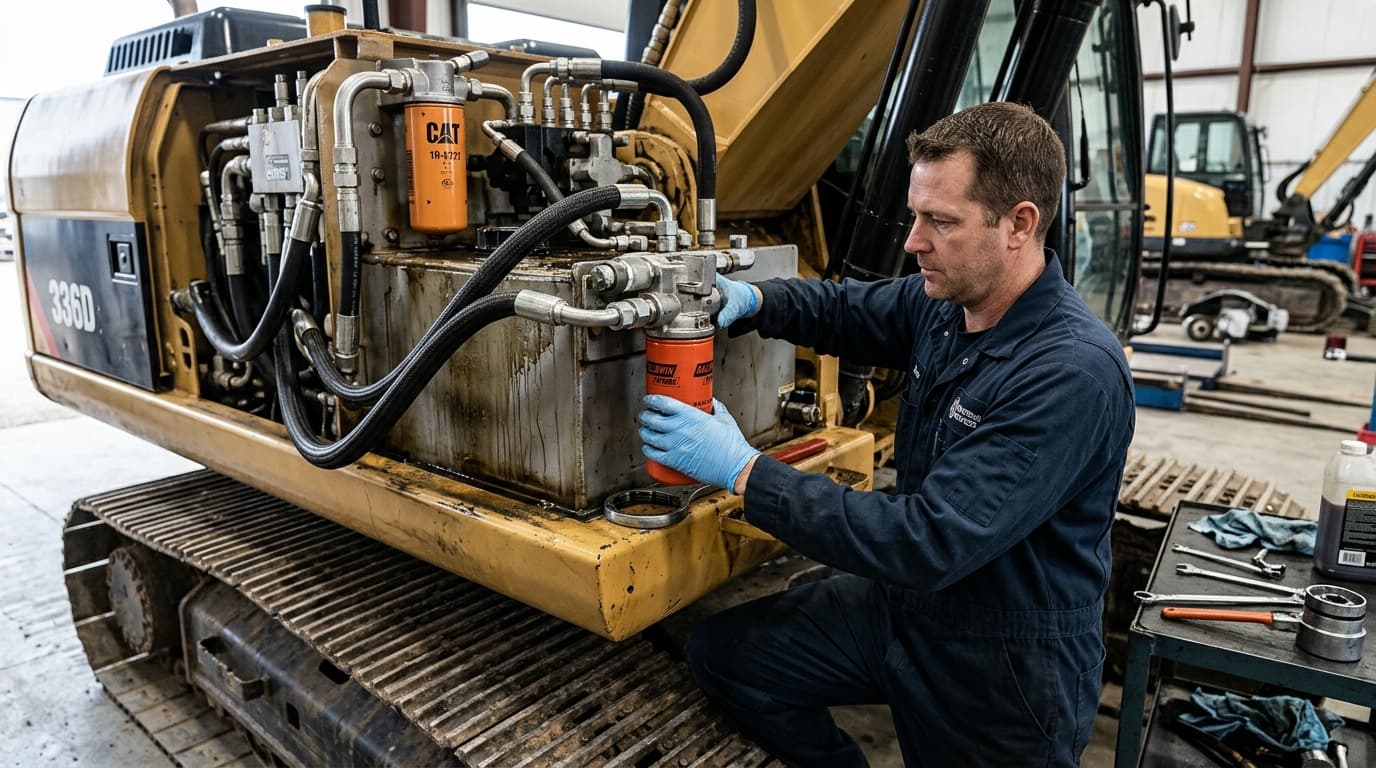
- Gather Tools and New Filter: Have all necessary tools (wrenches, drain pans, rags) and the correct replacement filter element ready.
- Locate the Filter Housing: Identify the specific hydraulic filter housing you need to service.
- Clean the Area: Thoroughly clean the exterior of the filter housing and the surrounding area. This is crucial to prevent contaminants from entering the system when the housing is opened.
- Drain the Housing (if applicable): Some filter housings have a drain plug. If so, use it to drain the fluid into a suitable container before removing the element.
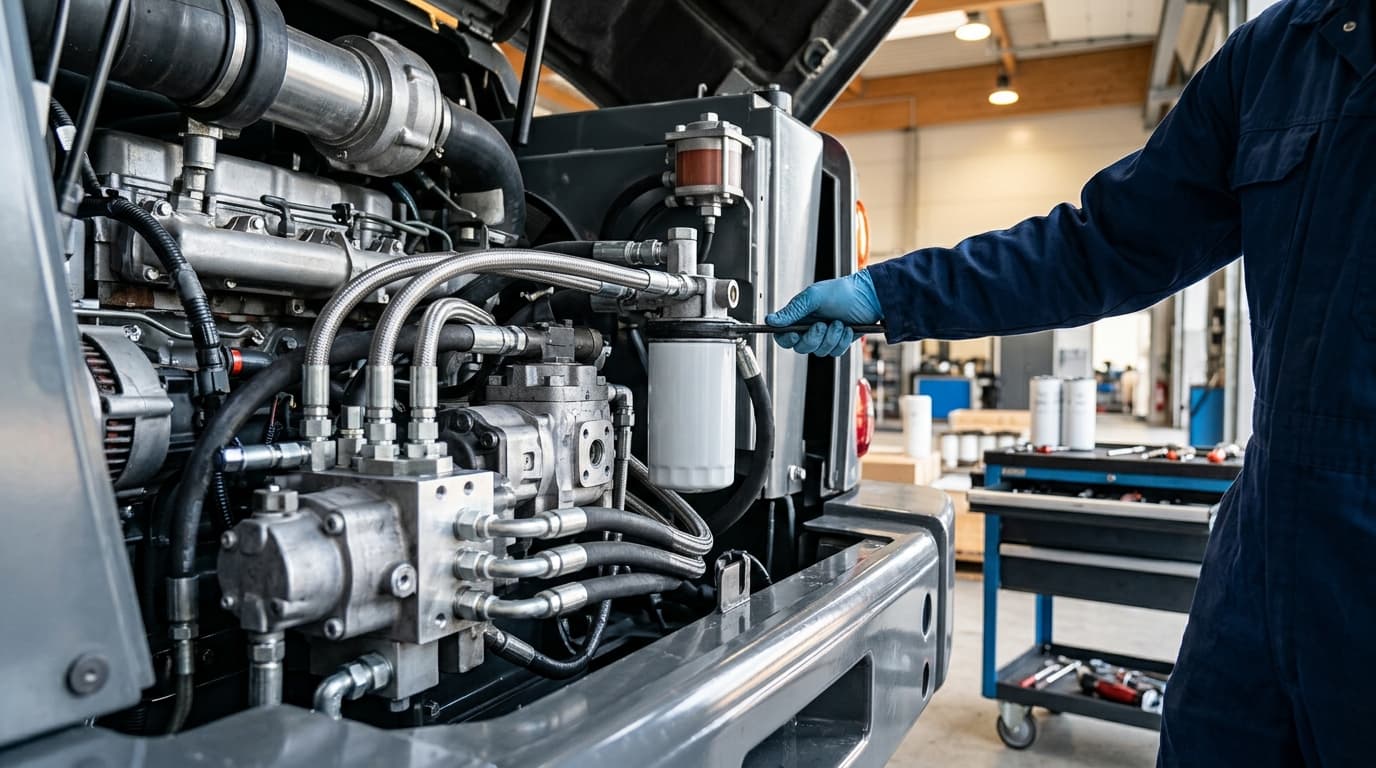
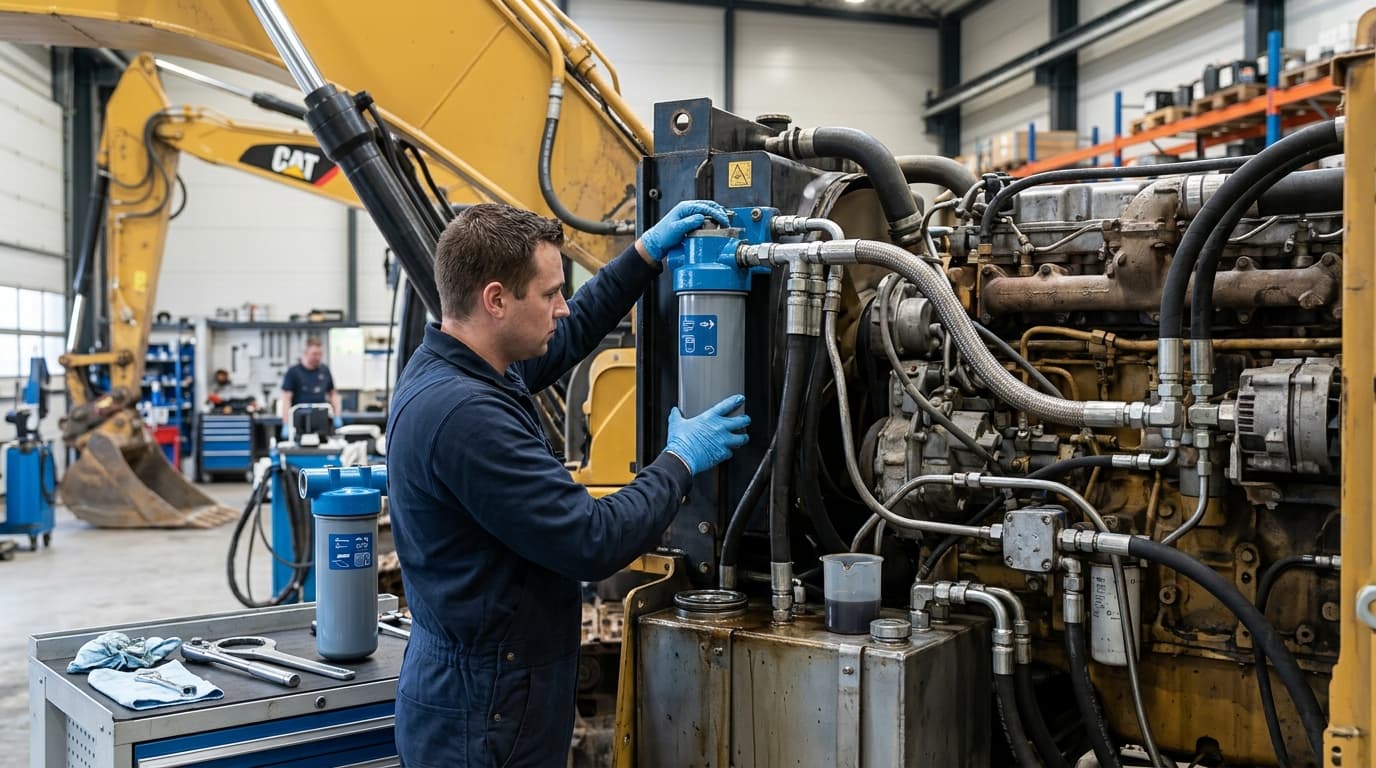
- Remove the Old Filter Element: Carefully open the filter housing. Be prepared for some residual fluid to spill. Remove the old filter element and associated seals.
- Inspect the Housing: While the housing is open, inspect it for any damage, corrosion, or excessive sludge build-up. Clean if necessary.
- Install New Seals and Element: Lubricate new O-rings and seals with clean hydraulic fluid before installing them. Insert the new filter element, ensuring it is correctly seated. Double-check that all components are installed in the correct orientation.
- Reassemble the Housing: Securely close the filter housing, tightening to the manufacturer’s specified torque settings.
- Top Up Fluid (if necessary): If a significant amount of fluid was lost, top up the reservoir with clean, new hydraulic fluid of the correct type.
- Bleed the System (if necessary): Some hydraulic systems require bleeding to remove trapped air after filter replacement. Consult your machine’s manual.
- Start and Check for Leaks: Start the machine and operate the hydraulic system at a low load. Carefully check for any leaks around the filter housing and monitor system performance indicators.
- Dispose of Old Filter: Dispose of the used filter element and contaminated fluid according to local environmental regulations.
Importance of Quality Replacement Filters
Never compromise on the quality of your replacement hydraulic filter. Using inferior or incorrect filters can:
- Reduce Filtration Efficiency: Leading to rapid wear and damage to components.
- Cause Premature Clogging: Requiring more frequent and costly replacements.
- Fail Under Pressure: Leading to bypass or even rupture, causing major contamination.
- Be Incompatible: Leading to degradation of filter materials and subsequent system contamination.
Always source filters from reputable distributors like Filtry.org, which offers products from leading manufacturers, ensuring you receive high-quality, reliable filtration solutions.
Beyond Filter Replacement: Comprehensive Hydraulic System Maintenance
While hydraulic filter replacement is a cornerstone of maintenance, it’s part of a broader strategy for optimal hydraulic system health.
1. Regular Fluid Analysis
Consider implementing a routine fluid analysis program. Samples are sent to a lab to test for:
- Particle Count (ISO Cleanliness Code): The most direct measure of fluid cleanliness.
- Viscosity: Ensures the fluid maintains its lubricating properties.
- Water Content: Water is highly damaging to hydraulic systems, causing corrosion and fluid degradation.
- Chemical Contamination: Presence of acids or oxidation products.
- Wear Metals: Indicates which components might be wearing prematurely.
Fluid analysis helps predict failures, optimize filter replacement intervals, and extend fluid life.
2. Reservoir Maintenance
The hydraulic reservoir acts as a settling tank for contaminants. Periodically:
- Inspect and Clean: Remove and clean the reservoir, especially if significant sludge or foreign matter is present.
- Maintain Fluid Level: Ensure the fluid level is always within the manufacturer’s specified range. Low fluid levels can lead to cavitation and overheating.
3. Breather Filter Checks
The breather filter on the reservoir is crucial for preventing external contamination. Regularly inspect and replace it according to schedule, especially in dusty or humid environments. Consider upgrading to desiccant breathers for enhanced moisture control.
4. Seal and Hose Inspection
Regularly inspect all hydraulic hoses, lines, and seals for signs of wear, cracks, leaks, or abrasion. Damaged seals and hoses are direct pathways for contamination ingress and fluid loss.
5. Understanding ISO Cleanliness Codes
Become familiar with ISO 4406:1999, the international standard for measuring fluid cleanliness. This three-part code (e.g., 18/16/13) represents the number of particles larger than 4, 6, and 14 microns, respectively. Knowing your system's target cleanliness code and monitoring it through fluid analysis helps you maintain optimal filtration performance.
The Benefits of Effective Hydraulic Filtration
Investing in high-quality hydraulic filters and adhering to strict maintenance protocols yields substantial returns:
- Extended Component Life: Clean fluid significantly reduces wear on pumps, valves, cylinders, and motors, extending their operational lifespan.
- Reduced Downtime: Fewer component failures mean less unscheduled maintenance and more time for your machinery to be productive.
- Improved Efficiency: A clean hydraulic system operates more smoothly and efficiently, translating to better performance and potentially lower fuel consumption.
- Lower Operating Costs: Reduced repair costs, extended component life, and optimized fluid life all contribute to lower overall operational expenses.
- Enhanced Safety: Reliable hydraulic systems contribute to safer operation of heavy machinery.
- Environmental Responsibility: Extending the life of components and hydraulic fluid reduces waste and the environmental impact associated with manufacturing and disposal.
Choose Filtry.org for Your Hydraulic Filtration Needs
At Filtry.org, we understand the critical importance of reliable filtration for your valuable machinery. As a leading distributor of automotive and industrial filters, we offer an extensive selection of over 300,000 products from leading manufacturers, ensuring you can find the precise hydraulic filter for any application.
Whether you operate robust construction machinery, efficient agricultural equipment, or complex industrial systems, our specialisation in hydraulic filters, alongside air filters, oil filters, fuel filters, and cabin filters, means you have access to expert advice and a vast inventory. We pride ourselves on providing high-quality filtration solutions that protect your investments and ensure uninterrupted operation.
With convenient delivery across Europe, including the UK, Germany, and Poland, Filtry.org is your trusted partner for all your filtration requirements. Safeguard your hydraulic systems and maximize your machinery's potential by choosing quality filters from Filtry.org.
Share