Guide to Hydraulic Filter Selection and Maintenance
Understanding the Importance of a Hydraulic Filter
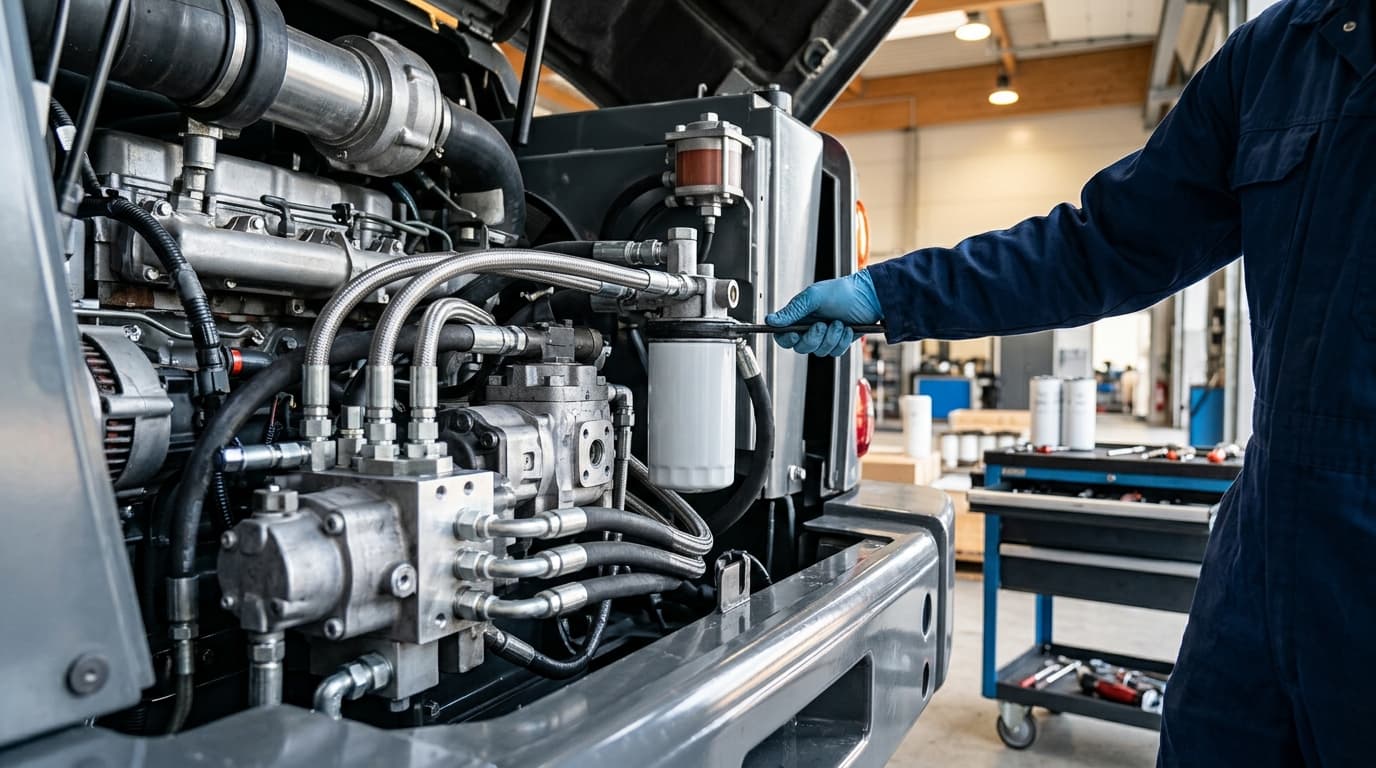
In the world of heavy machinery, the efficiency and longevity of equipment depend heavily on the cleanliness of the fluids circulating within the system. A high-quality hydraulic filter serves as the primary line of defence against contaminants that can cause catastrophic failures. Whether you are operating maszyny budowlane on a construction site or managing a fleet of agricultural tractors, understanding how to manage your filtration system is essential for operational continuity.
The primary role of a filtr hydrauliczny is to remove insoluble contaminants from the hydraulic fluid. These contaminants can include metal shavings from component wear, silica from the surrounding environment, and chemical by-products resulting from oil degradation. If these particles are allowed to circulate, they act as abrasives, causing further wear on pumps, valves, and cylinders, ultimately leading to a total system breakdown.
For any professional mechanic or operator, the goal is to maintain the układ hydrauliczny at a level of cleanliness that meets or exceeds the manufacturer’s specifications. Achieving this requires a combination of selecting the correct filter media, adhering to strict replacement intervals, and monitoring the system for signs of distress.
How a Hydraulic Filter Functions Within an Układ Hydrauliczny
The operation of a hydraulic system involves high pressures and precise tolerances. Modern hydraulic components are often designed with clearances as small as 1 to 5 microns. To put this in perspective, a human hair is approximately 70 microns in diameter. This means that particles invisible to the naked eye can easily jam a valve or score a piston surface.
A hydraulic filter works by passing the fluid through a porous medium that traps particles while allowing the liquid to flow through. The effectiveness of this process depends on the material of the filter element, the flow rate of the fluid, and the pressure within the system. In many industrial and mobile applications, multiple filters are used at different points in the circuit to ensure maximum protection.
Categorising Hydraulic Filters by Placement
Not all filters are created equal, and their position within the circuit dictates their specific function and design requirements. Understanding these differences is crucial when selecting replacements for your machinery.
Suction Side Filtration
Suction filters are located before the hydraulic pump. Their primary job is to protect the pump from large debris that might be present in the reservoir. Because they are on the intake side, they must have a low pressure drop to prevent pump cavitation. Cavitation occurs when the pump is starved of oil, leading to the formation of vapour bubbles that implode with enough force to erode metal surfaces. Consequently, suction filters usually have a coarser mesh than other filters in the system.
Pressure Line Filtration
Located downstream from the pump, pressure filters are designed to handle the full system pressure. These are often the most robust filters in an układ hydrauliczny. They protect sensitive components like servo-valves and actuators from any contaminants that may have passed through the pump or were generated by the pump itself. Because they operate under high pressure, their housings are typically made of heavy-duty steel or cast iron.
Return Line Filtration
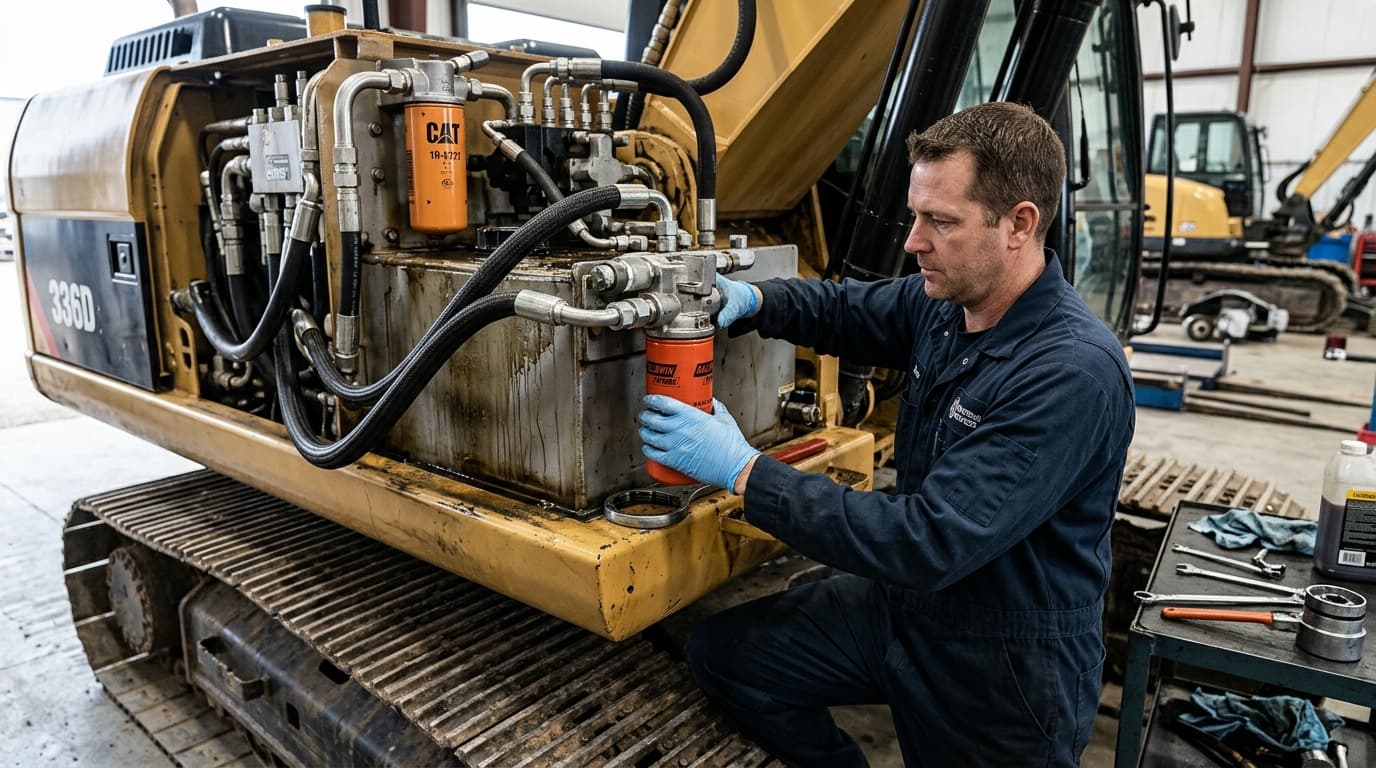
As the fluid returns to the reservoir after doing its work, it passes through a return line filter. This is often the most common type of filtr hydrauliczny found on maszyny budowlane. The goal here is to capture contaminants picked up from the working cylinders and motors before the oil is reused. Return line filters are cost-effective and highly efficient because they do not have to withstand the extreme pressures found on the supply side of the pump.
Off-line or Kidney Loop Filtration
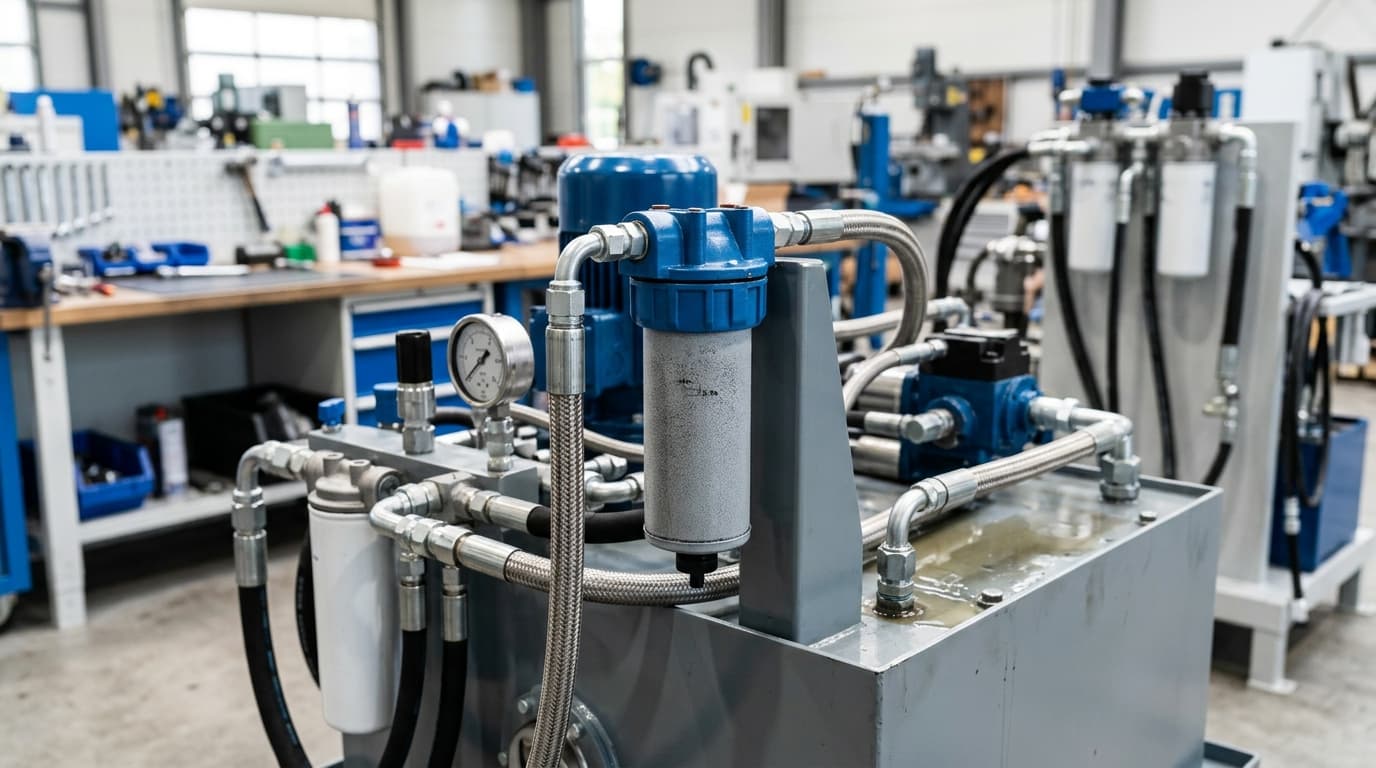
In some advanced systems, an independent filtration circuit is used. This system, often called a kidney loop, pulls oil from the reservoir, passes it through a high-efficiency filter, and returns it to the tank. This allows for continuous cleaning even when the main machine functions are not in use. This method is excellent for maintaining extremely high fluid cleanliness levels in precision industrial machines.
Key Technical Parameters for Maszyny Budowlane
When searching for the right replacement part, it is not enough to simply match the physical dimensions. Several technical specifications determine whether a filter is suitable for a specific application.
Micron Ratings and Efficiency
The micron rating indicates the size of particles the filter can remove. However, it is important to distinguish between "nominal" and "absolute" ratings. A nominal rating is an internal manufacturer's value that may only represent a 50% efficiency at a given size. An absolute rating implies a much higher efficiency, typically 98.7% or higher. For critical components in an układ hydrauliczny, absolute-rated filters are generally preferred.
Understanding the Beta Ratio
The Beta Ratio (β) is the industry standard for measuring filter efficiency based on multi-pass testing. It compares the number of particles of a certain size before the filter to the number of particles after the filter. For example, a Beta ratio of 200 at 10 microns means that for every 200 particles entering the filter, only one passes through. When comparing products, always look for the Beta ratio to ensure you are getting the level of protection required for your hardware.
Pressure Drop and Bypass Valves
Every filter creates some resistance to flow, known as pressure drop (ΔP). As the filter becomes clogged with debris, this resistance increases. To prevent the filter element from collapsing or the system from losing flow, most filters include a bypass valve. When the pressure drop reaches a certain threshold, the valve opens, allowing unfiltered oil to bypass the element. While this protects the system from total oil starvation, it also means that contaminants are circulating freely. Monitoring this pressure drop is a key part of maintenance.
Common Contaminants and Their Impact
Understanding what you are filtering out can help you diagnose issues within your machinery. Contamination is generally categorised into three types:
- Particulate Contamination: Hard particles like dust, sand, and metal wear fragments. These cause erosive wear and can jam moving parts.
- Water Contamination: Water can enter through seals or condensation. It leads to rust, reduces the lubricating properties of the oil, and can cause the filter media to swell and clog prematurely. Just as separators are used in fuel systems to remove water, some hydraulic systems use specialised water-absorbing elements.
- Chemical Contamination: This occurs when the hydraulic oil breaks down due to excessive heat or oxidation. It results in the formation of sludge and varnish, which can coat internal surfaces and cause valves to stick.
When to Replace a Filtr Hydrauliczny
There is no universal rule for how often a hydraulic filter should be changed, as it depends on the operating environment and the machine's workload. However, there are several standard practices to follow:
- Manufacturer Intervals: Always refer to the service manual. Most manufacturers specify replacement after a certain number of operating hours (e.g., every 500 or 1000 hours).
- Indicator Gauges: Many modern machines are equipped with visual or electronic pressure indicators. When the gauge enters the "red zone," it indicates that the bypass valve is about to open, and the filter must be changed immediately.
- Oil Analysis: Periodic fluid sampling can reveal the exact level of contamination. If the particle count rises above acceptable limits, the filters should be replaced regardless of the hours used.
- Post-Repair: If a major component like a pump or motor fails, the entire system should be flushed, and all filters replaced to remove any metal debris generated by the failure.
Signs of Wear and Potential System Failure
Operators should be trained to recognise the early warning signs of a failing or clogged filtration system. Ignoring these symptoms can lead to expensive repairs for your maszyny budowlane.
- Increased Noise: A whining or growling sound from the pump often indicates cavitation, potentially caused by a clogged suction filter.
- Slow Response: If the hydraulic actuators (cylinders) move more slowly than usual or feel "spongy," there may be a loss of pressure or flow due to restricted filters.
- Overheating: When oil is forced through a restricted filter or a bypass valve, it generates heat. Excessive hydraulic fluid temperature is a common sign of a neglected system.
- Fluid Discolouration: If the oil appears milky (water) or dark and smells burnt (oxidation), it is a sign that the system's filtration and cooling capacities have been exceeded.
Comprehensive Maintenance Strategy for Heavy Equipment
A proactive approach to maintenance involves more than just changing the hydraulic filter. It requires a holistic view of all filtration needs. For instance, ensuring that your fuel filters are clean prevents engine issues that could lead to erratic hydraulic pump performance. Similarly, maintaining high-quality oil filters in the engine ensures the entire machine operates at peak thermal efficiency.
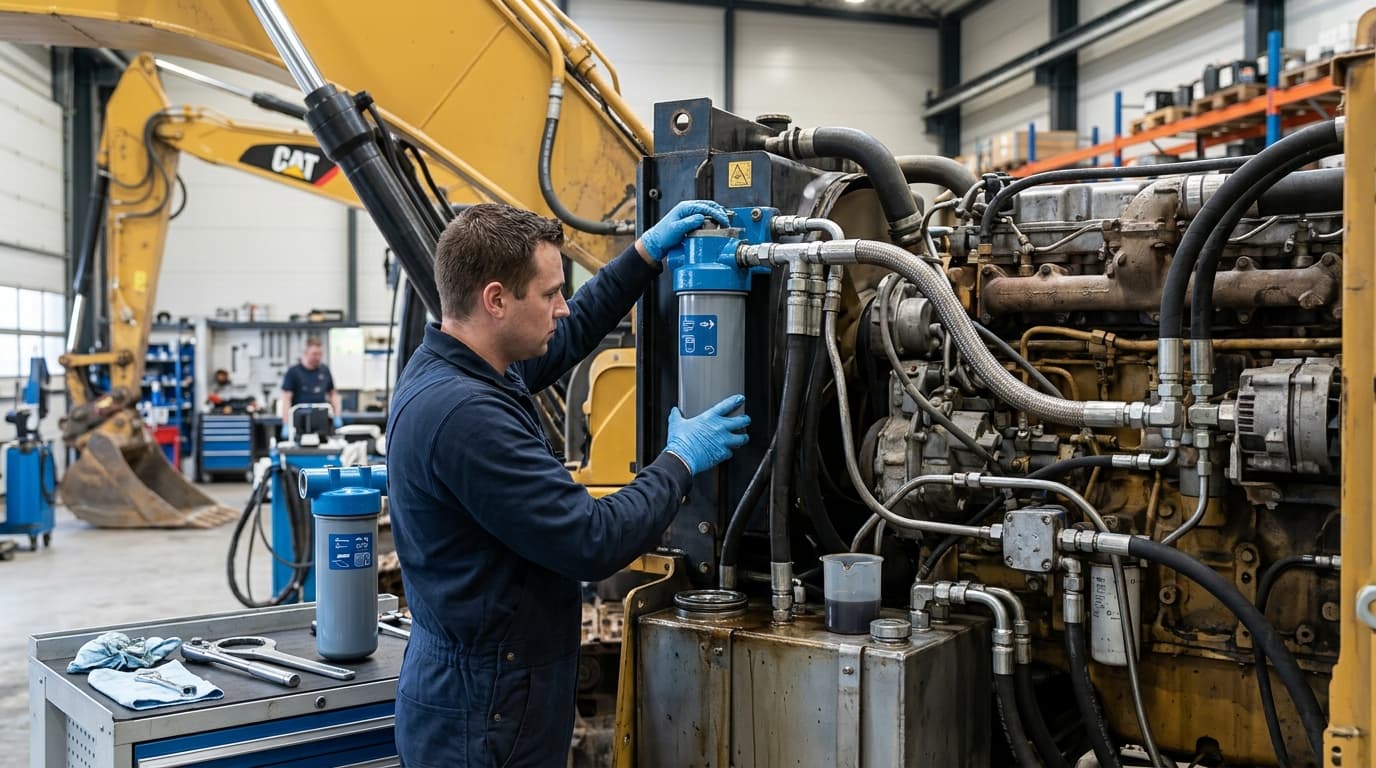
When performing a filter change, follow these steps to ensure system integrity:
- Clean the area around the filter housing before opening it to prevent external dirt from entering the system.
- Relieve system pressure before attempting to remove the filter.
- Inspect the old filter for large metal particles, which could indicate an impending component failure.
- Check the seals and O-rings; always use new seals provided with the replacement filter.
- Pre-fill the new filter with clean oil (if recommended by the manufacturer) to prevent air pockets during start-up.
- Restart the machine and check for leaks under operating pressure.
Selecting the Right Replacement Components
Choosing the correct filtr hydrauliczny is a balance between cost and protection. While it may be tempting to opt for the cheapest alternative, the long-term cost of damaged pumps and downtime far outweighs the savings on a filter element. When shopping for filters, look for suppliers that offer products meeting the technical specifications of original equipment manufacturers.
Key factors to consider include:
- Media Compatibility: Ensure the filter material is compatible with the type of hydraulic fluid used (mineral oil, synthetic, or water-glycol).
- Pressure Rating: The housing and element must be rated for the maximum working pressure and potential pressure spikes of the układ hydrauliczny.
- Temperature Range: The seals and media must be able to withstand the operating temperature extremes of your specific environment.
Environmental and Operational Factors in Filter Performance
The environment in which maszyny budowlane operate significantly impacts the life of a hydraulic filter. Machines working in dusty quarries or demolition sites will naturally require more frequent filter changes than those in clean industrial settings. In high-humidity environments, the risk of water contamination increases, necessitating the use of breathers with desiccant properties on the hydraulic reservoir.
Furthermore, cold start-ups can be particularly hard on hydraulic filters. When the oil is cold, its viscosity is much higher, leading to a higher pressure drop across the filter. This can trigger the bypass valve even if the filter is not full of dirt. Using high-quality multi-grade hydraulic oils and allowing for proper warm-up cycles can mitigate this issue and ensure that the filtration system is working effectively throughout the shift.
Final Considerations for Industrial Hydraulic Systems
The reliability of your machinery is only as good as the weakest link in your maintenance programme. A dedicated focus on filtration is one of the most cost-effective ways to extend the life of any industrial or mobile hydraulic system. By understanding the specifications of your hydraulic filter and monitoring the health of the układ hydrauliczny, you can avoid the high costs of unplanned downtime and premature component replacement.
In summary, always prioritise quality and consistency. Regularly replacing filters, monitoring fluid health through analysis, and using components that meet high-performance standards will keep your equipment running smoothly in even the most demanding conditions. For operators of construction, agricultural, and industrial machinery, the investment in superior filtration is an investment in the future of their business.
Share