Hydraulic Filter: Your Essential Guide to System Protection
The Unseen Guardian: Understanding the Hydraulic Filter
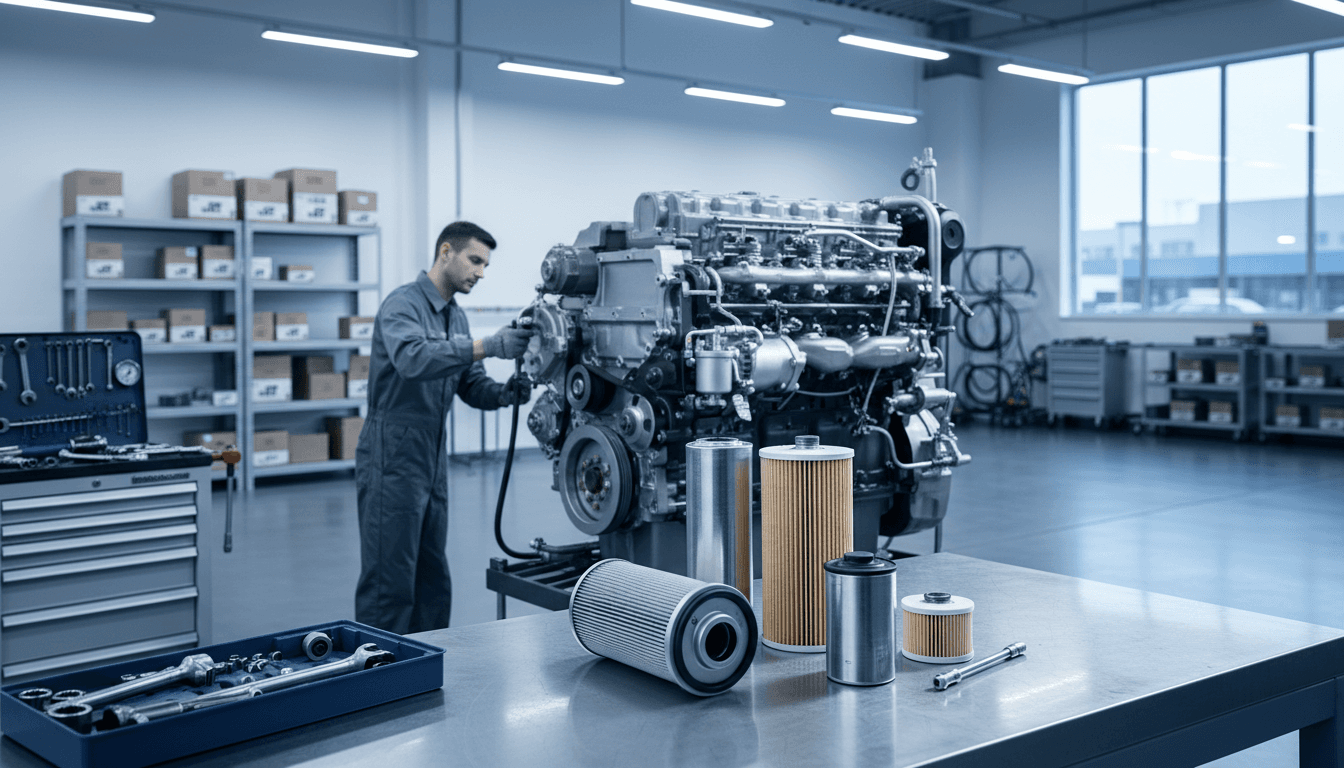
In the demanding world of modern machinery, from robust excavators and powerful tractors to precision industrial equipment, the performance and longevity of your hydraulic systems are paramount. At the heart of this reliability lies a component often overlooked but critically important: the hydraulic filter. This seemingly simple device is the first line of defence against contamination, ensuring the smooth, efficient, and extended operation of your valuable assets. At Filtry.org, we understand the vital role these filters play, distributing over 300,000 products from leading manufacturers to meet the diverse needs of passenger cars, trucks, construction machinery, agricultural equipment, and industrial machines across Europe, including the UK, Germany, and Poland.
This comprehensive guide will delve into everything you need to know about hydraulic filters: their applications, how to select the right one, when and how to replace them, and what signs of wear to look for. Whether you're a driver, a seasoned mechanic, or a machine operator, understanding these principles is crucial for maintaining optimal performance and preventing costly downtime.
Understanding the Core: The Hydraulic System and Its Fluid
Before we explore the filter itself, it's essential to grasp the basics of the hydraulic system it protects. A hydraulic system relies on incompressible fluid (hydraulic oil) to transmit power. When a force is applied to the fluid at one point, it's transmitted to another point, enabling heavy lifting, precise movements, and immense power generation through components like pumps, valves, cylinders, and motors. The hydraulic fluid itself is not merely a medium for power transfer; it also lubricates moving parts, dissipates heat, and helps seal components.
Why Hydraulic Fluid Purity is Non-Negotiable
The efficiency and lifespan of a hydraulic system are directly tied to the cleanliness of its fluid. Even microscopic particles can wreak havoc within these complex systems. Contaminants can originate from various sources:
- Internal Contamination: Wear and tear of components (metal particles), degradation of seals, breakdown of the hydraulic fluid itself due to heat or chemical reactions.
- External Contamination: Ingress of dirt, dust, water, and air during component replacement, fluid top-ups, or through faulty seals and breathers. The operating environment of heavy machinery (construction sites, agricultural fields) is particularly prone to external contamination.
- Built-in Contamination: Residues from manufacturing processes, such as welding slag, machining swarf, or casting sand, which may be present in new components.
Without adequate filtration, these contaminants lead to accelerated wear, component damage, reduced efficiency, and ultimately, catastrophic system failure.
The Crucial Role of the Hydraulic Filter
The primary function of a hydraulic filter is to remove solid particles from the hydraulic fluid, safeguarding sensitive components from abrasive wear and damage. By maintaining fluid cleanliness, filters ensure:
- Extended Component Lifespan: Protecting pumps, valves, and cylinders from premature wear.
- Optimal System Performance: Preventing blockages in small orifices and ensuring precise control.
- Reduced Downtime and Maintenance Costs: Fewer repairs and longer service intervals.
- Improved Energy Efficiency: Clean fluid reduces friction and allows components to operate at their designed efficiency.
- Fluid Longevity: A clean system allows the hydraulic fluid to last longer, maintaining its designed properties.
Without effective filtration, contaminants circulate throughout the system, leading to a vicious cycle of wear and increased contamination levels. This is why investing in quality filtration is not an expense, but an essential investment in the operational health of your machinery.
Diverse Protectors: Types of Hydraulic Filters
Hydraulic systems employ various types of filters, each strategically placed to provide specific levels of protection at different stages of the fluid's journey. Understanding these distinctions is key to proper selection and maintenance.
Suction Filters
Positioned in the suction line, typically just before the hydraulic pump, suction filters are designed to protect the pump from large particles that could cause immediate damage. They have a relatively coarse filtration rating (higher micron rating) to avoid cavitating the pump by restricting fluid flow. While crucial for pump protection, they are not intended to achieve the overall fluid cleanliness required by the rest of the system.
Pressure Filters
Installed in the pressure line, immediately downstream from the pump, pressure filters protect the most sensitive components within the hydraulic system, such as servo valves and actuators. They operate under high pressure and typically have a very fine filtration rating (low micron rating) to capture even minute particles. The robust construction of pressure filters is designed to withstand the high pressures of the system.
Return Line Filters
These filters are located in the return line, just before the hydraulic fluid re-enters the reservoir. Their primary role is to clean the fluid of contaminants that have entered the system or been generated by component wear before the fluid is recirculated. Return line filters are often designed for lower pressures but still feature fine filtration to maintain overall system cleanliness. Many systems use a return line filter as the main workhorse for maintaining fluid purity.
Off-Line / Kidney Loop Filters
For critical applications or systems operating in very harsh environments, off-line filtration systems (also known as kidney loops) are employed. These are independent filtration circuits that continuously draw fluid from the reservoir, filter it to a very high standard, and return it. They offer continuous, dedicated filtration, often with finer micron ratings than in-line filters, without affecting the main system's flow or pressure. This approach can significantly extend fluid and component life.
Breather Filters
While not filtering the hydraulic fluid directly, breather filters are vital for maintaining system cleanliness. They are mounted on the hydraulic reservoir and filter the air that enters and leaves the tank as the fluid level changes. This prevents airborne dust and moisture from contaminating the hydraulic fluid, highlighting that effective filtration extends beyond just the fluid itself.
Choosing the Right Hydraulic Filter: A Practical Guide
Selecting the correct hydraulic filter is a critical decision that impacts system performance, reliability, and cost of ownership. It's not a one-size-fits-all solution, as requirements vary significantly between machinery types and applications.
Considerations for Machine Type and Application
- Construction Machinery: Excavators, loaders, bulldozers operate in extremely dirty, dusty environments. Filters for these machines require robust construction and excellent dirt-holding capacity.
- Agricultural Equipment: Tractors, harvesters, and sprayers encounter dust, crop debris, and sometimes corrosive chemicals. Filters must be durable and effective against a range of contaminants.
- Industrial Machines: Presses, injection moulding machines, and manufacturing robots often demand very fine filtration for precision control and extended component life in cleaner, but still demanding, environments.
- Passenger Cars and Trucks: While not typically having large, complex hydraulic systems like heavy machinery, power steering systems and certain braking systems utilise hydraulic principles and require specific filters to protect components like pumps and racks.
Key Specifications to Evaluate
When selecting a hydraulic filter, several technical specifications must be carefully matched to the system's requirements:
Micron Rating
This indicates the size of the smallest particle the filter can capture. Absolute micron rating specifies that all particles larger than the given size are trapped, while nominal micron rating refers to a percentage of particles. A lower micron rating means finer filtration. The required micron rating depends on the sensitivity of the hydraulic components in the system.
Flow Rate
The filter must be able to handle the maximum flow rate of the hydraulic system without excessive pressure drop. An undersized filter can restrict flow, leading to cavitation, overheating, and pump damage.
Pressure Rating
Filters in pressure lines must be rated to withstand the maximum operating pressure and any potential pressure spikes within that part of the system. Choosing a filter with an inadequate pressure rating can lead to bursting and catastrophic fluid loss.
Bypass Valve Setting
Many hydraulic filters incorporate a bypass valve. If the filter element becomes clogged, preventing fluid from passing through, the bypass valve opens to allow unfiltered fluid to continue flowing. This prevents system starvation and potential pump damage. While it protects the system from immediate failure, it means the fluid is no longer being filtered. The bypass setting (the pressure differential at which it opens) must be appropriate for the system. Some filters include indicators that signal when the bypass valve has opened.
Filter Media Material
The material of the filter element significantly influences its efficiency and dirt-holding capacity.
- Cellulose Media: Traditional, cost-effective, but generally less efficient and with lower dirt-holding capacity than synthetic media.
- Synthetic Media: Offers higher filtration efficiency, greater dirt-holding capacity, and a longer service life. Ideal for demanding applications and systems requiring very clean fluid.
- Wire Mesh: Used for coarser filtration, often in suction strainers or for pre-filtration, and can sometimes be cleaned and reused.
Fluid Compatibility
Ensure the filter's materials (media, seals, housing) are compatible with the type of hydraulic fluid being used. Incompatibility can lead to seal degradation, media breakdown, and system contamination.
The Importance of OEM Specifications
Always start by consulting the original equipment manufacturer (OEM) specifications for your machinery. These guidelines provide the recommended filter part numbers or detailed specifications that ensure proper fit, function, and filtration performance. Deviating from OEM recommendations without expert consultation can compromise your system's integrity.
Seeking Expert Consultation
If you're unsure about the best filter choice for a specific application or facing unusual contamination issues, don't hesitate to seek expert advice. Filtry.org specialists can help you navigate our extensive catalogue of hydraulic filters to find the perfect match for your requirements, ensuring optimal system health and longevity.
When to Replace Your Hydraulic Filter: Signs and Schedules
Timely replacement of your hydraulic filter is as crucial as selecting the right one. Ignoring replacement schedules or signs of a failing filter can quickly lead to system degradation and expensive repairs.
Adhering to Manufacturer's Schedule
The most straightforward guideline for filter replacement is the manufacturer's recommended service interval, typically found in the machine's maintenance manual. These intervals are based on extensive testing and designed to ensure optimal system protection under normal operating conditions. However, operating environments and usage patterns can vary significantly, sometimes requiring more frequent changes.
Recognising Signs of a Clogged or Worn Filter
While adhering to schedules is good, monitoring your system for signs of a failing filter provides an additional layer of protection. Be vigilant for the following indicators:
- Reduced System Performance: Sluggish or erratic operation of hydraulic cylinders, slow response times, or a general loss of power can indicate a clogged filter restricting fluid flow.
- Increased Noise: A struggling pump attempting to draw fluid through a restricted filter can produce unusual noises, such as whining or cavitation sounds.
- Warning Lights or Indicators: Many modern machines are equipped with dashboard warning lights or gauges that illuminate when a filter element is nearing bypass or is completely clogged. Pay close attention to these signals.
- Activation of Bypass Valve: If a filter is equipped with a visual bypass indicator, its activation signals that unfiltered fluid is now circulating, making immediate replacement imperative.
- Unusual Fluid Appearance: While a filter's job is to keep fluid clean, severely worn or bypassed filters can lead to visible contamination in the reservoir, such as cloudy fluid or visible particles. However, ideally, you should replace the filter before contamination becomes visible.
- Increased Temperature: A clogged filter can cause increased resistance to fluid flow, leading to higher system temperatures, which further degrades the hydraulic fluid and components.
Responding to Contamination Events
Certain events warrant an immediate hydraulic filter change, regardless of the scheduled interval:
- After System Repairs: Following major component replacement or repair (e.g., pump overhaul, cylinder reseal), it's prudent to change the hydraulic filter to capture any debris introduced during the repair process.
- Fluid Changes: While changing the hydraulic fluid, it's always best practice to replace the filter simultaneously.
- Unusual Contamination: If fluid analysis reveals unusually high levels of contamination, or if external contamination is suspected (e.g., water ingress), an immediate filter change, possibly coupled with fluid flushing, is necessary.
Proactive monitoring and adherence to a disciplined maintenance schedule, which also includes checking related components like oil filters for engine lubrication and fuel filters for clean fuel delivery, are fundamental to ensuring the long-term health of your machinery.
Hydraulic Filter Replacement and Maintenance: A Practical Guide
Replacing a hydraulic filter is a routine maintenance task, but it requires attention to detail to prevent contamination and ensure proper system function. This section provides a step-by-step guide for mechanics and operators.
Safety First: Prioritising Well-being
Before beginning any work on a hydraulic system, safety must be the absolute priority.
- Shut Down and Isolate: Turn off the machine and ensure all power sources are disconnected to prevent accidental startup.
- Relieve Pressure: Hydraulic systems can hold significant residual pressure even when turned off. Follow manufacturer's instructions to relieve system pressure before opening any lines or components.
- Wear PPE: Always use appropriate personal protective equipment (PPE), including safety glasses, gloves, and protective clothing. Hydraulic fluid under pressure can cause severe injury.
- Allow Cooling: If the machine has been operating, allow the hydraulic fluid to cool down to a safe temperature before handling.
Tools and Preparation
Gather all necessary tools and materials before you begin:
- New hydraulic filter (ensure it's the correct part number and specifications).
- Fluid catch pan or container (large enough to hold any spilled fluid).
- Wrenches or filter strap wrench (appropriate for the filter housing).
- Clean rags or shop towels.
- New O-rings or seals (often supplied with the new filter).
- Torque wrench (if specific tightening specifications are required).
- Hydraulic fluid (for topping up or pre-filling).
Step-by-Step Replacement Process
Follow these general steps for a smooth replacement:
- Locate the Filter: Identify the specific hydraulic filter you need to replace (suction, pressure, or return line).
- Clean the Area: Thoroughly clean the area around the filter housing to prevent dirt and debris from entering the system when the old filter is removed.
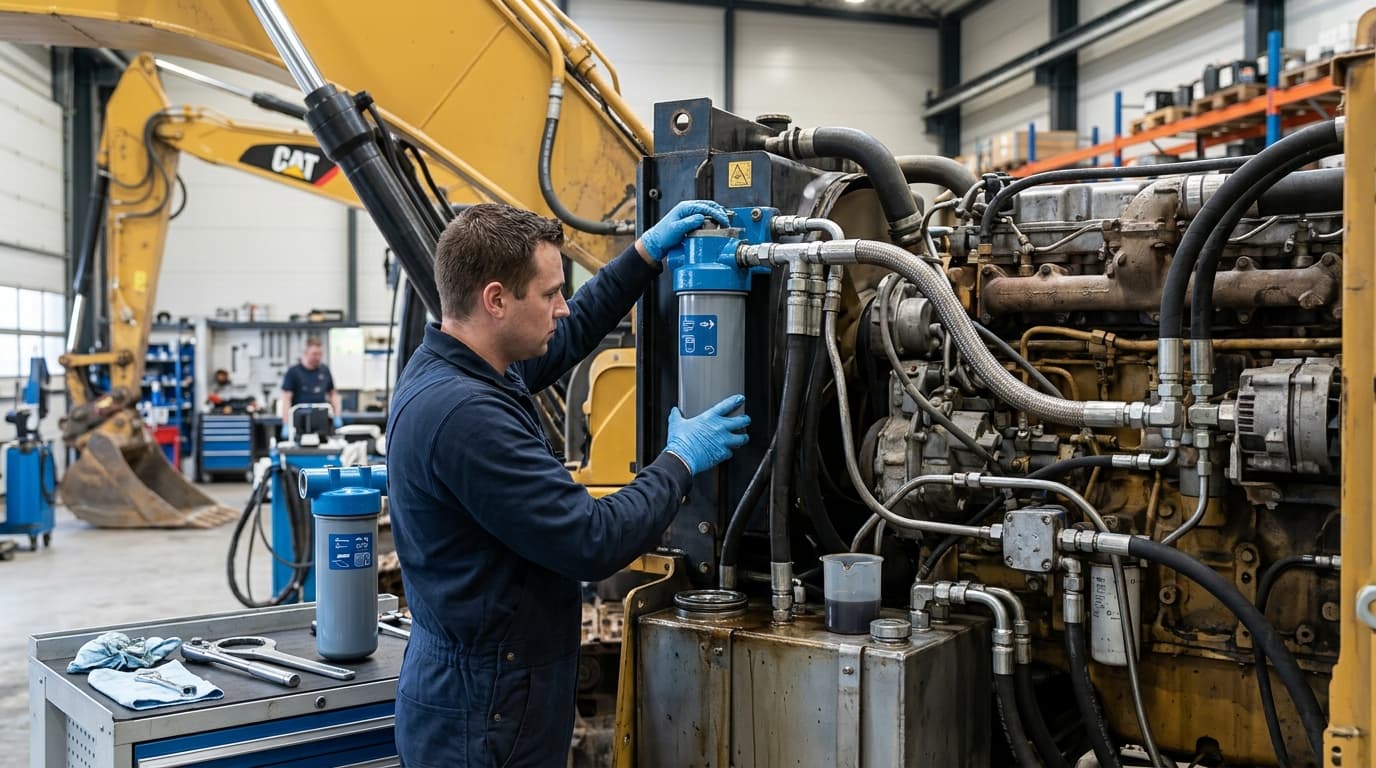
- Position Catch Pan: Place the fluid catch pan directly beneath the filter to collect any hydraulic fluid that will drain out.
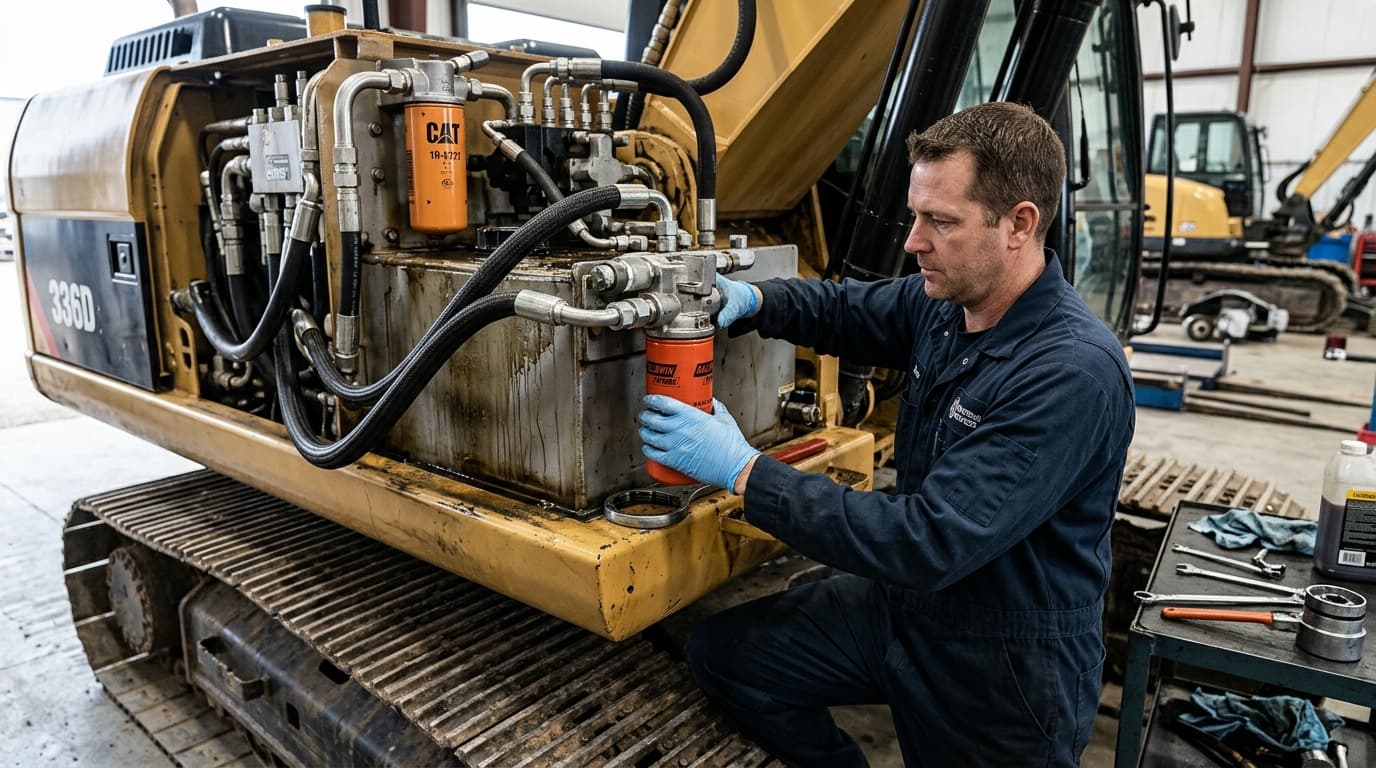
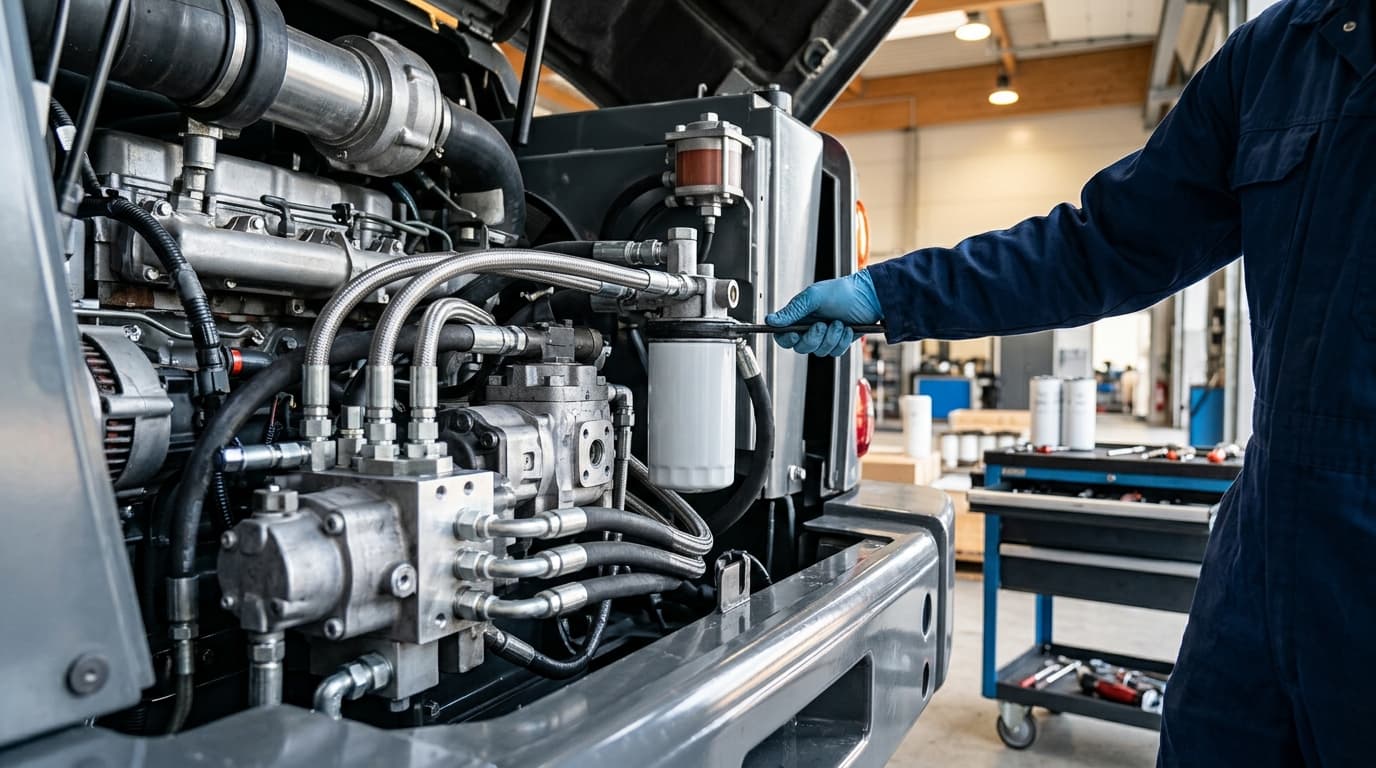
- Remove the Old Filter: Use the appropriate wrench to carefully loosen and remove the old filter element or housing. Be prepared for some fluid to spill.
- Inspect and Clean Housing: Once the old filter is removed, inspect the filter housing for any damage or debris. Clean the housing thoroughly with a lint-free cloth.
- Replace Seals: Always replace old O-rings and seals with new ones. Lubricate new seals with a small amount of clean hydraulic fluid to ensure a proper seal and prevent pinching during installation.
- Install the New Filter: If it's a spin-on filter, apply a thin film of clean hydraulic fluid to the new filter's gasket. For cartridge-type filters, ensure the element is correctly seated within the housing. Some manufacturers recommend pre-filling spin-on filters with clean hydraulic fluid before installation to reduce air ingress and speed up system priming, but consult your machine's manual.
- Tighten to Specifications: Hand-tighten spin-on filters until the gasket makes contact, then tighten an additional amount (e.g., 3/4 turn) as per manufacturer's instructions. For cartridge housings, use a torque wrench to tighten to the specified torque setting. Do not overtighten.
- Clean Up: Wipe away any spilled fluid and properly dispose of the old filter and contaminated fluid according to local environmental regulations.
Post-Replacement Checks
- Check Fluid Level: After installing the new filter, check the hydraulic fluid level in the reservoir and top up with the correct type of clean hydraulic fluid if necessary.
- Bleed Air (if required): For some systems, especially after replacing suction filters, you may need to bleed air from the hydraulic lines. Consult your machine's manual for specific procedures.
- Start and Inspect: Start the machine and operate the hydraulic functions at low pressure initially. Carefully inspect the filter area for any leaks. Continue to monitor the system for unusual noises or performance issues.
Proactive Maintenance and Fluid Analysis
Beyond routine filter changes, consider these practices:
- Fluid Analysis: Regular hydraulic fluid analysis by a laboratory can provide invaluable insights into the health of your system. It can detect early signs of component wear, fluid degradation, and contamination levels, allowing for proactive maintenance and optimising filter change intervals.
- System Cleanliness: Always use clean funnels, hoses, and containers when adding hydraulic fluid. Keep reservoir caps and breathers secure and clean.
Maintaining the integrity of your machinery extends beyond hydraulic systems; ensuring clean air intake with quality air filters and effective separation of liquids from air with separators for compressed air systems are equally important for overall operational health.
The Undeniable Impact of Quality Filters on Operational Efficiency
The operational efficiency of any machine, whether it's a large piece of construction equipment or a precise industrial robot, is heavily reliant on the health of its hydraulic system. And at the core of hydraulic system health is effective filtration. Investing in high-quality hydraulic filters and adhering to diligent maintenance practices yields significant long-term benefits:
- Reduced Downtime: The most direct benefit. By preventing component wear and system failures due to contamination, you minimise unscheduled maintenance and keep your machinery operational for longer. Every hour a machine is down translates to lost productivity and revenue.
- Extended Component Life: High-quality filters protect expensive hydraulic components like pumps, valves, and cylinders from abrasive particles. This extends their operational life, delaying the need for costly repairs or replacements and reducing your overall ownership costs.
- Optimised Fuel/Power Consumption: A clean hydraulic system operates more efficiently. Components move with less friction and resistance, allowing the system to achieve its intended output with less effort, which can translate into noticeable savings on fuel or electrical power over time.
- Lower Maintenance Costs: While filters themselves are a consumable, the cost of frequent repairs or component replacements due to poor filtration far outweighs the cost of regularly changing filters. Proactive filtration is a preventative measure that saves money in the long run.
- Consistent Performance: Clean hydraulic fluid ensures that components operate within their designed parameters, leading to more consistent and predictable machine performance. This is particularly crucial for applications requiring high precision or repetitive tasks.
- Environmental Responsibility: Extended component and fluid life mean less waste generation, contributing to more sustainable operational practices.
At Filtry.org, we believe that providing access to the best hydraulic filtration solutions is fundamental to supporting the operational excellence of businesses across various sectors. Our extensive inventory is designed to ensure you can find the precise filter to protect your investment.
Why Choose Filtry.org for Your Hydraulic Filter Needs
When it comes to sourcing critical components like hydraulic filters, reliability, selection, and expertise are paramount. Filtry.org stands as a leading distributor, committed to providing unparalleled service and a vast product range to customers across Europe.
- Unrivalled Selection: With over 300,000 products from leading manufacturers, we offer an extensive range of hydraulic filters suitable for virtually any application. Whether you need filters for construction machinery, agricultural equipment, industrial machines, or even passenger cars and trucks, our comprehensive catalogue ensures you'll find the exact fit.
- Quality Assurance: We partner with renowned manufacturers to ensure that every filter we distribute meets stringent quality standards. While we don't name specific brands, our commitment to high-quality filtration solutions means you receive products designed for durability and performance.
- Specialisation in Filtration: Our focus is filtration. We specialise in a broad spectrum of filters, including hydraulic filters, air filters, oil filters, fuel filters, and cabin filters, making us your expert partner for all your filtration requirements.
- European Delivery: We understand the importance of timely delivery. Filtry.org offers efficient and reliable delivery services across Europe, including key markets like the UK, Germany, and Poland, ensuring your essential parts reach you when you need them.
- Expert Support: Our team possesses deep technical knowledge in filtration. We're here to assist you with product selection, answer your technical questions, and ensure you find the most effective filtration solution for your specific needs.
Choosing Filtry.org means opting for a partner who understands the intricacies of machinery, the importance of reliable components, and the value of efficient operation.
Conclusion: Safeguarding Your Investment with the Right Hydraulic Filter
The hydraulic filter is far more than just a consumable part; it is a critical guardian of your hydraulic system's health, performance, and longevity. Neglecting its importance can lead to costly repairs, extended downtime, and a significant reduction in your machinery's operational lifespan. By understanding the types of filters available, knowing how to select the correct one, adhering to replacement schedules, and recognising the signs of wear, you empower yourself to make informed decisions that protect your valuable assets.
At Filtry.org, we are dedicated to providing the highest quality filtration solutions to keep your passenger cars, trucks, construction machinery, agricultural equipment, and industrial machines running at their best. Explore our extensive range of hydraulic filters and allow our expertise to support your operational efficiency. Invest in proper filtration today and ensure the enduring performance of your machinery tomorrow.
Share