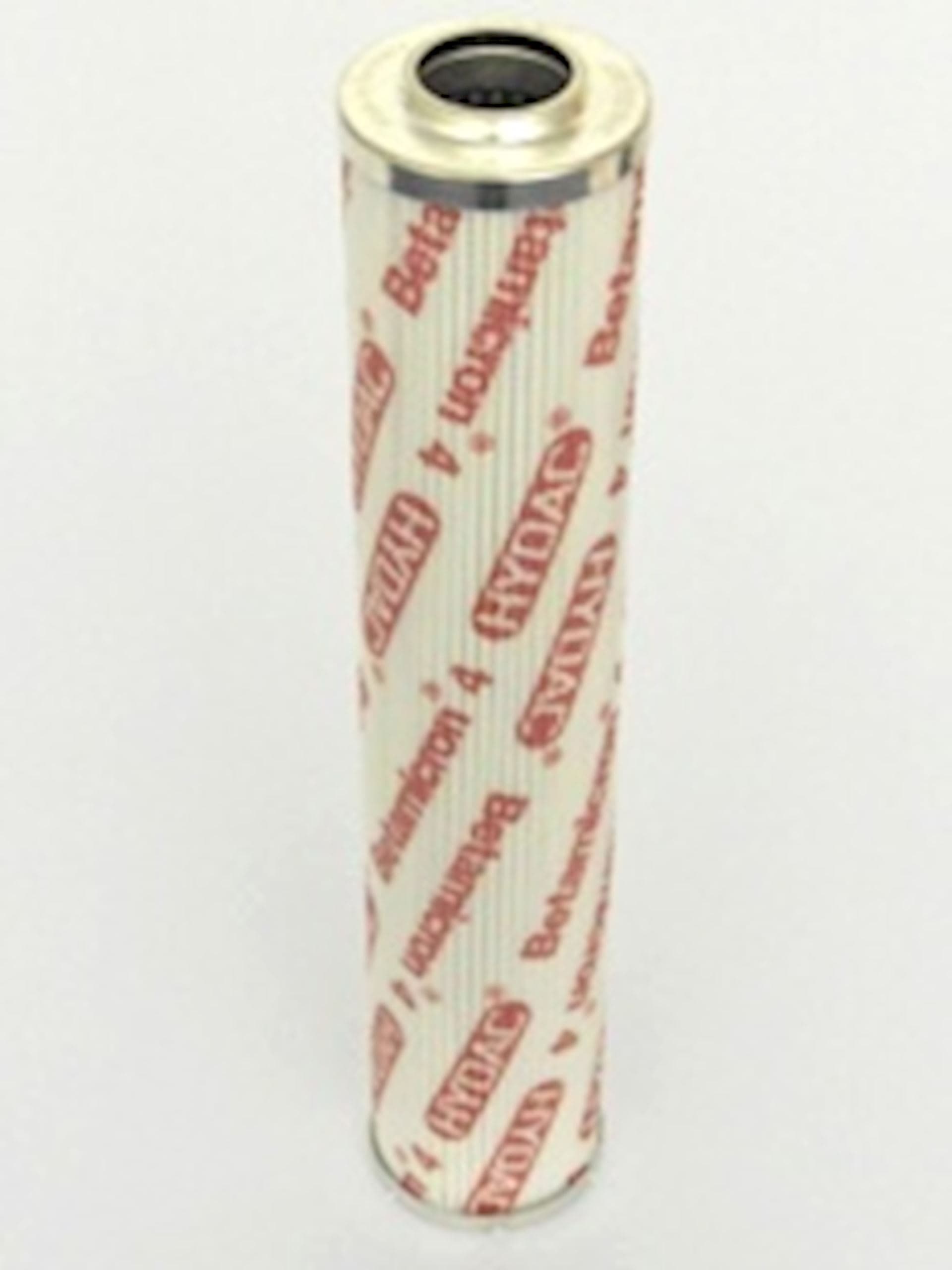
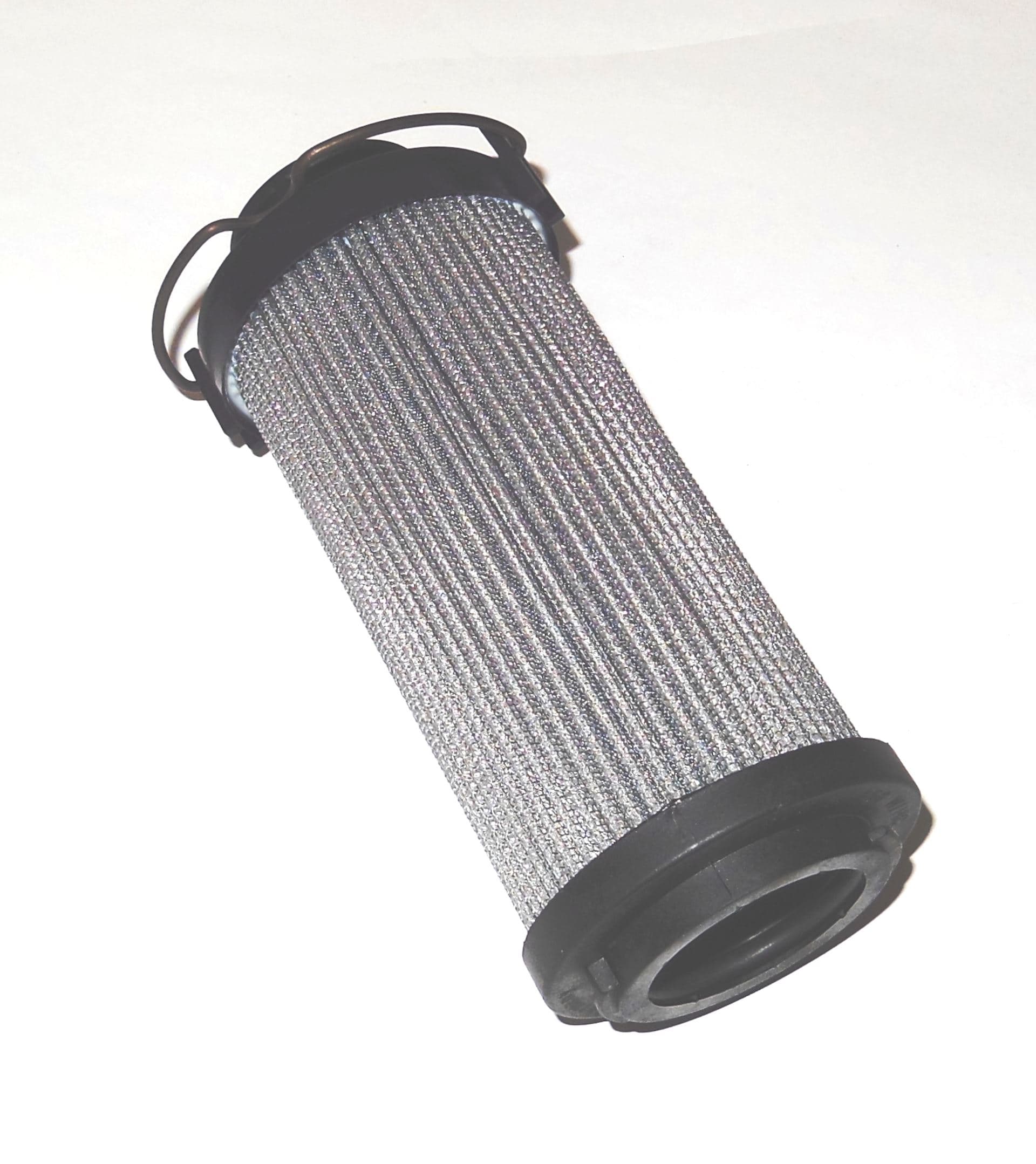
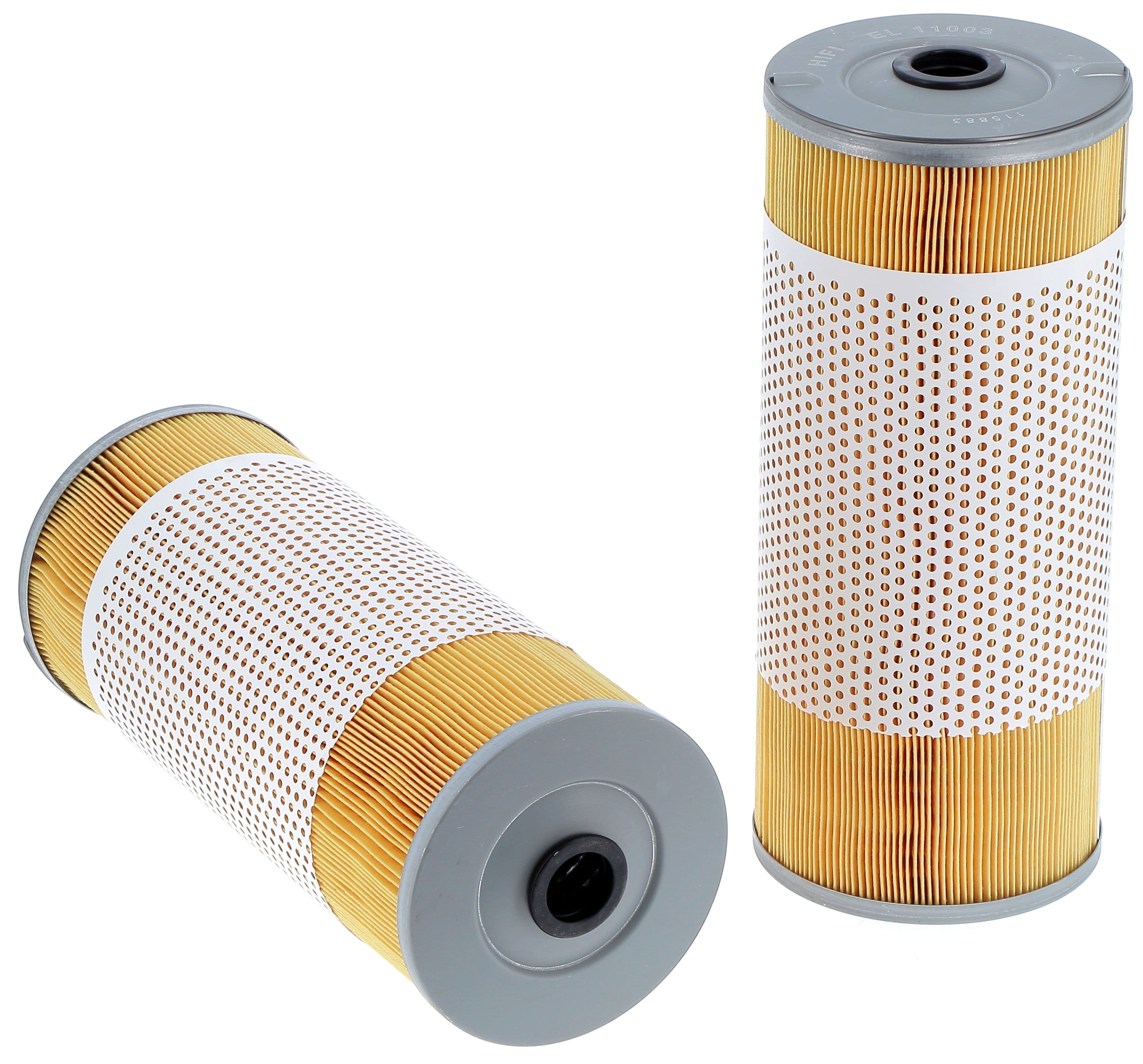
Hydraulic Filter Symptoms: Identifying System Degradation
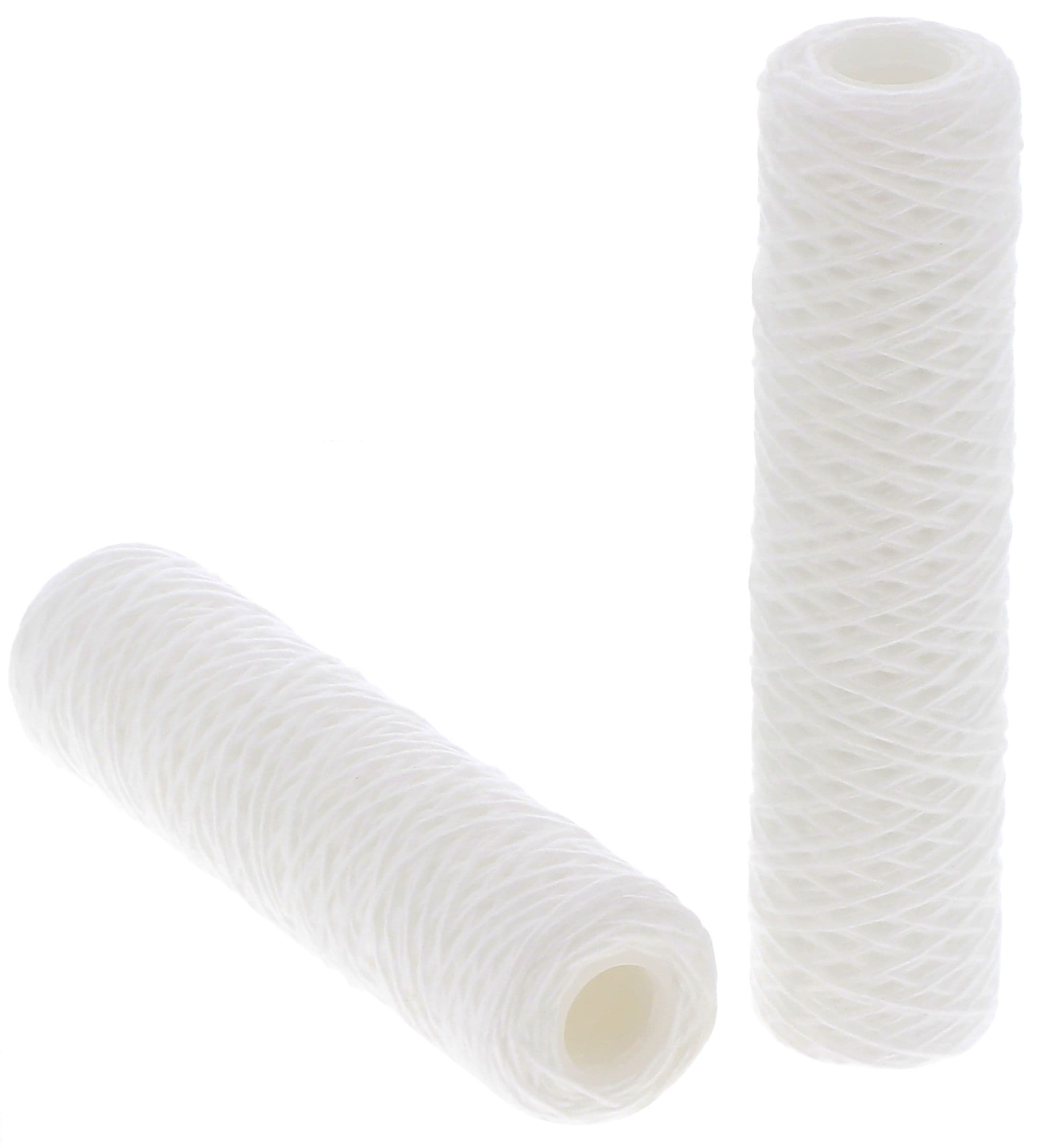
In summary: Maintaining hydraulic system integrity requires a proactive approach to identifying filtration failure. Key hydraulic filter symptoms include erratic actuator movement, increased operational noise due to cavitation, and abnormal thermal expansion of the hydraulic fluid. Neglecting these signs leads to irreversible component wear and costly system downtime.
How does a clogged filter impact system pressure and flow?
The primary function of a hydraulic filter is to maintain fluid cleanliness by capturing particulates that could otherwise damage sensitive components like pumps and valves. As the filter element becomes saturated with contaminants, the resistance to fluid flow increases. This resistance manifests as a pressure drop across the filter housing. In technical terms, this is referred to as differential pressure.
When the differential pressure exceeds the calibrated limit, the system’s efficiency begins to plummet. If the system is equipped with a bypass valve, the fluid may circumvent the filter entirely to prevent the element from collapsing. While this maintains flow, it allows contaminated oil to circulate through the circuit, leading to accelerated abrasive wear. Utilising high-quality components such as the HIFI FILTER EB 23150 PP ensures that the filter medium can handle specified flow rates while providing the necessary dirt-holding capacity. If you notice a sudden decrease in operating pressure or a sluggish response from hydraulic cylinders, it is often the first indicator that the filter is reaching its saturation point.
What audible hydraulic filter symptoms indicate a critical failure?
Noise is one of the most immediate hydraulic filter symptoms available to an operator. A restricted suction filter often leads to a phenomenon known as pump cavitation. This occurs when the pump is starved of fluid, creating a low-pressure zone that causes dissolved air in the hydraulic oil to form bubbles. When these bubbles move to the high-pressure side of the pump, they implode with significant force.
The resulting sound is often described as a loud, metallic knocking or a sound similar to marbles being shaken in a tin. Cavitation is extremely destructive; the imploding bubbles can pit the metal surfaces of pump gears, vanes, or pistons. If left unaddressed, the pump will eventually fail completely. Regular monitoring of the acoustic profile of the machine is vital. Furthermore, aeration—where air is sucked into the system due to poor seals or fluid turbulence—can also cause a high-pitched whining noise. Both cavitation and aeration are frequently linked to poor filtration or the use of incorrect filter specifications for the application.
Why does hydraulic fluid temperature rise when filtration is compromised?
Hydraulic systems are designed to operate within specific temperature ranges. A clogged hydraulic filter forces the system to work harder to push fluid through the circuit. This increased resistance generates friction at a molecular level, which is converted into heat. When a filter enters bypass mode or is heavily restricted, the cooling capacity of the system is often compromised because the fluid is not being moved efficiently through the heat exchangers.
Excessive heat leads to the thermal degradation of the hydraulic fluid. This results in the formation of sludge and varnish—sticky by-products that can coat internal components. Varnish increases the likelihood of valve "stiction," where spool valves become stuck in one position, causing unpredictable machine behaviour. If you observe that the oil cooler is running constantly or that the hydraulic tank is hot to the touch, it is a strong signal to inspect the condition of your filtration units. For specialised applications like electrical discharge machining, using precision elements such as the HIFI FILTER EL 10108 is critical to maintaining both fluid temperature and dielectric properties.
How do degraded filters affect the response time of hydraulic actuators?
Precision and repeatability are the hallmarks of a well-maintained hydraulic system. When hydraulic filter symptoms begin to emerge, one of the most frustrating issues for operators is the loss of fine control. Actuators—such as cylinders and motors—may exhibit "spongy" behaviour or erratic, jerky movements. This is often caused by air entrained in the fluid (aeration) or by particulate matter interfering with the pilot signals in proportional valves.
Contaminants that pass through a compromised filter can lodge in the tight tolerances of servo-valves. Even a microscopic particle can cause a valve to lag, resulting in a delayed response to operator inputs. In industrial environments where synchronisation is key, even a millisecond of delay can lead to production errors or safety hazards. Maintaining a strict replacement schedule for filters, such as the EL series including the HIFI FILTER EL 11001, ensures that the fluid remains free of the silt-sized particles that typically cause these control issues.
What roles do bypass valves play in indicating filter saturation?
Many modern hydraulic filter housings are equipped with a bypass valve designed to protect the system from complete flow starvation. However, relying on the bypass valve is a reactive rather than a proactive maintenance strategy. When the valve opens, the oil is no longer being filtered. This means that every cycle of the machine is introducing more wear particles into the sensitive components.
Technical indicators, such as visual pop-up pins or electrical pressure switches, are installed to warn the operator before the bypass valve opens. If these indicators are ignored, the internal components will suffer from "chain-reaction wear," where the debris from one failing component (like a pump) travels through the system to destroy other components (like actuators and motors). High-performance filtration elements, such as the HIFI FILTER EL 10122, are designed to offer low initial pressure drops, providing a longer service life before the bypass threshold is reached. Regularly checking these indicators is the simplest way to prevent the more severe symptoms of hydraulic failure.
Frequently asked questions
Can a clogged hydraulic filter cause a total system shutdown?
Yes. If the filter is on the suction side and becomes completely blocked, the pump will cavitate and potentially seize, leading to a total loss of hydraulic power and potential mechanical destruction of the pump assembly.
What colour should hydraulic oil be if the filter is working correctly?
Hydraulic oil should generally be clear or amber. If the oil appears milky, it indicates water contamination or aeration. If it appears dark or smells burnt, it indicates thermal degradation, often caused by the increased friction of a clogged filtration system.
How often should I replace my hydraulic filters to avoid symptoms?
Filter replacement should follow the manufacturer’s recommended hours of operation, but it should also be dictated by the clogging indicators. In high-dust environments or systems running at high pressures, more frequent intervals are necessary to prevent the bypass valve from opening.
What is the difference between a suction filter and a return line filter?
A suction filter is located before the pump to protect it from large contaminants, while a return line filter cleans the fluid before it returns to the tank, capturing wear particles generated by the system's components during operation.
Share