Technical Guide to Hydraulic Filter Replacement
In summary: Maintaining hydraulic system integrity requires precise adherence to hydraulic filter replacement intervals and the use of high-quality filtration media. Failure to replace saturated elements leads to increased differential pressure, component wear, and potential system failure via bypass valve activation or media collapse.
When should a hydraulic filter replacement be performed?
Determining the correct interval for hydraulic filter replacement is not a matter of guesswork; it is a calculation based on operating hours, environmental conditions, and the specific ISO 4406 cleanliness codes required by the system components. In most industrial and mobile applications, a standard interval ranges between 500 and 1,000 operating hours. However, this is a broad generalisation. The most accurate method involves monitoring the differential pressure across the filter element. As the filter media captures contaminants, the resistance to flow increases. When this pressure drop reaches a predetermined threshold—often indicated by a visual or electronic clogging indicator—replacement becomes mandatory regardless of the hour count.
In new systems or after a major overhaul, an initial hydraulic filter replacement should occur much earlier, typically after the first 50 to 100 hours. This 'break-in' period is critical because it captures residual manufacturing debris, such as metal shavings, sealant fragments, and assembly dust, which are highly abrasive to precision-machined pump surfaces and valve spools.
What are the technical consequences of delayed replacement?
Neglecting the hydraulic filter replacement schedule triggers a cascade of mechanical issues. Most modern filter housings incorporate a bypass valve designed to prevent the element from collapsing under extreme pressure. While this protects the filter itself, it allows unfiltered oil to circulate through the system. Once the bypass opens, every particle generated by wear or ingested through seals is pumped directly into sensitive components like piston pumps and proportional valves. This results in accelerated abrasive wear, shortened component life, and increased internal leakage, which reduces the overall volumetric efficiency of the system.
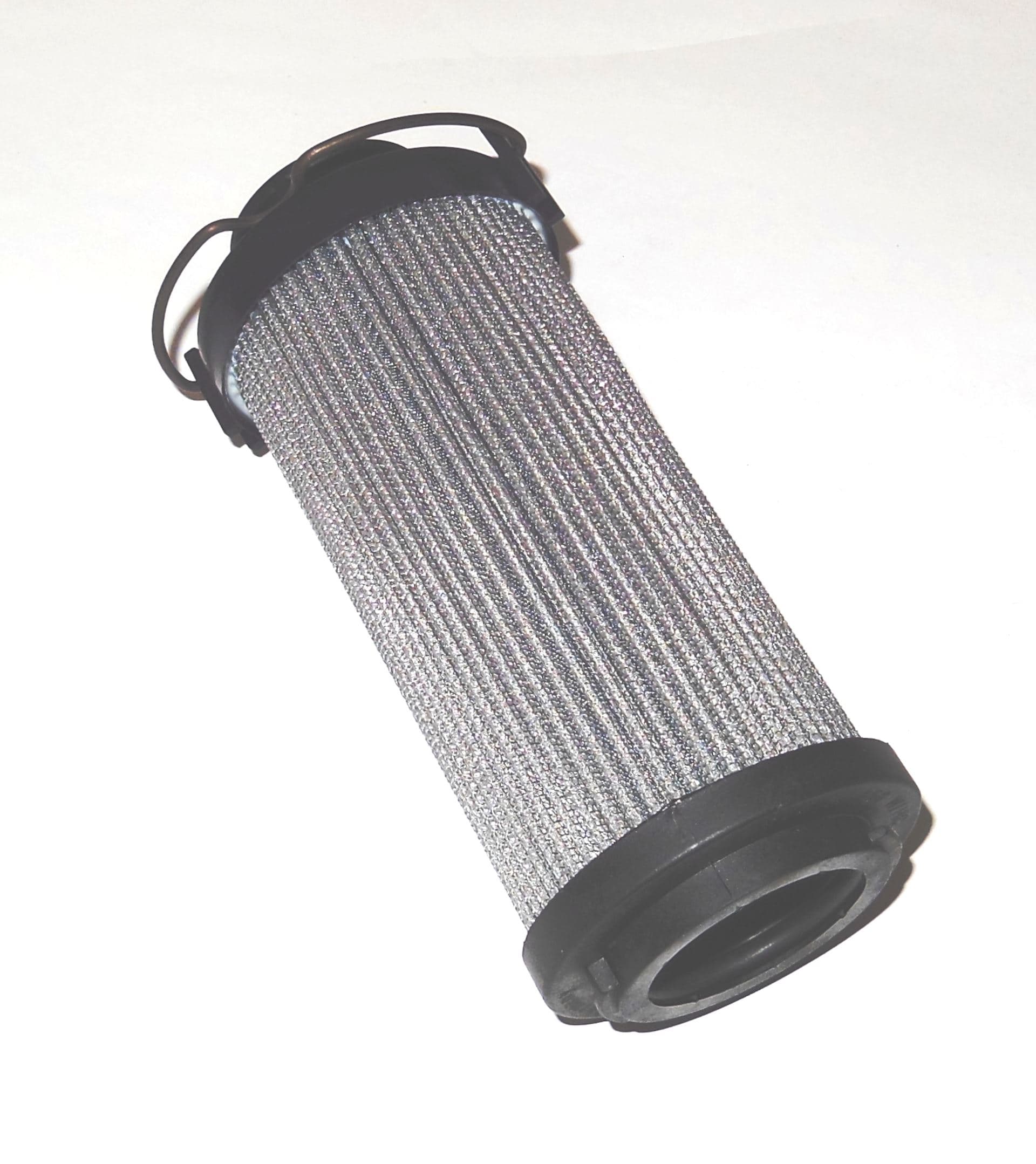
Furthermore, a saturated filter can cause pump cavitation. If the suction line filter is blocked, the pump cannot draw sufficient fluid, leading to the formation of vapour bubbles that implode with extreme force against the metal surfaces. This phenomenon destroys pump internals rapidly. Utilising high-performance elements, such as the SF FILTER 0095D003ON, which features a 3-micron filtration rating, ensures that even microscopic particles are removed before they can cause such damage, provided they are replaced before saturation.
What are the most common mistakes during hydraulic filter replacement?
One of the most frequent technical errors is the failure to properly clean the filter housing and surrounding area before opening the system. Even a small amount of external dirt falling into the 'clean side' of the filter head during a change can cause immediate damage to downstream valves. Technicians must use lint-free cloths and ensure the housing is thoroughly degreased and cleaned externally before the replacement begins.
Another common mistake involves the incorrect handling of seals and O-rings. Reusing old seals or failing to lubricate new ones with clean hydraulic fluid often leads to air ingress or external leaks. Air entering the hydraulic circuit through a poorly sealed filter housing causes foaming and 'spongy' hydraulic action, which compromises control precision and causes fluid oxidation. Furthermore, over-tightening the filter bowl or canister can distort the housing or damage the threads, making future removals difficult and potentially causing fatigue cracks in the metal.
How do you select the correct replacement filter element?
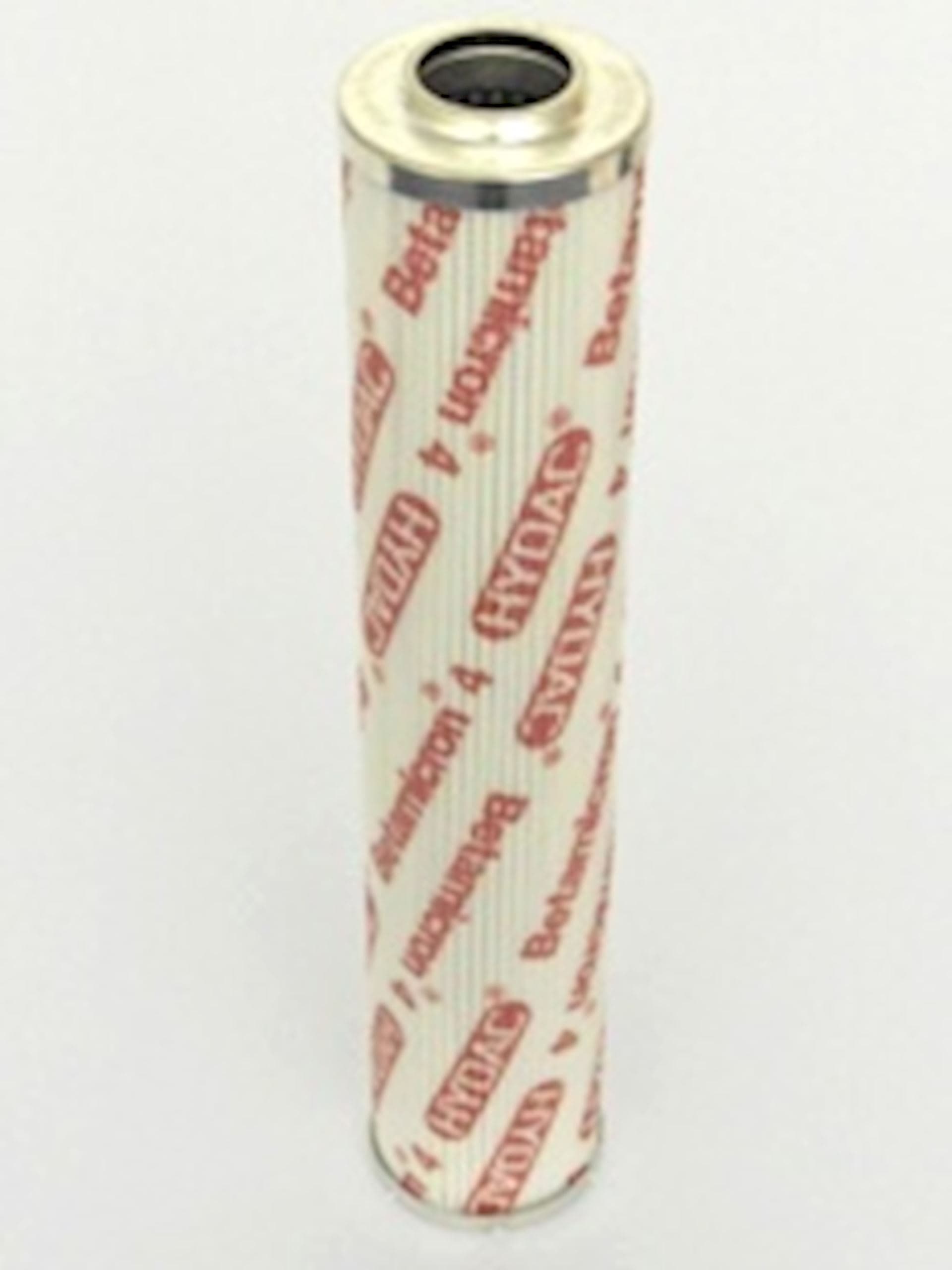
Selection must be based on technical specifications rather than physical dimensions alone. The micron rating (nominal vs absolute), the Beta ratio, and the collapse pressure are critical parameters. For instance, a return line filter must handle high flow surges, whereas a pressure line filter must withstand the full operating pressure of the system. High-quality components like the SF FILTER 0100MX010BN/HC/-B3.5 are engineered with inorganic glass fibre media (BN/HC), which provides superior dirt-holding capacity and chemical resistance compared to standard cellulose elements.
Using a filter with an incorrect micron rating can be equally detrimental. Installing a filter that is too 'fine' for the application may lead to premature clogging and frequent bypass events, while a filter that is too 'coarse' will allow harmful contaminants to remain in the fluid. Technicians must always verify the part number against the manufacturer's technical data sheet to ensure the replacement element matches the original equipment specification for flow rate and pressure drop.
How does fluid analysis complement filter replacement?
While physical hydraulic filter replacement is vital, it should be supported by regular oil analysis. By analysing the particles trapped in the filter and the fluid itself, operators can identify the type of wear occurring within the system. For example, high levels of bronze or brass indicate pump shoe wear, while high iron levels might point to cylinder barrel or gear wear. This proactive approach allows maintenance teams to schedule repairs before a catastrophic failure occurs, rather than simply reacting to a clogged filter indicator. Regular sampling helps in fine-tuning the replacement intervals, potentially extending them if the environment is clean, or shortening them if the system is operating in extreme conditions.
Frequently asked questions
Can I clean and reuse a hydraulic filter element?
Generally, no. Most modern hydraulic filters use synthetic glass fibre media that cannot be cleaned without destroying the delicate structure of the fibres. Only specific stainless steel mesh filters are designed to be cleaned using ultrasonic baths or specialised solvents. Standard elements must be replaced with new ones to ensure system cleanliness.
What is the difference between a nominal and an absolute micron rating?
A nominal rating is an arbitrary commercial description indicating the filter can stop a percentage of particles of a certain size. An absolute rating, usually expressed as a Beta ratio (e.g., βx[c] ≥ 1000), indicates that the filter captures 99.9% of particles of that size. For critical hydraulic systems, always rely on absolute-rated filters.
Why does my hydraulic filter clog more quickly in winter?
Cold hydraulic fluid has a much higher viscosity, which increases the pressure drop across the filter media. This can trigger the clogging indicator or even force the bypass valve open during startup. It is essential to allow the system to reach operating temperature before applying full load, or to use filters with higher cold-start bypass settings.
Does a darker oil colour always mean the filter needs replacing?
Not necessarily. Oil darkening is often a sign of thermal degradation or oxidation, which a standard filter cannot always remove. While dark oil should be tested, the need for filter replacement is strictly determined by the pressure drop (clogging indicator) or the reached service hour interval.
What happens if I install a filter with the wrong collapse pressure?
If the filter's collapse pressure is lower than the system's bypass valve setting, the filter media may rupture or 'implode' before the bypass can open. This sends a concentrated burst of contaminants and shredded filter media directly into the hydraulic circuit, often resulting in total system failure.
Share