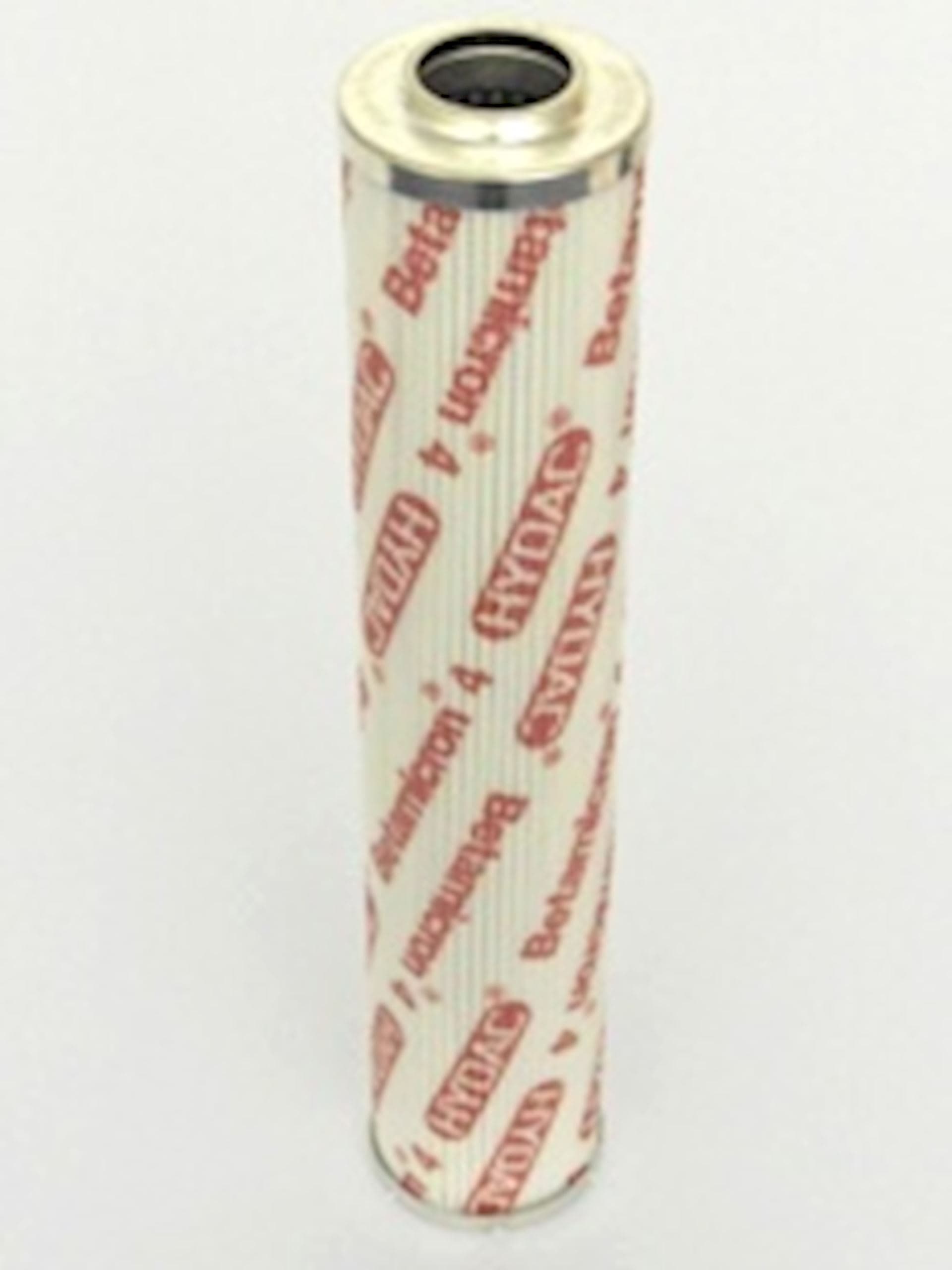
Optimal hydraulic filter replacement interval guide
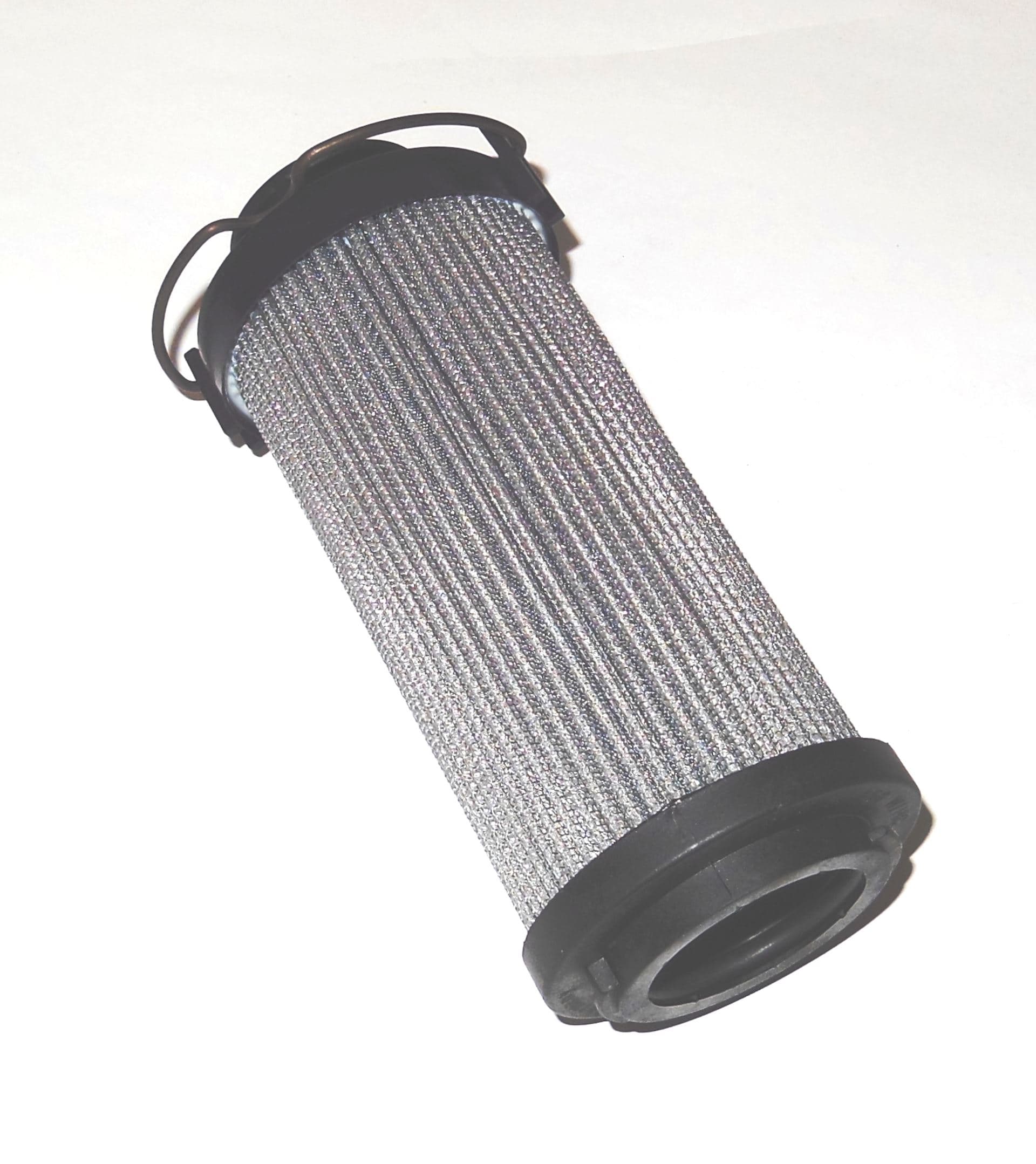
In summary: Maintaining a strict hydraulic filter replacement schedule is the most effective method for preventing abrasive wear and component failure in high-pressure circuits. While standard intervals often range between 500 and 2,000 operating hours, factors such as fluid temperature, environmental contamination, and system pressure fluctuations can significantly shorten these windows. Monitoring differential pressure and conducting regular oil analysis are the primary technical methods used to determine the precise moment of saturation.
What factors determine the hydraulic filter replacement interval?
The service life of a hydraulic filter is not a static figure; it is a variable influenced by the volume of contaminants the system generates and ingests. In a closed-loop system, internal wear particles from pumps and motors contribute to the total contaminant load. In open systems, atmospheric ingestion through breathers and cylinder rod seals introduces external particulates. The filtration media's dirt-holding capacity (DHC) defines how much mass a filter can trap before the differential pressure reaches the bypass valve setting.
Operating environment plays a decisive role. For instance, machinery operating in high-dust environments like quarries or construction sites will require more frequent intervals than stationary industrial power units. Furthermore, the type of hydraulic fluid used affects the filter's performance. High-viscosity fluids or fluids operating at low temperatures create higher initial pressure drops, which can lead to premature bypass if the filter is not correctly matched to the application. Using high-specification elements like the SF FILTER 0100MX010BN/HC/-B3.5, which features inorganic glass fibre media, provides a more stable pressure-to-dirt-loading ratio compared to traditional cellulose elements.
How do you identify a saturated hydraulic filter element?
The most reliable technical indicator for hydraulic filter replacement is the differential pressure (ΔP). As the filter media captures particles, the resistance to flow increases. Most modern hydraulic housings are equipped with visual or electrical clogging indicators. These devices are typically calibrated to trigger at a pressure slightly below the bypass valve opening pressure (e.g., at 2.5 bar if the bypass is set at 3.5 bar).
Relying solely on visual inspection of the fluid is ineffective because the human eye cannot detect particles smaller than 40 microns, whereas modern hydraulic tolerances require filtration down to 3, 5, or 10 microns. Technical personnel should also look for secondary symptoms of filter saturation, such as increased pump noise (cavitation) or a noticeable rise in fluid operating temperature. When a filter enters bypass mode, the fluid bypasses the media entirely, allowing contaminants to circulate freely through sensitive valves and actuators, leading to catastrophic system wear.
What are the standard intervals for hydraulic filter replacement?
While manufacturer specifications vary, typical industry benchmarks provide a baseline for maintenance planning. For new machinery, an initial "break-in" filter change is usually required after the first 50 to 100 hours of operation. This is critical to remove "built-in" contamination such as metal shavings, sealant residues, and hose particles from the manufacturing process.
Following the break-in period, standard intervals are often structured as follows:
- Return line filters: Every 500 to 1,000 operating hours.
- Pressure line filters: Every 1,000 operating hours.
- Suction filters (strainers): Every 2,000 hours or during major fluid changes.
- Off-line (kidney loop) filters: Based on fluid analysis results.
In applications requiring high precision, such as CNC machinery or aerospace test rigs, the SF FILTER 0075R050W/HC or similar high-efficiency units might be monitored via continuous electronic sensors to ensure the ISO 4406 cleanliness codes are strictly maintained. If the system operates in extreme temperatures or under high-duty cycles, these intervals should be reduced by 50% to prevent fluid degradation and additive depletion.
Why is the Beta ratio significant for replacement decisions?
The Beta ratio (β) defines the filtration efficiency of an element. A filter with a high Beta ratio, such as β10(c) > 1000, is far more efficient at capturing 10-micron particles than an element with a lower ratio. When selecting a replacement, it is vital to match the original equipment manufacturer (OEM) specifications exactly. Using a filter with a lower efficiency rating may extend the interval between filter changes, but it will simultaneously increase the wear rate of hydraulic components by allowing finer particles to remain in the circuit.
The SF FILTER 0095D003ON is a technical example of a high-efficiency pressure filter designed to maintain low particle counts in sensitive systems. If a maintenance department decides to upgrade to a higher-efficiency media, they must expect a shorter initial replacement interval, as the new filter will rapidly remove the accumulated fine contaminants that the previous, less efficient filter failed to capture.
How does temperature affect hydraulic filter performance?
Hydraulic fluid viscosity is inversely proportional to temperature. At cold start-up, the high viscosity of the fluid can cause a high differential pressure across the filter media, even if the filter is clean. This often triggers a "false" clogging indication or forces the filter into bypass mode. Technical systems often include a thermal lockout on the clogging indicator to prevent false signals until the fluid reaches a minimum operating temperature.
Conversely, operating at excessively high temperatures (above 80°C) can degrade the resins used to bond the filter media and the elastomers used for seals. This leads to "media migration," where parts of the filter itself break off and enter the downstream flow. Regular interval-based replacement ensures that the structural integrity of the filter element remains intact, even under varying thermal stresses.
Frequently asked questions
Can I clean a hydraulic filter instead of replacing it?
Only filters specifically designed with stainless steel wire mesh media, such as certain suction strainers, can be cleaned. High-efficiency glass fibre or cellulose elements are depth-loading and cannot be cleaned; attempting to wash them will damage the delicate fibre structure and render the filter useless.
What happens if I ignore the filter clogging indicator?
Most hydraulic systems feature a bypass valve. Once the filter is saturated, the valve opens to prevent the housing from bursting. This allows unfiltered, contaminated oil to flow directly to the pumps and valves, leading to accelerated wear, erratic valve operation, and eventually, total system failure.
Does the hydraulic fluid brand affect the filter interval?
The brand is less important than the fluid's quality and additive package. Higher-quality oils with better shear stability and anti-wear properties produce fewer oxidation by-products, which helps in extending the time it takes for the filter to reach its dirt-holding capacity.
How do I know which SF FILTER part number is correct for my machine?
Cross-referencing should be based on the OEM part number or the physical dimensions and thread type of the housing. It is also critical to verify the micron rating and the bypass valve pressure setting to ensure the replacement element, such as the SF FILTER 0080RK015MM, meets the system requirements.
Is it necessary to change the filter when I change the hydraulic oil?
Yes. Changing the oil without changing the filter is a technical error. A used filter already contains a significant load of contaminants and may be close to its bypass point. New oil can also have a cleaning effect, loosening deposits that will quickly saturate an old filter element.
Share