Essential Guide to Hydraulic Filters: Selection & Maintenance
Introduction to Hydraulic Filters
In the demanding world of heavy machinery, precision, power, and reliability are paramount. At the core of maintaining these crucial attributes lies the often-underestimated hydraulic filter. For anyone operating or maintaining construction machinery, agricultural equipment, or industrial systems, understanding the role of hydraulic filtration is not merely beneficial—it is essential. A well-chosen and properly maintained filtr hydrauliczny is the first line of defence against contamination, safeguarding complex and expensive hydraulic components from premature wear and failure. Filtry.org, a leading distributor with over 300,000 products from top manufacturers, specialises in providing comprehensive filtration solutions, ensuring your hydraulic systems operate with maximum efficiency and longevity.
This comprehensive guide delves into the critical aspects of hydraulic filters, covering their applications, the intricacies of selection, the importance of timely replacement, and practical maintenance tips. Whether you are a seasoned mechanic, a machine operator, or responsible for fleet management, this article will equip you with the knowledge to protect your valuable assets and ensure uninterrupted operation.
What is a Hydraulic Filter and Why is it Crucial?
A hydraulic filter is a device designed to remove solid particulate contamination from hydraulic fluid. In a hydraulic system, fluid acts as the medium for power transmission, lubrication, and heat transfer. However, this fluid can become contaminated, leading to significant problems. The filter’s primary role is to maintain the cleanliness of the hydraulic fluid, thereby protecting the sensitive components of the układ hydrauliczny.
Function and Purpose of Hydraulic Filters
The core function of a hydraulic filter is to capture and hold particulate matter, preventing it from circulating through the system. This contamination can be generated internally (e.g., wear debris from pumps, valves, cylinders, or seals) or introduced externally (e.g., dust, dirt, moisture ingress). By trapping these contaminants, the filter ensures the hydraulic fluid remains clean, allowing components to operate within their design tolerances.
Contamination Sources and Types
Contamination in hydraulic systems is inevitable and can arise from numerous sources:
- Built-in Contamination: Residue from manufacturing and assembly processes (e.g., metal shavings, welding slag, textile fibres).
- Ingressed Contamination: Dust, dirt, moisture, and air entering through cylinder rod seals, worn breathers, filler caps, or poorly sealed reservoirs.
- Generated Contamination: Wear particles from pumps, motors, valves, and cylinders; breakdown products from the hydraulic fluid itself due to heat or chemical degradation.
- Maintenance-Induced Contamination: Particles introduced during fluid top-ups, component changes, or system flushing if proper cleanliness procedures are not followed.
Types of contaminants include metallic particles, dirt, sand, rust, rubber, paint particles, and even water, each posing a distinct threat to system integrity.
Impact of Contamination on Hydraulic Systems
The presence of even microscopic contaminants can have severe consequences:
- Component Wear: Abrasive particles cause erosion and scoring of precision surfaces in pumps, valves, and cylinders, leading to increased internal leakage and reduced efficiency.
- Reduced Component Lifespan: Increased wear accelerates the deterioration of components, leading to premature failure and costly replacements.
- System Malfunctions: Contaminants can block orifices, cause spool valves to stick, or interfere with sensitive control mechanisms, leading to erratic operation or complete system shutdown.
- Fluid Degradation: Particle contamination can accelerate the oxidation and breakdown of hydraulic fluid, reducing its lubricating properties and requiring earlier fluid changes.
- Increased Operating Costs: Reduced efficiency, increased fuel consumption, frequent repairs, and downtime all contribute to higher operational expenses.
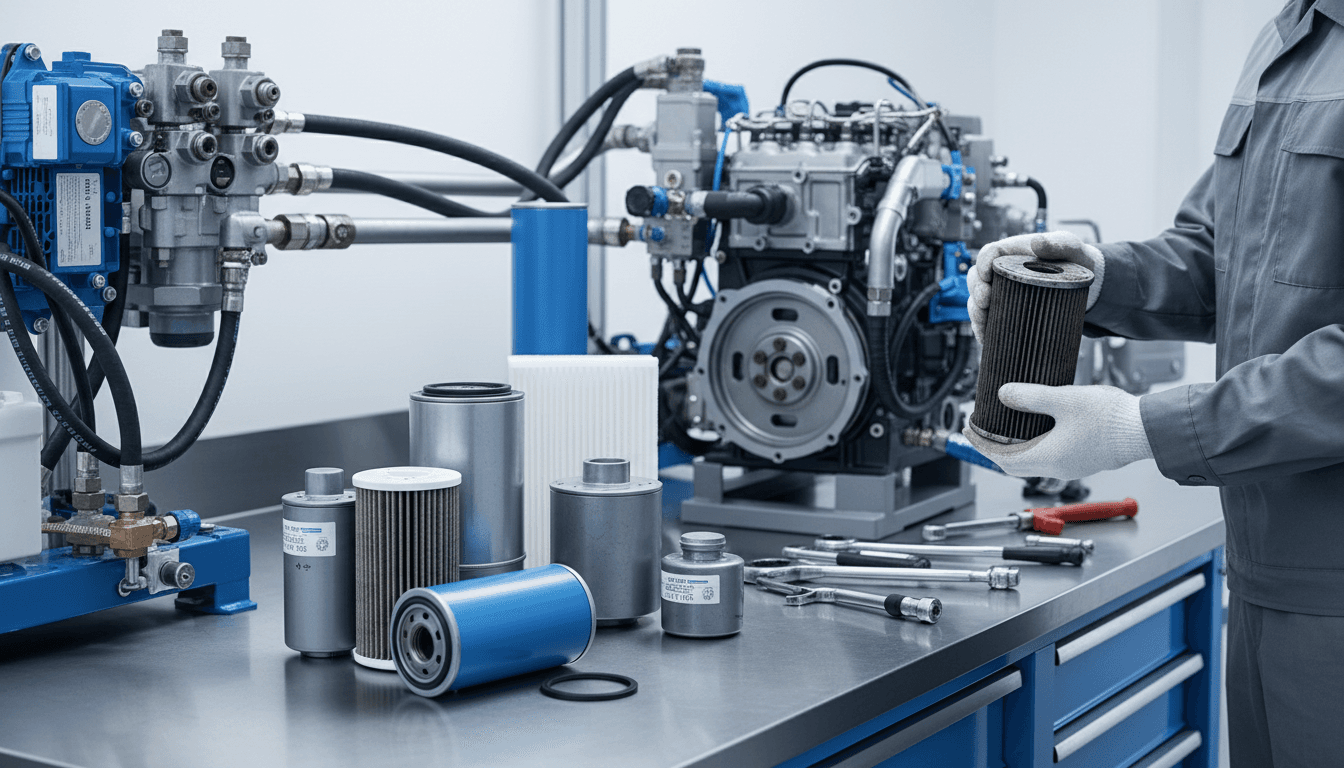
Types of Hydraulic Filters
Hydraulic filters are categorised based on their location within the hydraulic circuit, each serving a specific purpose in protecting the system.
Suction Filters
Located in the suction line, typically submerged in the reservoir or externally mounted before the pump. Their primary role is to protect the pump from large contaminants that could cause catastrophic damage. They usually have a coarser micron rating to prevent pump cavitation. Common types include strainers and suction filters.
Pressure Filters
Installed in the pressure line downstream of the pump, pressure filters are designed to withstand high operating pressures. They offer the finest filtration in the system, protecting sensitive components like servo valves, proportional valves, and cylinders from fine particulate matter generated by the pump or passing through the suction filter. They often incorporate a bypass valve to prevent filter rupture in case of clogging.
Return Line Filters
Positioned in the return line, before the fluid re-enters the reservoir, these filters remove contaminants that have entered or been generated within the system during its operational cycle. They help clean the fluid before it returns to the reservoir for recirculation, ensuring overall system cleanliness. Return line filters are critical for maintaining a clean fluid reservoir.
Off-line Filters / Kidney Loop Filters
These are independent filtration circuits that continuously clean a portion of the main system's fluid while the machinery is operating or even when it's idle. They are highly effective for achieving and maintaining very high levels of fluid cleanliness without interfering with the main hydraulic flow. Kidney loop filters often incorporate finer filtration, water removal elements, and sometimes even heating/cooling capabilities.
Breather Filters
Mounted on the hydraulic reservoir, breather filters prevent airborne contaminants (dust, dirt, moisture) from entering the tank as the fluid level fluctuates during system operation. They are crucial for preventing external contamination from compromising the cleanliness of the hydraulic fluid. Some advanced breathers also include desiccants to remove moisture.
Filter Media Types
The material used to trap contaminants defines the filter's effectiveness and characteristics:
- Cellulose Media: Made from treated paper fibres, these are economical and effective for general filtration. They are typically 'depth filters' and offer good dirt-holding capacity but can be sensitive to moisture and have a lower absolute filtration rating.
- Synthetic Media: Constructed from synthetic fibres like fibreglass, polyester, or polypropylene, these offer superior filtration efficiency, higher dirt-holding capacity, and better resistance to water and chemical degradation compared to cellulose. They are often used in high-performance applications and provide excellent absolute filtration.
- Wire Mesh Media: Utilised in suction strainers and some return line filters for coarser filtration. They are often cleanable and reusable but have a much larger micron rating.
Applications of Hydraulic Filters
Hydraulic filters are indispensable across a vast array of equipment where hydraulic power is employed. Their widespread use underscores the critical role they play in maintaining operational integrity and extending equipment lifespan.
Hydraulic Filters for Construction Machinery
Maszyny budowlane operate in some of the harshest environments, exposing their hydraulic systems to constant threats of contamination. From excavators and bulldozers to loaders, cranes, and backhoes, virtually every piece of construction equipment relies heavily on pristine hydraulic fluid for precise control and powerful movements.
- Excavators: Critical for boom, stick, bucket, and swing functions, requiring very clean fluid to prevent wear on cylinders and control valves.
- Wheel Loaders: Used for steering, lifting, and tilting, where contamination can impair responsiveness and lifting capacity.
- Dozers: Essential for blade control, steering clutches, and rippers, demanding robust filtration to handle high pressures and potential wear debris.
The robust design of hydraulic filters for construction machinery often includes higher pressure ratings and durable casings to withstand the rigours of the job site.
Hydraulic Filters for Agricultural Equipment
Agricultural equipment, such as tractors, harvesters, sprayers, and balers, depends on sophisticated hydraulic systems for power take-offs, implement control, steering, and braking. Operating in dusty fields and varied weather conditions, these machines are particularly vulnerable to external contamination.
- Tractors: Integral for operating front loaders, rear linkages, and various implements, necessitating clean fluid for smooth operation and control.
- Combine Harvesters: Complex hydraulic systems control cutting platforms, threshing mechanisms, and steering, where reliable filtration is paramount to prevent costly downtime during harvest season.
- Sprayers: Require precise hydraulic control for boom adjustments and pump operation, with filters preventing blockages and ensuring consistent spray patterns.
Similar to construction machinery, agricultural equipment benefits immensely from high-quality filtration to prevent costly breakdowns during critical operational periods.
Hydraulic Filters for Industrial Machines
In industrial settings, hydraulic systems power a wide range of machinery, from manufacturing presses and injection moulding machines to robotics and material handling equipment. These systems often operate continuously under high loads and require meticulous filtration to maintain precision, efficiency, and safety.
- Injection Moulding Machines: Require extremely clean hydraulic fluid for precise control of clamping units, injection units, and ejectors, where even minute particles can cause inconsistencies in product quality.
- Metalworking Presses: High-force hydraulic presses rely on robust filtration to protect large cylinders and high-pressure pumps from wear and ensure consistent force application.
- Material Handling Systems: Forklifts, scissor lifts, and automated guided vehicles (AGVs) use hydraulics for lifting and steering, demanding reliable filtration for safe and efficient operation.
The controlled environment of an industrial plant might suggest less external contamination, but internally generated wear particles from continuous operation make effective filtration just as critical.
How to Choose the Right Hydraulic Filter?
Selecting the correct hydraulic filter is a critical decision that directly impacts the longevity and performance of your machinery. A mismatch can lead to inadequate protection, premature component failure, or unnecessary maintenance costs. Here’s a guide to making informed choices:
Understanding System Requirements
Before selecting a filter, you must thoroughly understand the operational parameters of your hydraulic system:
- Pressure Rating: The filter housing and element must be rated for the maximum operating pressure of the line in which it is installed (suction, return, or pressure line). Pressure filters, for instance, need to withstand significantly higher pressures.
- Flow Rate: The filter must be capable of handling the maximum fluid flow rate without excessive pressure drop, which can lead to cavitation or reduced system performance. Always match the filter's flow capacity to the system's maximum flow.
- Fluid Type and Viscosity: Different hydraulic fluids (e.g., mineral oil, synthetic fluids, water glycols) have varying viscosities and chemical compositions. The filter media and seal materials must be compatible with the specific fluid used to prevent degradation and ensure proper filtration.
- Operating Temperature: Ensure the filter materials (element, seals, housing) are rated for the operating temperature range of the hydraulic system.
Micron Rating: Absolute vs. Nominal
The micron rating indicates the size of particles the filter can capture. Understanding the difference between absolute and nominal ratings is vital:
- Nominal Micron Rating: An approximate value, indicating the percentage of particles of a given size the filter can capture. For example, a 10-micron nominal filter might capture 90% of particles 10 microns and larger. It's less precise and often used for less critical applications.
- Absolute Micron Rating: A precise value, indicating the size of the smallest particle that is guaranteed to be captured at 99.5% (or higher) efficiency in a single pass. For example, a 10-micron absolute filter will remove virtually all particles 10 microns and larger. This is crucial for protecting sensitive components.
Always aim for an absolute rating for critical applications, ensuring the chosen filter meets the manufacturer's recommended cleanliness levels, often specified by ISO 4406 standards.
Filter Location in the System
As discussed, filters are strategically placed in different parts of the hydraulic circuit:
- Suction Line: Protects the pump from large particles. Generally coarser filtration (e.g., 100-250 microns).
- Pressure Line: Protects critical components (e.g., valves, actuators) from fine particles. Often very fine filtration (e.g., 3-10 microns absolute).
- Return Line: Cleans fluid before it returns to the reservoir, removing contaminants generated throughout the system. Typically medium filtration (e.g., 10-25 microns absolute).
- Off-line: For achieving and maintaining very high cleanliness levels. Can use very fine filtration (e.g., 1-5 microns absolute).
The choice of filter type and micron rating should align with its specific location and the components it is designed to protect.
Bypass Valves and Indicators
- Bypass Valves: Many filters incorporate a bypass valve. If the filter element becomes clogged, preventing fluid flow, the bypass valve opens to allow unfiltered fluid to continue circulating. While this protects the system from starvation or element rupture, it also means contaminants bypass the filter. For critical applications, non-bypass filters are sometimes used, but they require diligent monitoring.
- Filter Condition Indicators: These devices (visual gauges or electrical sensors) monitor the pressure differential across the filter element. When the pressure drop exceeds a predetermined limit (indicating clogging), the indicator signals that the filter needs replacement. This is an invaluable tool for preventative maintenance, avoiding both premature replacement and filter bypass.
Compatibility with Hydraulic Fluid
The filter's sealing materials (O-rings, gaskets) and the filter media itself must be compatible with the specific hydraulic fluid in use. Using incompatible materials can lead to seal degradation, media breakdown, and subsequent contamination of the fluid, causing significant system damage. Always refer to the fluid manufacturer's specifications and the filter supplier's recommendations.
Manufacturer Specifications
The most reliable method for selecting a replacement hydraulic filter is to consult the original equipment manufacturer's (OEM) manual. This will typically specify the required filter type, part number, micron rating, and replacement intervals. When selecting an aftermarket filter, ensure it meets or exceeds the OEM's specifications in terms of filtration efficiency, pressure rating, and flow capacity. Filtry.org offers an extensive catalogue of filters compatible with a wide range of machinery, providing reliable alternatives that meet stringent performance standards.
When to Replace Your Hydraulic Filter? Signs of Wear and Contamination
Timely replacement of your hydraulic filter is paramount for maintaining system health and preventing costly failures. Neglecting filter changes can lead to severe damage and downtime. Knowing when to replace it involves a combination of scheduled maintenance and attentive observation.
Manufacturer's Recommended Service Intervals
The most straightforward guideline comes from the equipment manufacturer. OEM manuals provide recommended service intervals, typically specified in operating hours (e.g., every 250, 500, or 1000 hours). These recommendations are based on extensive testing and are a reliable starting point for your maintenance schedule. However, these are general guidelines, and actual operating conditions can necessitate more frequent changes.
Filter Condition Indicators
Many modern hydraulic systems are equipped with filter condition indicators:
- Visual Indicators: Often a small gauge or pop-up button on the filter housing that changes colour or position when the pressure drop across the filter element reaches a critical level, indicating clogging.
- Electrical Indicators: Sensors that trigger a warning light or alarm in the operator's cabin when the filter is nearing full capacity.
Always trust these indicators. They provide real-time information about the filter's status, ensuring replacement occurs precisely when needed, preventing bypass or system damage.
Decreased System Performance
A failing or clogged hydraulic filter can manifest through various performance issues:
- Sluggish Operation: Hydraulic cylinders or motors respond slowly or erratically.
- Increased Noise: Pumps may become noisy (e.g., cavitation sounds) due to restricted fluid flow, especially in suction lines.
- Reduced Power/Force: The machine struggles to perform its intended tasks, or its lifting/pushing capacity diminishes.
- Overheating: Increased friction from contaminated fluid or higher pressure drops across a clogged filter can lead to elevated fluid temperatures.
- Frequent Activation of Relief Valves: A clogged filter can increase back pressure, causing relief valves to open prematurely, diverting fluid and reducing working pressure.
These symptoms, while potentially indicative of other issues, should always prompt an investigation into the hydraulic filter's condition.
Fluid Analysis Results
Regular hydraulic fluid analysis is one of the most proactive ways to monitor system health and predict filter life. Lab analysis can detect:
- Increased Particle Count: A rising particle count (measured by ISO 4406 cleanliness codes) indicates the filter is no longer effectively removing contaminants or that there's a new source of contamination.
- Elevated Wear Metals: High levels of metals like iron, copper, or chrome suggest accelerated component wear, which can be both a cause and effect of poor filtration.
- Fluid Degradation: Changes in fluid viscosity, acid number, or the presence of water or oxidation by-products can signal issues with fluid quality that a filter change might help mitigate, or that the filter's capacity for contaminants is overwhelmed.
Acting on fluid analysis reports allows for informed, condition-based maintenance, often optimising filter replacement intervals beyond standard recommendations.
Visual Inspection
While not always conclusive for internal filter elements, visual checks can offer clues:
- External Leaks: Leaks around the filter housing or seals could indicate excessive pressure or damage, prompting a closer inspection.
- Condition of Reservoir Breather: A clogged or damaged breather allows airborne particles to enter the system, increasing the load on other filters. Ensure the air filters for the breather are clean and intact.
- Fluid Appearance: Although hydraulic fluid should be analysed, visibly cloudy, dark, or foamy fluid can be a sign of severe contamination or degradation that requires immediate attention and likely a filter change, along with a fluid change.
Common Misconceptions about Filter Life
- "If it's not clogged, it's fine": Filters can reach their dirt-holding capacity without fully clogging. Once saturated, they may release previously trapped contaminants back into the system (especially with cellulose media under vibration), or their efficiency drastically drops.
- "Over-filtering is wasteful": While excessively frequent changes are unnecessary, maintaining higher cleanliness levels than merely preventing clogging is often more cost-effective in the long run due to extended component life and reduced downtime.
- "The system has a bypass, so it's safe": While bypass valves prevent starvation, they allow dirty fluid to circulate, causing wear. Relying on the bypass valve to activate frequently is a sign of poor maintenance, not system safety.
The Process of Hydraulic Filter Replacement and Maintenance
Replacing a hydraulic filter correctly is as important as choosing the right one. A meticulous approach ensures maximum system protection and avoids introducing new contaminants during the process.
Safety Precautions
Prioritise safety at all times:
- Depressurise the System: Ensure the hydraulic system is completely shut down and depressurised before attempting any work. Refer to the machine's manual for proper depressurisation procedures.
- Chock Wheels/Secure Equipment: For mobile machinery, ensure it is parked on a level surface, wheels are chocked, and any raised components (booms, buckets) are safely lowered or supported.
- Personal Protective Equipment (PPE): Wear appropriate PPE, including safety glasses, gloves, and protective clothing, to guard against hot or pressurised hydraulic fluid.
- Beware of Hot Fluid: Hydraulic fluid can reach high temperatures during operation. Allow the system to cool down before servicing.
- Prevent Spills: Have spill containment materials ready to minimise environmental impact.
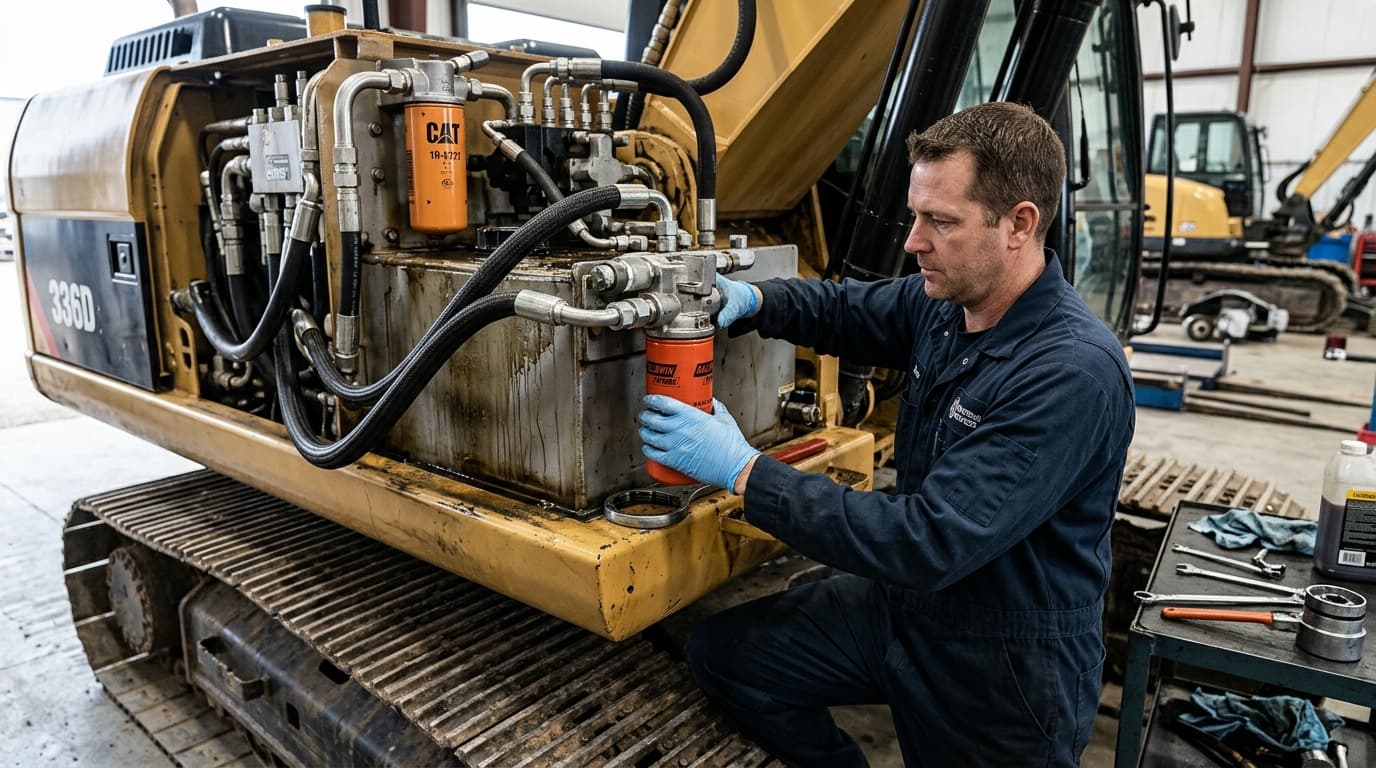
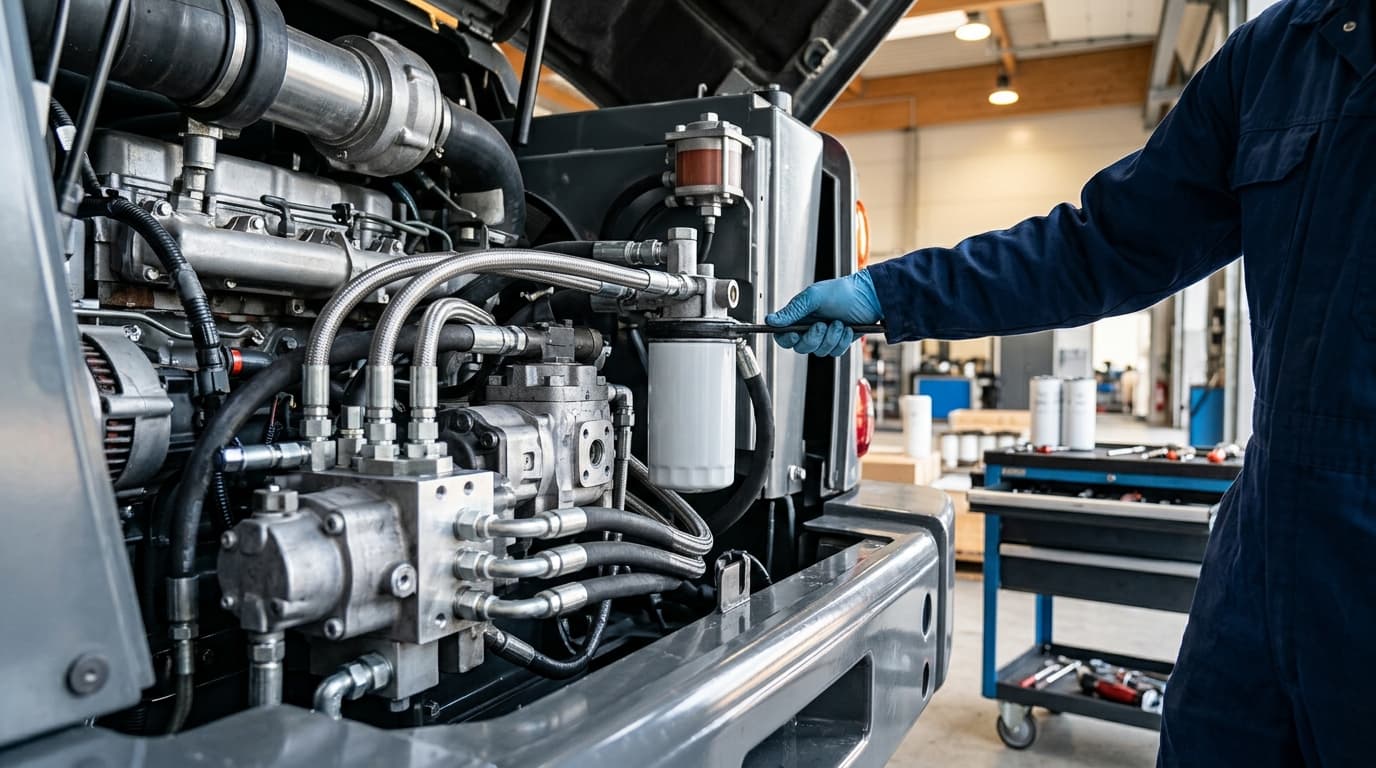
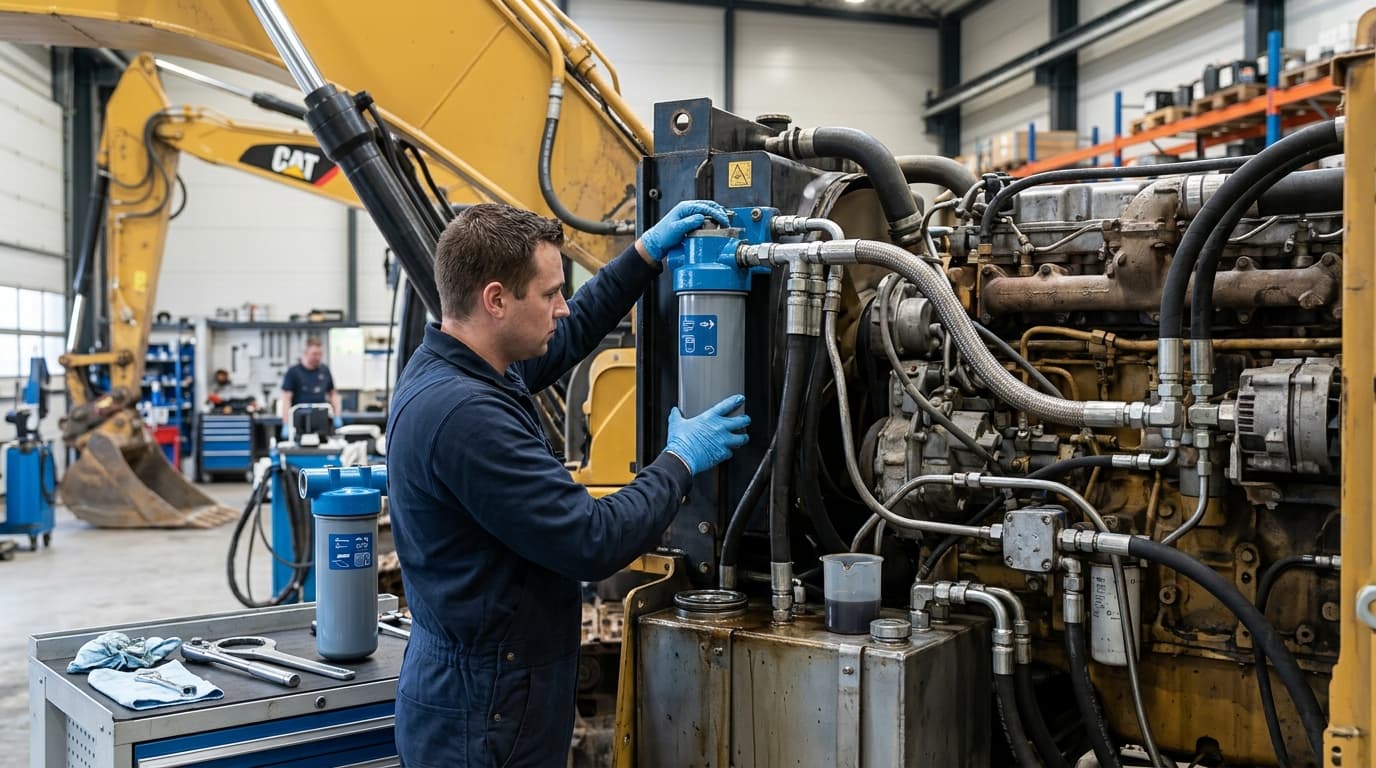
Step-by-Step Replacement Guide
- Locate the Filter: Identify the specific hydraulic filter housing that needs servicing.
- Clean the Area: Thoroughly clean the exterior of the filter housing and the surrounding area to prevent dirt from entering the system when the filter is removed. Use a clean rag and appropriate cleaning solution.
- Prepare for Fluid Drainage: Place a suitable container beneath the filter housing to catch any draining hydraulic fluid.
- Remove the Old Filter: Carefully unthread or unbolt the filter housing or cartridge. Some filters may have a drain plug at the bottom of the housing to remove fluid before unscrewing.
- Inspect the Old Filter and Housing: Examine the old filter element for signs of severe contamination, media damage, or metal particles, which can provide clues about internal system health. Inspect the housing for any damage or debris.
- Replace Seals/Gaskets: Always replace O-rings and gaskets provided with the new filter element. Lightly lubricate new seals with clean hydraulic fluid.
- Install the New Filter: Insert the new filter element into the housing or thread on the new spin-on filter cartridge. Ensure it is correctly seated.
- Tighten Appropriately: Reassemble the housing or tighten the spin-on filter according to manufacturer specifications (usually hand-tight plus a quarter turn for spin-ons, or torque wrench for bolted housings). Do not overtighten.
- Top Up Fluid (if necessary): Check the hydraulic fluid level and top up with the correct type of clean hydraulic fluid if needed, using a transfer pump with its own filtration.
- Bleed Air: After replacement, air might be trapped in the system. Follow the machine's manual for proper air bleeding procedures to prevent cavitation.
- Test the System: Start the machine and operate the hydraulic functions slowly, checking for leaks around the new filter and monitoring system performance and any warning indicators.
Proper Disposal of Used Filters
Used hydraulic filters are considered hazardous waste due to trapped contaminants and residual hydraulic fluid. They must be disposed of responsibly, following local environmental regulations. Do not simply throw them into general waste. Many waste management companies offer specific services for the disposal of oil filters and hydraulic filters.
Importance of Regular Maintenance Schedule
Adhering to a stringent, scheduled maintenance programme is the cornerstone of hydraulic system longevity. This includes:
- Regular Filter Changes: Based on OEM recommendations, condition indicators, or fluid analysis.
- Routine Fluid Analysis: To monitor fluid cleanliness and condition.
- Inspection of Breather Filters: Ensure they are clean and intact to prevent airborne contamination.
- Checking Hoses and Seals: Look for leaks or damage that could lead to fluid loss or contamination ingress.
Beyond hydraulic filters, a comprehensive approach to maintenance also includes regularly checking other critical filtration components, such as fuel filters for the engine and oil filters for the engine and transmission, to ensure all systems are running optimally.
Preventative Measures
To reduce contamination and extend filter life:
- Use Clean Fluid: Always use new fluid that has been pre-filtered to the required cleanliness level. Bulk fluid storage should be well-maintained and filtered.
- Use Proper Filling Procedures: When adding fluid, always use a dedicated transfer pump with built-in filtration. Never pour fluid directly from an unclean container into the reservoir.
- Maintain Seals and Wipers: Regularly inspect and replace worn cylinder rod seals and wiper seals to prevent external contaminants from entering the system.
- Keep the Machine Clean: Regular cleaning of the exterior of machinery, especially around filler caps and hydraulic components, reduces the chance of dirt ingress during maintenance.
Benefits of High-Quality Hydraulic Filtration
Investing in and diligently maintaining high-quality hydraulic filters yields substantial benefits that far outweigh their cost.
Extended Component Lifespan
By effectively removing abrasive particles, high-quality filters significantly reduce wear on expensive hydraulic components such as pumps, motors, valves, and cylinders. This protection extends their operational life, delaying the need for costly rebuilds or replacements.
Reduced Downtime and Repair Costs
A clean hydraulic system is a reliable system. With effective filtration, the incidence of component failures due to contamination is drastically reduced, leading to less unscheduled downtime. This minimises repair costs, labour expenses, and lost productivity, directly impacting your bottom line.
Improved System Efficiency and Performance
Contaminated fluid leads to increased internal leakage, sluggish operation, and reduced power. High-quality filtration ensures that the hydraulic fluid remains clean, allowing components to operate at peak efficiency, maintaining optimal system performance, and ensuring precise control over machinery functions.
Environmental Benefits
By extending the life of hydraulic fluid and components, high-quality filtration contributes to environmental sustainability. Fewer component replacements mean less manufacturing waste, and extended fluid life means less waste oil generation. This aligns with modern environmental responsibility practices.
Conclusion
The humble hydraulic filter is a cornerstone of reliability and efficiency for any machine utilising an układ hydrauliczny, whether it be maszyny budowlane, agricultural equipment, or industrial systems. Understanding their function, making informed choices during selection, and adhering to strict maintenance protocols are not optional – they are critical for ensuring the longevity and optimal performance of your valuable assets.
At Filtry.org, we pride ourselves on being a trusted distributor of automotive and industrial filters, offering over 300,000 products from leading manufacturers. Our extensive range of high-quality hydraulic filters, along with separators and other essential filtration components, is readily available for delivery across Europe, including the UK, Germany, and Poland. By choosing Filtry.org, you gain access to expert advice and a comprehensive selection designed to meet the rigorous demands of your machinery, protecting your investments and ensuring continuous, efficient operation.
Prioritise effective filtration today and safeguard your hydraulic systems for a more productive tomorrow.
Share