Essential Guide to Hydraulic Filters: Protecting Your Machinery
The Indispensable Role of Hydraulic Filters in Modern Machinery
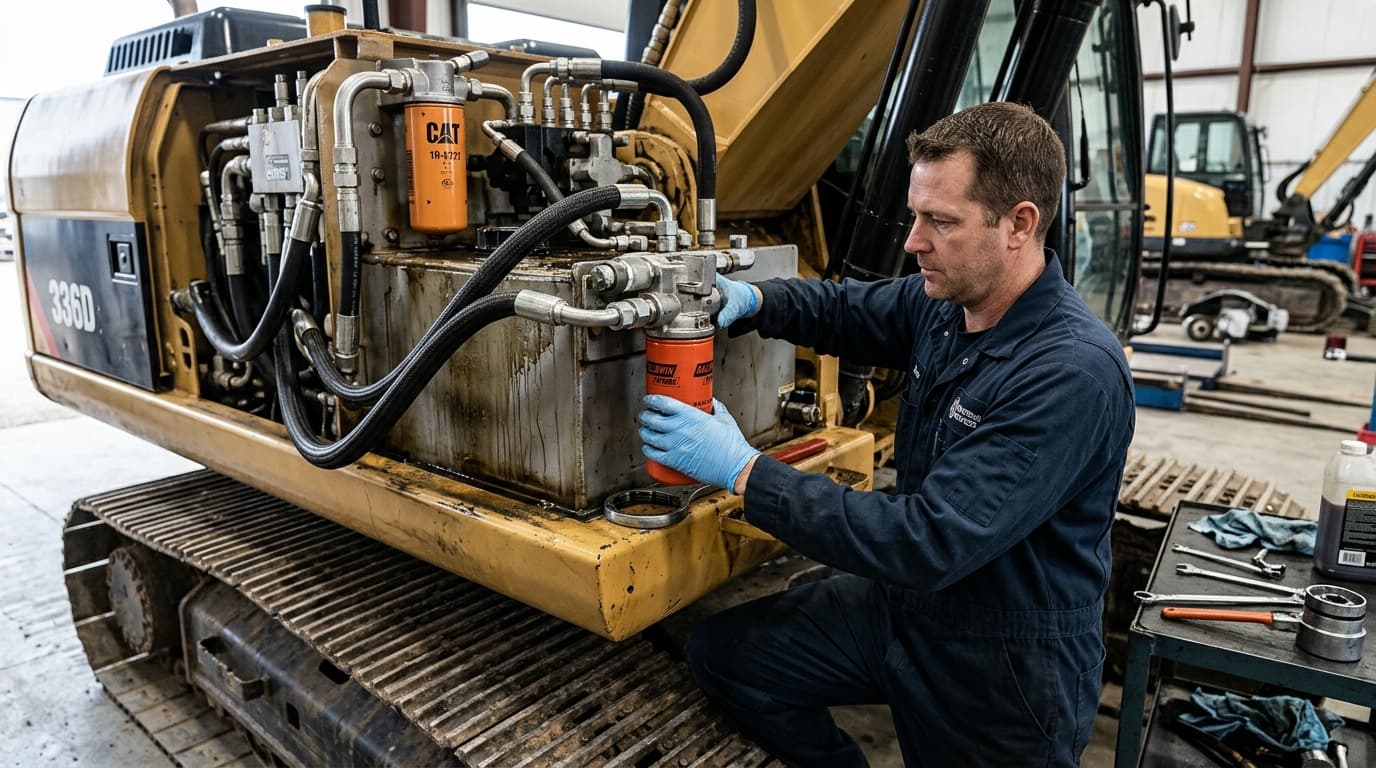
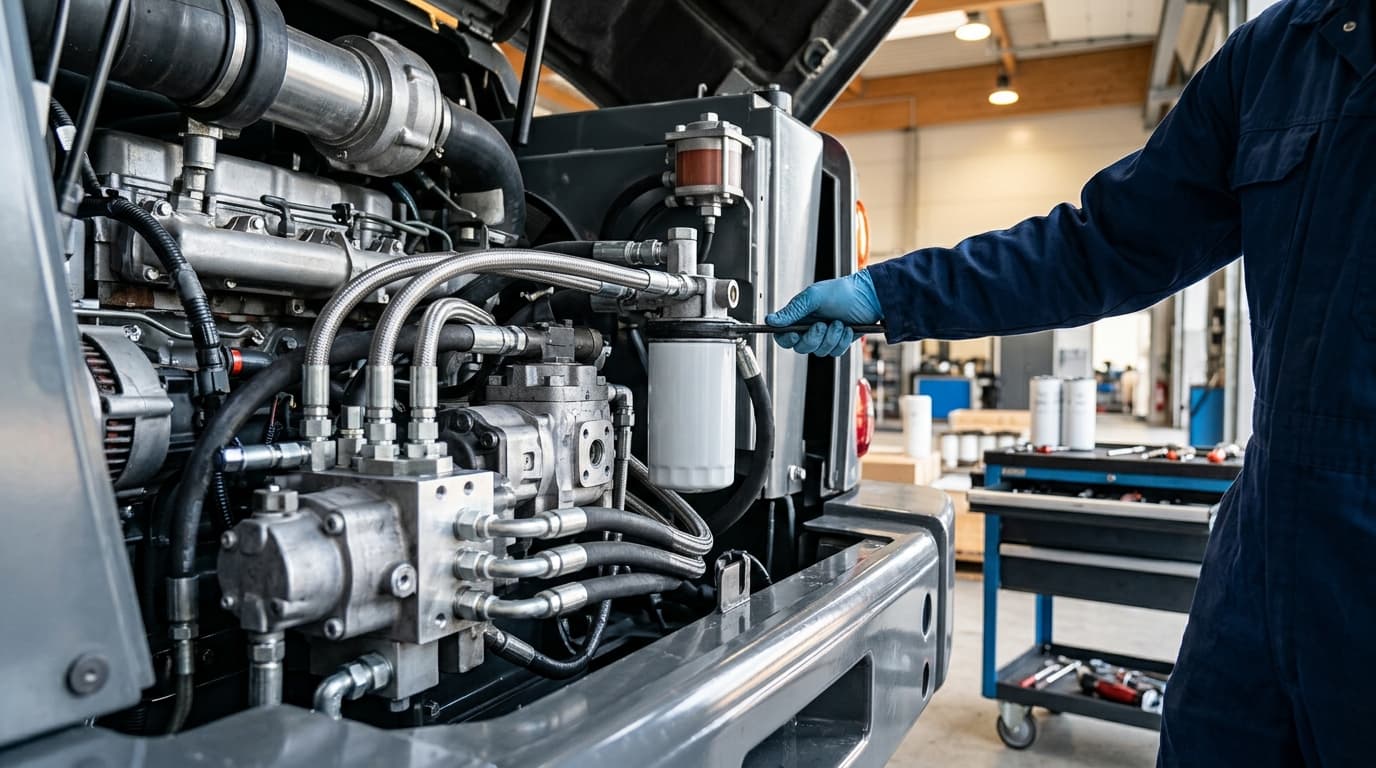
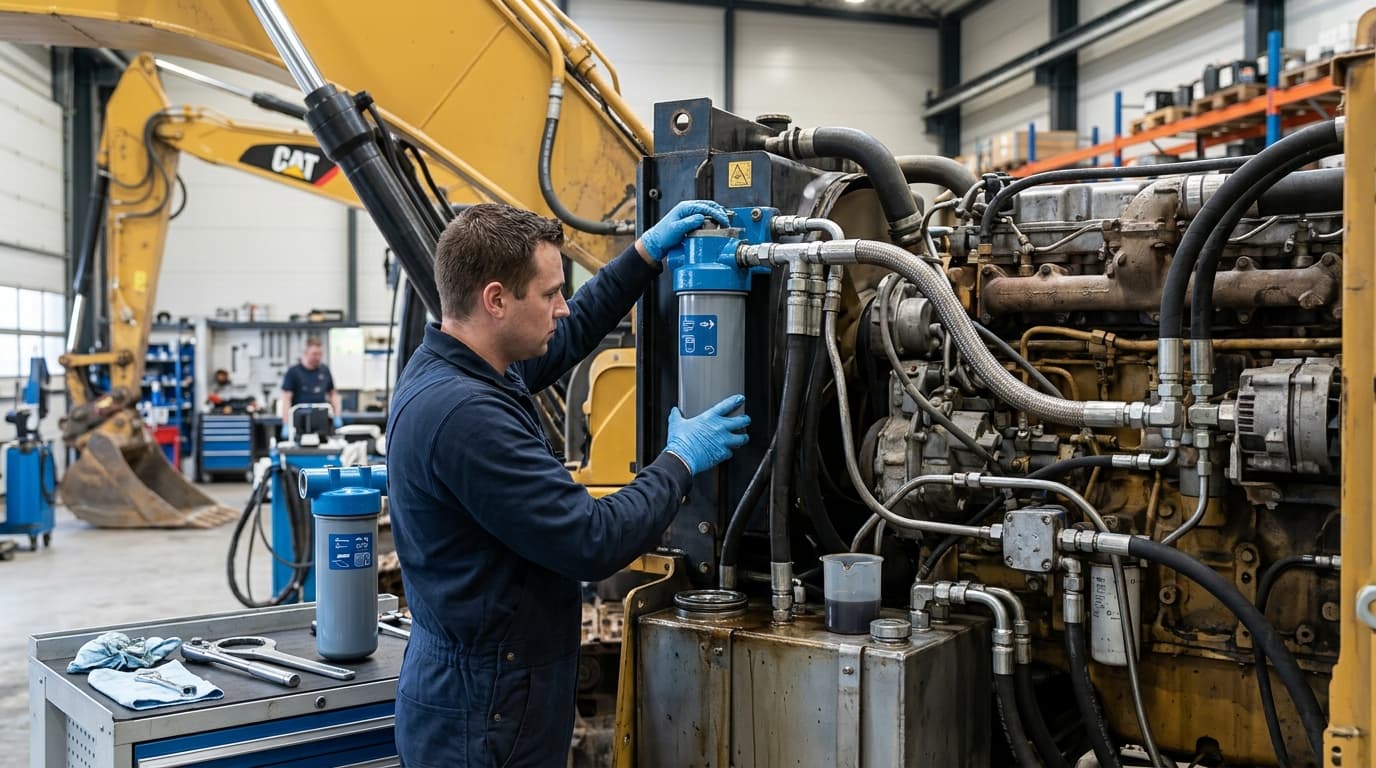
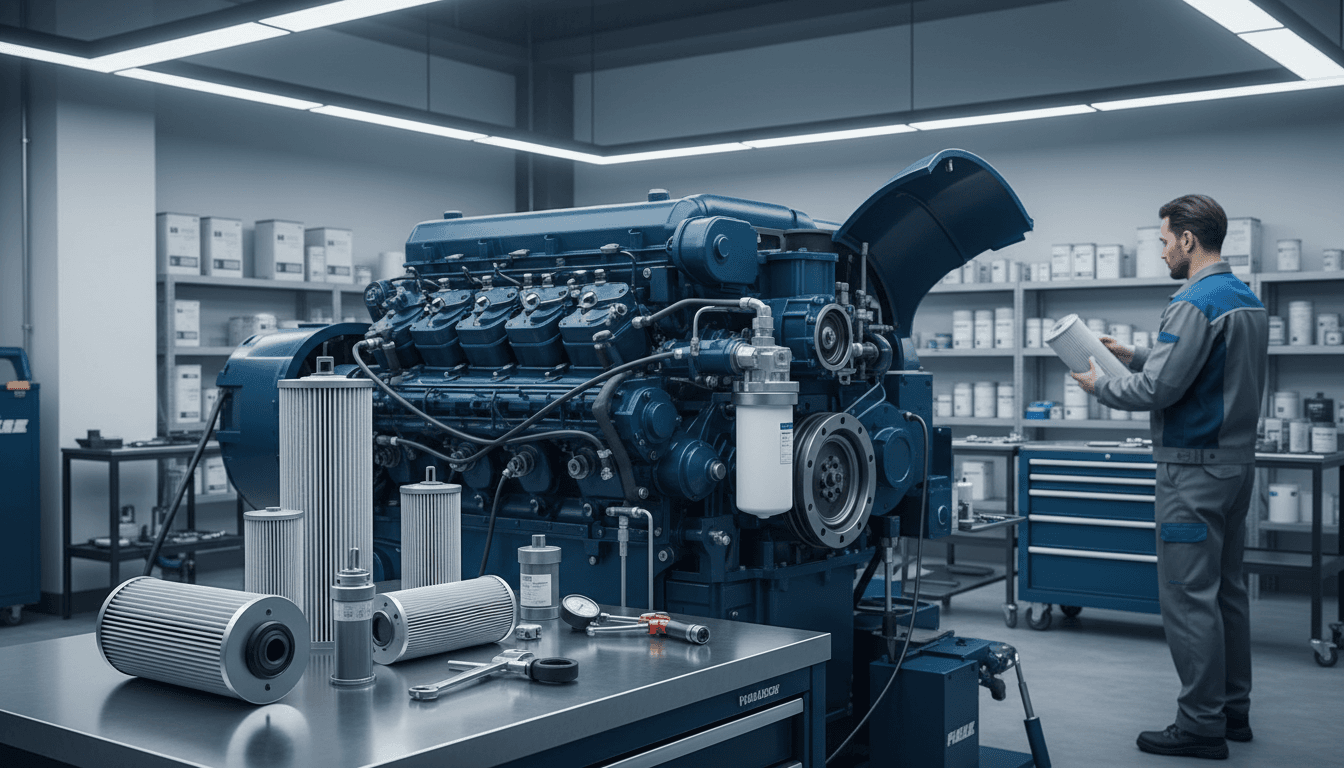
In the demanding world of heavy-duty equipment, whether it's a powerful excavator on a construction site, a precision tractor in the fields, or complex machinery within an industrial plant, the hydraulic system is the lifeblood. It's the mechanism that translates power into movement, enabling tasks from lifting and digging to pressing and pulling with immense force. However, the efficiency and longevity of these critical systems hinge entirely on one often-overlooked component: the hydraulic filter. Without proper filtration, microscopic contaminants can wreak havoc, leading to costly downtime and premature equipment failure. This comprehensive guide from Filtry.org is designed for mechanics, machine operators, and anyone responsible for maintaining the health of hydraulic systems, offering practical insights into understanding, selecting, and maintaining these vital components.
What is a Hydraulic System and Why Does it Need Protection?
A hydraulic system operates on the principle of fluid dynamics, using incompressible fluid (typically oil) to transmit force from one point to another. It comprises various components such as pumps, valves, actuators, and reservoirs, all working in unison. The fluid, under high pressure, circulates through these components to generate motion. While robust, these systems are incredibly sensitive to impurities.
Contaminants in a hydraulic system can originate from several sources:
- Built-in contamination: Residue from manufacturing, welding slag, or dust introduced during assembly.
- Ingressed contamination: Particles entering the system from the outside environment through cylinder rod seals, reservoir breathers, or poorly sealed access points.
- Internally generated contamination: Wear particles from pumps, motors, and valves; oxidation products from the hydraulic fluid itself; or degradation of seals and hoses.
Each type of contaminant, regardless of its origin, poses a significant threat to the system's integrity.
Why Contamination is the Enemy of Hydraulic Systems
Even particles invisible to the naked eye can cause severe damage. The clearances between moving parts in hydraulic components (e.g., between a valve spool and its bore) are often measured in just a few micrometres. A particle larger than this clearance acts like a destructive grinding agent. The effects of contamination are cumulative and can manifest in various ways:
- Accelerated Wear: Abrasive particles erode component surfaces, leading to increased internal leakage and reduced efficiency.
- Reduced Component Lifespan: Pumps, motors, and valves wear out much faster, necessitating premature replacement.
- System Malfunctions: Contaminants can jam spools, block orifices, or cause relief valves to stick open or closed, leading to erratic operation or complete system failure.
- Fluid Degradation: Fine particles can accelerate the oxidation of hydraulic fluid, diminishing its lubricating and cooling properties.
- Increased Operating Costs: Higher fuel consumption due to reduced efficiency, increased maintenance, and costly repairs all contribute to inflated operational expenses.
- Unplanned Downtime: System failures often occur unexpectedly, bringing operations to a halt and impacting productivity schedules.
Ultimately, a clean hydraulic system is a more efficient, reliable, and cost-effective system. The hydraulic filter is the primary defence against this constant threat of contamination.
Types of Hydraulic Filters and Their Functions
Hydraulic filters are strategically placed throughout the system to capture contaminants at different stages of the fluid's journey. Understanding their specific roles is crucial for effective system protection.
Suction Filters
Located in the reservoir's suction line, before the pump, these filters are designed to protect the pump from larger particles that could cause immediate damage. They typically have a coarser filtration rating (e.g., 100-250 microns). While vital for pump protection, they must not restrict flow too much, as this can lead to pump cavitation and damage. Regular inspection and cleaning or replacement are essential to prevent flow issues.
Pressure Filters
Installed after the pump, in the high-pressure line, pressure filters offer the finest level of filtration in the system (e.g., 2-25 microns). They protect critical components downstream, such as valves, cylinders, and motors, from the smallest and most damaging particles generated within the system or bypassing the suction filter. Due to the high-pressure environment, these filters are robustly constructed and often incorporate bypass valves to ensure fluid flow if the filter becomes clogged.
Return Line Filters
Positioned in the return line, just before the fluid re-enters the reservoir, return line filters are responsible for cleaning the fluid after it has passed through the entire system. They capture contaminants generated by component wear and those ingested from external sources during the work cycle, preventing them from being recirculated. They typically have a medium filtration rating (e.g., 10-25 microns) and are essential for maintaining overall system cleanliness.
Off-line/Bypass Filters
These filters operate independently of the main hydraulic circuit, constantly filtering a small portion of the system fluid. They provide continuous, highly efficient filtration, often with very fine micron ratings, removing even the smallest particles and water. Off-line systems can prolong the life of in-line filters and improve overall fluid cleanliness, particularly in systems with very stringent contamination control requirements.
Breather Filters
The reservoir breathes as the fluid level fluctuates due to cylinder movement and temperature changes. Breather filters, mounted on the reservoir, prevent airborne contaminants (dust, moisture, pollen) from entering the system. Many modern breather filters also incorporate desiccant materials to remove moisture, further protecting the hydraulic fluid from water contamination, which can lead to fluid degradation and component corrosion. The effectiveness of air filters on the machinery's engine also highlights the importance of keeping airborne particles out of all critical systems.
How to Choose the Right Hydraulic Filter: A Practical Guide
Selecting the correct hydraulic filter is not a one-size-fits-all task. It requires careful consideration of the specific machinery, its application, and the operating environment. Making an informed choice ensures optimal system performance and longevity.
Understanding Your Machine's Requirements
The first and most critical step is to consult the original equipment manufacturer's (OEM) specifications. This documentation provides essential details, including:
- Recommended Filter Type and Micron Rating: Adhering to these specifications is paramount.
- Fluid Type and Viscosity: The filter must be compatible with the hydraulic fluid used.
- Operating Pressure and Flow Rate: The filter housing and media must be able to withstand the system's maximum pressure and allow the required flow without excessive pressure drop.
- Operating Temperature Range: Filter components must perform reliably under varying temperature conditions.
Filtration Rating and Efficiency
This is arguably the most critical characteristic of a hydraulic filter:
- Micron Rating: This indicates the size of the smallest particles the filter can capture. Absolute micron rating specifies that all particles larger than the stated size are captured. Nominal micron rating means a significant percentage (e.g., 98%) of particles at or above that size are captured. For hydraulic systems, absolute ratings are often preferred for critical applications.
- Beta Ratio (βx): A more precise measure of filter efficiency. It's the ratio of particles of a given size (x microns) upstream of the filter to the number of particles of the same size downstream. A β10=200 indicates that for every 200 particles of 10 micrometres upstream, only 1 particle of that size passes through. Higher beta ratios mean higher efficiency.
Filter Media Material
The material of the filter element dictates its performance and lifespan:
- Cellulose Media: Made from natural fibres, cellulose is cost-effective and provides good particle capture for coarser filtration. However, it has limited dirt-holding capacity and is susceptible to water absorption, which can swell the fibres and reduce flow.
- Synthetic Media: Composed of man-made fibres (e.g., fibreglass, polyester), synthetic media offers superior filtration efficiency, much higher dirt-holding capacity, and better resistance to water and chemical degradation. They are more expensive but provide longer service life and better protection.
Construction and Housing
Consider the physical design of the filter:
- Spin-on Filters: Easy to replace, resembling an engine oil filter. Often used for return and suction line applications.
- Cartridge Filters: An element housed within a permanent bowl or housing. Environmentally friendly as only the element is replaced, reducing waste. Common in pressure and return lines.
- In-Tank Filters: Elements submerged directly in the reservoir, typically for return line applications.
- Bypass Valves: Crucial for pressure and return line filters, a bypass valve opens if the filter becomes clogged, preventing system starvation but allowing unfiltered fluid to flow. This is a compromise to keep the machine running, but indicates an urgent need for filter replacement.
- Clogging Indicators: Pressure differential gauges or visual indicators alert operators when the filter is nearing its dirt-holding capacity and requires replacement, taking the guesswork out of maintenance.
Environmental Considerations
The operating environment can influence filter choice:
- Temperature Range: Ensure the filter's seals and media can withstand the maximum and minimum fluid temperatures.
- Fluid Compatibility: Beyond standard hydraulic oil, some systems use fire-resistant fluids or biodegradable alternatives. The filter materials must be compatible with these specific chemistries.
When to Replace Your Hydraulic Filter: Signs, Schedules, and Best Practices
Timely replacement of your hydraulic filter is paramount for maintaining system health and preventing costly damage. Neglecting this crucial maintenance task can lead to a cascade of problems.
Manufacturer's Recommended Service Intervals
The most straightforward guidance comes from the equipment manufacturer. These intervals are based on extensive testing and are typically expressed in operating hours (e.g., every 500, 1000, or 2000 hours). Always adhere to these recommendations as a baseline. However, these are general guidelines, and actual operating conditions might necessitate more frequent changes.
Monitoring System Indicators
Modern hydraulic systems often incorporate features that help predict when a filter needs changing:
- Pressure Differential Gauges: These devices measure the pressure difference across the filter element. As the filter collects contaminants, the pressure drop increases. When it reaches a pre-set limit, it indicates clogging and signals the need for replacement.
- Visual Clogging Indicators: Some filters have pop-up or electrical indicators that trigger a warning light when the filter is nearing its capacity. These are invaluable for proactive maintenance.
Relying on these indicators rather than fixed schedules can optimise filter life while ensuring continuous protection.
Recognising Signs of Filter Clogging or Failure
Even without specific indicators, your machinery might exhibit symptoms that point to a failing hydraulic filter:
- Reduced Machine Performance: Slower cylinder movement, weaker lifting capacity, or decreased overall power can indicate restricted fluid flow through a clogged filter.
- Erratic Operation: Jerky or inconsistent movement of hydraulic components may suggest fluctuations in pressure due to partial blockages or a bypass valve intermittently opening.
- Unusual Noises: A struggling pump, often accompanied by a whining sound, can be a sign of cavitation caused by a highly restricted suction filter.
- Overheating Hydraulic Fluid: Clogged filters can increase fluid turbulence and pressure drop, leading to energy loss that manifests as heat.
- Increased Downtime: Frequent minor issues or component failures can often be traced back to a contaminated system due to neglected filtration.
If any of these signs appear, it's crucial to investigate the hydraulic filter and system immediately.
The Dangers of Neglecting Filter Replacement
Ignoring the need for a filter change is a false economy. The consequences far outweigh the cost of a new filter:
- Component Damage: Unfiltered fluid directly leads to accelerated wear of pumps, valves, and cylinders.
- System Contamination: If a bypass valve constantly opens, or if the filter media ruptures, contaminated fluid floods the entire system, necessitating extensive flushing and potentially multiple component replacements.
- Reduced Efficiency: A struggling system consumes more fuel and operates less effectively.
- Premature Fluid Degradation: Contaminants accelerate fluid oxidation, reducing its lubrication properties and requiring earlier, more frequent fluid changes.
- Catastrophic Failure: In extreme cases, severe contamination can lead to complete hydraulic system failure, resulting in enormous repair costs and extended, unplanned downtime.
Hydraulic Filter Maintenance: Beyond Simple Replacement
While replacing the hydraulic filter is crucial, a holistic approach to maintenance involves several best practices that contribute to the overall health and longevity of your hydraulic system.
Proper Installation Techniques
The correct installation of a new hydraulic filter is just as important as selecting the right one:
- Cleanliness is Key: Always ensure the filter housing area and the new filter itself are scrupulously clean. Even minor dust or debris introduced during installation can immediately contaminate the fresh fluid.
- Lubricate Seals: Apply a thin film of clean hydraulic fluid to the new filter's gasket or O-rings to ensure a good seal and prevent damage during tightening.
- Correct Torque: Hand-tighten spin-on filters as per manufacturer's instructions, usually a quarter to half turn after gasket contact. For cartridge filters, ensure the housing is sealed correctly, often with specific torque settings. Over-tightening can damage seals, while under-tightening can lead to leaks.
- Bleed Air: After replacement, follow manufacturer guidelines to bleed any trapped air from the system to prevent cavitation.
Fluid Contamination Control
The filter's job is to remove contaminants, but preventing them from entering the system in the first place is equally important:
- Use Clean Fluid: Always use new hydraulic fluid from sealed containers. Never use fluid from open drums without proper filtration at the point of transfer.
- Proper Storage: Store hydraulic fluid drums horizontally and indoors to prevent water and dust ingress.
- Fluid Analysis: Regular fluid analysis can provide invaluable insights into the health of your hydraulic system. It identifies contamination levels, fluid degradation, and even early signs of component wear, allowing for proactive intervention.
- Reservoir Breathers: Ensure breather filters are clean and functioning correctly to prevent airborne contaminants and moisture from entering the system.
Regular System Checks
A proactive approach to maintenance includes routine visual inspections and operational checks:
- Visual Inspections: Regularly check for leaks around hoses, fittings, and cylinder seals. Leaks indicate potential ingress points for contaminants and are a sign of system degradation.
- Hose and Line Integrity: Inspect hoses for cracks, abrasions, or kinks that can restrict flow or indicate internal erosion.
- Fluid Level: Maintain the correct fluid level in the reservoir to prevent air ingress and ensure proper cooling.
- Cooling System: Ensure the hydraulic fluid cooler is clean and efficient to prevent overheating, which accelerates fluid degradation. The importance of regular oil filter checks in engines also extends to ensuring the entire machinery operates efficiently, preventing undue strain on hydraulic systems.
The Role of Separators in Contamination Management
Beyond traditional filters, certain systems benefit from the inclusion of separators. These devices are particularly effective at removing water from hydraulic fluid, which can be a major contaminant. Water causes fluid degradation (hydrolysis), reduces lubricity, promotes corrosion, and can lead to cavitation. Integrating a separator, especially in environments prone to moisture, can significantly extend fluid life and improve overall system reliability. While not a filter in the traditional sense, a separator complements the role of filters by tackling a specific, highly damaging type of contamination.
Why Choose Quality Hydraulic Filters from Filtry.org?
When it comes to the performance and longevity of your valuable machinery, compromise on filter quality is never an option. At Filtry.org, we understand the critical role that a superior hydraulic filter plays in protecting your investments and ensuring continuous operation.
We are a leading distributor of automotive and industrial filters, offering an unparalleled selection designed to meet the rigorous demands of various applications. Here’s why Filtry.org is your trusted partner for all your filtration needs:
- Extensive Product Range: With over 300,000 products, our catalogue features a vast array of hydraulic filters suitable for every type of passenger car, truck, construction machinery, agricultural equipment, and industrial machine. You'll find precisely what you need, even for specialised or legacy systems.
- Leading Manufacturers: We source our products from globally recognised manufacturers, ensuring that every filter you purchase meets stringent quality standards and offers reliable performance. While we don't name specific brands, our commitment is to provide products known for their excellence in filtration technology.
- Specialisation and Expertise: Our specialisation extends across all critical filtration areas, including air filters, oil filters, fuel filters, cabin filters, and of course, hydraulic filters. This focused expertise means we understand the nuances of each system and can help you find the optimal solution.
- Expert Support: Our team possesses deep technical knowledge, ready to assist you in navigating our extensive selection and ensuring you choose the correct filter for your specific application and operating conditions.
- Convenient European Delivery: Filtry.org proudly offers efficient and reliable delivery services across Europe, including key markets like the UK, Germany, and Poland. Wherever your operations are located, we ensure your filters arrive promptly and securely.
Investing in a high-quality hydraulic filter is investing in the future of your machinery. It's a proactive step that safeguards against expensive repairs, reduces downtime, and maximises operational efficiency. Visit our dedicated section to explore our extensive range of hydraulic filters today.
Conclusion
The integrity of your hydraulic system is fundamental to the operational success and longevity of your construction, agricultural, and industrial machinery. At the heart of this integrity lies the humble yet incredibly powerful hydraulic filter. Understanding its critical role, making informed choices during selection, adhering to timely replacement schedules, and implementing best maintenance practices are not merely recommendations – they are necessities.
By proactively managing your hydraulic filtration, you mitigate the constant threat of contamination, prevent premature component wear, and avoid costly, unplanned downtime. This translates directly into sustained performance, reduced operating costs, and an extended lifespan for your valuable equipment.
Filtry.org is committed to providing the highest quality filtration solutions to protect your machinery. Explore our comprehensive range of hydraulic filters and benefit from our extensive inventory, expert support, and reliable delivery across Europe. Partner with us to ensure your hydraulic systems remain clean, efficient, and robust, keeping your operations running smoothly for years to come.
Share