Essential Guide to Hydraulic Filter Maintenance & Selection
The Unseen Guardian: Mastering the Hydraulic Filter for Optimal Machine Performance
In the demanding world of modern machinery, from the robust oil filters ensuring engine longevity to the precision of a fuel filter protecting your injection system, there’s one component that often operates silently, yet is absolutely critical to the health and efficiency of heavy equipment: the hydraulic filter. For machinery ranging from passenger cars with hydraulic power steering to immense construction machinery, agricultural equipment, and complex industrial machines, a well-maintained hydraulic system is paramount for reliable operation. At Filtry.org, as a leading distributor of automotive and industrial filters with over 300,000 products, we understand the vital role these components play.
This comprehensive guide is designed for drivers, mechanics, and machine operators, offering practical insights into understanding, selecting, replacing, and maintaining hydraulic filters. Proper filtration is not merely about extending the life of your hydraulic components; it's about ensuring consistent performance, reducing operational costs, and preventing catastrophic system failures.
Understanding the Hydraulic System and its Filtration Needs
Hydraulic systems are the backbone of many heavy-duty applications, converting fluid power into mechanical force to perform tasks such as lifting, digging, pushing, and steering. These systems rely on incompressible fluids (hydraulic oil) to transmit power through pumps, valves, cylinders, and motors. The fluid itself is the lifeblood, and its purity directly impacts the system's efficiency and lifespan.
Why Hydraulic Filters Are Crucial
Contamination is the primary enemy of any hydraulic system. Even microscopic particles, invisible to the naked eye, can cause significant damage over time. These contaminants can enter the system through various points:
- New fluid: Even fresh hydraulic oil can contain particulate matter.
- Wear and tear: Metal particles generated by friction within pumps, valves, and cylinders.
- Seals and breathers: Dust, dirt, and moisture from the environment can ingress through seals or air breathers.
- Maintenance: During refilling or component replacement, contaminants can be introduced.
Without effective filtration, these particles can:
- Accelerate wear on precision components, leading to premature failure.
- Clog orifices and valves, causing erratic operation or complete system shutdown.
- Degrade the hydraulic fluid, reducing its lubricating properties and thermal stability.
- Increase operational temperatures due to increased friction.
A high-quality hydraulic filter acts as a barrier, capturing these harmful particles and preventing them from circulating throughout the system, thereby protecting sensitive components and maintaining optimal fluid cleanliness.
The Diverse World of Hydraulic Filters: Types and Their Functions
Hydraulic filters are strategically placed at different points within a hydraulic circuit, each designed to protect specific components or the system as a whole. Understanding their distinct roles is key to effective filtration.
Suction Filters
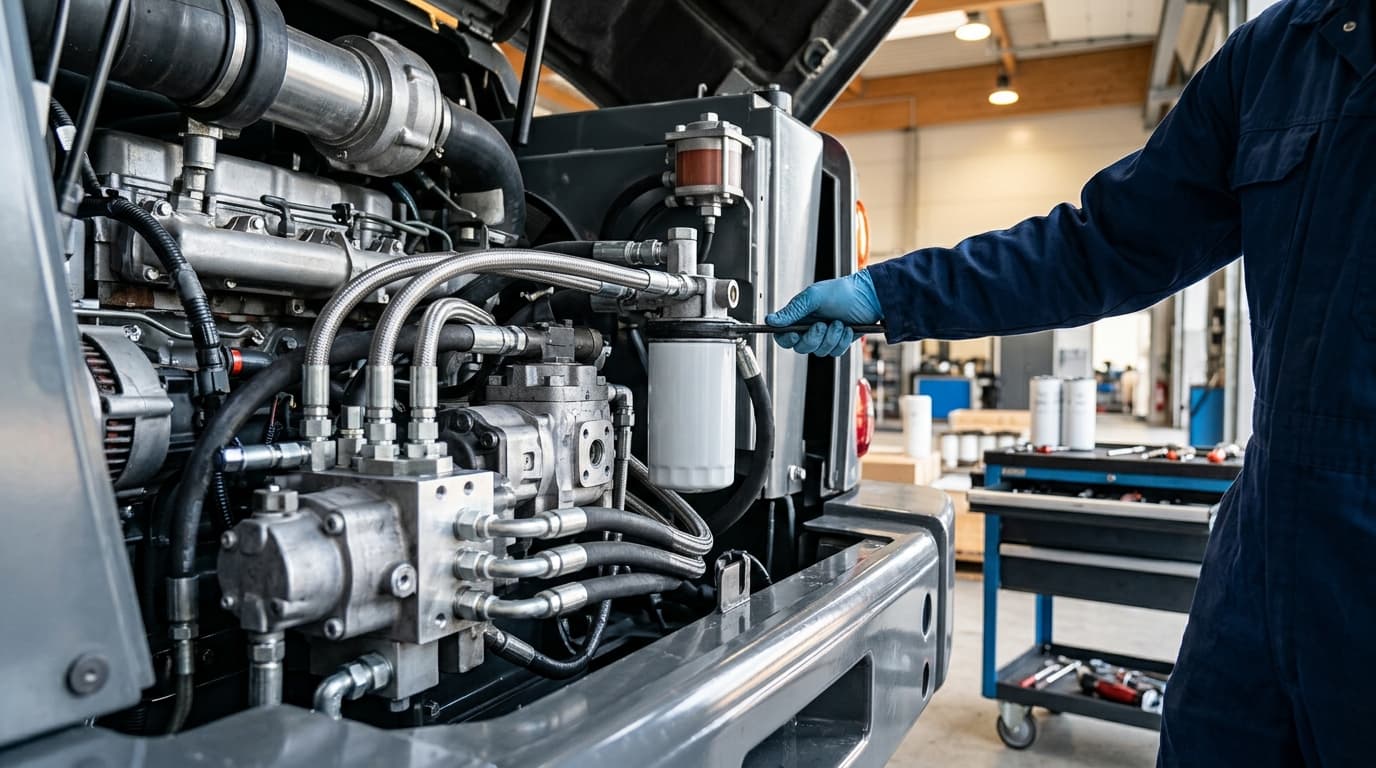
Typically located in the pump's suction line, or integrated into the reservoir. They protect the hydraulic pump from large contaminants that could cause immediate damage. They have a relatively coarse filtration rating (higher micron rating) to prevent cavitation (the formation of air bubbles) due to excessive restriction to fluid flow into the pump.
Pressure Filters
Positioned downstream of the pump in the high-pressure line. These are often the most critical filters in the system, protecting sensitive components like servo valves and actuators from fine particles. They operate under high pressure and typically have a low micron rating for very fine filtration.
Return Line Filters
Installed in the return line to the reservoir, before the fluid re-enters the tank. Their primary role is to clean the fluid before it returns to the reservoir, removing contaminants generated within the system during operation or introduced from external sources. They often have a medium micron rating and handle the full system flow.
Off-Line Filters (Kidney Loop Systems)
These are independent filtration circuits that continuously draw fluid from the reservoir, filter it, and return it. They are ideal for achieving extremely high levels of fluid cleanliness without impacting the main system's flow or pressure. They are particularly effective for continuous, super-fine filtration and water removal.
Breather Filters
Mounted on the hydraulic reservoir, these filters allow air to enter and exit the tank as the fluid level changes (due to cylinder movement or temperature fluctuations). They prevent airborne contaminants, dust, and moisture from entering the system through the reservoir vent. Some advanced breathers also incorporate desiccant to absorb moisture.
Filter Media Types
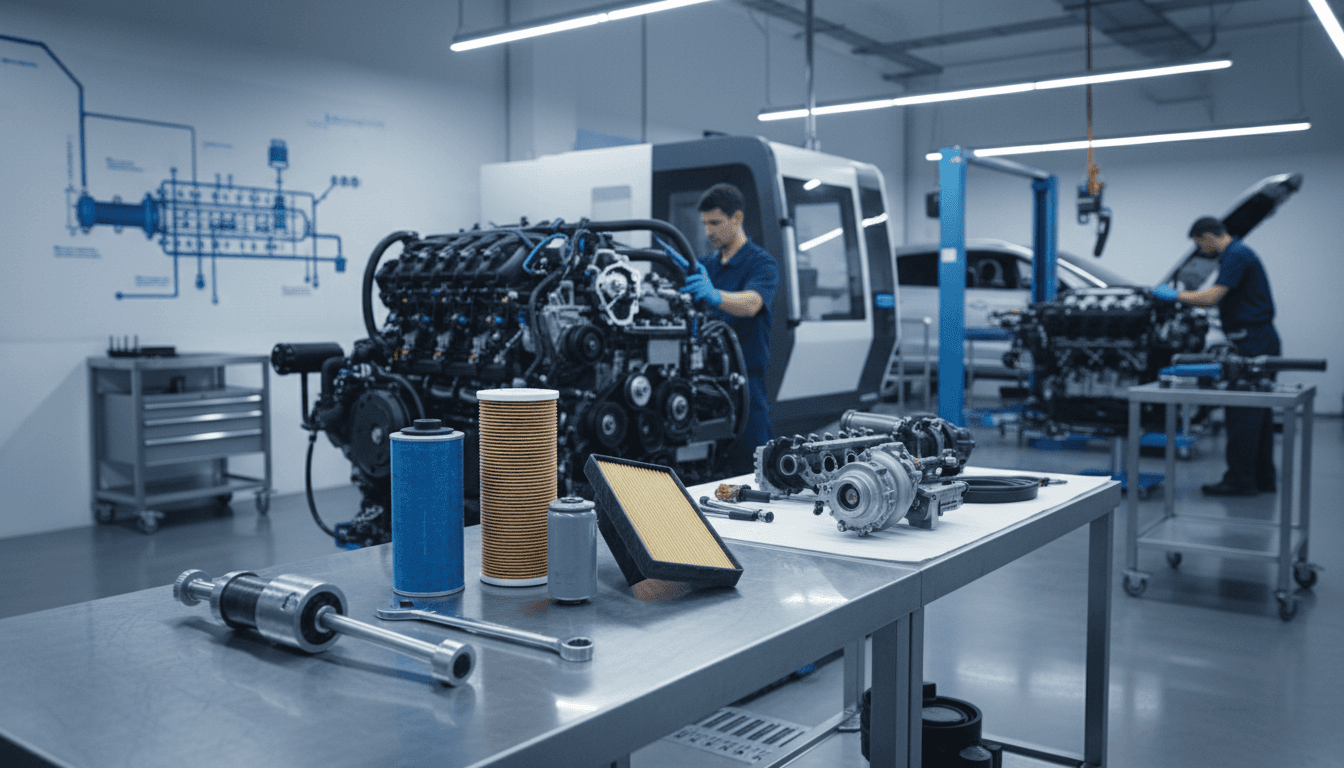
The material inside the filter element determines its filtration efficiency and capacity:
- Cellulose: Cost-effective, good for general filtration, but can degrade in the presence of water.
- Synthetic: Offer higher efficiency, better dirt-holding capacity, and are more resistant to water and temperature fluctuations, making them ideal for modern hydraulic systems.
- Metal Mesh: Durable and often cleanable, used for coarser filtration or as a pre-filter.
Selecting the Right Hydraulic Filter: A Practical Guide
Choosing the correct hydraulic filter is not a one-size-fits-all decision. It requires careful consideration of several factors to ensure optimal protection and system performance. Ignoring these parameters can lead to inadequate filtration, reduced component life, or even system damage.
Key Factors for Filter Selection
- Micron Rating: This is arguably the most critical specification. It indicates the size of particles the filter can capture.
- Absolute Micron Rating: Specifies the smallest particle size that 99.5% or more of particles will be retained. Essential for critical applications.
- Nominal Micron Rating: Indicates the approximate size of particles that the filter can capture with a certain efficiency (e.g., 50-90%). Less precise, used for less critical stages.
- Flow Rate (GPM or L/min): The filter must be capable of handling the maximum fluid flow rate of the system without excessive pressure drop. An undersized filter will restrict flow, cause cavitation, or bypass filtration entirely.
- Pressure Rating (PSI or Bar): Pressure filters, in particular, must be rated to withstand the maximum operating pressure of the hydraulic circuit. Over-pressurisation can rupture the filter element or housing.
- Bypass Valve Setting: Many hydraulic filters include a bypass valve. If the filter element becomes clogged, this valve opens to allow unfiltered fluid to bypass the element, preventing system starvation but sacrificing filtration. The bypass setting should be aligned with system requirements to ensure filtration occurs for as long as possible without compromising fluid flow.
- Fluid Compatibility: Ensure the filter media and seals are compatible with the specific hydraulic fluid being used. Incompatibility can lead to filter degradation, seal leaks, and contamination of the fluid.
- Operating Temperature: The filter must be able to withstand the system's operating temperatures without degradation of the media or seals.
- Housing Material: Consider the environment in which the machinery operates. The housing should be robust enough to resist corrosion, vibration, and physical damage.
Consulting OEM Specifications
The most reliable method for selecting a replacement hydraulic filter is always to refer to the original equipment manufacturer (OEM) specifications provided in your machine's service manual. This will detail the exact part numbers, micron ratings, flow rates, and other critical parameters required for your specific equipment. Deviation from these specifications can void warranties and compromise system integrity.
When to Replace Your Hydraulic Filter: A Timely Intervention
Replacing hydraulic filters proactively is far more cost-effective than reactive maintenance after a failure. Knowing when to replace them is crucial for maintaining system health.
Manufacturer's Recommended Service Intervals
The primary guideline for filter replacement comes from the machine manufacturer. These intervals are typically based on operating hours or calendar time and are derived from extensive testing under various conditions. Adhering to these schedules is the simplest and most recommended approach.
Monitoring Differential Pressure Gauges
Many hydraulic systems are equipped with differential pressure indicators or gauges that measure the pressure drop across the filter element. As the filter collects contaminants, the pressure differential increases. When this differential reaches a pre-set limit (often indicated by a visual pop-up indicator or an electrical switch), it signals that the filter is approaching saturation and requires replacement. This is a highly effective, real-time method of determining filter life.
Hydraulic Fluid Analysis
Regular hydraulic fluid analysis can provide invaluable insights into the health of your system and the effectiveness of your filtration. Laboratory analysis can detect:
- Particle Count: Quantifies the level of contamination (ISO Cleanliness Codes). A rising particle count indicates failing filtration or increased wear.
- Fluid Degradation: Identifies oxidation, water content, or additive depletion, which can be linked to filter performance.
- Wear Metals: The presence of specific metals can indicate accelerated wear on components, prompting closer inspection of filtration.
Operating Conditions and Environment
Harsh operating conditions can significantly reduce filter life. Machines working in dusty environments (like construction sites or agricultural fields) or those experiencing heavy, continuous use will require more frequent filter changes than those in cleaner, lighter-duty applications. Always adjust your maintenance schedule based on actual working conditions.
Signs of a Worn or Clogged Hydraulic Filter
While preventative maintenance is ideal, recognising the signs of a failing hydraulic filter can help you intervene before major damage occurs. Pay close attention to your machine's performance and behaviour.
Performance Indicators You Cannot Ignore
- Reduced Machine Performance: The most common sign. You might notice slower operation of hydraulic cylinders, sluggish steering, or a general lack of power in hydraulic functions. This occurs because fluid flow is restricted or diverted through the bypass valve.
- Overheating Hydraulic Fluid: A clogged filter creates back pressure and turbulence, generating heat within the fluid. Overheated fluid degrades faster, reduces lubrication, and can damage seals and other components.
- Unusual Noises: A struggling hydraulic pump trying to draw fluid through a restricted suction filter might produce cavitation noise (a grinding or rattling sound). Other components might also become noisy due to inadequate lubrication or increased friction.
- Frequent Activation of the Bypass Valve: If your system has a visual or electrical bypass indicator, frequent activation is a clear sign the filter is saturated and needs immediate replacement. While the bypass protects the system from starvation, it allows unfiltered fluid to circulate, causing rapid wear.
- Increased Wear on Other Components: If the filter is allowing contaminants through, you might observe premature wear on pumps, motors, cylinders, or valves. This can manifest as scoring, pitting, or excessive leakage.
- Discoloured or Contaminated Hydraulic Fluid: While fluid colour can change due to heat, a visibly cloudy, dark, or gritty fluid is a strong indicator of contamination, suggesting the filter is no longer effective or has been bypassed for too long.
The Cost of Neglect
Ignoring these warning signs can lead to severe and costly consequences, including:
- Premature failure of expensive hydraulic pumps, motors, and cylinders.
- Extensive downtime for repairs, leading to lost productivity and revenue.
- Increased operating costs due to higher fuel consumption (as the system works harder).
- Compromised safety due to unpredictable machine behaviour.
Step-by-Step Guide to Hydraulic Filter Replacement
Replacing a hydraulic filter is a fundamental maintenance task that, when performed correctly, ensures continued system reliability. Always refer to your machine's service manual for specific instructions.
Pre-Replacement Checklist
- Safety First: Ensure the machine is turned off, cooled down, and any hydraulic pressure is relieved. Use appropriate personal protective equipment (PPE), including gloves and eye protection. Implement lockout/tagout procedures if applicable.
- Gather Supplies: You'll need the correct new filter element, a suitable container for old fluid, rags, a drain pan, and the necessary tools (wrenches, strap wrench). Have a supply of fresh, clean hydraulic fluid ready for topping up.
- Clean the Area: Thoroughly clean the area around the filter housing to prevent external contaminants from entering the system during the replacement process.
Replacement Procedure
- Locate the Filter: Identify the filter(s) to be replaced.
- Position Drain Pan: Place a drain pan underneath the filter housing to catch any spilled fluid.
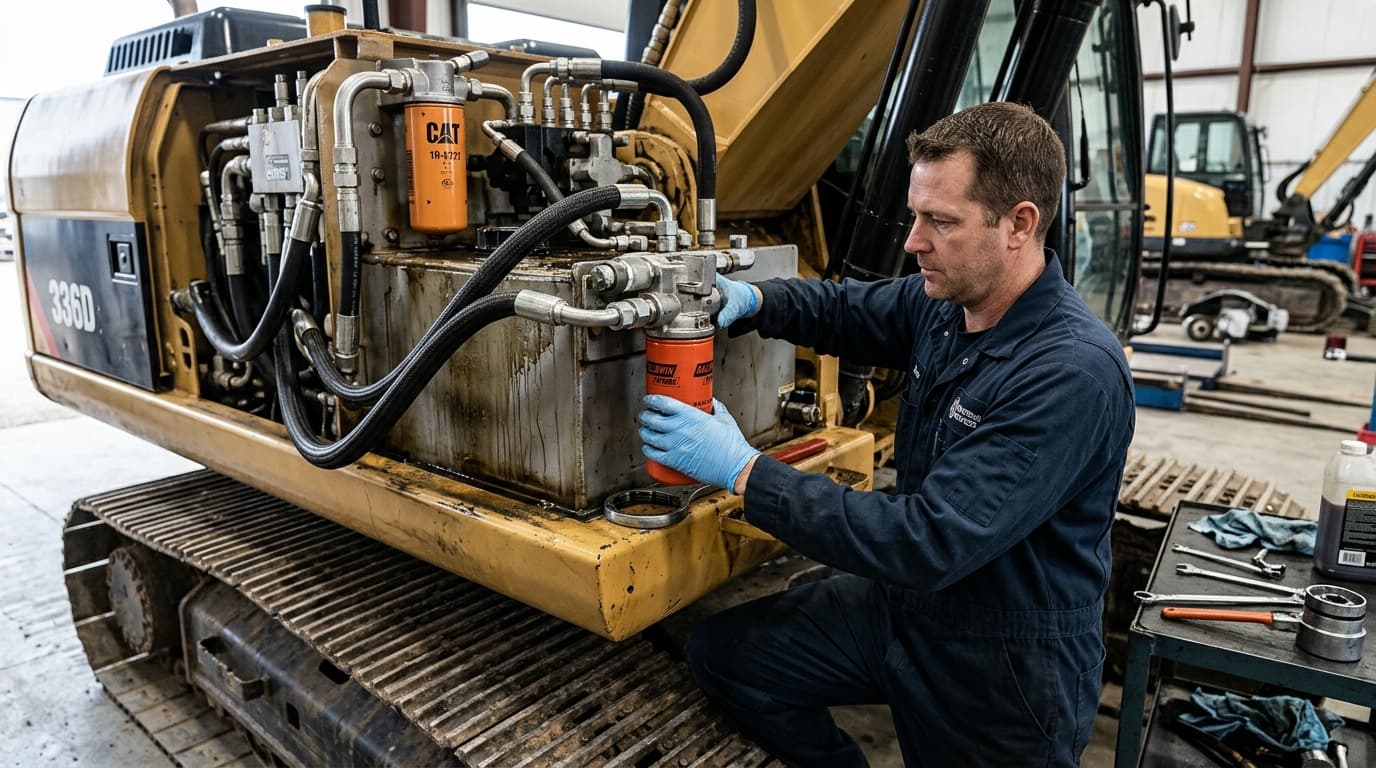
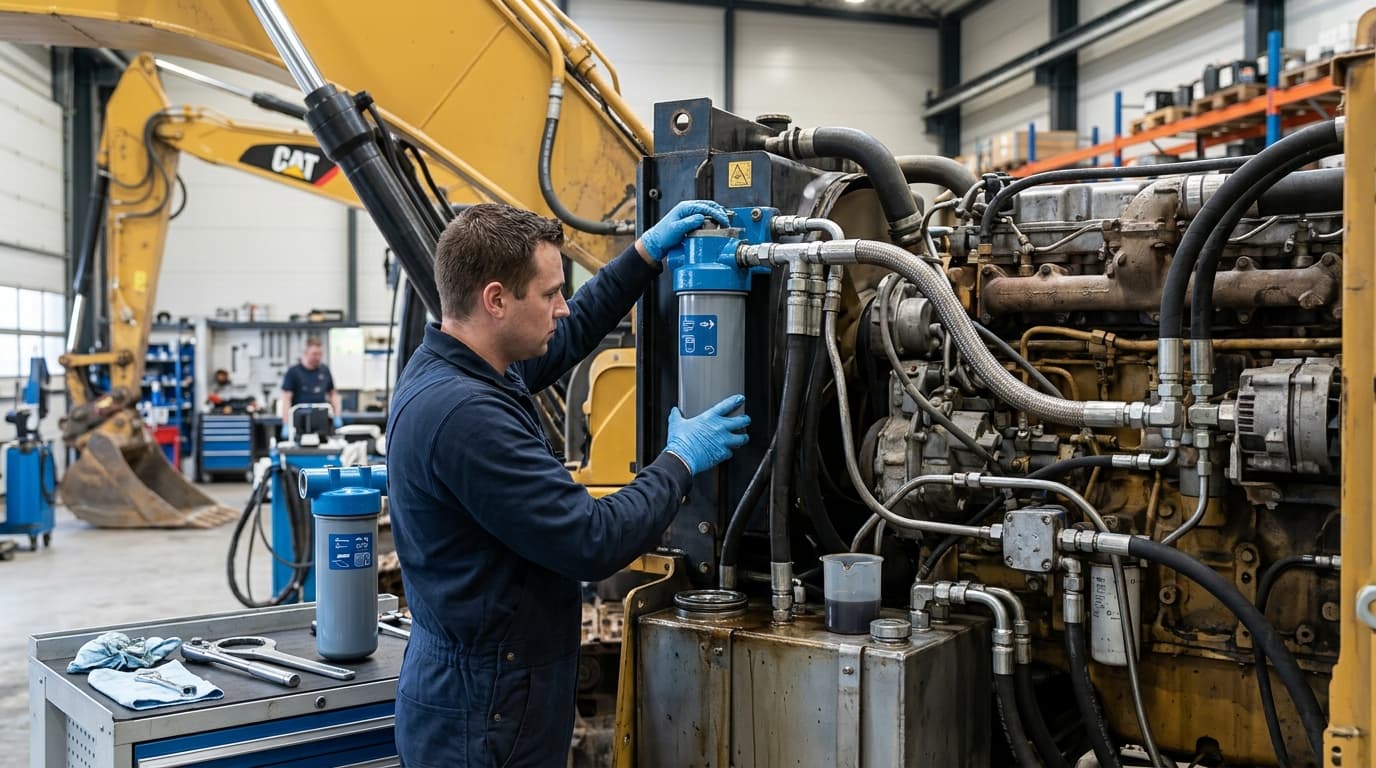
- Remove Old Filter: Carefully unscrew or unbolt the filter housing or element. Some filters are spin-on, while others have internal cartridges. Be prepared for some fluid to leak out.
- Inspect and Clean: Once the old filter is removed, inspect the filter housing for any damage or excessive debris. Clean the housing thoroughly, especially the sealing surfaces.
- Replace Seals: Always replace old O-rings and gaskets with new ones provided with the new filter element. Lightly lubricate new seals with clean hydraulic fluid to ensure a proper seal.
- Install New Filter: Install the new filter element or spin-on filter, ensuring it is seated correctly. Tighten according to manufacturer's specifications – typically hand-tight plus a quarter to half turn for spin-on filters, or specified torque for cartridge housings. Do not overtighten.
- Top Up Fluid: Check the hydraulic fluid level and top up with clean, compatible hydraulic fluid as needed. Use a dedicated funnel and ensure the fluid is transferred cleanly.
- Bleed Air (If Necessary): Some systems may require bleeding air after a filter change. Consult your service manual.
- Test System: Start the machine and operate the hydraulic functions slowly. Check for any leaks around the new filter and monitor system performance. Listen for unusual noises.
Beyond Filtration: Best Practices for Hydraulic System Health
While the hydraulic filter is central to system health, it's part of a larger ecosystem of preventative maintenance practices that contribute to the longevity and efficiency of your machinery.
The Role of Fluid Cleanliness and Analysis
- Regular Fluid Sampling: Consistent fluid analysis, as mentioned earlier, is your diagnostic window into the system's internal condition. It helps you catch problems before they become critical.
- Proper Fluid Storage: New hydraulic fluid should always be stored in clean, sealed containers. Never leave drums or barrels open, as they can quickly absorb moisture and particulate matter from the air.
- Dedicated Transfer Equipment: Use separate, clean funnels, pumps, and hoses specifically for hydraulic fluid. Avoid cross-contamination with other fluids like engine oil or coolant.
Preventative Maintenance Strategies
- Maintain Proper Fluid Levels: Ensure the hydraulic fluid level is always within the manufacturer's recommended range. Low levels can lead to cavitation and overheating, while overfilling can cause foaming and leakage.
- Inspect Hoses and Connections: Regularly check hydraulic hoses, pipes, and fittings for signs of wear, cracks, chafing, or leaks. Damaged hoses are a common point of contaminant ingress and fluid loss.
- Clean External Surfaces: Keep the exterior of hydraulic components, reservoirs, and lines clean. This prevents dirt and debris from accumulating and potentially entering the system during maintenance or through seals.
- Monitor System Temperatures: Pay attention to abnormal operating temperatures. Overheating often indicates an underlying issue, which could be related to filtration, fluid degradation, or component wear.
- Regularly Change Air Filters: Don't forget engine air filters, as a healthy engine directly supports the hydraulic pump.
By adopting these best practices, you create a holistic maintenance approach that extends the life of your hydraulic system and maximises machine uptime.
Your Trusted Partner for Hydraulic Filters: Filtry.org
At Filtry.org, we understand the critical role that quality filtration plays in the performance and longevity of your machinery. As a leading distributor of automotive and industrial filters, we offer an unparalleled selection of over 300,000 products from reputable manufacturers, ensuring you find the exact fit for your passenger cars, trucks, construction machinery, agricultural equipment, and industrial machines.
Our specialisation extends across all crucial filter types, including air, oil, fuel, cabin, and, of course, hydraulic filters. We are committed to providing top-tier products that meet stringent quality standards, delivering superior protection for your valuable equipment.
We pride ourselves on our extensive inventory, competitive pricing, and efficient delivery services across Europe, including the UK, Germany, and Poland. Our team is dedicated to helping you navigate the complexities of filter selection, ensuring you have access to the right components when you need them most. Trust Filtry.org to be your reliable partner in maintaining the peak performance of your hydraulic systems.
Conclusion
The hydraulic filter, though often out of sight, is an indispensable component that safeguards the intricate and powerful systems driving modern machinery. Its proper selection, timely replacement, and diligent maintenance are not merely recommendations; they are essential practices for ensuring the reliability, efficiency, and longevity of your equipment.
By understanding the different types of filters, recognising the signs of wear, and adhering to a proactive maintenance schedule, you can protect your investment, minimise downtime, and avoid costly repairs. Embrace the role of the hydraulic filter as an investment in your machinery's future. For all your filtration needs, turn to Filtry.org – your expert source for comprehensive and high-quality filter solutions.
Share