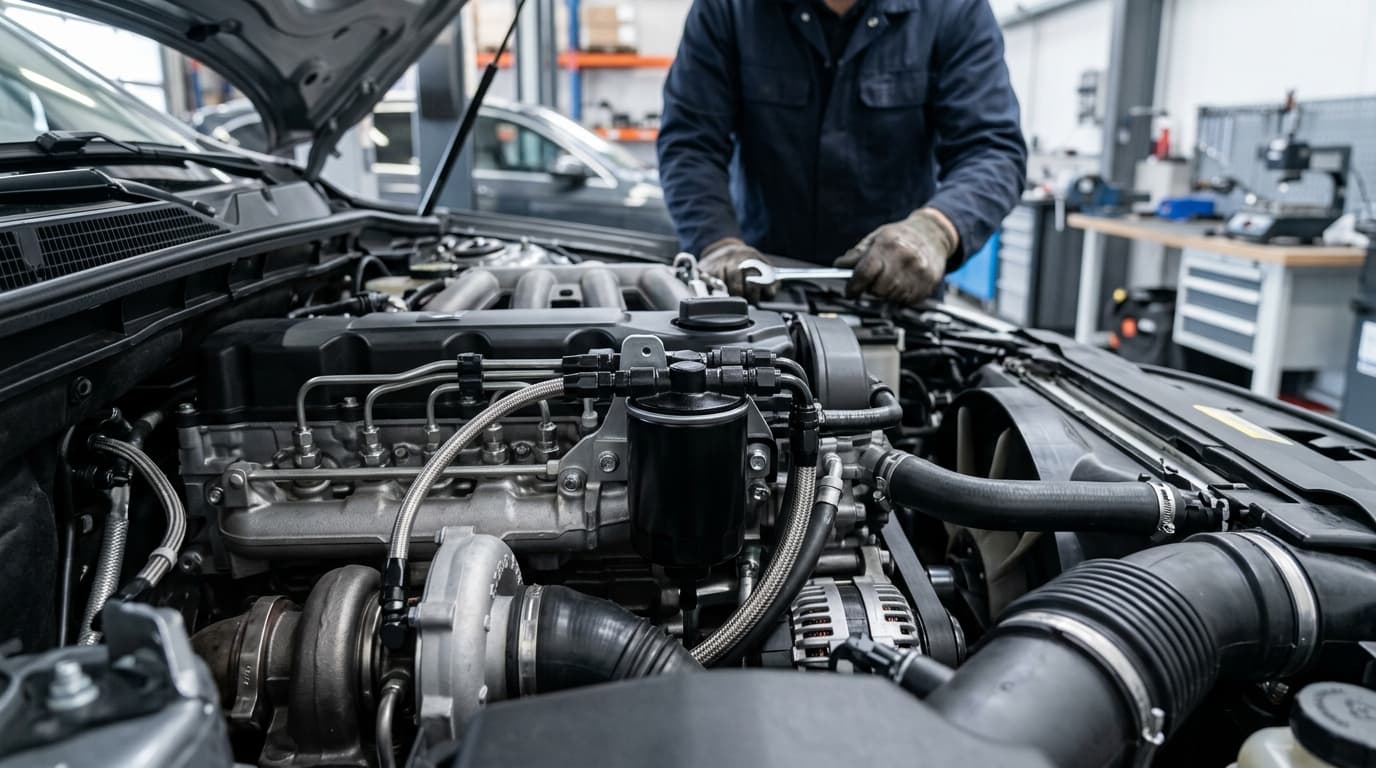
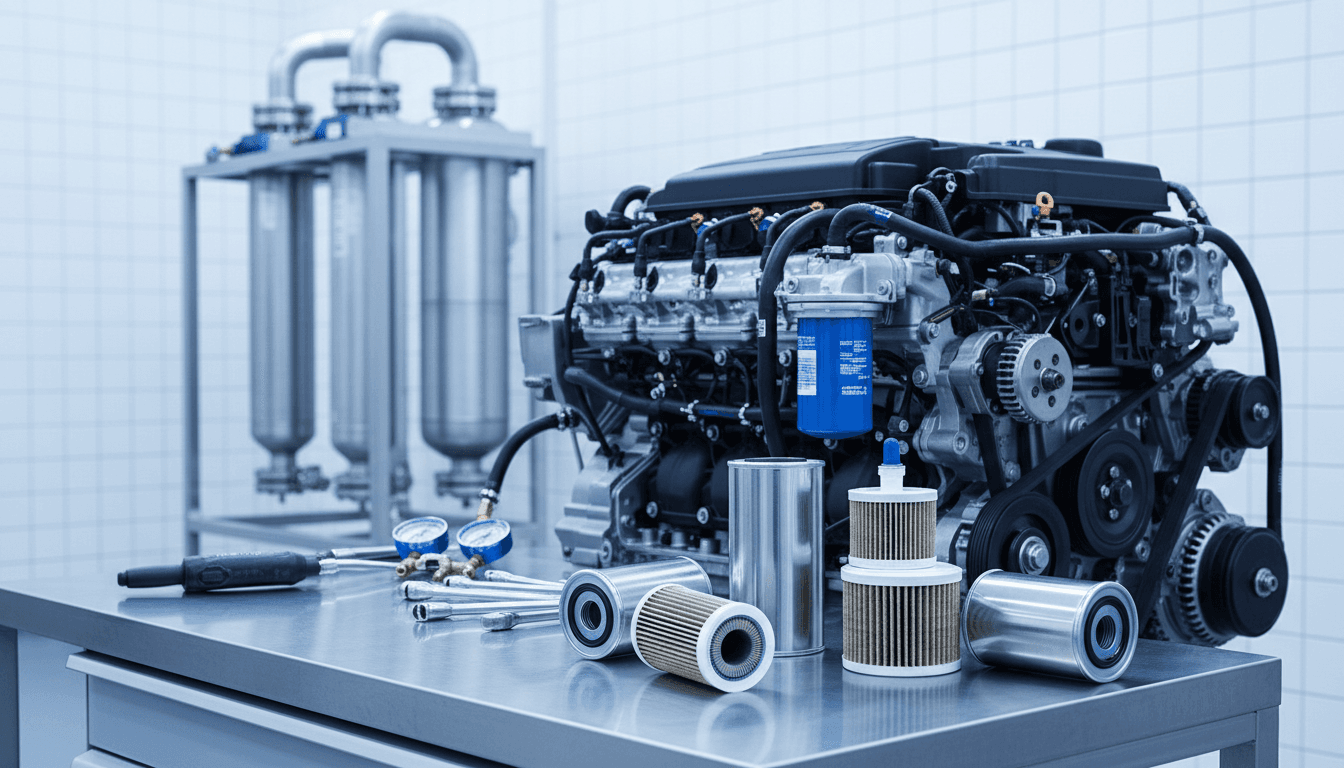
Why Choosing the Right Fuel Filter is Vital for Your Engine
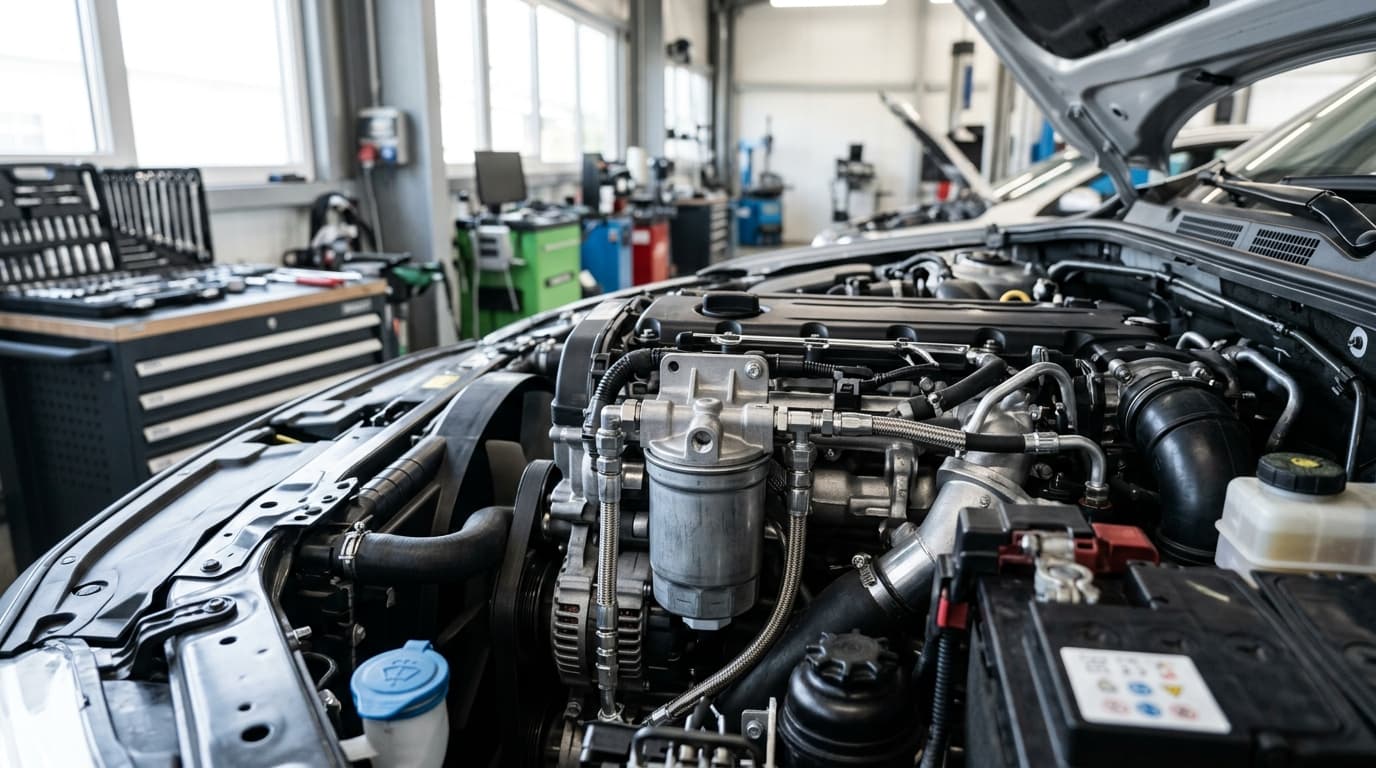
Understanding the Role of the Fuel Filter in Modern Engines
A high-quality fuel filter is the first line of defence for any internal combustion engine, whether it powers a passenger car, a heavy-duty truck, or industrial machinery. Its primary purpose is to remove contaminants such as dust, rust, dirt, and water from the fuel before it reaches the sensitive components of the engine. In today's highly engineered power units, even microscopic particles can cause significant damage, leading to expensive repairs and reduced efficiency. By ensuring that only clean fuel enters the combustion chamber, you protect the longevity and performance of your vehicle.
Modern fuel filters are designed to meet the rigorous demands of contemporary injection systems. As engine technology evolves, the tolerances within fuel injectors and pumps have become incredibly tight. This means that filtration standards must be higher than ever before. A reliable filtration system does not just keep the engine running; it ensures it runs at peak performance while maintaining fuel economy and meeting emissions standards.
Protection of the Injection System
The injection system is perhaps the most vulnerable part of any modern engine. Whether dealing with a common rail diesel system or a direct-injection petrol engine, the injectors operate under immense pressure. Any abrasive particles present in the fuel can act like sandpaper, wearing down the precise nozzles and internal valves. This leads to poor fuel atomisation, which results in inefficient combustion, increased smoke, and potential engine failure. By using the correct filtration media, you ensure that these critical components remain free from wear and tear.
Diesel vs. Petrol: Key Differences in Filtration Requirements
While the basic function of a fuel filter remains the same regardless of the fuel type, the specific requirements for diesel and petrol engines vary significantly. Understanding these differences is crucial for mechanics and machine operators when selecting replacement parts for their fleet or personal vehicles.
Diesel Fuel Filtration Challenges
Diesel engines face unique challenges compared to their petrol counterparts. Diesel fuel is naturally more viscous and is prone to absorbing water from the atmosphere. Furthermore, diesel can develop microbial growth (often called 'diesel bug') if stored in damp conditions. Because of this, a diesel filter must do more than just trap solids; it must also manage water separation. Most high-quality diesel filters incorporate a water-sedimenter or a coalescing element that pulls water molecules out of the fuel stream, preventing them from reaching the high-pressure pump where they could cause corrosion and catastrophic failure.
Petrol Engine Filtration Basics
A petrol engine typically requires filtration that focuses on fine particulate matter. While water contamination is less common in petrol than in diesel, the high-pressure systems used in modern GDI (Gasoline Direct Injection) engines require extreme levels of purity. When looking for petrol filters, it is essential to ensure the micron rating matches the manufacturer’s specifications to prevent clogging of the fine injector ports. In many modern cars, the petrol filter is integrated into the fuel tank as part of the pump assembly, but many older or high-performance models still utilise inline filters that require regular servicing.
When to Replace Your Fuel Filter: Symptoms and Intervals
Determining the right time to replace a fuel filter can be the difference between a simple maintenance task and a total engine breakdown. While every manufacturer provides a recommended service interval, real-world conditions often dictate a more frequent replacement schedule. Factors such as fuel quality, environment, and the age of the vehicle play a major role in how quickly a filter reaches its capacity.
Common Signs of a Clogged Filter
Recognising the symptoms of a failing filter allows for proactive maintenance. If you notice any of the following, it may be time to inspect your filtration system:
- Difficulty starting the engine: A clogged filter restricts fuel flow, making it harder for the engine to fire up, especially when cold.
- Engine stalling: If the engine cuts out under load or while idling, it may be receiving insufficient fuel.
- Misfiring or hesitation: During acceleration, a lack of fuel flow can cause the engine to 'stutter' or lose power momentarily.
- Reduced fuel economy: When the injection system is struggling to get fuel through a dirty filter, it may compensate by altering timing, leading to higher consumption.
- Dashboard warning lights: Modern vehicles often have sensors to detect low fuel pressure or water in the diesel, triggering the 'Check Engine' or fuel-specific warning light.
Recommended Replacement Intervals
While you should always consult the owner's manual, general guidelines for replacement are as follows:
- Passenger cars (Diesel): Every 20,000 to 40,000 kilometres, or at every second oil change.
- Passenger cars (Petrol): Often rated for 50,000 to 100,000 kilometres, though inline filters should be checked every 30,000 kilometres.
- Trucks and heavy machinery: Based on operating hours (typically every 500 hours) or specific mileage intervals depending on the severity of the environment.
- Agricultural equipment: Should be replaced at the start of every season to ensure that settled contaminants from storage do not enter the system.
How to Choose the Correct Fuel Filter for Your Vehicle
Selecting the right filter involves more than just finding one that fits the housing. Technical specifications are vital to ensure the protection of the engine. Here are the primary factors to consider:
- Micron Rating: This indicates the size of particles the filter can trap. A lower micron rating means finer filtration. Modern diesel engines often require 2-5 micron filtration.
- Flow Rate: The filter must be able to handle the volume of fuel required by the engine at maximum load without creating excessive backpressure.
- Media Type: Filters can use cellulose (paper), synthetic fibres, or a blend. Synthetic media typically offers better efficiency and a longer lifespan.
- Water Separation Efficiency: For diesel applications, the ability to remove 95% or more of free water is a standard requirement for professional-grade filters.
- Build Quality: The canister must be able to withstand the internal pressure of the fuel system without leaking or bursting.
When performing a full service, it is also advisable to check other filtration components, such as oil filters and air filters, as a holistic approach to maintenance ensures the entire engine operates in a clean environment.
Industrial and Agricultural Applications
In the world of construction and farming, engines operate in much harsher conditions than typical road vehicles. Dust, mud, and debris are constant threats. Industrial machines often utilise primary and secondary fuel filtration systems. The primary filter usually acts as a water separator and removes larger particles, while the secondary filter provides the final, fine-tuned filtration before the fuel reaches the injectors. For operators of these machines, choosing heavy-duty filters is not an option; it is a necessity to avoid downtime that can cost thousands of pounds in lost productivity.
The Importance of Regular Maintenance
Skipping a fuel filter change might seem like a way to save money in the short term, but the long-term consequences are far more expensive. A restricted filter puts additional strain on the fuel pump, which can lead to its premature failure. Furthermore, the incomplete combustion caused by poor fuel delivery can lead to carbon build-up in the cylinders and on the valves, eventually requiring a complete engine top-end overhaul. Regular maintenance is the most cost-effective way to manage a vehicle or a fleet.
Best Practices for Filter Replacement
When replacing a filter, follow these professional tips to ensure a successful job:
- Relieve fuel system pressure: Especially important for petrol engines to prevent fuel spray.
- Clean the area: Ensure no dirt falls into the fuel lines while the filter is disconnected.
- Lubricate seals: Use a small amount of clean fuel or oil on the rubber gaskets to ensure a proper seal.
- Prime the system: For diesel engines, use the hand primer pump or cycle the ignition several times to fill the filter with fuel before attempting to start the engine. This prevents air locks.
- Check for leaks: After installation, start the engine and inspect all connections for any signs of weeping or dripping.
Conclusion
The fuel filter is a small but mighty component that plays a disproportionate role in the health of your engine. Whether you are driving a modern diesel car, operating a tractor, or managing a fleet of delivery trucks, the quality of your fuel filtration directly impacts your bottom line. By selecting high-quality components and adhering to a strict maintenance schedule, you ensure that your injection system remains protected, your fuel economy stays optimised, and your engine delivers the power you expect. Always prioritise quality over the lowest price to ensure the long-term reliability of your machinery.
Share