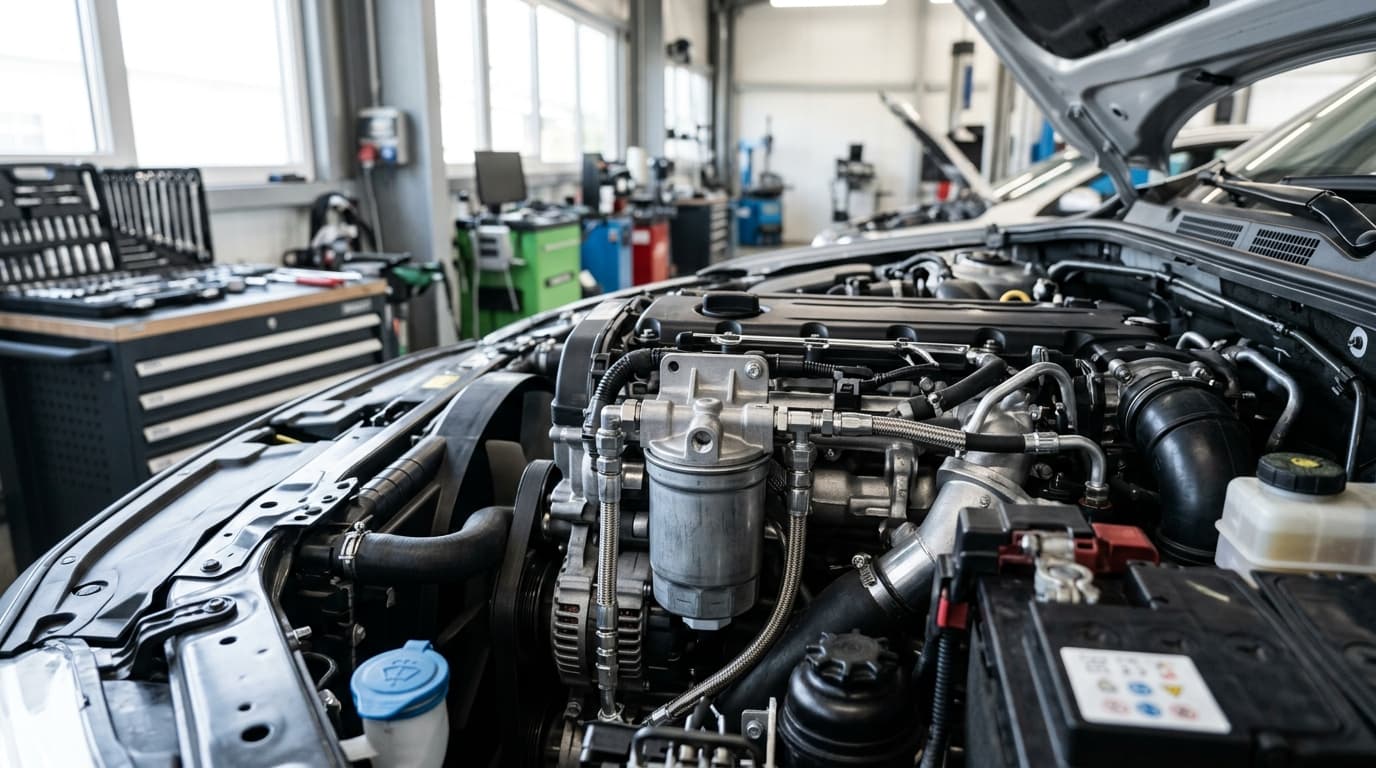
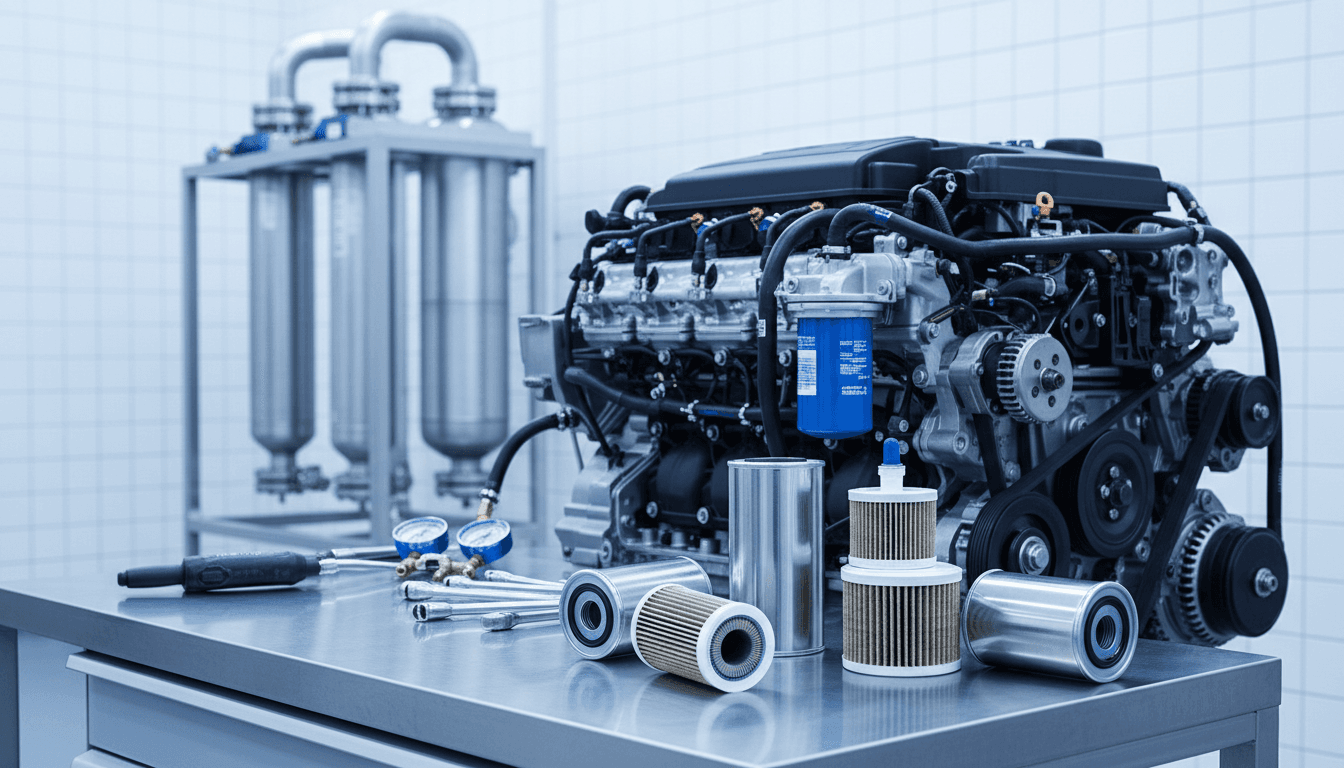
Fuel Filters Guide: Selection and Maintenance for Engines
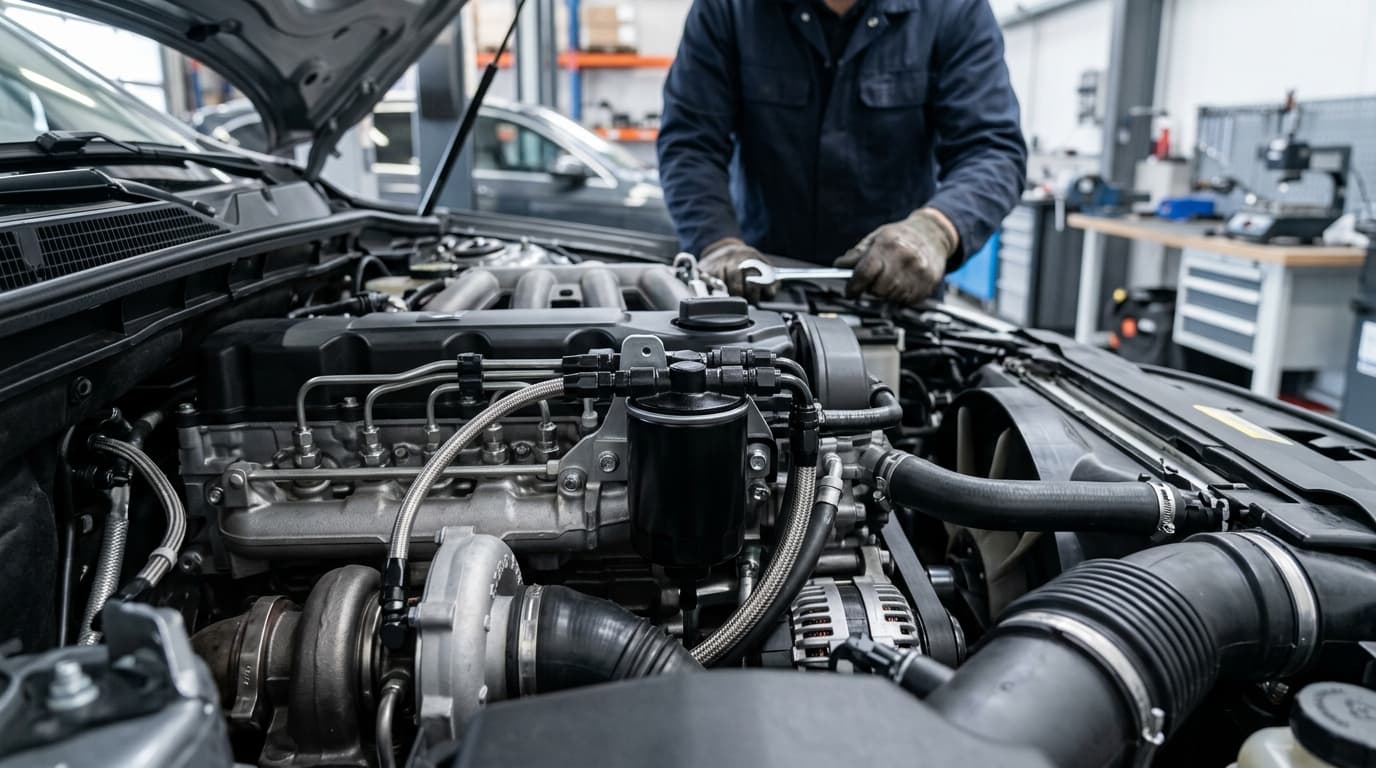
The Essential Role of a Fuel Filter in Modern Engines
In the complex world of internal combustion engines, the fuel filter stands as a critical guardian of performance and longevity. Whether you are operating a modern passenger car, a heavy-duty truck, or specialized industrial machinery, the quality of the fuel reaching the combustion chamber determines the efficiency and health of the entire system. Fuel, despite being refined to high standards, often contains microscopic contaminants, water, and debris that can originate from storage tanks, transport pipelines, or even the vehicle's own tank over time. Without an effective filtration system, these particles would cause catastrophic damage to the sensitive components of the fuel system.
For owners and operators across Europe, from the UK to Poland and Germany, understanding the mechanics of fuel filtration is paramount. A high-quality fuel filter acts as a barrier, trapping particles that are often invisible to the naked eye. In modern common rail diesel engines, for example, the tolerances within the fuel injectors are measured in microns. Even a tiny particle of dust can cause a blockage or abrasive wear, leading to expensive repairs and significant downtime. By ensuring that only clean, pure fuel passes through, you protect the heart of your machine and ensure it operates at peak efficiency under all conditions.
How Filtration Protects the Injection System
The injection system is arguably the most vulnerable part of any engine when it comes to fuel contamination. In petrol engines, injectors spray fuel at high pressure into the intake manifold or directly into the cylinders. In diesel engines, the pressures are even more extreme, often exceeding 2,000 bar. This high-pressure environment means that any solid contaminant acts like a projectile, eroding the metal surfaces of the injectors and the high-pressure pump.
- Prevention of abrasive wear on injector nozzles.
- Protection of the high-pressure fuel pump from internal scouring.
- Maintaining the correct spray pattern for efficient combustion.
- Preventing the buildup of deposits that can lead to "pinging" or knocking in petrol engines.
- Ensuring consistent fuel flow rate to maintain the air-fuel ratio.
Identifying the Correct Fuel Filter for Your Vehicle
Choosing the right filter is not merely a matter of finding a part that fits the housing; it is about matching the technical specifications required by the engine manufacturer. Engines vary significantly in their fuel flow requirements and their sensitivity to contaminants. For instance, a small city car has vastly different needs compared to a 40-tonne articulated lorry or a combine harvester working in dusty fields. When searching for replacements, users often look for a petrol filters category or specific diesel solutions based on their engine type.
Differences Between Petrol and Diesel Filtration
While the fundamental goal of both filter types is the same, their design and functionality differ due to the properties of the fuels. Petrol is generally cleaner and less prone to biological growth, but it still requires high-efficiency filtration to protect delicate electronic fuel injection (EFI) systems. Petrol filters are often smaller and may be integrated into the fuel pump assembly within the tank, although many vehicles still use external, inline filters that are easier to service.
Diesel filtration is significantly more complex. Diesel fuel is naturally more viscous and has a higher tendency to hold water in suspension. Furthermore, diesel fuel is susceptible to "waxing" in cold temperatures, where paraffin wax crystals precipitate out of the fuel and can clog a standard filter almost instantly. Therefore, a filtr diesla often includes a water separator and sometimes a heating element to prevent these issues. The ability to separate water is crucial because water in a diesel system leads to corrosion, bacterial growth (the "diesel bug"), and a lack of lubrication for the fuel pump.
Technical Specifications to Consider
When selecting a filter from a distributor like Filtry.org, which offers over 300,000 products, you should focus on several technical parameters:
- Micron Rating: This indicates the size of particles the filter can trap. A 10-micron filter is standard for many older engines, but modern high-performance units may require 2-micron filtration.
- Flow Rate: The filter must be able to handle the volume of fuel required by the engine at maximum load without creating a significant pressure drop.
- Water Separation Efficiency: Particularly for diesel engines, this percentage tells you how much emulsified water the filter can remove.
- Burst Pressure: The filter housing must be strong enough to withstand the pressure spikes within the fuel system.
- Media Material: Modern filters use multi-layered synthetic media, cellulose, or a blend of both to achieve high capacity and efficiency.
When to Replace Your Fuel Filter: Key Indicators
Maintenance schedules are the baseline for filter replacement, but real-world conditions often dictate a more proactive approach. Factors such as the quality of fuel available at local stations, the age of the vehicle's fuel tank, and the environment in which the machine operates all play a role. While changing your fuel components, it is often the best time to check your air filters to ensure the entire intake system is clean, as both air and fuel quality directly impact the combustion process.
Common Signs of a Clogged Filter
A failing or clogged fuel filter rarely causes a total engine failure immediately. Instead, it manifests as a gradual decline in performance. Recognizing these signs early can save you from being stranded on the roadside or facing a massive repair bill for a ruined injection pump.
- Difficulty Starting: If the filter is restricted, the fuel pump must work harder to build the necessary pressure to start the engine.
- Engine Hesitation or Misfiring: This typically happens under load, such as when accelerating or climbing a hill, because the engine is not receiving enough fuel to meet the demand.
- Reduced Power and Acceleration: The vehicle may feel sluggish or "held back" because the fuel flow is restricted.
- Stalling: In severe cases, the engine may stall while idling or when coming to a stop as the fuel flow drops below the threshold required to maintain combustion.
- Check Engine Light: Modern On-Board Diagnostics (OBD) systems can detect drops in fuel rail pressure and will trigger a warning light.
Recommended Maintenance Intervals
The standard recommendation for many passenger vehicles used to be every 30,000 to 50,000 kilometres. However, many modern manufacturers have extended this, or in some cases, moved to "life-of-the-vehicle" filters inside the tank. For commercial and industrial applications, the interval is usually measured in engine hours. A common standard for construction and agricultural machinery is every 500 hours of operation. A comprehensive service usually involves the simultaneous replacement of oil filters and fuel elements to ensure the engine is fully protected for the next interval.
Fuel Filters for Industrial and Agricultural Machinery
In the industrial sector, the stakes are even higher. A breakdown of a generator or an excavator on a construction site can cost thousands of euros in lost productivity. Industrial engines often operate in environments where dust and debris are constant threats. Consequently, the filtration systems on these machines are usually multi-stage. They may feature a primary filter with a large capacity to catch heavy sediment and a secondary, high-efficiency filter to remove the finest particles.
Heavy-Duty Filtration Requirements
Agricultural equipment, such as tractors and harvesters, often sits idle for long periods between seasons. This can lead to condensation inside fuel tanks, making water separation even more critical. Operators of these machines should look for filters with transparent bowls at the bottom, allowing for a visual check of water accumulation, which can then be drained manually. The robustness of the filter housing is also important, as these components are often exposed to vibration and mechanical stress.
- Multi-stage filtration for extreme environments.
- High capacity for long service intervals in remote locations.
- Reinforced canisters to withstand high vibration levels.
- Compatibility with bio-diesels, which are increasingly common in European markets.
Best Practices for Fuel Filter Replacement
Replacing a fuel filter is a standard task for many mechanics and experienced DIY enthusiasts, but it requires care. The fuel system is under pressure and the fuel itself is highly flammable. Safety should always be the first priority. Furthermore, ensuring the system is properly primed after a filter change is essential to prevent damage to the fuel pump, especially in diesel engines where the pump relies on fuel for lubrication.
Safety Precautions and Step-by-Step Installation
Before beginning, always consult the technical manual for your specific machine. Here are the general steps and safety considerations:
- Depressurize the System: In many petrol cars, you must remove the fuel pump fuse and run the engine until it stalls to bleed off pressure.
- Clean the Area: Ensure the area around the filter housing is clean so that no dirt falls into the fuel lines while the filter is removed.
- Catch the Spillage: Use a suitable container to catch any fuel that leaks out during the process. Dispose of old fuel and filters according to local environmental regulations.
- Check the Seals: When installing a new filter, always use the new O-rings or gaskets provided. Lightly lubricate these seals with clean fuel or oil to ensure a proper fit.
- Priming the System: For diesel engines, use the manual primer bulb or pump if equipped. For vehicles with electric pumps, turning the ignition to the 'on' position several times without starting the engine can help prime the lines.
- Leak Test: After installation, start the engine and inspect the filter and connections for any signs of leakage.
Why Quality Matters in Fuel Filtration
While it may be tempting to opt for the cheapest possible filter, the long-term costs of such a decision can be substantial. Low-quality filters often use inferior media that may either clog too quickly or, worse, allow large particles to pass through. They may also have poor structural integrity, leading to leaks or even housing failure under pressure. By choosing high-quality components from a trusted distributor like Filtry.org, you are investing in the reliability of your vehicle or machine.
Protecting the układ wtryskowy (injection system) is the most effective way to avoid the most expensive engine repairs. Whether you are maintaining a single car or a fleet of construction equipment, a consistent filtration strategy is the key to operational success. Always remember that the small cost of a premium fuel filter is insignificant compared to the price of a set of new injectors or a high-pressure fuel pump. For those in the UK, Germany, or Poland, accessing a massive inventory of over 300,000 products ensures that the right part is always available to keep your engines running smoothly.
Share