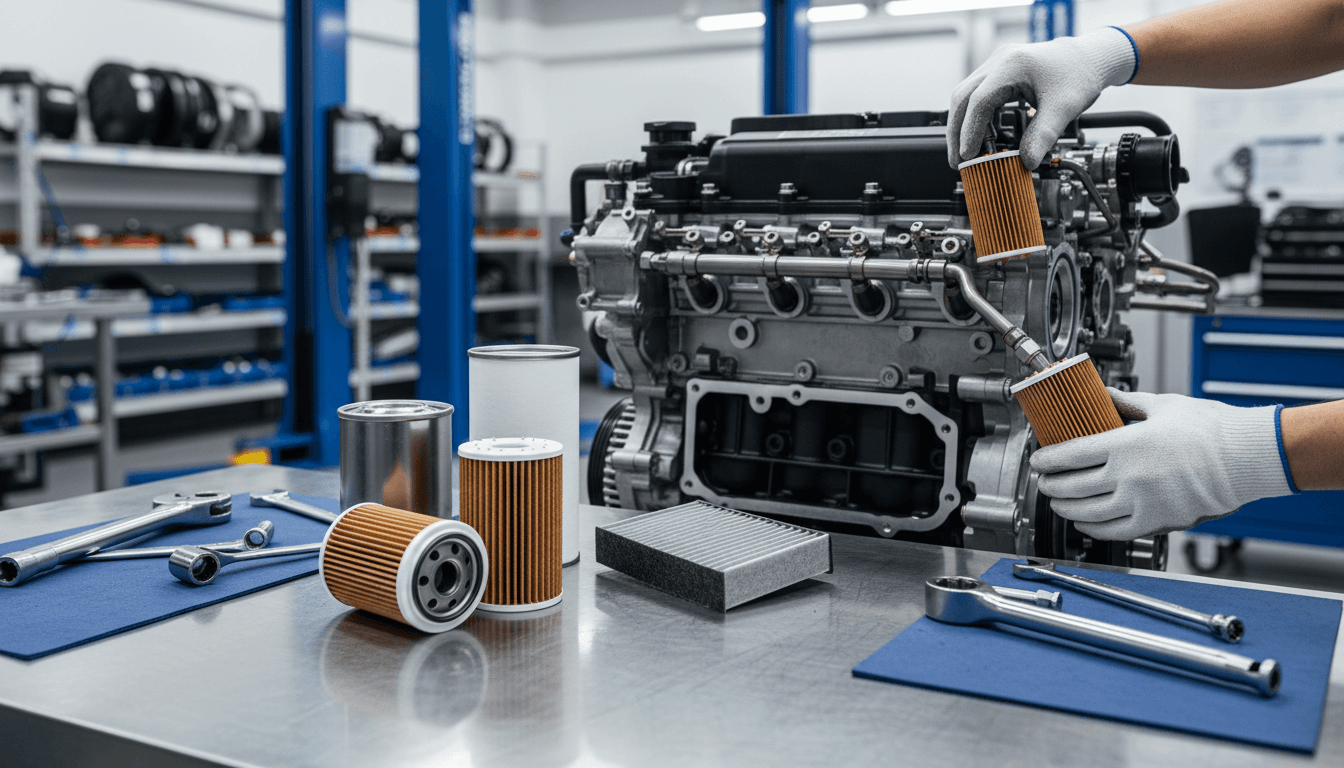
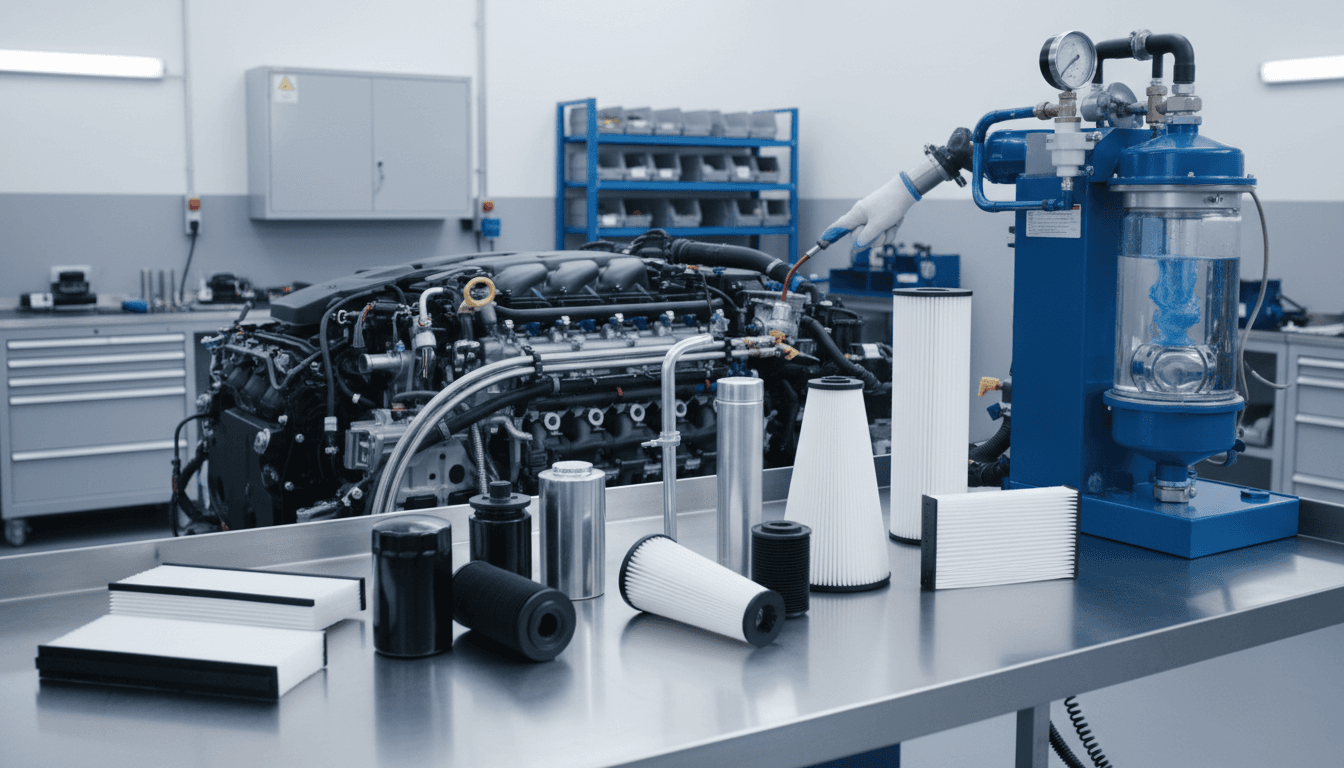
Fuel Filter Essentials: Protect Your Engine's Injection System
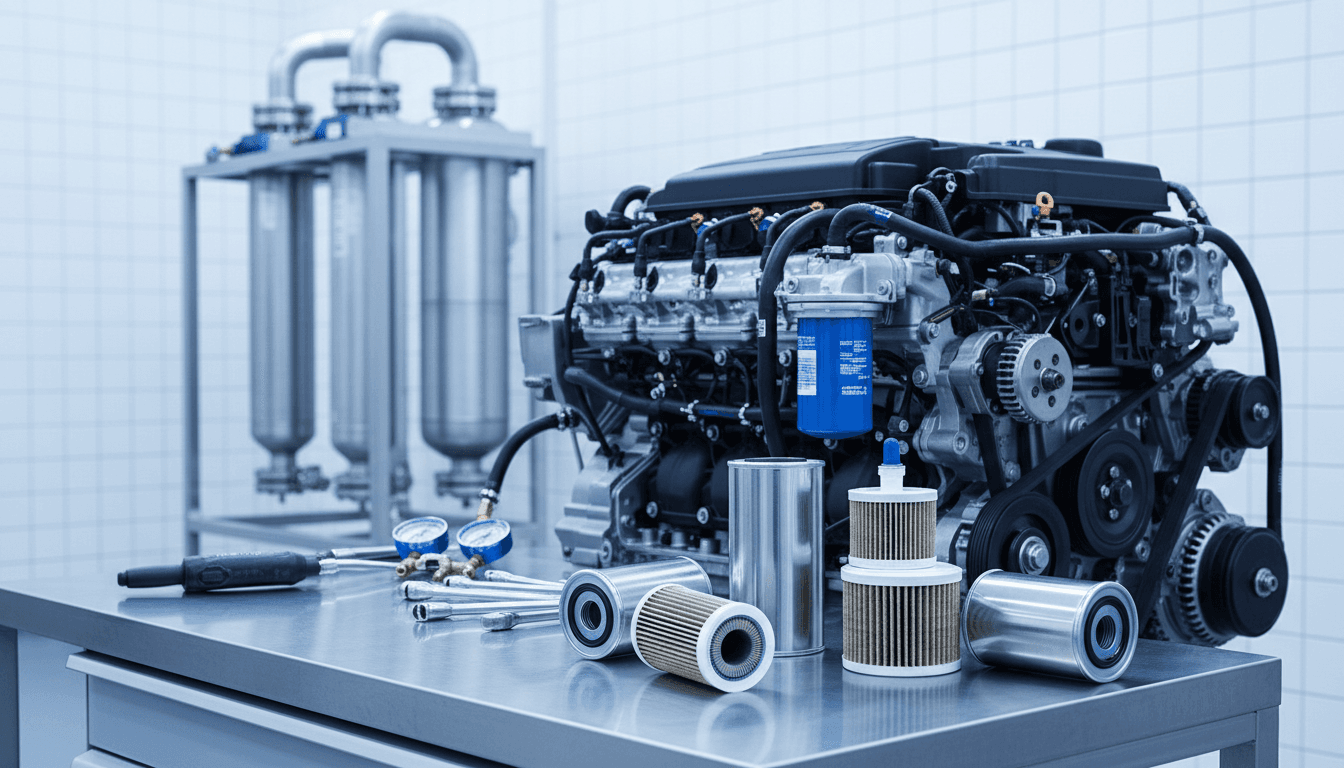
Understanding the Vital Role of Your Fuel Filter
The internal combustion engine, whether powered by petrol or diesel, relies on a constant supply of clean fuel to operate efficiently and reliably. At the heart of this crucial process is the fuel filter, a small but exceptionally important component designed to protect your engine's sensitive fuel injection system from harmful contaminants. Without an effective filtr paliwa, impurities can quickly compromise performance, lead to costly repairs, and even cause complete engine failure.
At Filtry.org, we understand the complexities of modern engine filtration. With over 300,000 products from leading manufacturers, we specialise in providing a comprehensive range of automotive and industrial filters, including an extensive selection of fuel filters for passenger cars, trucks, construction machinery, agricultural equipment, and industrial machines. Our expertise ensures that whether you operate a vehicle running on diesel or benzyna, you can find the precise filtration solution to maintain your engine's longevity and efficiency. This guide will delve into the functions, selection, maintenance, and replacement of fuel filters, offering practical advice for drivers, mechanics, and machine operators across Europe, including the UK, Germany, and Poland.
What is a Fuel Filter and Why is it Essential?
A fuel filter's primary function is to trap and remove particles and impurities from the fuel before it reaches the engine's fuel injection system. Even the highest quality fuel can contain microscopic contaminants picked up during transport, storage, or even from the fuel tank itself. These impurities can include:
- Dirt and dust particles
- Rust flakes from fuel tanks and lines
- Sediment and organic matter
- Water, especially prevalent in diesel fuel
- Microorganisms that can grow in fuel tanks
The engine's fuel injection system, particularly modern high-pressure common rail systems in diesel engines or direct injection systems in petrol engines, operates with extremely fine tolerances. Injector nozzles have microscopic openings that can be easily blocked or damaged by even tiny particles. A clogged or faulty fuel filter can lead to:
- Reduced fuel flow to the engine
- Damage to fuel pumps and injectors
- Compromised combustion efficiency
- Increased exhaust emissions
- Premature wear of engine components
Ultimately, the fuel filter acts as the last line of defence for your engine's most critical fuel system components, preserving performance, fuel economy, and reducing the risk of expensive repairs to the układ wtryskowy.
Different Types of Fuel Filters
While the fundamental purpose of all fuel filters remains the same, their design and location can vary significantly depending on the vehicle type, engine, and manufacturer specifications. Understanding these variations is key to proper selection and maintenance.
In-Line Fuel Filters
These are common in older petrol vehicles and some simpler diesel systems. An in-line filter typically consists of a plastic or metal housing with inlet and outlet ports, connected directly into the fuel line. They are often disposable and replaced as a complete unit. Their design is usually compact, and they are positioned between the fuel tank and the engine.
Canister/Cartridge Fuel Filters
More prevalent in modern vehicles, these filters feature a replaceable filter element (cartridge) housed within a permanent metal or plastic canister. When servicing, only the internal cartridge needs to be replaced, making them more environmentally friendly by reducing waste. These can be found both in the fuel line and sometimes directly on the engine.
Spin-On Fuel Filters
Similar in appearance to oil filters, spin-on fuel filters are self-contained units that screw directly onto a dedicated mounting base. They are common in many diesel applications and some petrol vehicles, offering a robust and relatively easy replacement process. Many spin-on diesel filters also incorporate features for water separation.
Integrated Fuel Pump/Filter Units
Some modern vehicles, particularly passenger cars, may integrate the fuel filter directly into the fuel pump module located inside the fuel tank. While this design offers efficient packaging, it often means the filter is designed for a longer service life or is replaced only when the entire fuel pump module requires attention, making it less accessible for routine independent filter replacement.
Water Separators (Diesel Specific)
For diesel engines, water in fuel is a particularly serious concern as it can cause significant damage to the fuel system and injectors due to corrosion and cavitation. Many diesel fuel filters are designed with an integrated water separator. These filters allow water, which is denser than diesel, to collect in a bowl at the bottom of the filter assembly. This water can then be drained periodically, often through a tap or sensor, preventing it from reaching the engine. This feature is a critical component of any effective filtr diesla.
Fuel Filters for Petrol (Benzyna) Engines
Petrol engines, especially those with modern direct injection systems, demand highly efficient filtration to ensure optimal performance and longevity. While petrol fuel is generally less prone to water contamination than diesel, it can still contain particulates that must be removed. Petrol fuel filters typically operate at lower pressures than their diesel counterparts but still require robust construction to handle the fuel's characteristics.
Key considerations for petrol filters include:
- Filtration Micron Rating: Modern petrol injection systems require fine filtration, often in the range of 5-10 microns, to protect injectors.
- Pressure Resistance: While lower than diesel, the filter must withstand the operating pressures of the fuel system, which can be significant in direct injection engines.
- Material Compatibility: The filter media and housing must be compatible with various petrol formulations, including those containing ethanol, without degradation.
- Location: Petrol filters can be found in-line along the chassis, under the vehicle, or integrated within the fuel tank alongside the fuel pump.
Regular replacement of your petrol filters is crucial to prevent clogging and ensure the precise delivery of clean fuel to your engine.
Fuel Filters for Diesel Engines (Diesel)
Diesel engines place unique and demanding requirements on their fuel filters, primarily due to higher injection pressures and the susceptibility of diesel fuel to water contamination and microbial growth. The robust nature of a filtr diesla is paramount for the health of the engine's układ wtryskowy.
Key characteristics and considerations for diesel fuel filters:
- High-Pressure Resistance: Diesel injection systems operate at extremely high pressures (thousands of bar), requiring filters built to withstand these forces without leaking or failing.
- Exceptional Filtration Efficiency: Diesel injectors are highly sensitive; thus, filters often feature multi-stage filtration, with final stages achieving filtration down to 2-5 microns or even finer.
- Water Separation: As previously mentioned, this is a defining feature of many diesel filters. Water can cause rust, microbial growth (diesel bug), and severe damage to injectors and fuel pumps through cavitation. Filters with water sensors and drain valves are common.
- Fuel Heating: In colder climates, diesel fuel can gel or wax, restricting flow. Some diesel fuel filters incorporate electric heating elements to prevent this, ensuring uninterrupted fuel supply.
- Biofuel Compatibility: With the increasing use of biodiesel blends, filters must be designed to handle these fuels, which can have different chemical properties and a greater tendency to absorb water.
The stringent demands on a filtr diesla underscore the importance of selecting a high-quality product and adhering strictly to replacement schedules. Neglecting this component can have severe consequences for your engine.
How to Choose the Correct Fuel Filter
Selecting the right fuel filter is not a one-size-fits-all process. Incorrect selection can lead to performance issues, inadequate protection, or even catastrophic failure of the fuel system. Here’s a practical guide to making the right choice:
Match Vehicle Specifications Precisely
The most critical step is to identify the exact filter specified by the vehicle or machine manufacturer. This typically involves:
- Vehicle Make, Model, and Year: These details are fundamental.
- Engine Type: Specify if it's petrol or diesel, including engine code if available.
- Chassis Number (VIN): This unique identifier ensures you get the exact part for your specific vehicle configuration.
Manufacturers design fuel systems with specific flow rates, pressures, and filtration efficiencies in mind. Deviating from these specifications can severely impact performance and protection.
Consider Flow Rate and Pressure Requirements
A fuel filter must allow the correct volume of fuel to pass through at the required pressure to meet the engine's demands. An undersized filter or one with too restrictive a flow can starve the engine of fuel, leading to:
- Loss of power and acceleration
- Hesitation during demanding operations
- Damage to the fuel pump
Conversely, a filter with inadequate pressure resistance could rupture, leading to fuel leaks and fire hazards.
Understand Filtration Efficiency and Micron Rating
Filtration efficiency is measured by the filter's ability to remove particles of a certain size (micron rating) and the percentage of those particles it can trap. Modern engines, especially diesel with their fine injectors, require very low micron ratings (e.g., 2-5 microns) to protect against even microscopic debris. Ensure the chosen filter meets or exceeds the OEM's specified micron rating.
Evaluate Housing Material and Construction
The filter housing must be robust and resistant to the corrosive properties of various fuels, including biofuels. Metal housings generally offer superior durability and pressure resistance compared to some plastic alternatives. Ensure the seals and gaskets are of high quality to prevent leaks.
Prioritise Quality and Manufacturer Reputation
While cost can be a factor, compromising on fuel filter quality is a false economy. A cheaper, inferior filter might not offer the required filtration efficiency, might fail prematurely, or could even introduce contaminants into the fuel system if its materials degrade. Always opt for filters from reputable manufacturers known for their adherence to OE (Original Equipment) standards and quality control. At Filtry.org, we pride ourselves on offering a wide selection of fuel filters from trusted producers, ensuring you get dependable protection for your vehicle.
When to Replace Your Fuel Filter: Signs of Wear and Recommended Intervals
Adhering to a regular replacement schedule for your fuel filter is paramount for maintaining engine health. While service intervals can vary, recognising the signs of a clogged filter is equally important.
Manufacturer's Recommendations
The most reliable guide for fuel filter replacement is your vehicle's owner's manual or service schedule. Manufacturers specify intervals based on extensive testing and engine design. These intervals can range from every 30,000 km to over 100,000 km, or every 2-5 years, depending on the vehicle type, engine, and filter design (e.g., in-tank filters often have longer intervals).
Common Replacement Intervals
- Petrol Engines: Often recommended every 60,000 to 100,000 kilometres, or every 4-6 years. Some integrated filters may be considered 'lifetime' components, but even these can benefit from inspection.
- Diesel Engines: Typically require more frequent replacement due to higher fuel pressures and the critical need for water separation. Intervals often range from 20,000 to 60,000 kilometres, or every 1-3 years. If you operate in areas with lower fuel quality, more frequent changes may be necessary for your filtr diesla.
- Heavy-Duty and Industrial Equipment: For construction machinery, agricultural equipment, and industrial machines, replacement intervals can be tied to operating hours (e.g., every 250-500 hours) rather than mileage, and often involve multiple fuel filters (pre-filter, main filter).
It's always better to err on the side of caution and replace the filter slightly earlier if you frequently encounter poor fuel quality or severe operating conditions.
Signs of a Clogged Fuel Filter
A restricted filtr paliwa will progressively impede fuel flow, leading to a noticeable decline in engine performance. Be vigilant for the following symptoms:
- Engine Misfires or Rough Idling: Inconsistent fuel supply can cause the engine to run unevenly, particularly at idle.
- Decreased Engine Power/Acceleration: The engine may struggle to maintain speed on inclines, accelerate slowly, or feel generally sluggish due to insufficient fuel delivery under load.
- Difficulty Starting the Engine: A severely clogged filter can make it hard for the fuel pump to build sufficient pressure to start the engine, especially during cold starts.
- Engine Stalling: In extreme cases, the engine may stall unexpectedly, particularly when accelerating or at higher speeds, if it's completely starved of fuel.
- Reduced Fuel Efficiency: While less common for clogged filters (which typically cause fuel starvation), a partially restricted filter could, in some scenarios, lead to the engine running richer or requiring more effort to compensate, impacting economy.
- Fuel System Warning Light: Many modern vehicles have sensors that can detect issues with fuel pressure or flow, triggering a 'Check Engine' or specific fuel system warning light on the dashboard.
- Noticeable Change in Engine Sound: A straining fuel pump trying to push fuel through a clogged filter might become audibly louder.
If you experience any of these symptoms, inspecting and potentially replacing your fuel filter should be a priority.
Factors Affecting Filter Life
Several factors can influence how quickly a fuel filter becomes clogged:
- Fuel Quality: Consistently using lower quality fuel with higher levels of contaminants will significantly shorten filter life.
- Driving Conditions: Operating in dusty environments or areas with older fueling infrastructure can introduce more particulates into the fuel.
- Vehicle Age and Tank Condition: Older fuel tanks can accumulate rust and sediment over time, contributing to filter contamination.
- Infrequent Use: Vehicles stored for extended periods, particularly with partially empty tanks, can be more susceptible to condensation (water) and microbial growth.
The Replacement Process: What to Expect
Replacing a fuel filter can range from a relatively straightforward task to a more complex procedure, depending on the vehicle and filter type. While some mechanically inclined individuals might perform this DIY, it often requires specific tools and knowledge, and professional assistance is recommended for safety and precision.
Safety Precautions are Paramount
Working with fuel carries inherent risks. Before attempting any filter replacement, always:
- Work in a well-ventilated area, away from open flames or sparks.
- Wear appropriate personal protective equipment, including safety glasses and fuel-resistant gloves.
- Depressurise the fuel system according to the manufacturer's instructions to prevent fuel spray. This often involves removing a fuel pump fuse or relay and running the engine until it stalls.
- Have a fire extinguisher readily available.
- Collect any spilled fuel in an appropriate container for proper disposal.
Tools and Equipment
Typical tools required might include:
- Wrenches or sockets of various sizes
- Hose clamp pliers (for in-line filters)
- Fuel line disconnect tools (for quick-release fittings)
- Drip pan or container for fuel collection
- Rags or absorbent pads
- New O-rings or gaskets (often supplied with the new filter)
General Step-by-Step Overview (High-Level)
- Locate the Filter: Identify the filter's position (in-line, canister, in-tank).
- Depressurise the System: Crucial safety step.
- Disconnect Fuel Lines: Carefully unfasten the inlet and outlet fuel lines, being prepared for residual fuel leakage.
- Remove Old Filter: Detach the filter from its mounting bracket or unscrew the spin-on type.
- Install New Filter: Ensure the new filter is oriented correctly (flow direction is usually indicated by an arrow). Connect fuel lines securely. Replace any O-rings or seals.
- Prime the System: Before starting the engine, cycle the ignition (without starting) a few times to allow the fuel pump to re-prime the system and remove air.
- Check for Leaks: Start the engine and carefully inspect all connections for any fuel leaks.
When to Seek Professional Installation
If you are unsure about any step, lack the necessary tools, or are uncomfortable working with fuel systems, it is always best to consult a qualified mechanic. Fuel system repairs, particularly on modern vehicles, can be intricate and dangerous if not performed correctly. Professionals have the experience, specialist tools, and diagnostic equipment to ensure the job is done safely and effectively.
Beyond Fuel Filters: Other Essential Filters for Your Vehicle
While the fuel filter is critical, it is part of a broader filtration system designed to protect various components of your vehicle or machinery. Comprehensive maintenance involves paying attention to all filters.
- Air Filters: Essential for preventing dust, dirt, and debris from entering the engine's intake system, protecting internal engine components and ensuring efficient combustion.
- Oil Filters: Remove contaminants from engine oil, ensuring consistent lubrication and preventing premature wear of moving engine parts.
- Cabin Filters: Improve air quality inside the vehicle by filtering out pollen, dust, pollutants, and odours, enhancing comfort for occupants.
- Hydraulic Filters: Crucial for industrial and heavy machinery, these filters protect hydraulic systems from contamination, ensuring smooth operation and preventing damage to pumps, valves, and cylinders.
Neglecting any of these filters can lead to decreased performance, reduced efficiency, and costly repairs down the line.
Filtry.org: Your Partner for Fuel Filtration Solutions
At Filtry.org, we are committed to providing unparalleled filtration solutions for a diverse range of applications. As a leading distributor of automotive and industrial filters, we offer an extensive catalogue of over 300,000 products from trusted manufacturers, ensuring you can find the exact fuel filter for your specific needs, whether for a passenger car, truck, construction machinery, or agricultural equipment. Our specialisation in air filters, oil filters, fuel filters, cabin filters, and hydraulic filters means we possess deep expertise across the entire spectrum of filtration. We facilitate seamless delivery across Europe, including the UK, Germany, and Poland, making it easy to access the high-quality parts you need to keep your machines running flawlessly.
Conclusion
The fuel filter is an unsung hero in your vehicle's engine bay, working tirelessly to protect the intricate and sensitive układ wtryskowy from a relentless onslaught of contaminants. Whether your engine runs on benzyna or diesel, understanding the critical role of the filtr paliwa, how to choose the right one, and when to replace it, is fundamental to maintaining optimal performance, fuel efficiency, and preventing expensive damage. Regular inspection and timely replacement of this vital component are not merely maintenance tasks but essential investments in the longevity and reliability of your engine. Trust Filtry.org to provide the highest quality filtration solutions, ensuring your equipment operates at its peak, wherever you are in Europe.
Share