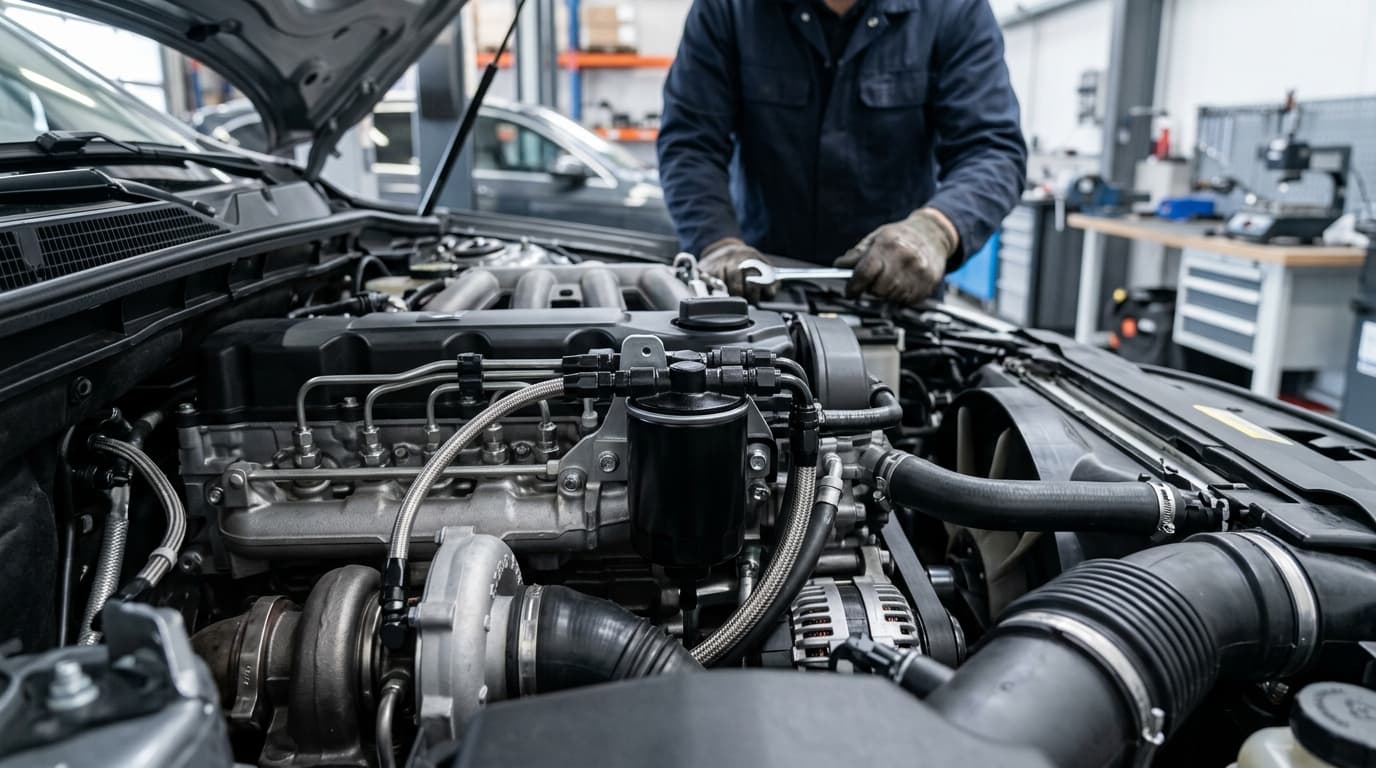
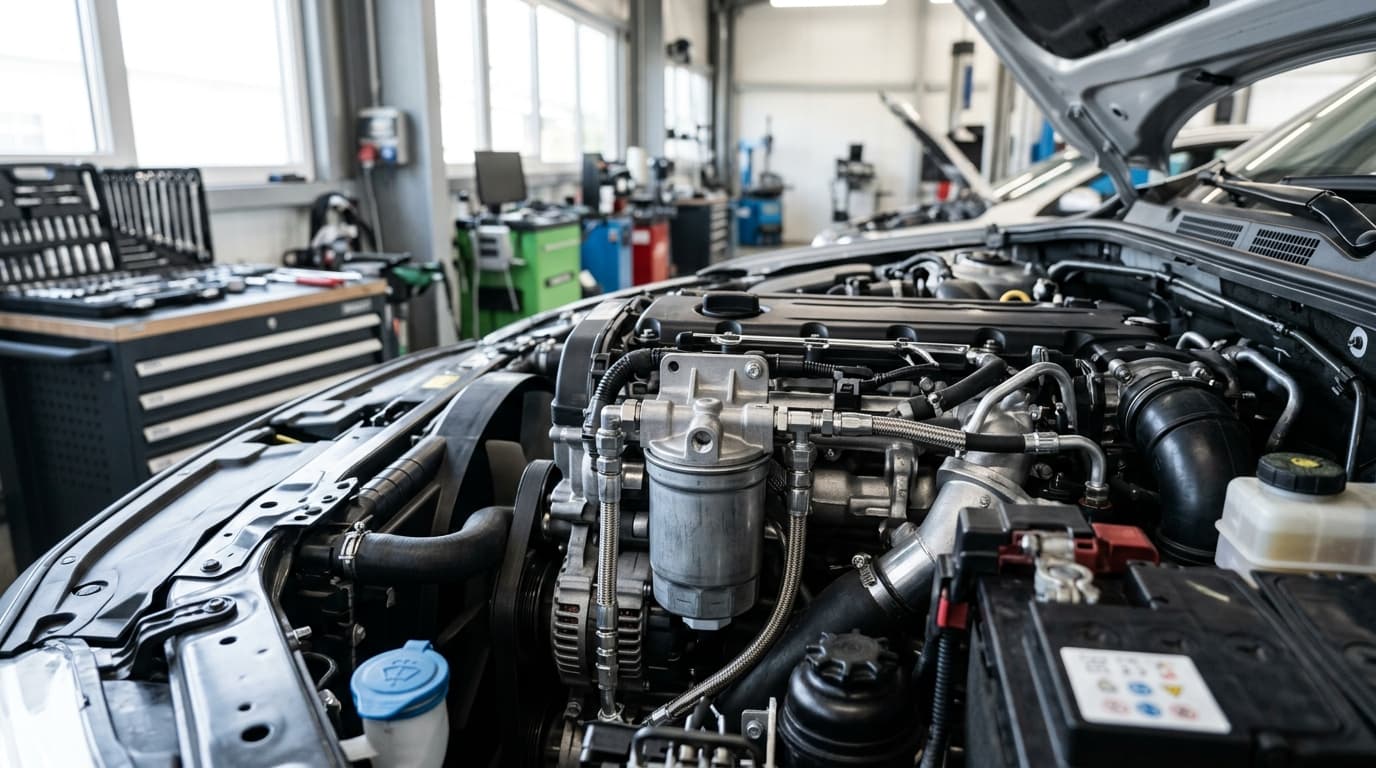
Fuel Filter Essentials: Protect Your Engine's Injection System
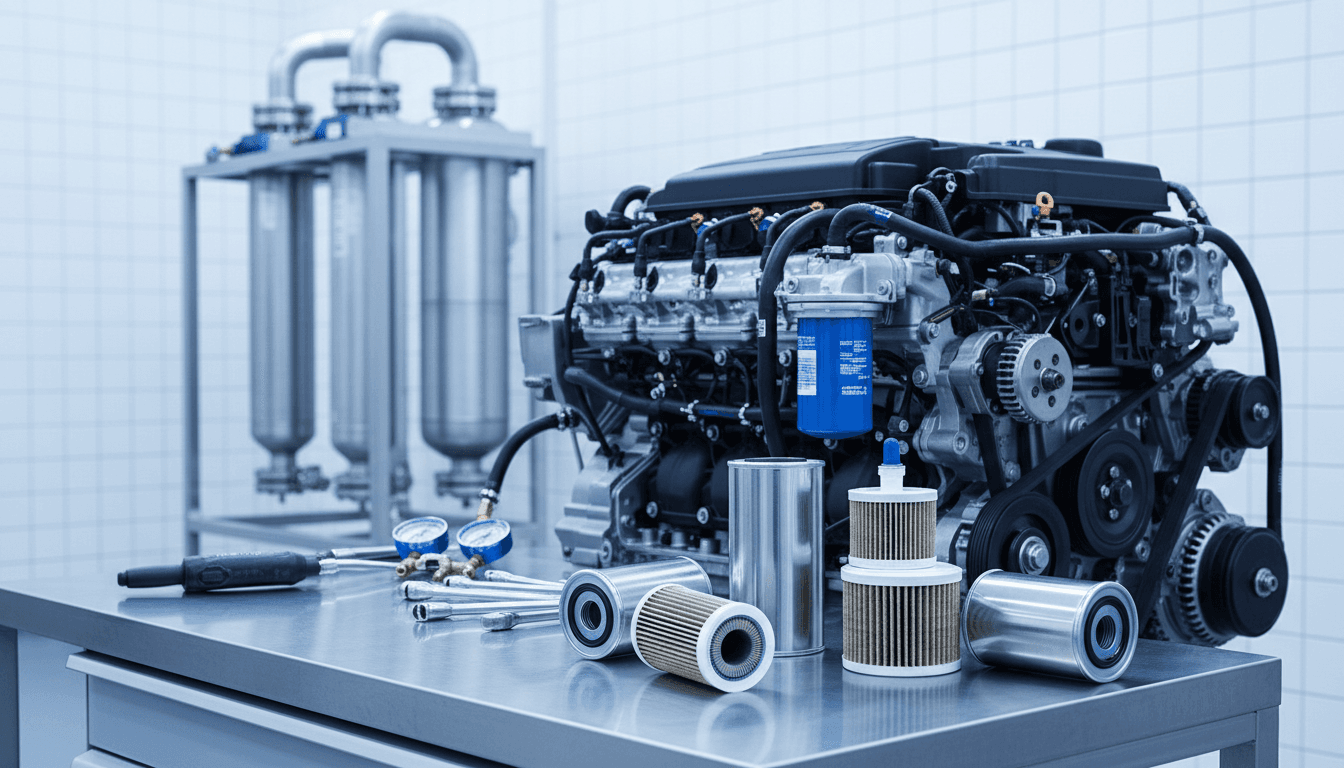
The Crucial Role of the Fuel Filter in Engine Protection
The fuel filter is an often-overlooked yet critically important component in any internal combustion engine, whether it powers a passenger car, a heavy-duty truck, construction machinery, agricultural equipment, or an industrial machine. Its primary function is to protect the sophisticated and sensitive fuel injection system from contaminants present in the fuel. Without an efficient fuel filter, even microscopic particles, rust, or water can inflict significant damage, leading to costly repairs, reduced engine performance, and premature system failure. This comprehensive guide will delve into the world of fuel filters, explaining their vital role, how they work, the differences between petrol and diesel applications, how to choose the correct filter, when to consider replacement, and what signs indicate that your filter may be compromised. Understanding these aspects is crucial for maintaining engine health and ensuring the longevity and efficiency of your vehicle or machinery.
Every drop of fuel that enters your engine must be impeccably clean. This is a non-negotiable requirement for modern engines, which operate with increasingly tight tolerances and high pressures. The fuel filter acts as the engine’s first line of defence, a vigilant gatekeeper preventing harmful substances from reaching delicate components.
Why is Filtration Necessary? Understanding Fuel Contamination
Fuel, even from reputable sources, is rarely perfectly pure. It can pick up various contaminants during refining, transportation, storage, and even within the vehicle's own fuel tank. These contaminants typically include:
- Particulate Matter: Fine dust, dirt, rust particles from fuel tanks and lines, and even microscopic debris from the manufacturing process of the fuel itself.
- Water: Condensation can form in fuel tanks, especially those that are partially filled or exposed to temperature fluctuations. Water can also enter during refuelling.
- Organic Contaminants: In biodiesels or older fuel systems, microbial growth can occur, leading to sludge and blockages.
These impurities, if unchecked, can wreak havoc on the fuel system.
Protecting the Fuel Injection System
The modern fuel injection system is a marvel of engineering, delivering precise amounts of fuel at incredibly high pressures (especially in common rail diesel systems). Components such as fuel injectors, fuel pumps, and pressure regulators are manufactured to extremely fine tolerances.
- Fuel Injectors: These components feature tiny orifices designed to atomise fuel into a fine mist. Even a microscopic particle can partially or completely block an injector, leading to misfires, uneven fuel delivery, and reduced engine efficiency. Furthermore, abrasive particles can cause wear to the injector nozzle, altering its spray pattern and affecting combustion.
- Fuel Pumps: High-pressure fuel pumps, particularly in diesel engines, are sophisticated units with moving parts that rely on clean fuel for lubrication and cooling. Contaminants can cause premature wear, scoring, and eventual failure of the pump, a repair that can be exceptionally expensive.
- Pressure Regulators and Sensors: These components maintain precise fuel pressure and monitor system performance. Blockages or damage from contaminants can lead to inaccurate readings, erratic pressure, and ultimately, poor engine control.
Impact on Engine Performance and Longevity
An efficiently functioning fuel filter ensures optimal engine performance. Clean fuel allows for complete combustion, leading to:
- Improved fuel economy.
- Reduced emissions.
- Consistent engine power and smooth operation.
- Extended lifespan of engine components.
Conversely, a clogged or ineffective fuel filter can lead to:
- Reduced engine power and acceleration.
- Rough idling and misfires.
- Increased fuel consumption.
- Damage to the fuel pump and injectors.
- Increased harmful emissions.
Therefore, the fuel filter is not merely an accessory but a critical component for the health and performance of any engine.
How Fuel Filters Work: The Science of Clean Fuel
The operating principle of a fuel filter is relatively straightforward, yet the technology involved in achieving high efficiency and durability is sophisticated. At its core, a fuel filter comprises a filtration medium housed within a sturdy casing.
Basic Filtration Mechanism
Fuel enters the filter housing, passes through the filtration medium, and then exits, heading towards the engine. As fuel flows through the media, contaminants are trapped, while the clean fuel continues its journey. The effectiveness of a filter is determined by several factors:
- Media Type: Filter media are typically made from a finely woven cellulose (paper) material, synthetic fibres, or a blend of both. Synthetic media often offers superior filtration efficiency and higher dirt-holding capacity, especially for smaller particles and water.
- Pore Size (Micron Rating): This refers to the size of the smallest particles the filter can effectively capture. Fuel filters have specific micron ratings, which vary depending on the engine type and system requirements. Modern common rail diesel systems, for instance, demand extremely fine filtration, often down to 2-5 microns, due to their ultra-high injection pressures and precise injectors. Petrol systems typically require less fine filtration, around 10-30 microns, though direct injection petrol engines are increasing these demands.
- Surface Area: A larger surface area of filter media allows for more dirt-holding capacity and slower flow restriction build-up, extending the filter's lifespan. Filter media is often pleated to maximise this surface area within a compact housing.
Specific Challenges for Diesel Fuel Filtration
Diesel fuel presents unique filtration challenges compared to petrol.
- Lubricity: Diesel fuel also acts as a lubricant for high-pressure fuel pumps and injectors. Fine filtration is crucial, but it must not strip away necessary additives or compromise the fuel's lubricity.
- Water Contamination: Water is a particularly damaging contaminant for diesel engines. It can cause rust in the fuel system, degrade fuel injection components, and, in cold weather, can freeze and block fuel lines or filters. Many diesel fuel filters incorporate a water separator function, using hydrophobic media or a settling chamber to separate water from the fuel.
- Waxing (Paraffin Precipitation): In very cold temperatures, paraffin wax present in diesel fuel can solidify and crystallise, leading to "waxing" or gelling, which can completely block fuel filters. Some diesel systems use heated fuel filters or fuel line heaters to prevent this.
Types of Fuel Filters: Tailored for Every Engine
The design and complexity of a fuel filter system vary significantly between engine types and applications.
For Petrol Engines
Petrol fuel systems typically operate at lower pressures than diesel systems, leading to generally simpler fuel filter designs, though modern direct injection engines are changing this trend.
- In-line Filters: These are the most common type for petrol engines. They are typically cylindrical, made of plastic or metal, and installed within the fuel line, often underneath the vehicle, near the fuel tank, or in the engine bay. They filter fuel before it reaches the fuel rail and injectors. Petrol filters are designed to remove particulate matter effectively.
- In-tank Filters: Some vehicles integrate the fuel filter directly into the fuel pump assembly, located inside the fuel tank. These are often sock-type filters, acting as a pre-filter to protect the fuel pump itself. While convenient, replacement often requires removing the fuel pump module, which can be a more involved procedure.
- Modern Direct Injection (GDI) Engines: These engines operate at higher pressures and require finer filtration than older port-injected systems to protect their sophisticated injectors. Consequently, their fuel filters may have finer micron ratings and a more robust construction.
For Diesel Engines
Diesel fuel systems, especially common rail direct injection (CRDI) systems, are highly sophisticated and require multi-stage filtration due to the higher pressures and sensitivity to water and particulate matter.
- Pre-filters / Primary Filters (Water Separators): These are often the first stage of filtration. They are designed to capture larger particles and, crucially, to separate water from the diesel fuel. They typically have a transparent bowl at the bottom to allow visual inspection of collected water and a drain plug to periodically remove it. Some also include a sensor to alert the operator when water accumulation is excessive.
- Main Filters / Secondary Filters: Following the pre-filter, the main fuel filter provides a much finer level of filtration, removing smaller particulates to protect the high-pressure fuel pump and injectors. These filters often have micron ratings as low as 2-5 microns.
- Heated Fuel Filters: In regions with cold climates, some diesel systems incorporate electric heaters within the fuel filter housing to prevent paraffin waxing and gelling of the fuel, ensuring smooth fuel flow even in freezing temperatures.
- Integrated Filters: Modern designs may integrate the main filter with other components, making the assembly more compact but potentially more complex to service.
Given the complexity and variety, selecting the correct filter for a specific diesel application is paramount. For example, specific BMW fuel filters or Mercedes-Benz fuel filters are engineered precisely for those manufacturers' demanding systems.
Choosing the Right Fuel Filter: A Critical Decision
Selecting the appropriate fuel filter is not a task to be taken lightly. An incorrect filter can lead to diminished engine performance, increased fuel consumption, and, most importantly, severe and expensive damage to the fuel system.
Vehicle/Machine Compatibility and OEM Specifications
The most crucial factor in choosing a fuel filter is ensuring it matches the specific make, model, year, and engine type of your vehicle or machinery. Filter manufacturers design their products to meet or exceed the original equipment manufacturer (OEM) specifications. These specifications dictate:
- Physical Dimensions: The filter must fit correctly into the designated housing or fuel line.
- Filtration Efficiency and Micron Rating: The filter must be capable of removing contaminants down to the required particle size for your engine's fuel injection system.
- Flow Rate: The filter must allow sufficient fuel flow to meet the engine's demands under all operating conditions without causing undue restriction.
- Pressure Resistance: The filter housing and media must be able to withstand the operating pressures of the fuel system.
- Seal Design: The seals must be compatible with the fuel and operating temperatures to prevent leaks.
- Special Features: For diesel engines, this includes water separation capabilities, compatibility with sensors (e.g., water-in-fuel sensors, pressure sensors), and in some cases, heating elements.
Always consult your vehicle's service manual or the equipment's documentation for the correct part number or specifications. When in doubt, provide your vehicle identification number (VIN) or equipment details to a reputable supplier.
Application-Specific Considerations
- Passenger Cars: Typically require filters designed for standard road use.
- Trucks and Commercial Vehicles: Often operate under heavier loads and for longer durations, demanding robust filters with high dirt-holding capacities and reliable performance.
- Construction Machinery and Agricultural Equipment: These machines frequently operate in dusty, dirty, and demanding environments. Their fuel filters may feature enhanced pre-filtration stages and water separation capabilities to cope with harsher conditions and potentially lower fuel quality from field tanks.
- Industrial Machines: Depending on the application, industrial filters can range from simple inline types to complex multi-stage systems for stationary engines or power generation units.
Quality Considerations
While price can be a factor, never compromise on the quality of a fuel filter. Inferior filters may:
- Have lower filtration efficiency, allowing harmful particles to pass through.
- Degrade prematurely, leading to blockages or media breakdown.
- Fail to seal correctly, causing leaks or air ingress into the fuel system.
- Have a lower dirt-holding capacity, requiring more frequent replacement.
Investing in a high-quality filter from a reputable distributor ensures that your engine receives the protection it needs.
Utilising Reliable Distributors
When sourcing fuel filters, choosing a knowledgeable and well-stocked distributor like Filtry.org is essential. A specialist supplier offers:
- An extensive catalogue of products across various manufacturers and applications.
- Expert advice to help you cross-reference part numbers and ensure correct selection.
- Quality assurance, providing filters that meet stringent industry standards.
- Convenient access to a wide range of filters for automotive, commercial, and industrial needs.
When to Replace Your Fuel Filter: Signs of Wear and Service Intervals
Regular replacement of the fuel filter is a cornerstone of preventative maintenance. Unlike some other components, a fuel filter degrades gradually, and its deterioration might not be immediately apparent until significant issues arise.
Manufacturer Recommendations and Service Intervals
The most reliable guide for fuel filter replacement is the service schedule provided by the vehicle or equipment manufacturer. These recommendations are based on extensive testing and are tailored to the specific engine and fuel system.
- Passenger Cars: Replacement intervals can range from every 30,000 to 100,000 kilometres, or every 2 to 5 years, depending on the make, model, and type of fuel system. Some modern vehicles with highly efficient in-tank filters may have "lifetime" filters, though many mechanics still recommend periodic checks or replacement, especially if fuel quality is questionable.
- Commercial Vehicles and Heavy Machinery: Due to demanding operating conditions and higher fuel consumption, these often have more frequent replacement schedules, sometimes linked to engine hours or specific service milestones.
Always adhere to these guidelines as a minimum.
Factors Affecting Filter Lifespan
Several external factors can accelerate the need for fuel filter replacement:
- Fuel Quality: Consistently using lower-grade fuel or fuel from sources with poor storage practices can introduce more contaminants, clogging the filter faster.
- Operating Conditions: Vehicles or machinery operating in dusty environments (e.g., construction sites, unpaved roads, agricultural fields) will typically expose their fuel systems to more particulate matter.
- Age of Vehicle/Machinery: Older fuel tanks can accumulate rust and sediment over time, increasing the load on the fuel filter.
- Infrequent Use: Vehicles that sit for extended periods can suffer from fuel degradation and condensation in the tank, leading to contamination.
Signs of a Clogged Fuel Filter
Recognising the symptoms of a failing fuel filter can prevent more severe damage and costly repairs. Pay attention to the following indicators:
- Engine Misfires or Rough Idling: A partially blocked filter restricts fuel flow, causing the engine to "starve" for fuel, especially under load, leading to inconsistent combustion.
- Reduced Engine Power or Acceleration Issues: If the engine isn't getting enough fuel, it cannot produce its full power output. You might notice sluggish acceleration, difficulty maintaining speed on inclines, or a general lack of responsiveness.
- Difficulty Starting: A severely clogged filter can make it hard for the fuel pump to deliver sufficient fuel pressure to the injectors, resulting in extended cranking times or a refusal to start.
- Stalling: In extreme cases, a completely blocked filter will cut off fuel supply to the engine, causing it to stall, particularly during demanding driving conditions.
- Check Engine Light (CEL): Modern vehicles often have sensors that monitor fuel pressure. A significant drop in pressure due to a clogged filter can trigger the CEL on the dashboard, usually accompanied by a diagnostic trouble code related to fuel pressure or fuel trim.
- Unusual Noises from the Fuel Pump: A struggling fuel pump, trying to push fuel through a restricted filter, may emit a whining or humming noise louder than usual. This indicates it is working harder than intended and could lead to premature pump failure.
- Visible Contaminants (for diesel water separators): If your diesel system has a transparent water separator bowl, regularly inspect it for accumulated water or sediment.
If you experience any of these symptoms, inspecting or replacing your fuel filter should be one of the first diagnostic steps.
Fuel Filter Replacement and Maintenance: A Practical Guide
While some fuel filter replacements are relatively straightforward, others, particularly on modern diesel systems or in-tank petrol filters, can be complex and are best left to qualified mechanics. However, understanding the process is beneficial for all operators.
General Safety Precautions
Before attempting any work on the fuel system, always prioritise safety:
- Work in a Well-Ventilated Area: Fuel fumes are flammable and hazardous.
- Ensure No Ignition Sources: Keep open flames, sparks, and hot surfaces away. Disconnect the vehicle's battery.
- Wear Personal Protective Equipment (PPE): Gloves and eye protection are essential.
- Relieve Fuel System Pressure: Modern fuel systems are pressurised. Consult your service manual on how to safely depressurise the system to prevent fuel spray.
- Have Spill Containment Ready: Place drip trays and absorbent materials under the work area to catch spilled fuel.
Tools and Supplies
Typically required tools include:
- Appropriate wrenches or sockets for fuel line connections and filter clamps.
- Hose clamps or special fuel line disconnect tools (for quick-release fittings).
- A new, correct replacement fuel filter.
- New O-rings and seals (often supplied with the new filter).
- Container for draining old fuel from the filter.
Basic Replacement Steps (Generalised)
The specific procedure varies greatly by vehicle, but a common sequence involves:
- Locating the fuel filter.
- Depressurising the fuel system.
- Disconnecting the fuel lines from the old filter, being prepared for residual fuel spills.
- Removing the old filter from its mounting bracket.
- Ensuring all old seals are removed and installing new seals on the new filter.
- Installing the new filter in the correct orientation (flow arrow typically indicates direction).
- Reconnecting the fuel lines securely.
- Priming the fuel system (turning the ignition on and off several times without starting to allow the fuel pump to refill the filter and lines, or using a hand pump for some diesel systems).
- Checking for leaks after starting the engine.
Specific Considerations for Diesel Filters
Diesel fuel systems often require additional steps, particularly concerning air in the fuel lines.
- Bleeding the System: After replacing a diesel fuel filter, it is critical to remove any air that has entered the fuel lines. Air in a diesel system can prevent the engine from starting or cause it to run erratically. This often involves manual priming pumps, specific bleeding procedures outlined in the service manual, or allowing the electric fuel pump to run for an extended period.
- Water Separator Maintenance: For diesel pre-filters with water separators, regular draining of collected water is a vital maintenance task, often recommended more frequently than filter replacement.
The Importance of Professional Installation
For complex modern vehicles, especially those with high-pressure direct injection systems, the consequences of improper installation can be severe. Issues like air ingress into diesel systems, fuel leaks, or damaged connections can lead to significant problems. If you are not confident in your abilities, or if the procedure appears complex, it is always advisable to engage a qualified mechanic or service technician. Their expertise ensures the filter is installed correctly, the system is properly bled, and all safety protocols are followed.
Environmental Disposal of Old Filters
Used fuel filters are considered hazardous waste due to residual fuel and absorbed contaminants. Do not dispose of them in regular household waste. Contact your local authority or an authorised waste disposal facility for proper recycling or disposal procedures.
Filtry.org: Your Trusted Partner for Fuel Filtration Solutions
At Filtry.org, we understand the critical importance of reliable fuel filtration for the longevity and performance of your engines. As a leading distributor of automotive and industrial filters, we are committed to providing an unparalleled selection of high-quality solutions to meet every need.
We offer an extensive catalogue featuring over 300,000 products from leading manufacturers, ensuring that you can find the exact fuel filter for your specific application. Whether you operate passenger cars, heavy-duty trucks, demanding construction machinery, essential agricultural equipment, or complex industrial machines, our range is designed to cover your requirements.
Our specialisation encompasses not just fuel filters but also a comprehensive array of other crucial filtration components, including air filters, oil filters, cabin filters, and hydraulic filters. This breadth of product ensures that Filtry.org can be your single source for all your filtration needs, simplifying procurement and guaranteeing compatibility across your fleet or machinery.
We pride ourselves on:
- Unrivalled Selection: Access to an enormous database of filters means less time searching and more time operating.
- Quality Assurance: We only supply products that meet stringent quality and performance standards, giving you peace of mind.
- Expert Support: Our knowledgeable team is ready to assist you in selecting the correct filter, ensuring perfect compatibility and optimal performance.
- Convenient European Delivery: We facilitate efficient delivery across Europe, including key markets such as the UK, Germany, and Poland, bringing quality filtration directly to your doorstep.
Choose Filtry.org for superior filtration solutions that protect your investment and keep your engines running smoothly and efficiently.
Conclusion: Invest in Clean Fuel for Engine Health
The fuel filter, though small, plays an indispensable role in safeguarding your engine's intricate fuel injection system. From preventing microscopic particles and water from causing damage to ensuring optimal engine performance and fuel efficiency, its contribution cannot be overstated. Regular maintenance and timely replacement, guided by manufacturer recommendations and a keen eye for warning signs, are essential practices for any vehicle or machine operator. By understanding the different types of fuel filters, the specific challenges posed by petrol and diesel fuels, and how to select and maintain these critical components, you are actively protecting your valuable assets. Trust in quality filtration solutions from reputable suppliers like Filtry.org to ensure your engines continue to perform reliably for years to come.
Share