Recognising Fuel Filter Symptoms and When to Act
In summary: Monitoring fuel filter symptoms is vital for maintaining the longevity of the fuel injection system. Early detection of restricted flow prevents damage to high-pressure pumps and injectors, ensuring the engine operates within its designed parameters.
How do you identify the primary fuel filter symptoms?
The internal combustion engine relies on a precise volume of fuel delivered at a specific pressure. When a fuel filter becomes saturated with contaminants, the most immediate symptoms manifest as performance irregularities. A common early indicator is a noticeable loss of power under load. This occurs because the engine requires a higher volume of fuel during acceleration or uphill climbs; a restricted filter acts as a bottleneck, preventing the fuel pump from meeting this demand. The resulting lean air-fuel mixture leads to hesitation and a sluggish response to throttle inputs.
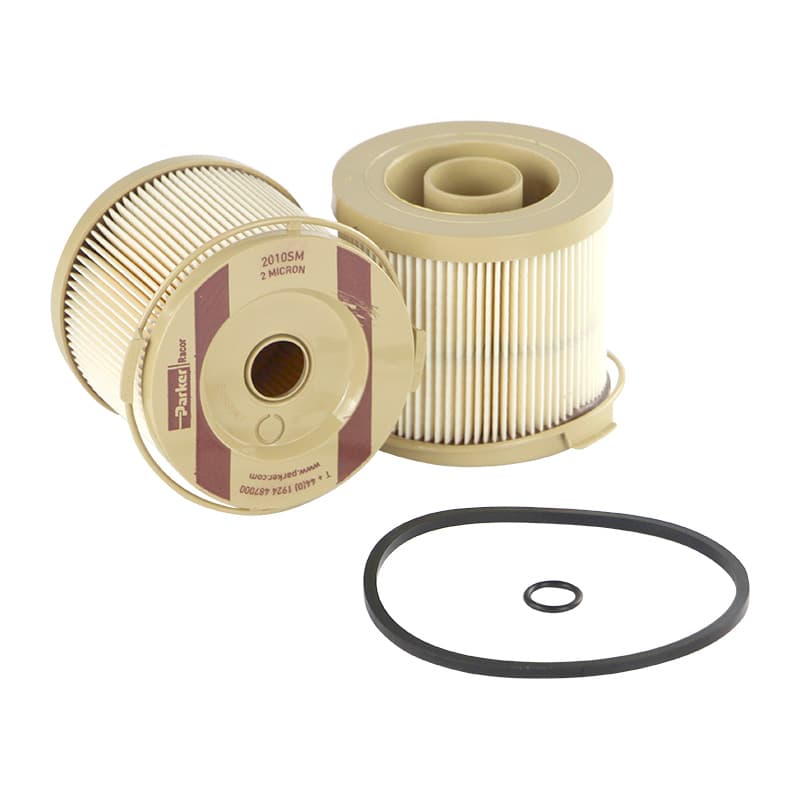
As the degree of clogging increases, fuel filter symptoms become more pronounced during idling. A fluctuating or rough idle suggests that the fuel delivery is inconsistent even at low demand. In extreme cases, the engine may stall shortly after starting or while stationary at traffic lights. This happens because the fuel pressure drops below the threshold required to keep the injectors firing correctly. For heavy-duty applications using components like the SF FILTER 2010SM-OR, maintaining a clean filter element is essential to prevent these operational interruptions in industrial machinery.
What are the technical consequences of a clogged fuel filter?
Beyond the immediate drivability issues, a failing fuel filter places significant mechanical stress on the entire fuel system. The fuel pump is designed to push fuel through a relatively clear medium. When the resistance increases due to accumulated debris, the pump must work harder to maintain the required line pressure. This leads to increased electrical draw and higher operating temperatures within the pump motor, which can cause premature pump failure. Cavitation is another risk; if the pump cannot pull enough fuel through a restricted filter, vapour bubbles form in the fuel line, leading to internal erosion of pump components.
In modern common rail diesel systems, the fuel filter also serves as a critical barrier against moisture. Water in the fuel is highly abrasive and can cause catastrophic failure of high-pressure injectors. If the filter’s water-separating capability is compromised, you may notice a 'water in fuel' warning light on the dashboard. Utilising high-specification parts such as the SF FILTER 2040TM-OR ensures that both particulate matter and emulsified water are effectively removed before they reach sensitive injection components. Failure to address these fuel filter symptoms can result in repair costs that far exceed the price of a standard maintenance interval.
Which diagnostic codes indicate fuel filter degradation?
Modern vehicles equipped with On-Board Diagnostics (OBD-II) can often pinpoint fuel delivery issues through specific error codes. While a fuel filter itself is rarely monitored by a direct sensor, its failure triggers related system warnings. The most frequent codes associated with fuel filter symptoms are P0171 and P0174, which indicate a 'System Too Lean' condition in Bank 1 or Bank 2, respectively. This means the Engine Control Unit (ECU) has detected that there is too much air and not enough fuel in the combustion chamber, often because the filter is restricting the flow.
Other relevant codes include P0087 (Fuel Rail/System Pressure - Too Low) and P0300 (Random or Multiple Cylinder Misfire). When the ECU detects that the fuel rail pressure is below the target setpoint, it may put the engine into a 'limp mode' to protect the hardware. This state limits engine RPM and power. Technical professionals should also look for the SF FILTER 1949630 or similar high-capacity elements when servicing systems that frequently trigger low-pressure alerts, as these are designed for specific flow rates and filtration efficiencies required by heavy-duty engines.
How does fuel quality affect the frequency of filter replacement?
The service life of a fuel filter is heavily dependent on the quality of the fuel being processed. In environments where fuel storage tanks may contain sediment or where microbial growth (often called 'diesel bug') is prevalent, the filter will reach its capacity much faster than the manufacturer's recommended interval. One of the most telling fuel filter symptoms in these conditions is a sudden, total engine failure after refuelling at a low-turnover station, which can stir up bottom-tank contaminants.
Technical inspections of a used filter can reveal much about the system's health. A filter element that appears black or slimy often indicates organic contamination, whereas metallic flakes suggest a failing fuel pump upstream. For systems operating in harsh environments, products like the SF FILTER 0.900.2154.1 provide the robust filtration necessary to handle high particulate loads. Proactive replacement based on operating hours rather than mileage is often recommended for stationary or industrial engines to avoid the onset of critical fuel filter symptoms.
How can you verify a fuel filter's condition without removal?
While visual inspection of the internal element is impossible without destroying the canister, technicians can use a fuel pressure gauge to diagnose the filter's state. By measuring the pressure at the fuel rail and comparing it to the manufacturer’s specifications, one can determine if a drop is occurring across the filter. A significant pressure differential between the inlet and outlet of the filter housing is a definitive sign of a clog. This is a more precise method of identifying fuel filter symptoms than relying on subjective performance feel.
Another method involves monitoring the 'long-term fuel trim' data via a diagnostic scanner. If the ECU is consistently adding more fuel (positive trim) to compensate for a lean condition, it is a strong indicator that the fuel delivery is being restricted. If the fuel pump is audible—making a whining or buzzing sound—it is likely struggling against the resistance of a blocked filter. In such cases, installing a new unit, such as the SF FILTER 0165R010ON/-B6, is the only effective solution to restore system equilibrium and protect the engine's precision components.
Frequently asked questions
Can a bad fuel filter cause the 'Check Engine' light to illuminate?
Yes, while the filter itself is not electronic, a blockage causes the engine to run lean. This is detected by the oxygen sensors, which then trigger the ECU to set codes such as P0171 or P0174, illuminating the malfunction indicator lamp.
How often should a fuel filter be replaced to avoid symptoms?
In most modern petrol vehicles, the interval is between 40,000 and 60,000 miles. However, for diesel engines and industrial machinery, the interval is much shorter, often every 10,000 to 20,000 miles or every 500 operating hours, depending on the fuel quality and environment.
Is it possible to clean a fuel filter instead of replacing it?
Standard canister or cartridge fuel filters are designed as disposable items. The microscopic nature of the contaminants trapped within the media makes cleaning ineffective. Attempting to wash or blow out a filter can damage the media, allowing contaminants to pass directly into the injectors.
Will a clogged fuel filter prevent the engine from starting?
Yes, if the filter is completely obstructed, the fuel pump will be unable to deliver any fuel to the injectors. This results in the engine cranking normally but failing to fire, as there is no combustible mixture in the cylinders.
Share