Choosing right fuel filters: Technical Criteria
In summary: Selecting the correct fuel filter requires a precise analysis of the engine's fuel injection system requirements, specifically focusing on the micron rating, water separation efficiency, and maximum flow rate to prevent premature component failure.
What technical specifications determine filter efficiency?
When choosing right fuel filtration components, the primary technical metric is the micron rating. This value indicates the size of particles the filter media can trap. In modern high-pressure common rail (HPCR) diesel engines, filtration must be extremely fine, often requiring an absolute rating of 2 to 5 micrometres. A filter with a nominal rating of 10 micrometres may allow a significant percentage of smaller, abrasive particles to pass through, which can lead to the erosion of injector nozzles and high-pressure pump components.
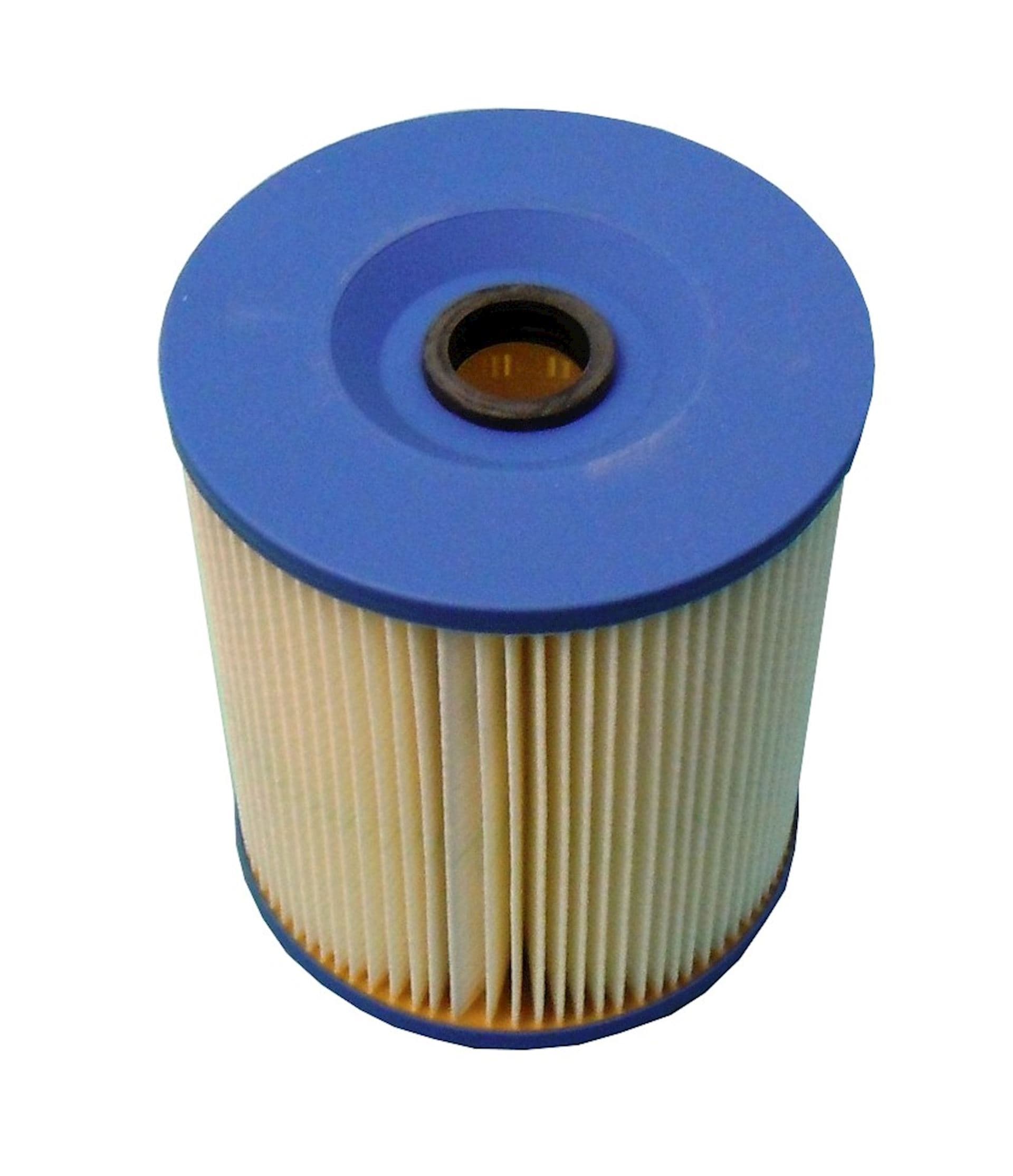
The efficiency of the media is also defined by its Beta ratio. A Beta ratio of 200 at 5 micrometres means that for every 200 particles of that size entering the filter, only one passes through. For industrial applications, using high-performance elements like the SF FILTER 1949630 ensures that the fuel purity meets the stringent ISO 4406 standards required by modern machinery manufacturers. Technical staff must distinguish between surface filtration and depth filtration media, as the latter provides a higher dirt-holding capacity by trapping contaminants throughout the thickness of the material.
How does water separation affect fuel system integrity?
Water is one of the most damaging contaminants in fuel, especially in diesel systems where it causes corrosion, bacterial growth, and loss of lubricity. When choosing right fuel filters for marine or heavy-duty environments, integrated water separators are mandatory. These systems utilize hydrophobic media or centrifugal force to coalesce water droplets, which then settle at the bottom of the filter bowl.
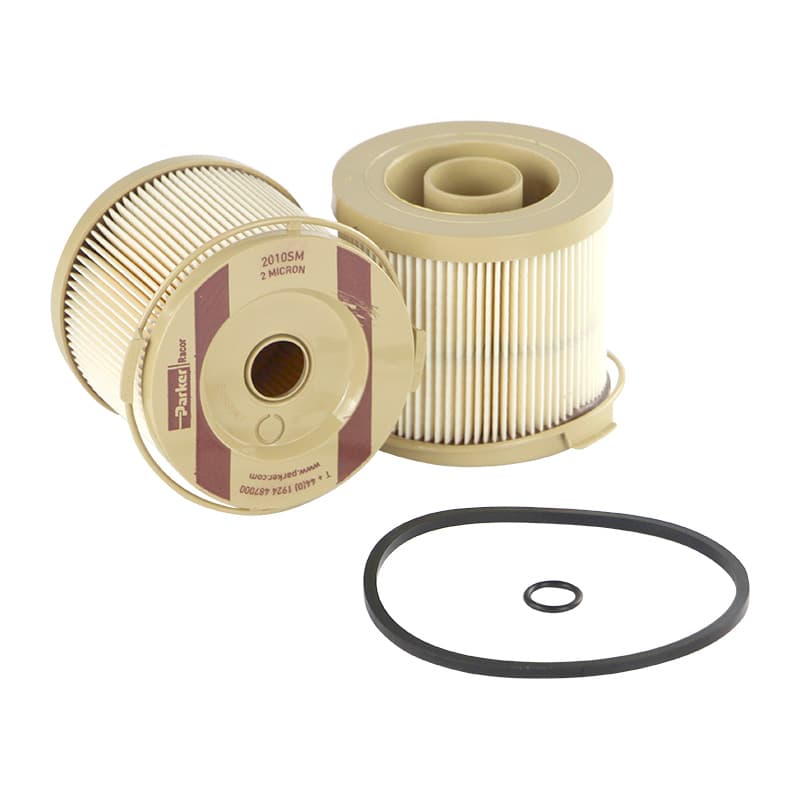
Technical specifications often list a percentage for water removal efficiency. High-quality primary filters, such as the SF FILTER 2010SM-OR, are designed to remove both emulsified and free water. In applications where fuel quality is inconsistent, a secondary stage of filtration is often employed to ensure that no moisture reaches the sensitive electronic injectors. Failure to manage water content leads to hydrogen embrittlement of steel components and catastrophic failure of the injection system.
Why is the pressure drop across the filter media significant?
Every filter introduces a degree of resistance to the fuel flow, known as the pressure drop or differential pressure (delta P). As the filter accumulates contaminants, this resistance increases. If the pressure drop exceeds the design limits of the fuel lift pump, it results in fuel starvation, reduced engine power, and potential cavitation within the pump.
When choosing right fuel filters, it is essential to match the filter’s maximum flow rate (measured in litres per minute or gallons per hour) to the engine's peak fuel demand. For example, the SF FILTER 2040TM-OR is engineered to maintain low restriction even as it nears its service limit. Engineers must also account for the viscosity of the fuel; cold diesel or heavy biofuels have higher viscosity, which naturally increases the pressure drop across the media. Monitoring the differential pressure is the most accurate method for determining the optimal service interval, rather than relying solely on operating hours.
How do physical dimensions and seals impact installation?
Beyond the internal media specifications, the physical characteristics of the filter housing and seals are critical. The thread size, pitch, and gasket diameter must perfectly match the filter head to prevent external leaks and the ingress of air into the fuel system. Air ingress is particularly problematic in diesel engines, as it can cause starting issues and erratic idling.
Components like the SF FILTER 0165R010ON/-B6 are manufactured to precise tolerances to ensure a hermetic seal under high vibrational loads. The material of the gasket must be compatible with the fuel type; for instance, Viton or Nitrile seals are preferred for their resistance to chemical degradation from modern additives and bio-components. When replacing elements in industrial housings, such as those requiring the SF FILTER 0.900.2154.1, technicians must ensure the bypass valve setting (if integrated into the filter) matches the OEM specification to prevent unfiltered fuel from bypassing the media during cold starts or high-load conditions.
What are the consequences of using incorrect filter media?
Using a filter with an incorrect technical profile can have immediate and long-term negative effects. If the media is too coarse, it will fail to protect the precision-machined parts of the fuel system, leading to increased emissions and decreased fuel economy. Conversely, if the media is too fine for the specific application without a corresponding increase in surface area, the filter will clog prematurely, leading to frequent downtime and increased maintenance costs.
In specialised fuel-water separator systems like the SF FILTER 20.430, the media is specifically treated to handle high flow rates while maintaining separation efficiency. Installing a standard fuel filter in place of a dedicated separator element will result in water passing directly into the engine. Therefore, technical cross-referencing must always be based on the manufacturer's performance data sheets rather than just physical size similarity.
Frequently asked questions
What is the difference between a primary and secondary fuel filter?
A primary filter is usually located on the suction side of the fuel pump and features a coarser media (typically 10-30 microns) to protect the pump and remove large debris and water. A secondary filter is located on the pressure side, closer to the engine, and uses a much finer media (2-5 microns) to provide final protection for the injectors.
Can I use a fuel filter designed for petrol in a diesel engine?
No. Diesel fuel filters must handle higher levels of paraffin wax and water contamination. Diesel media is often treated to coalesce water, a feature not typically found in petrol filters. Additionally, diesel systems operate at significantly higher pressures, requiring different housing strengths and seal materials.
What does a 'micron rating' actually mean for engine protection?
The micron rating defines the size of the smallest particle the filter can capture. A 'nominal' rating suggests a high percentage of particles of that size are trapped, whereas an 'absolute' rating guarantees nearly 100% efficiency for that specific particle size. For modern engines, absolute ratings are the only reliable metric for protection.
How does the flow rate affect the choice of a fuel filter?
The filter must be rated for a flow higher than the maximum fuel consumption of the engine plus the return flow. If the flow rate is too low, the engine will suffer from fuel starvation and the filter media may collapse under the excessive vacuum or pressure.
Share