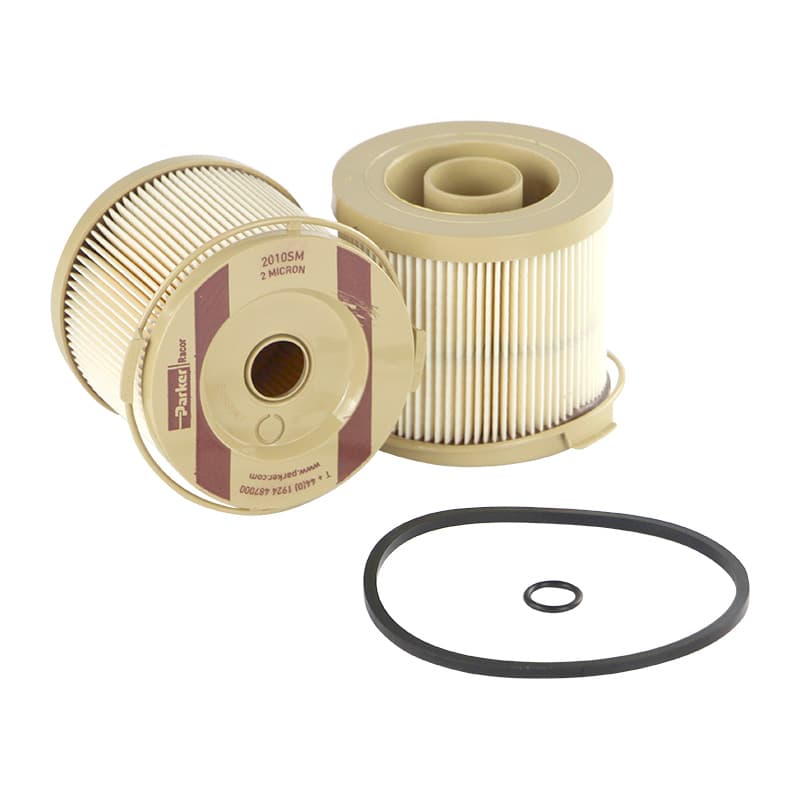
Fuel filter replacement: technical guide and intervals
In summary: Fuel filter replacement is a critical maintenance task that ensures the longevity of the fuel injection system. Modern high-pressure systems, particularly Common Rail diesels and Direct Injection petrol engines, are highly sensitive to particulate contamination and moisture. Neglecting the replacement interval or committing errors during installation can lead to catastrophic failure of high-pressure pumps and injectors.
How often is fuel filter replacement required?
Determining the exact interval for fuel filter replacement depends heavily on the engine type, the operating environment, and the quality of the fuel used. In standard passenger vehicles with petrol engines, manufacturers often suggest intervals ranging from 40,000 to 60,000 miles. However, in modern diesel engines, the tolerances within the fuel system are measured in microns, making filtration much more critical. For these vehicles, a more conservative interval of 15,000 to 20,000 miles is technically advisable to prevent premature wear of the high-pressure pump.
In industrial and agricultural applications, intervals are typically measured in operating hours rather than mileage. For heavy-duty machinery using elements like the SF FILTER 2040TM-OR, the replacement cycle is often set between 250 and 500 hours. Operating in dusty or high-humidity environments necessitates more frequent checks. Water separation is a primary concern in these sectors, as water is the leading cause of corrosion and microbial growth (commonly known as 'diesel bug') within the fuel tanks. Using specialised components such as the SF FILTER 20.430 (Separ) allows for more effective moisture management, but even these systems require regular element changes to maintain their efficiency.
What are the technical symptoms of a clogged fuel filter?
A fuel filter that has reached its maximum holding capacity will exhibit specific technical symptoms. The most prominent is a noticeable drop in fuel pressure at the rail, particularly under high load. When the engine requires maximum fuel flow (such as during hard acceleration), the restricted filter creates a pressure drop. This often triggers the Engine Control Unit (ECU) to enter a 'limp home' mode or record fault codes related to low fuel rail pressure.
Further symptoms include erratic idling and difficulty starting the engine. In diesel systems, a clogged filter can lead to cavitation within the high-pressure pump. This occurs because the pump attempts to draw fuel that the filter cannot provide, creating vacuum bubbles that implode with enough force to pit metal surfaces. Over time, these microscopic metal shavings are carried downstream, where they eventually seize the fuel injectors. If the engine hesitates or stalls during incline driving, it is a definitive sign that the fuel pump is struggling to overcome the resistance offered by a saturated filter element.
Which critical errors occur during fuel filter replacement?
One of the most frequent and damaging mistakes made during fuel filter replacement is the failure to prime the system correctly before attempting to start the engine. In many modern diesel engines, the fuel pump relies on the fuel itself for lubrication and cooling. If the technician attempts to start the engine with a 'dry' filter, the pump may run without lubrication for several seconds. This 'dry running' can cause immediate internal damage, significantly shortening the pump's lifespan. Professional workshops use diagnostic tools to cycle the electric lift pump or use a manual priming bulb to ensure the filter housing is completely filled with fuel before the ignition is turned.
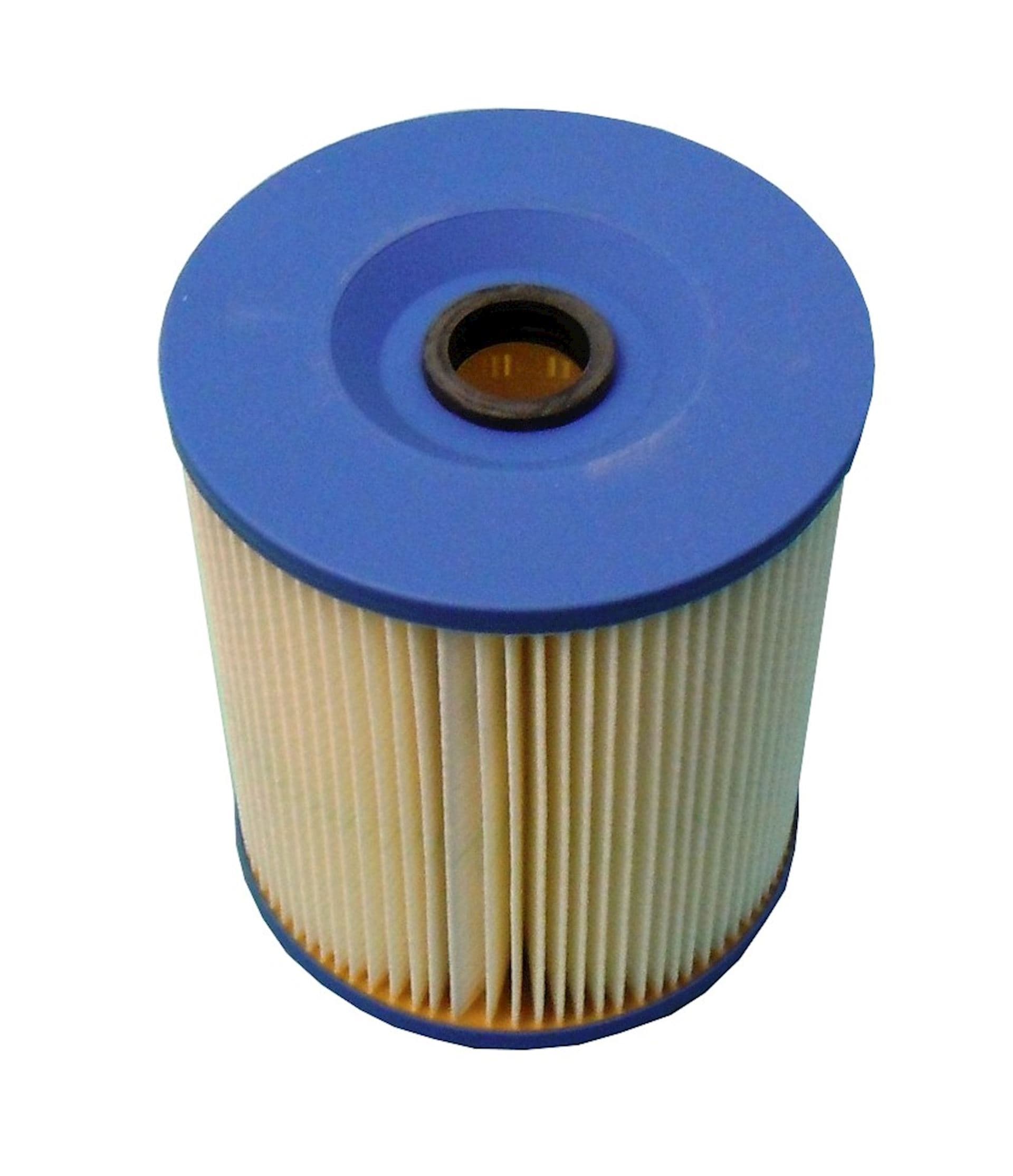
Another common technical error is the contamination of the 'clean side' of the fuel system during the swap. When installing a cartridge like the SF FILTER 0165R010ON/-B6, it is imperative that no dirt or debris enters the central orifice of the filter housing. Even a single grain of sand introduced at this stage bypasses all filtration and goes directly to the injectors. Technicians must also ensure that all O-rings and gaskets are replaced and lubricated with a small amount of clean fuel or specialized grease. Reusing old seals or installing them dry can lead to air leaks, which results in the fuel system 'bleeding back' to the tank when the vehicle is parked, causing starting issues the following morning.
How does fuel quality influence filtration intervals?
The quality of fuel at the pump is not always consistent. Fuel stored in older underground tanks may contain high levels of sediment and water. In winter, diesel fuel is susceptible to paraffin precipitation. If the fuel is not treated with appropriate additives or if the 'winter grade' is insufficient for the temperature, wax crystals form and quickly plug the fuel filter. This is why many filters include a heating element or a bypass valve. However, once the filter is waxed, it usually requires replacement as the paraffin does not always fully dissolve back into the fuel.
For vehicles used in regions with inconsistent fuel quality, fitting an additional pre-filter with a transparent sediment bowl is a common technical upgrade. This allows for visual inspection of the fuel state. High-efficiency filters are designed to trap particles as small as 2 to 5 microns, but they have a finite capacity. If the fuel is heavily contaminated, a filter designed for 20,000 miles may become completely obstructed in less than 5,000 miles. Therefore, the scheduled interval should be treated as a maximum limit rather than a guaranteed service life.
Frequently asked questions
Can I clean a fuel filter instead of replacing it?
No. Modern fuel filters use sophisticated synthetic or cellulose media that trap particles deep within the fibres. Attempting to wash a filter with petrol or compressed air will only damage the structure of the media and potentially push contaminants through to the clean side, leading to engine damage.
Does a clogged fuel filter affect fuel consumption?
Yes. While it may seem counterintuitive, a restricted filter forces the ECU to adjust injection timing and pressure to compensate for the lack of fuel. This often results in a less efficient combustion cycle, leading to increased fuel consumption and higher emissions.
What is the difference between a fuel filter and a water separator?
A standard fuel filter focuses on removing solid particulates. A water separator, often integrated into the filter housing or as a standalone unit like the SF FILTER 20.430, uses gravity or centrifugal force to remove water from the fuel. Water is denser than diesel and settles at the bottom of the bowl, where it can be drained.
Is it necessary to use a specific torque for fuel filter housings?
Yes. Most plastic fuel filter housings have a specific torque value (typically around 25 Nm) embossed on the lid. Over-tightening can crack the housing or deform the O-ring, leading to fuel leaks or air being drawn into the system.
Share