Fuel Filter Replacement Interval: Technical Guide
In summary: Maintaining a strict fuel filter replacement schedule is essential for the preservation of high-pressure fuel injection components. While manufacturer recommendations vary between 20,000 and 60,000 miles, environmental factors and fuel quality often necessitate more frequent intervention to prevent pump cavitation and injector fouling.
Why is fuel filter replacement critical for engine longevity?
Modern internal combustion engines, particularly those utilising Common Rail Direct Injection (CRDi) or advanced petrol direct injection, operate under extreme pressures. These systems require fuel that is free from particulates as small as 2 to 5 microns. The fuel filter serves as the primary barrier against abrasive contaminants including rust, scale, and sediment that can enter the fuel system during refuelling or through degradation of the storage tanks.
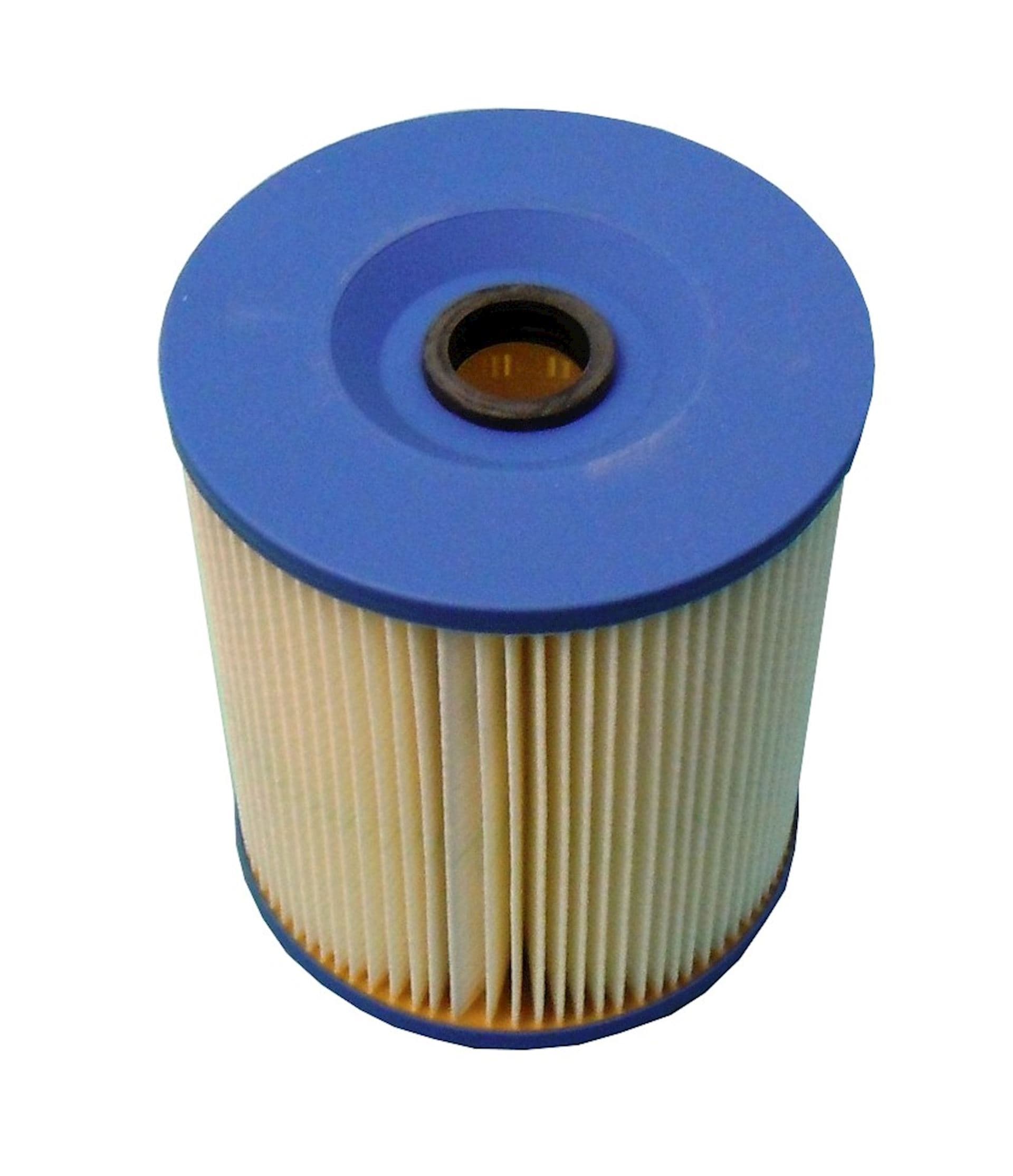
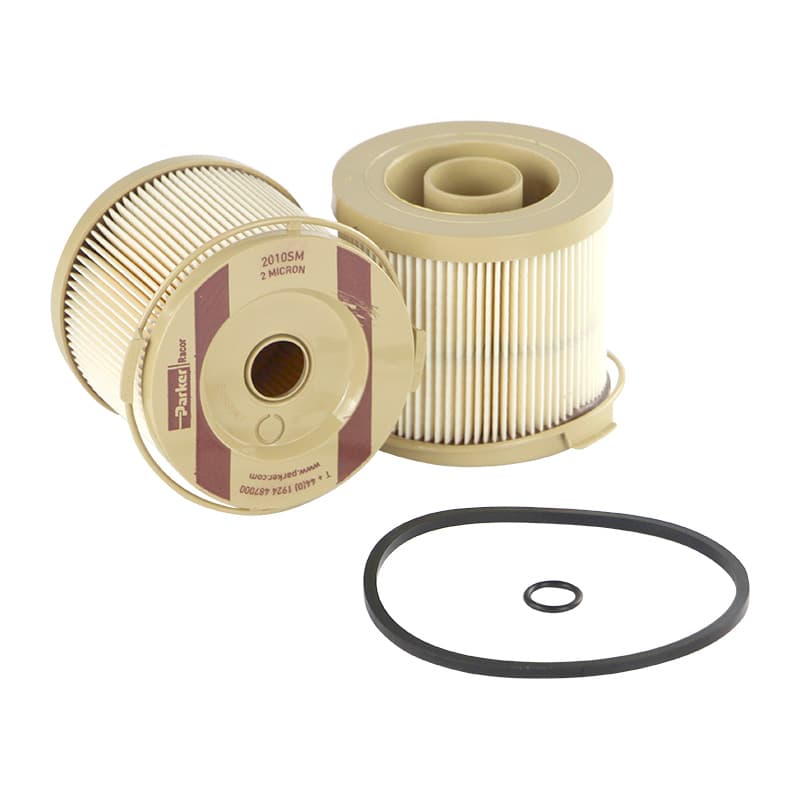
When a filter reaches its holding capacity, the flow of fuel is restricted. This restriction creates a pressure differential across the filter medium. In diesel systems, this can lead to fuel starvation at the high-pressure pump, causing overheating and premature wear of precision-machined internal components. High-quality replacement units, such as the HIFI FILTER 70451006PG, are engineered to maintain high flow rates while ensuring maximum particle retention throughout their service life.
What are the standard intervals for fuel filter replacement?
The scheduled interval for a fuel filter replacement is largely dictated by the engine type and the specific fuel used. For most modern diesel passenger vehicles, the standard interval is typically every 20,000 to 40,000 miles. However, technicians often recommend replacing the filter during every major service or approximately every 12 to 24 months, regardless of mileage, to mitigate the risk of biological growth (diesel bug) or water accumulation in the housing.
Petrol engines historically utilised long-life filters, sometimes located within the fuel tank itself, which were rated for up to 100,000 miles. However, in vehicles using external inline filters, such as those requiring the HIFI FILTER BE 1195, a replacement interval of 30,000 to 50,000 miles is standard. Adhering to these intervals prevents the fuel pump from working against excessive back-pressure, which significantly extends the pump's operational lifespan.
Which technical symptoms indicate a restricted fuel filter?
As a fuel filter becomes saturated with contaminants, several performance-related symptoms emerge. One of the most common signs is a noticeable loss of power under heavy load or during high-speed motorway driving. This occurs because the restricted filter cannot supply the volume of fuel required for the demanded air-to-fuel ratio, leading to a lean combustion condition.
Other technical indicators include:
- Increased Cranking Time: A clogged filter causes a delay in reaching the required rail pressure for the engine to fire.
- Misfiring and Hesitation: Inconsistent fuel delivery results in uneven combustion cycles, especially noticeable during acceleration.
- Engine Stalling: Under low-load conditions, such as idling at traffic lights, the fuel flow may drop below the minimum threshold required to maintain combustion.
- Diagnostic Trouble Codes (DTCs): Modern Engine Control Units (ECUs) may trigger a 'Check Engine' light with codes related to low fuel rail pressure or lean exhaust bank readings.
How does fuel quality influence the replacement schedule?
The geographical location and the source of fuel significantly impact the rate at which a filter becomes obstructed. Fuel stored in older, corroded underground tanks often contains a higher concentration of particulate matter and water. Furthermore, the increased use of biofuels (such as E10 petrol or B7 diesel) introduces new challenges. Ethanol is hygroscopic, meaning it absorbs moisture from the atmosphere, which can lead to phase separation and corrosion within the fuel system.
In diesel applications, the presence of biodiesel can encourage the growth of microbes if water is present in the tank. These organisms produce a gelatinous sludge that can clog a filter, such as the HIFI FILTER BE 1226, in a fraction of the expected service interval. Vehicles operating in dusty environments or those used for heavy towing should have their fuel filters inspected and replaced more frequently than those used in standard commuting cycles.
What is the technical difference between petrol and diesel filtration?
Diesel and petrol filtration requirements differ fundamentally due to the chemical properties of the fuels. Diesel fuel is a heavier hydrocarbon and acts as a lubricant for the fuel pump and injectors. It is also more prone to paraffin wax precipitation in cold temperatures. Consequently, diesel filters often incorporate heating elements and water separators. A diesel filter must manage water emulsion to prevent corrosion of the high-pressure system.
Petrol filters, such as the HIFI FILTER BE 201, focus primarily on particulate removal. Because petrol is a solvent, it can easily transport fine sediments that would otherwise settle at the bottom of the tank. The media in a petrol filter is designed to withstand the volatile nature of the fuel while providing a high Beta ratio (the measure of filtration efficiency). Regardless of fuel type, using a filter with the correct micron rating is non-negotiable for system protection.
What are the risks of neglecting fuel filter maintenance?
Ignoring the fuel filter replacement interval can lead to catastrophic failures within the fuel delivery system. The primary risk is the total failure of the fuel pump. As the pump compensates for the blockage, it draws more current and generates excessive heat, eventually leading to a burnt-out motor or mechanical seizure. In diesel engines, if the filter allows water to pass through, it can cause 'pitting' on the injector nozzles and the high-pressure pump surfaces, necessitating a total system overhaul.
Furthermore, a partially blocked filter can lead to poor atomisation of the fuel. This results in incomplete combustion, higher carbon deposits on the valves, and premature clogging of the Diesel Particulate Filter (DPF) or the catalytic converter. The relatively low cost of a replacement filter, like the HIFI FILTER BE 13, is negligible compared to the thousands of pounds required for injector and exhaust after-treatment repairs.
Frequently asked questions
Can a fuel filter be cleaned instead of replaced?
No. Modern fuel filters use sophisticated synthetic or cellulose media designed to trap microscopic particles within the depth of the material. Attempting to wash or blow out a filter with compressed air will damage the structural integrity of the media and potentially push contaminants into the clean side of the system.
Where is the fuel filter usually located?
The location varies by vehicle design. Most diesel vehicles have an accessible filter housing within the engine bay. Many petrol vehicles feature an inline filter located along the chassis rail or under the rear seat near the fuel tank. Some modern petrol cars integrate the filter into the fuel pump assembly inside the tank.
Does a new fuel filter improve fuel economy?
Yes, indirectly. A clean filter ensures that the fuel system can maintain the correct pressure and flow, allowing the ECU to optimise the injection timing and duration. When a filter is clogged, the engine may run inefficiently, leading to higher fuel consumption to achieve the same power output.
How do I know which fuel filter part number I need?
You must refer to the vehicle's technical manual or use a dedicated parts catalogue. Providing the Vehicle Identification Number (VIN) to a specialist supplier is the most accurate way to ensure compatibility with products like the HIFI FILTER 70452006PG.
Share