Your Guide to Cabin Filters: Breathe Easy on the Road
Introduction to Cabin Filters: Your Invisible Guardian
In an increasingly polluted world, the air we breathe inside our vehicles often receives less attention than it deserves. Yet, drivers, passengers, and machine operators spend countless hours in enclosed cabins, exposed to a cocktail of outdoor contaminants. This is where the humble but crucial cabin filter plays its vital role. Often overlooked in routine maintenance, this component is your vehicle's first line of defence against airborne nuisances, from everyday dust and pollen to harmful pollutants and unpleasant odours.
A well-functioning cabin filter is not merely about comfort; it's about health, safety, and maintaining the efficiency of your vehicle's heating, ventilation, and air conditioning (HVAC) system. Whether you're commuting in a passenger car, operating heavy machinery on a dusty construction site, or transporting goods in a truck across Europe, the quality of the air you breathe within your cabin significantly impacts your well-being and concentration. This comprehensive guide will delve into everything you need to know about cabin filters, including their applications across various vehicle types, how to select the correct one, signs indicating replacement, and practical maintenance tips. Ensure a cleaner, healthier, and more comfortable environment for every journey or shift.
Understanding the Essentials of Cabin Filters
Before diving into the specifics of selection and maintenance, it's important to grasp what a cabin filter is and how it functions within your vehicle's ecosystem.
What are Cabin Filters?
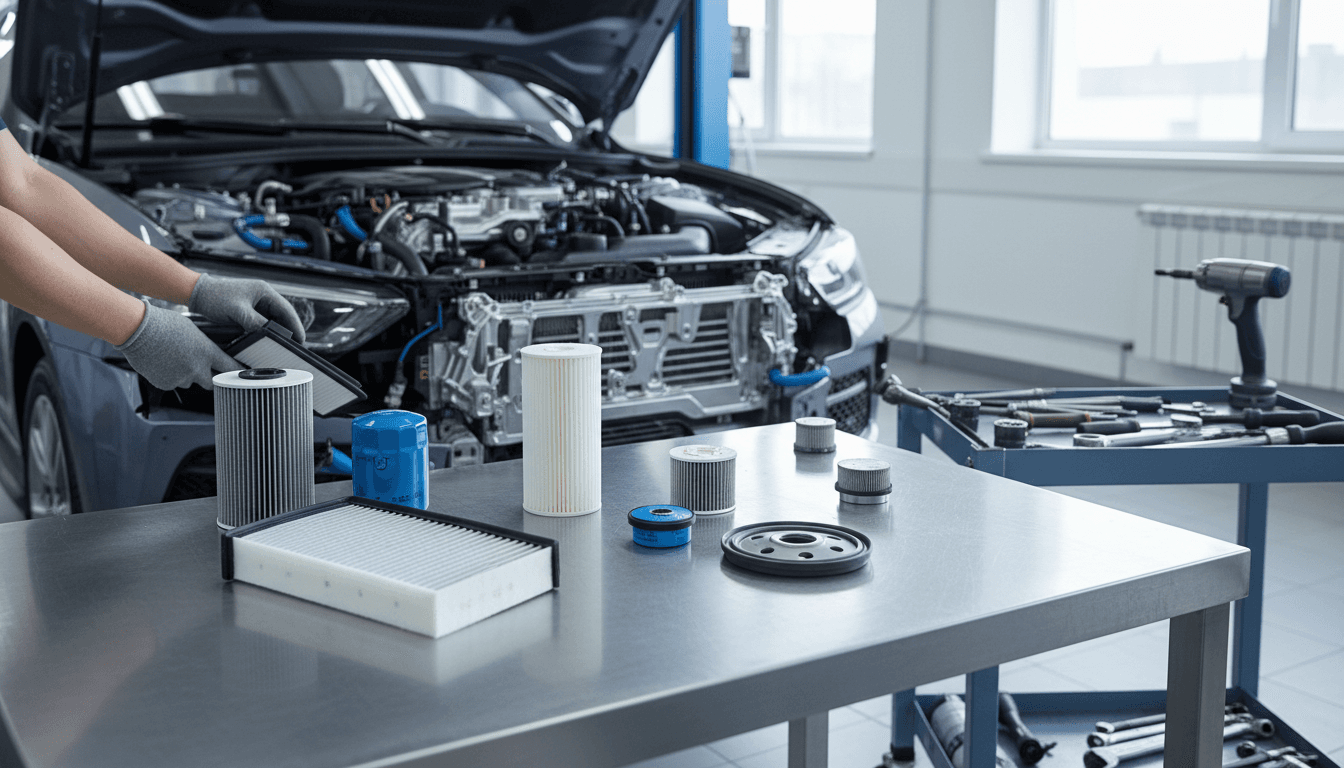
A cabin filter, sometimes referred to as a pollen filter, is a pleated paper or fibre filter typically installed in the air intake system of a vehicle's HVAC system. Its primary function is to prevent airborne contaminants from entering the cabin, ensuring that the air circulated for heating, cooling, or ventilation is as clean as possible. These filters are strategically placed to capture particles before they reach the blower motor and evaporator core, thus protecting both the occupants and the HVAC components.
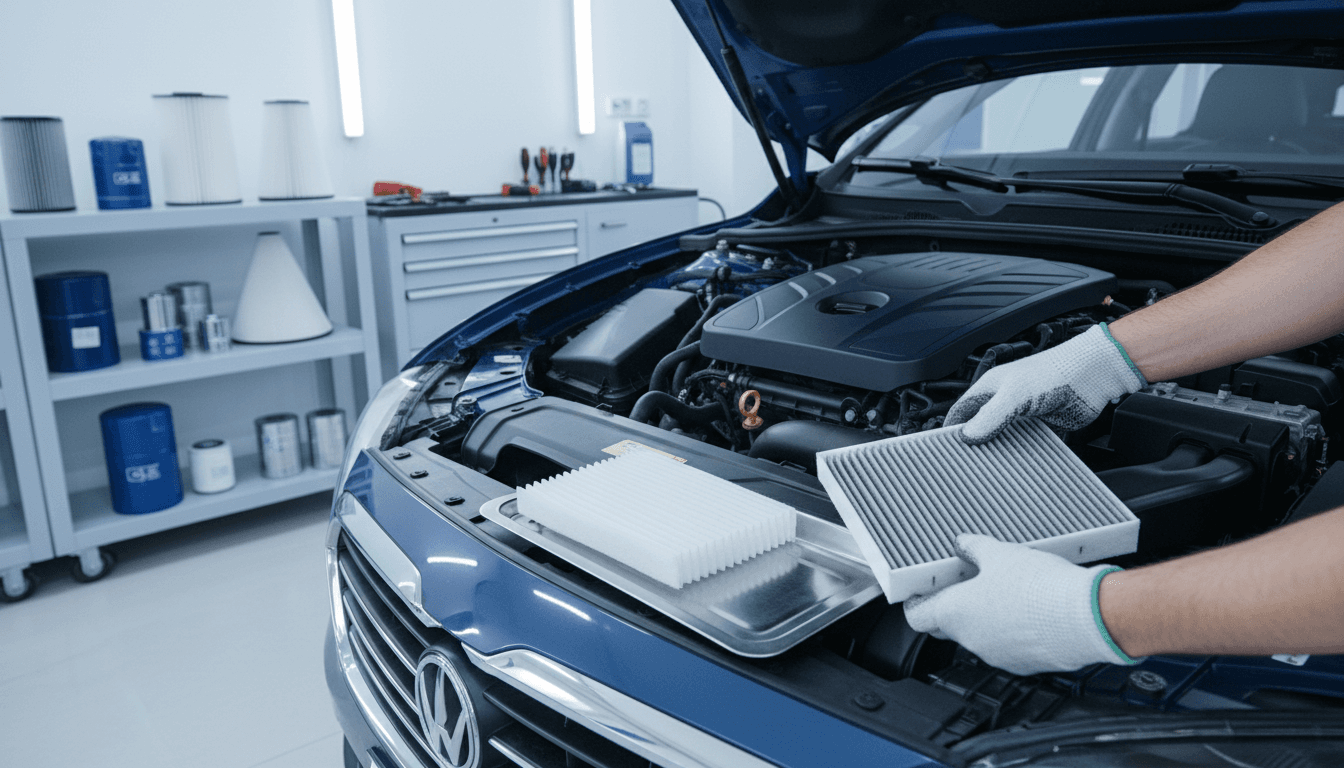
While often located behind the glove compartment in passenger cars, their placement can vary significantly across different vehicle models and types of machinery. In some vehicles, they might be found under the bonnet, near the firewall, or even under the dashboard, making their access and replacement more involved depending on the design.
Types of Cabin Filters
Not all cabin filters are created equal. Different types offer varying levels of protection, designed to cater to specific needs and environmental conditions.
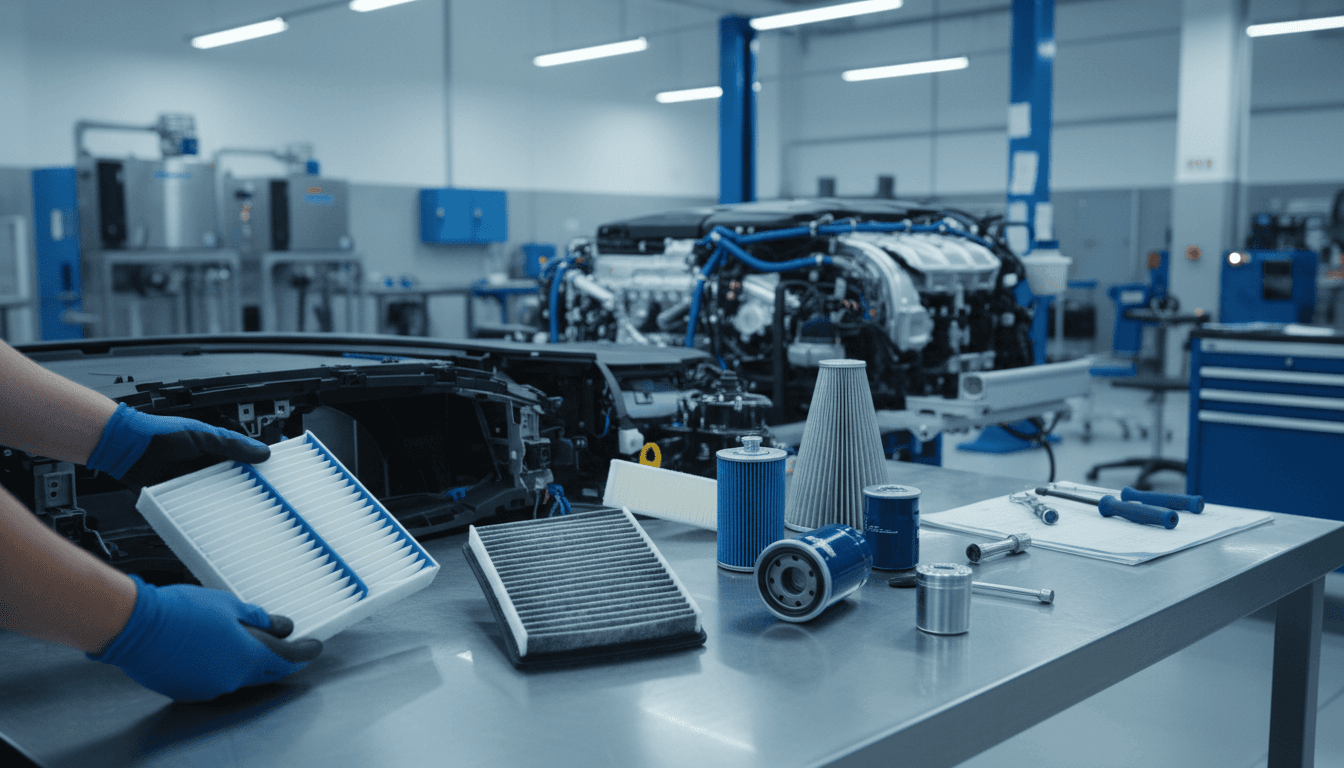
- Particulate Cabin Filters (Standard Pollen Filters): These are the most common type. They are designed to trap larger particles such as dust, pollen, leaves, and insect fragments. Constructed from synthetic fibres, they provide a physical barrier against airborne particulate matter, effectively reducing allergens and improving air quality for those susceptible to seasonal allergies.
- Activated Carbon Cabin Filters (Odour Filters): Also known as activated charcoal filters, these advanced filters incorporate a layer of activated carbon in addition to the particulate filtration media. The activated carbon possesses a highly porous structure that can absorb gases and odours through a process called adsorption. This makes them highly effective at neutralising exhaust fumes, industrial pollutants, unpleasant smells from surrounding environments, and even some harmful gases like ozone and nitrogen oxides. They are particularly beneficial for urban drivers or those operating in areas with high air pollution.
- Combination Cabin Filters: These filters combine the benefits of both particulate and activated carbon filters. They are designed to trap solid particles and simultaneously absorb gaseous pollutants and odours, offering comprehensive protection against a wide spectrum of airborne contaminants. Many premium and modern vehicles come equipped with combination filters as standard, reflecting a growing emphasis on occupant health and comfort.
The Critical Role of Cabin Filters in Your Vehicle
The impact of a clean cabin filter extends far beyond simply keeping dust out. It is a cornerstone of occupant health, driving comfort, and vehicle system longevity.
Protecting Your Health
The air outside your vehicle can be laden with numerous harmful substances that, without proper filtration, make their way into the cabin. A functional cabin filter significantly mitigates these risks.
- Allergens: Pollen, dust mites, mould spores, and other microscopic allergens are ubiquitous. For individuals suffering from allergies or asthma, exposure to these can trigger severe reactions, including sneezing, coughing, watery eyes, and respiratory distress. A cabin filter acts as a barrier, trapping these allergens before they can circulate in the cabin air.
- Harmful Particles: Road dust, soot from diesel engines, tyre particles, and industrial emissions contain fine particulate matter (PM2.5 and PM10) which can penetrate deep into the respiratory system, causing long-term health issues. Activated carbon filters also capture certain harmful gases that contribute to respiratory problems and other illnesses.
- Reduced Fatigue: Breathing stale or polluted air can lead to fatigue, headaches, and reduced concentration, especially on long journeys. Clean, fresh air helps maintain alertness and focus, contributing to safer driving.
Enhancing Driving Comfort
Beyond health benefits, a clean cabin filter directly contributes to a more pleasant and comfortable driving experience.
- Odour Reduction: Activated carbon filters are particularly effective at neutralising unpleasant odours from traffic, agricultural activities, industrial zones, or even stale interior smells, ensuring the air inside remains fresh.
- Clearer Visibility: By reducing the amount of dust and particulate matter entering the cabin, filters help keep interior surfaces, including the dashboard and windscreen, cleaner. This not only improves aesthetics but also reduces potential distractions from dust accumulation on critical viewing areas.
- Improved Air Conditioning Efficiency: A clean filter allows for unobstructed airflow through the HVAC system. This means your air conditioning and heating systems don't have to work as hard to maintain desired temperatures, leading to quicker cooling/heating and potentially better fuel efficiency in the long run by reducing strain on the compressor.
Maintaining Your Vehicle's HVAC System
The cabin filter isn't just about protecting you; it also protects your vehicle's critical components.
- Preventing Debris Buildup: Without a filter, leaves, insects, dust, and other debris can directly enter the HVAC system. This can clog the evaporator core, reduce its cooling efficiency, and even damage the blower motor fan.
- Extended Lifespan of Components: By keeping debris and excessive moisture out, the cabin filter helps prolong the life of expensive HVAC components, preventing costly repairs and ensuring the system operates optimally for longer.
Applications Across Industries
The need for clean cabin air is universal, extending far beyond the typical passenger car. Filtry.org understands the diverse requirements across various sectors, providing filtration solutions for a wide range of vehicles and machinery.
Passenger Cars
For everyday commuters and families, the cabin filter is essential for creating a healthy and comfortable environment. Urban driving exposes occupants to high levels of exhaust fumes, soot, and city dust, while rural driving can introduce significant amounts of pollen and agricultural particulate matter. Regular replacement ensures occupants breathe clean air, mitigating allergy symptoms and reducing exposure to harmful pollutants. For example, keeping the cabin air clean in popular models like those from BMW is crucial, and Filtry.org offers a dedicated selection of BMW cabin filters to meet these specific needs.
Trucks and Commercial Vehicles
Truck drivers spend extensive periods on the road, often in diverse and challenging environments, from highways to construction sites. A reliable cabin filter is critical for their health and comfort, reducing exposure to diesel particulate matter, road dust, and pollutants during long hauls. Clean air in the cabin helps combat driver fatigue and maintains alertness, contributing to road safety.
Construction Machinery
Operating excavators, bulldozers, and other heavy equipment on construction sites involves working in extremely dusty conditions. Construction machinery operators are constantly exposed to high concentrations of particulate matter, silica dust, and other airborne contaminants. High-performance cabin filters are indispensable here, protecting operators' respiratory health and ensuring the HVAC system can maintain comfortable temperatures and clear visibility in demanding environments.
Agricultural Equipment
Farmers and agricultural workers often operate tractors, harvesters, and sprayers in environments rich in pollen, dust from fields, mould spores, and potentially even chemical residues from fertilisers or pesticides. Robust cabin filters designed for agricultural equipment play a crucial role in safeguarding operators from these airborne irritants and potentially harmful substances, ensuring a safer and more productive workday.
Industrial Machines
In various industrial settings, from factories to mining operations, machine operators can be exposed to unique airborne contaminants, including fine dusts, fibres, and chemical vapours. Specialised cabin filters are vital for these industrial machines, providing necessary protection for operators working in potentially hazardous atmospheres, ensuring compliance with health and safety standards, and preserving the internal air quality of sensitive control cabins.
When to Replace Your Cabin Filter: Signs and Schedules
Knowing when to replace your cabin filter is crucial for maintaining its effectiveness. Ignoring a clogged filter can negate all its benefits and even lead to new problems.
Manufacturer Recommendations
The most reliable guide for cabin filter replacement is your vehicle or machinery manufacturer's service schedule. This can typically be found in your owner's manual. While recommendations vary, a common guideline for passenger cars is to replace the cabin filter every 15,000 to 30,000 kilometres or once a year, whichever comes first. However, environmental factors play a significant role. If you frequently drive in dusty, polluted, or rural areas with high pollen counts, you may need to replace it more frequently.
Signs of a Clogged Cabin Filter
Your vehicle will often give you clear indications when its cabin filter is struggling. Paying attention to these signs can help you prevent further issues.
- Reduced Airflow from Vents: This is one of the most common indicators. If you notice that the air coming from your HVAC vents is weaker than usual, even on high fan settings, it's often due to a filter clogged with debris restricting airflow.
- Unpleasant Odours in the Cabin: A musty or stale smell, or an inability to filter out external odours like exhaust fumes, suggests that the filter is saturated. Particulate filters don't absorb odours, so if odours persist with an activated carbon filter, it's time for a change.
- Increased Noise from the Blower Motor: When the filter is clogged, the blower motor has to work harder to push air through, leading to a noticeable increase in fan noise.
- Excessive Dust Accumulation on Interior Surfaces: If you find yourself frequently wiping dust from your dashboard and other interior surfaces, it could be a sign that the filter is no longer effectively trapping particles.
- Worsening Allergy Symptoms: If you or your passengers experience increased sneezing, coughing, or itchy eyes while in the vehicle, particularly during allergy season, a clogged filter might be failing to protect against allergens.
- Persistent Window Fogging: A clogged filter can restrict proper dehumidification and airflow, leading to increased moisture buildup and persistent fogging on the inside of your windows, especially in humid or cold conditions.
Choosing the Right Cabin Filter for Your Needs
With so many options available, selecting the correct cabin filter can seem daunting. However, focusing on a few key factors will ensure you make the best choice.
Compatibility
The most critical factor is ensuring the filter is compatible with your specific vehicle or machine. Cabin filters are not universal. You'll need to know your vehicle's make, model, year, and often the engine type. This information ensures the filter has the correct dimensions, shape, and mounting points to fit perfectly into the filter housing. Using an incorrect filter can lead to poor sealing, allowing unfiltered air to bypass, or simply not fitting at all.
Filter Type
As discussed, cabin filters come in different types, each offering varying levels of protection. Consider your driving conditions and personal needs:
- Standard Particulate Filter: Suitable for drivers primarily concerned with dust and pollen, especially if you don't encounter heavy pollution or strong odours frequently.
- Activated Carbon Filter: Highly recommended for city drivers, individuals sensitive to odours, or those living/working in areas with significant air pollution, industrial fumes, or agricultural smells. They provide superior protection against gases and unpleasant smells.
- Combination Filter: Offers the best of both worlds, trapping both particulates and odours/gases. An excellent all-around choice for comprehensive air quality improvement.
Quality and Certification
Always opt for high-quality filters from reputable distributors. Filters from reliable sources ensure consistent filtration performance, durable construction, and proper fitment. While Filtry.org does not specify filter brands, we source our extensive range of cabin filters from leading manufacturers, guaranteeing that you receive products that meet or exceed original equipment (OE) standards for efficiency and longevity. Investing in a quality filter protects your health and your vehicle's HVAC system more effectively in the long run.
Cabin Filter Replacement: A Practical Guide
Replacing a cabin filter is often a straightforward maintenance task that many drivers can perform themselves. However, accessibility can vary significantly between vehicle models.
DIY vs. Professional Installation
- DIY Installation: For many passenger cars, the cabin filter is located behind the glove compartment and can be replaced with minimal tools, often just a screwdriver. If you're comfortable with basic vehicle maintenance and can easily access the filter housing, performing the replacement yourself can save on labour costs. Always consult your vehicle's owner's manual or a reliable online guide for specific instructions tailored to your make and model.
- Professional Installation: In some vehicles, the cabin filter might be located in a less accessible spot, requiring removal of dashboard components or working in confined spaces. If you're unsure, lack the necessary tools, or find the process complicated, it's always best to have a qualified mechanic or service technician perform the replacement. They have the expertise and tools to ensure the job is done correctly without damaging other components.
General Steps for Replacement (for accessible filters):
- Locate the Filter: Common locations include behind the glove box, under the dashboard on the passenger side, or sometimes under the bonnet near the windscreen cowl.
- Access the Filter Housing: This typically involves opening the glove box and unhooking it or removing a panel. Refer to your vehicle's manual for precise instructions.
- Remove the Old Filter: Carefully slide out the old cabin filter. Pay close attention to its orientation (usually indicated by an airflow arrow) as you remove it. Note how dirty it is – this can be a good indicator of your driving environment and how often you might need to change it.
- Clean the Housing: Before installing the new filter, it's a good practice to wipe any dust or debris from the filter housing to ensure a clean seal.
- Install the New Filter: Insert the new filter, ensuring it is oriented correctly with the airflow arrow pointing in the direction of the air moving into the cabin (usually towards the rear of the vehicle). Ensure it sits snugly within the housing to prevent air bypass.
- Reassemble: Reattach any panels or re-secure the glove box, ensuring all clips and screws are correctly fastened.
Beyond Cabin Filters: The Importance of a Complete Filtration System
While the cabin filter is vital for the air you breathe, it's just one part of a comprehensive filtration system designed to protect various aspects of your vehicle. For optimal performance, longevity, and efficiency, all your vehicle's filters require regular attention.
Synergy with Other Essential Filters
Understanding and maintaining all filters contributes to the overall health of your vehicle:
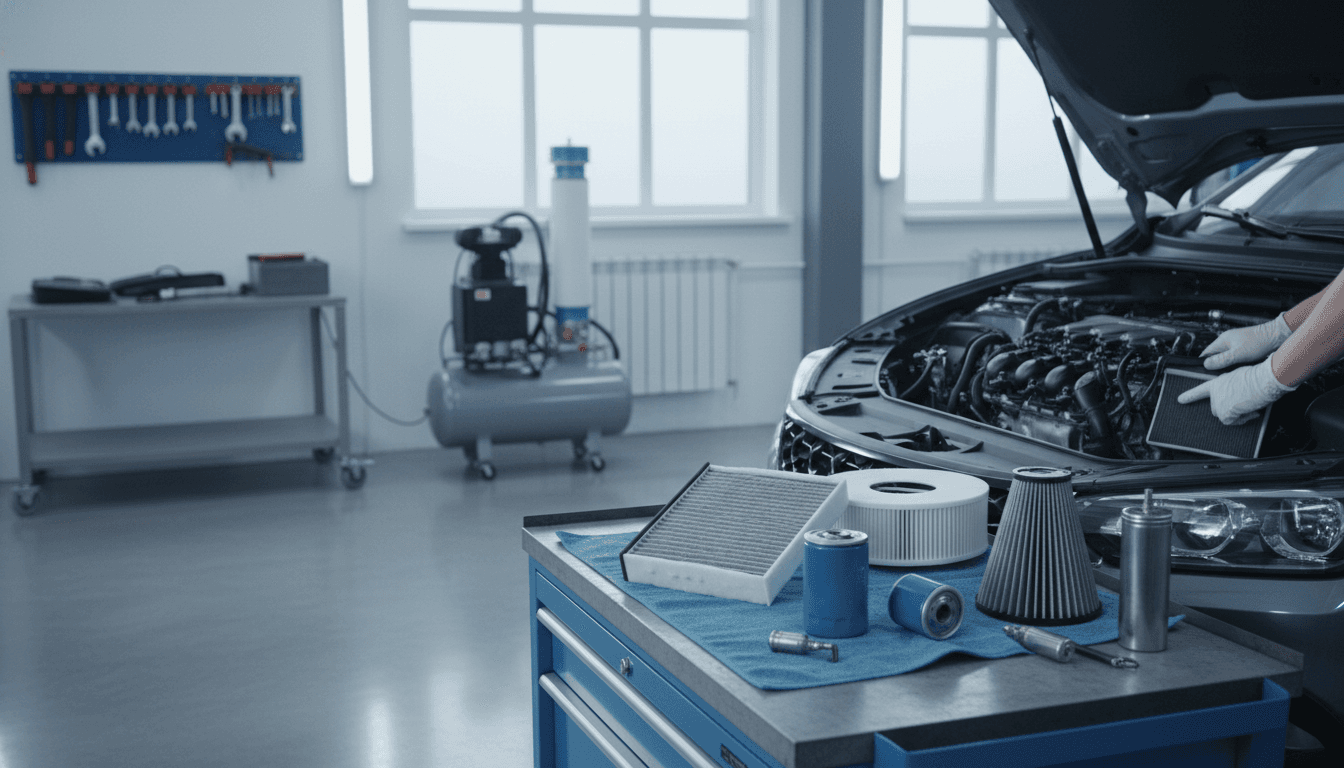
- Engine Air Filters: Just as important as the cabin filter, engine air filters protect your engine by preventing dust, dirt, and debris from entering the combustion chamber. A clean engine air filter ensures optimal air-fuel mixture, leading to better engine performance, fuel efficiency, and reduced emissions.
- Fuel Filters: These filters are critical for removing contaminants like dirt, rust, and debris from your fuel before it reaches the engine's fuel injectors or carburettor. A clean fuel filter prevents clogging, protects sensitive fuel system components, and ensures consistent fuel delivery for smooth engine operation.
- Oil Filters: The oil filter plays a crucial role in removing harmful contaminants from your engine oil, such as metal particles, soot, and unburnt fuel residue. A high-quality oil filter ensures that clean oil circulates, lubricating engine parts effectively, reducing wear and tear, and extending engine life.
Regular maintenance and timely replacement of all these filters, sourced from a reliable distributor like Filtry.org, ensure that your vehicle operates at its peak, providing you with both comfort and peace of mind.
Conclusion: Prioritise Your Air, Prioritise Your Health
The cabin filter, though small and often out of sight, is an indispensable component of any modern vehicle or piece of machinery. It acts as a silent guardian, diligently working to protect your health from the myriad of airborne pollutants and allergens that threaten to invade your personal space. From enhancing driving comfort and mitigating allergy symptoms to safeguarding your vehicle's HVAC system, its benefits are extensive and profound.
Understanding its function, knowing when to replace it, and choosing the correct type of cabin filter for your specific needs are crucial steps in maintaining a healthy and comfortable cabin environment. Whether you're a daily commuter, a professional driver, or an operator of heavy equipment, prioritising the quality of the air you breathe within your cabin is an investment in your well-being, concentration, and ultimately, your safety.
At Filtry.org, we pride ourselves on being a leading distributor of automotive and industrial filters, offering over 300,000 products from a wide array of manufacturers. Our specialisation in air filters, oil filters, fuel filters, cabin filters, and hydraulic filters ensures that whether you drive a passenger car, operate a truck, or manage construction and agricultural machinery, we have the precise filtration solution for you. We deliver across Europe, including the UK, Germany, and Poland, making it easy to access the filters you need to maintain clean air and optimal performance. Don't compromise on your health or your vehicle's integrity – ensure your cabin filter is always in top condition. Explore our comprehensive selection today and breathe easier on every journey.
Share