The Essential Guide to Cabin Filters: Protecting Your Vehicle's Air
Introduction: Breathe Easier with a Clean Cabin Filter
In today's vehicles, comfort and safety are paramount. While many focus on engine performance and braking efficiency, an often-overlooked component plays a critical role in the health and well-being of occupants: the cabin filter. This vital component acts as your vehicle's respiratory system, meticulously cleaning the air that enters the passenger compartment. Whether you're driving a passenger car, a heavy-duty truck, or operating complex construction or agricultural machinery, the quality of the air you breathe inside your cabin directly impacts your concentration, comfort, and long-term health. At Filtry.org, we understand the importance of clean air, which is why we offer an extensive range of high-quality automotive and industrial filters, including over 300,000 products from leading manufacturers, delivered across Europe.
This comprehensive guide will delve into the world of cabin filters, exploring their applications, how to select the right one, when and how to replace them, and the significant benefits they provide. From filtering out common allergens and dust to combating exhaust fumes and industrial pollutants, a well-maintained cabin filter is an indispensable part of your vehicle's maintenance regime.
What is a Cabin Filter and Why is it Essential?
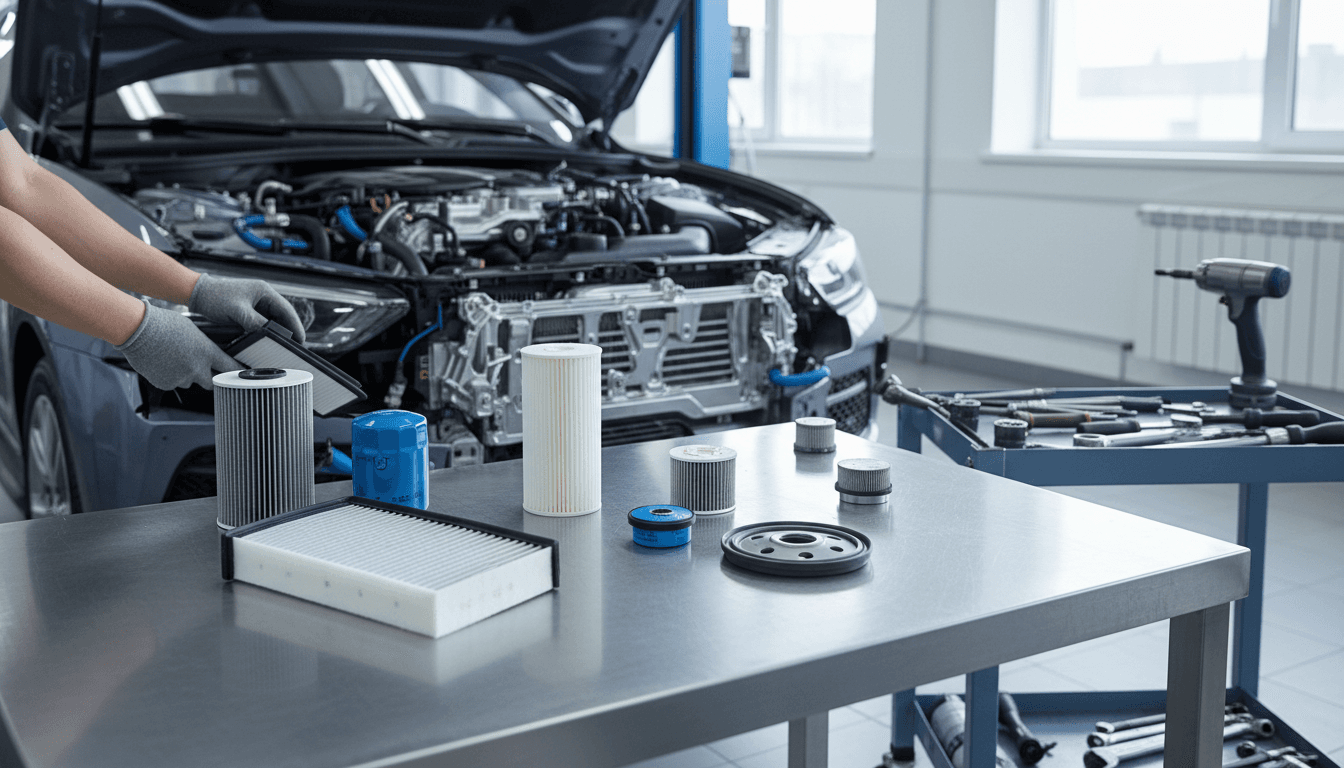
A cabin filter, sometimes referred to as a pollen filter or a passenger compartment air filter, is a fibrous filter media installed in the ventilation system of a vehicle. Its primary function is to trap airborne particles and pollutants before they can enter the vehicle's interior through the heating, ventilation, and air conditioning (HVAC) system.
The Mechanism of Air Purification
As external air is drawn into the vehicle's HVAC system, it first passes through the cabin filter. The filter media is designed with microscopic pores and electrostatic properties to capture a wide array of contaminants. These can include:
- Dust and dirt particles
- Pollen and other allergens
- Soot and other combustion by-products
- Industrial pollutants and fine particulate matter
- Unpleasant odours (especially with activated carbon variants)
- Bacteria and mould spores
By preventing these substances from circulating within the cabin, the filter ensures that drivers, passengers, and operators breathe cleaner, fresher air. This is particularly crucial for individuals suffering from allergies, asthma, or other respiratory conditions, as it significantly reduces their exposure to irritants.
Impact on Health and Comfort
The health benefits of a clean cabin filter extend beyond allergy relief. Prolonged exposure to poor air quality can lead to symptoms such as:
- Headaches and fatigue
- Irritated eyes, nose, and throat
- Reduced concentration and impaired driving performance
- Exacerbation of respiratory illnesses
By maintaining a clean cabin environment, drivers and operators can experience improved comfort, alertness, and overall well-being, especially during long journeys or shifts in challenging environments.
Distinction from Engine Air Filter
It's important to differentiate the cabin filter from the engine's air filter. While both filter air, they serve distinct purposes. The engine air filter protects the engine from contaminants that could damage internal components and impair combustion. The cabin filter, on the other hand, is solely dedicated to purifying the air within the passenger compartment for occupant health and comfort. Both are critical for different aspects of vehicle function and maintenance.
Types of Cabin Filters: Understanding Your Options
The market offers various types of cabin filters, each designed to provide different levels of protection. Understanding these differences can help you choose the best filter for your specific needs and driving conditions.
Standard Particle Filters (Pollen Filters)
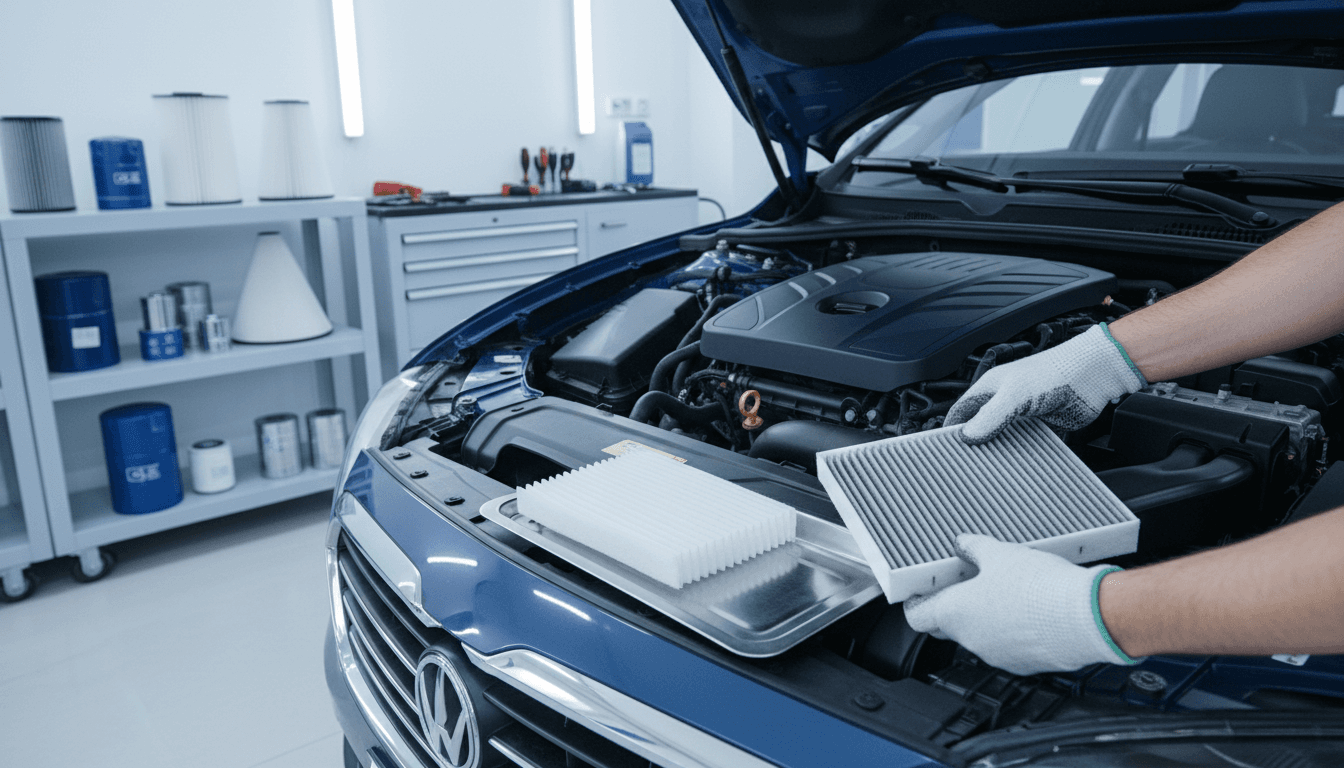
These are the most basic and common type of cabin filter. They consist of a non-woven, pleated synthetic fibre material designed primarily to capture:
- Dust
- Pollen
- Soot
- Fine particles
Standard particle filters are highly effective at preventing solid particles from entering the cabin, making them a good choice for general driving conditions and for individuals primarily concerned with allergies to pollen and dust. They improve air quality by removing visible and many microscopic irritants, reducing the incidence of allergy symptoms and keeping the interior cleaner.
Activated Carbon Filters (Combination Filters)
Also known as combination filters, these advanced cabin filters incorporate a layer of activated carbon in addition to the particulate filter media. The activated carbon layer is highly porous and works through a process called adsorption, meaning it traps gas molecules on its surface. This makes activated carbon filters particularly effective against:
- Unpleasant odours (e.g., exhaust fumes, industrial smells, agricultural odours)
- Harmful gases (e.g., ozone, nitrogen oxides, sulphur dioxide, hydrocarbons)
For drivers and operators frequently exposed to urban traffic, industrial areas, or agricultural environments where strong odours and gaseous pollutants are prevalent, an activated carbon filter offers a significant upgrade in air quality and comfort. It not only removes solid particles but also neutralises noxious gases, providing a much fresher cabin environment.
Allergen/Biofunctional Filters
These represent the cutting edge of cabin filter technology, offering enhanced protection for highly sensitive individuals. Allergen or biofunctional filters combine the capabilities of particle and activated carbon filters with additional features, such as:
- Antimicrobial coating: Many of these filters feature a special coating (e.g., polyphenol layer) that can trap allergens and prevent the growth of bacteria and mould spores on the filter surface.
- Smaller particle filtration: They are often designed to capture even finer particulate matter, including ultra-fine dust and nanoparticles.
These advanced filters are ideal for individuals with severe allergies, asthma, or those who simply desire the highest possible level of air purity within their vehicle. They provide a healthier environment by actively neutralising biological contaminants and significantly reducing exposure to a broader spectrum of irritants.
Comparison: Choosing the Right Filter Type
When selecting a cabin filter, consider the following:
- Environment: If you drive mostly in rural areas with little traffic, a standard particle filter might suffice. For urban commuters or those in industrial/agricultural settings, an activated carbon or allergen filter is highly recommended.
- Health Needs: Individuals with allergies, asthma, or respiratory sensitivities will benefit most from activated carbon or allergen filters due to their superior filtration of pollen, fine particles, and harmful gases.
- Budget: Standard particle filters are generally the most affordable, while activated carbon and allergen filters represent a greater investment but offer enhanced protection and comfort.
Applications of Cabin Filters: Beyond Passenger Cars
While often associated with passenger cars, the importance of cabin filters extends to a wide array of vehicles and machinery across various sectors. The need for clean air is universal for anyone spending significant time in a vehicle cabin.
Passenger Cars
For the everyday driver, families, and commuters, cabin filters are crucial. They protect against common urban pollutants like exhaust fumes, industrial smog, and road dust. During allergy seasons, they provide a vital shield against pollen, making journeys more comfortable and reducing the risk of allergy-induced driving impairments such as sneezing fits or watery eyes.
Trucks
Long-haul truck drivers spend countless hours on the road, often traversing diverse environments from bustling city centres to remote industrial zones. Their exposure to vehicle emissions, construction dust, and various industrial airborne contaminants is significant. A high-quality cabin filter in a truck is not just a comfort feature but a critical health and safety component, helping to maintain driver alertness and reduce long-term health risks.
Construction Machinery
Operators of excavators, loaders, bulldozers, and other construction equipment work in incredibly dusty and often hazardous environments. Construction sites are replete with silica dust, diesel particulate matter, and other fine airborne particles. Cabin filters for construction machinery are robustly designed to withstand extreme conditions, providing operators with a much-needed clean air haven to protect their respiratory health and ensure optimal concentration for safe operation.
Agricultural Equipment
Tractors, combine harvesters, and other farm machinery are constantly exposed to dust from fields, pollen from crops, mould spores, and sometimes even chemical aerosols from fertilisers or pesticides. For agricultural operators, a reliable cabin filter is indispensable. It protects against allergens that can cause discomfort and distraction during crucial farming periods, and safeguards against potential exposure to harmful agricultural chemicals, contributing to better long-term health outcomes.
Industrial Machines
In various industrial settings, operators of forklifts, cranes, and other specialised machinery can be exposed to a unique cocktail of airborne contaminants, including metal dust, chemical vapours, and manufacturing by-products. Industrial cabin filters are often tailored to handle specific types of pollutants prevalent in these environments, ensuring that operators can perform their duties in a safer, more controlled atmosphere, aligning with occupational health and safety standards.
Filtry.org supplies a vast selection of cabin filters suitable for this diverse range of applications, ensuring that no matter the vehicle or machine, its occupants can benefit from cleaner cabin air.
When to Replace Your Cabin Filter: Signs and Intervals
Understanding when to replace your cabin filter is crucial for maintaining optimal air quality and the efficiency of your vehicle's HVAC system. While general guidelines exist, several factors can influence the ideal replacement schedule.
Manufacturer Recommendations
Most vehicle manufacturers recommend replacing the cabin filter every 15,000 to 30,000 kilometres or once a year, whichever comes first. This recommendation serves as a good baseline for regular maintenance. However, this is a general guideline, and actual replacement frequency may vary.
Environmental Factors
The conditions in which your vehicle operates have a significant impact on how quickly the cabin filter becomes saturated with contaminants. Consider the following:
- Dusty Roads: Frequent driving on unpaved roads, construction sites, or agricultural land will cause the filter to clog much faster.
- Urban Pollution: Vehicles regularly exposed to heavy city traffic, exhaust fumes, and industrial emissions will accumulate pollutants more rapidly.
- Allergy Season: During spring and summer, high pollen counts can quickly overwhelm a cabin filter, making more frequent changes necessary for allergy sufferers.
- Smoke and Vapours: Exposure to smoke, strong odours, or chemical vapours can also reduce the filter's effectiveness and lifespan.
Signs of a Clogged Cabin Filter
Your vehicle will often provide clear indicators that the cabin filter is due for replacement. Pay attention to these common signs:
- Reduced Airflow: A noticeable decrease in the strength of air coming from your vents, even when the fan is on high, indicates a restriction.
- Foul or Stale Odours: A dirty filter can harbour mould and bacteria, leading to musty, damp, or unpleasant smells circulating in the cabin. If you notice persistent odours that don't dissipate, it's a strong sign.
- Increased Allergy Symptoms: If you experience more sneezing, coughing, or eye irritation while in your vehicle, especially during allergy season, your filter might no longer be effectively trapping allergens.
- Poor Defrosting/Defogging: A clogged filter can restrict airflow to the windscreen, making it harder to clear condensation and fog, which can impair visibility and safety.
- Whistling or Hissing Noises: Restricted airflow can sometimes cause the fan motor to work harder, leading to unusual noises from the HVAC system.
- Visible Dirt: In some vehicles, the cabin filter is accessible for inspection. If you remove it and see a significant build-up of leaves, dirt, or dark discolouration, it's time for a change.
The Importance of Timely Replacement
Delaying cabin filter replacement has several negative consequences:
- Compromised Health: You and your passengers will be breathing air contaminated with dust, allergens, and pollutants, potentially leading to respiratory issues and discomfort.
- HVAC System Strain: A clogged filter forces your HVAC fan motor to work harder, reducing its lifespan and potentially leading to costly repairs.
- Reduced Efficiency: The heating and air conditioning system will struggle to maintain desired temperatures and clear windows, wasting fuel and energy.
Regular checks and timely replacement ensure your vehicle's interior air remains clean, your HVAC system operates efficiently, and you maintain a comfortable and healthy driving environment.
How to Choose the Right Cabin Filter for Your Vehicle
Selecting the correct cabin filter is not a 'one size fits all' scenario. It requires attention to detail to ensure proper fitment and optimal performance for your specific vehicle and needs.
Vehicle Compatibility: Make, Model, and Year
The most crucial factor in choosing a cabin filter is ensuring it's compatible with your specific vehicle. Filters vary significantly in size, shape, and design depending on the car's make, model, and year of manufacture. An incorrectly sized filter will either not fit or will leave gaps, allowing unfiltered air to bypass the media.
To find the correct filter, you'll typically need:
- Vehicle Make: (e.g., Ford, Mercedes-Benz, BMW)
- Vehicle Model: (e.g., Focus, C-Class, 3 Series)
- Year of Manufacture: (e.g., 2018)
- Engine Type (sometimes): (e.g., 1.6L Petrol, 2.0L Diesel)
Many online filter search tools, like those on Filtry.org, allow you to input this information to quickly identify compatible parts. For instance, if you own a BMW, searching for BMW cabin filters specifically will streamline your selection process.
Filter Type Selection: Matching Your Needs
Once compatibility is established, consider the type of filter that best suits your driving conditions and personal preferences:
- Standard Particle Filter: Ideal for general use in areas with moderate pollution and for those on a budget. Effective against dust and pollen.
- Activated Carbon Filter: Recommended for drivers in urban areas with high traffic, industrial zones, or agricultural environments where odours and harmful gases are prevalent. Provides enhanced comfort by neutralising smells.
- Allergen/Biofunctional Filter: The best choice for individuals with severe allergies, asthma, or those who desire the highest level of air purity. Offers superior protection against ultra-fine particles, allergens, bacteria, and mould.
Think about your daily commute, any existing health conditions, and how much you value comprehensive air purification when making this decision.
Quality Considerations
While generic filters might be cheaper upfront, investing in a high-quality cabin filter from a reputable distributor like Filtry.org offers long-term benefits:
- Superior Filtration Efficiency: Quality filters use advanced media designed to capture a broader range of particles and gases more effectively.
- Durability: They are often constructed with more robust materials, ensuring they maintain their structural integrity and filtration capacity for longer.
- Optimal Fit: Reputable manufacturers ensure precise dimensions for a perfect, airtight fit, preventing air bypass.
Always prioritise quality to ensure genuine protection for your health and your vehicle's HVAC system.
Consulting the Experts
If you are unsure about which cabin filter is right for your vehicle or have specific concerns about air quality, don't hesitate to consult with automotive service professionals or the filter experts at Filtry.org. We can provide tailored advice based on your vehicle specifications, driving habits, and personal health requirements.
Cabin Filter Replacement: A Practical Guide
Replacing a cabin filter is often a straightforward maintenance task that many drivers can perform themselves. However, the exact procedure varies significantly between vehicle models. Always refer to your vehicle's owner's manual for precise, model-specific instructions.
Locating the Cabin Filter
The cabin filter's location varies widely. Common places include:
- Behind the Glove Box: This is perhaps the most common location. Access often involves unlatching or unscrewing the glove box to reveal a filter housing cover.
- Under the Dashboard: Sometimes, the filter is located deeper behind the centre console or passenger footwell, requiring removal of trim panels.
- Under the Bonnet (Hood): In some older or larger vehicles, particularly trucks and construction machinery, the filter might be located in the engine bay, often near the firewall on the passenger side.
Consulting your vehicle's manual or an online tutorial for your specific model will save you time and prevent damage.
Step-by-Step Replacement Process (General)
While specifics differ, the general steps for replacing a cabin filter are:
- Safety First: Ensure the vehicle is switched off. If working under the bonnet, allow the engine to cool.
- Gather Tools: You might need a screwdriver (Phillips or Torx), a trim removal tool, or a small wrench, depending on access requirements.
- Access the Filter Housing:
- For glove box access: Empty the glove box. Look for clips or screws that hold it in place. You might need to gently pull it down or out.
- For under-dash access: Identify and carefully remove any trim panels covering the filter housing.
- For under-bonnet access: Locate the filter housing, which might be a plastic box with clips or screws.
- Remove the Filter Housing Cover: Unclip or unscrew the cover to expose the old filter.
- Note Airflow Direction: Before removing the old filter, observe the airflow indicator arrow (usually printed on the filter frame). This arrow typically points towards the rear of the vehicle or downwards, indicating the direction of air movement. It's critical to install the new filter with the arrow pointing in the same direction.
- Remove the Old Filter: Carefully slide out the old, dirty filter. Be prepared for accumulated dust and debris.
- Clean the Housing (Optional but Recommended): Use a vacuum cleaner or a damp cloth to remove any loose debris from the filter housing before installing the new filter.
- Install the New Filter: Slide the new cabin filter into the housing, ensuring the airflow arrow points in the correct direction. Make sure it seats properly and completely.
- Reassemble: Replace the filter housing cover, reattach any removed trim panels, and secure the glove box or other access points.
- Test the System: Start the vehicle and run the HVAC system on various settings (fan speeds, AC, heat) to ensure everything is working correctly and air is flowing freely.
Professional Installation vs. DIY
For most modern vehicles, especially passenger cars, cabin filter replacement is a manageable DIY task that can save on labour costs. However, if the filter is in a particularly difficult-to-access location, or if you're uncomfortable working with vehicle components, professional installation by a mechanic is a sensible option. For heavy machinery, due to the larger, more complex systems and potential for unique installation challenges, professional servicing is often recommended.
Maintaining Your Vehicle's HVAC System for Optimal Air Quality
Replacing the cabin filter is a crucial step, but a holistic approach to HVAC system maintenance will ensure the best possible air quality and system longevity.
Regular Inspections
Make it a habit to inspect your cabin filter periodically, especially if you drive in challenging conditions. While you might not replace it every time, a visual check can tell you a lot about its condition and the effectiveness of your last replacement. Look for:
- Excessive dirt and debris build-up
- Dark discolouration (indicating soot and pollution)
- Signs of moisture or mould growth
- Deformation or damage to the filter media
Early detection of issues can prevent more significant problems and ensure timely replacement.
Air Conditioning Maintenance
The cabin filter works in conjunction with your vehicle's air conditioning system. Regular AC maintenance contributes to overall air quality:
- Re-gassing: Ensuring your AC system has sufficient refrigerant helps it cool effectively and prevents the system from overworking.
- Anti-bacterial Treatments: Over time, bacteria, fungi, and mould can grow within the AC evaporator, leading to unpleasant odours. Professional anti-bacterial treatments can cleanse the evaporator and ducting, eliminating these sources of contamination.
- Drainage Check: Ensure the AC drain hose is clear and not blocked. A blocked drain can cause water to pool, leading to mould growth within the system.
Cleanliness of Air Vents
Dust and debris can accumulate in the air vents themselves. Periodically clean the visible parts of your vents with a soft brush or a specialised vent cleaning tool. This prevents loose particles from being blown into the cabin, even after a new filter is installed.
Driving Habits for Better Air Quality
Your driving habits can also influence the cabin air quality:
- Recirculation Mode: When driving through heavily polluted areas, such as tunnels, congested traffic, or industrial zones, briefly switch your HVAC system to recirculation mode. This closes the external air intake, preventing outside pollutants from entering, and only recirculates the air already filtered inside the cabin. Remember to switch back to fresh air mode when pollution levels decrease to ensure proper ventilation.
- Window Usage: In very dusty or polluted environments, keep windows closed to minimise the direct ingress of contaminants, allowing the cabin filter to do its job.
By combining regular cabin filter replacement with these maintenance practices, you can ensure a consistently clean, fresh, and healthy interior environment for all occupants.
The Long-Term Benefits of a Clean Cabin Filter
Investing in and consistently maintaining your cabin filter offers a multitude of long-term benefits that extend beyond immediate comfort. It's a small investment that yields significant returns for your health, your vehicle, and your overall driving experience.
Improved Air Quality and Health
This is arguably the most critical benefit. A clean cabin filter acts as a barrier against a wide spectrum of airborne contaminants. Over time, this consistent protection leads to:
- Reduced Allergy Symptoms: For allergy sufferers, consistent filtration means fewer sneezes, watery eyes, and respiratory discomfort, making daily drives far more pleasant.
- Lower Exposure to Pollutants: Less inhalation of fine particulate matter, soot, and harmful gases contributes to better long-term respiratory health and reduces the risk of related illnesses.
- Enhanced Concentration: Cleaner, fresher air helps maintain driver alertness and reduces fatigue, which is crucial for road safety.
- Protection from Biological Agents: Advanced filters, especially those with antimicrobial properties, help suppress mould and bacterial growth within the HVAC system, creating a healthier micro-environment.
Enhanced Comfort and Driving Experience
A properly functioning cabin filter contributes significantly to the overall comfort inside your vehicle:
- Odour Elimination: Activated carbon filters effectively neutralise unpleasant odours from outside, ensuring a more pleasant cabin atmosphere, whether you're passing a farm or stuck in traffic.
- Optimal HVAC Performance: Unrestricted airflow means your heating, ventilation, and air conditioning systems work more efficiently, reaching desired temperatures faster and maintaining them more effectively. This also aids in rapid windscreen defrosting and defogging.
- Cleaner Interior: By trapping dust and dirt, the filter helps to keep the interior surfaces of your car cleaner for longer, reducing the need for frequent dusting.
Extended HVAC System Life
A clogged cabin filter forces the HVAC fan motor to work harder to pull air through the restricted media. This increased strain can lead to:
- Premature Fan Motor Wear: Overworking the motor shortens its lifespan, potentially leading to expensive replacement costs.
- Reduced System Efficiency: The entire HVAC system becomes less efficient, requiring more energy to achieve the desired effect.
- Prevention of Contamination: By stopping dust and debris at the filter, it prevents these particles from accumulating on other sensitive HVAC components, such as the evaporator coil, which can impede its performance and foster mould growth.
By simply replacing your cabin filter as recommended, you are protecting the intricate and often expensive components of your vehicle's climate control system.
Better Resale Value
A well-maintained vehicle, including its interior air quality system, is more attractive to potential buyers. A clean, fresh-smelling cabin indicates that the vehicle has been cared for, which can positively impact its resale value.
Regular maintenance, including checking and replacing your cabin filter, is not just about keeping your vehicle running; it's about investing in your health, your comfort, and the longevity of your vehicle.
Conclusion: Prioritising Clean Air with Filtry.org
The cabin filter is far more than a simple component; it is your first line of defence against airborne pollutants, allergens, and unpleasant odours, directly impacting the health and comfort of everyone inside your vehicle or machine. From daily commutes in passenger cars to demanding shifts in heavy construction and agricultural equipment, the importance of a clean, efficient cabin filter cannot be overstated.
Understanding the different types of filters available, recognising the signs of wear, and adhering to a timely replacement schedule are crucial steps in maintaining optimal indoor air quality. Whether you opt for a standard particle filter, an advanced activated carbon filter, or a cutting-edge allergen filter, choosing the right product ensures you're breathing cleaner, fresher air on every journey.
At Filtry.org, we pride ourselves on being a leading distributor of automotive and industrial filters, offering over 300,000 products from a vast network of leading manufacturers. Our comprehensive selection of cabin filters caters to passenger cars, trucks, construction machinery, agricultural equipment, and industrial machines, with convenient delivery across Europe, including the UK, Germany, and Poland. Beyond cabin filters, we also provide essential components such as oil filters and many others to keep your entire fleet running smoothly.
Don't compromise on air quality. Explore our extensive range today and ensure your vehicle's cabin remains a sanctuary of clean air. Your health and comfort depend on it.
Share