Your Guide to Cabin Filters: Breathe Clean Air in Your Vehicle
The Unseen Guardian: Understanding Your Cabin Filter
In our increasingly polluted world, the air we breathe inside our vehicles can sometimes be more contaminated than the air outside. This is where the unsung hero of your vehicle's interior, the cabin filter, plays a crucial role. Also known as a filtr kabinowy or filtr pyłkowy, this essential component is designed to protect you, your passengers, and your vehicle's heating, ventilation, and air conditioning (HVAC) system from a myriad of airborne particles. From microscopic dust and harmful pollutants to common alergeny like pollen, a properly functioning cabin filter ensures a healthier and more comfortable driving experience.
At Filtry.org, a leading distributor of automotive and industrial filters, we understand the critical importance of maintaining optimal air quality. With over 300,000 products from leading manufacturers, we specialise in providing high-quality filters, including a comprehensive range of cabin filters, for passenger cars, trucks, construction machinery, agricultural equipment, and industrial machines. We deliver across Europe, including the UK, Germany, and Poland, ensuring you have access to the right filter, whenever you need it.
What is a Cabin Filter and Why is it Essential?
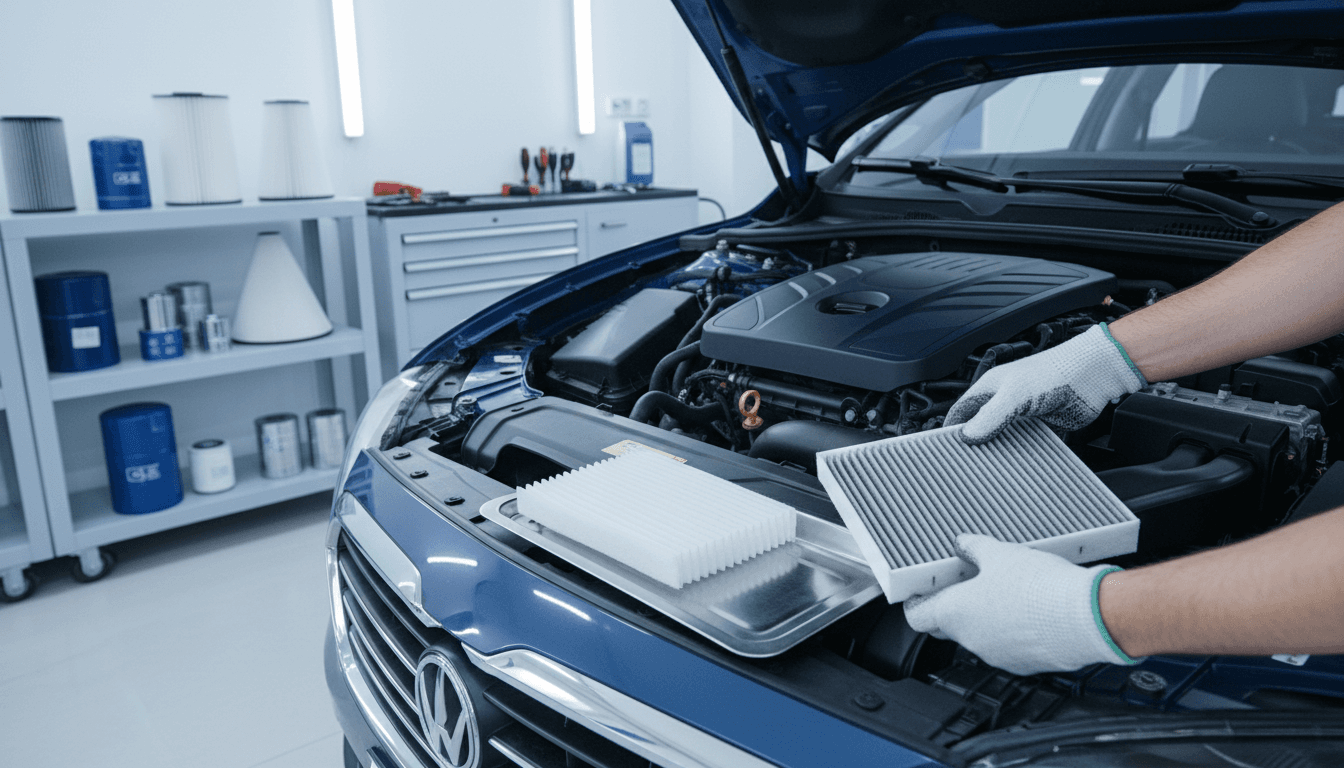
The cabin filter is an integral part of your vehicle's ventilation system, acting as a barrier between the outside environment and the air circulating within your vehicle's interior. As air is drawn into the HVAC system for heating, cooling, or ventilation, it first passes through the cabin filter. Here, various airborne contaminants are trapped, preventing them from entering the cabin.
The Role in Your Vehicle's HVAC System
Your vehicle's klimatyzacja (air conditioning) and heating system rely on a steady flow of clean air to function efficiently. A clean cabin filter allows unrestricted airflow, which is vital for effective climate control. A clogged filter, on the other hand, can significantly impede airflow, making your HVAC system work harder, consuming more fuel, and reducing its overall effectiveness.
Protecting Your Health and Well-being
The primary benefit of a cabin filter is safeguarding the health of vehicle occupants. Here’s how:
- Allergen and Pollen Protection: For individuals suffering from allergies or asthma, a cabin filter is indispensable. It traps pyłki and other alergeny, significantly reducing exposure and mitigating symptoms during allergy seasons.
- Dust and Particulate Matter Filtration: It prevents fine dust, soot, and other particulate matter from industrial emissions, brake dust, and tyre wear from entering the cabin, protecting your respiratory system.
- Harmful Gas and Odour Absorption: Advanced cabin filters, particularly those with activated carbon, can absorb noxious gases like ozone, nitrogen oxides, and sulphur dioxide, as well as unpleasant odours from traffic, exhaust fumes, and agricultural sprays.
Enhancing Driving Comfort and Safety
Beyond health, a clean cabin filter contributes to a more pleasant and safer driving experience:
- Improved Air Quality: Enjoy fresher, cleaner air inside your vehicle, making journeys more comfortable, especially on long trips or in heavily polluted areas.
- Clearer Visibility: By filtering out moisture and particles, a clean filter helps prevent window fogging, which can severely impair visibility, especially in humid or cold conditions.
- HVAC System Longevity: A clean filter protects the evaporator and other HVAC components from accumulating dirt and debris, potentially prolonging their lifespan and reducing costly repairs.
Types of Cabin Filters Available
Not all cabin filters are created equal. Different types offer varying levels of filtration and protection, designed to meet specific needs and environmental challenges.
Standard Particle Filters (Pollen Filters)
These are the most common type of cabin filters, primarily designed to block solid particles. They are typically made from a synthetic non-woven material that acts as a physical barrier. Their main function is to:
- Trap dust
- Filter out pyłki
- Block soot particles
- Prevent other general debris from entering the cabin
A standard particle filter is highly effective at preventing respiratory irritants like pollen from entering the vehicle, making it a crucial component for allergy sufferers.
Activated Carbon Filters
Also known as combination filters, these filters offer superior protection by combining the particulate filtration of a standard filter with an additional layer of activated carbon. Activated carbon is highly porous and works by adsorbing gases and odours. Key benefits include:
- Gas Adsorption: Effectively traps harmful exhaust gases, industrial fumes, and ozone.
- Odour Elimination: Significantly reduces unpleasant smells from traffic, agricultural activities, or road construction.
- Enhanced Filtration: Provides a broader spectrum of protection against both solid particles and gaseous contaminants.
For drivers frequently navigating urban environments with heavy traffic or industrial areas, an activated carbon filter is highly recommended.
Anti-Allergen/Antimicrobial Filters
These advanced filters represent the pinnacle of cabin air filtration. They build upon the capabilities of activated carbon filters by incorporating special coatings or layers that can neutralise allergens and inhibit the growth of bacteria and mould. Their features include:
- Allergen Neutralisation: Specific coatings can capture and neutralise allergens, providing an even greater level of relief for allergy sufferers.
- Antimicrobial Properties: Prevents the growth of bacteria and mould within the filter itself, which can otherwise contribute to musty odours and potential health issues.
- Finer Particle Filtration: Often designed to capture even smaller particulate matter than standard filters.
These filters are particularly beneficial for individuals with severe allergies, young children, or anyone seeking the highest possible level of interior air purity.
Applications: Who Needs a Cabin Filter?
While often associated with passenger cars, the cabin filter is a vital component across a wide array of vehicles and machinery, ensuring operator health and system longevity in diverse environments.
Passenger Cars
From daily commuters to families embarking on long road trips, passenger car drivers benefit immensely from clean cabin air. Exposure to urban pollution, rural dust, and seasonal pyłki makes a cabin filter a non-negotiable item for health and comfort. Regular replacement is key, especially in densely populated areas or for allergy sufferers.
Trucks
Truck drivers spend extensive hours on the road, often traversing varied and challenging environments. They are exposed to high levels of exhaust fumes, industrial pollutants, dust from construction sites, and agricultural aerosols. A robust cabin filter is essential for these operators to maintain alertness, protect their respiratory health, and ensure a more comfortable working environment over long hauls.
Construction Machinery
Operating excavators, bulldozers, loaders, and other heavy construction equipment often means working in extremely dusty, dirty, and sometimes hazardous conditions. Construction machinery operators face constant exposure to silica dust, diesel particulate matter, and other airborne irritants. A high-quality cabin filter protects the operator's lungs and keeps the cabin clean, improving visibility and reducing fatigue in demanding work settings.
Agricultural Equipment
Tractors, combine harvesters, and other agricultural machines operate in environments rich with pollen, crop dust, mould spores, and sometimes chemical sprays. For agricultural workers, a well-maintained cabin filter is crucial for preventing respiratory issues, allergic reactions, and ensuring a safe enclosed space during long hours in the field.
Industrial Machines
Industrial environments can expose machine operators to a unique combination of airborne contaminants, including fine metal dust, chemical vapours, welding fumes, and other manufacturing by-products. Depending on the specific industry, the need for a highly effective cabin filter, potentially one with activated carbon properties, is paramount to protect workers from occupational hazards and ensure a healthier work environment.
How to Choose the Right Cabin Filter
Selecting the correct cabin filter is crucial for its effectiveness and proper fit. Here's a guide to help you make an informed decision:
Vehicle Compatibility: The First Step
The most important factor is ensuring the filter is compatible with your specific vehicle. Filters are designed with precise dimensions and mounting mechanisms unique to different makes, models, and years. You will need to know:
- Your vehicle's make (e.g., BMW, Mercedes, Ford)
- Model (e.g., 3 Series, C-Class, Focus)
- Year of manufacture
- Sometimes, the engine type or chassis code
Referencing your vehicle's owner's manual or checking the existing filter for a part number are excellent ways to get accurate information. At Filtry.org, our extensive database makes it easy to find the exact cabin filters you need, whether it's a specific BMW cabin filter or for any other make and model.
Matching the Filter Type to Your Needs
Once compatibility is confirmed, consider the type of filter:
- Standard Particle Filter: Suitable for general driving conditions, primarily to block dust and pyłki. Cost-effective and provides good basic protection.
- Activated Carbon Filter: Recommended for drivers in urban areas, industrial zones, or those sensitive to odours and exhaust fumes. Offers superior protection against gases and smells.
- Anti-Allergen/Antimicrobial Filter: Ideal for individuals with severe allergies, asthma, or those desiring the highest level of air purity and defence against microorganisms.
Evaluate your typical driving environment and personal health considerations to choose the most appropriate filter type.
Quality and Manufacturer Standards
While Filtry.org does not mention specific brands, we ensure that all filters in our catalogue meet stringent quality and performance standards. Choosing a high-quality filter, regardless of the manufacturer, ensures:
- Effective Filtration: The filter media is dense enough to trap small particles without excessively restricting airflow.
- Durability: The filter holds its shape and integrity throughout its service life, even under varying temperature and humidity conditions.
- Exact Fit: Precision manufacturing ensures the filter fits perfectly into its housing, preventing air bypass.
Investing in a quality cabin filter contributes to better air quality and the overall efficiency of your HVAC system.
When to Replace Your Cabin Filter: Signs of Wear and Recommended Intervals
Timely replacement of your cabin filter is paramount for maintaining its effectiveness. Ignoring this simple maintenance task can lead to reduced air quality, decreased HVAC performance, and potential health issues.
Manufacturer Recommendations
Most vehicle manufacturers recommend replacing the cabin filter every 15,000 to 30,000 kilometres or at least once a year, whichever comes first. However, these are general guidelines, and the actual replacement frequency can vary significantly based on several factors.
Signs of a Clogged Cabin Filter
Your vehicle will often provide clear indicators that its cabin filter is struggling. Pay attention to these signs:
- Reduced Airflow from Vents: If you notice that the air coming from your dashboard vents is weaker than usual, even when the fan is on a high setting, it's a strong indicator that the filter is clogged with debris and restricting airflow.
- Persistent Unpleasant Odours: A musty, stale, or generally unpleasant smell emanating from your vents, particularly when the klimatyzacja is on, suggests that bacteria, mould, or trapped pollutants have accumulated on the filter and are being circulated into the cabin.
- Increased Fan Noise: As the HVAC system works harder to push air through a restricted filter, the fan motor may become louder. This increased strain can also reduce the lifespan of the fan motor itself.
- Fogging Windows: Especially prevalent in humid or cold weather, persistent fogging of the windows that is difficult to clear can be a sign of poor air circulation and a damp, dirty filter contributing to high humidity inside the cabin.
- Exacerbated Allergy Symptoms: If you or your passengers experience increased sneezing, coughing, watery eyes, or other allergy symptoms while driving, it's a clear sign that the filter is no longer effectively trapping alergeny and pyłki.
- Visible Debris on the Filter: During a routine check or when replacing the filter, if you see a significant accumulation of leaves, insects, dirt, or dark discolouration, it's long overdue for replacement.
Factors Affecting Replacement Frequency
The environment and your driving habits play a crucial role in how quickly your cabin filter becomes saturated:
- Driving Environment:
- Dusty Roads: Frequent driving on unpaved roads, construction sites, or agricultural areas will clog a filter much faster.
- Urban Pollution: High traffic, industrial zones, and city driving expose filters to more soot, exhaust gases, and particulate matter.
- Rural Areas: Can mean higher exposure to pollen and agricultural dust.
- Climate: Humid climates can accelerate mould and bacterial growth on filters.
- Frequent Usage of AC/Heating: The more you use your vehicle's HVAC system, the more air passes through the filter, leading to faster accumulation of contaminants.
- Presence of Allergy Sufferers: If occupants suffer from severe allergies, more frequent replacement might be beneficial to maintain optimal air quality.
The Replacement Process: A Practical Guide
Replacing a cabin filter is often a straightforward task that many drivers, mechanics, and machine operators can perform themselves. However, its location varies significantly between vehicle models.
Tools Required
For most cabin filter replacements, you will only need a few basic tools:
- Screwdriver (Phillips head or flathead, depending on fasteners)
- Pry tool (plastic, to avoid scratching trim)
- Gloves (optional, but recommended for dirty filters)
- A torch (flashlight) for better visibility
Locating the Cabin Filter
The most challenging part of the replacement process is often finding the filter. Common locations include:
- Behind the Glove Box: This is perhaps the most common location for passenger cars. You may need to remove the glove box or detach it to access the filter housing.
- Under the Dashboard: Sometimes, the filter is located beneath the dashboard, often accessible from the passenger footwell. This might require removing a trim panel.
- Under the Bonnet (Hood): Less common, but some vehicles have the cabin filter housed in the engine compartment, usually near the base of the windscreen or firewall.
- Centre Console: In some larger vehicles or machinery, it might be integrated into the centre console area.
Always consult your vehicle's owner's manual or a service manual for the exact location and specific removal instructions. This will save you time and prevent accidental damage.
Removal and Installation Steps (General)
While specific steps vary, the general process for replacing a cabin filter typically involves:
- Accessing the Filter Housing: Carefully follow your vehicle's instructions to open or remove the panels that hide the filter housing. This might involve unlatching clips, unscrewing fasteners, or gently prying off trim pieces.
- Removing the Old Filter: Once the housing is accessible, you'll usually see a cover or clips holding the filter in place. Unlatch or remove these, and carefully pull out the old filter. Note its orientation (usually indicated by an airflow arrow). It will likely be dirty, hence the recommendation for gloves.
- Cleaning the Housing: Before installing the new filter, it's a good idea to wipe down the inside of the filter housing with a damp cloth to remove any accumulated dust or debris.
- Installing the New Filter: Insert the new cabin filter, ensuring it is oriented correctly. There is almost always an arrow indicating the direction of airflow, which typically points towards the cabin interior. A correctly oriented filter is vital for proper function.
- Securing and Reassembling: Close the filter housing cover, reattach any clips or fasteners, and reassemble the panels you removed. Ensure everything is securely in place.
When to Seek Professional Installation
While DIY replacement is often feasible, there are situations where professional assistance is recommended:
- If the filter is in a particularly difficult-to-access location, requiring extensive disassembly of interior components.
- If you lack the necessary tools or confidence to perform the task without potentially damaging your vehicle.
- For complex industrial or agricultural machinery, where specialised knowledge or tools might be required.
A qualified mechanic can ensure the filter is replaced correctly and efficiently.
Maintenance Tips for Prolonging Filter Life and Air Quality
Beyond regular replacement, a few simple practices can help extend the life of your cabin filter and further enhance the air quality inside your vehicle.
Regular Interior Cleaning
Vacuuming your car's interior regularly, especially carpets and upholstery, can reduce the amount of dust and debris that might otherwise be drawn into the HVAC system. This includes frequently cleaning your dashboard and vents.
Parking in Cleaner Environments
If possible, avoid parking directly under trees that shed a lot of leaves or pollen, or in highly dusty areas. This reduces the initial load of contaminants entering your vehicle's air intake.
Judicious Use of Recirculation Mode
While recirculation mode is excellent for quickly cooling or heating the cabin, or for temporarily blocking strong external odours, using it excessively can lead to stale air and moisture build-up. Periodically switch back to fresh air mode to allow for air exchange and to draw fresh air through your cabin filter.
Consider Your Driving Environment
If you frequently drive in exceptionally dusty, polluted, or pollen-heavy environments, consider replacing your cabin filter more often than the manufacturer's recommended intervals. A quick visual inspection can often give you an idea of its condition.
Check Other Related Filters
Good vehicle maintenance involves more than just the cabin filter. Regularly checking and replacing other crucial filters also contributes to overall vehicle health and efficiency. For instance, ensuring your engine's air filters are clean will improve engine performance and fuel economy. Similarly, maintaining your fuel filters is essential for engine protection and smooth operation, preventing contaminants from reaching sensitive engine components.
The Filtry.org Advantage: Your Partner for Clean Air
At Filtry.org, we are committed to providing an unparalleled selection of high-quality filters to meet the diverse needs of our customers across Europe. As a trusted distributor of automotive and industrial filters, we offer:
- An Extensive Product Range: With over 300,000 products, our catalogue covers virtually every type of filter, from cabin filters and hydraulic filters to engine air and oil filters, for passenger cars, trucks, construction machinery, agricultural equipment, and industrial machines.
- Quality Assurance: We stock products from leading manufacturers, ensuring reliability, performance, and adherence to rigorous industry standards.
- Specialised Expertise: Our specialisation in various filter types means we can offer expert guidance and ensure you find the perfect fit for your specific application.
- Convenient European Delivery: We deliver efficiently across Europe, including the UK, Germany, and Poland, making it easy to access the filters you need, wherever you are.
Conclusion
The filtr kabinowy is far more than just a simple automotive part; it's a vital component that directly impacts your health, comfort, and safety on the road or in the workplace. By understanding its function, knowing when to replace it, and choosing the right type for your vehicle and environment, you can ensure a continuous supply of clean, fresh air inside your cabin.
Don't compromise on air quality. Regularly checking and replacing your cabin filter is a small investment that yields significant returns in terms of health protection, HVAC system efficiency, and overall driving pleasure. Visit Filtry.org today to explore our extensive range of cabin filters and find the perfect match for your automotive or industrial needs. Breathe easier, drive cleaner, and work smarter with Filtry.org.
Share