Your Guide to Cabin Filters: Breathe Easy, Drive Healthy
Introduction: The Unseen Shield for Your Health
In today's world, where air quality is an ever-growing concern, the importance of a properly functioning cabin filter in your vehicle or machinery cannot be overstated. Often overlooked, this vital component acts as the first line of defence against airborne pollutants, allergens, and dust particles, safeguarding your health and comfort while on the road or at work. For drivers of passenger cars, operators of heavy trucks, or those working with construction and agricultural machinery, a clean and efficient filtr kabinowy is not merely a luxury but a necessity.
At Filtry.org, we understand the critical role filtration plays in maintaining both vehicle performance and human well-being. As a leading distributor of automotive and industrial filters, we offer over 300,000 products from top manufacturers, ensuring you have access to the highest quality components for every application. This comprehensive guide will delve into everything you need to know about cabin filters – from their fundamental purpose and various types to selection, maintenance, and replacement – empowering you to make informed decisions for a healthier driving experience. Explore our extensive range of cabin filters today.
Understanding the Cabin Filter (Filtr Kabinowy): More Than Just a Sieve
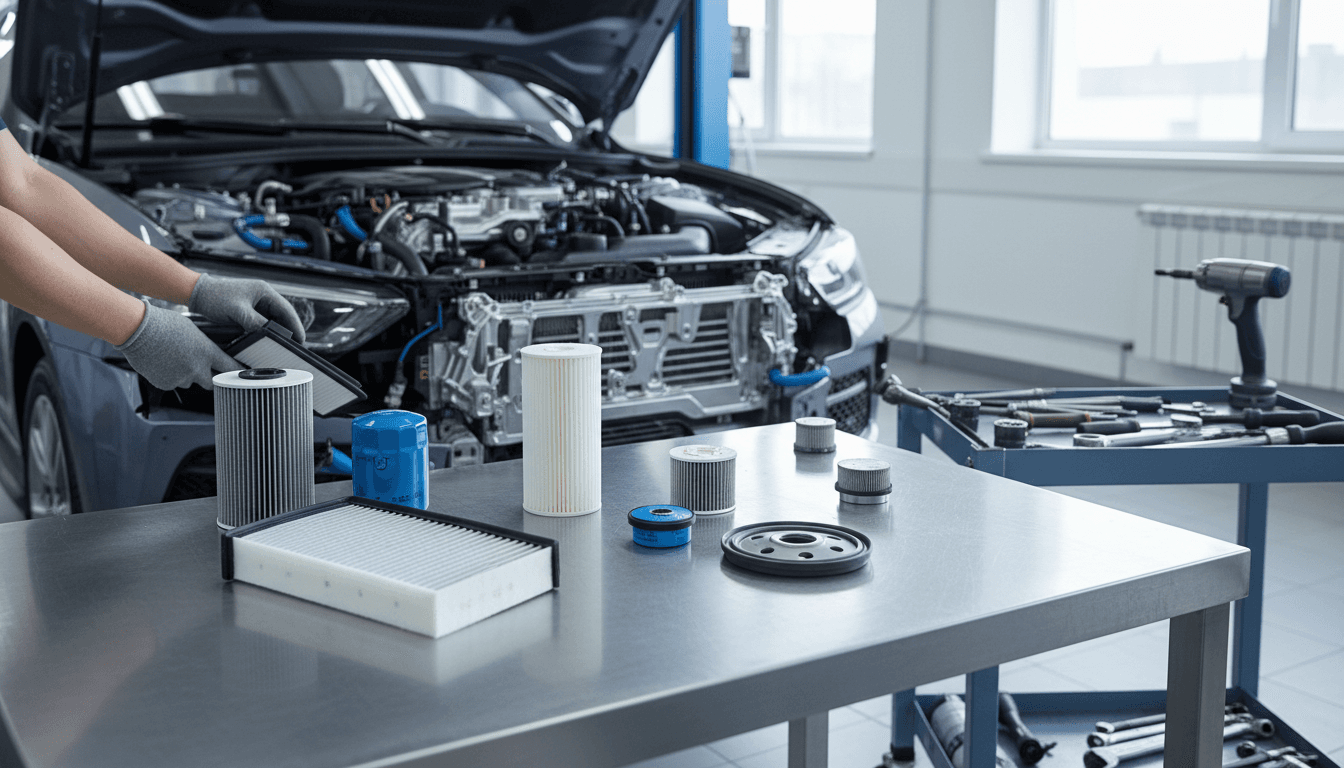
A cabin filter, also commonly known as a pollen filter (filtr pyłkowy) or AC filter, is an integral part of your vehicle's heating, ventilation, and air conditioning (HVAC) system. Its primary role is to filter the air entering the cabin from the outside environment, preventing harmful contaminants from reaching the occupants. This means that every breath you take inside your vehicle is, to some extent, dependent on the efficiency and condition of this filter.
The air drawn into the vehicle's interior – whether for heating, cooling, or simple ventilation – passes through the cabin filter first. Here, various particles and gases are trapped, ensuring that the air circulated within the passenger compartment is cleaner. This is particularly crucial for maintaining the functionality and longevity of your air conditioning (klimatyzacja) system, as it prevents dust and debris from accumulating on the evaporator and other sensitive components, which can lead to costly repairs and reduced performance.
Where is Your Cabin Filter Located?
The exact location of a cabin filter can vary significantly depending on the vehicle make and model. Common locations include:
- Behind the glove compartment
- Under the dashboard (passenger side footwell)
- Under the bonnet, near the windscreen wiper motor
- In the centre console area
Consulting your vehicle's owner's manual is always the most reliable way to pinpoint the specific location for your particular model. This information is essential whether you're performing a DIY check or guiding a mechanic.
The Unseen Threats: Why Cabin Air Quality Matters to Your Health
The air outside our vehicles is a complex mixture of various pollutants. While we might not always see them, these particles can have a significant impact on our health, particularly during prolonged periods in a confined space like a vehicle cabin. The cabin filter stands guard against these invisible adversaries, making it a critical component for occupant well-being.
Common Airborne Contaminants and Their Effects:
- Pollen (Pyłki): A major trigger for seasonal allergies (alergeny), causing sneezing, watery eyes, runny nose, and asthma symptoms.
- Dust and Dirt Particles: Can irritate the respiratory system, contribute to asthma, and accumulate inside the vehicle, leading to musty odours.
- Soot and Exhaust Fumes: Released from other vehicles, industrial processes, and construction sites. These microscopic particles and gases contain harmful chemicals that can affect lung health and contribute to various respiratory conditions.
- Mould Spores and Bacteria: Thriving in damp environments, mould can grow within the HVAC system if not properly filtered, leading to allergic reactions, respiratory problems, and unpleasant odours.
- Industrial Pollutants: Depending on your location, chemicals and fine particles from factories or other industrial sources can be present in the air.
Exposure to these contaminants can lead to more than just discomfort. It can cause fatigue, reduce concentration, and exacerbate pre-existing health conditions, making a clean cabin environment essential for safe driving and overall health. For professional drivers of trucks and operators of heavy machinery, who spend many hours daily in their vehicles, the quality of cabin air is even more paramount for long-term health and productivity.
Types of Cabin Filters: Choosing the Right Protection Level
Not all cabin filters are created equal. Different types offer varying levels of protection against specific contaminants. Understanding these differences will help you select the most appropriate filter for your driving conditions and personal needs.
1. Standard Particle Filters (Pollen Filters / Filtr Pyłkowy)
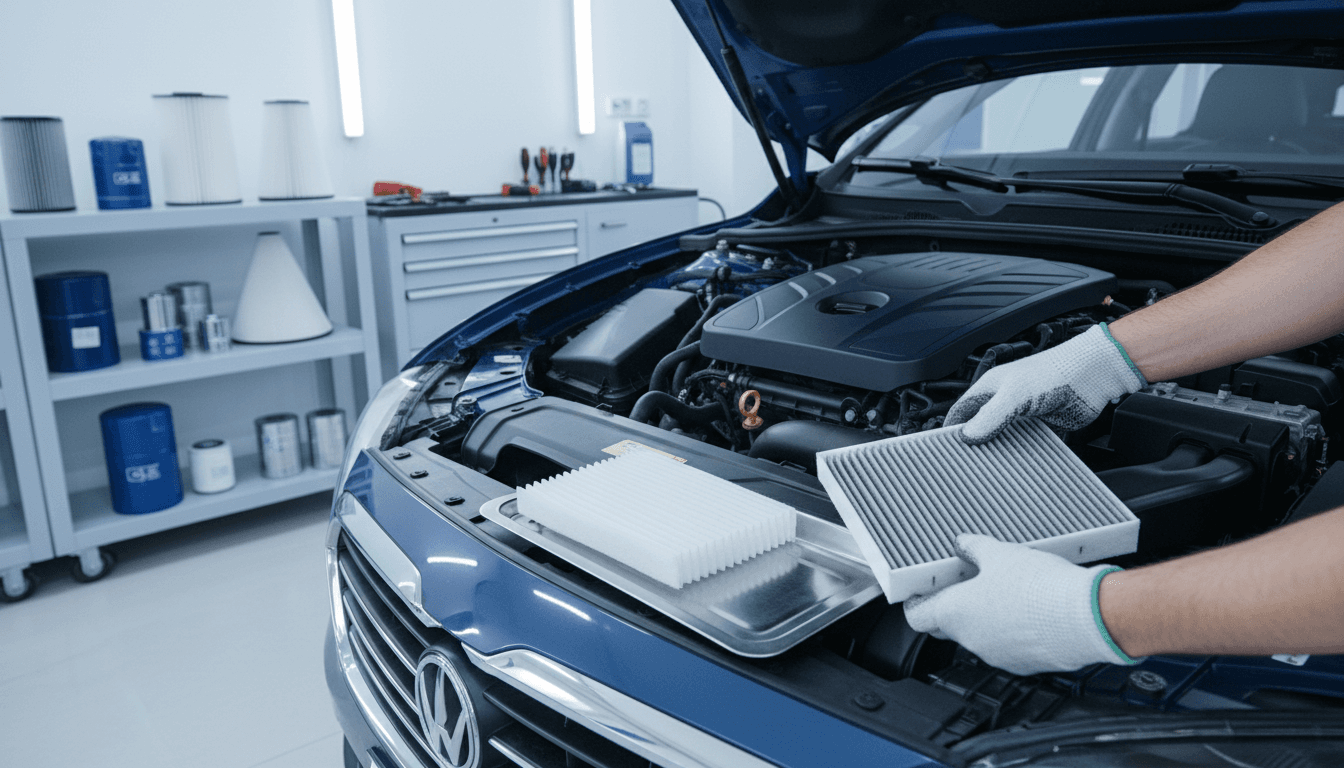
These are the most common type of cabin filter. They consist of a pleated paper or synthetic fibre material designed to physically block larger airborne particles. They are highly effective at trapping:
- Dust
- Pollen (alergeny, pyłki)
- Soot
- Road debris
- Insect fragments
Particle filters provide a good basic level of protection, significantly reducing the amount of particulate matter entering the cabin. They are an excellent choice for drivers primarily concerned with allergies caused by pollen and general dust.
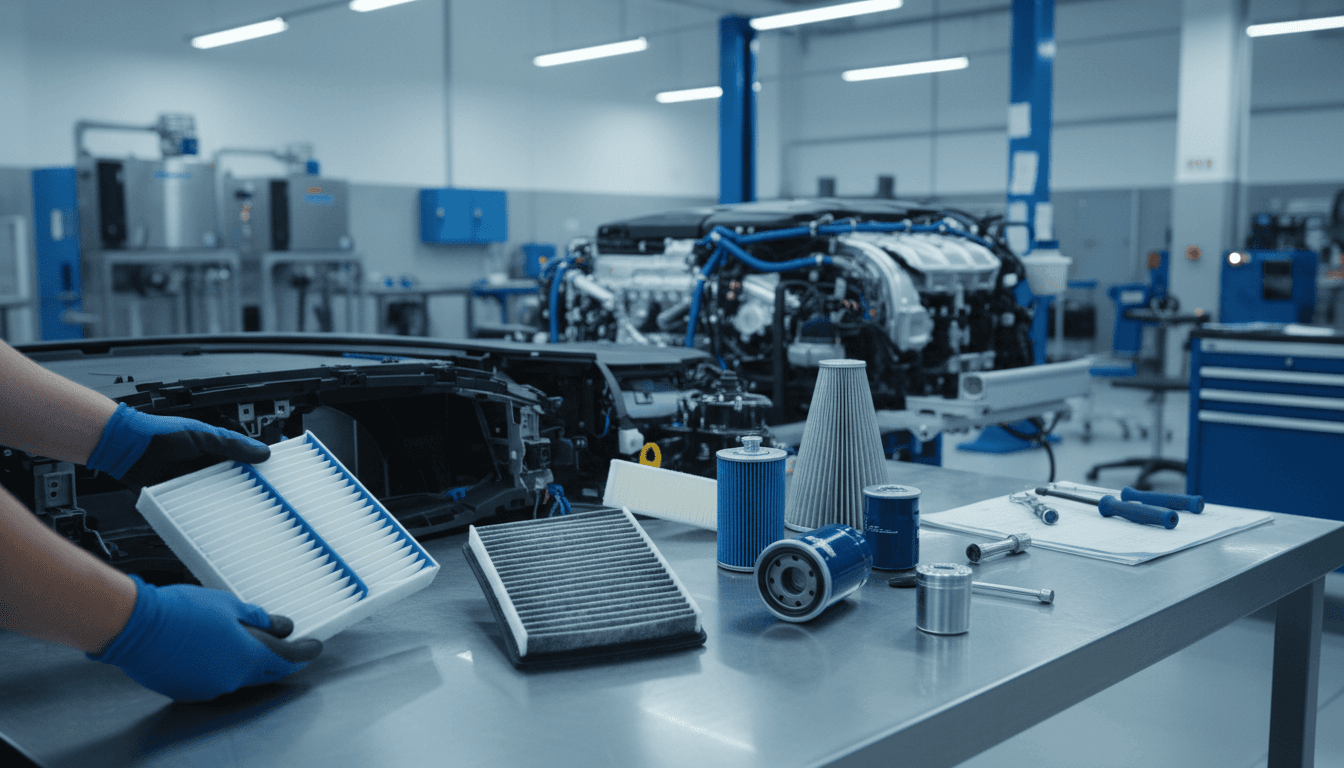
2. Activated Carbon Filters (Combination Filters)
Activated carbon filters represent a significant upgrade in cabin air purification. In addition to the particulate filtration layer found in standard filters, they incorporate a layer of activated carbon. This carbon layer uses adsorption to trap gaseous pollutants and odours.
Key benefits of activated carbon filters include:
- Odour Absorption: Effectively neutralises unpleasant smells from exhaust fumes, industrial emissions, agricultural environments, and even stale air.
- Gas Filtration: Traps harmful gases such as nitrogen dioxide, sulphur dioxide, ozone, and volatile organic compounds (VOCs).
- Enhanced Allergen Protection: While primarily known for gas filtration, they still offer excellent particulate filtration against pollen and dust.
Activated carbon filters are highly recommended for drivers in urban areas with high traffic pollution, those with respiratory sensitivities, or individuals who frequently experience unpleasant odours in their vehicle. For example, specific BMW cabin filters are often available in both standard and activated carbon varieties, catering to diverse driver requirements.
Which Type is Right for You?
- Urban Drivers: Activated carbon filter for protection against traffic fumes and city pollution.
- Allergy Sufferers: Both types offer pollen protection, but an activated carbon filter adds another layer against other irritants.
- Rural/Agricultural Users: Consider activated carbon for agricultural odours and potentially higher levels of dust, or a robust particle filter for heavy dust.
- Industrial Machine Operators: Activated carbon is often preferred due to exposure to various industrial gases and particulate matter.
- Budget-Conscious: Standard particle filters offer cost-effective protection against common particulates.
When to Replace Your Cabin Filter: Signs of Wear and Recommended Intervals
Like all filters, the cabin filter has a finite lifespan. Over time, it becomes clogged with the contaminants it traps, reducing its effectiveness and potentially causing other issues. Regular replacement is crucial for maintaining optimal cabin air quality and HVAC system performance.
General Replacement Guidelines:
Most vehicle manufacturers recommend replacing the cabin filter every 15,000 to 30,000 kilometres (10,000 to 20,000 miles) or at least once a year, whichever comes first. However, these are general guidelines, and various factors can necessitate more frequent replacement.
Key Factors Influencing Replacement Frequency:
- Driving Environment: If you frequently drive in dusty, polluted urban areas, or on unpaved roads (common for agricultural and construction machinery), your filter will accumulate contaminants faster.
- Climate: Humid climates can encourage mould growth within the HVAC system, making timely filter replacement even more critical.
- Personal Sensitivity: Individuals with allergies or asthma may benefit from more frequent filter changes to ensure the cleanest possible air.
Signs of a Clogged or Failing Filtr Kabinowy:
Your vehicle or machinery will often exhibit tell-tale signs that its cabin filter is nearing the end of its life. Being aware of these indicators can help you avoid discomfort and potential health issues:
- Reduced Airflow from Vents: This is one of the most common signs. If your air conditioning or heating system struggles to push air through the vents, even on high fan settings, a clogged filter is a likely culprit.
- Persistent Unpleasant Odours: A musty, damp, or stale smell emanating from your vents, even with the AC on, often indicates a filter laden with trapped mould, bacteria, or absorbed gases.
- Increased Allergy Symptoms: If you notice a sudden increase in sneezing, coughing, watery eyes, or other allergy symptoms while driving, despite clean outdoor air, your filter is likely failing to trap pollen (pyłki) and other allergens.
- Noisy HVAC Fan: A clogged filter forces the blower motor to work harder, which can lead to increased noise as it strains to push air through the restricted filter medium.
- Fogging Windows / Poor Demisting: Reduced airflow can hinder the system's ability to effectively demist your windscreen and windows, especially during humid or cold weather.
- Visible Dirt and Debris on the Filter: During an inspection, a heavily discoloured filter (grey or black instead of white/light grey) or one visibly packed with leaves, dust, and debris, is a clear sign it needs replacing.
Do not wait for these symptoms to become severe. Regular checks and proactive replacement are the best approach.
How to Choose the Correct Cabin Filter for Your Vehicle or Machine
Selecting the right cabin filter is crucial for ensuring proper fit, optimal filtration, and the longevity of your HVAC system. With thousands of different applications, it's essential to have the correct information when purchasing a replacement.
Key Information Required for Selection:
- Vehicle/Machine Make: e.g., Ford, Mercedes, John Deere, Caterpillar.
- Model: e.g., Focus, Actros, 6R Series, D8T.
- Year of Manufacture: Specific filter designs can change between production years, even for the same model.
- Engine Type (Optional but Helpful): While less critical for cabin filters than, say, fuel filters, it can sometimes help narrow down options, especially for complex systems.
- VIN (Vehicle Identification Number): The most accurate way to ensure compatibility. Providing your VIN to a supplier can guarantee you receive the correct part.
Consideration for Filter Type:
Based on your driving environment and personal health considerations, decide between a standard particle filter and an activated carbon filter. As discussed, carbon filters offer superior protection against odours and gases, which can be a significant advantage in urban or industrial settings.
Quality and Compatibility:
Always opt for high-quality filters from reputable distributors. While genuine OEM (Original Equipment Manufacturer) filters are always a safe bet, many aftermarket manufacturers produce filters of equivalent or even superior quality. At Filtry.org, we stock over 300,000 products, offering a vast selection to match your specific vehicle and filtration needs, guaranteeing compatibility and performance.
The Cabin Filter Replacement Process: A Practical Guide
Replacing a cabin filter can range from a straightforward DIY task to a job best left to a professional, depending on the vehicle model. Understanding the process can help you decide whether to tackle it yourself or schedule an appointment with your mechanic.
Tools You Might Need:
- Screwdriver set (Phillips and flathead)
- Torx bits (for some applications)
- Ratchet and sockets
- Trim removal tools (plastic pry tools)
- Flashlight
- New cabin filter
General Step-by-Step Guide for DIY Enthusiasts (Passenger Cars):
- Locate the Filter: Consult your owner's manual to find the exact location. This is crucial as locations vary greatly.
- Access the Filter Housing:
- Glove Compartment Access: Often involves emptying the glove box, detaching damper strings or arms, and potentially removing the entire glove box assembly by unscrewing mounting bolts or releasing clips.
- Under Bonnet Access: May require removing weather stripping, plastic cowl covers, or specific housing clips.
- Under Dash Access: Could involve removing lower trim panels or plastic covers in the passenger footwell.
- Remove the Old Filter: Once the housing is accessible, there's usually a cover or tray that holds the filter. Carefully unclip or unscrew this cover. Note the orientation of the airflow arrow on the old filter (it typically points towards the rear of the vehicle or downwards, into the cabin). Pull out the old, dirty filter.
- Clean the Housing (Optional but Recommended): Use a vacuum cleaner to remove any loose debris, leaves, or dirt that may have accumulated in the filter housing. This prevents new contaminants from immediately entering the clean system.
- Install the New Filter: Insert the new filter, ensuring the airflow arrow points in the correct direction (matching the old filter's orientation). Incorrect orientation can hinder filtration and airflow. Make sure it seats snugly within the housing.
- Reassemble: Reattach the filter housing cover, re-install any panels or components you removed (glove box, cowl covers), and ensure all clips and screws are securely fastened.
- Test the System: Start the vehicle and run the HVAC system on various settings (fan speeds, AC, heat) to confirm proper airflow and function.
Considerations for Trucks and Heavy Machinery:
For trucks, construction equipment, and agricultural machinery, the replacement process might be more robust due to the larger size of filters and potentially more complex access points. Many heavy machines have multiple cabin filters (e.g., fresh air and recirculation filters). Due to the high-dust and demanding environments these machines operate in, filter replacement might be more frequent and sometimes requires specialised knowledge or tools. Operators or fleet managers should always refer to the specific service manual for their equipment.
When to Seek Professional Help:
If you are unsure about the location, lack the necessary tools, or find the replacement process too complex for your vehicle, it's always best to consult a qualified mechanic. Attempting to force components or incorrect installation can lead to damage to your HVAC system or the vehicle's interior.
Beyond Cabin Filters: Other Essential Filtration Systems
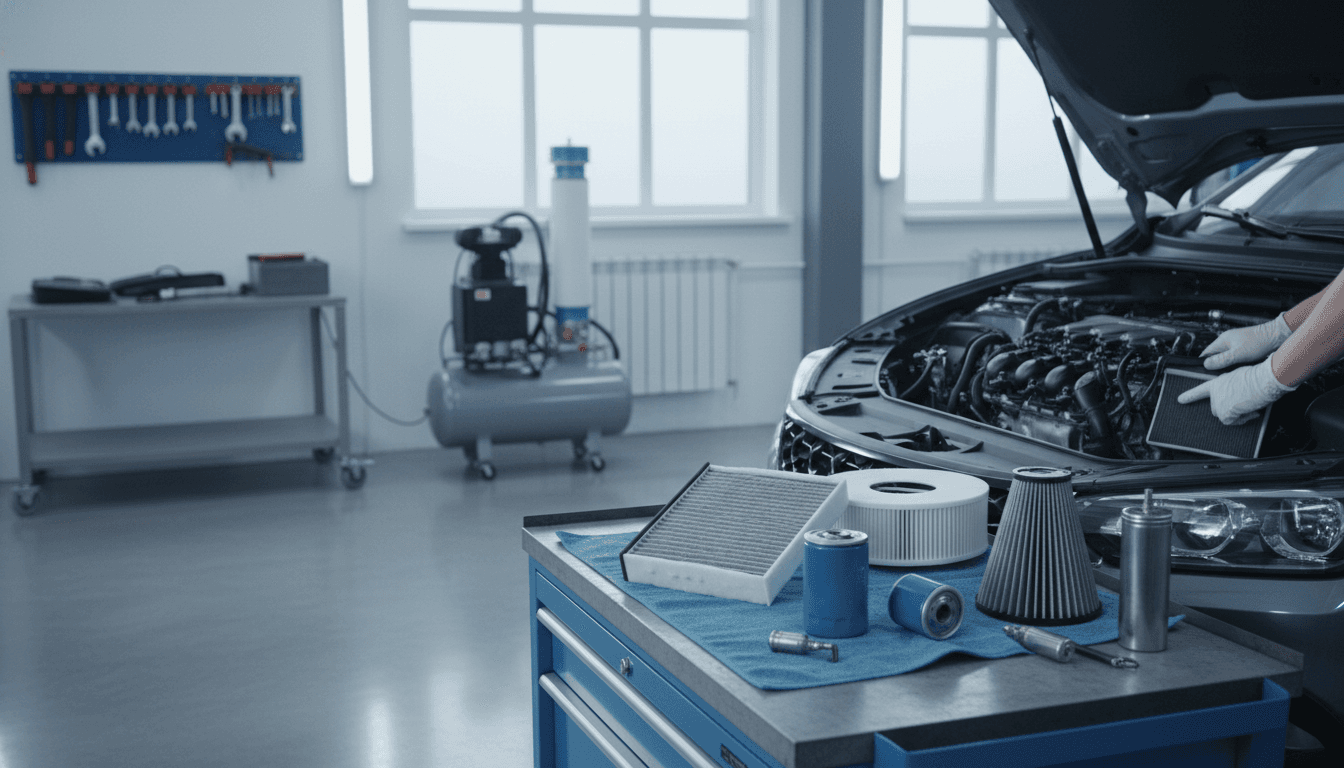
While cabin filters are crucial for occupant health, they are just one part of a comprehensive filtration strategy vital for the overall health and performance of your vehicle or machinery. Filtry.org specialises in a full spectrum of filtration solutions.
- Air Filters: Protecting your engine, air filters prevent dust, dirt, and debris from entering the engine's combustion chambers, ensuring optimal performance and longevity.
- Oil Filters: Essential for engine lubrication, oil filters remove contaminants from the engine oil, preventing wear and tear on critical engine components.
- Fuel Filters: Protecting the fuel injection system from impurities in the fuel, fuel filters ensure clean fuel delivery for efficient combustion and prevent damage to injectors.
- Hydraulic Filters: In industrial and heavy machinery, hydraulic filters maintain the cleanliness of hydraulic fluids, crucial for the reliable operation and longevity of hydraulic systems.
Each of these filters plays a distinct, yet equally critical, role in keeping your machinery running smoothly and efficiently. Neglecting any of them can lead to significant mechanical issues and costly downtime.
Maintaining Optimal Air Quality: Tips and Best Practices
Beyond simply replacing your cabin filter, there are additional steps you can take to ensure the highest possible air quality within your vehicle or machine cabin:
- Regularly Check Your Filter: Even if not due for replacement, a quick visual inspection of your cabin filter during routine maintenance can identify premature clogging, especially after driving in particularly dusty or polluted conditions.
- Use the Correct Filter Type: As discussed, choose between a particle filter and an activated carbon filter based on your environment and specific needs.
- Keep Windows Closed in Polluted Areas: When driving through heavy traffic, industrial zones, or dusty environments, keep your windows up and rely on your HVAC system with a functioning cabin filter to purify the incoming air.
- Avoid Idling in Traffic with Fresh Air Intake: While not always practical, try to avoid extended idling in heavy traffic, especially with the fresh air intake open, as this exposes your system to concentrated exhaust fumes.
- Regular AC System Servicing: A well-maintained air conditioning (klimatyzacja) system is less likely to harbour mould and bacteria. Regular checks and cleaning (if necessary) by a professional can complement the cabin filter's role.
- Clean the Cabin Interior: Regularly vacuuming and wiping down surfaces within the cabin helps reduce the overall dust and allergen load that could otherwise be recirculated.
Conclusion: Invest in Your Health with a Quality Cabin Filter
The cabin filter might be out of sight, but its impact on your health, comfort, and the efficiency of your vehicle's HVAC system is undeniable. From protecting against debilitating allergens and harmful pyłki to neutralising unpleasant odours and safeguarding your respiratory health, a high-quality filtr kabinowy is an essential component for every driver and machine operator.
Ignoring the signs of a clogged filter can lead to reduced air quality, diminished HVAC performance, and potential health issues. By understanding the types, replacement intervals, and selection criteria, you empower yourself to breathe easier and drive healthier.
At Filtry.org, we are committed to providing an unparalleled selection of automotive and industrial filters, including a comprehensive range of cabin filters for passenger cars, trucks, construction machinery, and agricultural equipment. With over 300,000 products from leading manufacturers and efficient delivery across Europe, including the UK, Germany, and Poland, finding the perfect filter for your needs has never been easier. Invest in your health and your vehicle's longevity today – choose Filtry.org for all your filtration requirements.
Share