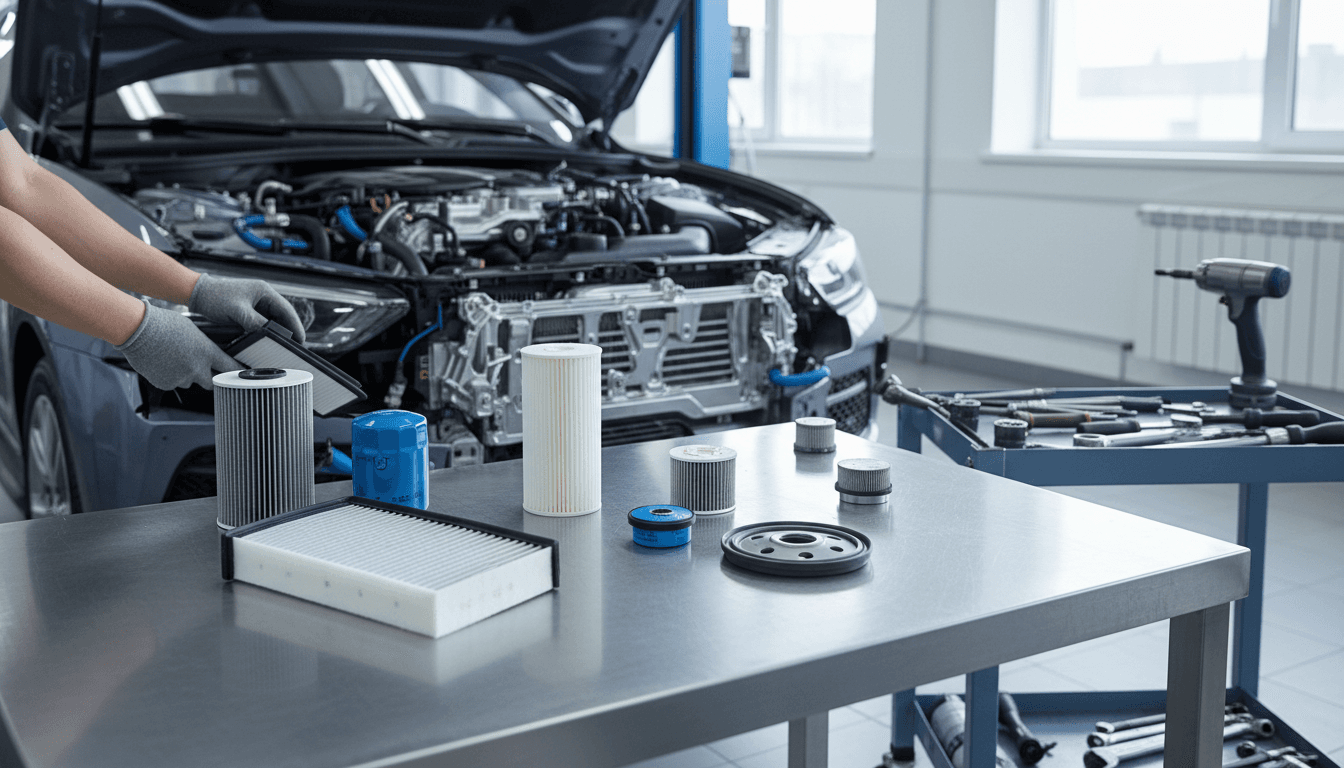
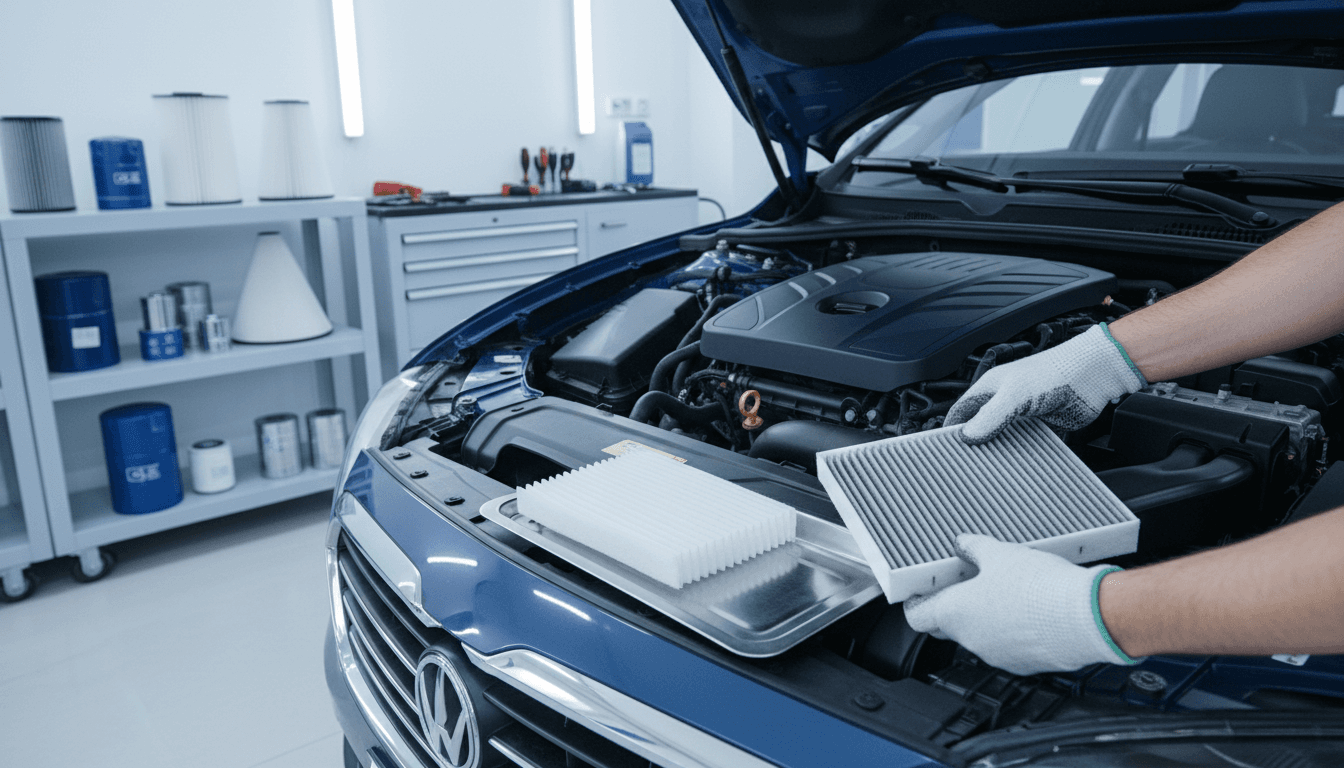
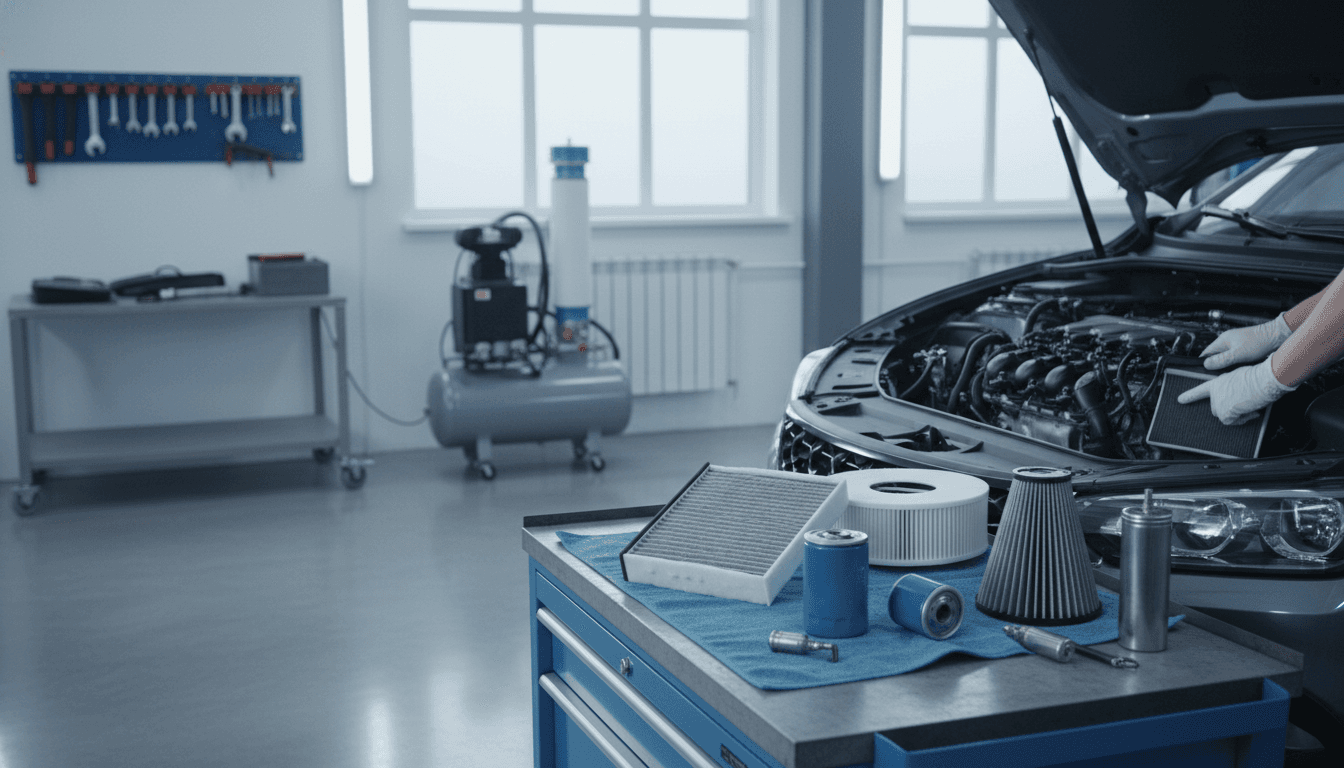
Essential Guide to Cabin Filters: Breathe Easy on Every Journey
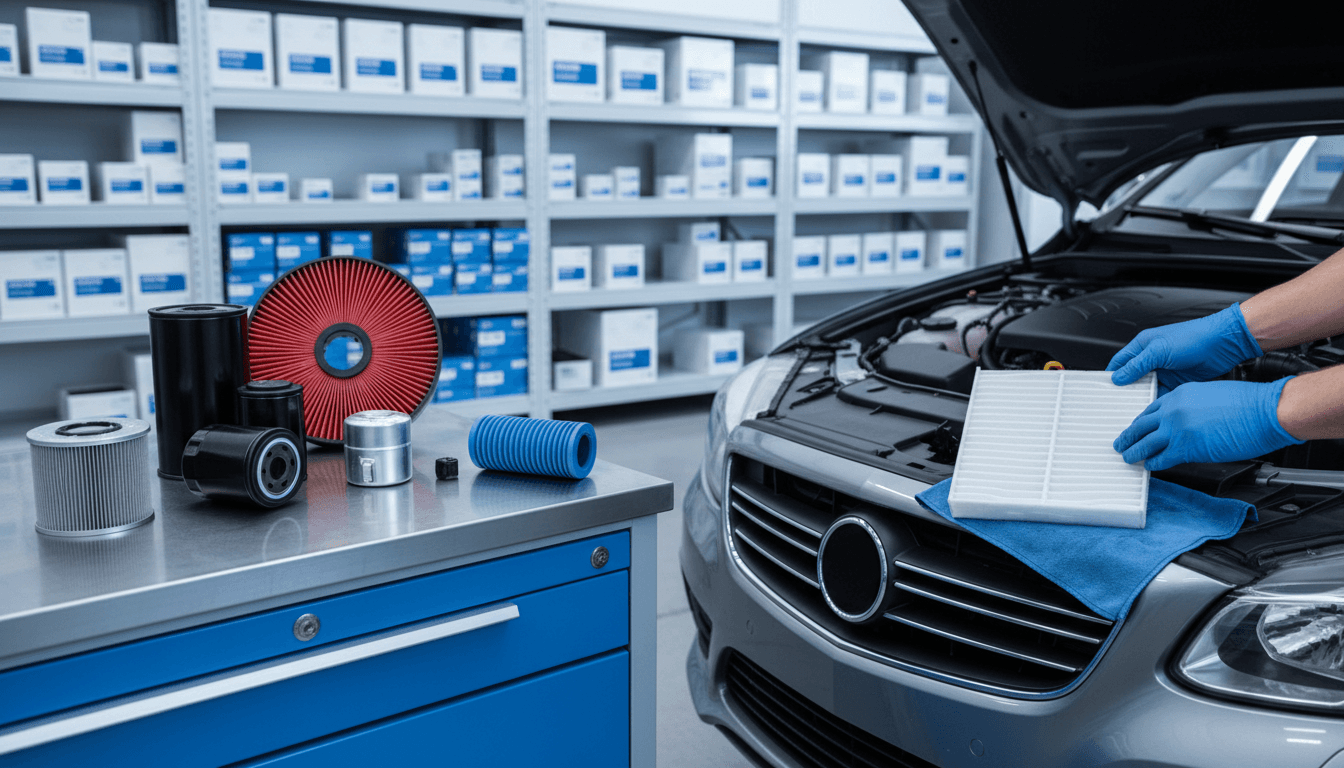
The Vital Role of Your Cabin Filter in Vehicle Health and Occupant Well-being
In an increasingly polluted world, the air we breathe inside our vehicles is more important than ever. While many drivers diligently maintain their engines with regular oil and fuel filter replacements, the often-overlooked cabin filter plays a critical role in safeguarding the health and comfort of everyone inside the vehicle. This unassuming component is your first line of defence against a wide range of airborne contaminants, ensuring that the air circulated through your heating, ventilation, and air conditioning (HVAC) system is clean and fresh. For drivers, mechanics, and machine operators across Europe, understanding the function, selection, and maintenance of the cabin filter is paramount.
Whether you drive a passenger car, operate a heavy-duty truck, or work with demanding construction and agricultural machinery, the quality of the air inside your cab directly impacts your focus, well-being, and even long-term health. A properly functioning filtr kabinowy removes harmful particles, gases, and odours, transforming what could be a health hazard into a sanctuary of clean air. At Filtry.org, we understand this necessity, offering over 300,000 products from leading manufacturers to ensure you find the exact filter you need for any application.
What is a Cabin Filter and Why is it Essential?
At its core, a cabin filter, also known as a pollen filter or filtr pyłkowy, is designed to purify the air entering the vehicle's cabin from the outside. It's an integral part of the vehicle's HVAC system, which includes heating, ventilation, and klimatyzacja. Without it, passengers would be exposed to an onslaught of airborne pollutants from the moment they start their journey.
The Mechanics of Air Purification
As outside air is drawn into your vehicle for ventilation or to power the air conditioning system, it first passes through the cabin filter. This filter acts as a physical barrier, trapping various particles before they can enter the passenger compartment. The filter media is typically a pleated material, offering a large surface area for particle capture. Depending on the type of filter, it can be made from synthetic fibres, activated carbon, or a combination of materials designed to target specific contaminants.
Protecting Occupant Health
The primary benefit of a cabin filter is the protection of occupants' health. It significantly reduces exposure to:
- Allergens (Alergeny): Pollen, mould spores, and pet dander are common triggers for allergies and asthma. A high-quality cabin filter, especially an anti-allergen type, can dramatically reduce these irritants.
- Dust and Soot: Fine particulate matter, including road dust, brake dust, and diesel soot, can irritate respiratory passages and contribute to long-term health issues.
- Industrial Pollutants: For those operating industrial machinery or driving in urban or industrial areas, the filter protects against a host of harmful chemical gases and odours.
- Bacteria and Viruses: Some advanced filters can even trap microscopic pathogens, offering an additional layer of protection.
Enhancing Comfort and System Longevity
Beyond health benefits, a clean cabin filter improves the overall driving experience. It ensures that the air conditioning system operates efficiently, preventing dust and debris from accumulating on the evaporator and other HVAC components. This not only maintains consistent airflow and cooling performance but also extends the lifespan of expensive HVAC parts, reducing the likelihood of costly repairs. Furthermore, by filtering out odours, it keeps the cabin smelling fresher and more pleasant.
Types of Cabin Filters: Standard vs. Advanced Protection
Not all cabin filters are created equal. Different types offer varying levels of filtration, tailored to specific needs and environmental conditions.
1. Standard Particle Filters (Pollen Filters)
These are the most common type of cabin filter. They consist of a fibrous material designed to trap physical particles. Their primary function is to filter out:
- Pollen (pyłki)
- Dust
- Soot
- Road debris
- Insect fragments
They are highly effective at preventing these larger particles from entering the cabin, making them essential for allergy sufferers during pollen season.
2. Activated Carbon Filters (Combination Filters)
Activated carbon filters represent a significant upgrade over standard particle filters. They incorporate a layer of activated charcoal granules, in addition to the particle filtration media. This activated carbon layer excels at:
- Adsorbing Gases and Odours: Unlike particle filters that only trap physical matter, activated carbon chemically binds with noxious gases, such as exhaust fumes, ozone, and industrial pollutants.
- Neutralising Unpleasant Smells: It effectively removes bad odours from the outside, like agricultural smells or smog, keeping the cabin environment much fresher.
For drivers frequently navigating city traffic, industrial zones, or rural areas with strong odours, an activated carbon filtr kabinowy is highly recommended.
3. Anti-Allergen or Biofunctional Filters
The latest generation of cabin filters offers even more advanced protection. These filters often combine activated carbon with additional layers or coatings designed to neutralise allergens and prevent the growth of bacteria and mould. Key features include:
- Allergen Coating: Special treatments can denature allergens, rendering them harmless.
- Antimicrobial Properties: Layers that inhibit the growth of bacteria and mould on the filter surface, preventing unpleasant musty odours and the spread of microorganisms within the HVAC system.
These advanced filters are particularly beneficial for individuals with severe allergies, asthma, or heightened sensitivity to airborne contaminants, providing the cleanest possible air quality.
Applications of Cabin Filters: From Passenger Cars to Heavy Machinery
The need for clean cabin air extends far beyond just passenger cars. Every enclosed cabin where an operator or passenger spends significant time requires effective air filtration. Filtry.org provides solutions for a vast range of applications.
Passenger Cars
From compact city cars to luxury sedans and SUVs, virtually every modern passenger vehicle is equipped with a cabin filter. It protects drivers and passengers from traffic fumes, pollen (pyłki), dust, and industrial pollution encountered during daily commutes and long journeys. Given the varied environments passenger cars navigate, choosing the right filter type – whether standard or activated carbon – is crucial.
Trucks and Commercial Vehicles
Truck drivers often spend extended periods on the road, frequently passing through diverse environments, from congested urban areas to dusty construction sites. A high-performance cabin filter in a truck is essential for:
- Driver Health and Alertness: Reducing exposure to pollutants minimises fatigue and respiratory issues, enhancing driver safety and focus.
- Odour Control: Activated carbon filters are particularly valuable in trucks for mitigating strong external odours encountered on long hauls.
- HVAC System Protection: Heavy-duty use means the HVAC system works harder, making filter maintenance critical for longevity.
Construction Machinery
Excavators, bulldozers, loaders, and other construction equipment operate in some of the dustiest and most challenging environments. Operators are constantly exposed to:
- High levels of fine dust and silica particles
- Diesel exhaust fumes
- Vibrations that stir up more airborne contaminants
For these machines, a robust and efficient filtr kabinowy is not just a comfort feature; it's a vital piece of safety equipment, protecting operators from debilitating respiratory problems and maintaining visibility by preventing dust buildup on interior surfaces.
Agricultural Equipment
Tractors, combine harvesters, and sprayers work in environments rich with:
- Pollen (pyłki) and plant matter
- Soil dust and crop residue
- Pesticides and fertilisers (requiring advanced filtration for chemical gases)
Agricultural operators spend long hours in their cabs, especially during planting and harvesting seasons. A quality cabin filter protects against air filters of dust, allergens, and potentially harmful chemical vapours, ensuring a healthier and more comfortable working environment.
Industrial Machines
In various industrial settings – from manufacturing plants to mining operations – machinery operators face specific airborne hazards such as:
- Metal dust and fumes
- Chemical vapours
- Process-specific particulates
Industrial cabin filters must be selected based on the specific contaminants present in the operating environment, often requiring activated carbon or specialised media to handle chemical exposures effectively.
When to Replace Your Cabin Filter: Signs of Wear and Recommended Intervals
Unlike some other filters, there isn't a universally fixed interval for replacing a cabin filter. It largely depends on the type of vehicle, your driving environment, and the filter type. However, general guidelines and clear signs of wear can help you determine the optimal time for replacement.
Manufacturer Recommendations
As a general rule, most vehicle manufacturers recommend replacing the filtr kabinowy every 15,000 to 30,000 kilometres or once a year, whichever comes first. For industrial and off-road machinery, these intervals might be shorter due to harsher operating conditions. Always consult your vehicle's owner's manual for specific recommendations.
Environmental Factors
Your driving environment plays a significant role in how quickly your cabin filter becomes saturated:
- Urban Driving: Frequent exposure to traffic fumes, soot, and industrial pollution will clog an activated carbon filter more rapidly.
- Rural or Dusty Areas: High levels of pollen (pyłki), agricultural dust, or unpaved roads will quickly overload a particle filter.
- Seasonal Changes: During spring and summer, pollen counts are high. During autumn and winter, heaters and defrosters work harder, and damp conditions can promote mould growth if the filter is old.
If you operate your vehicle or machine in particularly challenging conditions, more frequent inspections and replacements may be necessary.
Signs of a Clogged or Worn Cabin Filter
Your vehicle will often give you clear indications that its cabin filter is nearing the end of its life:
- Reduced Airflow: One of the most common symptoms. If you notice that the air coming from your vents is weaker than usual, even on high fan settings, it's a strong indicator that the filter is blocked.
- Persistent Unpleasant Odours: If your vehicle's interior smells stale, musty, or you can detect exhaust fumes, industrial smells, or agricultural odours more easily, the activated carbon layer (if present) has likely become saturated or the filter is harbouring mould/bacteria.
- Increased Noise from the Blower Fan: A clogged filter forces the blower fan to work harder to push air through, leading to increased motor noise.
- Excessive Dust on Interior Surfaces: If you find more dust accumulating on your dashboard and interior surfaces, it suggests that the filter is no longer effectively trapping particles.
- Fogging of Windows: In some cases, a severely clogged filter can hinder dehumidification through the klimatyzacja system, leading to persistent window fogging.
- Worsening Allergy Symptoms: If you suffer from allergies and find your symptoms (sneezing, itchy eyes, runny nose) are worse while driving, it's a clear sign the filter is no longer trapping allergens effectively.
Do not ignore these signs. A neglected cabin filter not only compromises air quality but can also strain your HVAC system, leading to more expensive repairs down the line.
How to Choose the Right Cabin Filter for Your Vehicle
Selecting the correct cabin filter is essential for optimal performance. While the choice might seem daunting with thousands of options available, Filtry.org simplifies the process.
1. Determine Your Vehicle's Specific Requirements
The most crucial step is to identify the precise filter compatible with your vehicle or machine. Cabin filters are highly specific in their dimensions and fittings. You will need:
- Make and Model: e.g., BMW X5, John Deere Tractor, Volvo Truck.
- Year of Manufacture: Filter specifications can change even within the same model year.
- Engine Type (sometimes relevant): While less common for cabin filters than for oil filters, it's good practice to have this information.
- VIN (Vehicle Identification Number) or Chassis Number: This is the most accurate way to ensure perfect compatibility.
Our online catalogue at Filtry.org allows you to easily search by vehicle details, ensuring you find the exact fit from our extensive range of cabin filters.
2. Choose the Right Filter Type
Once you've identified the correct dimensions, consider the type of filtration you need:
- Standard Particle Filter: Suitable for general driving conditions and budget-conscious drivers who primarily need to filter dust and pollen.
- Activated Carbon Filter: Highly recommended for drivers in urban areas, industrial zones, or those sensitive to odours and exhaust fumes. It provides superior protection against gases and smells.
- Anti-Allergen/Biofunctional Filter: The best choice for allergy sufferers, asthmatics, or anyone desiring the highest level of air purity, including protection against mould, bacteria, and microscopic allergens.
3. Consider Quality and Manufacturer
While we don't mention specific brands, it's important to understand that filter quality varies. Investing in a high-quality filter from a reputable manufacturer ensures:
- Effective Filtration: Superior media and construction lead to better particle and gas retention.
- Durability: A well-made filter will maintain its structural integrity and filtration efficiency for its intended lifespan.
- Optimal Airflow: High-quality filters are designed to offer maximum filtration with minimal restriction to airflow, ensuring your HVAC system doesn't work harder than it needs to.
At Filtry.org, we only stock products from leading manufacturers, guaranteeing high standards of quality and performance for every cabin filter we supply.
The Replacement Process: A Practical Guide
Replacing a cabin filter is often a straightforward task that many drivers, mechanics, and operators can perform themselves with basic tools. However, the location of the filter varies significantly between vehicles.
Common Cabin Filter Locations
Before you begin, consult your vehicle's owner's manual or a service guide to locate the filter. Common locations include:
- Behind the Glove Box: This is the most frequent location in many passenger cars. Access usually involves emptying the glove box, detaching it from its hinges or dampeners, and then unlatching a cover to reveal the filter housing.
- Under the Dashboard (Passenger Side): Sometimes located deeper under the dashboard, requiring removal of a trim panel.
- Under the Bonnet (Engine Bay): Less common, but some vehicles have the filter housing near the windshield cowl, accessible from under the bonnet.
- Centre Console or Footwell: In some commercial or heavy-duty vehicles, the filter might be located within the centre console or in the passenger footwell, requiring removal of specific panels.
General Step-by-Step Replacement Procedure
While specific steps vary, the general process for replacing a filtr kabinowy typically involves:
- Gather Tools: You might need a screwdriver (Phillips or flathead), a trim removal tool, and perhaps a small socket wrench, depending on the filter's location.
- Locate the Filter: Identify the filter housing as per your vehicle's manual.
- Access the Housing: Carefully remove any panels, clips, or screws obstructing access to the filter housing. For glove box access, you may need to squeeze the sides or release clips to lower it further.
- Remove the Old Filter: Once the housing cover is unlatched or unscrewed, gently pull out the old cabin filter. Take note of its orientation, particularly the airflow direction arrow, as you remove it.
- Clean the Housing: Before installing the new filter, it's a good idea to vacuum out any accumulated leaves, debris, or heavy dust from the filter housing.
- Install the New Filter: Insert the new cabin filter, ensuring it is oriented correctly with the airflow arrow pointing in the direction of air movement (usually towards the cabin interior). Make sure it sits snugly within the housing without being bent or forced.
- Reassemble: Replace the housing cover, reattach any panels, screws, or clips, and reinstall the glove box or trim panels.
- Test the System: Turn on your vehicle's HVAC system (heating, ventilation, and air conditioning) to ensure proper airflow and operation.
If you encounter difficulty or are unsure about any step, it is always recommended to consult a professional mechanic. Incorrect installation can lead to reduced filtration efficiency or damage to the filter itself.
Maintaining Optimal Cabin Air Quality: Beyond the Filter
While the cabin filter is the cornerstone of good interior air quality, other practices can further enhance the air you breathe and the longevity of your HVAC system.
- Regular HVAC System Checks: Have your air conditioning system checked annually. This includes refrigerant levels, condenser cleanliness, and evaporator inspection. A well-maintained klimatyzacja system reduces the likelihood of mould and mildew growth, which can contribute to odours even with a new filter.
- Clean Your Interior: Regularly vacuuming carpets, cleaning upholstery, and wiping down surfaces removes dust, allergens, and other particulates that can be stirred up and recirculated within the cabin.
- Avoid Idling in Traffic with Windows Down: When possible, keep windows closed in heavy traffic or dusty environments to minimise the ingress of pollutants that your filter then has to process.
- Address Spills and Dampness Promptly: Any moisture within the cabin can lead to mould and mildew. Ensure spills are cleaned immediately and address any leaks that might be causing dampness.
- Run the AC Periodically: Even in winter, running the air conditioning for a few minutes once a week helps to circulate refrigerant and lubricant, keeping the system healthy and preventing seals from drying out.
Filtry.org: Your Partner for Premium Cabin Filters and More
At Filtry.org, we are dedicated to providing comprehensive filtration solutions for every need. With over 300,000 products from leading manufacturers, our extensive catalogue includes a wide array of cabin filters for passenger cars, trucks, construction machinery, agricultural equipment, and industrial machines.
We understand the importance of air quality, health, and equipment longevity. That's why we make it easy to find the exact filtr kabinowy you require, offering various types – from standard particle filters to advanced activated carbon and anti-allergen options. Our commitment to quality ensures that every filter you purchase meets stringent performance standards, protecting both occupants and machinery.
With efficient delivery services across Europe, including the UK, Germany, and Poland, Filtry.org is your reliable partner for maintaining superior air quality and operational efficiency. Explore our selection today and experience the difference clean air makes.
Share