Guidelines for cabin filter replacement intervals
In summary: The standard interval for cabin filter replacement is typically every 15,000 to 30,000 kilometres or once every twelve months, whichever occurs first. However, environmental factors and the specific filtration technology used can significantly shorten this period. Neglecting this maintenance task leads to reduced airflow, increased strain on the blower motor, and poor air quality within the vehicle cabin.
What is the standard cabin filter replacement mileage?
In most modern passenger and commercial vehicles, manufacturers specify a cabin filter replacement interval that aligns with the regular oil service or minor inspection. This usually falls between 15,000 and 30,000 kilometres. From a technical perspective, the filter media—typically composed of non-woven synthetic fibres—has a finite capacity for holding particulate matter. Once the interstitial spaces within the media are saturated with dust, pollen, and soot, the pressure drop across the filter increases significantly.
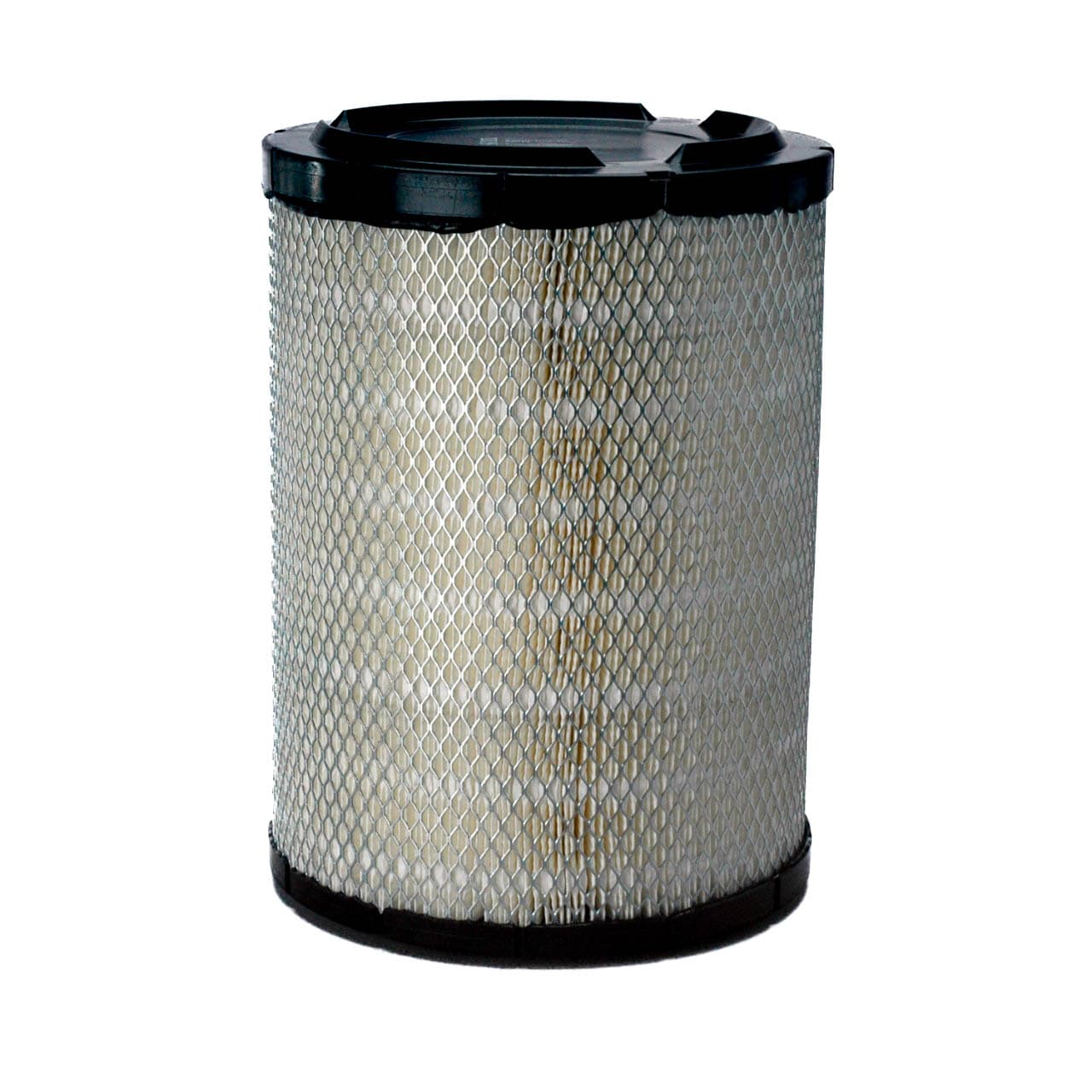
For heavy-duty applications or machinery operating in high-dust environments, the interval is often calculated in operating hours rather than kilometres. In these scenarios, a filter may require replacement as frequently as every 500 hours. Utilising high-quality components such as the SF FILTER AF1730 ensures that the media maintains its structural integrity throughout the service interval, preventing the collapse of the pleats under the vacuum pressure generated by the HVAC system.
How does the operating environment affect service life?
The geographic and operational context of a vehicle is the primary variable in determining the actual lifespan of a filter. Vehicles operated in dense urban areas are exposed to high concentrations of particulate matter from braking systems, tyre wear, and exhaust emissions. These microscopic particles penetrate deep into the filter pleats, leading to a faster rate of saturation than in rural environments. In such cases, the replacement interval should be reduced to approximately 10,000 to 12,000 kilometres to maintain optimal air delivery.
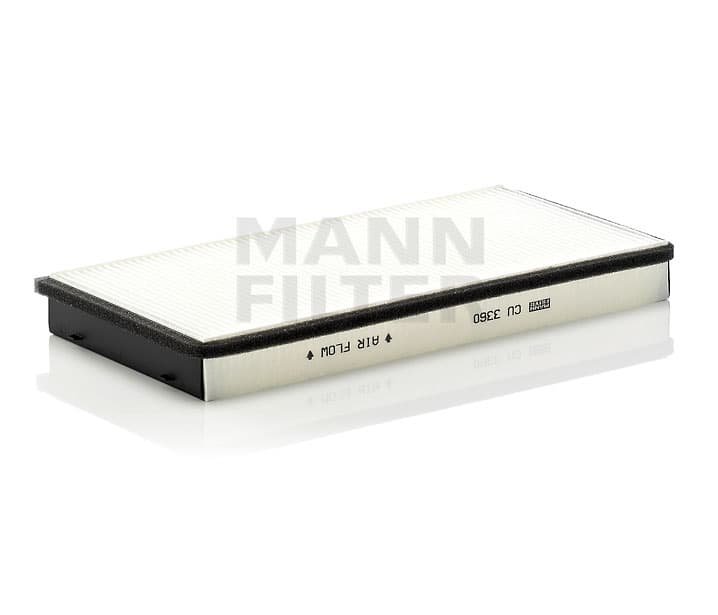
Conversely, vehicles used in agricultural or construction settings face high loads of organic dust and inorganic silica. These larger particles can quickly form a 'cake' on the surface of the filter media. While this surface layer can sometimes increase filtration efficiency initially, it drastically reduces the volume of air passing through. For specialised equipment, using robust solutions like the SF FILTER CU 3360 is essential to ensure that the ventilation system can handle the high particulate load without premature failure of the air conditioning components.
What are the technical indicators of filter saturation?
Technicians can identify a saturated cabin filter through several measurable symptoms. The most prominent is a noticeable decrease in airflow from the dashboard vents, even when the blower motor is set to its maximum speed. This occurs because the internal resistance (static pressure) of the filter has exceeded the design parameters of the HVAC system. Another technical indicator is the persistent fogging of the interior glass surfaces during damp weather. A clogged filter restricts the exchange of air, allowing humidity to build up inside the cabin, which the air conditioning system cannot effectively dehumidify.
Audible changes in the blower motor's operation also signal a restricted filter. When the intake is blocked, the motor may exhibit a higher-pitched whine or increased vibration as it attempts to pull air through a restricted passage. This increased load can lead to the premature failure of the blower motor resistor or the motor itself due to overheating, as the motor relies on the airflow it generates to cool its internal components. Regular cabin filter replacement is therefore a preventative measure for the entire HVAC circuit.
How does filter media composition play a role in longevity?
The type of filter media installed directly influences how long it can remain in service before performance degrades. Standard particulate filters are designed to capture dust and pollen via mechanical straining and electrostatic attraction. Over time, the electrostatic charge within the synthetic fibres dissipates, particularly in humid conditions, which reduces the filter's efficiency at capturing smaller sub-micron particles. These filters are generally the baseline for the standard twelve-month replacement cycle.
Combined filters, which incorporate a layer of activated carbon, such as the SF FILTER AF1730, offer the added benefit of adsorbing gases and odours. However, the activated carbon layer has a limited chemical capacity. Once the pores of the carbon are filled with volatile organic compounds (VOCs) and nitrogen oxides (NOx), the filter can no longer neutralise smells, even if the particulate layer is not yet fully clogged. Therefore, if a vehicle is frequently stuck in traffic, the carbon-based cabin filter replacement may be necessary sooner than the mileage suggests to maintain the chemical filtration benefits.
What impact does seasonal change have on the filter?
Seasonal shifts, particularly the transition from autumn to winter, play a critical role in the degradation of the filter media. During autumn, organic debris such as decomposed leaves and pine needles can find their way into the air intake plenum. If this organic matter settles on the filter, it retains moisture. This moisture, combined with the trapped dust, creates an ideal environment for the proliferation of mould and bacteria within the filter structure. When the heating system is activated in winter, these spores are released into the cabin, leading to unpleasant odours and potential respiratory irritation for the occupants.
It is often recommended to perform a cabin filter replacement in the spring, following the high-moisture winter months, to ensure the system is clean before the peak air conditioning season begins. A fresh filter ensures that the evaporator remains clean; a clogged filter allows dust to bypass the edges and settle on the damp evaporator fins, which can lead to permanent 'dirty sock' odours that require expensive chemical cleaning of the entire HVAC housing.
Frequently asked questions
Can I clean a cabin filter instead of replacing it?
No. Most modern cabin filters use synthetic non-woven media and electrostatic charges that are destroyed by compressed air or washing. Attempting to blow out a filter may remove large debris but will drive fine particulates deeper into the fibres or tear the media, rendered it ineffective. Replacement is the only technically sound solution.
Does a cabin filter affect the car's fuel economy?
Indirectly, yes. A severely clogged cabin filter forces the air conditioning system to work harder and for longer durations to achieve the desired cabin temperature. This places an increased load on the engine or battery (in EVs), which can lead to a slight decrease in overall energy efficiency.
What is the difference between a particulate filter and an activated carbon filter?
A particulate filter solely removes solid contaminants like dust and soot. An activated carbon filter, such as the SF FILTER AF1730, contains an additional layer of treated charcoal that adsorbs harmful gases like ozone and exhaust fumes, providing a higher level of protection for the vehicle's occupants.
How do I know if my filter needs replacing before the interval?
If you notice a musty odour when the fans are turned on, or if your windscreen takes significantly longer to de-mist than usual, these are clear signs that the filter is saturated or contaminated with moisture and requires immediate replacement, regardless of the remaining mileage.
Share