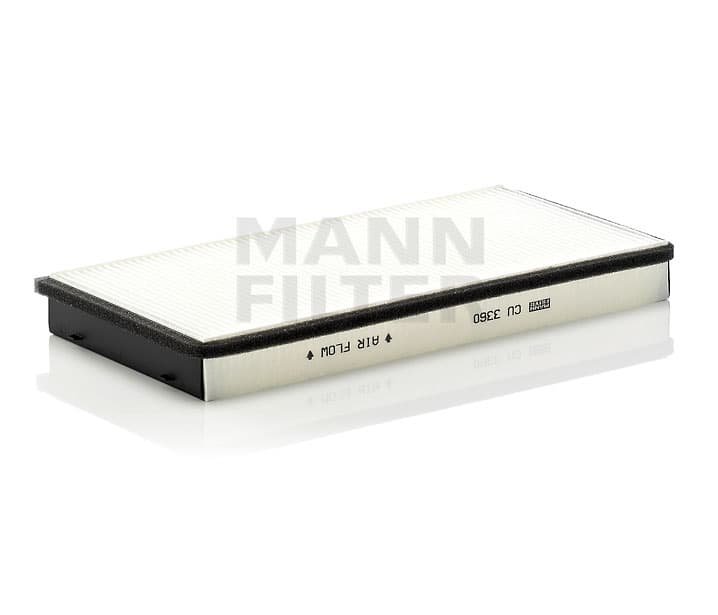
Choosing Right Cabin Filters: Technical Criteria
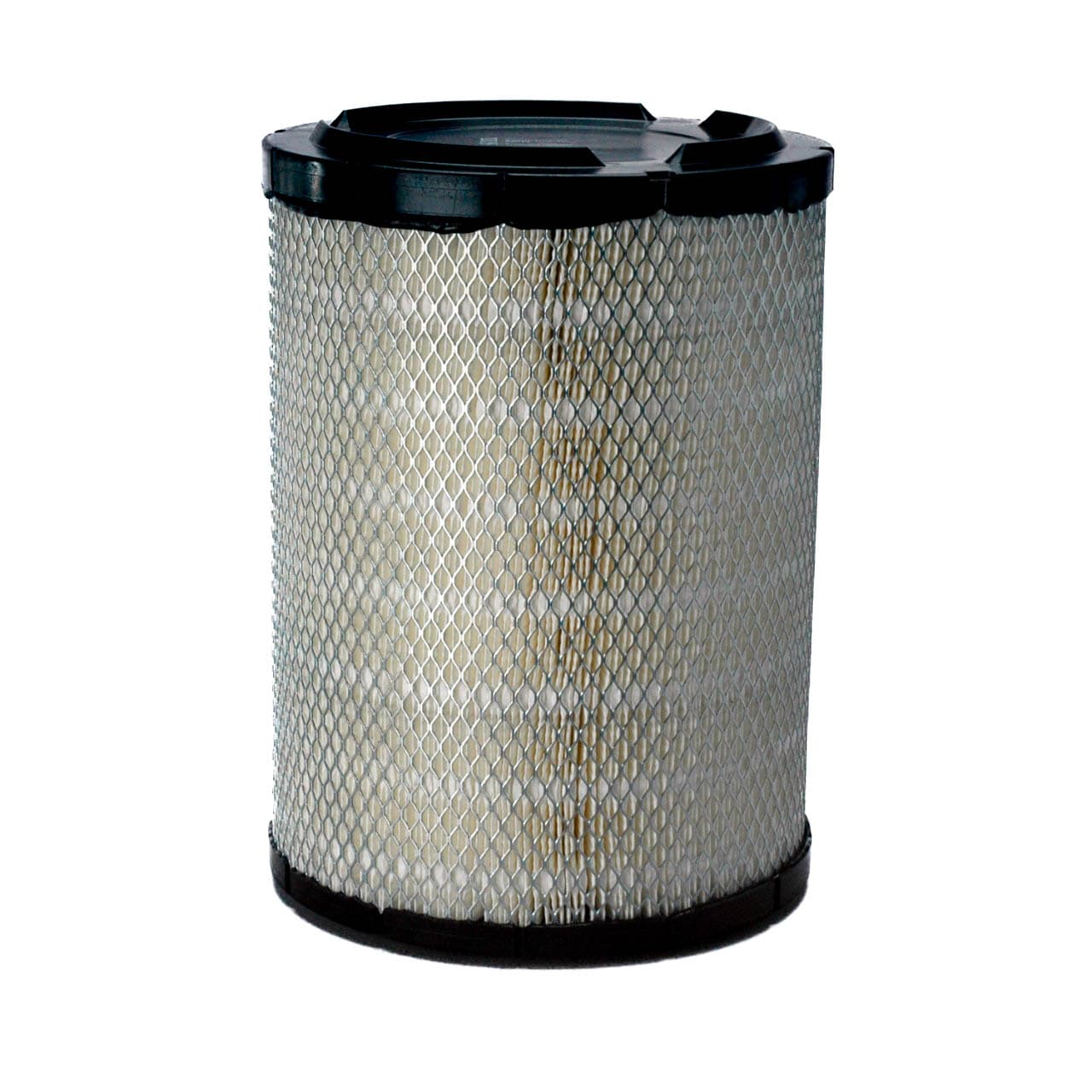
In summary: Selecting the correct cabin filter involves more than matching dimensions; it requires a deep understanding of filtration media efficiency, pressure differential (Delta P), and the specific environmental contaminants the vehicle or machinery will encounter.
What defines filtration efficiency when choosing right cabin units?
Filtration efficiency is the primary metric used to evaluate the performance of a cabin air filter. It refers to the percentage of particulate matter captured by the filter media at specific micron sizes. High-quality filters are designed to trap particles ranging from large debris like pollen and road dust to microscopic pollutants like PM2.5 and combustion soot. When assessing efficiency, technical departments must look at the ISO 16890 or EN 779 standards, which categorise filters based on their ability to arrest particles of varying diameters.
A critical component in achieving high efficiency is the use of melt-blown synthetic fibres. These fibres are layered to create a tortuous path for air, forcing particulates to collide with and adhere to the material. For instance, a component like the SF FILTER AF1730 is engineered to maintain a balance between high arrestance and low resistance. The efficiency of these units is often enhanced through electrostatic charging, which allows the fibres to attract fine dust through Van der Waals forces, significantly improving the capture rate without increasing the physical density of the media.
How does media morphology influence particulate capture?
The morphology of the filter media determines its dust-holding capacity and longevity. Cabin filters typically utilize multi-layered structures. The first layer acts as a pre-filter, capturing larger particles that would otherwise clog the finer inner layers. Subsequent layers are designed for fine filtration. In specialised environments, such as construction or mining, the demand for high-capacity media is even greater. Technical specifications for components like the SF FILTER 249-8559 focus on pleat stability and surface area optimisation to ensure the filter does not prematurely saturate in high-dust environments.
Furthermore, the inclusion of activated carbon layers adds a chemical filtration dimension. Activated carbon utilizes the process of adsorption to trap volatile organic compounds (VOCs), nitrogen oxides (NOx), and unpleasant odours. The surface area of the activated carbon is immense; a single gram can have a surface area exceeding 1,000 square metres. When choosing right cabin filters for urban environments, the presence of a high-quality carbon layer is non-negotiable for neutralising exhaust gases.
Why is structural integrity critical for cabin filter installation?
The structural design of a cabin filter ensures that all air entering the HVAC system passes through the filtration media rather than around it—a phenomenon known as bypass. Bypass occurs when the filter frame is too flexible or the dimensions are slightly off, allowing unfiltered air to enter the cabin. Professional-grade filters like the SF FILTER CU3861 feature rigid frames or reinforced edges that maintain their shape under the pressure of the blower motor.
Gasket quality is another technical detail often overlooked. A high-quality polyurethane or rubber gasket provides a hermetic seal against the filter housing. Without this seal, the efficiency rating of the media becomes irrelevant. In heavy-duty applications, the filter may also include support mesh or potting compounds that prevent the pleats from collapsing or fluttering, which can lead to mechanical failure of the media and subsequent contamination of the evaporator and heater core.
How do pressure drop and flow rate influence HVAC longevity?
Pressure drop, or 'Delta P', is the difference in air pressure between the upstream and downstream sides of the filter. Every filter introduces some level of resistance to airflow. However, if the resistance is too high, it places an excessive load on the HVAC blower motor, leading to increased energy consumption and potential motor failure. Conversely, if the resistance is too low, it may indicate a filter with insufficient density or poor filtration efficiency.
Engineers must consider the 'clean' pressure drop and the 'dirty' pressure drop curve. A technically superior filter will have a shallow curve, meaning the resistance increases slowly as the filter accumulates dust. This is achieved through maximum pleat count and high-porosity media. For example, the SF FILTER AF260 is designed to facilitate high airflow volumes while maintaining rigorous filtration standards, ensuring that the vehicle's climate control system operates within its design parameters for heating and cooling efficiency.
What are the maintenance considerations for industrial cabin air systems?
In industrial and agricultural machinery, cabin filters serve a dual purpose: protecting the operator from hazardous dust and protecting the sensitive electronics and HVAC components within the cab. In these environments, standard passenger car criteria are insufficient. Maintenance intervals must be determined based on pressure sensors within the ducting or scheduled visual inspections. Using a high-performance unit such as the SF FILTER AF55887 ensures that the system can handle the high particulate load found in harvesting or earthmoving operations.
It is a common technical error to attempt to clean cabin filters with compressed air. This practice inevitably damages the delicate microfibres and destroys the electrostatic charge, rendering the filter ineffective. The only technically sound maintenance procedure is the complete replacement of the element once it reaches its terminal pressure drop or the manufacturer's recommended service interval. Regular replacement prevents the growth of bacteria and mould on the filter surface, which can occur when moisture from the evaporator interacts with trapped organic matter.
Frequently asked questions
What is the difference between a standard and an activated carbon cabin filter?
A standard filter uses synthetic or cellulose media to trap solid particulates like dust and pollen. An activated carbon filter includes an additional layer of treated charcoal that adsorbs gases, vapours, and odours, providing a higher level of air quality inside the cabin.
How often should a cabin filter be replaced in industrial machinery?
While automotive filters are usually replaced every 15,000 to 30,000 kilometres, industrial filters should be monitored via the HVAC system's pressure differential. In high-dust environments, replacement may be required every 500 operating hours to prevent blower motor strain.
Can a cabin filter affect the performance of the air conditioning system?
Yes. A clogged or restrictive cabin filter reduces the volume of air flowing over the evaporator coils. This can cause the coils to freeze, reduce cooling capacity, and lead to increased humidity and fogging on the interior glass surfaces.
What does the direction of airflow arrow on the filter frame signify?
The arrow indicates the required orientation of the filter relative to the HVAC blower's air path. Cabin filters are often designed with a graduated density (finer layers on the downstream side). Installing the filter backwards will significantly reduce its dust-holding capacity and increase the initial pressure drop.
Is it necessary to use OEM-specification filters for cabin air?
Yes, using filters that meet or exceed OEM specifications, such as those from SF FILTER, ensures that the media surface area, pleat depth, and sealing gaskets match the requirements of the vehicle's HVAC housing, preventing bypass and maintaining system calibration.
Share