Optimal cabin filter replacement intervals and signs of wear
In summary: The standard cabin filter replacement interval is typically every 15,000 to 20,000 kilometres or once every twelve months. However, technical factors such as environmental particulate density, humidity levels, and the specific HVAC system load can significantly shorten this duration, necessitating more frequent inspections.
What determines the ideal cabin filter replacement frequency?
The operational lifespan of a cabin filter is primarily dictated by the volume of air processed and the concentration of airborne contaminants. While vehicle manufacturers provide a baseline schedule, technical reality often deviates from these estimates. In urban environments with high concentrations of nitrogen oxides and soot, or in agricultural areas with high pollen and dust levels, the filter media reaches its saturation point much faster. For heavy-duty applications or industrial machinery, the interval is frequently measured in operating hours rather than distance, where a 500-hour threshold is a common benchmark for inspection.
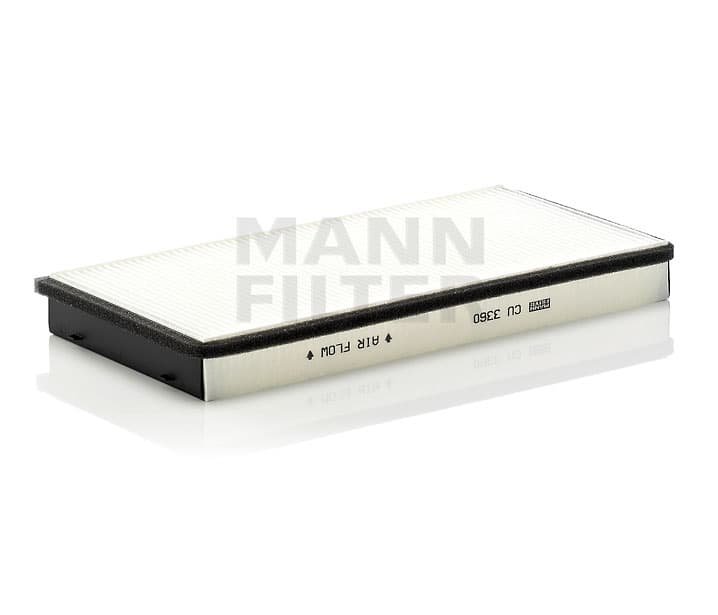
Material composition also plays a role. Synthetic media often used in high-performance filters, such as the SF FILTER CU 3360, are designed to maintain a low pressure drop even as they accumulate debris. However, once the interstitial spaces between the fibres are filled, airflow resistance increases exponentially. Monitoring the pressure differential within the HVAC plenum is the most accurate way to determine when a filter has reached the end of its functional life, though this is rarely feasible for standard passenger vehicles.
How does a clogged filter affect the HVAC system?
When a cabin filter exceeds its service life, the physical obstruction of the media restricts airflow to the evaporator and heater core. This restriction forces the blower motor to work harder to pull air through the saturated barrier. From a technical standpoint, this increases the electrical current draw on the blower motor resistor and the motor itself. Over time, this excess heat can lead to the premature failure of these components. Furthermore, reduced airflow over the evaporator core can lead to icing in summer or insufficient dehumidification during colder months, which directly impacts the safety of the vehicle by causing persistent window fogging.
What are the primary indicators of a failed cabin filter?
The most immediate symptom of a saturated filter is a noticeable reduction in the volume of air exiting the dashboard vents. Even at the highest fan speed settings, the airflow may feel weak and turbulent. Another technical indicator is the presence of persistent musty odours. Cabin filters, particularly those located in damp environments, can become a breeding ground for bacteria and fungi as moisture from the air conditioning system interacts with the trapped organic matter on the filter surface. This biological accumulation is not just a comfort issue but a health concern for the occupants.
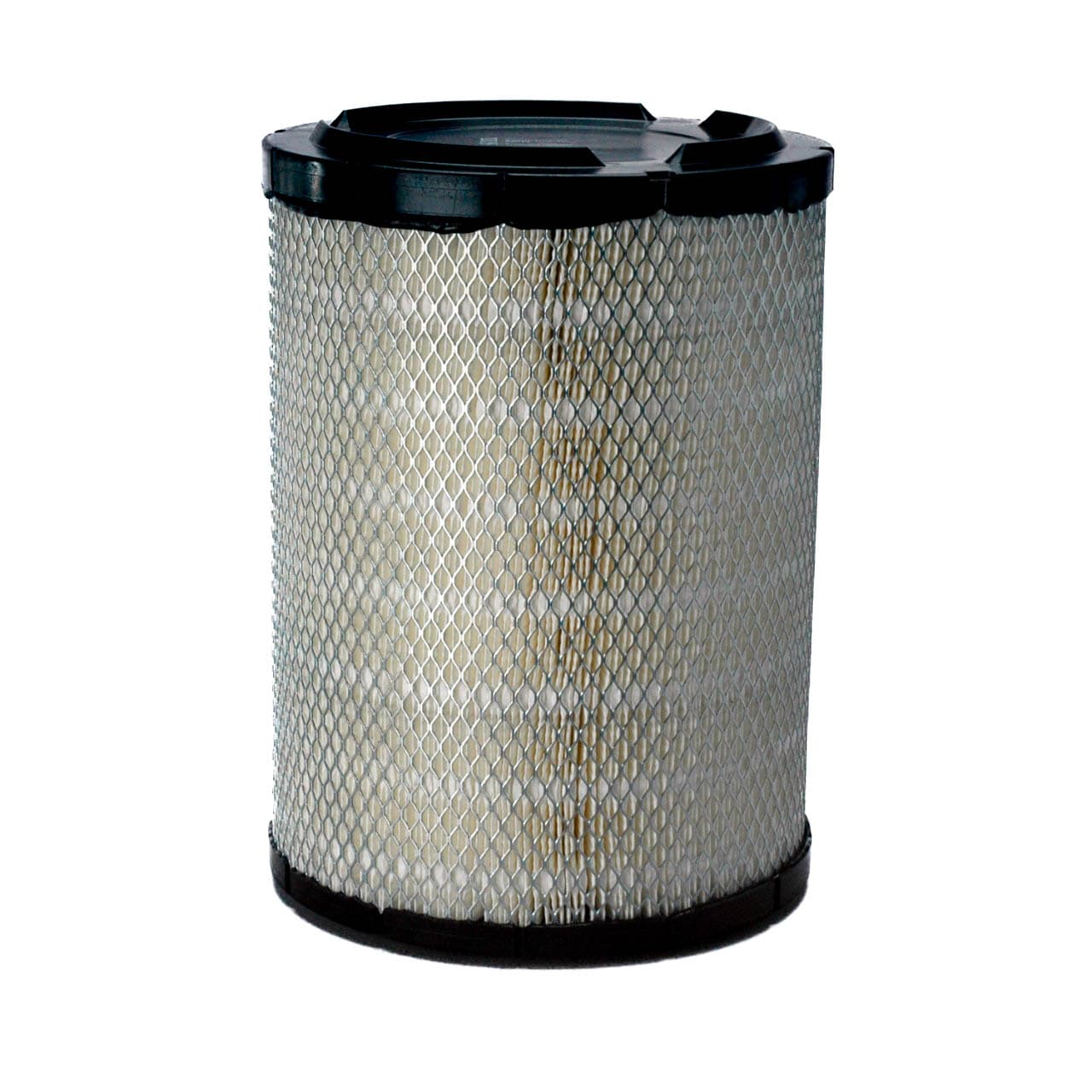
Visible inspection remains a reliable diagnostic method. A filter that appears grey, black, or is filled with organic debris like leaves and twigs has long surpassed its efficiency window. In heavy-duty equipment, using a robust particulate filter like the SF FILTER AF1730 ensures that the system can handle higher dust loads, but even these professional-grade components require strict adherence to maintenance schedules to prevent HVAC strain.
Which filter media requires more frequent inspection?
Standard particulate filters made of cellulose or simple synthetic fleece are designed to trap dust and pollen. Once they are visually dirty, their efficiency drops. However, activated carbon filters require a more nuanced replacement strategy. Activated carbon works through a process called adsorption, where gaseous pollutants like ozone and hydrocarbons are trapped in the microscopic pores of the carbon layer. Once these pores are saturated, the filter may still allow airflow, but it will no longer neutralise odours or harmful gases. Therefore, even if an activated carbon filter appears relatively clean, it should be replaced strictly according to the time interval to ensure chemical filtration remains active.
How does environmental air quality dictate maintenance?
Vehicles operating in specialised environments—such as construction sites, mines, or heavily industrialised zones—cannot rely on standard service intervals. In these scenarios, the concentration of Particulate Matter (PM10 and PM2.5) is significantly higher than in suburban settings. The technical load on the filter increases, leading to rapid 'cake' formation on the surface of the media. For these applications, it is advisable to inspect the cabin filter every 5,000 kilometres or during every oil change. Neglecting this leads to a rapid decline in air quality inside the cabin and puts the HVAC system at risk of total failure due to overheating blower components.
Frequently asked questions
Does a worn cabin filter affect fuel consumption?
Indirectly, yes. A clogged filter restricts airflow, forcing the air conditioning system to run longer and at higher intensity to achieve the desired cabin temperature. This places a higher load on the engine and the alternator, which can lead to a slight increase in fuel consumption.
Can I clean a cabin filter with compressed air?
Cleaning a cabin filter with compressed air is not recommended. While it might remove large debris, it can damage the delicate structure of the filter media and will not remove microscopic particles or bacteria embedded deep within the fibres. It also does nothing to restore the adsorption properties of activated carbon.
What is the difference between a standard and an activated carbon filter?
A standard filter primarily traps solid particles like dust and soot. An activated carbon filter contains an additional layer that adsorbs gases and odours. While the replacement interval is similar, the carbon filter provides a much higher level of protection against chemical pollutants.
Why do my windows fog up even when the AC is on?
Persistent window fogging is often a sign of a clogged cabin filter. If the filter is saturated, it cannot effectively allow the HVAC system to dehumidify the air. The moisture remains trapped in the cabin, condensing on the cold glass surfaces.
Share