Choosing right cabin filters: Technical criteria
In summary: The process of choosing right cabin filters requires a detailed analysis of filtration media efficiency, mechanical dimensions, and the impact on the HVAC system’s static pressure. Neglecting these technical parameters can lead to premature motor wear or poor air quality within the cabin.
How do filtration media affect the process of choosing right cabin filters?
The primary technical consideration when evaluating cabin filters is the composition of the filtration media. Modern automotive filters typically utilise non-woven synthetic fibres, often produced through a melt-blown process. These fibres are engineered to create a tortuous path for incoming particles, relying on mechanisms such as inertial impaction, interception, and diffusion to capture contaminants. When choosing right cabin filters, technicians must distinguish between simple mechanical barriers and those enhanced with an electrostatic charge. Electrostatic media can attract sub-micron particles without significantly increasing airflow resistance, though this charge may dissipate over time due to humidity and oil vapour exposure.
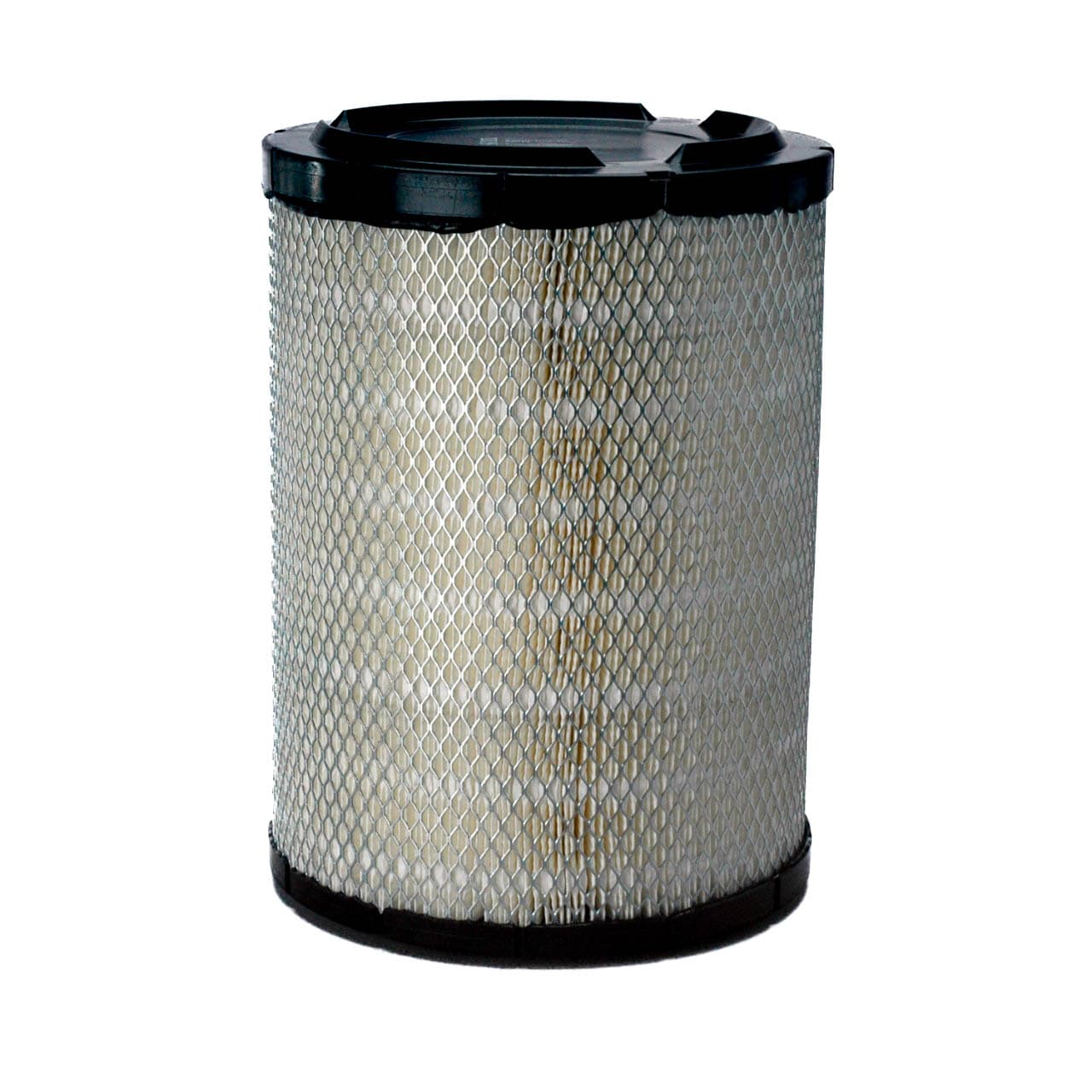
Synthetic media offer superior resistance to moisture compared to older cellulose-based designs. Cellulose tends to swell when exposed to high humidity, which increases the pressure drop across the filter and can lead to microbial growth. High-specification components, such as the SF FILTER AF1730, are designed to maintain structural integrity under varying environmental conditions, ensuring that the pleat geometry remains stable even when saturated with moisture or heavy particulate loads.
What is the impact of pressure drop on HVAC motor longevity?
Every filter introduces a degree of restriction to the airflow, measured as a pressure drop (Delta P). In the context of choosing right cabin filters, the initial pressure drop at a specific flow rate (e.g., 300 m³/h) is a critical technical metric. If a filter is too restrictive, the HVAC blower motor must work harder to push air through the system. This results in higher current draw and increased heat generation within the motor windings, which can significantly shorten the component's service life.
The relationship between filtration efficiency and pressure drop is usually inverse; finer filtration typically leads to higher resistance. However, advanced engineering allows for high pleat density, which increases the total surface area of the media. By increasing the area, the face velocity of the air through the media is reduced, which lowers the overall pressure drop. When examining technical data sheets for products like the SF FILTER 249-8559, it is essential to ensure that the flow characteristics align with the original equipment manufacturer (OEM) specifications for the specific vehicle’s blower capacity.
Why are dimensional tolerances critical in filter housing assembly?
A cabin filter’s efficiency is effectively negated if air can bypass the filtration media. This phenomenon, known as bypass leakage, occurs when the filter does not fit perfectly within its housing. When choosing right cabin filters, dimensional accuracy to the millimetre is non-negotiable. A filter that is even 2-3 mm too small will allow unfiltered air to enter the evaporator and heater core, leading to the accumulation of debris on these heat exchangers. Over time, this debris acts as a substrate for mould and bacteria, resulting in unpleasant odours and reduced thermal efficiency.
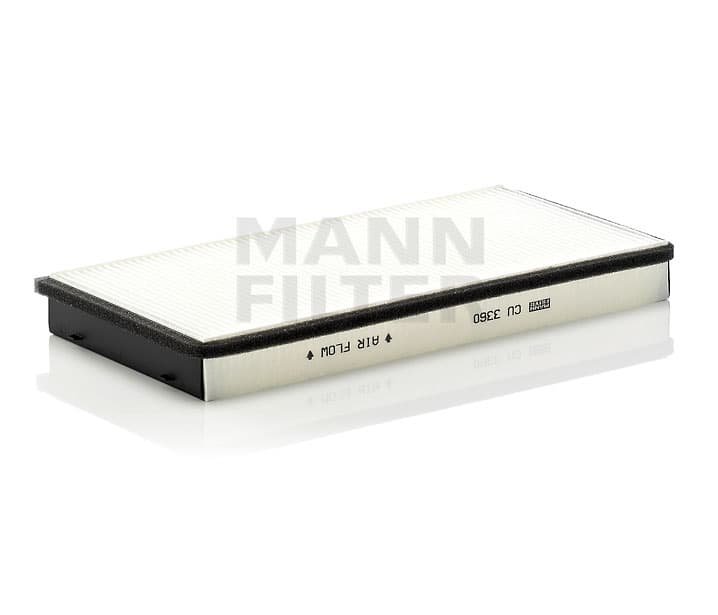
Furthermore, the rigidity of the filter frame is a key technical factor. During high-speed blower operation, the pressure exerted on the filter surface can cause flimsy frames to bow or collapse. High-quality filters utilise reinforced plastic frames or adhesive beads across the pleat tips to maintain the filter's shape. This ensures a consistent seal against the housing gaskets throughout the entire service interval. Components such as the SF FILTER CU 3360 are manufactured to strict tolerances to prevent any bypass, ensuring that 100% of the intake air passes through the treated media.
How does activated carbon technology enhance gas adsorption?
Standard particulate filters are only effective against solid contaminants like dust, soot, and pollen. For the removal of gaseous pollutants, such as nitrogen oxides (NOx), ozone, and volatile organic compounds (VOCs), an activated carbon layer is required. This layer operates on the principle of adsorption, where gas molecules are trapped within the microscopic pore structure of the carbon granules. The technical effectiveness of an activated carbon filter is determined by the total mass of the carbon and its surface area, which can reach up to 1000 square metres per gram.
When choosing right cabin filters for urban environments with high traffic density, carbon-infused options are technically superior. However, the adsorption capacity is finite. Once the pores of the carbon are saturated, the filter will no longer remove gases, although it will continue to function as a particulate barrier. Technical professionals must monitor the environment in which the vehicle operates to determine if a standard particulate filter or a dual-stage carbon filter is more appropriate for the specific application.
What technical indicators determine the service life of a cabin filter?
The service life of a cabin filter is not solely dependent on mileage but is influenced by the dust holding capacity (DHC) of the media and the environmental conditions. As the filter captures particles, the pores become restricted, leading to a gradual increase in pressure drop. A technical indicator of a saturated filter is a noticeable reduction in airflow through the vents, even at high fan speeds, and increased noise from the blower motor as it struggles against the resistance.
In industrial or high-dust environments, the DHC of a filter like the SF FILTER AF260 may be reached much sooner than the manufacturer’s recommended interval. Technicians should perform a visual inspection for pleat deformation and substrate discolouration. Additionally, the presence of moisture can lead to the 'blinding' of the filter media, where a thin layer of wet dust creates an impermeable barrier. Regular replacement according to technical assessment rather than just a fixed schedule ensures the continued protection of both the vehicle's HVAC components and the air quality for the occupants.
Frequently asked questions
Can a cabin filter affect the performance of the air conditioning system?
Yes. A clogged or incorrect cabin filter reduces the airflow over the evaporator coil. This can lead to the coil freezing or the system failing to reach the desired temperature, placing unnecessary strain on the compressor.
What is the difference between PM2.5 and PM10 filtration in cabin filters?
PM10 refers to particles 10 micrometres or smaller, such as coarse dust and pollen. PM2.5 refers to fine particles 2.5 micrometres or smaller, such as combustion particles and organic compounds. High-efficiency filters are specifically designed to capture the more hazardous PM2.5 fraction.
How does a bypass valve work in some cabin filter housings?
Unlike oil filters, most cabin filter housings do not have a bypass valve. If the filter is completely blocked, airflow is simply restricted. This makes choosing the correct media and maintaining a regular replacement schedule critical for system operation.
Is there a technical difference between 'pollen filters' and 'cabin filters'?
In technical terms, they are often the same. However, 'pollen filter' usually refers to a basic particulate filter, whereas 'cabin filter' is a broader term that can include activated carbon and anti-allergen layers for more comprehensive air treatment.
Share