Cabin Filter Maintenance Guide: Clean Air for Every Driver
The Fundamental Role of a Cabin Filter in Modern Vehicles
In the modern automotive and industrial landscape, the cabin filter has transitioned from a luxury component to an essential health and safety requirement. Often referred to as a pollen filter or dust filter, its primary function is to purify the air entering the interior of a vehicle or machine through the heating, ventilation, and air conditioning (HVAC) system. Whether you are driving a passenger car through a congested city or operating heavy machinery on a dusty construction site, this component acts as the first line of defence against airborne contaminants, allergens, and microscopic pollutants.
The environment inside a vehicle cabin can often contain a higher concentration of pollutants than the outside air. This is due to the 'tunnel effect', where the vehicle's ventilation system sucks in exhaust fumes and road dust from the vehicle directly in front. A high-quality filtration system ensures that the driver and passengers breathe air that is free from harmful particulates. Beyond health, the filter plays a critical role in protecting the mechanical integrity of the air conditioning system itself by preventing debris from accumulating on the evaporator and other sensitive components.
Protecting Health and Improving Air Quality
For individuals suffering from respiratory conditions, the quality of the air inside the vehicle is paramount. A properly functioning filter effectively traps allergens such as pollen, mould spores, and fungi. During peak seasons, the presence of various types of pollen can cause significant discomfort for drivers, leading to sneezing and watery eyes, which are not only unpleasant but also pose a safety risk by distracting the operator. By utilising multi-layered synthetic media, these filters can capture particles as small as a few microns in size.
Furthermore, the filtration process addresses the presence of fine dust (PM2.5 and PM10) which is prevalent in urban environments. These particles are small enough to enter the lungs and bloodstream, causing long-term health issues. In industrial applications, where operators are exposed to crystalline silica or other hazardous mineral dusts, the efficiency of the cabin filtration system is a matter of workplace safety compliance. High-efficiency media ensures that the interior remains a clean-room environment relative to the harsh conditions outside.
Maintaining the Efficiency of the Air Conditioning System
From a technical perspective, the filter is vital for the longevity of the vehicle's climate control system. When a filter becomes clogged, it restricts the airflow reaching the blower motor. This forces the motor to work harder to push air through the resistance, leading to premature wear and potential electrical failure. Moreover, a clean filter ensures that the air passing over the evaporator is free from organic matter. If debris reaches the damp environment of the evaporator, it becomes a breeding ground for bacteria and mould, which results in the characteristic 'musty' smell often associated with neglected air conditioning units.
Understanding Different Types of Cabin Filters
Not all filters are created equal, and selecting the right type depends on the environment in which the vehicle operates and the specific needs of the users. Understanding the technical differences between standard and advanced media is crucial for making an informed purchase.
Standard Particle Filters
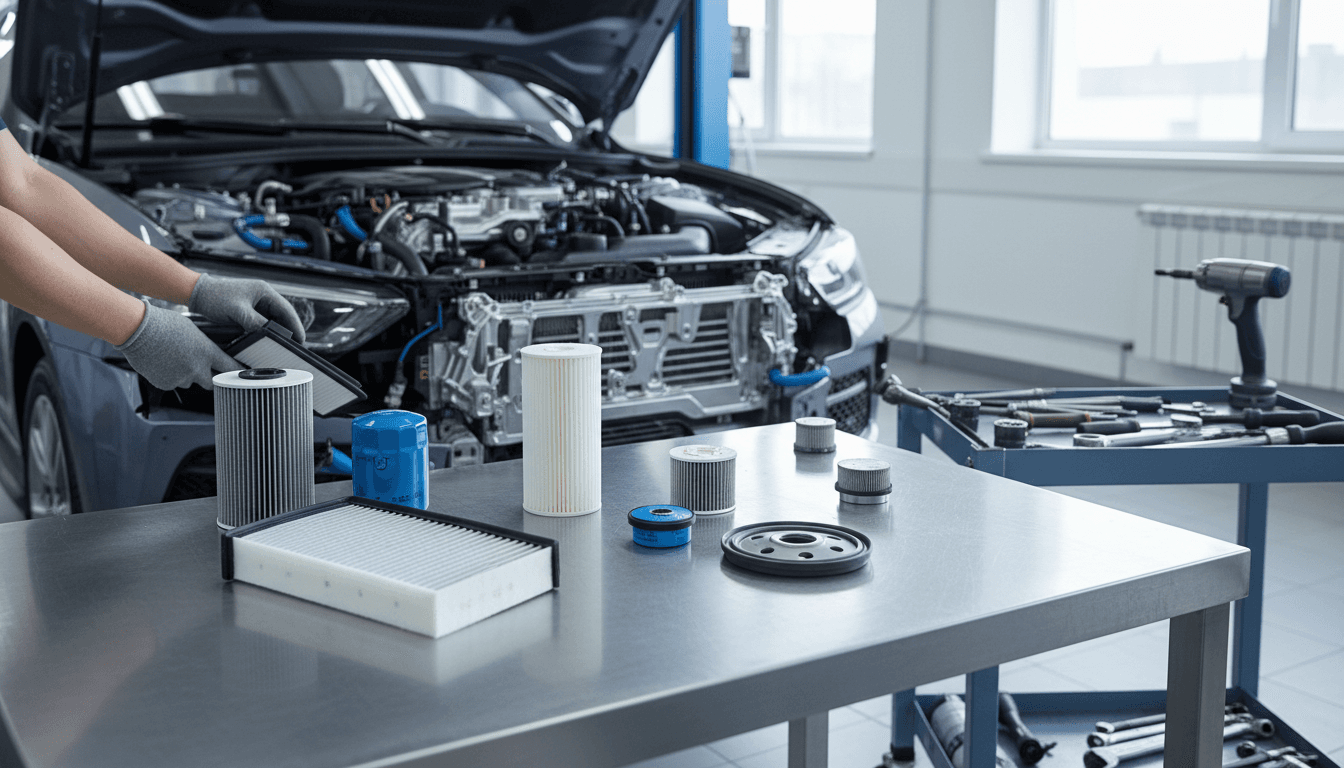
Standard particle filters are typically constructed from a non-woven, pleated synthetic material. They are designed to mechanically trap solid particles such as dust, soot, and pollen. These are the most common filters found in passenger vehicles and are highly effective at maintaining basic air clarity. The pleating design is intentional; it increases the surface area of the filter media, allowing for a high dirt-holding capacity without significantly impeding the flow of air. These filters are excellent for general use in areas where chemical odours or gases are not a primary concern.
Activated Carbon Filters
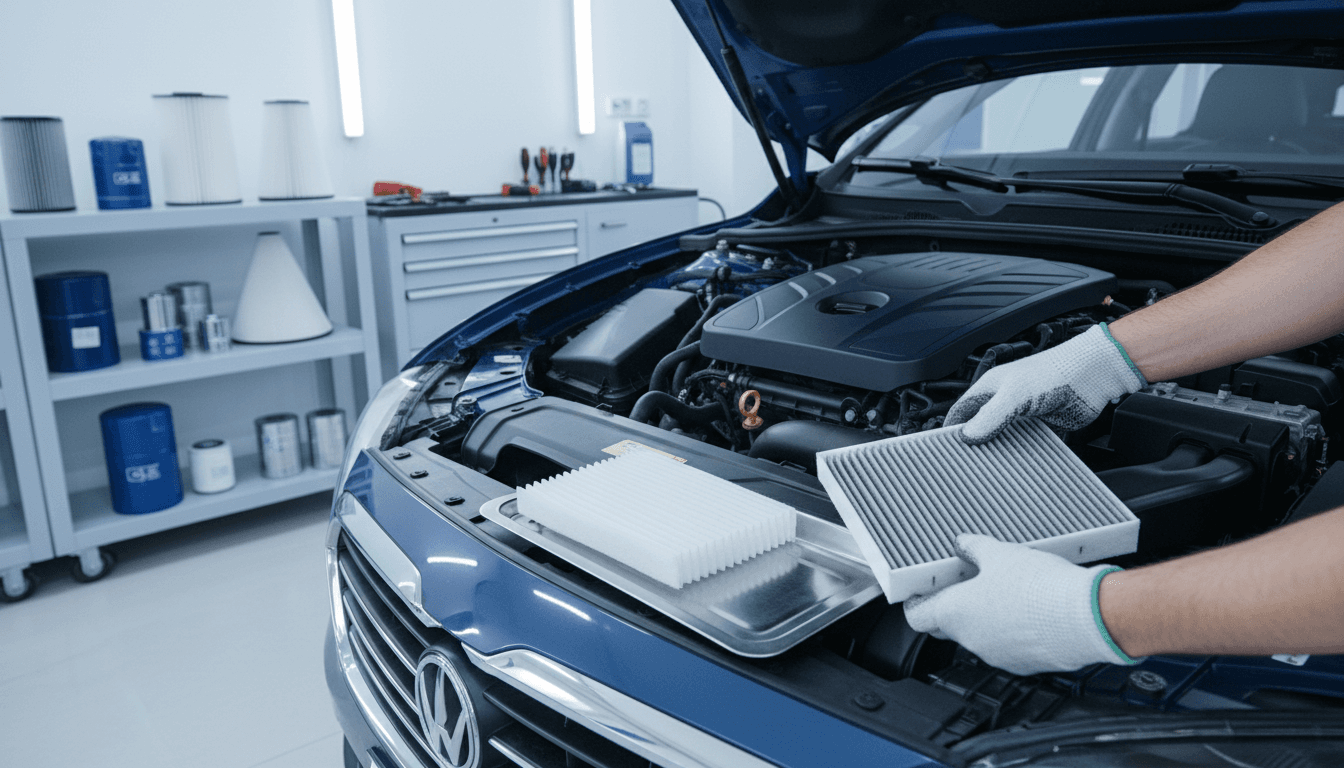
Activated carbon filters represent a significant upgrade over standard versions. In addition to the particulate layer, these filters contain a layer of high-quality activated charcoal. This material undergoes a specialised process to create millions of microscopic pores, which adsorb gases and unpleasant smells. This includes harmful gases like nitrogen oxides (NOx), ozone, and hydrocarbons found in traffic fumes. Drivers who frequently navigate through heavy traffic, tunnels, or industrial zones will benefit significantly from the chemical filtration capabilities of activated carbon.
Biofunctional and Anti-allergen Filters
The most advanced category includes biofunctional filters. These products often feature a third layer—a bioactive coating usually enriched with polyphenols. These natural substances are known for their ability to neutralise allergens and inhibit the growth of bacteria and mould on the filter surface itself. This is particularly important in damp climates where moisture can accumulate within the filter housing. For families with children or individuals with severe asthma, these specialised filters provide the highest level of protection available on the market.
When to Replace Your Cabin Filter
Determining the correct replacement interval is essential for maintaining both air quality and system performance. Unlike oil or fuel systems, where intervals are strictly defined by mileage, cabin filtration is heavily influenced by environmental factors.
Recommended Service Intervals
As a general rule of thumb, most manufacturers recommend replacing the filter every 15,000 to 20,000 kilometres, or at least once a year. However, professional mechanics often suggest a bi-annual replacement strategy:
- Spring replacement: To prepare for the high pollen counts of the spring and summer months.
- Autumn replacement: To ensure the system can handle the increased humidity of winter and prevent window fogging.
In heavy-duty applications, such as construction or agriculture, these intervals must be significantly shortened. Machines operating in quarries or harvesting fields may require a new filter every few hundred hours of operation due to the sheer volume of material the filter must process.
Signs Your Filter Needs Immediate Replacement
Drivers and operators should be vigilant for symptoms of a failing filter. If you notice any of the following, a replacement should be prioritised:
- Reduced airflow: If the vents feel weak even on the highest setting, the filter is likely saturated with dust.
- Unpleasant odours: A damp, earthy, or vinegar-like smell indicates bacterial growth or excessive moisture trapped in the media.
- Increased window fogging: A clogged filter prevents efficient moisture removal from the cabin, leading to persistent condensation on the interior of the glass.
- Noisy blower motor: Whistling or straining sounds from the dashboard often point to a restricted air intake.
- Allergy flare-ups: If you start sneezing more frequently while inside the vehicle, the filter's ability to trap allergens has been compromised.
Technical Selection: Finding the Right Filter for Your Machine
Choosing the correct replacement requires attention to detail. With over 300,000 products available at Filtry.org, precision in selection is key to ensuring a perfect fit and optimal performance.
Matching Specifications and Dimensions
The most reliable way to select a filter is by using the original equipment (OE) part number or the specific vehicle identification data. Because the filter must fit perfectly within its housing to prevent 'air bypass' (where unfiltered air leaks around the edges), even a few millimetres of difference can render a filter ineffective. When browsing our catalogue, always verify the height, width, and thickness against your current component if you are unsure of the part number.
Selecting Cabin Filters for Specific Brands
Different manufacturers have unique housing designs and access points. For instance, high-end European vehicles often require specific filtration standards to match their complex climate control logic. If you are looking for premium replacements for German engineering, we provide a wide range of specialised BMW cabin filters that meet or exceed original specifications. These components are designed to handle the high-pressure blowers used in luxury vehicles while maintaining superior acoustic properties.
Cabin Filters in Industrial and Agricultural Applications
The requirements for industrial machinery are vastly different from those of a standard passenger car. In environments like mines, construction sites, or agricultural fields, the cabin filter is a critical safety component that protects the operator from hazardous materials.
Heavy Machinery and Extreme Dust Conditions
Industrial filters are often reinforced with metal or plastic frames to withstand the vibration and pressure fluctuations found in heavy-duty machinery. The media used is typically more robust, designed to handle large-grained mineral dust without tearing. In these environments, the cabin is often pressurised; the filter must allow for enough airflow to maintain this positive pressure, which prevents dust from entering through door seals or other gaps. Regularly checking the air filters of the engine is common practice, but the cabin filtration should never be overlooked in these settings.
The Importance of HEPA Standards in Construction
In certain specialised applications, such as asbestos abatement or working in contaminated soil, HEPA (High-Efficiency Particulate Air) filters are used. these are designed to trap 99.97% of particles as small as 0.3 microns. While not standard for most vehicles, they are becoming increasingly common in the cabin systems of specialized excavators and tractors to ensure absolute operator safety in toxic environments.
The Installation Process: A Practical Guide
For many vehicles, replacing the filter is a straightforward task that can be performed without professional tools. However, the location of the filter housing varies significantly between models.
Locating the Filter Housing
Before beginning, consult the vehicle manual. Common locations include:
- Behind the glove box: Often requiring the removal of the glove compartment door or a small access panel.
- Under the dashboard: Accessible from the passenger footwell.
- In the engine bay: Usually located near the base of the windscreen under a plastic cowl.
- Under the front scuttle: Common in older vehicle designs.
Correct Orientation and Airflow Direction
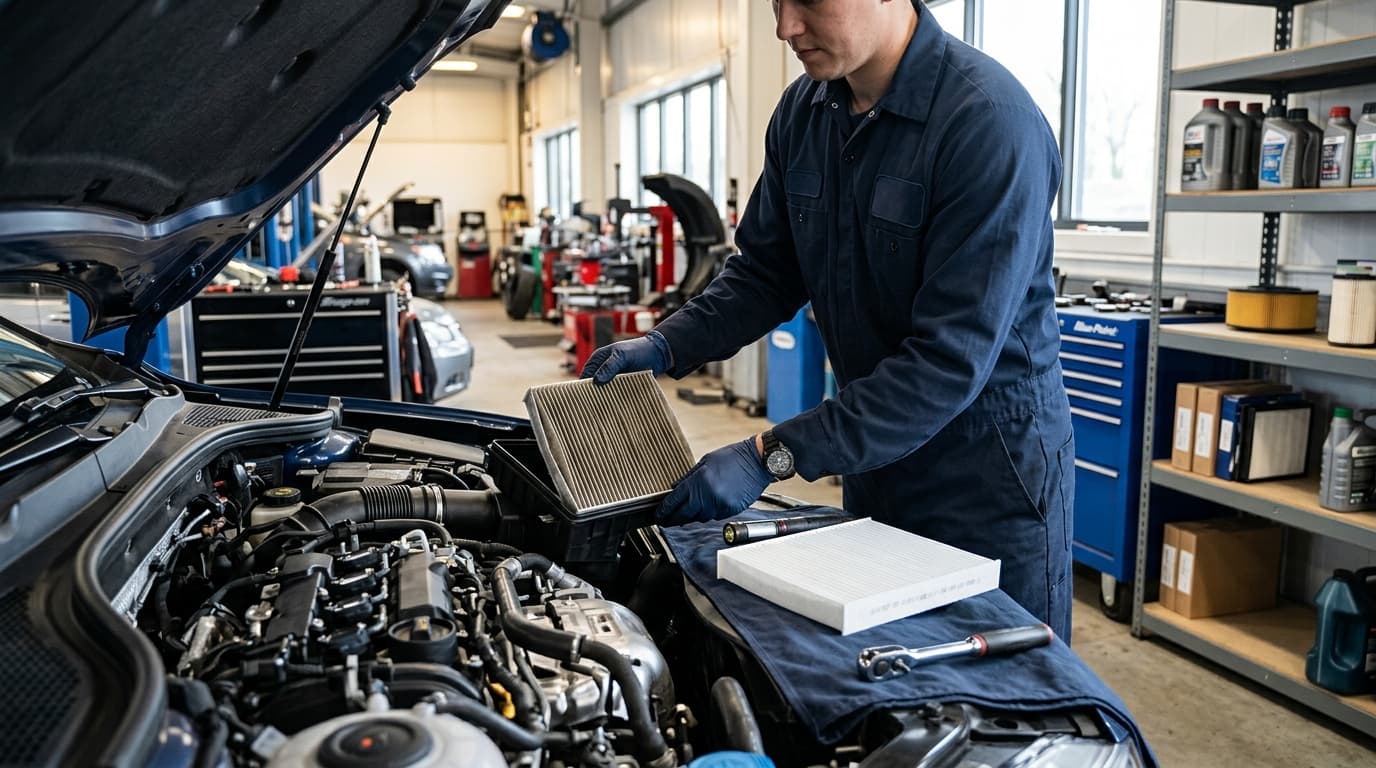
One of the most common mistakes during installation is fitting the filter upside down. Most filters feature an 'Air Flow' arrow printed on the side. It is critical to observe the direction of the air moving through the HVAC system. If the filter is installed backwards, the structural pleats may collapse under pressure, and the multi-stage filtration layers (such as the carbon layer) will not function as intended. Always clean the filter housing with a damp cloth or vacuum before inserting the new element to remove any loose debris that could immediately clog the new filter.
The Relationship Between Cabin Filters and Other Filtration Systems
A vehicle is a complex ecosystem of filtration. While the cabin filter looks after the occupants, other systems ensure the longevity of the machine. For example, maintaining clean fuel filters ensures the engine runs smoothly, which indirectly affects the cabin environment by reducing raw fuel smells and ensuring the engine operates at the correct temperature for the heating system to work efficiently. A holistic approach to maintenance, where all filters are checked during a standard service, is the best way to ensure vehicle reliability and occupant comfort.
Common Misconceptions About Cabin Filtration
There are several myths surrounding the use and maintenance of cabin filters that can lead to poor air quality or unnecessary expenses.
Can You Clean a Cabin Filter?
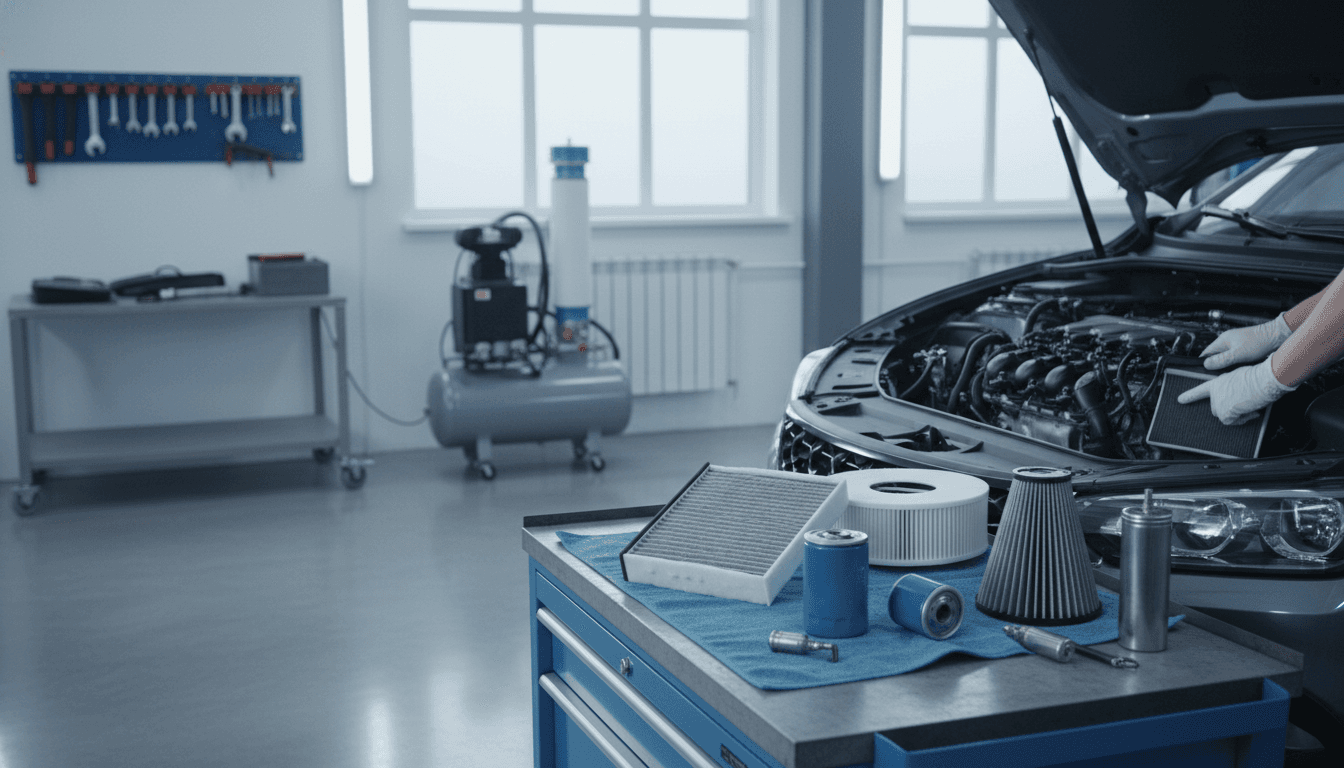
A common question is whether a filter can be cleaned using compressed air or by washing it. The technical answer is no. Cabin filters are depth filters, meaning particles are trapped deep within the fibres of the media. While compressed air might remove surface dust, it does nothing to clear the microscopic pores or the activated carbon layer. Furthermore, the high pressure of a blow-gun can easily create micro-tears in the delicate synthetic fabric, allowing unfiltered air to pass through. Once a filter is dirty, it must be replaced.
Does the Filter Only Work When the AC is On?
This is a common misunderstanding. The cabin filter processes all air that enters through the ventilation system, regardless of whether the air conditioning compressor is active or the heater is running. Even when the fan is off, some passive airflow still passes through the filter. Therefore, the filter is working and accumulating debris every moment the vehicle is in motion.
Summary and Best Practices for Vehicle Maintenance
Maintaining a clean cabin environment is a simple yet effective way to improve your driving experience and protect your health. By choosing the right type of filter—whether standard, carbon, or biofunctional—you can significantly reduce your exposure to allergens, pollutants, and harmful gases. Remember to follow a regular replacement schedule and pay attention to the warning signs of a clogged system.
At Filtry.org, we specialise in providing high-quality filtration solutions for every application. Our extensive range covers everything from the smallest passenger car to the largest industrial excavator, ensuring that no matter where you are in Europe, you have access to the best protection for your vehicle's interior. Regular maintenance is an investment in both your vehicle's value and your personal well-being.
Share