Optimise Vehicle Maintenance: The Role of Quality Filters
The Critical Role of Filters in Vehicle Maintenance
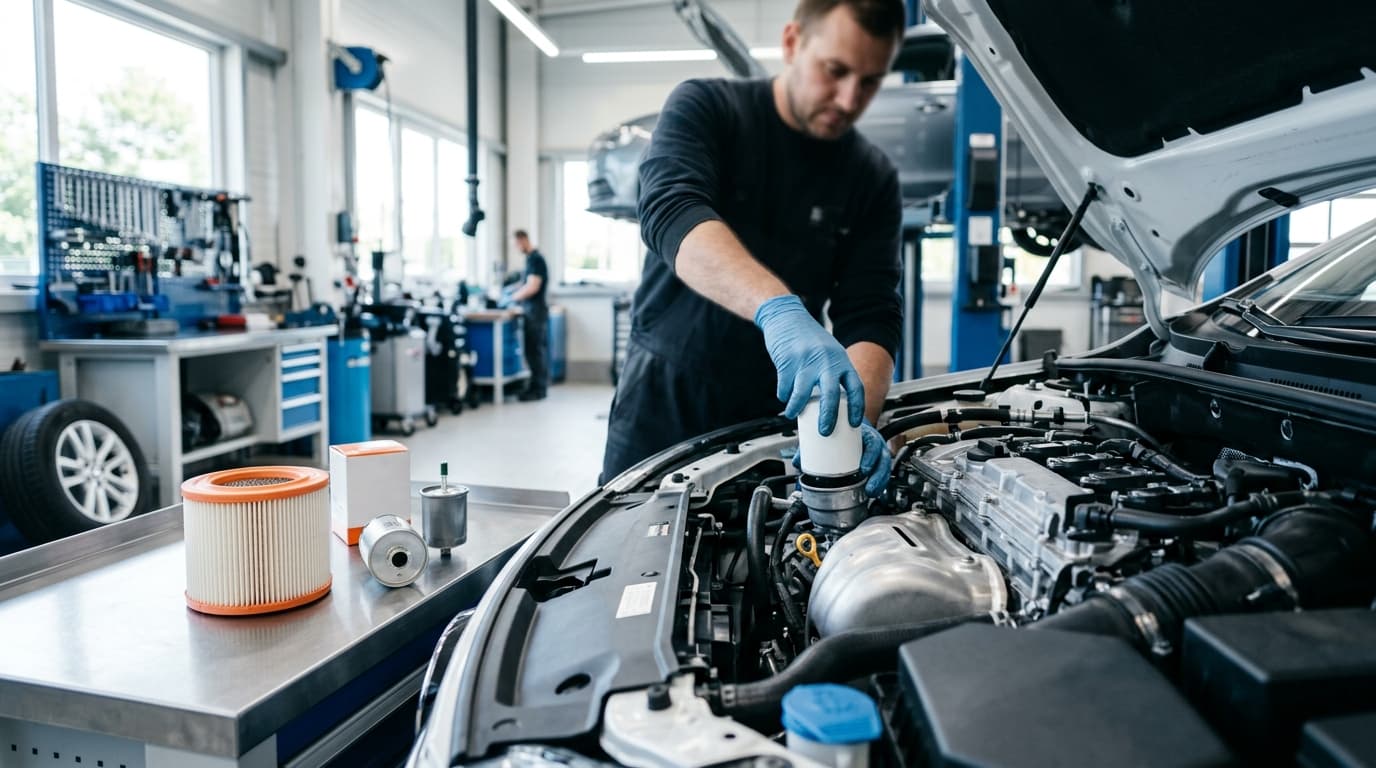
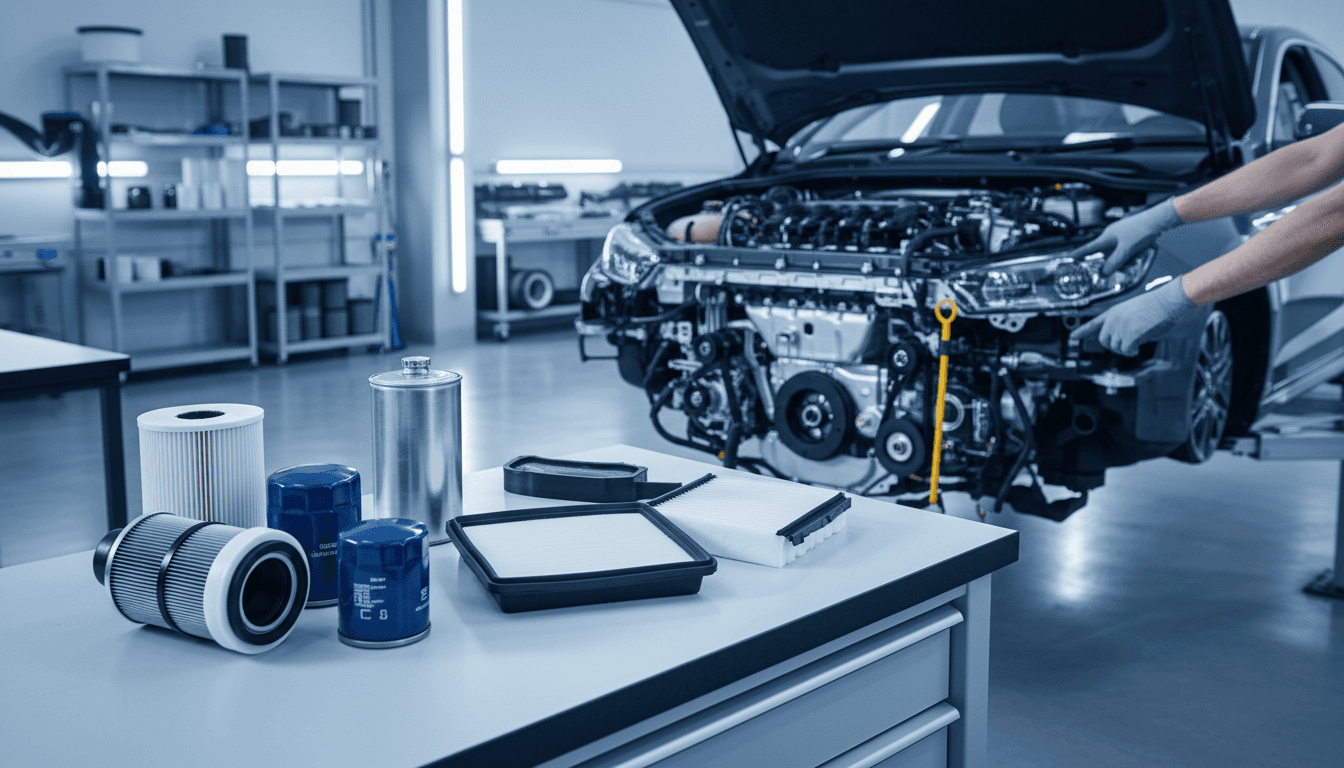
Regular vehicle maintenance is paramount for ensuring the longevity, reliability, and efficiency of any machine, whether it’s a passenger car, a heavy-duty truck, or sophisticated industrial equipment. A cornerstone of this maintenance, often overlooked but critically important, is the routine inspection and replacement of filters. These unassuming components play a vital role in protecting various systems from contaminants, thereby preventing premature wear, expensive repairs, and operational downtime. Understanding the function of each filter type and adhering to a strict harmonogram wymiany filtrów is key to effective serwis and overall vehicle health.
Why Filters Matter for Your Machine's Health
Filters act as the first line of defence against harmful particles, moisture, and debris that can degrade performance and cause significant damage to sensitive engine components, hydraulic systems, and even the air quality within the cabin. Neglecting filter replacement can lead to:
- Reduced engine performance and fuel efficiency.
- Increased wear on critical moving parts.
- Higher emissions and environmental impact.
- Compromised safety and operational reliability.
- Unhealthy cabin air, affecting driver and operator well-being.
By preventing these issues, proper filter management contributes directly to lower operating costs, extended equipment life, and a more pleasant user experience. It's an investment that pays dividends in the long run.
Types of Filters and Their Functions
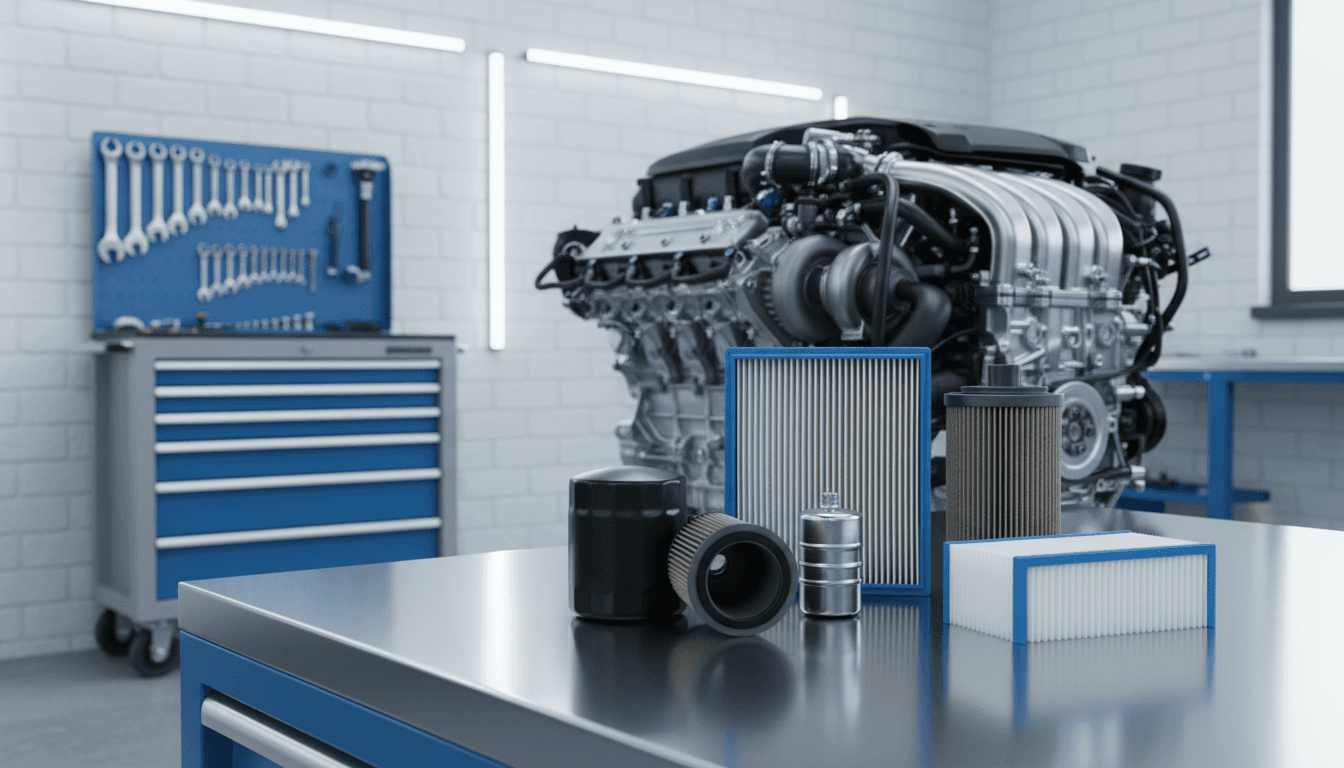
Filtry.org, a leading distributor of automotive and industrial filters, offers an extensive range of products designed for various applications, from passenger cars to construction machinery. Our specialisation covers a broad spectrum, including:
- Air Filters: Safeguarding engines from airborne particles.
- Oil Filters: Maintaining the purity of engine lubricating oil.
- Fuel Filters: Protecting fuel systems from contaminants in the fuel.
- Cabin Filters: Ensuring clean and healthy air inside the vehicle.
- Hydraulic Filters: Essential for the efficient operation of hydraulic systems in heavy machinery.
Each type is engineered to perform a specific protective function, and their collective proper functioning is indispensable for the overall performance of your vehicle or machine.
Understanding Key Filter Types and Their Maintenance
To provide a practical guide for drivers, mechanics, and machine operators, let's delve into the specifics of the most common filter types, covering their applications, selection, replacement schedules, and signs of wear. This detailed przegląd techniczny of filter requirements is fundamental to effective konserwacja.
Air Filters: Protecting Your Engine's Lungs
The engine of any vehicle or industrial machine requires a constant supply of clean air for combustion. An air filter prevents dust, pollen, insects, and other airborne contaminants from entering the engine's combustion chambers. Without an effective air filter, these particles can cause abrasive wear on pistons, cylinders, and other engine components, significantly reducing engine life and efficiency.
When to Replace Your Air Filter
The recommended replacement interval for an air filter typically ranges from 12,000 to 20,000 miles (20,000 to 32,000 kilometres) or every 12 months, whichever comes first. However, this can vary significantly based on operating conditions:
- Driving Environment: Vehicles operating in dusty or unpaved conditions (e.g., construction sites, agricultural fields, gravel roads) will require more frequent replacement.
- Manufacturer Recommendations: Always consult your vehicle or equipment manufacturer’s manual for precise service intervals.
- Visual Inspection: Regular visual checks are crucial. A filter that appears excessively dirty or clogged should be replaced immediately, regardless of mileage.
Signs of a Clogged Air Filter
Several indicators can signal that your air filter is restricted and needs attention:
- Reduced Fuel Efficiency: A clogged filter restricts airflow, forcing the engine to work harder and consume more fuel.
- Decreased Engine Power: Noticeable loss of acceleration or overall power, particularly when climbing hills or carrying heavy loads.
- Unusual Engine Sounds: A rough idling engine or unusual noises may indicate a lack of proper air intake.
- Black Smoke from Exhaust: In diesel vehicles, a very dirty air filter can lead to incomplete combustion, resulting in black smoke.
- Check Engine Light: In some modern vehicles, a highly restricted airflow can trigger the 'check engine' light.
Choosing the Right Air Filter
Selecting the correct air filter involves matching it precisely to your vehicle's make, model, and engine type. Key considerations include:
- Correct Dimensions: The filter must fit perfectly within the air filter housing to ensure an airtight seal and prevent unfiltered air bypass.
- Filtration Media: Most standard filters use pleated paper media, which offers excellent filtration efficiency. Some high-performance filters may use cotton gauze, which is often washable and reusable, though typically not recommended for industrial applications where fine filtration is critical.
- OEM Specifications: Opt for filters that meet or exceed Original Equipment Manufacturer (OEM) specifications to guarantee performance and compatibility.
Oil Filters: Keeping Your Engine Lubricated and Clean
The oil filter is vital for maintaining the purity of your engine's lubricating oil. As engine oil circulates, it picks up metallic particles, dirt, sludge, and other contaminants generated during combustion and engine wear. The oil filter removes these impurities, ensuring that only clean oil reaches critical engine components, thereby preventing premature wear and maintaining optimal engine performance.
When to Replace Your Oil Filter
Oil filter replacement is almost always done in conjunction with an oil change. General recommendations include:
- Every Oil Change: The most common advice is to replace the oil filter every time you change the engine oil.
- Mileage/Time Intervals: Typically every 3,000 to 10,000 miles (5,000 to 16,000 kilometres) or every 6 to 12 months, depending on the type of oil used (conventional vs. synthetic) and vehicle manufacturer specifications.
- Heavy-Duty Use: Vehicles or machines subjected to severe operating conditions, such as frequent short trips, extreme temperatures, or heavy towing, may require more frequent oil and filter changes.
Signs of a Failing Oil Filter
While an oil filter rarely fails catastrophically without an accompanying engine issue, its degradation can lead to:
- Reduced Oil Pressure: A severely clogged oil filter can restrict oil flow, leading to a drop in oil pressure. This may trigger an oil pressure warning light on the dashboard.
- Engine Overheating: Insufficient lubrication due to poor oil flow can cause engine temperatures to rise.
- Metallic Particles in Oil: If you notice metallic particles or excessive sludge when checking your oil, it could indicate that the filter is no longer effectively removing contaminants.
- Increased Engine Wear: Although not immediately apparent, a failing filter will allow contaminants to circulate, leading to accelerated wear of engine components over time.
Selecting the Correct Oil Filter
Choosing the right oil filter is critical for effective lubrication and engine protection:
- Application Specificity: Oil filters are highly specific to vehicle makes, models, and engine types. Consult your owner's manual or a reliable parts catalogue.
- Filter Design: Filters come in various designs, including spin-on canisters and cartridge-style filters that fit into a reusable housing. Ensure you select the correct type for your engine.
- Bypass Valve Pressure: The bypass valve pressure must match the engine's requirements to ensure oil can still flow if the filter becomes clogged, preventing oil starvation.
- Anti-Drain Back Valve: For spin-on filters, an anti-drain back valve prevents oil from draining out of the filter when the engine is shut off, ensuring immediate lubrication upon startup.
Fuel Filters: Ensuring Pure Fuel Delivery
A fuel filter plays a crucial role in protecting your vehicle's fuel system and engine by removing dirt, rust, sediment, and other contaminants from the fuel before it reaches the fuel injectors or carburettor. Contaminated fuel can cause significant damage to delicate fuel system components, leading to poor engine performance, misfires, or even complete engine failure.
When to Replace Your Fuel Filter
Fuel filter replacement intervals vary widely depending on the vehicle type, fuel quality, and manufacturer recommendations:
- Petrol Vehicles: Typically every 30,000 to 60,000 miles (48,000 to 96,000 kilometres) or every two to four years.
- Diesel Vehicles: Often more frequently, every 10,000 to 20,000 miles (16,000 to 32,000 kilometres), as diesel fuel can contain more contaminants and water. Diesel fuel filters also often incorporate water separators.
- Operating Conditions: If you frequently refuel from sources with questionable fuel quality or operate in dusty environments, more frequent replacement may be necessary.
Signs of a Clogged Fuel Filter
A restricted fuel filter can manifest in several noticeable ways:
- Engine Stalling: The engine may stall, especially at high speeds or under load, due to insufficient fuel supply.
- Difficulty Starting: The engine may crank for an extended period or fail to start because of a lack of fuel pressure.
- Reduced Engine Performance: Hesitation, sputtering, or a noticeable drop in power, particularly during acceleration.
- Rough Idling: An engine struggling to maintain a consistent idle speed.
- Fuel Pump Overheating: The fuel pump may work harder to draw fuel through a clogged filter, leading to premature wear or failure of the pump.
Choosing the Appropriate Fuel Filter
Selecting the correct fuel filter is vital for the proper functioning and longevity of your fuel system:
- Fuel Type Specificity: Ensure the filter is designed for your specific fuel type (petrol or diesel). Diesel filters often have different filtration specifications and water separation capabilities.
- Fitment: Like other filters, it must be the correct size and design for your vehicle's make and model. Fuel filters can be in-line (within the fuel line) or cartridge-style (inside the fuel tank or engine bay).
- Micron Rating: The micron rating indicates the size of particles the filter can capture. Modern fuel injection systems, especially common rail diesels, require very fine filtration (low micron ratings) to protect precision components.
- Pressure and Flow Rate: The filter must be capable of handling the fuel pressure and flow rate required by your engine without causing undue restriction.
Cabin Filters: For Your Comfort and Health
The cabin filter, sometimes referred to as a pollen filter or HVAC filter, is designed to purify the air entering the vehicle's interior. It removes dust, pollen, soot, exhaust fumes, and other airborne particles, creating a healthier and more comfortable environment for occupants. This is particularly important for individuals with allergies or respiratory sensitivities.
When to Replace Your Cabin Filter
Replacement intervals for cabin filters are generally less frequent than engine-related filters but are still important for passenger health and comfort:
- Every 12,000 to 15,000 miles (19,000 to 24,000 kilometres): Or at least once a year is a common recommendation.
- Environmental Factors: If you frequently drive in areas with high pollution, heavy traffic, or dusty conditions, more frequent replacement may be necessary.
- Seasonal Changes: Replacing the cabin filter before allergy season can significantly improve air quality for sensitive individuals.
Signs of a Dirty Cabin Filter
A clogged or dirty cabin filter can lead to several noticeable issues:
- Reduced Airflow from Vents: You may notice a weaker airflow from your air conditioning or heating vents, even when the fan is on high.
- Unpleasant Odours: A dirty filter can harbour mould or bacteria, leading to musty or stale odours in the cabin.
- Increased Allergy Symptoms: If you or your passengers experience increased sneezing, coughing, or other allergy symptoms while in the vehicle, a dirty cabin filter could be the cause.
- Fogging Windows: Reduced airflow can hinder the defroster's effectiveness, leading to more frequent window fogging.
Selecting the Right Cabin Filter
Choosing the correct cabin filter is straightforward, but attention to detail is still required:
- Vehicle Specificity: Cabin filters are designed to fit specific vehicle models. Ensure you purchase the correct part number.
- Filter Type: Basic cabin filters remove particulate matter. Activated carbon cabin filters offer enhanced protection by also adsorbing odours and harmful gases, providing superior air quality.
- Installation Location: Cabin filters are often located behind the glove compartment, under the dashboard, or at the base of the windscreen, requiring specific designs for each access point.
Hydraulic Filters: Vital for Industrial and Heavy Machinery
For industrial machines, construction equipment, and agricultural machinery, hydraulic systems are the backbone, powering everything from excavators to forklifts. Hydraulic filters are absolutely critical for maintaining the cleanliness and integrity of hydraulic fluid, protecting expensive pumps, valves, and cylinders from damage caused by abrasive particles, wear debris, and contaminants that enter the system.
Importance in Hydraulic Systems
Hydraulic fluid operates under high pressure and precise tolerances. Even microscopic contaminants can cause:
- Component Wear: Abrasive particles can erode seals, bearings, and machined surfaces.
- System Malfunctions: Contaminants can block orifices, cause valves to stick, or lead to erratic operation.
- Reduced Efficiency: Dirty fluid increases friction and energy loss.
- Fluid Degradation: Contaminants can accelerate the breakdown of hydraulic fluid, reducing its lubricating properties.
Proper filtration ensures smooth operation, extended component life, and sustained performance of heavy machinery.
Replacement Schedules for Hydraulic Filters
Hydraulic filter replacement intervals are highly dependent on the application, operating environment, and system design:
- Manufacturer Recommendations: Always follow the equipment manufacturer's guidelines, which may be expressed in operating hours, mileage, or a time-based schedule.
- Fluid Analysis: Regular hydraulic fluid analysis can indicate contamination levels and help determine optimal filter replacement timing.
- Operating Conditions: Machines operating in dusty, dirty, or high-humidity environments will require more frequent filter changes.
- Pilot Filters: Some systems use pilot filters, which may have different replacement schedules than main return or pressure line filters.
Indications of a Contaminated Hydraulic Filter
Monitoring hydraulic system performance can help identify when filters are becoming compromised:
- Reduced System Performance: Slow or erratic operation of hydraulic cylinders, motors, or other actuators.
- Increased Noise: Pumps or valves may become noisier due to increased resistance or wear.
- High Temperature: Contaminated fluid and restricted flow can lead to increased fluid temperature.
- Warning Lights: Many modern machines have pressure sensors that can trigger a warning light if a hydraulic filter is clogged.
- Visible Contamination: While filters aim to prevent this, extremely dirty fluid visible in a sight glass can be a sign of severe contamination or bypass.
General Guidelines for Filter Replacement
While specific intervals vary, a structured approach to filter replacement is essential for all types of vehicle maintenance and industrial machinery przegląd.
Consulting Your Vehicle or Machine Manual
The single most important resource for filter replacement schedules is the owner's manual or service guide provided by the manufacturer. These documents provide detailed specifications, recommended intervals, and specific filter part numbers tailored to your equipment's design and operational requirements. Adhering to these guidelines ensures you meet warranty requirements and maintain optimal performance.
Factors Influencing Filter Lifespan
Beyond manufacturer recommendations, several factors can accelerate filter degradation and necessitate earlier replacement:
- Operating Environment: Dusty, sandy, or highly polluted areas will significantly shorten the life of air, fuel, and cabin filters.
- Driving Habits: Frequent stop-and-go driving, short trips, or heavy towing can put extra strain on engines and their filters.
- Fuel Quality: Poor quality fuel, especially in diesel applications, can rapidly clog fuel filters.
- Fluid Quality: Using sub-standard oil or hydraulic fluid can impact the longevity of associated filters.
- Vehicle Age and Condition: Older vehicles or those with existing mechanical issues may generate more contaminants, requiring more frequent filter changes.
The Benefits of Regular Filter Maintenance
Investing in timely filter replacement offers a multitude of benefits, both tangible and intangible:
- Enhanced Performance: Optimal engine power, responsiveness, and hydraulic system efficiency.
- Improved Fuel Economy: Clean filters ensure engines operate efficiently, reducing fuel consumption.
- Extended Equipment Life: Protecting critical components from wear prolongs the overall lifespan of the vehicle or machine.
- Reduced Emissions: Clean engines operate more efficiently and produce fewer harmful pollutants.
- Greater Reliability: Less risk of unexpected breakdowns and costly emergency repairs.
- Healthier Cabin Environment: For drivers and operators, clean cabin air is crucial for comfort and well-being.
Regular wymiana filtrów is not just a cost; it’s a preventative measure that saves money and ensures operational continuity in the long run.
The Filtry.org Advantage: Your Partner in Vehicle Maintenance
At Filtry.org, we understand the critical importance of quality filters for effective vehicle maintenance across all sectors. As a leading distributor, we offer an unparalleled selection of over 300,000 products from reputable manufacturers, catering to passenger cars, trucks, construction machinery, agricultural equipment, and a wide array of industrial machines. Our extensive inventory ensures that you can find the exact filter you need, meeting or exceeding OEM specifications, for every application.
We pride ourselves on providing not just filters, but solutions. Our expertise in air, oil, fuel, cabin, and hydraulic filters positions us as a trusted partner for mechanics, fleet managers, and individual vehicle owners across Europe. With reliable delivery services spanning the UK, Germany, Poland, and beyond, obtaining high-quality filters has never been easier or more efficient.
By choosing Filtry.org, you gain access to:
- A vast selection covering virtually all vehicle and machine types.
- Filters that meet stringent quality and performance standards.
- Expert advice to help you select the right filter for your specific needs.
- Convenient online ordering and prompt delivery across Europe.
Prioritise your equipment’s health and performance with Filtry.org’s premium filter solutions.
Conclusion
Effective vehicle maintenance is a comprehensive discipline, and at its core lies the diligent care of filtration systems. From the air your engine breathes to the oil that lubricates its components, the fuel that powers it, and the air you breathe inside, filters are the silent guardians of performance and longevity. Regular przegląd and timely wymiana filtrów are non-negotiable aspects of any robust maintenance programme, contributing significantly to reduced operating costs, enhanced reliability, and environmental responsibility.
By understanding the critical functions of each filter type, recognising the signs of wear, and adhering to recommended replacement schedules, you empower yourself to keep your passenger cars, trucks, construction machinery, and industrial equipment running at peak efficiency. Trust Filtry.org to be your dedicated partner in this endeavour, supplying the high-quality filters necessary for superior protection and sustained operational excellence.
Share