Essential Vehicle Maintenance: Your Guide to Filter Upkeep
The Importance of Filters in Comprehensive Vehicle Maintenance
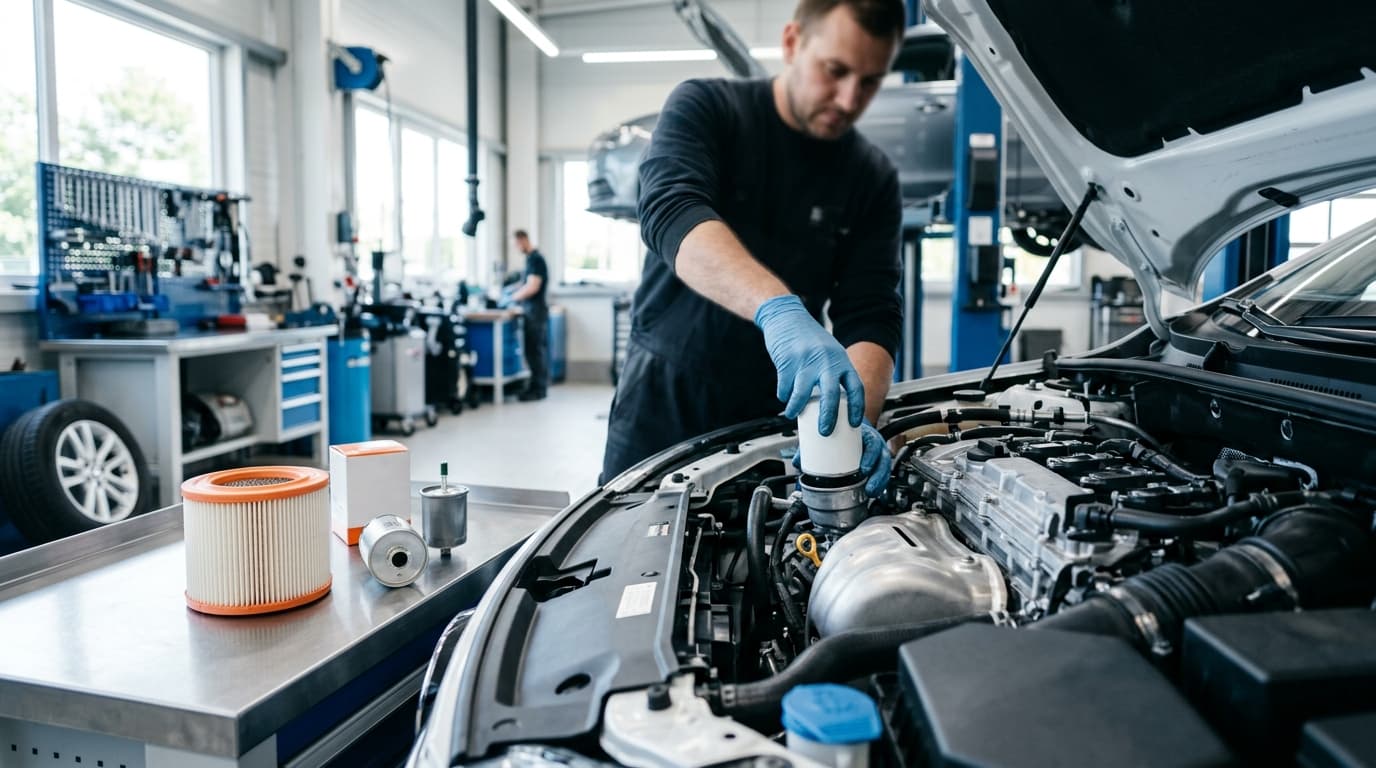
Effective vehicle maintenance is paramount for ensuring the longevity, efficiency, and safety of any machine, whether it’s a passenger car, a heavy-duty truck, construction machinery, agricultural equipment, or complex industrial systems. A critical, yet often overlooked, aspect of this routine konserwacja and przegląd involves the systematic care and timely serwis of various filters. These seemingly small components play colossal roles in protecting vital systems from contaminants, ensuring peak performance, and preventing costly damage. Understanding the function of each filter and adhering to a strict wymiana filtrów schedule is not just good practice; it’s an essential part of responsible vehicle and machinery management.
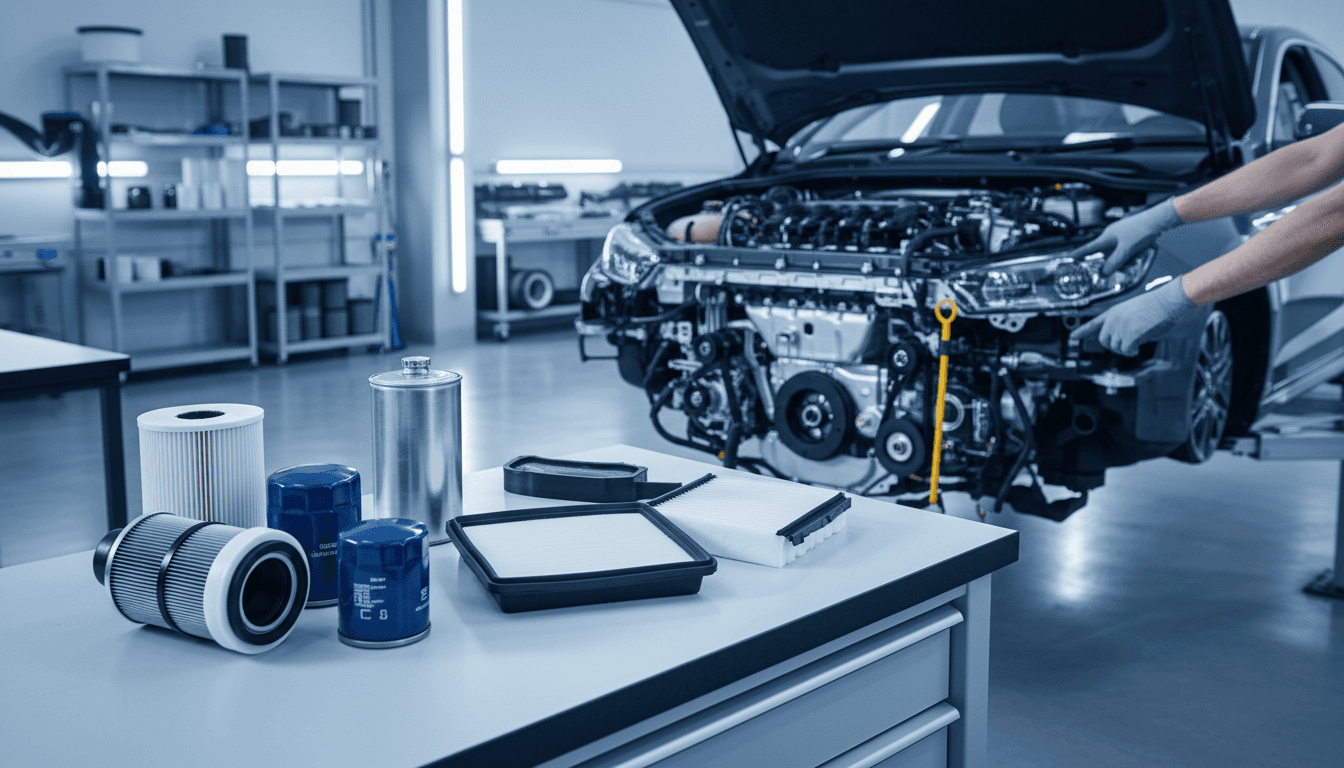
At Filtry.org, we specialise in providing a vast selection of automotive and industrial filters, offering over 300,000 products from leading manufacturers. This guide serves as a practical resource for drivers, mechanics, and machine operators, detailing how to choose, when to replace, what to look for, and the signs of wear for the most crucial filters – air, oil, fuel, cabin, and hydraulic filters. By following these guidelines, you can significantly enhance the operational reliability and lifespan of your assets, ensuring they pass any przegląd techniczny with flying colours.
The Crucial Role of Filters in Safeguarding Your Machinery
Every engine and operational system relies on a clean, contaminant-free environment to function correctly. Filters act as the first line of defence, tirelessly sifting out harmful particles, moisture, and debris that could otherwise cause abrasive wear, blockages, or corrosion. Without effective filtration, vital components would be exposed to a constant onslaught of impurities, leading to reduced efficiency, increased fuel consumption, accelerated wear, and ultimately, catastrophic failure. Regular filter replacement is therefore not merely a recommendation but a fundamental requirement for maintaining the health and performance of your vehicles and industrial equipment.
Understanding Different Filter Types and Their Functions
The world of filters is diverse, with each type designed to address specific filtration needs within different systems. Here, we delve into the core types, their applications, and what you need to know about their maintenance.
Air Filters: Protecting the Engine's Breath
The air filter is perhaps the most visible and often replaced filter, acting as the “lungs” of your engine. Its primary role is to prevent dust, dirt, pollen, insects, and other airborne particles from entering the engine’s combustion chamber. A clean air filter ensures a consistent supply of clean air, critical for optimal fuel combustion and engine power. For heavy machinery operating in dusty environments, the importance of a robust air filtration system cannot be overstated.
- Applications: Found in passenger cars, trucks, construction machinery, agricultural equipment, and industrial generators.
- How to Choose: Select an air filter that precisely matches your vehicle or machine’s make, model, and engine specifications. Consult the manufacturer’s manual for the correct part number or specifications. Consider the operating environment; a higher-grade filter may be beneficial for extremely dusty conditions.
- When to Replace: Generally, air filters should be checked during every oil change (typically every 10,000-20,000 km or annually for cars) and replaced as needed. For off-road vehicles or industrial machinery in dusty settings, replacement intervals may be significantly shorter, potentially every few hundred operating hours.
- Signs of Wear/Clogging:
- Reduced engine power or sluggish acceleration.
- Decreased fuel efficiency.
- Dark smoke from the exhaust (due to incomplete combustion).
- An audible whistling sound from the engine compartment.
- A visibly dirty or clogged filter element (dark grey/black, accumulation of debris).
Explore our extensive range of air filters designed for diverse applications.
Oil Filters: Maintaining Engine Lubrication Purity
The oil filter is a cornerstone of engine health, tasked with removing contaminants from the engine oil. As oil circulates, it picks up metallic particles, dirt, carbon deposits, and unburnt fuel by-products. The oil filter captures these impurities, preventing them from recirculating and causing abrasive wear to critical engine components like bearings, camshafts, and cylinder walls.
- Applications: Essential for all internal combustion engines in passenger cars, commercial vehicles, construction equipment, and industrial machinery.
- How to Choose: Always select an oil filter that meets or exceeds the original equipment manufacturer (OEM) specifications for your specific engine. Dimensions, thread size, bypass valve pressure, and anti-drain back valve design are crucial. Using the wrong filter can lead to improper oil flow or inadequate filtration.
- When to Replace: The oil filter should always be replaced concurrently with every engine oil change. This is typically dictated by mileage (e.g., 10,000-15,000 km for modern cars) or operating hours, and at least once a year, even if mileage is low. Ignoring this can negate the benefits of fresh oil.
- Signs of Wear/Clogging:
- Low oil pressure warning light illuminates.
- Engine knocking or ticking sounds (indicating poor lubrication).
- Reduced engine performance.
- Visibly dirty oil, even shortly after a change (though this can also indicate other engine issues).
- A clogged filter can trigger the bypass valve, allowing unfiltered oil to circulate, leading to accelerated engine wear.
Find the right protection for your engine with our selection of high-quality oil filters.
Fuel Filters: Safeguarding the Fuel System
The fuel filter is vital for protecting the delicate components of the fuel injection system from impurities present in fuel. Dirt, rust, scale, and other contaminants can be found in fuel tanks and delivery systems. A clogged fuel filter can restrict fuel flow, leading to engine performance issues or even damage to fuel injectors and fuel pumps, which are expensive to replace.
- Applications: Used in all vehicles and machinery with internal combustion engines, including petrol and diesel engines for cars, trucks, and heavy equipment.
- How to Choose: Ensure the fuel filter is compatible with your fuel type (petrol or diesel) and meets the manufacturer’s specifications for your vehicle or machine. Pay attention to flow rate, filtration micron rating, and connection types.
- When to Replace: Replacement intervals vary significantly depending on the vehicle or machine and its operating conditions. For cars, intervals can range from 30,000 km to 100,000 km or every 2-4 years. For diesel engines, especially those operating in demanding conditions or using lower-quality fuel, more frequent replacement (e.g., every 15,000-30,000 km or annually) is often recommended. Always consult your owner’s manual.
- Signs of Wear/Clogging:
- Engine sputtering or hesitation, especially under acceleration.
- Difficulty starting the engine.
- Reduced engine power or misfires.
- Rough idling.
- Decreased fuel efficiency.
- In severe cases, engine stalling.
Ensure clean fuel delivery with our comprehensive range of fuel filters.
Cabin Filters: Enhancing Interior Air Quality
Often overlooked, the cabin filter (also known as a pollen filter or HVAC filter) is crucial for the comfort and health of vehicle occupants. It filters the air entering the passenger compartment through the heating, ventilation, and air conditioning (HVAC) system, trapping dust, pollen, soot, exhaust gases, and other allergens. Some advanced cabin filters include activated carbon to absorb odours and harmful gases.
- Applications: Primarily in passenger cars, trucks, and some construction machinery with enclosed cabs.
- How to Choose: Select a cabin filter that precisely fits your vehicle’s make and model. Consider activated carbon filters for enhanced odour and gas filtration if you frequently drive in urban or polluted environments.
- When to Replace: Typically recommended every 15,000-30,000 km or once a year, depending on driving conditions and manufacturer recommendations. If you frequently drive in dusty areas or suffer from allergies, more frequent replacement may be beneficial.
- Signs of Wear/Clogging:
- Reduced airflow from the vents, even on high fan settings.
- Unpleasant odours inside the cabin (musty or stale).
- Increased allergy symptoms for occupants.
- Visible dirt, leaves, or debris on the filter element when inspected.
- Fogging of windows due to increased humidity.
Breathe cleaner air with our selection of cabin filters.
Hydraulic Filters: The Unsung Heroes of Industrial Efficiency
Hydraulic systems are the backbone of many industrial and heavy machinery applications, from excavators and forklifts to factory automation. Hydraulic filters protect these systems by removing particulate contamination from the hydraulic fluid. Contaminants can be generated internally (wear particles) or enter externally (dirt during maintenance), and without proper filtration, they can cause abrasive wear, sticking of valves, and pump failure, leading to significant downtime and repair costs.
- Applications: Crucial for construction machinery, agricultural equipment, industrial machines, and any system relying on hydraulic power.
- How to Choose: Selection is critical and depends on the system’s operating pressure, flow rate, fluid type, and required cleanliness level (micron rating). Hydraulic filters can be suction filters, pressure filters, return line filters, or off-line filters. Always consult the machine’s service manual and choose filters that meet or exceed OEM specifications.
- When to Replace: Replacement intervals are highly dependent on the application, fluid cleanliness targets, and the filter’s condition monitoring (e.g., differential pressure indicators). Typical intervals can range from 250 operating hours to several thousand, but dynamic monitoring is often preferred. Frequent fluid analysis can also guide replacement.
- Signs of Wear/Clogging:
- Reduced hydraulic system performance (slow operation, jerky movements).
- Increased noise from the hydraulic pump.
- Overheating of hydraulic fluid.
- Activation of a filter bypass indicator or alarm.
- Increased wear particles in fluid analysis reports.
- Premature failure of hydraulic components.
Protect your vital systems with our robust hydraulic filters.
A Practical Guide to Filter Selection
Choosing the correct filter is as important as knowing when to replace it. Incorrect filter application can lead to compromised protection, reduced performance, and potential damage.
1. Consult Manufacturer Specifications
The most reliable source for filter selection is your vehicle or machine’s owner’s manual or service guide. These documents provide precise part numbers, specifications, and recommended types.
2. Match Dimensions and Fitment
Filters come in specific shapes and sizes. Ensure the replacement filter matches the physical dimensions of the original to ensure proper sealing and fitment. Incorrect dimensions can lead to leaks or allow unfiltered air/fluid to bypass the filter.
3. Consider Micron Rating and Efficiency
Filtration efficiency, often expressed as a micron rating, indicates the size of particles the filter can capture. While a lower micron rating means finer filtration, it can also lead to higher restriction. It’s crucial to match the manufacturer’s recommended efficiency for optimal balance between protection and flow.
4. Quality Matters
Always opt for high-quality filters from reputable manufacturers. Cheap, inferior filters may use lower-grade materials, have poor construction, or fail to meet the specified filtration efficiency, offering inadequate protection and potentially causing more harm than good.
5. Application-Specific Needs
Factor in your operating environment. For instance, heavy-duty applications, dusty conditions, or extreme temperatures may warrant specific types of filters or more frequent replacement schedules.
Establishing a Robust Filter Replacement Schedule
Adhering to a consistent maintenance schedule is non-negotiable for prolonging the life of your vehicles and machinery. Here’s how to establish an effective filter replacement strategy:
1. Follow Manufacturer’s Guidelines Strictly
The intervals specified in your owner’s manual are the baseline. These are developed through extensive testing and are optimised for typical operating conditions.
2. Adapt to Operating Conditions
If your vehicle or machine operates under severe conditions, you should shorten the recommended replacement intervals. Severe conditions include:
- Frequent short trips (for automotive).
- Heavy stop-and-go traffic.
- Driving in dusty, sandy, or unpaved environments.
- Towing heavy loads or operating at maximum capacity.
- Extreme hot or cold temperatures.
- Idling for extended periods.
- Using lower-quality fuels or fluids.
3. Implement Visual Inspections
Between scheduled replacements, regularly inspect accessible filters (like air and cabin filters) for visible signs of contamination or damage. An oil filter housing can sometimes be visually inspected for leaks. For industrial machinery, checking pressure gauges or differential pressure indicators on hydraulic systems can signal a clogged filter.
4. Keep Detailed Records
Maintain a logbook for all maintenance activities, noting the date, mileage/hours, and filters replaced. This helps track intervals and ensures no filter is overlooked.
DIY Filter Replacement vs. Professional Service
Deciding whether to perform filter replacements yourself or to entrust them to professionals depends on several factors:
When to Consider DIY:
- Accessibility: Air and cabin filters are generally straightforward to access and replace with basic tools and minimal mechanical knowledge.
- Cost Savings: Performing simple replacements yourself can save on labour costs.
- Educational Value: It helps you understand your vehicle or machine better.
When Professional Service is Recommended:
- Complexity: Fuel filters, especially on modern vehicles, can be located in challenging positions and require special tools to depressurise the fuel system safely. Hydraulic filters often involve working with high-pressure systems and specific bleeding procedures.
- Specialised Tools: Some filters require specific tools for removal and installation to prevent damage.
- Safety Concerns: Working with fuel lines, hot engines, or hydraulic systems carries inherent risks. If unsure, a professional service ensures safety and correct procedure.
- Warranty Requirements: Some manufacturers require service to be performed by authorised technicians to maintain warranty validity.
- Comprehensive Check: Professional services often include additional checks and inspections that might reveal other underlying issues.
Why Choose Filtry.org for Your Filter Needs?
At Filtry.org, we understand the critical role filters play in the optimal functioning of your automotive and industrial equipment. As a leading distributor, we pride ourselves on offering an unparalleled selection and service:
- Extensive Product Range: With over 300,000 products, we cater to virtually every type of passenger car, truck, construction machine, agricultural equipment, and industrial system. You'll find the exact filter you need, regardless of the application.
- Leading Manufacturers: We stock filters from top-tier manufacturers, ensuring you receive products that meet the highest standards of quality and performance.
- European-Wide Delivery: Our efficient logistics network ensures prompt delivery across Europe, including the UK, Germany, and Poland, bringing the filters you need directly to your doorstep or workshop.
- Expert Support: Our team possesses extensive knowledge of filtration systems and can assist you in identifying the correct filters for your specific requirements.
For convenience and peace of mind, consider our ready-to-use service kits, which often include all the necessary filters for a scheduled service, simplifying your maintenance routine.
Conclusion
Proactive vehicle maintenance, particularly the diligent care and timely replacement of filters, is a wise investment that pays dividends in reliability, efficiency, and safety. By understanding the function of each filter, knowing when to replace them, and recognising the signs of wear, drivers, mechanics, and machine operators can significantly extend the operational life of their valuable assets. Don’t underestimate the power of clean air, oil, and fuel – they are the lifeblood of your machinery. Trust Filtry.org to provide the high-quality filters you need to keep your equipment running smoothly and efficiently for years to come.
Share