Effective Vehicle Maintenance and Filter Replacement Guide
The Crucial Role of Filtration in Vehicle Maintenance
Proper vehicle maintenance is the cornerstone of longevity and reliability for any piece of machinery, whether it is a family car, a long-haul truck, or heavy-duty construction equipment. At its core, maintenance is about preventing premature wear and ensuring that every component operates within its designed parameters. One of the most critical aspects of this process is the management of filtration systems. Filters act as the primary line of defence against contaminants that can cause catastrophic engine failure or significantly reduce the efficiency of hydraulic and fuel systems. When performing a regular przegląd (technical inspection), checking the condition of various filters is not just a recommendation; it is a necessity for safe and economical operation.
Understanding the intricacies of maintenance involves more than just knowing when to change the oil. It requires a comprehensive approach to the vehicle's entire ecosystem. For instance, a blocked air filter does not just affect the engine; it forces the turbocharger to work harder, increases fuel consumption, and can lead to sensor errors that complicate the diagnostic process. By committing to a structured serwis (service) schedule, operators can identify potential issues before they escalate into costly repairs. This proactive approach ensures that every vehicle maintenance routine addresses the specific environmental and operational demands placed on the machine.
Understanding Engine Oil Filters and System Protection
The engine is often referred to as the heart of a vehicle, and the oil is its lifeblood. However, as the engine runs, microscopic metal shavings, carbon deposits, and other impurities naturally accumulate in the lubricant. This is where oil filters become indispensable. Their primary function is to capture these particles before they can reach the delicate moving parts of the engine, such as the crankshaft bearings and camshafts. Without effective filtration, these contaminants would act as an abrasive paste, rapidly wearing down metal surfaces and shortening the engine's lifespan.
When to Replace Oil Filters
Replacement intervals for oil filters are generally tied to the engine oil change interval. For modern passenger cars, this typically ranges between 10,000 and 30,000 kilometres, depending on the manufacturer's specifications and the type of oil used. However, for industrial and agricultural machinery, intervals are often measured in engine hours. A standard rule of thumb is to replace the filter every 250 to 500 hours. It is vital to remember that harsh operating conditions, such as extreme temperatures or frequent cold starts, necessitate more frequent vehicle maintenance interventions.
Signs of a Blocked Oil Filter
- Noticeable drop in oil pressure shown on the dashboard gauge.
- Unusual metallic grinding noises from the engine block.
- Visible contaminants or thick sludge on the oil dipstick.
- The activation of the oil pressure warning light.
- The engine overheating more quickly than usual during normal operation.
Maximising Air Intake Efficiency for Better Performance
An internal combustion engine requires a massive volume of air to function correctly. This air must be as clean as possible to prevent dust and grit from entering the combustion chamber. Modern air filters are designed to trap particles as small as a few microns while allowing maximum airflow. Over time, the filter media becomes saturated with debris, which restricts the air supply. This restriction disrupts the air-fuel ratio, leading to poor combustion, increased emissions, and a significant loss of horsepower.
Frequency of Air Filter Inspection
The environment in which the vehicle operates dictates the frequency of air filter maintenance. A truck driving solely on motorways will require fewer changes than a tractor working in a dusty field or a construction excavator operating in a quarry. For standard vehicles, an annual inspection is recommended. In high-dust environments, the filter should be checked weekly. Many modern heavy machines are equipped with restriction indicators that signal exactly when the filter has reached its capacity, taking the guesswork out of vehicle maintenance.
Protecting the Fuel System from Contaminants
Modern fuel injection systems, particularly common-rail diesel engines, operate at incredibly high pressures. Even the smallest particle or a tiny droplet of water can cause significant damage to injectors and high-pressure pumps. Utilising high-quality fuel filters is the only way to ensure these components remain protected. Fuel filters often feature multi-stage filtration media and water separators to manage the various types of contamination found in petrol and diesel supplies.
Symptoms of Contaminated Fuel Filters
If a fuel filter is reaching the end of its functional life, the vehicle will often exhibit specific symptoms that alert the operator. Recognising these signs early can prevent the engine from stalling or failing to start entirely. Common indicators include:
- Difficulty starting the engine (extended cranking times).
- Misfiring or hesitating during acceleration.
- A significant decrease in fuel economy.
- Rough idling or the engine stalling when stopped.
- The 'Check Engine' light or fuel system warning light appearing on the instrument cluster.
The Importance of Comprehensive Service Kits
For many fleet managers and professional mechanics, efficiency during maintenance is key. Instead of sourcing individual components, using pre-assembled service kits ensures that all necessary filters for a specific maintenance interval are on hand. These kits typically include oil, fuel, and air filters, and sometimes include cabin filters and necessary gaskets or seals. This approach reduces the risk of overlooking a critical filter during a major service and ensures that all parts are compatible with the specific vehicle model, simplifying the entire vehicle maintenance process.
Enhancing Operator Comfort and Health with Cabin Filters
While most filters are designed to protect the machine, cabin filters are designed to protect the people inside. These filters clean the air entering the interior through the heating, ventilation, and air conditioning (HVAC) system. They trap dust, pollen, soot, and other allergens. In many industrial settings, specialised carbon-activated cabin filters are used to neutralise harmful gases and unpleasant odours, providing a safer working environment for machine operators.
Neglecting the cabin filter can lead to a build-up of bacteria and mould within the ventilation ducts. This not only creates a foul smell but can also cause respiratory issues for the driver. During a standard przegląd techniczny (technical review), the cabin filter should be inspected. If the windows are fogging up frequently or the airflow from the vents feels weak, it is usually a sign that the cabin filter is clogged and needs immediate replacement.
Maintenance for Heavy Duty and Industrial Machines
Industrial machinery, such as excavators, harvesters, and forestry equipment, operates under conditions that are far more strenuous than those of a standard passenger car. In these environments, vehicle maintenance must be even more rigorous. Hydraulic systems, which power the movement of heavy components, rely on absolute fluid purity. Even minor contamination in hydraulic oil can lead to valve sticking, pump wear, and slow hydraulic response times.
Hydraulic System Preservation
Hydraulic filters are engineered to withstand high pressures and flow rates. They are often equipped with bypass valves that allow oil to flow if the filter becomes completely blocked, preventing the system from starving but unfortunately allowing unfiltered oil to circulate. Regular replacement according to the manufacturer's hour-meter readings is the only way to ensure the hydraulic system remains reliable. Regular oil analysis is also a common practice in industrial maintenance to monitor the health of both the oil and the internal components of the machine.
Selecting the Correct Filter for Your Vehicle
Choosing the right filter is as important as the act of replacement itself. With over 300,000 products available on the market, the selection process can seem daunting. To ensure the correct fit and performance, one should always look for filters that meet or exceed the Original Equipment Manufacturer (OEM) specifications. Here are the key factors to consider during selection:
- Micron Rating: This indicates the size of particles the filter can trap. A lower micron rating means finer filtration.
- Flow Rate: The filter must be able to handle the volume of fluid or air required by the engine or system without creating excessive backpressure.
- Media Type: Filters can use cellulose (paper), synthetic fibres, or a blend. Synthetic media typically offers better filtration efficiency and a longer service life.
- Build Quality: In oil and fuel filters, the quality of the housing, the thickness of the base plate, and the reliability of the bypass and anti-drain back valves are critical for safety.
Step-by-Step Guide to Filter Replacement Best Practices
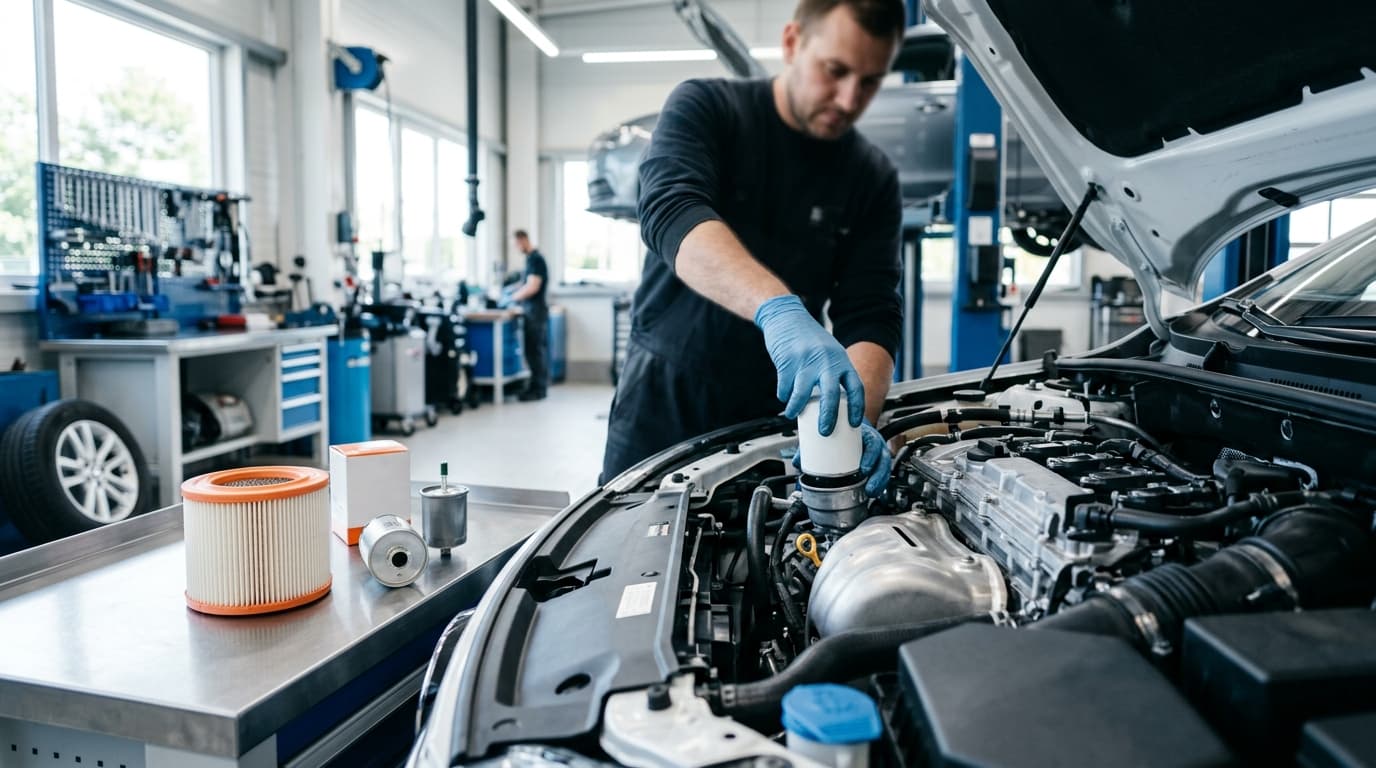
While the specific steps for wymiana filtrów (filter replacement) vary between vehicle types, certain best practices apply across the board. Following these ensures a clean and effective service:
- Clean the Area: Before removing an old filter, clean the surrounding area to prevent dirt from falling into the system.
- Lubricate Seals: Always apply a thin film of clean oil to the rubber gasket of new oil and fuel filters to ensure a proper seal and easy removal in the future.
- Check for Old Gaskets: Ensure that the old gasket came off with the old filter. "Double-gasketing" is a common mistake that leads to massive oil leaks.
- Prime the Filter: For fuel filters in diesel engines, it is often necessary to fill the new filter with clean fuel or use a priming pump to remove air from the system before starting the engine.
- Hand Tighten: Most spin-on filters should be tightened by hand. Using a wrench to tighten can crush the gasket or make future removal nearly impossible. Follow the instructions on the filter housing (usually 3/4 to 1 full turn after the gasket makes contact).
- Document the Service: Always record the date and mileage/hours of the filter change in the vehicle's maintenance log.
Conclusion: The Long-Term Benefits of Regular Maintenance
Investing time and resources into vehicle maintenance is the most effective way to reduce the total cost of ownership. While high-quality filters represent a small percentage of operating costs, their role in preventing expensive repairs is monumental. By adhering to a strict serwis (service) schedule and using the correct components, you ensure that your vehicle or machine remains efficient, safe, and ready for work. Whether you are managing a single car or a large industrial fleet, regular filter replacement is the simplest and most effective insurance policy for your engine's future.
Share