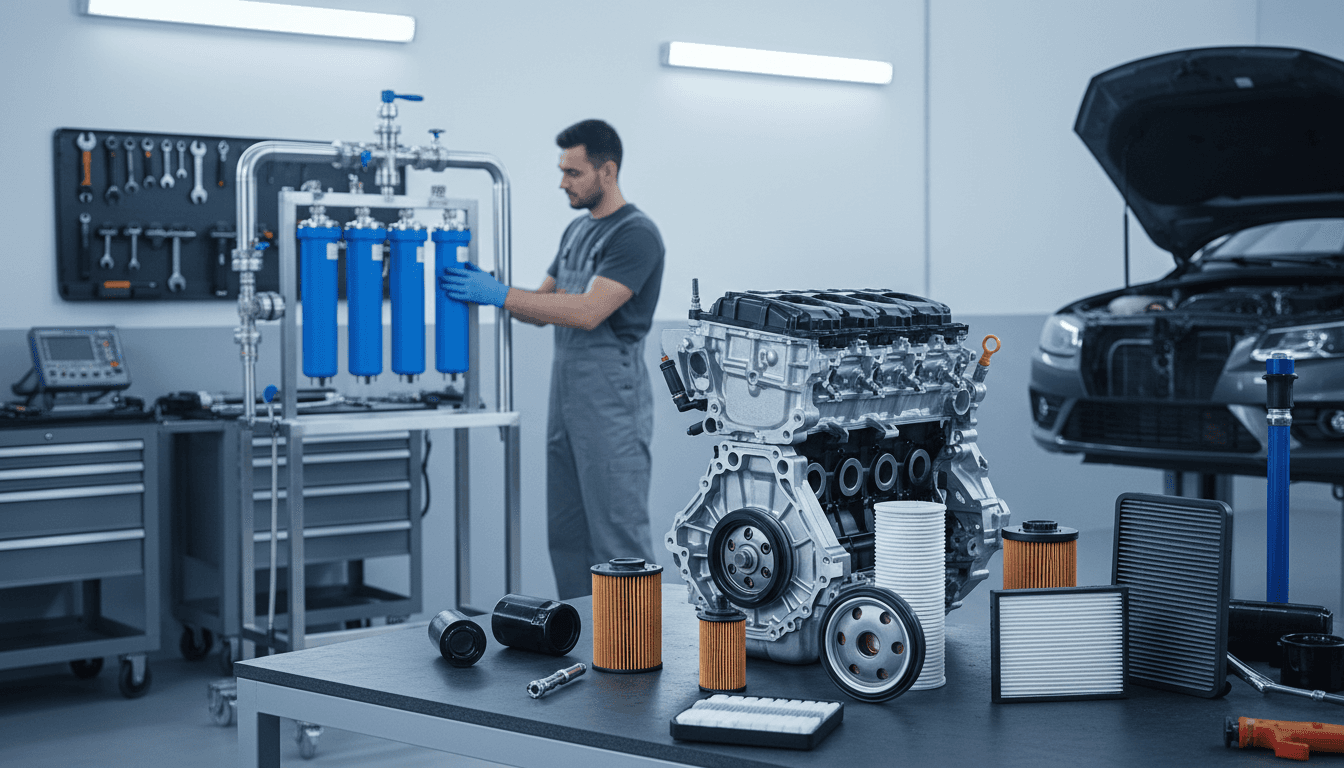
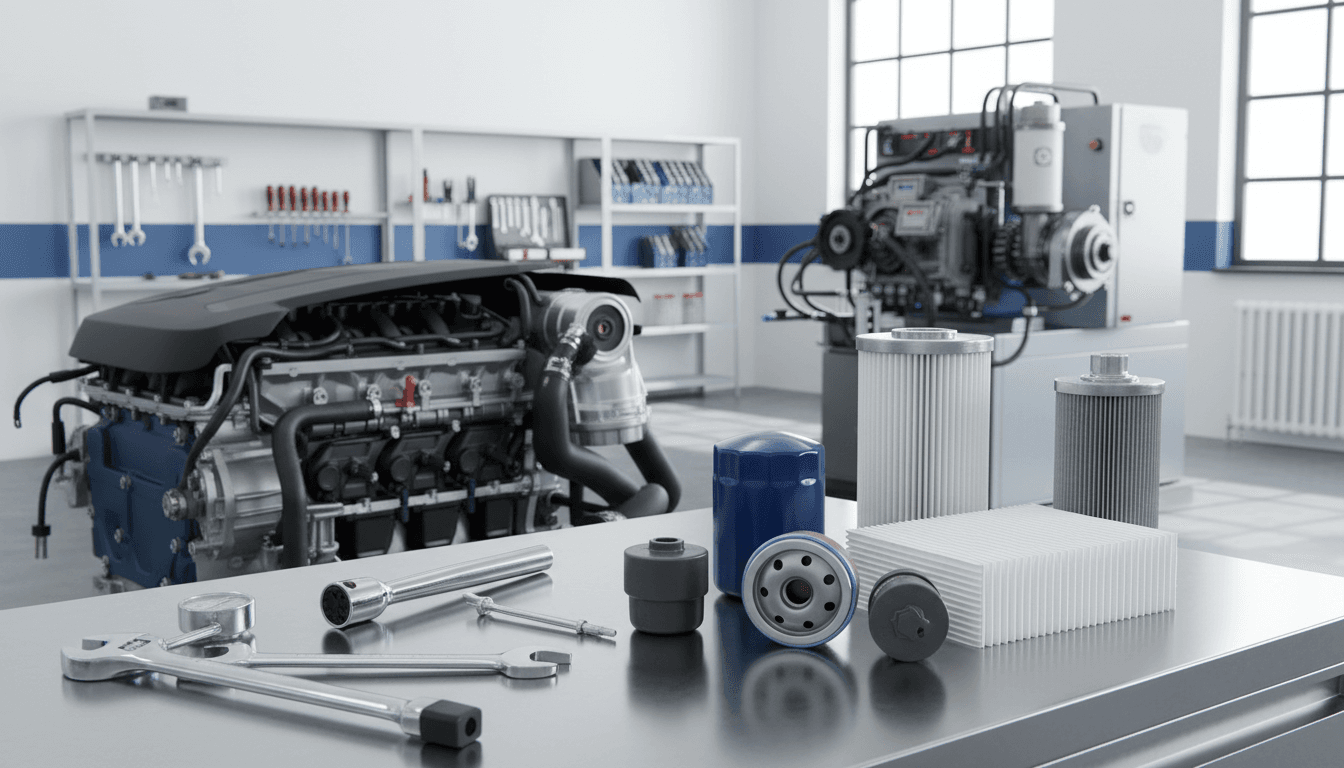
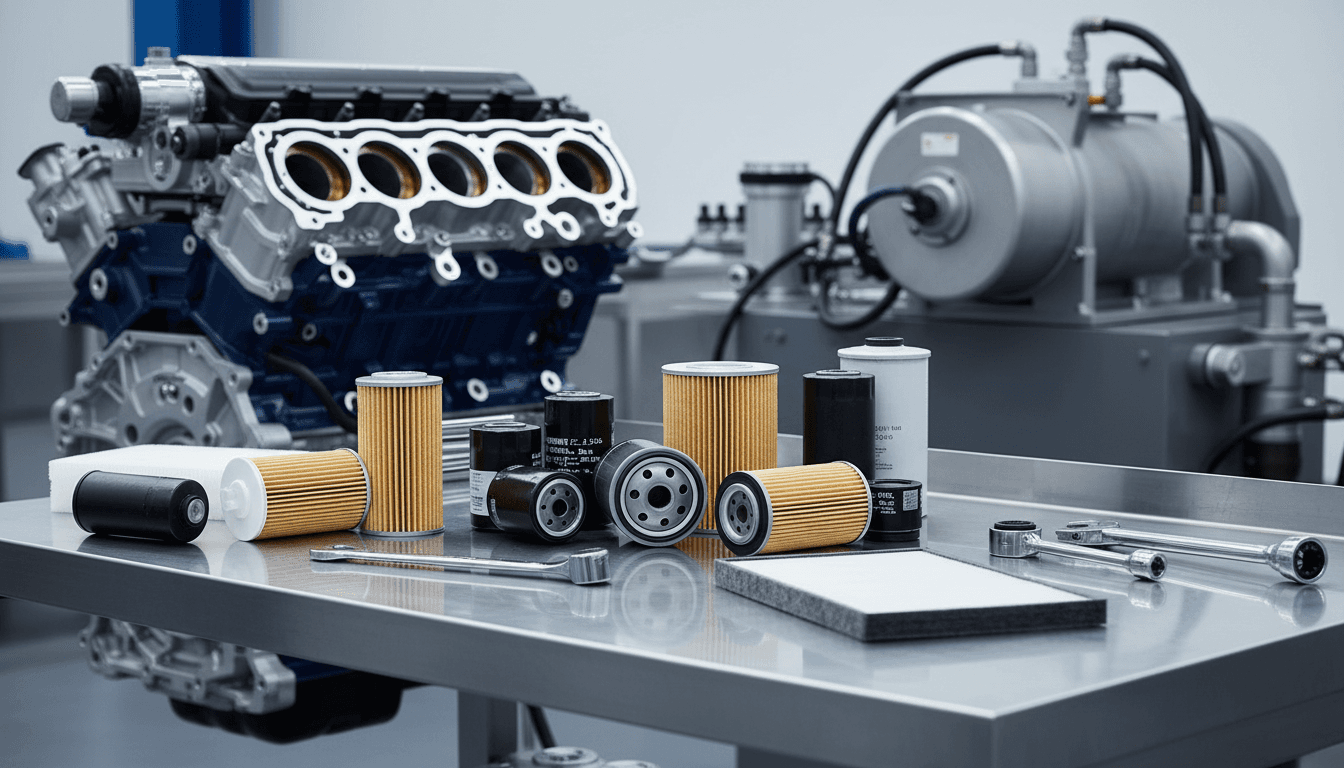
Your Ultimate Technical Guide to Filtration Maintenance
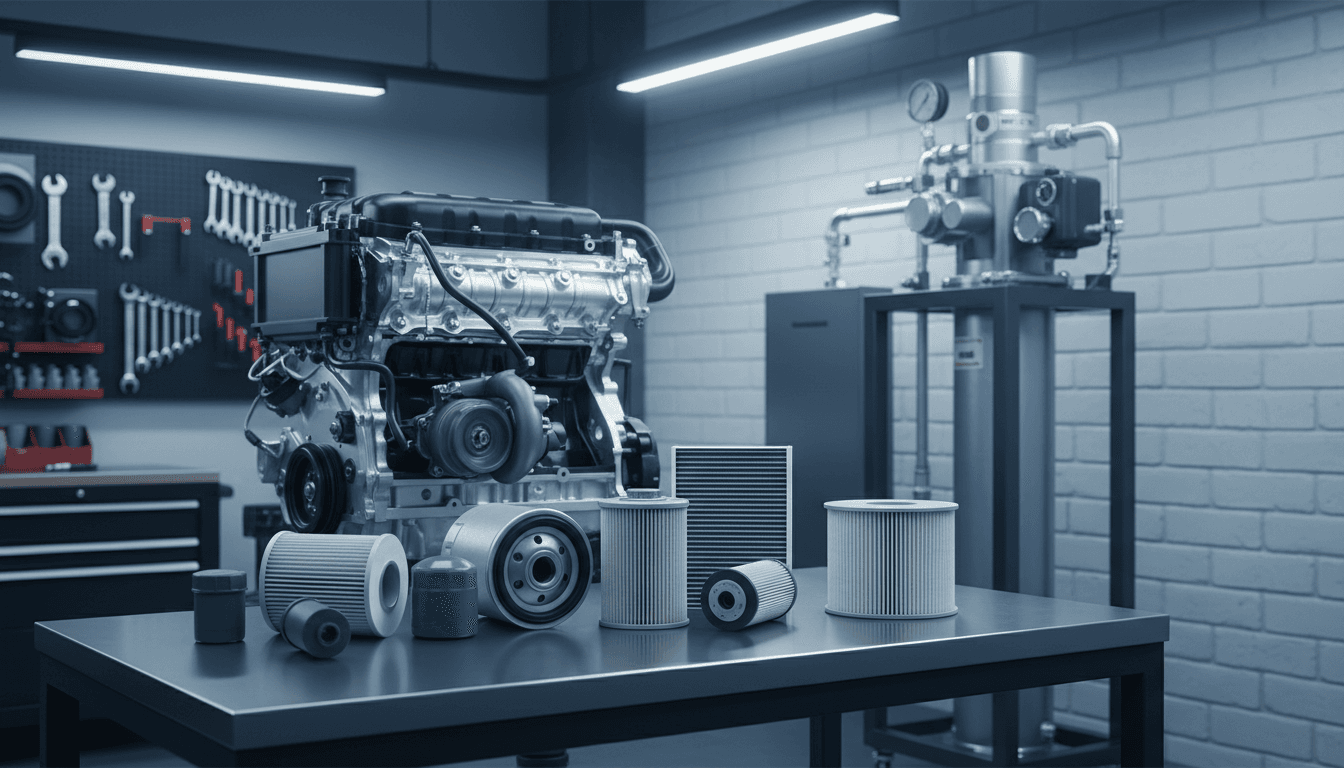
The Crucial Role of Filtration: A Comprehensive Technical Guide
In the complex world of modern machinery, from the smallest passenger car engine to the largest industrial hydraulic system, the role of filtration cannot be overstated. Filters are the silent guardians, meticulously working to protect vital components from contaminants that can cause premature wear, reduced efficiency, and catastrophic failure. At Filtry.org, we understand the critical importance of effective filtration. This comprehensive technical guide is designed to equip drivers, mechanics, and machine operators with the knowledge needed to make informed decisions regarding filter selection, replacement, and maintenance. We delve into practical advice, diagnostics, and troubleshooting to ensure optimal performance and longevity for your automotive and industrial equipment.
Understanding Different Filter Types and Their Applications
To effectively maintain any system, it's essential to understand the specific function and application of each filter type. Modern machinery often employs a sophisticated array of filters, each designed to tackle particular contaminants in a unique environment.
Engine Oil Filters: The Heart's Defender
Engine oil is the lifeblood of any internal combustion engine, lubricating moving parts, cooling, and cleaning. Oil filters play a vital role in removing harmful particles – such as dirt, metal shavings, and combustion byproducts – that accumulate in the oil over time. Without effective oil filtration, these contaminants would circulate, leading to accelerated engine wear and potential failure.
- Application: Passenger cars, light commercial vehicles, heavy-duty trucks, construction machinery, agricultural equipment, industrial power generators.
- How to Choose: Always select an oil filter that matches the manufacturer's specifications for your specific engine. Key factors include filter media type (cellulose, synthetic, or blended), micron rating (particle size it can capture), and flow rate. Incorrect filters can restrict oil flow or fail to adequately remove contaminants.
- When to Replace: Adhere strictly to the vehicle or machinery manufacturer's recommended service intervals. This is typically alongside every oil change, often between 10,000 to 20,000 kilometres or annually for most automotive applications, but can be much shorter for heavy-duty industrial use. Factors like driving conditions (e.g., frequent short trips, dusty environments) or heavy loads can necessitate more frequent changes.
- Signs of Wear/Clog: A clogged oil filter can lead to reduced oil pressure, triggering a warning light on your dashboard. Over time, it can cause increased engine wear due to unfiltered oil bypassing the filter. Unusual engine noises or decreased performance may also indicate an issue.
Engine Air Filters: The System's Breath
Just as humans need clean air to breathe, engines require a steady supply of clean, filtered air for efficient combustion. Engine air filters prevent dust, pollen, insects, and other airborne particles from entering the engine's combustion chambers, where they could cause abrasion and wear to cylinders, pistons, and valves.
- Application: All types of internal combustion engines, including passenger cars, trucks, buses, construction equipment, and agricultural machinery.
- How to Choose: Ensure the air filter is the correct size and shape for your vehicle's air filter housing. Different filter media exist, from standard pleated paper to synthetic or oiled cotton filters designed for specific performance needs. Always refer to OEM specifications.
- When to Replace: Typically, air filters should be inspected at every service and replaced every 15,000 to 30,000 kilometres or annually, depending on driving conditions. Vehicles operating in dusty or polluted environments will require more frequent replacement.
- Signs of Wear/Clog: A dirty air filter restricts airflow, leading to reduced engine power, decreased fuel efficiency, rough idling, and potentially an illuminated "check engine" light. Visually inspect the filter: if it appears grey, brown, or black with accumulated debris, it's time for a replacement.
Fuel Filters: Protecting Fuel Delivery
Fuel, whether petrol or diesel, often contains impurities such as rust, dirt, and water that can contaminate the fuel system. Fuel filters are crucial for removing these contaminants before they reach sensitive components like fuel injectors, which are highly susceptible to damage from even microscopic particles.
- Application: Petrol and diesel engines in passenger cars, commercial vehicles, construction machinery, and industrial engines.
- How to Choose: Fuel filters must match the specific fuel type (petrol or diesel) and flow requirements of the engine. Ensure compatibility with your vehicle's make, model, and year. Diesel systems often use multi-stage filtration and sometimes fuel/water separators.
- When to Replace: Replacement intervals vary significantly, typically ranging from 30,000 to 100,000 kilometres or every 2-5 years, depending on the vehicle manufacturer and fuel quality. Consult your vehicle's service manual. For diesel engines, more frequent changes may be necessary due to higher demands on filtration and potential for water contamination.
- Signs of Wear/Clog: A clogged fuel filter restricts fuel flow to the engine, causing symptoms such as difficulty starting, engine misfires, rough idling, hesitation during acceleration, and reduced engine power. In severe cases, the engine may stall or fail to start.
Cabin Air Filters: Breathing Easy Inside
While not directly involved in engine protection, cabin filters are vital for the health and comfort of vehicle occupants. They filter out pollen, dust, soot, exhaust gases, and other allergens and pollutants from the air entering the vehicle's interior through the heating, ventilation, and air conditioning (HVAC) system.
- Application: Most modern passenger cars, trucks, and some construction machinery with enclosed cabs.
- How to Choose: Cabin filters come in various forms, including standard particle filters and activated carbon filters. Activated carbon filters offer enhanced protection against odours and harmful gases. Always select the correct size and type for your vehicle.
- When to Replace: Typically recommended every 15,000 to 25,000 kilometres or annually, but more frequently if you drive in heavily polluted or dusty areas, or if you suffer from allergies.
- Signs of Wear/Clog: Reduced airflow from the HVAC vents, a musty or unpleasant smell inside the cabin, and an increase in allergic reactions for occupants are clear indicators that the cabin filter needs replacing. Fogging of windows can also be a symptom.
Hydraulic Filters: Maintaining Fluid Purity in Power Systems
Hydraulic systems are the backbone of many industrial and heavy machinery operations, transmitting power through pressurised fluid. Hydraulic filters are paramount in protecting these systems from contamination by dirt, metal particles, and other debris that can lead to abrasive wear, component seizure, and system failure. They maintain the purity of the hydraulic fluid, which is essential for smooth operation and system longevity.
- Application: Construction machinery (excavators, loaders), agricultural equipment (tractors, harvesters), industrial presses, manufacturing robots, power steering systems.
- How to Choose: Selection is critical and depends on the system's operating pressure, flow rate, and contamination control requirements. Filters vary in micron rating, material (e.g., glass fibre, cellulose), and construction (e.g., spin-on, cartridge, in-line). Always follow OEM specifications.
- When to Replace: Replacement intervals are highly dependent on the application, operating environment, and type of hydraulic fluid used. Many systems employ pressure differential indicators or contamination sensors to signal when a filter change is due. Otherwise, adhere to manufacturer's recommendations, often based on operating hours.
- Signs of Wear/Clog: A clogged hydraulic filter can cause a drop in system pressure, slow or erratic operation of hydraulic components, increased operating temperature, or a warning light if a bypass valve is activated. Ignoring these signs can lead to severe damage to pumps, valves, and actuators.
AdBlue Filters: Ensuring Emission System Integrity
Modern diesel vehicles often incorporate Selective Catalytic Reduction (SCR) systems that use AdBlue (Diesel Exhaust Fluid) to reduce nitrogen oxide emissions. AdBlue filters protect the AdBlue dosing system from impurities that can be present in the fluid or enter during refilling, preventing blockages and damage to the sensitive injector and pump components.
- Application: Diesel passenger cars, trucks, buses, and industrial machinery equipped with SCR systems.
- How to Choose: AdBlue filters are specific to the vehicle's SCR system. Always choose a filter designed to meet the precise requirements for flow and filtration efficiency as specified by the manufacturer.
- When to Replace: Typically, AdBlue filters are replaced as part of a routine service schedule, often every 60,000 to 120,000 kilometres, or as recommended by the vehicle manufacturer. Frequency can also depend on the quality of AdBlue used and environmental conditions.
- Signs of Wear/Clog: Blocked AdBlue filters can lead to reduced AdBlue dosing, triggering SCR system warnings, error codes, and potentially limiting engine power or preventing the engine from starting. Performance issues related to emissions can also arise.
The Importance of Correct Filter Selection
Choosing the right filter goes beyond simply matching size. It's about ensuring compatibility with your system's design, operational pressures, and the type of contaminants it's expected to encounter.
Matching Specifications
- Manufacturer's Recommendations: Always consult your vehicle's or machinery's service manual or owner's handbook. Manufacturers specify exact part numbers or critical specifications (e.g., micron rating, flow capacity, dimensions) for optimal performance.
- OEM vs. Aftermarket: While original equipment manufacturer (OEM) filters guarantee compatibility, high-quality aftermarket filters from reputable distributors like Filtry.org offer equivalent performance and often better value. Ensure any chosen aftermarket filter meets or exceeds OEM specifications.
- Application-Specific Needs: Consider your operating environment. If you work in extremely dusty conditions, a higher-efficiency air filter might be beneficial. For industrial machinery, a hydraulic filter with a finer micron rating might be necessary for sensitive components.
When to Replace Your Filters: Signs, Schedules, and Diagnostics
Proactive filter replacement is far more cost-effective than reactive repairs. Adhering to schedules and recognising warning signs are key aspects of effective maintenance.
General Replacement Guidelines
While specific intervals vary by filter type and application, several factors influence replacement frequency:
- Manufacturer's Schedule: The primary guide. These schedules are based on extensive testing.
- Operating Environment: Dusty roads, construction sites, polluted urban areas, or heavy industrial settings accelerate filter degradation.
- Usage Patterns: Frequent short trips, heavy towing, or continuous heavy load operation put more strain on filtration systems.
- Fluid Quality: For fuel and AdBlue, the purity of the fluid used can impact filter lifespan.
Diagnosing Filter-Related Issues
Being able to identify the signs of a failing filter is a critical skill for any operator or mechanic:
- Reduced Performance: Sluggish engine, decreased power, poor acceleration, or hydraulic components operating slowly can all point to restricted flow from a clogged filter (air, fuel, hydraulic).
- Warning Lights: Dashboard indicators such as 'check engine', 'oil pressure warning', or SCR system warnings often signal filter-related issues or the activation of bypass valves.
- Unusual Noises: A struggling fuel pump, whistling from a restricted air intake, or groaning from hydraulic components can indicate a filter obstruction.
- Visible Contamination: For air and cabin filters, visual inspection can reveal excessive dirt and debris. For other filters, fluid analysis can show increased particle counts.
- Decreased Fuel Economy: A clogged air or fuel filter forces the engine to work harder, consuming more fuel.
- Odours/Air Quality: A musty smell in the cabin points directly to a compromised cabin filter.
Practical Guide to Filter Maintenance
Beyond replacement, proper maintenance practices extend filter life and ensure system integrity.
Routine Inspection and Monitoring
- Visual Checks: Regularly inspect visible filters (like air and cabin filters) for excessive dirt or damage.
- Fluid Analysis: For industrial and hydraulic systems, periodic fluid analysis can monitor contamination levels and predict filter end-of-life.
- Pressure Gauges/Indicators: Many hydraulic systems incorporate differential pressure gauges or indicators that signal when a filter is approaching its bypass pressure, indicating it's time for replacement.
Best Practices for Filter Replacement
- Safety First: Always ensure the engine or machinery is off, cooled down, and secured before commencing any filter replacement. Wear appropriate personal protective equipment (PPE).
- Use Correct Tools: Have the right tools for the job, such as filter wrenches, oil drain pans, and appropriate sealing gaskets or O-rings.
- Cleanliness: Maintain a clean work environment. Contaminants introduced during a filter change can immediately compromise the new filter and the system it protects.
- Pre-filling (for some filters): For certain oil or fuel filters, pre-filling with clean fluid can prevent airlocks and ensure immediate lubrication upon startup. Consult specific instructions.
- Proper Disposal: Dispose of old filters and contaminated fluids responsibly and in accordance with local environmental regulations.
- Consult Professionals: If unsure, always consult a qualified mechanic or technician. Many industrial and complex automotive filtration systems require specialised knowledge and equipment for safe and effective replacement.
Troubleshooting Common Filtration Problems
Even with diligent maintenance, issues can arise. Here's a quick reference for common problems and their potential filtration-related causes:
Engine Performance Issues
- Problem: Engine lacks power, stutters, or stalls.
- Possible Filter Cause: Clogged fuel filter (restricts fuel flow), extremely dirty engine air filter (restricts air intake).
- Problem: Excessive exhaust smoke or poor fuel economy.
- Possible Filter Cause: Severely clogged engine air filter leading to rich fuel mixture.
Hydraulic System Malfunctions
- Problem: Slow or erratic hydraulic cylinder movement, increased operating temperature.
- Possible Filter Cause: Clogged hydraulic filter causing flow restriction and pressure drop.
- Problem: Premature wear or failure of hydraulic components.
- Possible Filter Cause: Incorrectly selected filter with inadequate micron rating, or severely overdue filter replacement leading to contaminated fluid circulation.
Cabin Comfort & Safety Concerns
- Problem: Musty odours, reduced airflow from vents, excessive dust in cabin.
- Possible Filter Cause: Heavily soiled or blocked cabin filter.
Filtry.org: Your Partner in Superior Filtration
At Filtry.org, we are dedicated to providing the highest quality filtration solutions for every application. With over 300,000 products from leading manufacturers, we are a premier distributor of automotive and industrial filters, specialising in air, oil, fuel, cabin, and hydraulic filters. Our extensive catalogue caters to passenger cars, trucks, construction machinery, agricultural equipment, and a wide array of industrial machines. We proudly offer efficient delivery across Europe, including the UK, Germany, and Poland.
By following this technical guide and regularly consulting your equipment's specific recommendations, you can ensure your machinery operates efficiently, reliably, and for many years to come. For any filtration need, trust Filtry.org to deliver the right product, right to your door.
Share