Mastering Filtration: Your Comprehensive Technical Guide
The Critical Role of Filtration in Modern Systems
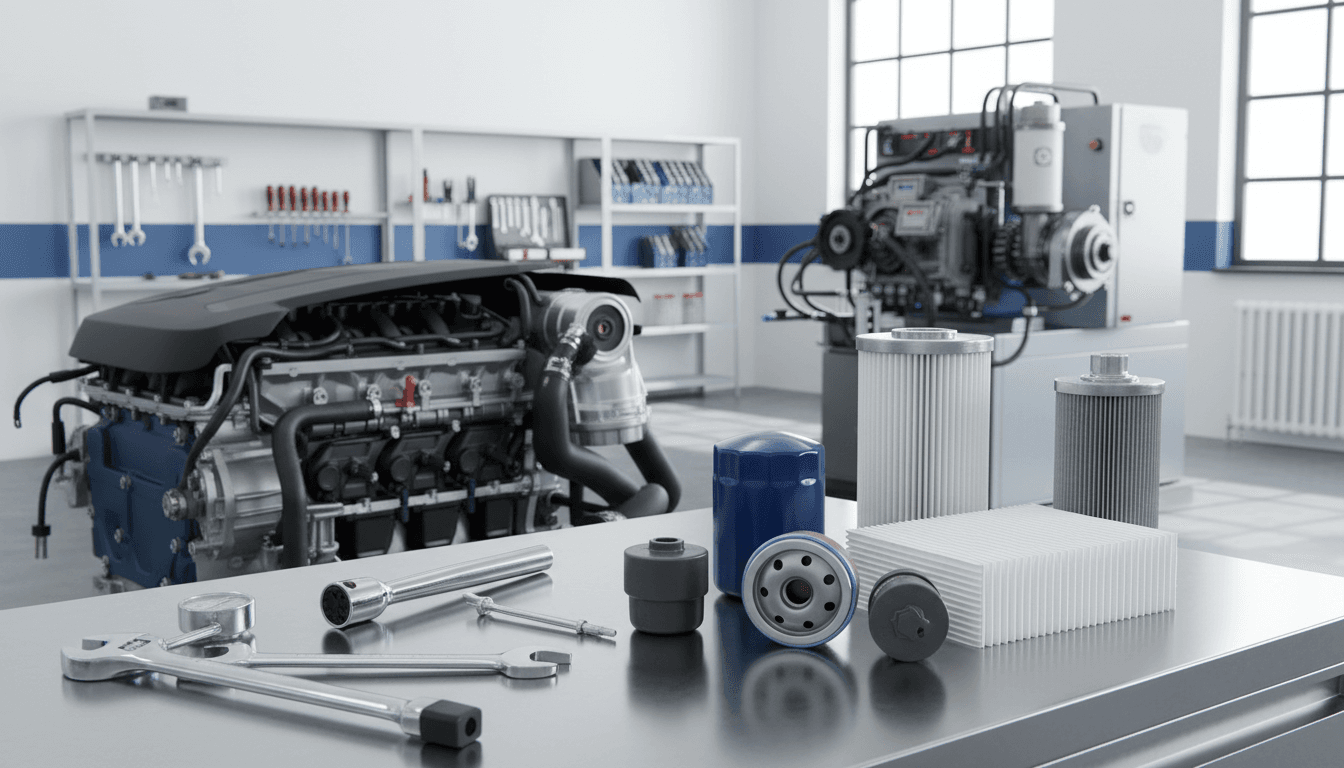
In the complex world of automotive, industrial, construction, and agricultural machinery, efficient operation and longevity are paramount. At the heart of maintaining peak performance and preventing costly downtime lies effective filtration. This comprehensive technical guide by Filtry.org serves as a practical poradnik for drivers, mechanics, and machine operators, offering essential insights into filter selection, replacement, maintenance, and expert diagnostyka to address common issues and facilitate precise rozwiązywanie problemów.
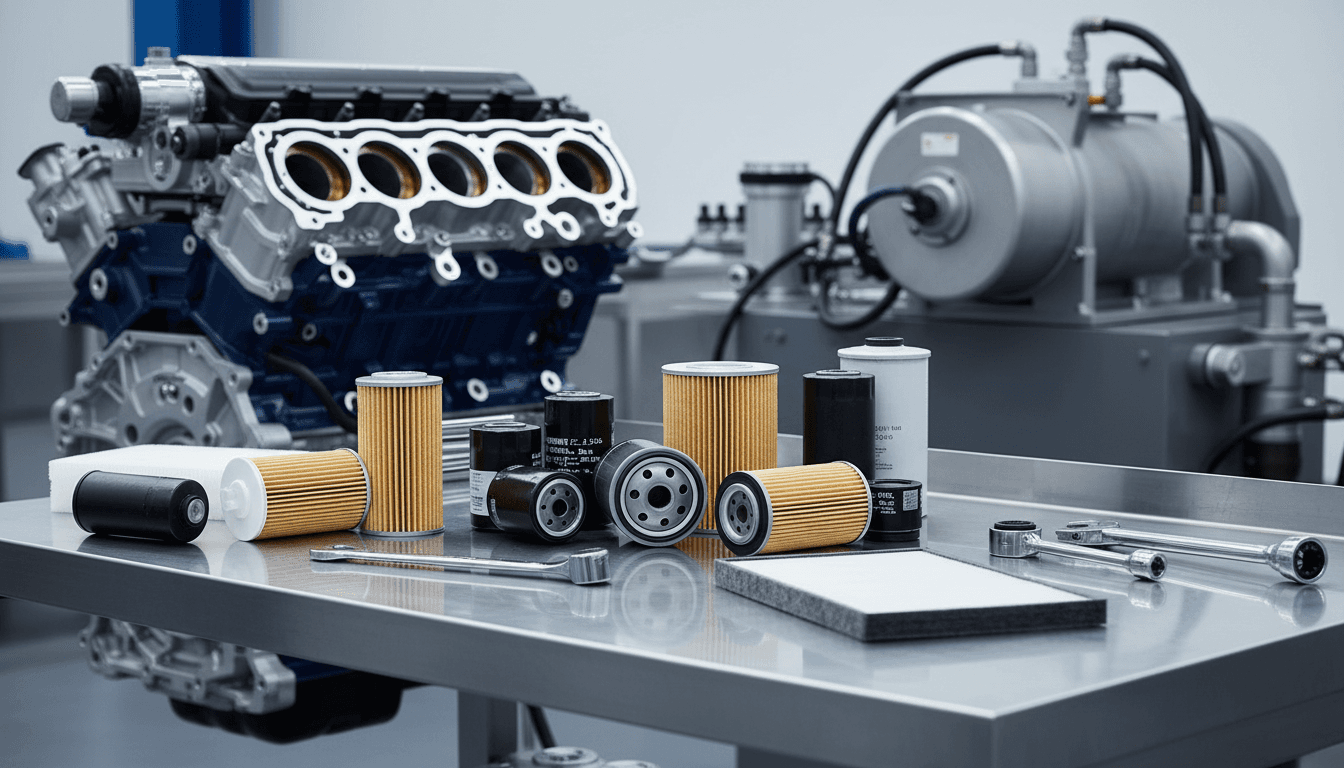
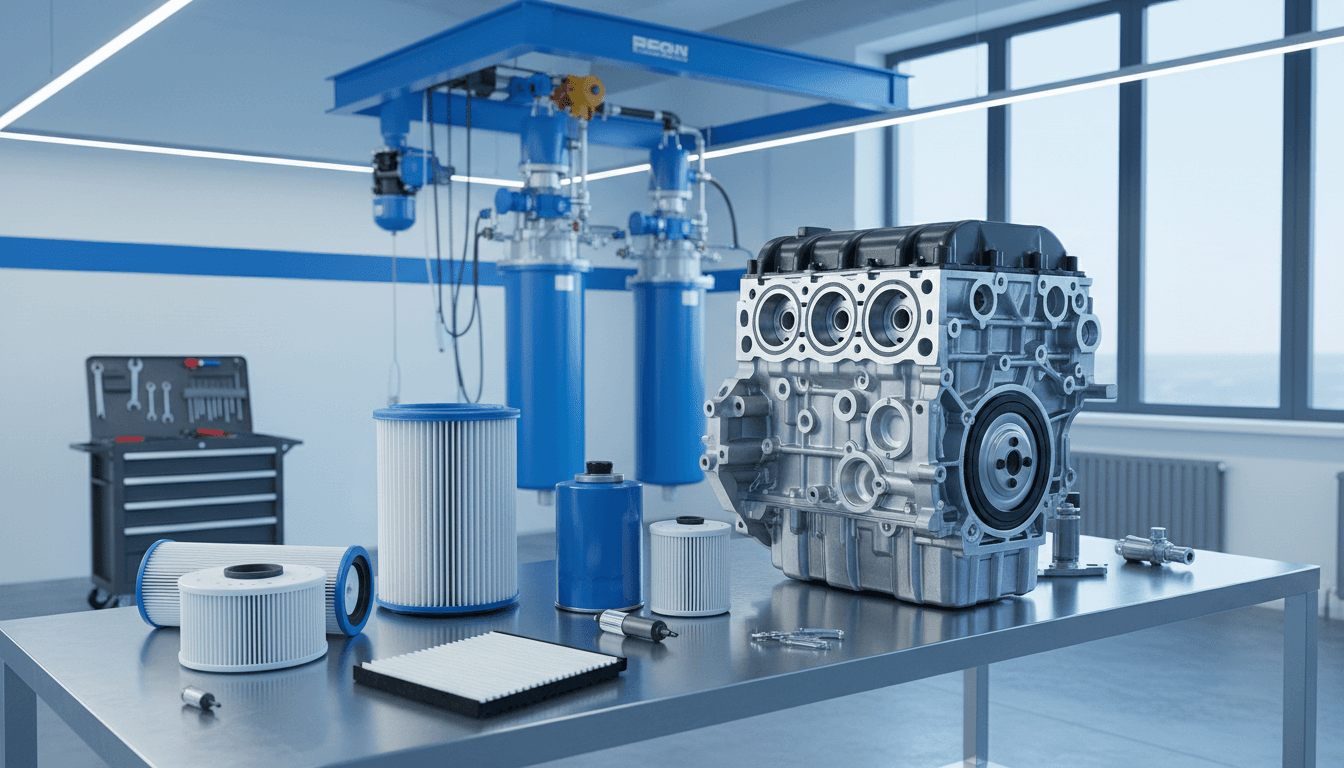
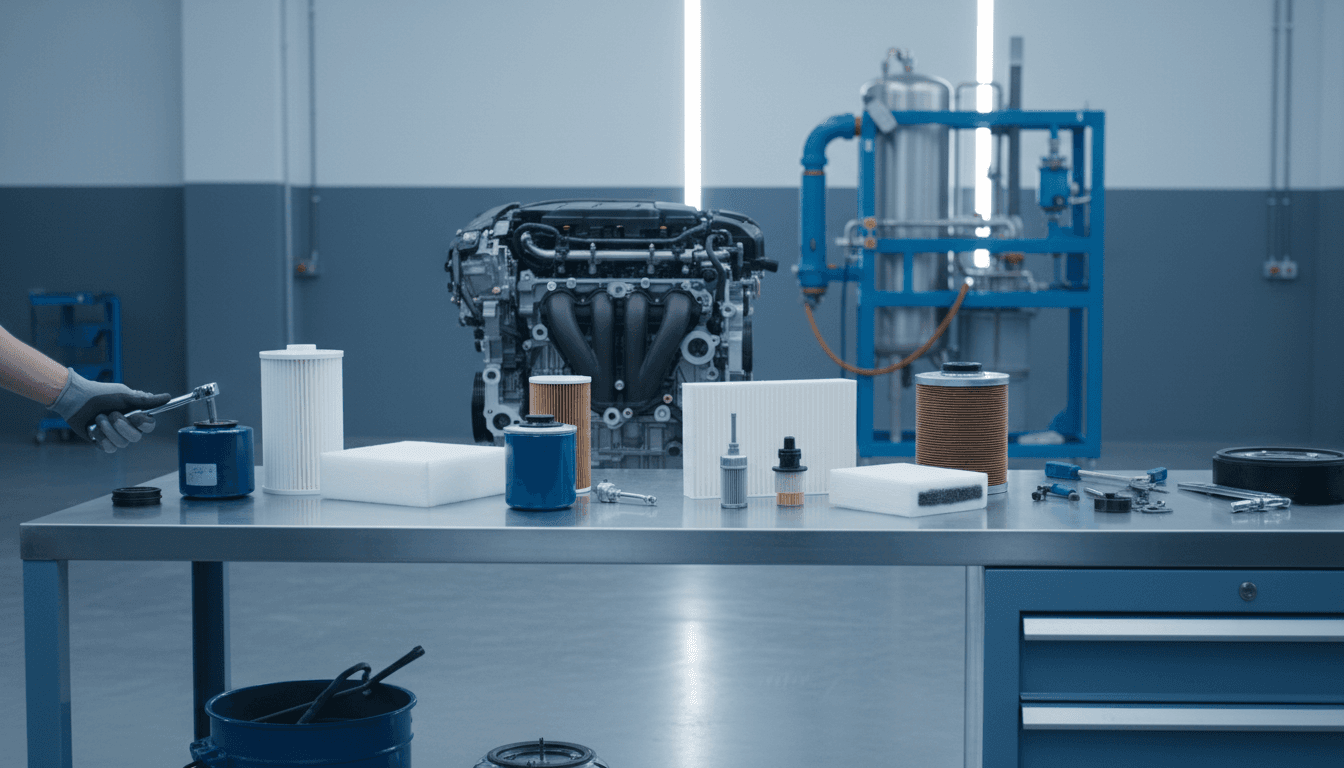
Filtration is not merely about preventing visible particles from entering sensitive systems; it's about safeguarding against microscopic contaminants that can cause gradual wear, reduce efficiency, and lead to premature component failure. Every engine, hydraulic system, and cabin environment relies on a sophisticated network of filters designed to keep fluids and air clean. From protecting precision-engineered engine components from abrasive dust and metallic debris to ensuring a healthy environment within the vehicle cab, filters are unsung heroes. Understanding the principles of filtracja and adhering to proper maintenance schedules is fundamental to operational reliability across all sectors, from passenger cars and trucks to advanced construction and agricultural equipment, and sophisticated industrial machines.
Understanding Different Filter Types and Their Applications
Filtry.org offers an extensive catalogue of over 300,000 products from leading manufacturers, covering a wide array of filter types tailored for diverse applications. Each filter type plays a unique and indispensable role in its respective system.
Air Filters: Protecting Your Engine's Lungs
The air filter is the engine's first line of defence against airborne contaminants such as dust, pollen, sand, and debris. It ensures that only clean air reaches the combustion chamber, protecting vital engine components like pistons, cylinders, and valves from abrasive wear. A well-functioning air filter is crucial for optimal fuel efficiency and engine performance.
- How to Choose: Selection depends on the vehicle or machine model, engine specifications, and the operating environment. Ensure the filter matches the OEM specifications for fitment and filtration efficiency. For dusty or harsh environments, consider filters with higher dust-holding capacities.
- When to Replace: Manufacturers typically recommend replacement every 12,000 to 20,000 miles or annually for passenger vehicles, but this can be significantly shorter for commercial or off-road machinery operating in dusty conditions. Signs of wear include a visibly dirty or clogged filter element, reduced engine power, decreased fuel economy, unusual engine noises, or the illumination of a check engine light.
- Inspection Instrukcja: Regularly inspect the filter element for dirt accumulation, tears, or damage. Holding it up to a light source can reveal its condition; if light struggles to pass through, it's likely clogged.
- Rozwiązywanie Problemów: A restricted air filter can lead to a rich fuel mixture, reduced acceleration, black smoke from the exhaust, and increased emissions. Timely replacement is a simple yet effective preventative measure. Browse our wide range of air filters to find the right solution for your needs.
Oil Filters: The Lifeline of Lubrication Systems
Oil filters are vital for maintaining the cleanliness and integrity of engine oil. They remove harmful contaminants such as metallic particles, soot, and unburnt fuel residues that accumulate in the oil during engine operation. A clean oil supply ensures proper lubrication, reduces friction and wear, and helps dissipate heat, thereby extending engine life.
- How to Choose: The correct oil filter must match the engine’s specific requirements, including size, thread type, bypass valve pressure, and anti-drain back valve design. Always refer to the vehicle or machine manufacturer's specifications. Compatibility with the type of engine oil used (e.g., synthetic, conventional) is also a factor.
- When to Replace: Typically, oil filters should be replaced with every oil change, following the manufacturer's recommended service intervals. However, if operating conditions are severe (e.g., heavy towing, extreme temperatures, dusty environments), more frequent changes may be necessary. Indicators of a failing filter include a drop in oil pressure, engine overheating, or unusual engine noises.
- Instrukcja for Selection: Prioritise filters that meet or exceed OEM specifications for filtration efficiency and structural integrity.
- Rozwiązywanie Problemów: A clogged oil filter can starve the engine of lubrication, leading to accelerated wear and potentially catastrophic engine damage. Regular replacement is a non-negotiable aspect of engine maintenance. For quality solutions, explore our selection of oil filters.
Fuel Filters: Ensuring Clean Fuel Delivery
Fuel filters play a crucial role in protecting the fuel system and engine from contaminants found in fuel, such as dirt, rust, and water. These impurities can clog fuel injectors, damage fuel pumps, and impair engine performance. Whether for petrol or diesel engines, a clean fuel supply is essential for efficient combustion and preventing premature wear of high-precision components.
- How to Choose: Selection depends on the fuel type (petrol or diesel), the engine’s fuel system design (e.g., common rail, carburettor), and the required micron rating. Diesel systems often require filters with water separation capabilities. Always match the filter to the vehicle or machine's specific make and model.
- When to Replace: Replacement intervals vary significantly, ranging from 15,000 to 30,000 miles for passenger cars, and often dictated by hours of operation for industrial and agricultural machinery. Signs of a clogged fuel filter include reduced engine power, difficulty starting, rough idling, stalling, or a noticeable decrease in fuel efficiency.
- Diagnostyka of Fuel System Issues: If experiencing performance issues, a blocked fuel filter is a prime suspect. Testing fuel pressure can help confirm this.
- Rozwiązywanie Problemów: A restricted fuel flow can lead to lean conditions, causing misfires and potential engine damage. Regular inspection and timely replacement are critical for maintaining fuel system health. Discover reliable solutions by visiting our fuel filters page.
Cabin Filters: For a Healthier Driving Environment
Cabin filters, also known as pollen filters, are designed to clean the air entering the vehicle's interior. They prevent dust, pollen, soot, and other allergens from contaminating the cabin, improving air quality and protecting passengers from respiratory irritants. Many modern cabin filters also incorporate activated carbon to neutralise odours and harmful gases.
- How to Choose: The filter must perfectly fit the specific make and model of the vehicle. Options include standard particle filters or activated carbon filters, with the latter providing enhanced protection against odours and gases. Consider your local environment and personal sensitivities when choosing.
- When to Replace: Typically recommended annually or every 12,000 to 15,000 miles, but more frequently if driving in dusty or polluted areas. Signs of a clogged cabin filter include reduced airflow from the HVAC system, persistent musty odours inside the cabin, increased fan noise, or allergy symptoms for occupants.
- Instrukcja for Inspection: Visually inspect the filter for heavy discolouration or debris accumulation.
- Diagnostyka of Poor Cabin Air: If the AC feels weak or smells unpleasant, the cabin filter is often the cause. Timely replacement ensures a comfortable and healthy interior environment.
Hydraulic Filters: Protecting Power and Precision
Hydraulic systems, prevalent in construction machinery, agricultural equipment, and industrial applications, rely heavily on hydraulic filters to maintain the cleanliness of hydraulic fluid. These filters protect sensitive components like pumps, valves, and cylinders from abrasive particles and contaminants, which can cause significant wear, reduce efficiency, and lead to costly repairs. Maintaining clean hydraulic fluid is paramount for system performance and longevity.
- How to Choose: Selection involves matching the filter to the system's operating pressure, flow rate, and the required micron rating. Different types exist, including pressure filters, return filters, suction filters, and off-line filters, each placed at specific points in the hydraulic circuit. Always refer to the equipment manufacturer's specifications for the correct part number and performance characteristics.
- When to Replace: Replacement intervals are often determined by hours of operation, fluid analysis results, or when a pressure differential indicator signals a clogged filter. Signs of a failing hydraulic filter include sluggish or erratic hydraulic operation, increased system noise, overheating, or premature wear of hydraulic components.
- Diagnostyka of Hydraulic System Issues: A sudden drop in hydraulic power or responsiveness can often be traced back to a clogged filter. Regular fluid analysis can also indicate when filtration is insufficient.
- Rozwiązywanie Problemów: Ignoring a contaminated hydraulic system can lead to severe damage to expensive pumps and valves, resulting in significant downtime and repair costs. Proactive filter maintenance is key to operational reliability. Explore our range of hydraulic filters for robust system protection.
Practical Guidance on Filter Selection and Replacement
Choosing and replacing filters correctly is fundamental to effective maintenance. This section offers a practical poradnik to ensure you make informed decisions.
How to Choose the Correct Filter
Selecting the right filter involves more than just finding one that fits. It requires careful consideration of several factors:
- Manufacturer Specifications: Always consult your vehicle or machine's owner's manual or service guide. These documents provide precise OEM part numbers, filter types, and recommended specifications. Using cross-reference guides from reputable filter distributors like Filtry.org can help identify equivalent aftermarket parts.
- Application Details: Provide exact details of your application: make, model, year, engine size, and any specific variants (e.g., 4WD, heavy-duty package). For industrial machinery, this includes equipment type, model number, and often a serial number.
- Operating Environment: The conditions in which your vehicle or machine operates significantly impact filter requirements. For instance, equipment used in dusty construction sites or agricultural fields will require air filters with higher filtration efficiency and dust-holding capacity compared to vehicles primarily used on paved roads.
- Quality vs. Cost: While budget is always a consideration, never compromise on filter quality. Opt for filters that meet or exceed OEM standards. High-quality filters offer superior filtration efficiency, robust construction, and durability, translating into better protection and longer component life. Filtry.org prides itself on supplying filters that meet stringent quality requirements, ensuring reliable performance without bearing premium costs.
When to Replace Your Filters: Key Indicators
Adhering to a strict replacement schedule is crucial, but it's equally important to recognise the signs that a filter may need early replacement.
- Manufacturer's Service Schedule: This is your primary guide. It outlines recommended intervals based on mileage or hours of operation.
- Visual Inspection: Regularly inspect filters for visible signs of wear, accumulation of debris, discolouration, or damage. A heavily soiled air filter, for instance, is a clear indicator for replacement.
- Performance Degradation: Noticeable changes in performance are often direct symptoms of clogged filters. This can manifest as:
- Engine: Reduced power, sluggish acceleration, decreased fuel economy, rough idling, or difficulty starting.
- HVAC: Weak airflow, persistent odours, or excessive noise from the blower fan.
- Hydraulics: Slow or erratic movements, increased operating temperature, or unusual noises.
- Warning Lights: Some modern vehicles and machines are equipped with sensors that monitor filter condition (e.g., air filter restriction indicators, low oil pressure warnings). Heed these warnings immediately.
- Environmental Factors: Operating in excessively dusty, humid, or polluted environments will necessitate more frequent filter changes than typically recommended.
Troubleshooting Common Filtration Problems
Understanding the signs of a failing filter is key to proactive maintenance and effective rozwiązywanie problemów. This section outlines typical symptoms and basic diagnostyka steps.
Signs of a Clogged or Failing Filter
Different filter types present distinct warning signs when they are nearing the end of their service life or are compromised:
- Air Filter:
- Reduced engine power and acceleration.
- Decreased fuel efficiency.
- Black smoke from the exhaust (especially diesel).
- Engine misfires or rough idling.
- Unusual engine noises (e.g., whistling or sucking sounds).
- Oil Filter:
- Sudden drop in oil pressure.
- Engine overheating.
- Engine knocking or ticking noises (indicating insufficient lubrication).
- Illumination of the oil pressure warning light.
- Fuel Filter:
- Difficulty starting the engine.
- Engine stalling or misfiring.
- Reduced engine power, especially under acceleration.
- Erratic engine behaviour or surging.
- Noticeable decrease in fuel economy.
- Cabin Filter:
- Weak or reduced airflow from the HVAC vents.
- Unpleasant, musty odours inside the cabin.
- Increased noise from the HVAC fan.
- Accumulation of dust on dashboard surfaces shortly after cleaning.
- Exacerbation of allergy symptoms for occupants.
- Hydraulic Filter:
- Sluggish or jerky operation of hydraulic cylinders or motors.
- Increased operating temperature of the hydraulic fluid.
- Unusual noises (e.g., whining from the pump).
- Premature wear of hydraulic components.
- Activation of a clogged filter indicator.
Diagnostic Steps for Filter-Related Issues
When you suspect a filter problem, a systematic approach can help confirm the diagnosis:
- Visual Inspection: The simplest first step. For air and cabin filters, visually check the element for dirt, debris, or damage. For oil and fuel filters, check for external leaks or physical damage.
- Check Service Records: Reviewing maintenance logs can help determine when filters were last replaced and if they are overdue.
- Engine Diagnostic Codes: Use an OBD-II scanner for automotive applications. Specific codes can point to issues related to air intake, fuel delivery, or engine performance that might stem from filtration problems.
- Pressure Testing: For fuel and hydraulic systems, measuring pressure can indicate restrictions. Low fuel pressure, for example, is a strong indicator of a clogged fuel filter. A high-pressure differential across a hydraulic filter suggests it's blocked.
- Fluid Analysis: For oil and hydraulic systems, professional fluid analysis can detect high levels of contaminants, indicating that the filter is not performing adequately or is overdue for replacement.
- Systematic Elimination: If symptoms persist after replacing a suspected filter, investigate other related components (e.g., spark plugs, fuel injectors, sensors, hydraulic pumps).
Maintenance Tips for Extended Filter Life and System Performance
Beyond routine replacement, several best practices can enhance filter life and overall system performance, forming an essential part of your maintenance instrukcja.
- Adhere to Service Intervals: Always follow the manufacturer’s recommended service schedule. This is the baseline for preventative maintenance.
- Regular Inspections: Integrate visual filter inspections into your routine maintenance checks, especially for air and cabin filters, which are often easily accessible. Early detection of dirt build-up can prevent issues.
- Use Quality Filters: Invest in high-quality filters from reputable suppliers like Filtry.org. While cheaper alternatives may exist, they often compromise on filtration efficiency, material durability, and overall protection. A quality filter provides superior defence against contaminants, extending the life of your expensive equipment.
- Proper Installation: Ensure filters are installed correctly according to manufacturer guidelines. Improper installation can lead to leaks (oil, fuel, hydraulic fluid) or allow unfiltered air/fluid to bypass the filter element, rendering it ineffective.
- Monitor Operating Conditions: Be mindful of the environment in which your equipment operates. More severe conditions (dust, dirt, extreme temperatures, heavy usage) necessitate more frequent filter checks and replacements than standard recommendations.
- Maintain Fluid Cleanliness: For oil and hydraulic systems, ensure that fluids are stored and handled cleanly to prevent the introduction of contaminants during top-ups or changes.
Conclusion
Effective filtration is not an optional extra; it is a fundamental pillar of preventative maintenance and operational efficiency for every passenger car, truck, construction machine, agricultural equipment, and industrial system. This technical guide has provided a comprehensive poradnik on understanding, selecting, maintaining, and troubleshooting your filters, offering an invaluable instrukcja for ensuring peak performance and longevity.
By understanding the critical role each filter plays, knowing how to choose the correct type, adhering to replacement schedules, and performing timely diagnostyka, you can significantly reduce the risk of costly breakdowns and extend the lifespan of your valuable assets. At Filtry.org, we are committed to supporting your filtration needs with over 300,000 products from leading manufacturers, covering all major filter types. We deliver across Europe, including the UK, Germany, and Poland, ensuring you have access to the right filter at the right time for seamless rozwiązywanie problemów and sustained operational excellence.
Share