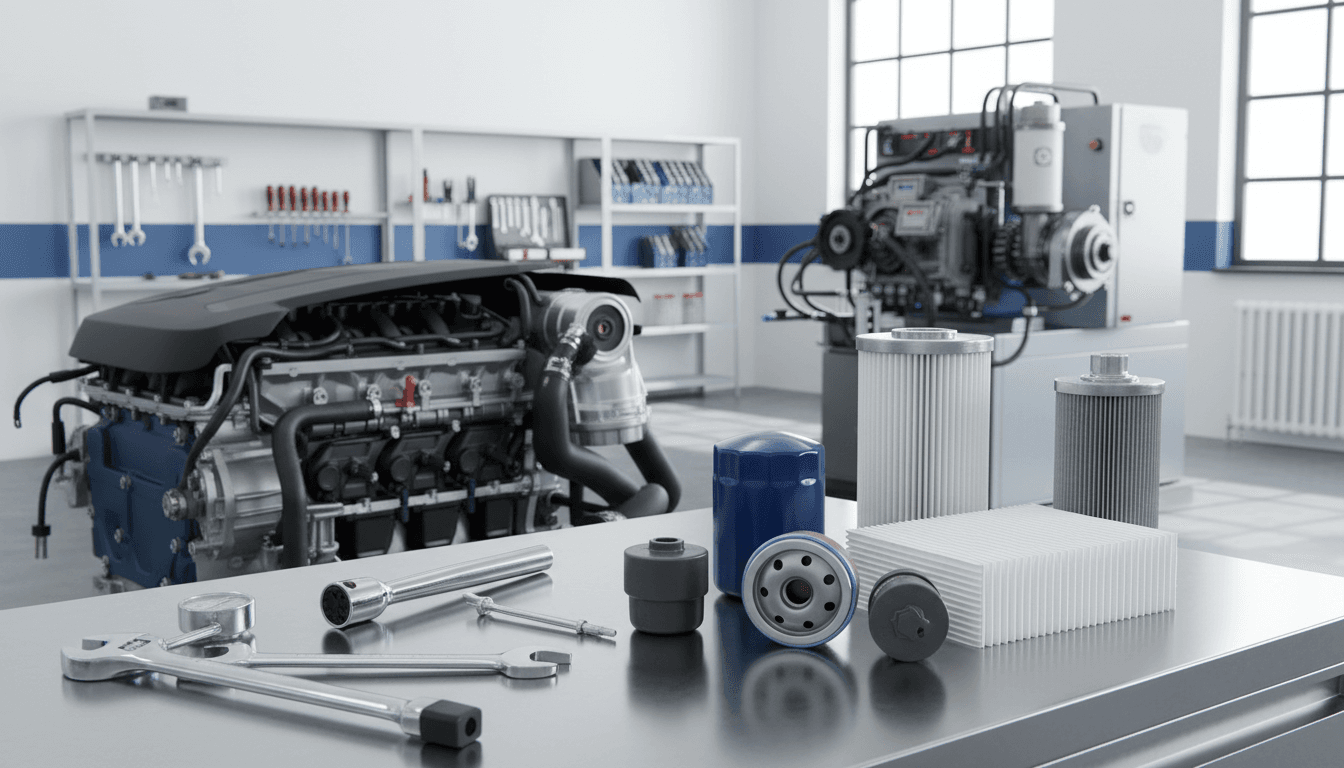
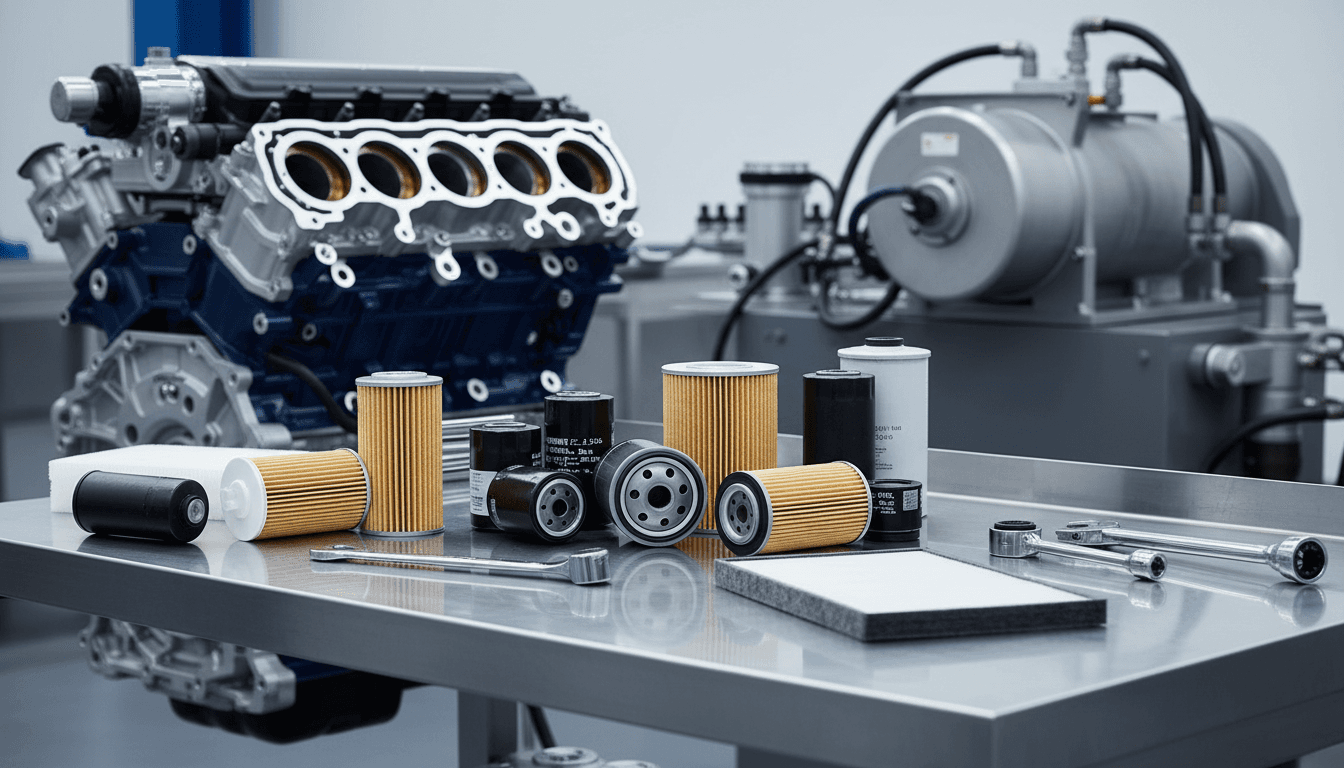
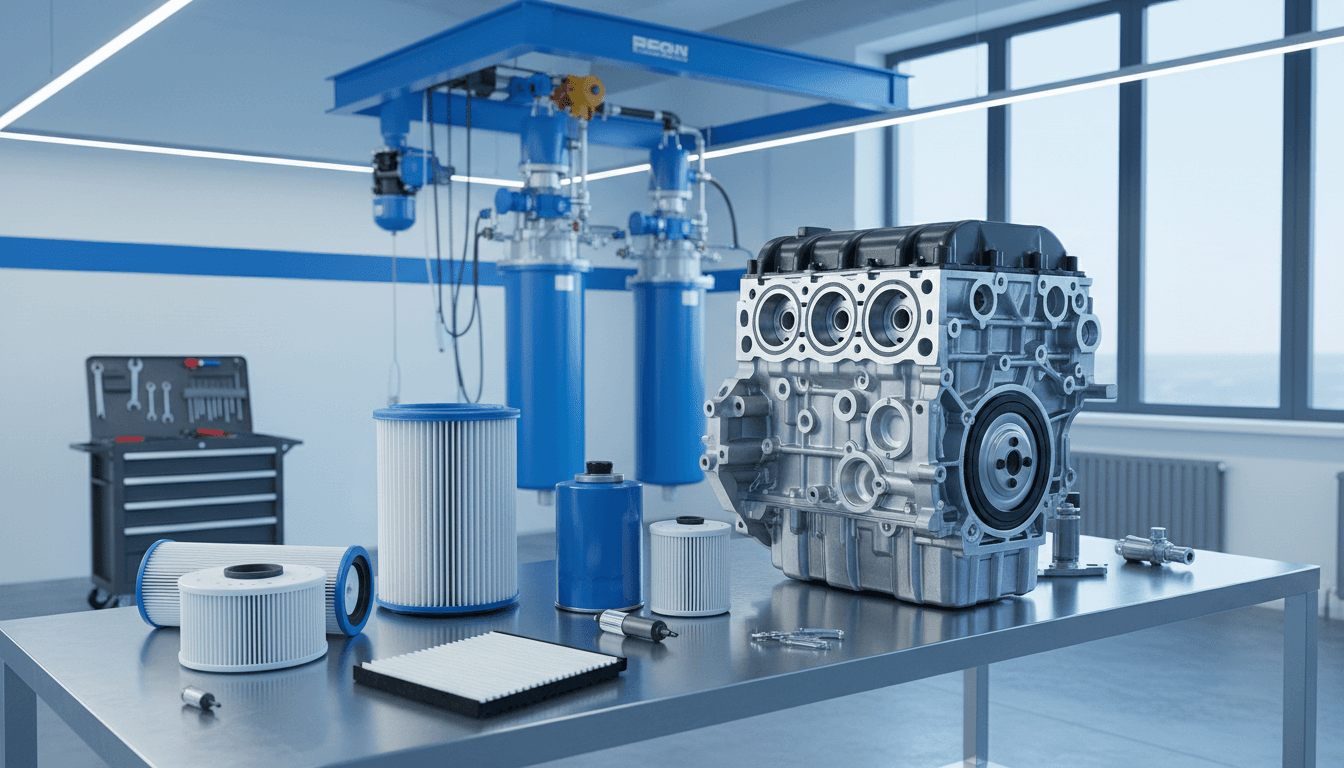
Essential Filter Technical Guide: Selection, Maintenance, Diagnosis
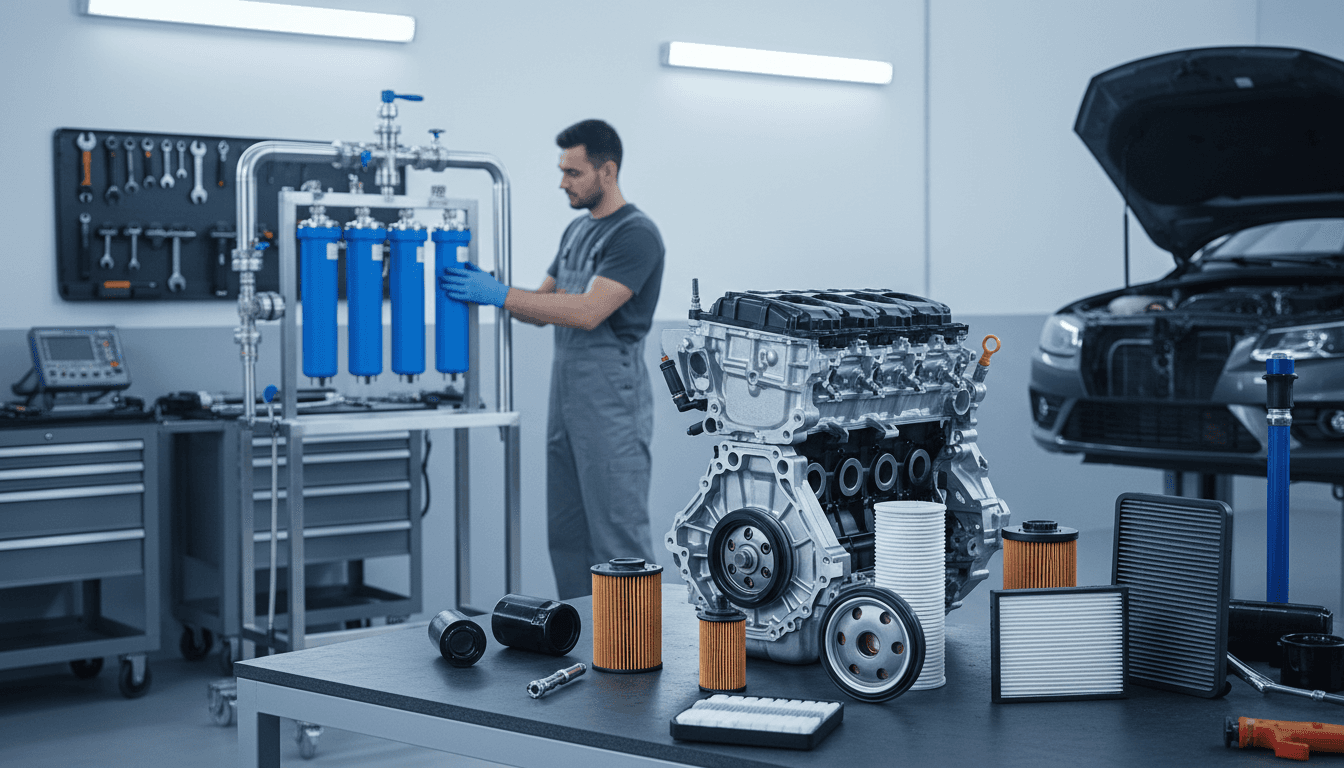
Introduction to Essential Filtration: A Technical Guide for Optimal Performance
In the demanding worlds of automotive, industrial, construction, and agricultural machinery, the efficient operation and longevity of equipment hinge significantly on the quality and maintenance of its filtration systems. Filters are the unsung heroes, diligently protecting vital components from harmful contaminants that can lead to premature wear, reduced efficiency, and costly breakdowns. At Filtry.org, as a leading distributor with over 300,000 products from top manufacturers, we understand the critical role these components play. This comprehensive technical guide is designed to equip drivers, mechanics, and machine operators with the practical knowledge needed for effective filtration, including proper selection, timely maintenance, and insightful troubleshooting. We will explore the nuances of various filter types, providing practical advice to ensure your machinery performs reliably, day in and day out.
Understanding the Fundamentals of Filtration
Why Filters are Essential
Filters act as the primary defence mechanism for engines, hydraulic systems, fuel lines, and even cabin interiors. Their fundamental purpose is to remove impurities from fluids (air, oil, fuel, hydraulic fluid) before they can cause damage to sensitive components. Without effective filtration:
- Engine Protection: Abrasive particles in the air can wear down engine cylinders and pistons. Contaminants in oil can clog passageways and accelerate wear on bearings and other moving parts.
- System Efficiency: Clogged fuel injectors or dirty hydraulic valves can lead to inefficient operation, reduced power output, and increased fuel consumption.
- Component Longevity: By preventing the ingress and circulation of contaminants, filters significantly extend the lifespan of expensive components, reducing the frequency and cost of repairs.
- Environmental Impact: Well-maintained filtration systems contribute to cleaner emissions and more efficient resource utilisation.
- Operator Comfort & Health: Cabin filters ensure a healthier and more pleasant environment for vehicle occupants by filtering out pollen, dust, and pollutants.
Key Principles of Filter Operation
While various filter types exist, they all operate on similar core principles:
- Mechanical Filtration: The most common method, where a physical barrier (the filter media) traps particles larger than the pores in the media.
- Surface Filtration: Contaminants are captured primarily on the surface of the filter media. This is common in air filters, where particles build up on the surface.
- Depth Filtration: Particles are trapped within the matrix of the filter media, allowing for a higher dirt-holding capacity. This is often seen in oil and hydraulic filters.
- Absorption/Adsorption: Some filter media, particularly activated carbon filters, use chemical processes to absorb odours and gases or adsorb microscopic particles onto their surface.
- Separation: In fuel/water separators, density differences are used to separate water from fuel, often aided by coalescing media.
The Comprehensive Technical Guide to Automotive Filters
Air Filters: Protecting Your Engine's Breath
The engine's air filter is its first line of defence, preventing dust, dirt, pollen, and other airborne particles from entering the combustion chamber. Clean air is paramount for efficient combustion and engine longevity.
Function:
To supply the engine with clean, contaminant-free air, ensuring optimal combustion and preventing abrasive wear to internal engine components.
Types:
- Panel Filters: Rectangular or square, commonly found in modern passenger cars.
- Cylindrical Filters: Round filters, often used in older vehicles or some heavy-duty applications.
- Conical Filters: Performance-oriented filters, typically aftermarket.
When to Replace:
Replacement intervals vary, but general guidelines suggest every 15,000 to 30,000 kilometres or annually, whichever comes first. Harsh, dusty environments necessitate more frequent checks and replacements. Signs of a clogged air filter include:
- Reduced engine performance and acceleration.
- Decreased fuel efficiency.
- Black smoke from the exhaust (especially in diesel engines).
- Unusual engine noises.
- A visibly dirty or torn filter element.
- Illuminated 'Check Engine' light (in some advanced systems).
How to Choose:
- Always consult your vehicle's owner's manual for the correct specifications and part numbers.
- Match the filter to your vehicle's make, model, and engine type.
- Consider your driving conditions; high-dust environments may benefit from filters with higher dust-holding capacities.
- Ensure the filter fits securely to prevent air bypass.
Maintenance Tips:
- Regular visual inspection of the filter element.
- Never attempt to clean a paper-element air filter with compressed air, as this can damage the media and reduce filtration efficiency. Some washable performance filters exist, but follow manufacturer guidelines strictly.
- Ensure the filter housing is clean and free of debris during replacement.
Oil Filters: The Lifeline of Lubrication
Engine oil lubricates, cools, and cleans engine components. The oil filter's job is to remove contaminants from the oil, such as metal particles, soot, and sludge, which are generated during engine operation or introduced externally.
Function:
To maintain the cleanliness of engine oil, protecting critical engine components from wear and ensuring consistent lubrication.
Types:
- Spin-on Filters: Self-contained units that screw directly onto the engine block.
- Cartridge Filters: An internal element housed within a permanent filter housing, often more environmentally friendly as only the element is replaced.
- Bypass Filters: Filter a small portion of oil continuously at a much finer level, often used in conjunction with a full-flow filter in heavy-duty applications.
When to Replace:
The oil filter should always be replaced concurrently with the engine oil, typically every 10,000 to 15,000 kilometres or annually, as recommended by the vehicle manufacturer. Ignoring oil filter replacement can lead to:
- Reduced oil pressure.
- Premature engine wear.
- Contaminated fresh oil if only the oil is changed.
- Increased friction and heat within the engine.
How to Choose:
- Refer to your vehicle's owner's manual for the exact specifications, including bypass valve pressure settings and thread size.
- Select a filter designed for your specific engine and oil type.
- Ensure the filter has the correct micron rating and flow characteristics to prevent oil starvation.
Maintenance Tips:
- Always use the correct filter wrench for removal and installation.
- For spin-on filters, lightly lubricate the rubber gasket with clean oil before installation to ensure a good seal.
- Do not overtighten the filter; hand-tightening plus a quarter to half-turn is usually sufficient, as per manufacturer's instructions.
- Always check for leaks immediately after starting the engine following an oil and filter change.
Explore our extensive range of oil filters suitable for diverse applications.
Fuel Filters: Ensuring Clean Fuel Delivery
Fuel filters protect the entire fuel system, from the fuel tank to the injectors, from contaminants such as dirt, rust, and water that can be present in fuel.
Function:
To remove impurities from the fuel, preventing damage and clogging of sensitive fuel system components like fuel pumps, lines, and injectors, thereby ensuring optimal engine performance.
Types:
- In-line Filters: Found in the fuel line, often made of plastic or metal.
- Cartridge Filters: Replaceable elements within a permanent housing, common in diesel systems.
- Pre-filters/Water Separators: Often found in diesel systems, designed to remove larger particles and water before the main filter.
When to Replace:
Fuel filter replacement intervals vary widely depending on the vehicle and fuel type, typically ranging from 30,000 to 100,000 kilometres. Consult your owner's manual. Signs of a clogged fuel filter include:
- Engine sputtering, stalling, or misfiring.
- Reduced engine power and acceleration.
- Difficulty starting the engine.
- Increased fuel consumption.
- A noticeable loss of power under load.
How to Choose:
- Specify whether it's for petrol or diesel fuel, as the media and design differ significantly.
- Match the filter to your vehicle's make, model, and engine.
- Consider the micron rating and flow rate to ensure adequate fuel supply to the engine.
- For diesel systems, consider filters with water separation capabilities.
Maintenance Tips:
- When replacing a diesel fuel filter, it's crucial to bleed the air from the system afterward to prevent starting issues.
- Always depressurise the fuel system before replacing fuel filters to avoid fuel spills and potential fire hazards.
- Check all connections for leaks after installation.
Discover our wide array of high-quality fuel filters for all vehicle types.
Cabin Filters: Breathing Clean Air Inside
The cabin filter, sometimes called a pollen filter, filters the air that enters the vehicle's passenger compartment through the heating, ventilation, and air conditioning (HVAC) system.
Function:
To protect vehicle occupants from airborne particles such as dust, pollen, soot, and pollutants, and to prevent these contaminants from entering and clogging the HVAC system.
Types:
- Particle Filters: Basic filters that trap solid particles.
- Activated Carbon Filters: Contain an additional layer of activated carbon to absorb odours, exhaust fumes, and harmful gases, providing superior air quality.
When to Replace:
Cabin filters should typically be replaced annually or every 15,000 to 20,000 kilometres, or more frequently if you drive in heavily polluted or dusty areas. Indicators for replacement include:
- Reduced airflow from the HVAC vents.
- A persistent musty or unpleasant odour inside the cabin.
- Increased symptoms for allergy sufferers.
- Visible dirt, leaves, or debris on the filter element.
How to Choose:
- Select a filter that matches your vehicle's make, model, and year.
- Decide between a standard particle filter or an activated carbon filter for enhanced odour and gas filtration.
Maintenance Tips:
- Locate the cabin filter (often behind the glove box, under the bonnet, or under the dashboard) and ensure correct orientation during installation.
- Ensure the filter is properly sealed within its housing to prevent air bypass.
Enhance your driving comfort with our selection of cabin filters.
Technical Guidance for Industrial and Heavy-Duty Filters
Hydraulic Filters: Protecting Precision Systems
Hydraulic systems are the backbone of many industrial, construction, and agricultural machines, relying on highly precise components. Hydraulic fluid must be kept meticulously clean to ensure optimal performance and prevent damage.
Function:
To remove particulate contamination (such as wear metals, dirt, and sealant particles) and water from hydraulic fluid, protecting pumps, valves, cylinders, and motors from wear and malfunction.
Types:
- Suction Filters: Located on the pump's suction side to protect the pump from large particles.
- Pressure Filters: Positioned downstream of the pump to protect critical components from particles generated by the pump.
- Return Line Filters: Installed in the return line to the reservoir, cleaning the fluid before it re-enters the tank.
- Off-line Filters (Kidney Loop): Independent filtration systems that continuously clean fluid from the reservoir, separate from the main circuit.
- Breather Filters: Filter air entering and exiting the reservoir, preventing airborne contamination.
When to Replace:
Replacement intervals for hydraulic filters are often determined by differential pressure indicators that signal when the filter is becoming clogged. Regular fluid analysis can also guide replacement schedules. Signs of filter wear or excessive contamination include:
- Sluggish or erratic hydraulic system operation.
- Increased noise from hydraulic components (pumps, valves).
- Premature failure of hydraulic pumps, valves, or cylinders.
- Elevated fluid temperature.
- Reduced system efficiency.
- Visible contamination in the hydraulic fluid (cloudiness, particles).
How to Choose:
- System Pressure and Flow Rate: The filter must be rated for the maximum operating pressure and flow of the hydraulic system.
- Micron Rating: Select a micron rating appropriate for the system's sensitivity; finer filtration is needed for precision components.
- Fluid Compatibility: Ensure the filter media and seals are compatible with the specific hydraulic fluid used.
- Housing Design: Consider spin-on, cartridge, or tank-mounted options based on system design and maintenance accessibility.
Maintenance Tips:
- Monitor differential pressure gauges regularly and replace filters when the indicator suggests.
- Always use clean equipment and practices when handling hydraulic fluid and filters to prevent introducing new contaminants.
- Regularly check and clean breather filters on the hydraulic reservoir.
- Perform fluid analysis periodically to monitor contamination levels and guide proactive maintenance.
Discover high-performance hydraulic filters for all industrial and heavy-duty applications.
Heavy-Duty Air Filters: For Robust Performance
Heavy-duty air filters, commonly found in trucks, construction machinery, and agricultural equipment, operate in exceptionally harsh and dusty environments, requiring robust design and high-capacity filtration.
Function:
To provide massive volumes of clean air to large engines, protecting them from a high ingress of dust, dirt, and debris typical of heavy-duty operating conditions.
Types:
- Radial Seal Filters: Common in modern heavy-duty applications, providing a secure, leak-proof seal.
- Panel Filters: Larger versions designed for heavy-duty engines.
- Safety Filters (Secondary Filters): A second, finer filter element placed inside the primary filter, acting as a backup in case the primary filter fails or during filter changes to prevent ingress of airborne particles.
When to Replace:
Heavy-duty air filters are often monitored by restriction indicators (vacuum gauges) that show when the filter is nearing its capacity. Manufacturer service intervals are also crucial. Signs of a clogged heavy-duty air filter include:
- Noticeable reduction in engine power.
- Increased exhaust smoke.
- Higher fuel consumption.
- Engine 'bogging down' under load.
- The restriction indicator showing a need for replacement.
How to Choose:
- Equipment Specifications: Always match the filter to the specific make, model, and engine of the heavy equipment.
- Dust Load Capacity: Choose filters with high dust-holding capacity for extremely dusty environments.
- Efficiency Rating: Ensure the filter meets or exceeds OEM efficiency standards.
- Pre-cleaner Compatibility: Many heavy-duty applications use pre-cleaners; ensure the filter is compatible with the system.
Maintenance Tips:
- Regularly check and empty pre-cleaner bowls if fitted.
- Never attempt to clean a heavy-duty paper air filter element with compressed air, as this can damage the media.
- When replacing a primary filter, always inspect the safety filter; if it's dirty, replace it. Never replace only the safety filter without replacing the primary.
- Ensure the housing and seals are clean and intact for a proper seal.
Separators (Fuel/Water): Essential for Diesel Systems
Water in diesel fuel is a significant problem, leading to corrosion, microbial growth, and severe damage to high-pressure fuel injection systems. Fuel/water separators are designed to address this critical issue.
Function:
To remove free water and larger particulate contaminants from diesel fuel before it reaches the main fuel filter and sensitive engine components.
Types:
- Centrifugal Separators: Use centrifugal force to spin water and heavier particles out of the fuel stream.
- Coalescing Separators: Employ media that causes small water droplets to combine into larger ones, which then drop to the bottom of the bowl.
When to Replace/Maintain:
Water should be drained from the separator bowl regularly (often daily or weekly, depending on operating conditions and fuel quality). The filter element within the separator should be replaced according to manufacturer guidelines or when the water-in-fuel sensor indicates high contamination. Signs of a failing separator include:
- Engine misfires or erratic running.
- Reduced engine power.
- A warning light for water in fuel.
- Visible water or excessive contamination in the drain bowl.
How to Choose:
- Fuel Flow Rate: Ensure the separator is rated for the engine's fuel flow requirements.
- Engine Power: Match the separator to the engine size and application.
- Water Removal Efficiency: Look for high water removal efficiency ratings.
Maintenance Tips:
- Regularly drain accumulated water from the separator bowl (especially important in cold weather to prevent freezing).
- Inspect the bowl and seals for cracks or leaks.
- Replace the separator element according to the manufacturer's specified service interval.
General Filter Selection, Maintenance, and Troubleshooting
How to Choose the Right Filter
Selecting the correct filter is paramount for optimal performance and protection. Here's a systematic approach:
- Consult the Manufacturer's Manual: This is your primary source for exact part numbers, specifications, and recommended service intervals.
- Match OEM Part Numbers or Specifications: If OEM parts aren't available, ensure aftermarket filters precisely match the OEM's dimensions, media type, micron rating, and flow characteristics.
- Consider Operating Environment: For harsh, dusty, or humid conditions, you might need filters with enhanced capacity or water separation capabilities.
- Understand Quality vs. Price: While cost is a factor, investing in high-quality filters from reputable distributors like Filtry.org prevents premature failures and costly repairs down the line. Inferior filters can compromise protection, leading to severe damage.
Common Signs of Filter Wear and Failure
Being able to recognise the signs of a failing filter can prevent more significant problems:
- Reduced Performance: Loss of engine power, sluggish acceleration, poor braking (in some hydraulic systems), or weak HVAC airflow.
- Increased Consumption: Higher fuel consumption (clogged air or fuel filter) or increased oil consumption (if engine is suffering accelerated wear due to poor oil filtration).
- Unusual Noises or Odours: Engine knocking, whining from pumps (hydraulic), or musty odours in the cabin.
- Warning Lights: 'Check Engine', 'Water in Fuel', or low oil pressure warning lights.
- Visible Contamination/Damage: A visibly dirty air filter, discoloured hydraulic fluid, or physical damage to filter housings or elements.
Best Practices for Filter Maintenance and Replacement
Adhering to best practices ensures maximum filter effectiveness and extends equipment life:
- Adhere to Service Schedules: Follow the manufacturer's recommended intervals for inspection and replacement.
- Use Appropriate Tools: Employ correct wrenches for oil and fuel filters to prevent damage.
- Ensure Proper Sealing: Gaskets and O-rings must be clean, correctly seated, and lightly lubricated (where applicable) to prevent leaks or bypass.
- Cleanliness is Key: Always ensure the area around the filter housing is clean before removal and installation to prevent contaminants from entering the system.
- Responsible Disposal: Dispose of used filters and contaminated fluids according to local environmental regulations.
- Document Maintenance: Keep accurate records of filter changes to track service history and ensure timely future maintenance.
Diagnosing Filtration Problems
When issues arise, a systematic approach to diagnosis is crucial:
- Systematic Approach: Start with the simplest checks. If there's reduced engine power, check the air filter first, then the fuel filter.
- Check Associated Components: A clogged fuel filter might cause issues that seem like a faulty fuel pump. Address the filter first.
- Fluid Analysis: For industrial and heavy-duty applications, regular oil and hydraulic fluid analysis can provide invaluable insights into contamination levels and filter effectiveness, helping to diagnose problems before they become critical.
- Quality Replacement Parts: When troubleshooting, always opt for high-quality filters to rule out the filter itself as a source of the problem.
Conclusion
The importance of proper filtration cannot be overstated. From the smallest passenger car to the largest piece of industrial machinery, filters are vital components that safeguard performance, ensure efficiency, and extend the lifespan of your valuable assets. Understanding the types of filters, their specific functions, appropriate replacement schedules, and common signs of wear is fundamental to effective maintenance and troubleshooting.
At Filtry.org, we pride ourselves on being a trusted partner, offering an unparalleled selection of over 300,000 automotive and industrial filters from leading manufacturers. Our commitment to quality ensures that whether you're sourcing an air filter for a passenger car, a hydraulic filter for construction equipment, or a fuel filter for a truck, you'll find the precise component you need for reliable operation. We deliver across Europe, including the UK, Germany, and Poland, making it easy to access premium filtration solutions.
By following the technical guidance provided in this article, you can optimise the performance and longevity of your vehicles and machinery, confident in the knowledge that your filtration systems are up to the task. For all your filtration needs, trust Filtry.org to provide the solutions that keep your world moving.
Share