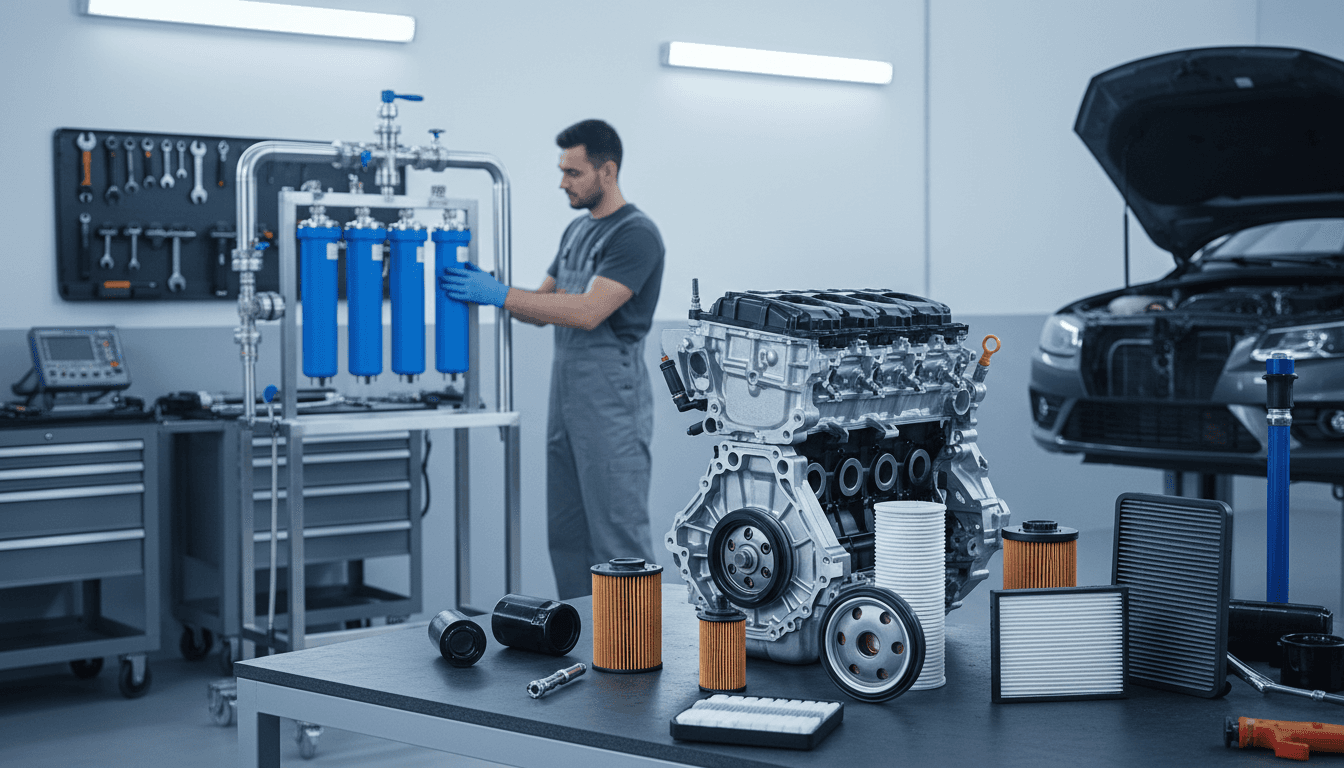
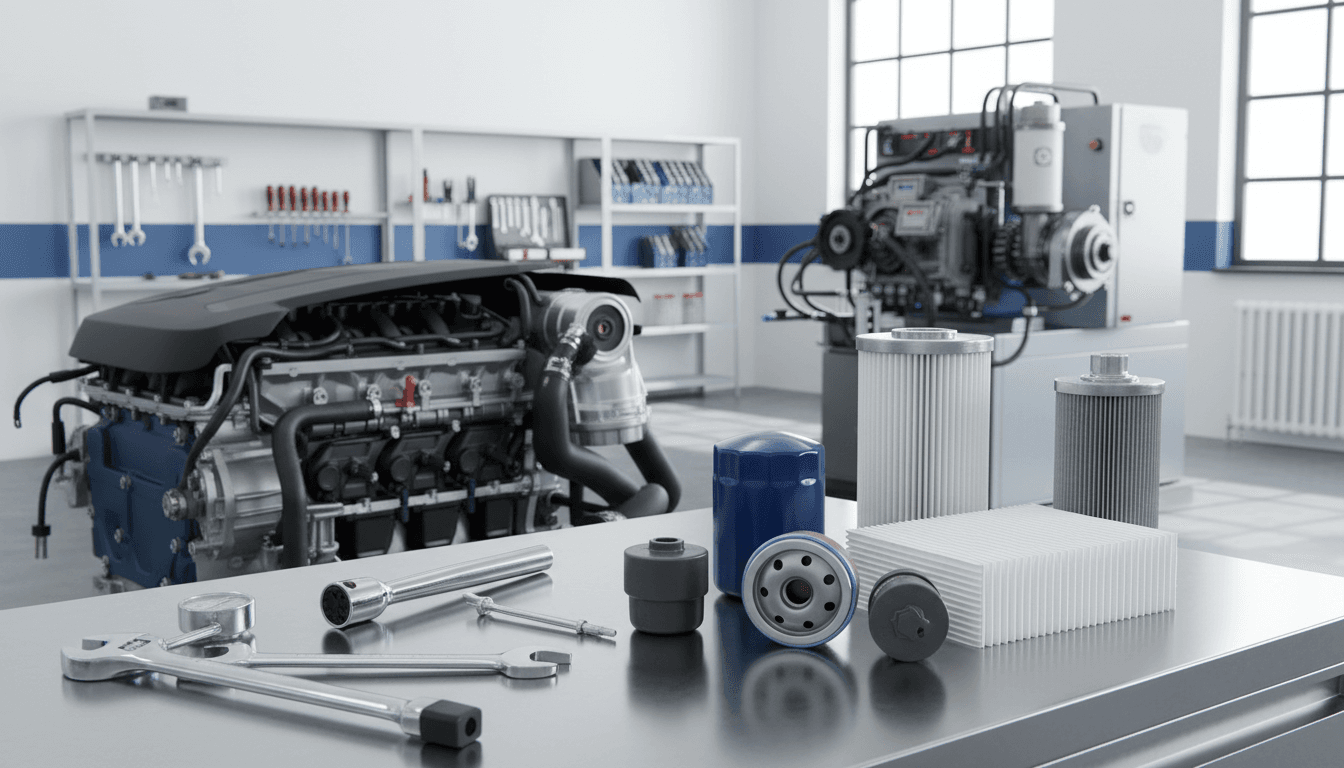
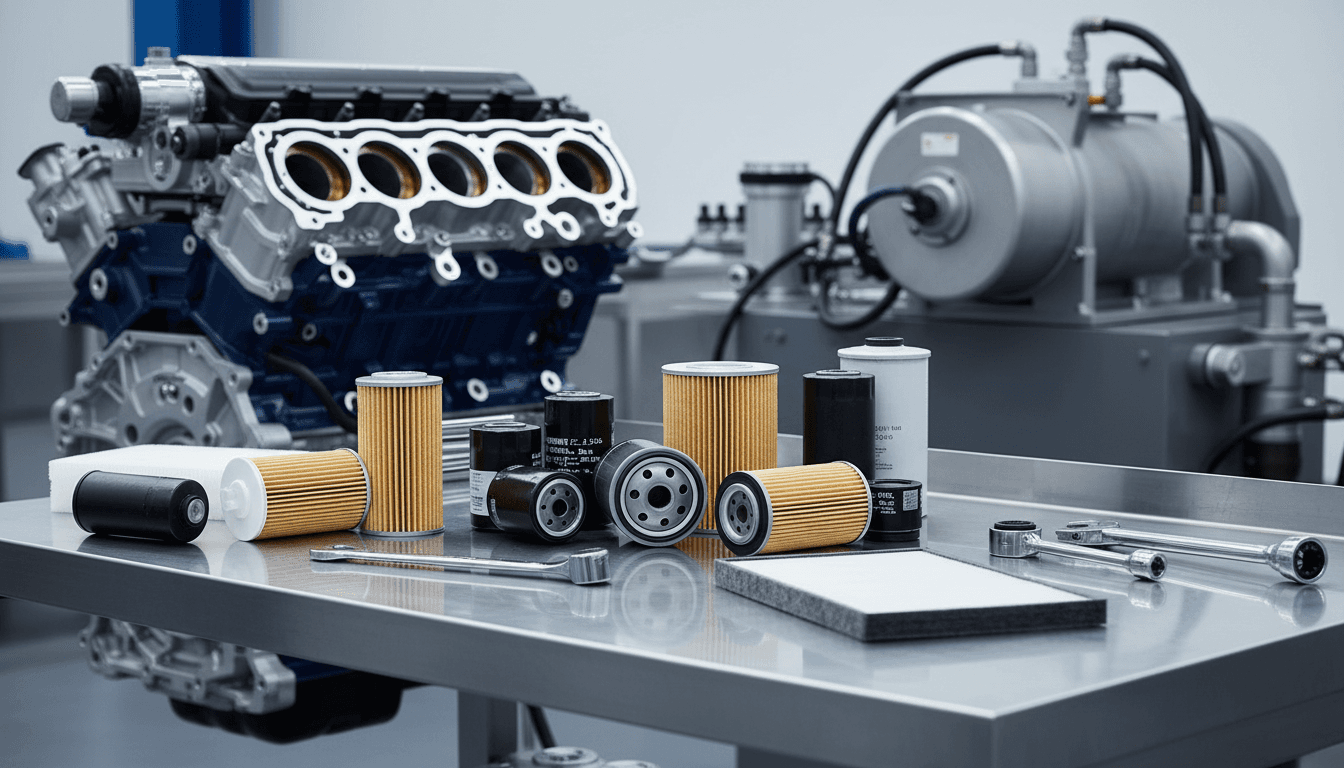
Your Essential Technical Guide to Automotive & Industrial Filters
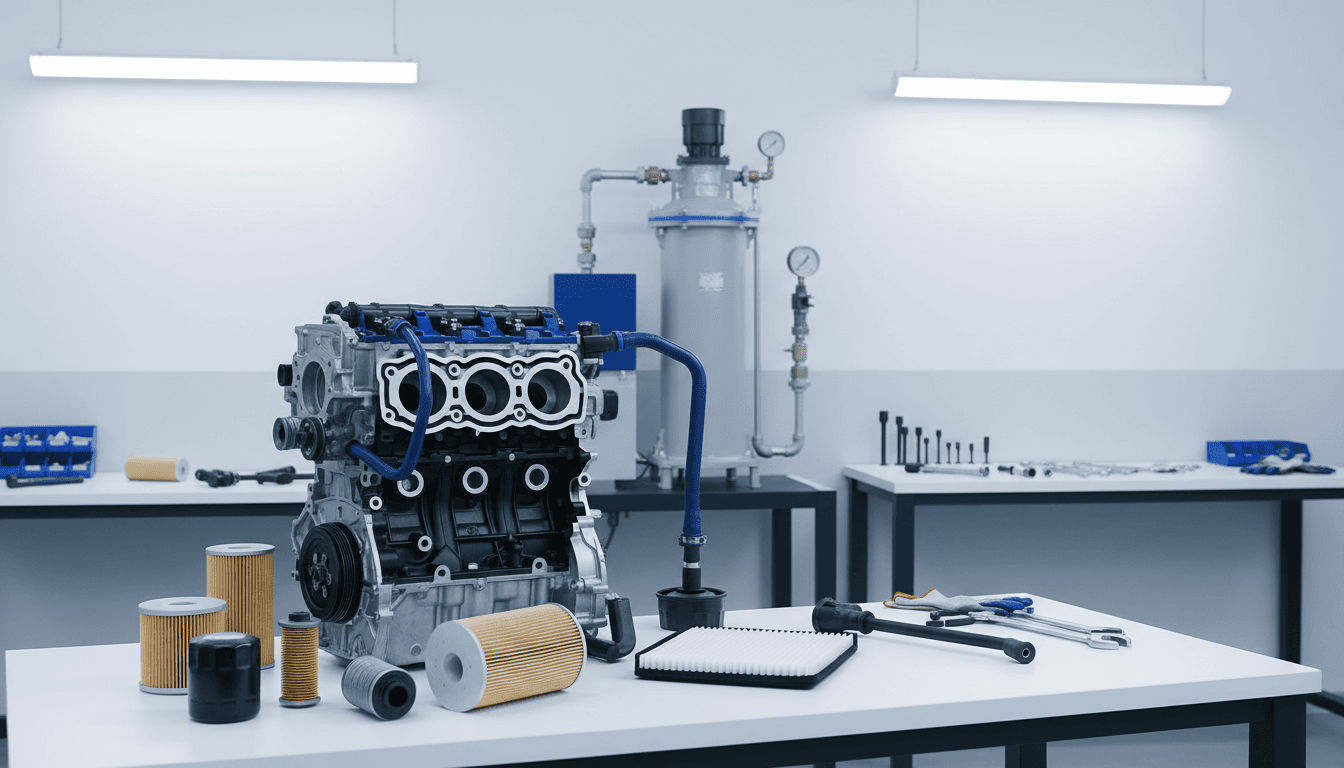
Introduction to Filtry.org's Technical Guides
Welcome to Filtry.org, your premier distributor of over 300,000 automotive and industrial filters from leading manufacturers. We understand that effective filtration is the cornerstone of operational efficiency, longevity, and performance for a vast array of machinery – from passenger cars and trucks to complex construction machinery, agricultural equipment, and industrial systems. Navigating the world of filters can be complex, which is why we've compiled this comprehensive technical guide. It’s designed to serve as your practical instruction manual (poradnik) for understanding, selecting, replacing, and maintaining the critical filters that keep your engines and systems running smoothly. This guide will provide crucial insights into common filtration challenges, helping you with diagnostics and effective problem-solving.
Proper filtration safeguards vital components from abrasive contaminants, ensuring optimal functionality and preventing costly downtime. Whether you are a professional mechanic, a machine operator, or a vehicle owner, this article offers invaluable advice on how to choose the right filter, recognise signs of wear, and adhere to best practices for filter maintenance. We deliver across Europe, including the UK, Germany, and Poland, ensuring you have access to the highest quality filtration solutions wherever you are.
The Indispensable Role of Filtration in Modern Machinery
In today's advanced engines and hydraulic systems, even microscopic particles can cause significant wear and tear, leading to reduced efficiency, increased fuel consumption, and premature component failure. Filters act as the first line of defence, meticulously removing harmful contaminants from air, oil, fuel, and hydraulic fluids.
Understanding Contaminants and Their Impact
- Abrasive Particles: Dust, dirt, sand, metallic debris that cause mechanical wear.
- Chemical Contaminants: Water, acids, sludge, and by-products of combustion or fluid degradation.
- Organic Matter: Pollen, leaves, insects that can impede airflow or clog systems.
- Microorganisms: Bacteria and fungi, particularly in fuel systems, leading to sludge and blockages.
Without effective filtration, these contaminants can lead to: accelerated wear of engine components, degradation of lubricating oils and hydraulic fluids, reduced fuel injector lifespan, and compromised cabin air quality. A proactive approach to filtration, guided by sound technical advice, is therefore essential for both preventative maintenance and sustained operational excellence.
Air Filters: The Engine's Breath of Fresh Air
The air filter is paramount for protecting the engine from airborne contaminants. It ensures that only clean air reaches the combustion chambers, preserving engine health and efficiency.
Application & Function
Air filters are found in virtually every internal combustion engine – from the smallest passenger car engine to massive truck engines, construction machinery, and industrial compressors. Their primary function is to trap airborne particles such as dust, pollen, insects, and debris before they can enter the engine's intake manifold. A clean air supply is critical for maintaining the correct air-fuel mixture, which directly impacts engine power, fuel economy, and emissions.
Selection & Specifications
Choosing the correct air filter involves understanding several key aspects:
- Vehicle/Machine Specifics: Always refer to the manufacturer's specifications for the exact model, year, and engine type. Dimensions, shape (panel, conical, cylindrical), and sealing methods are critical.
- Filter Media Type: Most common are cellulose (paper), synthetic, or cotton gauze. Each offers different filtration efficiency and airflow characteristics. Synthetic media often provides higher filtration efficiency and longer service intervals.
- Flow Rate: The filter must allow sufficient airflow to meet the engine's demands without restricting performance.
- OEM vs. Aftermarket: While aftermarket filters can be cost-effective, ensure they meet or exceed Original Equipment Manufacturer (OEM) specifications for filtration efficiency and lifespan.
When to Replace & Signs of Wear
Regular replacement is vital. General guidelines suggest replacing air filters every 12,000 to 15,000 miles (20,000-25,000 km) or annually, but this can vary significantly based on operating conditions and manufacturer recommendations.
Key indicators for replacement and signs of wear include:
- Reduced Engine Performance: Noticeable decrease in acceleration, power, or responsiveness.
- Decreased Fuel Economy: A dirty filter can cause the engine to work harder and consume more fuel.
- Rough Idling or Misfires: Inconsistent air-fuel mixture due to restricted airflow can lead to rough engine operation.
- Unusual Engine Noises: A starved engine might produce abnormal sounds.
- Check Engine Light: A very dirty air filter can sometimes trigger an engine warning light, especially if it affects mass airflow sensor readings.
- Visually Dirty Filter: The most obvious sign. A clean filter media is typically white or light yellow; a heavily soiled filter will appear dark grey or black and may be clogged with debris. You can find a wide range of filters, including air filters, suitable for your specific needs at Filtry.org.
Maintenance Tips
- Regular Visual Inspection: Periodically check the air filter, especially if operating in dusty environments.
- Proper Installation: Ensure the filter is correctly seated and sealed to prevent unfiltered air from bypassing the filter.
- Avoid Cleaning Cellulose Filters: Paper-based filters should generally not be cleaned with compressed air as this can damage the media and reduce filtration effectiveness.
Oil Filters: Guardians of Lubrication
The oil filter plays a crucial role in maintaining engine health by removing contaminants from the engine oil, ensuring clean lubrication for moving parts.
Application & Function
Oil filters are indispensable in all types of engines – passenger vehicles, heavy-duty trucks, construction machinery, agricultural equipment, and industrial power units. Their function is to trap metallic particles, soot, sludge, and other impurities that accumulate in the engine oil during operation. By keeping the oil clean, they prevent abrasive wear of bearings, camshafts, crankshafts, and other critical internal components, thereby extending engine life and maintaining performance.
Selection & Specifications
Choosing the correct oil filter is paramount for effective lubrication and engine protection:
- Vehicle/Machine Compatibility: Always match the filter to the specific make, model, and engine variant. This ensures correct fitment, thread size, and gasket sealing.
- Micron Rating: This specifies the smallest particle size the filter can capture. Lower micron ratings indicate finer filtration.
- Bypass Valve: Essential for ensuring oil flow to the engine, even if the filter becomes clogged. It opens to allow unfiltered oil to pass, preventing oil starvation, especially during cold starts.
- Anti-Drain Back Valve (ADBV): Prevents oil from draining out of the filter when the engine is shut off, ensuring immediate lubrication upon start-up.
- Filter Media: Modern oil filters use synthetic or cellulose blend media for superior filtration and dirt-holding capacity.
When to Replace & Signs of Wear
The oil filter should always be replaced during every oil change, following the vehicle or machine manufacturer's recommended service intervals. These intervals are typically based on mileage or operating hours.
While direct signs of a failing oil filter are often masked by other engine issues, indirect indicators and general diagnostics can point to a problem:
- Dirty Oil: If oil appears excessively dark or sludgy shortly after an oil change, it could indicate poor filtration or an overdue change.
- Engine Noise: A consistently clogged oil filter can restrict oil flow, leading to increased friction and abnormal engine noises (e.g., ticking or knocking) due to inadequate lubrication.
- Low Oil Pressure Warning Light: A severely clogged filter can cause a significant drop in oil pressure, triggering the warning light. This requires immediate attention to prevent severe engine damage.
- Metallic Particles in Old Oil: When draining old oil, inspecting it for metallic particles can indicate excessive engine wear that a failing filter couldn't prevent. Explore a comprehensive range of oil filters tailored for various applications at Filtry.org.
Maintenance Tips
- Always Replace with Oil Change: Never reuse an old oil filter, even if the oil is changed.
- Use Quality Oil: Pair a quality filter with the manufacturer-recommended type and grade of engine oil.
- Pre-fill (where applicable): For some filter types, pre-filling with fresh oil can reduce the time taken for oil pressure to build up on start-up.
- Proper Sealing: Ensure the new filter's gasket is lightly lubricated and the filter is tightened to the manufacturer's specified torque.
Fuel Filters: Protecting Precision Fuel Delivery
Fuel filters are vital components that protect sensitive fuel system components, such as fuel pumps and injectors, from contaminants present in the fuel.
Application & Function
Whether in petrol (gasoline) or diesel engines, in passenger cars, heavy-duty trucks, or industrial generators, fuel filters are critical for preventing contaminants from reaching the combustion chambers. They trap particles like dirt, rust, paint chips, and other debris that can be present in fuel storage tanks or enter during refuelling. For diesel engines, they also often incorporate water separation capabilities, as water ingress can be particularly damaging to diesel injection systems.
Selection & Specifications
Selecting the correct fuel filter is crucial for safeguarding the entire fuel delivery system:
- Fuel Type Specificity: Filters are designed for either petrol or diesel and are generally not interchangeable. Diesel filters often have more advanced water separation features.
- Micron Rating: Modern fuel injection systems (especially common rail diesel) require extremely fine filtration, often in the 2-5 micron range, to protect precision injectors.
- Pressure Rating: The filter must be capable of withstanding the operating pressure of the fuel system.
- Flow Rate: Must meet the engine's fuel demands under all operating conditions.
- Water Separator (Diesel): Many diesel fuel filters integrate a water separator bowl, often with a drain plug, to remove free water from the fuel.
- Heater Element (Diesel): Some diesel filters include a heating element to prevent fuel gelling in cold weather.
When to Replace & Signs of Wear
Fuel filter replacement intervals vary widely by manufacturer and fuel type, typically ranging from 20,000 to 60,000 miles (30,000-100,000 km). Refer to your vehicle or machinery's service manual for exact recommendations. Dirty or contaminated fuel, or heavy usage, may necessitate more frequent changes.
Signs that a fuel filter is clogged or failing:
- Reduced Engine Power: The most common symptom. The engine may struggle to maintain speed, especially under load or during acceleration, due to insufficient fuel supply.
- Difficulty Starting: A clogged filter can make the engine crank for longer or fail to start altogether.
- Rough Idling: Inconsistent fuel delivery can cause the engine to run roughly at idle.
- Engine Stalling: The engine may inexplicably stall, particularly when demanding more fuel (e.g., accelerating).
- Engine Misfires: Irregular fuel delivery can lead to misfires.
- Check Engine Light: While less common for a simple clogged fuel filter, it can be triggered if fuel pressure regulators or oxygen sensors detect issues related to fuel starvation.
- Unusual Noises from Fuel Pump: The fuel pump may strain and produce a whining noise if it's struggling to push fuel through a restricted filter. Find specific fuel filters for your petrol or diesel engine, including those with water separators, at Filtry.org.
Maintenance Tips
- Drain Water Separator (Diesel): Regularly drain the water separator bowl as part of routine maintenance to remove accumulated water.
- Proper Orientation: Ensure the filter is installed correctly, with the flow direction matching the fuel system's design.
- Relieve Fuel Pressure: Always relieve fuel system pressure before attempting to replace a fuel filter to prevent fuel spray and potential hazards.
Cabin Filters: For a Breath of Fresh Air Inside
Often overlooked, the cabin filter significantly impacts the air quality inside the vehicle or machine cabin, protecting occupants from airborne pollutants.
Application & Function
Cabin filters are found in most modern passenger cars, trucks, and many types of construction and agricultural machinery. Their primary role is to filter the air entering the cabin through the heating, ventilation, and air conditioning (HVAC) system. They trap dust, pollen, soot, spores, and other airborne particles, ensuring a healthier and more comfortable environment for drivers and operators. Some advanced cabin filters also feature activated carbon to absorb noxious gases and odours.
Selection & Specifications
Choosing the right cabin filter improves comfort and health:
- Vehicle/Machine Specifics: Always select a filter that matches the exact make, model, and year of the vehicle or machine. Cabin filters come in various shapes and sizes.
- Filter Media Type:
- Particle Filters: Standard filters designed to trap dust, pollen, and other particulate matter.
- Activated Carbon Filters: Incorporate a layer of activated carbon to absorb unpleasant odours, exhaust fumes, and other gaseous pollutants, offering superior air quality.
- HEPA Filters: High-Efficiency Particulate Air filters offer the highest level of filtration, capturing even finer particles, including some bacteria and viruses.
When to Replace & Signs of Wear
Manufacturers typically recommend replacing cabin filters every 12,000 to 15,000 miles (20,000-25,000 km) or once a year, though this can vary based on driving conditions and local air quality.
Key indicators that your cabin filter needs replacement:
- Reduced Airflow: The most common sign. You'll notice weaker airflow from the air vents, even when the fan is on high.
- Unpleasant Odours: Stale, musty, or unpleasant smells in the cabin, particularly when the HVAC system is running.
- Increased Allergies/Asthma Symptoms: If occupants experience more severe allergy symptoms, it's a strong sign the filter is no longer effectively trapping pollen and allergens.
- Excessive Noise from HVAC Fan: The fan motor may work harder and become noisy trying to push air through a clogged filter.
- Fogging Windows: Reduced airflow can hinder defogging performance, especially during humid weather.
- Visible Debris: If the filter is easily accessible, a visual inspection might reveal it to be heavily soiled with leaves, dust, and other debris. Ensure clean, fresh air in your cabin with high-quality cabin filters from Filtry.org.
Maintenance Tips
- Locate the Filter: Cabin filter locations vary widely (under the bonnet, behind the glove box, under the dashboard). Consult your vehicle manual.
- Regular Checks: If you frequently drive in urban areas with high pollution or dusty rural environments, consider checking and replacing the filter more often.
- Clear Intake: Periodically clear any leaves or debris from the air intake vents located at the base of the windscreen to prevent premature clogging.
Hydraulic Filters: The Lifeline of Power Systems
In industrial and heavy machinery, hydraulic filters are critical for the reliability and performance of hydraulic systems, protecting pumps, valves, and cylinders from contamination.
Application & Function
Hydraulic systems are the workhorses of industries, powering construction machinery (excavators, loaders), agricultural equipment (tractors, harvesters), industrial presses, manufacturing robots, and countless other applications. Hydraulic filters are designed to remove particulate matter (metal fragments, dust, rust, seal material) and sometimes water from the hydraulic fluid. Clean hydraulic fluid is essential for preventing wear of precision components, maintaining system efficiency, preventing cavitation, and ensuring the smooth, precise operation of hydraulic actuators.
Selection & Specifications
Choosing the right hydraulic filter is paramount for protecting expensive hydraulic components:
- System Compatibility: Filters must match the system's operating pressure, flow rate, and port connections.
- Micron Rating: This is critical. Modern hydraulic systems, especially those with proportional valves and servo valves, require very fine filtration, often down to 3-10 microns. The finer the filtration, the better the protection, but also higher potential for pressure drop if not correctly sized.
- Filter Location: Hydraulic filters are strategically placed at various points in the system:
- Suction Filters: Protect the pump from large particles in the reservoir.
- Pressure Filters: Located downstream of the pump, protecting sensitive components.
- Return Line Filters: Clean fluid returning to the reservoir.
- Offline Filters (Kidney Loop): Continuously filter fluid independently of the main system.
- Bypass Valve: Many hydraulic filters incorporate a bypass valve to ensure continuous fluid flow to critical components if the filter becomes excessively clogged.
- Filter Media: Synthetic media offers superior dirt-holding capacity and consistent filtration efficiency compared to traditional cellulose media, often leading to longer service life.
When to Replace & Signs of Wear
Hydraulic filter replacement intervals are typically specified in operating hours by the equipment manufacturer. These intervals are often tied to fluid sampling and analysis results, as fluid cleanliness is a direct measure of filtration effectiveness. Heavy-duty applications or contaminated environments may require more frequent changes.
Key indicators for replacement and signs of wear:
- Pressure Drop Indicator: Many hydraulic systems have a visual or electrical indicator on the filter housing that signals when the filter is reaching its dirt-holding capacity and needs replacement. This is the most reliable diagnostic.
- Sluggish System Operation: Reduced speed or power of hydraulic cylinders and motors can indicate restricted fluid flow due to a clogged filter.
- Increased System Noise: A struggling hydraulic pump or noisy actuators can be a symptom of cavitation or insufficient fluid supply, which may be caused by a restricted filter.
- System Overheating: Restricted fluid flow increases resistance, which generates heat, potentially leading to overheating of the hydraulic fluid and components.
- Premature Component Failure: If pumps, valves, or cylinders are failing prematurely, it's a strong sign of inadequate filtration and excessive contamination. Ensure your hydraulic systems run cleanly and efficiently with our extensive range of hydraulic filters.
Maintenance Tips
- Follow OEM Schedules: Adhere strictly to the manufacturer's recommended maintenance schedule for filter and fluid changes.
- Fluid Analysis: Regularly analyse hydraulic fluid samples to monitor cleanliness levels and identify potential contamination issues early.
- Cleanliness During Maintenance: When changing hydraulic filters, ensure the surrounding area and tools are scrupulously clean to prevent introducing contaminants into the system.
- Use Quality Fluids: Always use the specified type and grade of hydraulic fluid, as recommended by the equipment manufacturer.
General Filter Selection and Troubleshooting Principles
Beyond individual filter types, some overarching principles apply to all filtration needs, from diagnosing issues to selecting the optimal product.
How to Choose the Right Filter
The right filter is not just about fitment; it's about performance and protection.
- Consult OEM Specifications: This is your primary source of information. The manufacturer's manual will specify the exact filter part numbers or detailed specifications required for your specific vehicle or machine.
- Cross-Referencing: If using an aftermarket filter, ensure it is a direct cross-reference to the OEM part number and meets or exceeds the original specifications in terms of filtration efficiency, flow rate, and structural integrity.
- Understand Application Requirements:
- Operating Environment: Dusty, wet, or extremely cold conditions may require filters with higher dirt-holding capacity, water separation, or heating elements.
- Duty Cycle: Intermittent versus continuous operation affects filter wear.
- Fluid Viscosity/Type: Different fluids (e.g., engine oil vs. transmission fluid vs. hydraulic fluid) have distinct filtration needs.
- Consider Filter Media: While cellulose is common, synthetic media often offers superior performance, finer filtration, and longer service life, making it a worthwhile upgrade in many applications.
- Check for Certifications: For industrial applications, look for filters that comply with relevant ISO standards for cleanliness and performance.
Common Troubleshooting Scenarios
Even with correct filters, issues can arise. Here's how to approach common problems:
- Reduced Performance After Filter Replacement:
- Incorrect Installation: Check for proper sealing, orientation, and tightness.
- Wrong Filter: Ensure the new filter matches the correct specifications for the application.
- Air Leaks: In intake or fuel systems, check for air leaks around filter housings or lines.
- Premature Clogging:
- Excessive Contamination: Operating in unusually dirty environments, contaminated fuel/oil, or component wear producing high levels of debris.
- Undersized Filter: The filter's capacity might be insufficient for the application's contamination load.
- Incorrect Micron Rating: A filter with too fine a micron rating for the system's needs can clog faster.
- Fluid Contamination Issues Persisting:
- Source of Contamination: Identify if contamination is external (poor storage, refuelling) or internal (component wear, seal leaks).
- Filter Bypass: Check if the filter's bypass valve is stuck open, allowing unfiltered fluid to circulate.
- Multiple Contamination Points: Contamination might be entering through breathers or seals, not just the primary input.
- Noise After Filter Change:
- Air in System: Particularly in fuel or hydraulic systems, air can be trapped after a filter change. Proper bleeding procedures are necessary.
- Flow Restriction: An incorrectly installed or wrong filter can cause flow restriction leading to pump cavitation or other noises.
The Importance of Quality Filters
While cheaper filters might seem appealing upfront, they often lead to false economies. Low-quality filters may have:
- Inferior Media: Less efficient at trapping contaminants, allowing damaging particles to pass through.
- Poor Construction: Prone to bursting, collapsing, or allowing bypass of unfiltered fluids.
- Shorter Lifespan: Requiring more frequent replacement, negating initial cost savings.
- Lack of Proper Valves: Missing or faulty bypass and anti-drain back valves can lead to catastrophic engine or system damage.
Investing in high-quality filters from reputable distributors like Filtry.org ensures that your machinery receives the protection it deserves, leading to extended service life, consistent performance, and reduced operational costs in the long run.
Conclusion: Partnering with Filtry.org for Filtration Excellence
Effective filtration is not merely a maintenance task; it is a critical strategy for optimising the performance, extending the lifespan, and ensuring the reliability of your automotive and industrial machinery. This technical guide has provided an in-depth look into the application, selection, replacement, and troubleshooting of essential filters – from air and oil to fuel, cabin, and hydraulic systems.
At Filtry.org, we pride ourselves on being more than just a distributor. We are your partner in filtration excellence, offering over 300,000 products from leading manufacturers, ensuring you have access to the right filter for any application. Our commitment to quality means you can trust that every filter you purchase from us meets stringent performance standards.
Whether you're diagnosing a problem, planning routine maintenance, or upgrading your filtration systems, remember the practical advice (instrukcja) in this guide. Prioritise quality, follow manufacturer recommendations, and pay attention to the signs your machinery gives you. For all your filtration needs, browse our extensive catalogue and experience the convenience of swift delivery across Europe. Choose Filtry.org for reliable filtration solutions and unparalleled technical support.
Share