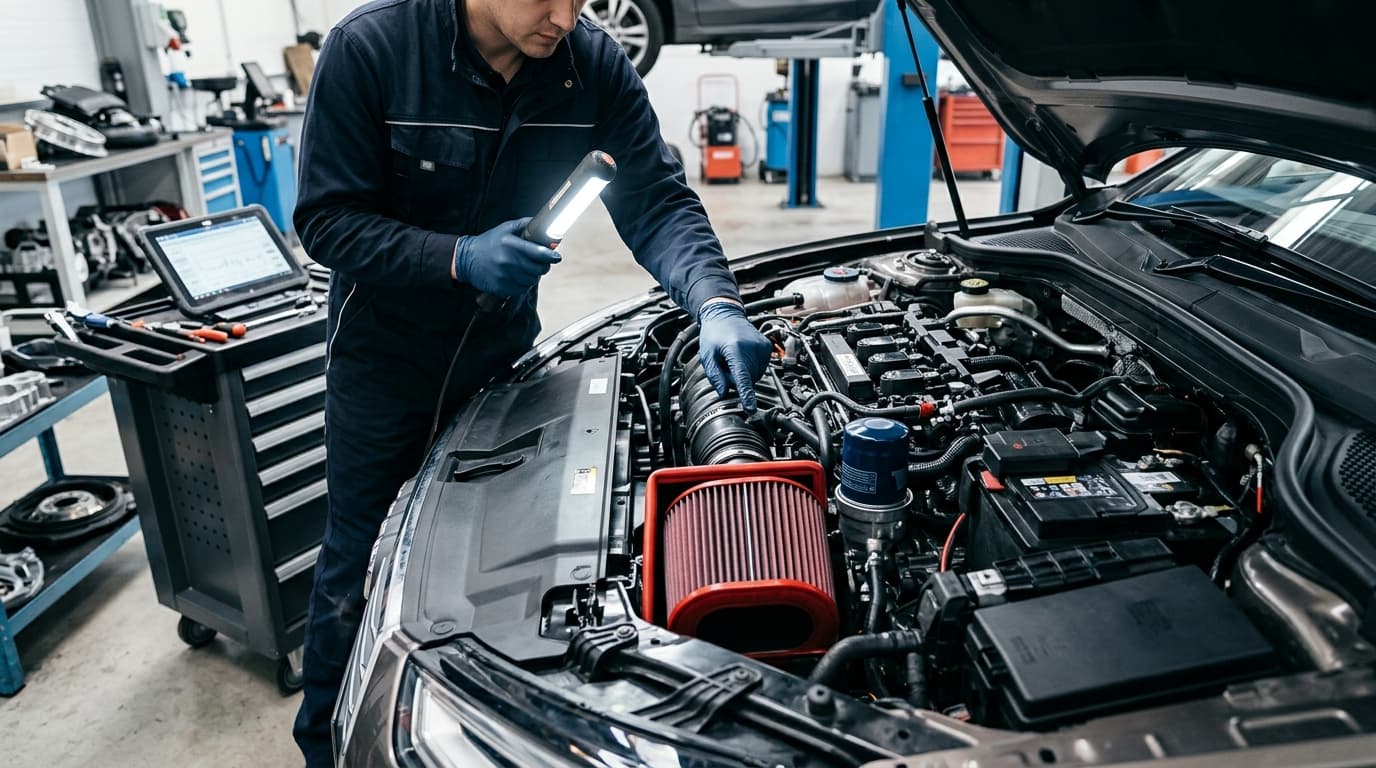
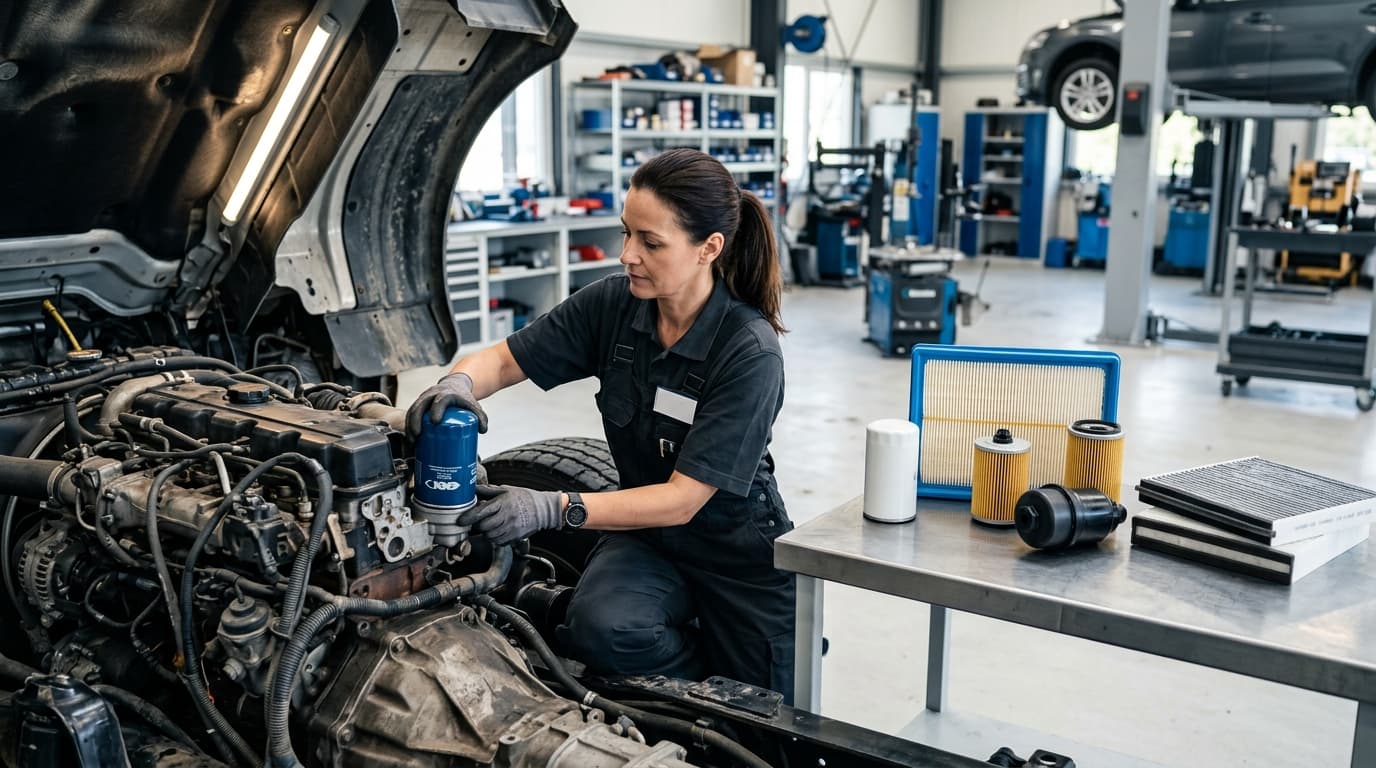
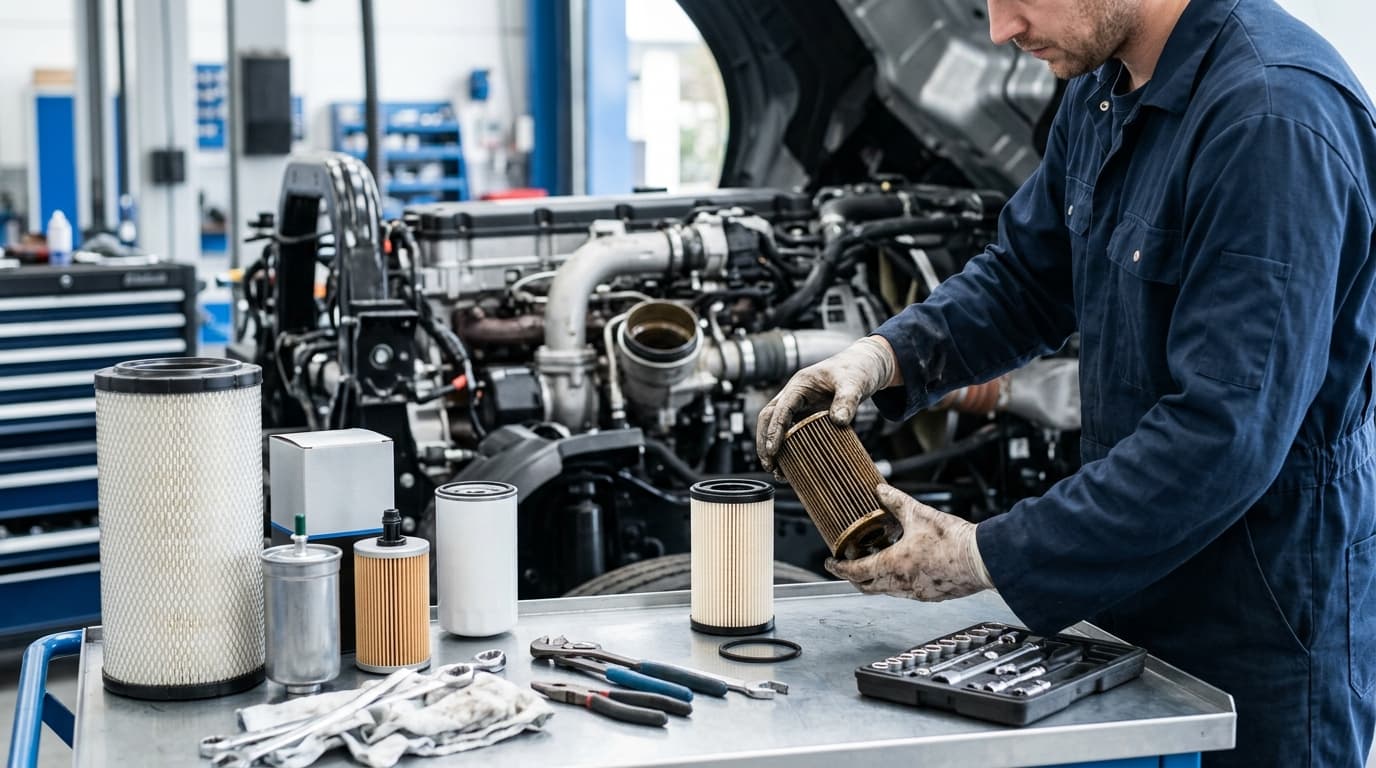
Your Essential Filtration Technical Guide: Maintenance & Diagnostics
The Crucial Role of Filtration: A Comprehensive Technical Guide
In the demanding world of automotive and industrial operations, the integrity of your machinery hinges significantly on one often-overlooked component: the filter. From passenger cars navigating city streets to heavy construction equipment on rugged sites and sophisticated industrial machines driving production, effective filtration is non-negotiable. This comprehensive technical guide is designed to equip drivers, mechanics, and machine operators with the knowledge required to understand, select, maintain, and troubleshoot filtration systems, ensuring optimal performance and longevity for all types of equipment.
At Filtry.org, we understand the critical importance of clean air, oil, fuel, and hydraulic fluids. As distributors of over 300,000 products from leading manufacturers, we specialise in providing high-quality filters for passenger cars, trucks, construction machinery, agricultural equipment, and industrial machines, with delivery across Europe, including the UK, Germany, and Poland. Our aim is to empower you with the practical advice needed to make informed decisions about your filtration needs.
Understanding the Fundamentals: Why Filtration Matters
Every engine and hydraulic system is a complex network of precision-engineered components. These components are highly susceptible to damage from microscopic contaminants present in the surrounding environment or introduced through operational processes. Filters act as the primary line of defence, trapping harmful particles before they can cause wear, block passages, or degrade fluid quality.
Without proper filtration, contaminants such as dust, dirt, metallic shavings, soot, water, and degraded fluid particles can lead to a cascade of problems:
- Increased Wear and Tear: Abrasive particles can cause friction and wear on moving parts, reducing their lifespan.
- Reduced Efficiency: Clogged filters restrict flow, forcing systems to work harder, consuming more fuel or energy.
- System Failures: Contaminants can block injectors, damage pumps, or seize bearings, leading to costly breakdowns.
- Environmental Impact: Inefficient combustion due to poor air or fuel filtration can increase emissions.
- Compromised Operator Health: Inadequate cabin air filtration can expose occupants to allergens and pollutants.
Investing in quality filters and adhering to a strict maintenance schedule is not merely a cost; it is an investment in the reliability, efficiency, and longevity of your valuable assets.
Key Filter Types and Their Critical Applications
Understanding the specific role of each filter type is crucial for effective maintenance. Here, we delve into the primary categories:
Air Filters: The Lungs of Your Engine and Cabin
Air filters are vital for two distinct, yet equally important, functions:
Engine Air Filters
The engine requires a constant supply of clean air for combustion. Even tiny dust particles, if unfiltered, can act as abrasives, scouring cylinder walls, pistons, and valve seats, leading to significant wear and power loss. Engine air filters prevent dirt, dust, pollen, insects, and other airborne contaminants from entering the engine's intake system.
Signs of a Clogged Engine Air Filter:
- Reduced engine power or acceleration.
- Decreased fuel efficiency.
- Black smoke from the exhaust (especially in diesel engines).
- Engine misfires or rough idling.
- Unusual engine noises.
- Visible dirt accumulation on the filter element.
Replacement Interval: Typically every 15,000 to 30,000 kilometres or annually, but more frequently in dusty or off-road conditions.
Cabin Air Filters
Protecting the occupants from airborne pollutants, cabin filters remove dust, pollen, soot, mould spores, and even odours from the air entering the vehicle's heating, ventilation, and air conditioning (HVAC) system. This is particularly important for individuals with allergies or respiratory sensitivities.
Signs of a Clogged Cabin Air Filter:
- Reduced airflow from the vents, even on high fan settings.
- Unpleasant or stale odours within the cabin.
- Increased allergy symptoms or respiratory discomfort for occupants.
- Excessive noise from the HVAC fan due to restricted flow.
- Visible debris or discolouration on the filter element.
Replacement Interval: Generally every 15,000 to 25,000 kilometres or once a year, or as recommended by the manufacturer. Consider more frequent changes in heavily polluted urban areas or dusty rural environments.
Oil Filters: Protecting Vital Engine Components
Engine oil is the lifeblood of an engine, lubricating moving parts, dissipating heat, and cleaning internal components. As the oil circulates, it picks up metallic particles from wear and tear, soot from combustion (especially in diesel engines), and oxidised oil sludge. The oil filter is designed to trap these contaminants, ensuring that only clean oil reaches critical engine components.
Signs of a Failing Oil Filter:
- Illumination of the oil pressure warning light (though this often indicates a more severe underlying issue).
- Reduced engine performance or efficiency.
- Unusual engine noises, such as ticking or knocking, due to inadequate lubrication.
- Visible metal particles in the engine oil when drained (indicating significant internal wear).
- An older, discoloured filter element.
Replacement Interval: Typically recommended with every oil change, following the vehicle or machinery manufacturer's specifications (e.g., every 10,000 to 20,000 kilometres or annually, depending on oil type and engine design).
Fuel Filters: Ensuring Clean Fuel Delivery
Fuel, whether petrol or diesel, can contain microscopic contaminants such as dirt, rust, and water from storage tanks, pipelines, or condensation. These impurities can severely damage precision fuel injectors and fuel pumps, leading to poor engine performance or complete system failure. The fuel filter captures these particles and separates water, ensuring a clean and consistent fuel supply to the engine.
Signs of a Clogged Fuel Filter:
- Difficulty starting the engine.
- Engine misfires, hesitation, or stalling, particularly under acceleration.
- Reduced engine power or poor acceleration.
- Rough idling.
- The engine may cut out completely while driving.
- Dashboard warning lights related to the fuel system or engine.
Replacement Interval: Varies significantly by manufacturer and fuel type, often ranging from 30,000 to 100,000 kilometres. It's crucial to consult the service manual for precise recommendations.
Hydraulic Filters: Maintaining System Integrity
Hydraulic systems, common in construction machinery, agricultural equipment, and many industrial applications, rely on clean hydraulic fluid for power transmission and lubrication. Contamination, often from wear particles, seals degrading, or external ingress, can cause abrasive wear to pumps, valves, and cylinders, leading to system inefficiency and failure. Hydraulic filters are designed to maintain the purity of the hydraulic fluid, protecting these sensitive components.
Signs of a Clogged Hydraulic Filter:
- Reduced hydraulic system performance (e.g., slow or weak implement movement).
- Increased operating temperature of the hydraulic fluid.
- Unusual noises from the hydraulic pump.
- Activation of bypass indicators on the filter housing.
- Frequent or unexpected activation of pressure relief valves.
Replacement Interval: Dependent on the machinery's operating hours and environmental conditions. Consult the equipment manufacturer's service manual meticulously.
Specialised Filters: Separators and AdBlue Filters
Beyond the core types, specialised filters address unique system requirements:
- Separators: Primarily used in diesel fuel systems, these highly effective filters separate water from fuel, preventing corrosion and damage to the fuel injection system. Regular draining of the water separator bowl is often required, in addition to filter element replacement.
- AdBlue Filters: Found in Selective Catalytic Reduction (SCR) systems on modern diesel vehicles, these filters protect the AdBlue (Diesel Exhaust Fluid) dosing system from contaminants and crystallisation, ensuring the SCR system operates effectively to reduce nitrogen oxide emissions.
When to Replace: Recognising Signs of Wear and Optimising Intervals
Knowing when to replace a filter is as important as choosing the right one. Ignoring replacement intervals can lead to significant operational issues and costly repairs.
General Replacement Guidelines
Always prioritise the manufacturer's recommended service intervals found in your vehicle or machinery's owner's manual. These recommendations are based on extensive testing and are designed to ensure optimal performance and longevity under typical operating conditions.
However, several factors can necessitate more frequent filter changes:
- Operating Environment: Dusty, dirty, or sandy conditions (e.g., construction sites, agricultural fields, unpaved roads) will rapidly clog air filters.
- Driving Style/Machine Use: Frequent stop-and-go driving, heavy loads, towing, or continuous heavy-duty industrial operation can accelerate the degradation of oil and fuel filters.
- Fuel/Oil Quality: Lower quality fuels or oils, though less common with modern standards, can introduce more contaminants, necessitating earlier fuel or oil filter replacement.
- Age of Filter: Even if usage is low, filter media can degrade over time due to exposure to fluids, temperature fluctuations, and environmental factors.
Specific Signs of Worn or Clogged Filters
Paying attention to your vehicle or machinery's behaviour is key to early detection:
- Reduced Performance: A noticeable drop in engine power, acceleration, or hydraulic system responsiveness is a common indicator across most filter types.
- Increased Fuel/Energy Consumption: Clogged filters restrict flow, making the engine or system work harder, thus consuming more resources.
- Warning Lights: Modern vehicles and machinery are equipped with sophisticated diagnostic systems. Engine management, low oil pressure, or DPF (Diesel Particulate Filter) warning lights can sometimes indirectly point to filtration issues.
- Unusual Odours or Noises: A musty smell in the cabin points to a dirty cabin filter. Unfamiliar engine noises (e.g., knocking, ticking) could indicate lubrication issues stemming from an oil filter.
- Visible Contamination: A quick inspection of accessible filters (like the engine air filter or cabin filter) can often reveal heavy dirt or debris accumulation, signalling an immediate need for replacement.
- Fluid Discolouration: While oil naturally darkens, excessively dark or sludgy oil, or cloudy hydraulic fluid, suggests that the filter may no longer be effectively removing contaminants.
How to Choose the Right Filter: A Practical Technical Guide
Selecting the correct filter is paramount. An incorrect filter, even if it physically fits, can compromise performance and protection.
Matching Specifications: The Crucial First Step
Never guess when it comes to filters. The primary method for correct selection involves:
- Manufacturer's Manual: Always consult the vehicle or machinery owner's manual. It provides the exact part numbers, specifications, and types of filters recommended by the original equipment manufacturer (OEM).
- OEM Part Numbers: If you have the old filter, try to locate its OEM part number or a cross-reference number. This is the most reliable way to ensure a direct replacement.
- Vehicle/Machine Identification: Provide detailed information about your vehicle or machine, including:
- Make and model
- Year of manufacture
- Engine type (petrol/diesel, displacement, horsepower/kW)
- Chassis number (VIN) for vehicles
- Equipment serial number for industrial machinery
- Physical Dimensions and Characteristics: Ensure the replacement filter matches the dimensions (length, diameter, thread size), seal type, and media characteristics of the original.
Quality Versus Cost: Making Informed Decisions
While cheaper filters might seem appealing upfront, they often come with hidden costs:
- Compromised Filtration Efficiency: Lower-quality filter media may not capture microscopic particles effectively, leading to increased wear.
- Reduced Lifespan: Cheaper filters often degrade faster, requiring more frequent replacement and potentially failing before their intended service interval.
- Poor Seal Integrity: Inadequate seals can lead to bypass, allowing unfiltered fluid or air into the system.
- Material Weakness: Inferior materials can cause filters to collapse under pressure or vibrate loose.
Always opt for filters from reputable manufacturers that meet or exceed OEM specifications. Filtry.org prides itself on distributing filters that adhere to stringent quality standards, providing reliable protection for your assets.
Consulting Your Manuals and Experts
When in doubt, always refer to your equipment's specific service manual. For complex or specialised applications, consult with a qualified mechanic or reach out to our team of filtration experts at Filtry.org. We can help you navigate our extensive catalogue of over 300,000 products to find the precise filter you need for any automotive or industrial application.
Installation and Maintenance Best Practices
Even the highest quality filter will fail to perform optimally if not installed correctly. Adherence to best practices is vital.
Pre-Installation Checks
- Correct Filter: Double-check that you have the exact filter specified for your application.
- Seals and Gaskets: Ensure all necessary seals, O-rings, or gaskets are present and in good condition. Lubricate rubber seals with clean oil (for oil filters) or appropriate fluid before installation to ensure a proper seal.
- Cleanliness: Before removing the old filter, thoroughly clean the area around it to prevent dirt from entering the system during the changeover.
- Tools: Gather all required tools, including filter wrenches, torque wrenches, and appropriate containers for fluid disposal.
Correct Installation Techniques
- Follow Manufacturer Instructions: Always adhere to the specific installation instructions provided by the filter or equipment manufacturer.
- Tighten to Specification: Use a torque wrench to tighten filters to the specified torque. Overtightening can damage the filter housing or seals, while undertightening can lead to leaks.
- Fill Fluid Filters: For oil and hydraulic filters, it's often recommended to pre-fill the filter with clean fluid to minimise air ingress and reduce start-up wear.
- Bleed Fuel Systems: After replacing a fuel filter, it's usually necessary to prime or bleed the fuel system to remove any trapped air, especially in diesel systems. Consult your service manual for the correct procedure.
Post-Installation Verification
- Leak Checks: After installation, run the engine or system briefly and carefully check for any leaks around the filter housing.
- System Functionality: Monitor performance. For example, check dashboard warning lights, listen for unusual noises, and confirm normal operation of the system (e.g., engine running smoothly, hydraulic implements responding correctly).
- Fluid Level: Recheck fluid levels (oil, hydraulic fluid, coolant) after running the system, as some fluid may have been drawn into the new filter.
Troubleshooting Common Filtration Problems
Despite best efforts, filtration problems can arise. Here's a quick guide to diagnosing common issues:
Reduced Performance and Efficiency
- Engine Air Filter: If your engine feels sluggish, struggles to accelerate, or consumes more fuel, check the engine air filter. It's often the simplest and quickest filter to inspect and replace.
- Fuel Filter: Intermittent power loss, stalling, or difficulty starting, especially under load, points strongly towards a restricted fuel filter.
- Oil Filter: While less likely to directly cause immediate performance loss (unless severely bypassed), a clogged oil filter can starve the engine of lubrication over time, leading to significant internal damage that manifests as poor performance.
- Hydraulic Filter: Slow or weak hydraulic action is a classic symptom of a clogged hydraulic filter causing pressure drops.
Unusual Noises or Odours
- Cabin Filter: A persistent musty, damp, or unpleasant odour inside the cabin almost always indicates a heavily contaminated cabin filter, often with mould or mildew growth. Reduced fan speed and increased fan noise can also point to a clogged cabin filter.
- Engine Noise: A metallic knocking or ticking noise in the engine, especially during startup or when revving, could be a sign of inadequate oil pressure or lubrication due to a severely restricted oil filter, though this is a severe symptom requiring immediate attention.
Warning Lights and Diagnostic Codes
- Engine Management Light (EML) / Check Engine Light: A clogged air filter can trigger this light due to incorrect air-fuel mixture readings. A blocked fuel filter can also cause this.
- Oil Pressure Warning Light: While usually indicative of a low oil level or pump issue, a critically blocked oil filter can restrict oil flow enough to drop pressure, triggering this light.
- DPF (Diesel Particulate Filter) Warning Light: Although not a traditional 'fluid' filter, a DPF requires periodic regeneration. Issues with fuel quality (which a good fuel filter helps prevent) can impact DPF performance.
When troubleshooting, always start with the most likely culprits and proceed systematically. Consulting a diagnostic tool can often pinpoint the exact system affected, guiding your filtration investigation.
Filtry.org: Your Partner in Filtration Excellence
Maintaining optimal filtration is a continuous process that safeguards your investment and ensures operational continuity. By understanding the role of each filter, recognising the signs of wear, selecting the correct replacements, and adhering to best maintenance practices, you contribute significantly to the longevity and efficiency of your passenger cars, trucks, construction machinery, agricultural equipment, and industrial machines.
At Filtry.org, we are committed to providing you with access to an extensive range of high-quality automotive and industrial filters. With over 300,000 products from leading manufacturers, we offer reliable filtration solutions, including air filters, oil filters, fuel filters, cabin filters, hydraulic filters, and specialised components like separators and AdBlue filters. Our comprehensive selection and efficient delivery across Europe ensure that you have the right filter, precisely when you need it.
Conclusion
Effective filtration is not merely a recommendation; it is a fundamental pillar of preventative maintenance. This technical guide has aimed to demystify the complexities of filtration, offering practical advice for everyday application. Prioritising filter maintenance not only prevents costly breakdowns and extends equipment life but also optimises performance and ensures a healthier operating environment. Trust in quality filters and diligent maintenance – your machinery will thank you for it.
Share