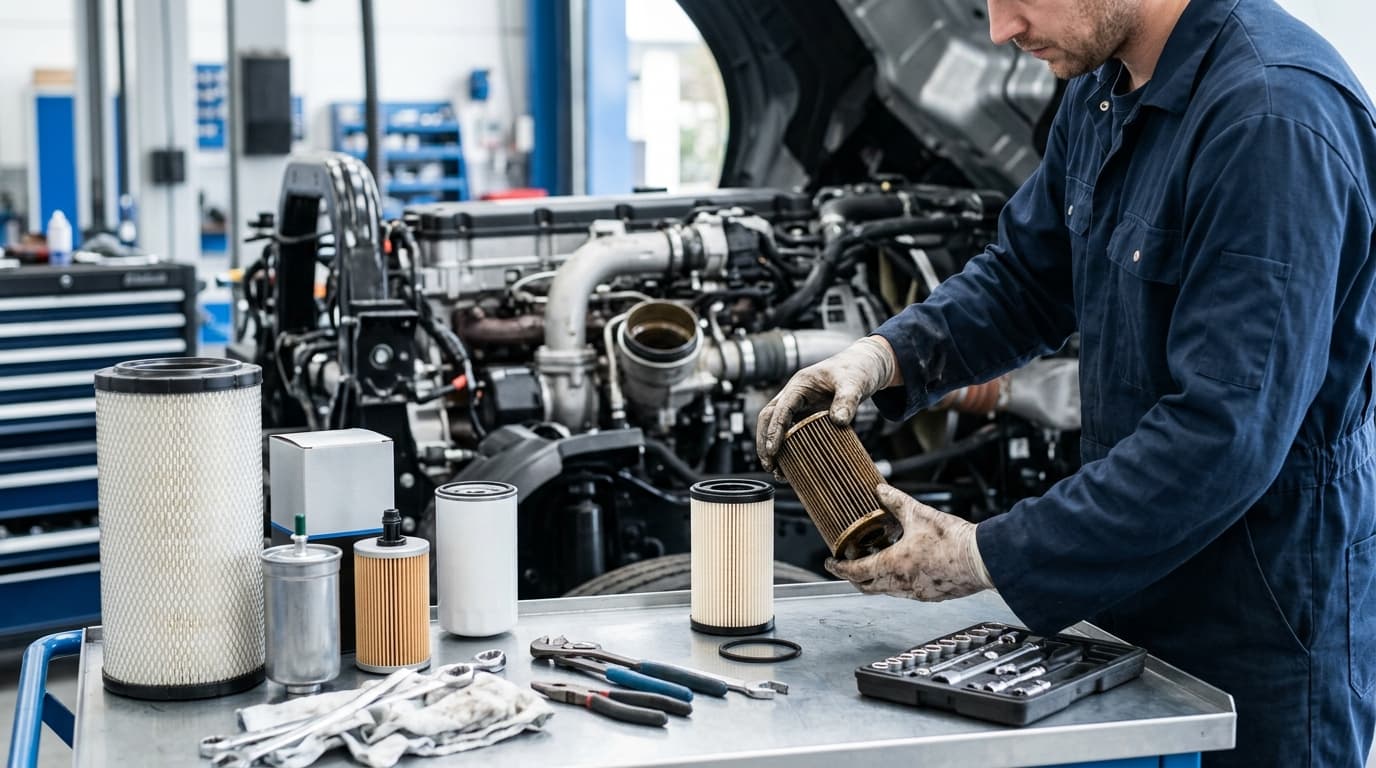
Technical Guide: Maintenance and Filtration Diagnostics
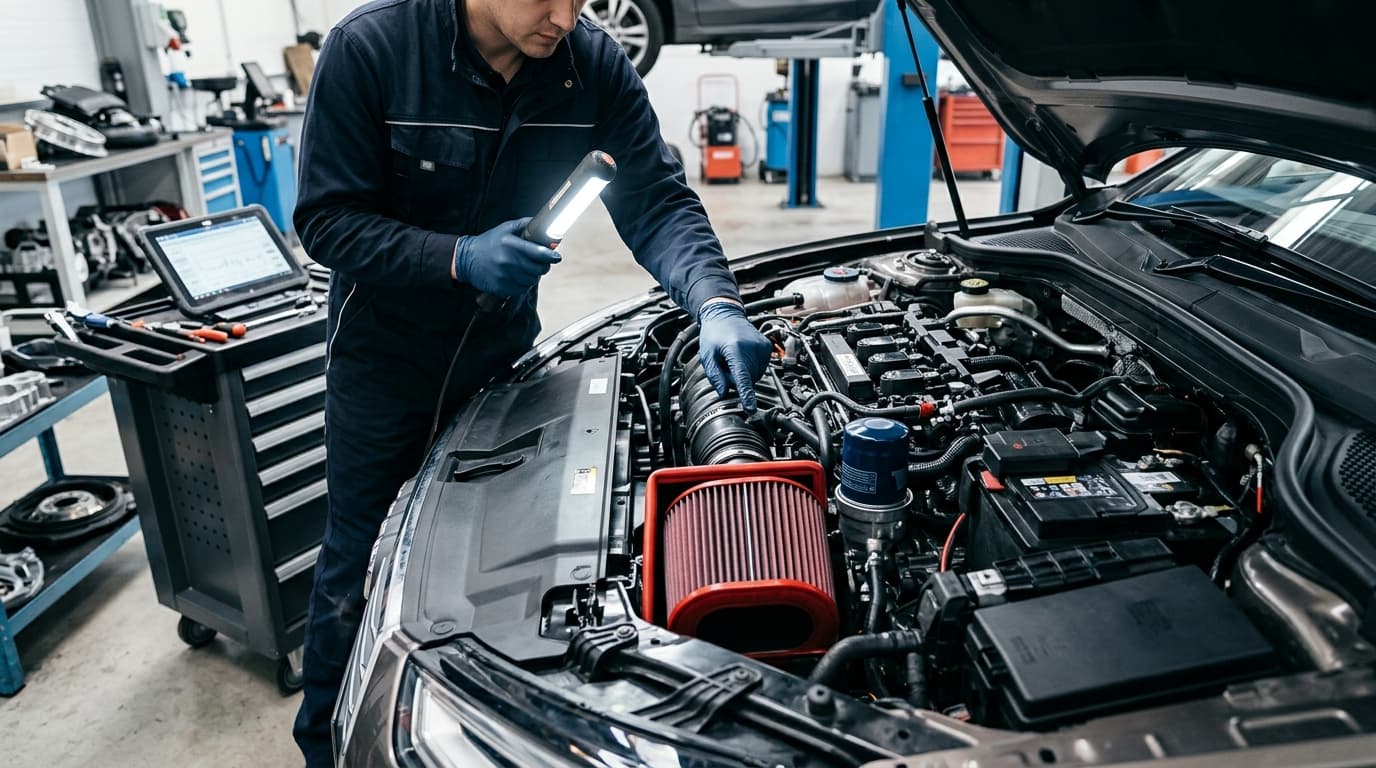
The Fundamentals of High-Performance Filtration
In the demanding world of automotive engineering and industrial operations, the integrity of a machine is only as strong as its filtration system. This technical guide aims to provide professional insights into the selection, maintenance, and diagnostic procedures required to keep modern engines and hydraulic systems running at peak efficiency. Filtration is not merely about blocking dirt; it is about managing the microscopic environment where mechanical components interact. Whether you are managing a fleet of trucks or overseeing heavy construction machinery, understanding the nuances of fluid and air cleanliness is essential for preventing premature component failure and reducing long-term operational costs.
Effective filtration involves a complex balance of flow rate, pressure drop, and dirt-holding capacity. As a specialist distributor, Filtry.org provides access to over 300,000 products, ensuring that every specific application—from passenger cars to specialised industrial equipment—has the precise protection it requires. This guide serves as a practical resource for mechanics and machine operators to identify symptoms of wear and implement proactive maintenance strategies.
Air Filtration: Protecting the Engine's Breath
The air filter is the first line of defence for any internal combustion engine. In industrial and agricultural environments, the volume of particulate matter can be staggering. High-quality air filters are designed to remove up to 99.9% of contaminants, including dust, soot, and pollen, before they enter the combustion chamber. Even microscopic particles, if left unfiltered, can act as an abrasive paste when mixed with engine oil, leading to rapid wear of cylinder walls and piston rings.
Diagnostics and Symptoms of Clogged Air Filters
Identifying a failing air filter before it causes significant performance loss is a key part of machinery diagnostics. Operators should look for the following indicators:
- Increased fuel consumption: As the filter becomes restricted, the engine must work harder to draw in air, disrupting the air-fuel ratio.
- Loss of power: Significant drops in torque and acceleration often indicate that the engine is 'suffocating' due to restricted airflow.
- Black smoke from the exhaust: In diesel engines, a lack of oxygen leads to incomplete combustion, visible as dark particulate matter.
- Service indicator activation: Many modern industrial machines are equipped with vacuum sensors that trigger a warning when the differential pressure reaches a critical limit.
Selection and Maintenance Best Practices
When selecting a replacement, it is crucial to consider the operating environment. For machines working in high-dust areas, such as mines or construction sites, heavy-duty filters with pre-cleaners or multi-stage media are recommended. It is a common mistake to attempt to clean a paper filter element with compressed air. This practice often creates micro-tears in the filter media, allowing larger contaminants to pass through, effectively rendering the filter useless. Replacement should always follow the manufacturer’s intervals or be based on physical diagnostic readings.
Lubrication and the Role of Oil Filters
Engine oil serves as the lifeblood of the machine, providing lubrication, cooling, and cleaning. The primary role of oil filters is to capture metallic wear particles, carbon deposits, and chemical by-products of combustion that accumulate in the oil. Modern oil filtration systems must handle high pressures while maintaining a consistent flow, even during cold starts when the oil is at its most viscous.
Understanding Filter Media and Valve Technology
High-performance oil filters often utilise synthetic or semi-synthetic media, which provide better filtration efficiency and a higher dirt-holding capacity than traditional cellulose fibres. Within the filter housing, several critical components ensure system safety:
- Bypass Valve: This ensures that the engine receives lubrication even if the filter is completely clogged or the oil is too thick to pass through the media.
- Anti-Drain Back Valve: This keeps oil inside the filter when the engine is off, preventing 'dry starts' by ensuring immediate oil pressure upon ignition.
- Sealing Gaskets: High-quality elastomers are required to maintain a leak-proof seal under extreme temperature fluctuations.
Signs of Oil Filter Failure
Failure of an oil filter is rarely visual until it is too late. However, professional diagnostics can reveal issues through:
- Low oil pressure warnings on the dashboard or telemetry system.
- Metallic noises during engine operation, indicating inadequate lubrication.
- Rapid darkening of new oil, suggesting that the filter is no longer effectively capturing soot and carbon.
- Oil leaks around the filter base, often caused by incorrect installation or a compromised gasket.
Fuel System Security: Diesel and Petrol Filtration
Modern fuel injection systems, particularly Common Rail diesel engines, operate at extremely high pressures. Even the smallest amount of contamination or water can cause catastrophic damage to injectors and fuel pumps. This is why high-efficiency fuel filters are critical for the longevity of the fuel delivery system.
Water Separation and Contamination Management
Water is a primary enemy of diesel fuel systems. It leads to corrosion, microbial growth (commonly known as 'fuel bug'), and loss of lubricity. Technical guides for diesel engines often emphasise the use of fuel-water separators. These components use hydrophobic media to coalesce water droplets, allowing them to settle at the bottom of the filter bowl where they can be drained.
Troubleshooting Fuel Delivery Issues
If a vehicle or machine is experiencing fuel delivery problems, the following diagnostic steps should be taken:
- Check for hard starting or stalling, which may indicate a restricted fuel flow.
- Inspect the fuel for cloudiness or visible sediment.
- Monitor the engine under load; a clogged filter will often allow the engine to idle but cause it to sputter or lose power at higher RPMs.
- Verify that the filter housing is not drawing in air, which can cause erratic engine behaviour and damage to the high-pressure pump.
Industrial Applications: Hydraulic Filtration Systems
In industrial and construction equipment, hydraulic systems translate fluid power into mechanical action. These systems are incredibly sensitive to particulate contamination. Using the correct hydraulic filters is vital for protecting sensitive valves, pumps, and actuators. Contamination in a hydraulic system is often invisible to the naked eye, yet it can lead to internal leakage and a significant loss of efficiency.
Monitoring Differential Pressure and Fluid Health
The most effective way to manage hydraulic filtration is through the monitoring of differential pressure (the difference in pressure before and after the filter). A sudden spike in differential pressure suggests that the filter is reaching its capacity, while a sudden drop might indicate that the filter media has ruptured or the bypass valve is stuck open. Regular fluid analysis is also recommended to track the ISO 4406 cleanliness levels of the oil, providing a clear picture of the system's internal health.
Common Hydraulic Filtration Problems
Operators should be aware of the following issues during routine diagnostics:
- Aeration and Cavitation: Often caused by a restricted suction filter, leading to noisy pump operation and erratic movement of hydraulic cylinders.
- Overheating: When filters are clogged, the system works harder, generating excess heat that can degrade seals and the hydraulic fluid itself.
- Component Sticking: Microscopic particles can jam the tight tolerances in spool valves, leading to safety hazards and operational downtime.
Selection Criteria: Choosing the Right Filter
Choosing the correct filter is more than just matching a part number. For technical professionals, several factors must be considered to ensure the selected product meets the application's requirements. At Filtry.org, we assist customers in navigating these specifications across our extensive range of 300,000 products.
Micron Rating and Efficiency
The micron rating indicates the size of particles the filter can capture. However, the rating alone is not enough; one must also look at the efficiency (or Beta Ratio). A 10-micron filter with a 50% efficiency is significantly less effective than a 10-micron filter with a 99% efficiency. For critical engine and hydraulic components, high-efficiency 'absolute' rated filters are generally required.
Flow Capacity and Pressure Drop
Every filter introduces a degree of resistance to the flow of fluid or air. This is known as the pressure drop. If a filter is too restrictive for the system's pump capacity, it will trigger bypass valves prematurely or cause cavitation. The replacement filter must be rated for the maximum flow rate of the system under all operating temperatures.
Maintenance Best Practices and Troubleshooting
Implementing a structured maintenance programme is the most effective way to avoid unexpected failures. This section of our technical guide outlines the steps every mechanic and operator should follow during a filter change and system inspection.
The Replacement Process: Step-by-Step
- Preparation: Ensure the machine is on level ground and the engine is cool. Clean the area around the filter to prevent external dirt from entering the system during the change.
- Drainage: Use appropriate containers to catch waste fluids. Always dispose of used filters and oils according to local environmental regulations.
- Inspection: Check the old filter for signs of heavy metal particles or unusual debris, which could indicate an impending mechanical failure elsewhere in the system.
- Installation: Lubricate the new filter gasket with clean oil. In most cases, filters should be tightened 'hand-tight' plus an additional half-turn, but always refer to the specific torque settings provided by the manufacturer.
- Priming: For fuel filters, it is often necessary to prime the system using a hand pump or the electric lift pump to remove air pockets.
- Verification: Start the machine and check for leaks immediately. Re-check fluid levels after a short period of operation, as the new filter will have absorbed a portion of the fluid.
Diagnostic Checklist for Common Filtration Issues
If you encounter recurring filtration problems, consider the following troubleshooting steps:
- Environmental factors: Is the machine operating in conditions more severe than the original filter's design? You may need a more robust filtration solution.
- Fluid quality: Are you using the correct grade of oil or fuel? Low-quality fluids can cause filters to clog much faster than expected.
- Seal integrity: Check all housings and gaskets. Air leaks in a fuel or hydraulic system are often mistaken for filter failures.
- Operational habits: Excessive idling or frequent cold starts can lead to increased soot and moisture build-up, necessitating more frequent filter changes.
Conclusion
Modern filtration is a sophisticated science that plays a vital role in the reliability of automotive and industrial equipment. By following this technical guide and performing regular diagnostics, you can significantly extend the lifespan of your machinery and prevent costly emergency repairs. Understanding the symptoms of wear and the technical specifications of air, oil, fuel, and hydraulic filters allows for more informed decision-making and better maintenance outcomes.
With a comprehensive inventory of over 300,000 products and delivery services across the UK, Germany, Poland, and the rest of Europe, Filtry.org stands as your professional partner in filtration. Whether you are performing routine maintenance on a passenger car or managing complex industrial systems, ensuring the use of high-quality filtration components is the most effective investment you can make in your equipment's future.
Share