Complete Technical Guide to Vehicle and Industrial Filters
The Importance of Advanced Filtration in Modern Machinery
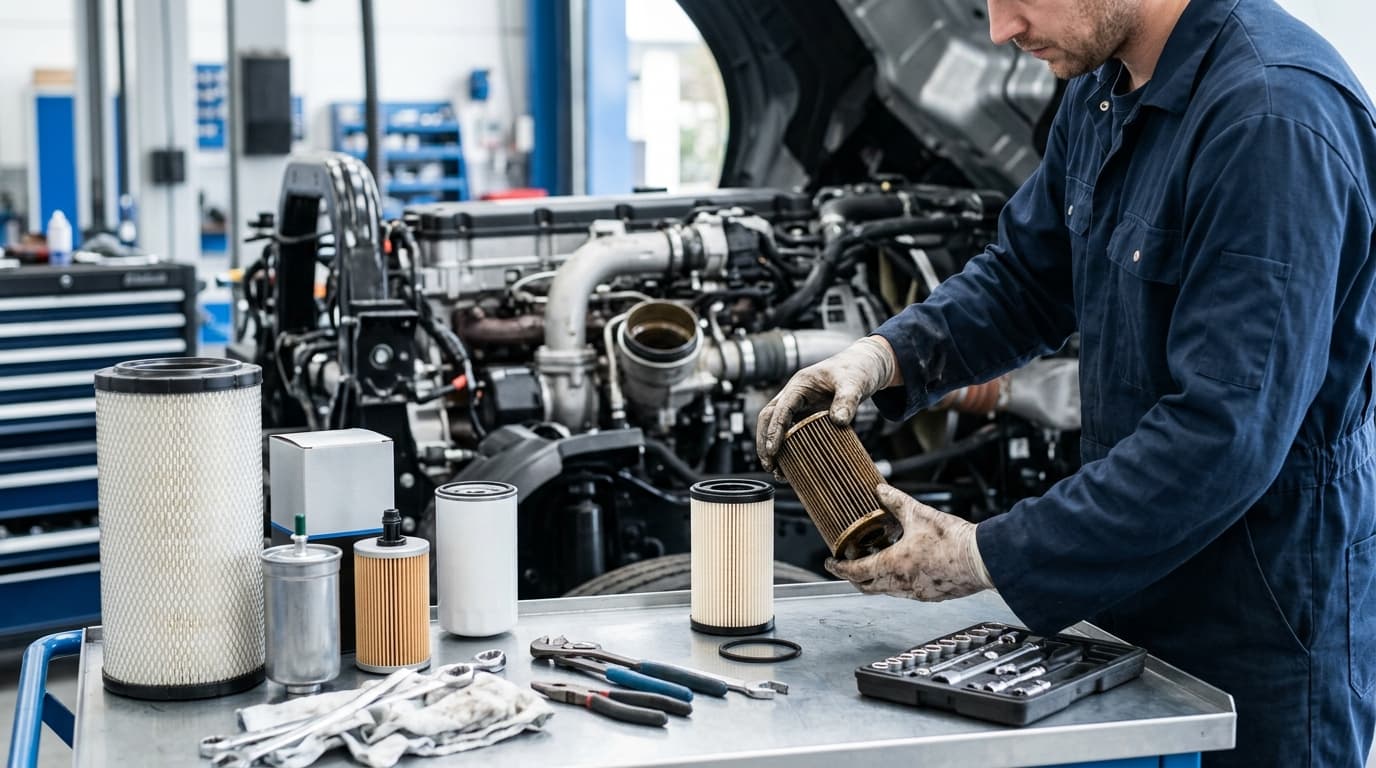
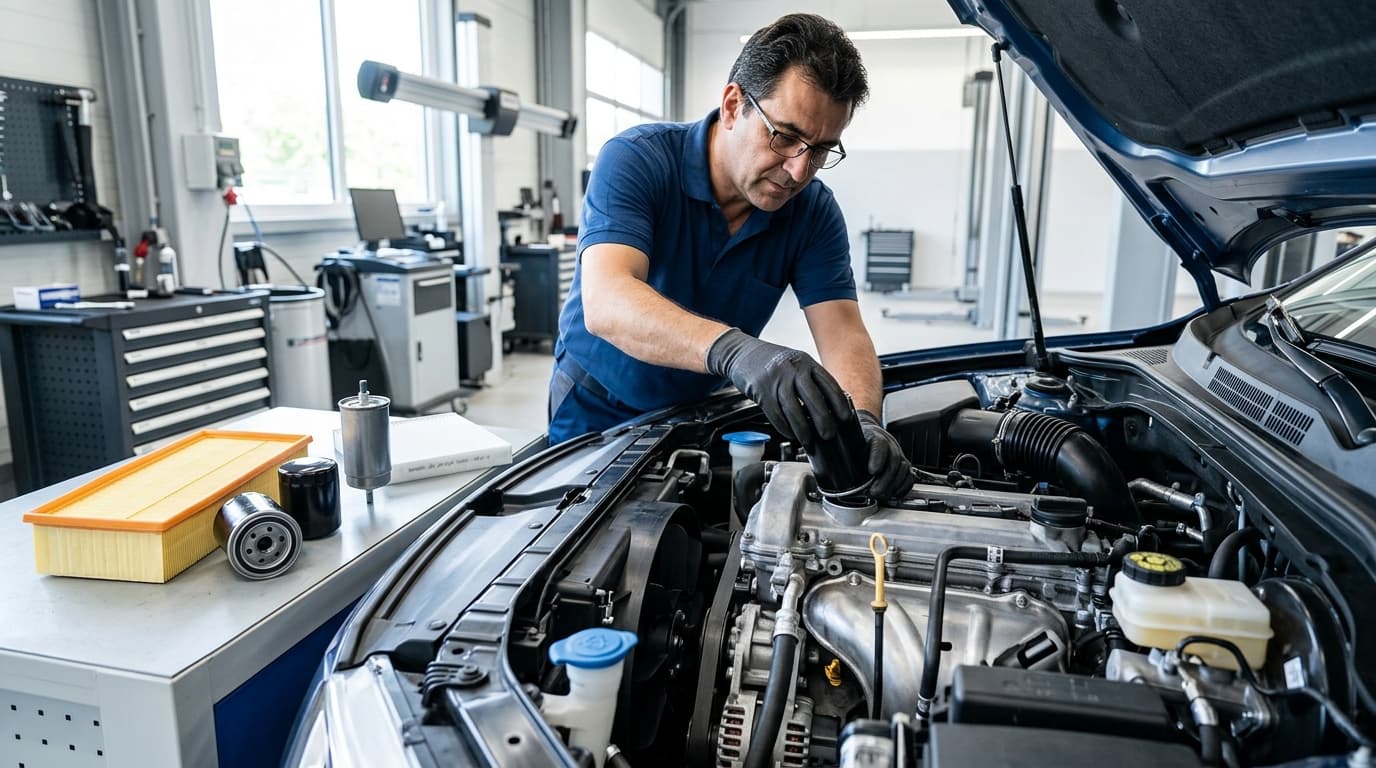
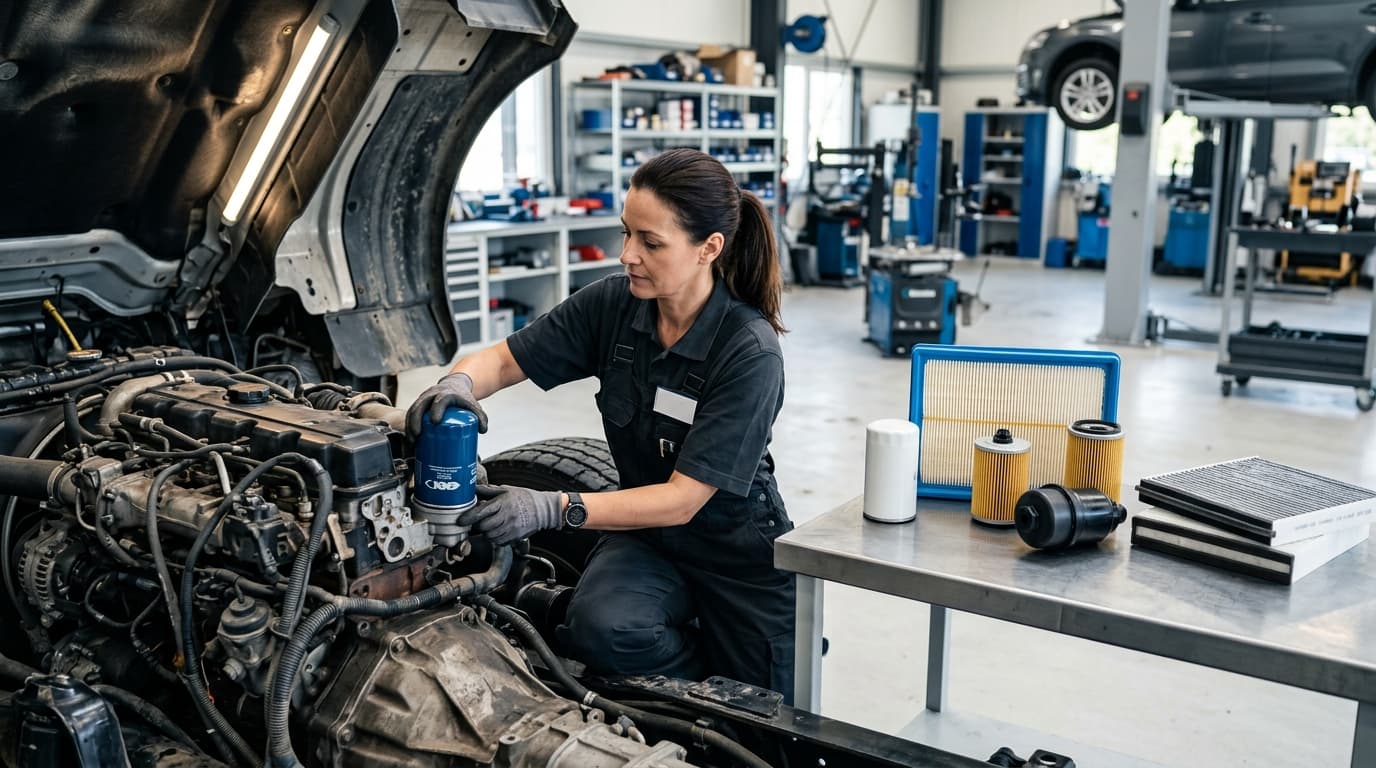
Maintaining the efficiency of automotive and industrial equipment requires a deep understanding of how various systems interact with their environment. This technical guide provides a comprehensive overview of how to manage filtration (filtracja) to ensure the longevity and reliability of engines, hydraulic systems, and pneumatic components. Whether you are managing a fleet of lorries or overseeing a complex industrial production line, understanding the nuances of filter maintenance is essential for preventing costly downtime.
Filtration is the primary line of defence against contaminants such as dust, metal shavings, water, and chemical residues. Without high-quality components, these particles can cause catastrophic failure. This guide (poradnik) serves as a detailed instruction (instrukcja) for professionals seeking to optimise their maintenance routines through better diagnostics (diagnostyka) and effective troubleshooting (rozwiązywanie problemów).
Air Filtration: Protecting the Engine Intake
Air filters are perhaps the most critical component for any internal combustion engine. They prevent abrasive particles from entering the cylinders, where they could cause significant wear on pistons, rings, and cylinder liners. In industrial settings, air filters are also used to protect compressors and turbines from atmospheric pollutants.
Signs of Air Filter Wear and Restriction
Identifying when an air filter requires replacement involves both visual inspection and performance monitoring. Common indicators include:
- Reduced engine power or sluggish acceleration.
- An increase in fuel consumption as the engine compensates for restricted airflow.
- Dark smoke emitting from the exhaust, particularly in diesel engines.
- Visible accumulation of dirt and debris within the filter pleats.
- Activation of the restriction indicator gauge, if the machine is equipped with one.
Technical Considerations for Air Filter Selection
When selecting a replacement, one must consider the micron rating and the dust-holding capacity. In heavy-duty applications, such as construction or agriculture, two-stage filtration systems are often employed. These consist of a primary filter to capture larger particles and a secondary, or safety filter, to catch finer dust should the primary unit fail or become damaged.
Oil Filtration: Ensuring Mechanical Longevity
The primary role of the lubrication system is to reduce friction between moving parts. However, as the engine or machine operates, the oil becomes contaminated with combustion by-products, moisture, and wear metals. High-performance oil filters are designed to remove these impurities while maintaining an adequate flow of lubricant.
The Role of the Bypass Valve
A critical technical feature of many oil filters is the bypass valve. This valve is designed to open when the filter becomes clogged or when the oil is too thick (such as during a cold start). While this allows unfiltered oil to circulate, it is a necessary safety measure to prevent the engine from running dry. Regular maintenance ensures that the filter never reaches a state where the bypass valve is permanently engaged.
Diagnostic Procedures for Oil Systems
Diagnostics (diagnostyka) for oil systems should involve more than just checking the dipstick. Operators should look for:
- Pressure drops across the filter housing.
- Metallic flakes in the used oil, which could indicate internal component wear.
- Changes in oil viscosity or colour, which might suggest chemical breakdown or moisture ingress.
- Regular oil analysis (spectroscopy) to monitor the concentration of various elements.
Fuel System Integrity and Contamination Control
Modern fuel injection systems, especially high-pressure common rail (HPCR) diesel engines, are extremely sensitive to contamination. Even microscopic particles can cause significant damage to injectors and pumps. Effective fuel filters must be able to remove both solid particulates and emulsified water.
Water Separation and Fuel Quality
Water is a common contaminant in diesel fuel, often resulting from condensation in storage tanks. If water reaches the injectors, it can cause corrosion, cavitation, and microbial growth (often referred to as 'diesel bug'). Many systems utilise a fuel-water separator equipped with a drain valve and sometimes an electronic sensor to alert the operator when water needs to be removed.
Troubleshooting Fuel Flow Issues
If a machine experiences hard starting, stalling, or erratic idling, the fuel system is often the first place to look for troubleshooting (rozwiązywanie problemów). Follow these steps:
- Check the primary fuel filter for signs of clogging or waxy deposits (common in cold weather).
- Inspect the water separator bowl for visible contaminants.
- Verify the integrity of fuel lines to ensure no air is being drawn into the system.
- Replace the filter element according to the manufacturer’s specified service hours or if performance drops.
Hydraulic Filtration: Managing High-Pressure Environments
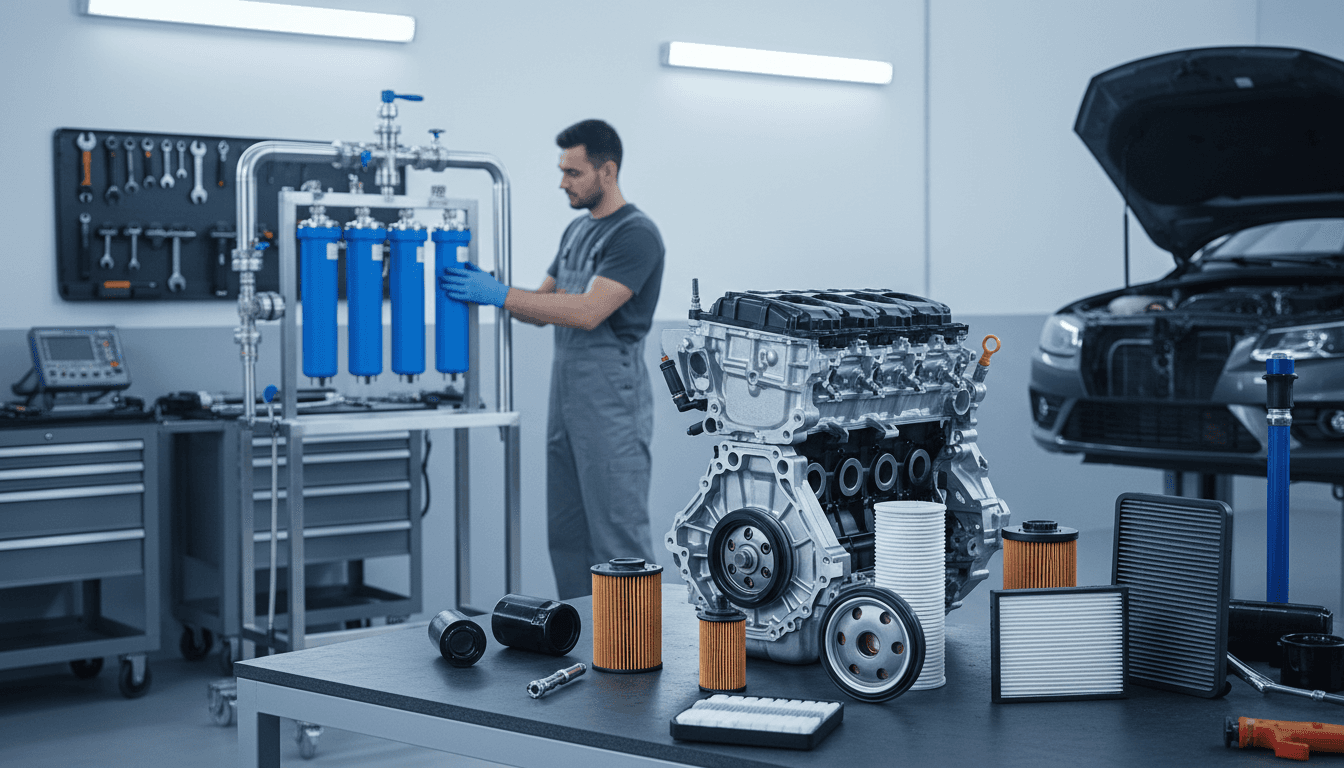
Hydraulic systems power everything from steering in lorries to massive industrial presses. These systems operate under extreme pressure, meaning that even a small amount of contamination can lead to rapid component failure. Hydraulic filters must be robust enough to withstand pressure surges while maintaining high efficiency.
Understanding ISO Cleanliness Codes
In the technical world of hydraulics, cleanliness is often measured using the ISO 4406 standard. This code represents the number of particles of specific sizes (4, 6, and 14 microns) found in a fluid sample. Professional maintenance involves aiming for a specific ISO code tailored to the sensitivity of the valves and pumps used in the machinery.
Maintenance Best Practices for Hydraulics
To keep hydraulic systems running smoothly, follow this technical instruction (instrukcja):
- Never add unfiltered oil directly to the reservoir; use a filter cart.
- Monitor the differential pressure (Delta P) across the filter.
- Change filters when the indicator moves into the 'red' zone, rather than waiting for a fixed calendar date.
- Keep all breathers and filler caps clean and sealed.
Cabin Filtration: Health and Comfort
While engine filters protect the machine, cabin filters protect the operator. These filters remove dust, pollen, and harmful gases from the air entering the driver's compartment. In industrial or agricultural environments, where hazardous dust or chemicals may be present, the quality of cabin filtration is a matter of health and safety.
When to Replace Cabin Filters
Replacement intervals for cabin filters depend heavily on the operating environment. In dusty construction sites, a filter might become clogged in a fraction of the time it would take in an urban delivery vehicle. Signs that replacement is needed include:
- Unpleasant odours inside the cabin.
- Reduced airflow from the air conditioning or heating vents.
- Increased misting or fogging of the windows that is difficult to clear.
- An increase in allergic reactions or respiratory discomfort for the driver.
Technical Criteria for Choosing the Right Filter
Selecting the correct filter (poradnik wyboru) requires an understanding of several technical specifications. Using an incorrect part can be just as damaging as using a worn-out one.
Efficiency and Micron Rating
The micron rating indicates the size of particles the filter can trap. However, it is also important to distinguish between 'nominal' and 'absolute' ratings. A nominal rating suggests the filter can trap a certain percentage of particles of that size, while an absolute rating indicates it traps nearly 100%. For critical systems, always aim for filters with high-efficiency ratings at the specific micron level required by the manufacturer.
Capacity and Service Life
Capacity refers to the amount of contaminant a filter can hold before the pressure drop becomes unacceptable. A filter with a high efficiency but low capacity will clog quickly, requiring frequent changes. Quality filters balance these two factors to provide long service intervals without compromising protection.
Diagnostics and Troubleshooting: A Systematic Approach
Effective maintenance involves a proactive approach to diagnostics (diagnostyka). Instead of waiting for a breakdown, operators should perform regular checks and maintain a service log.
Visual and Sensory Inspections
Always begin with a visual check. Look for leaks around filter housings, which could indicate a damaged seal or an improperly torqued canister. Listen for unusual noises, such as whining from a hydraulic pump or whistling from a turbocharger, as these can often be traced back to filtration issues.
Using Data for Maintenance
Modern machinery often provides digital data through telematics. Monitor alerts related to fluid temperatures and pressures. A sudden spike in temperature often correlates with a restriction in fluid flow, pointing directly to a filter that has reached its capacity.
Environmental Considerations and Disposal
Used filters are classified as hazardous waste because they contain oil, fuel, and trapped chemicals. Proper disposal is not only a legal requirement in many jurisdictions but also an environmental necessity. Ensure that all used components are drained of fluids and disposed of through certified waste management channels.
Summary of Filter Maintenance Protocols
To ensure maximum uptime and equipment life, adhere to the following summary of technical recommendations:
- Always follow the manufacturer's specified service intervals as a minimum requirement.
- Adjust maintenance schedules based on the severity of the operating environment (e.g., high dust, extreme temperatures).
- Use high-quality replacement parts that meet or exceed the original equipment specifications.
- Keep detailed records of all filter changes and fluid analysis results.
- Educate operators on the early warning signs of filter failure.
By treating filtration as a critical technical discipline rather than a simple commodity purchase, you can significantly reduce the total cost of ownership for your vehicles and industrial machines. Filtry.org offers a vast inventory of over 300,000 products, ensuring that you have access to the specific filtration solutions needed for any application across Europe.
Share