Essential Filtration Technical Guide: Diagnostics & Maintenance
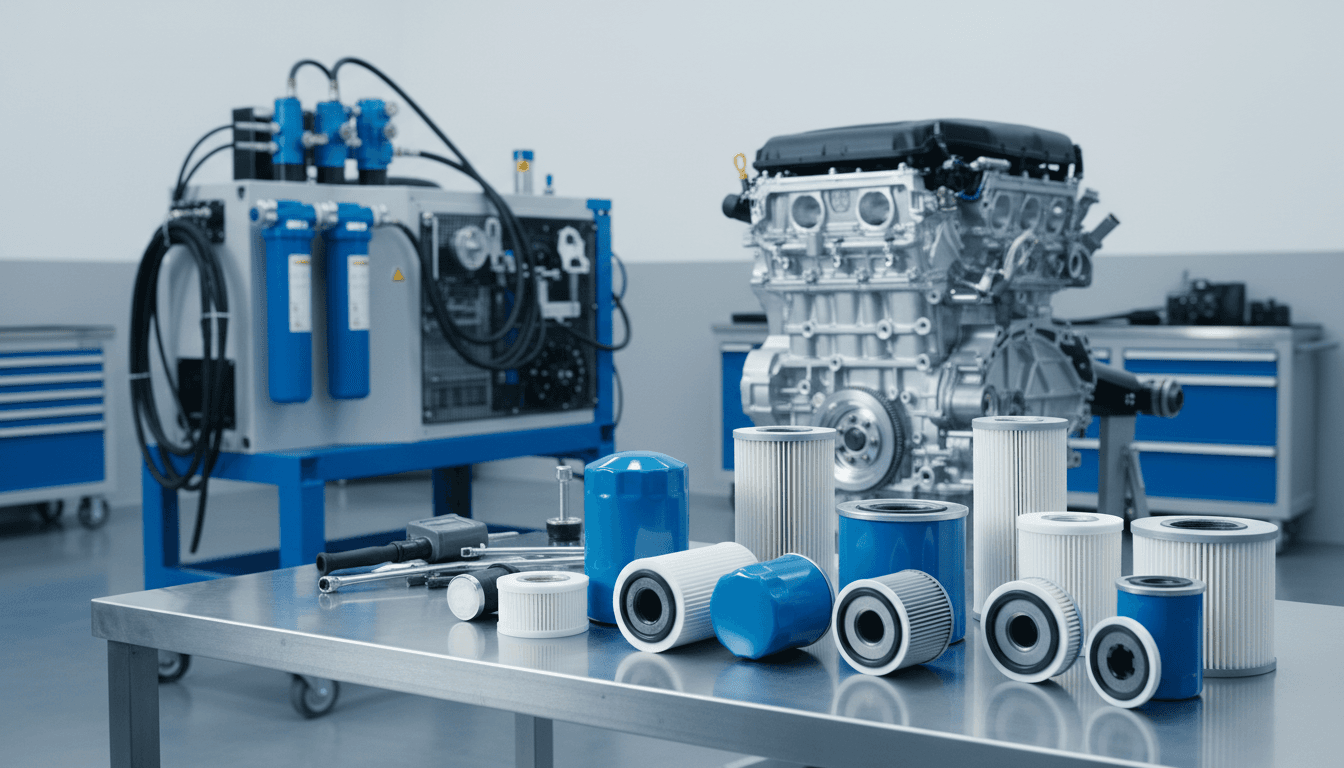
Your Comprehensive Technical Guide to Filtration Excellence
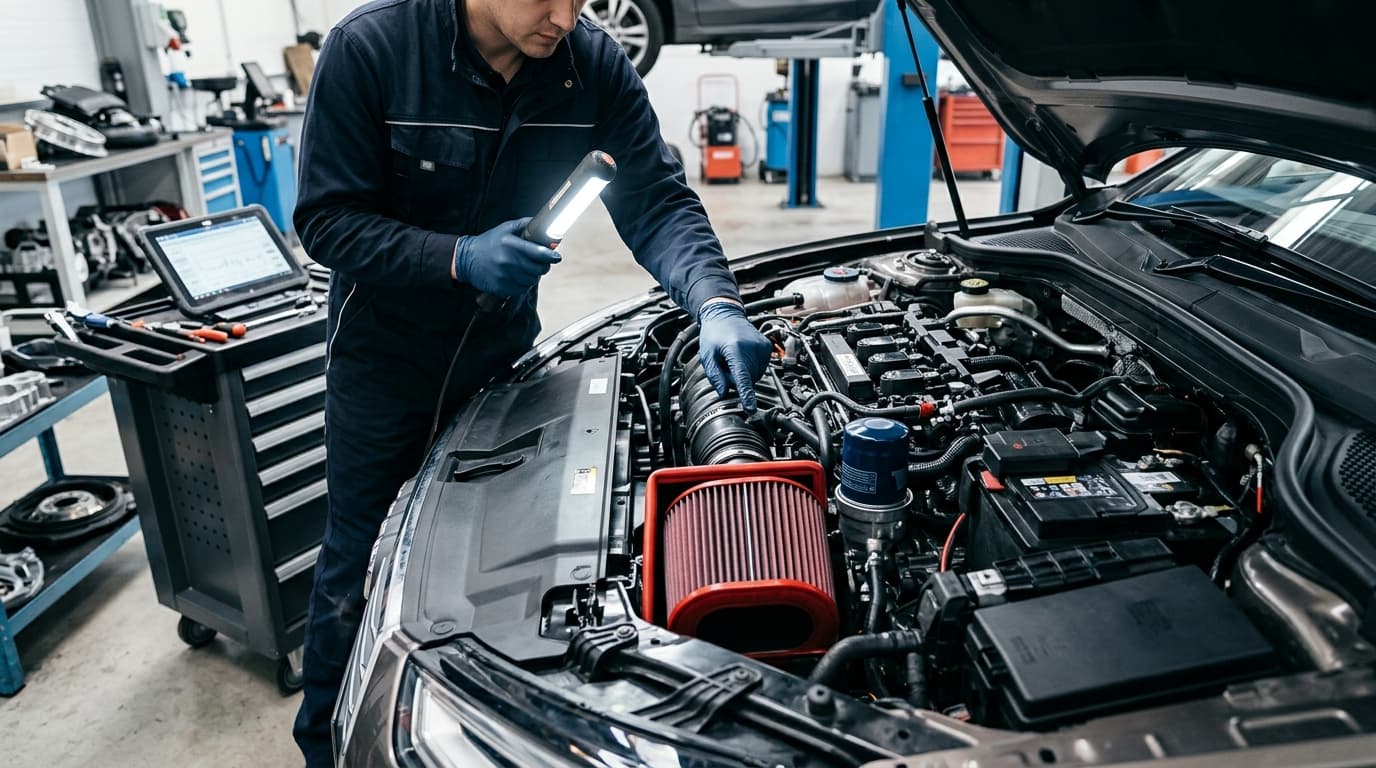
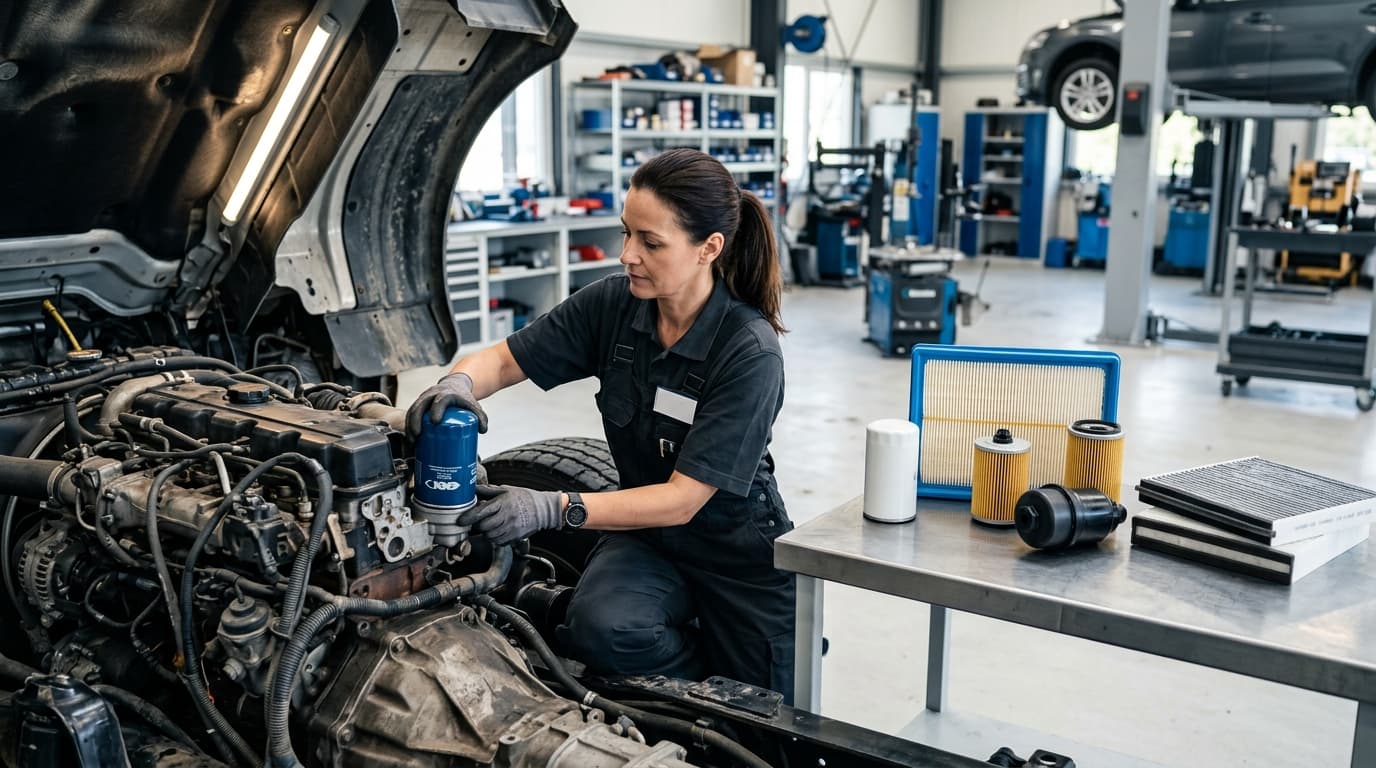
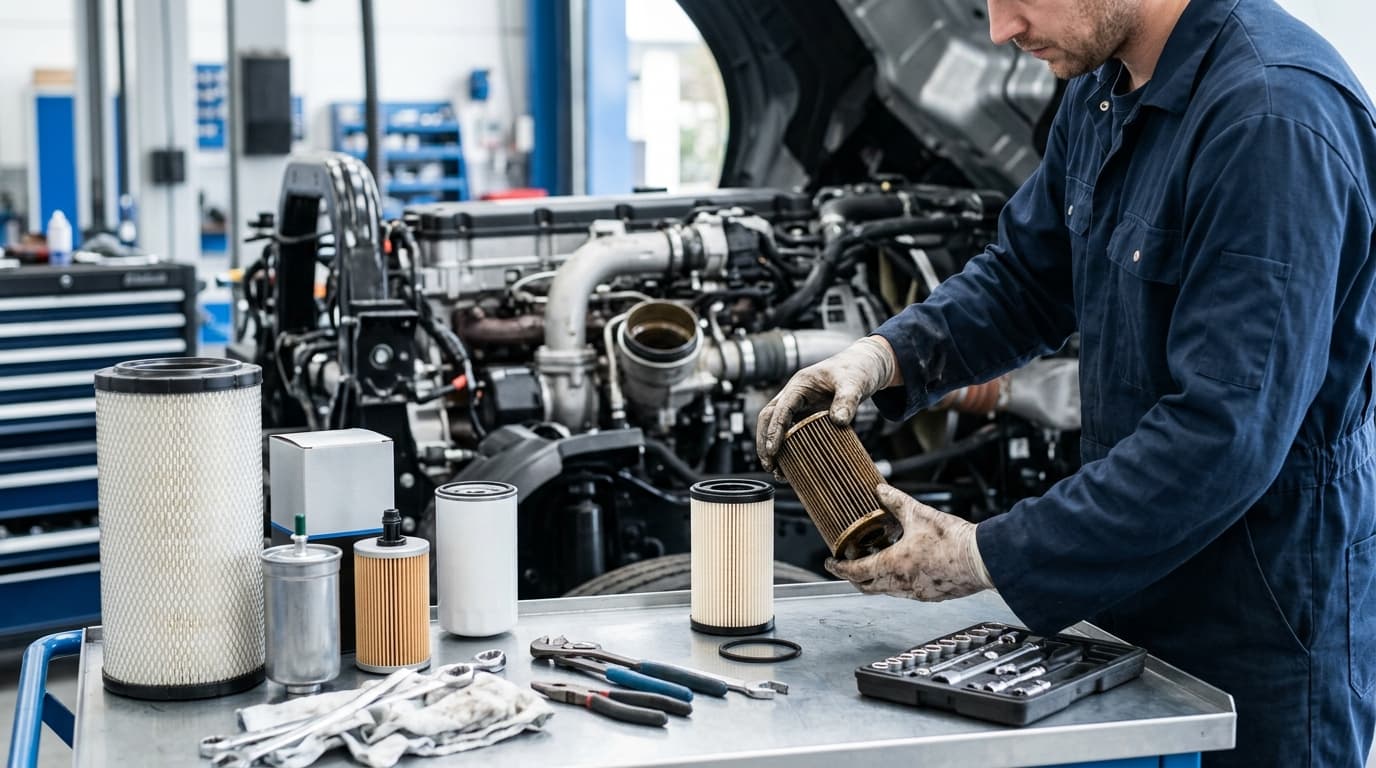
In the intricate world of machinery, whether it's a passenger car, a heavy-duty truck, construction machinery, agricultural equipment, or complex industrial systems, the role of filters is paramount. They are the silent guardians that ensure the longevity, efficiency, and optimal performance of your assets. At Filtry.org, we understand this critical importance. As a leading distributor with over 300,000 products from leading manufacturers, specialising in air, oil, fuel, cabin, and hydraulic filters, we're here to provide an indispensable technical guide to help you navigate the complexities of filtration.
This comprehensive guide is designed for drivers, mechanics, and machine operators across Europe, including the UK, Germany, and Poland, offering practical advice on applications, selection, replacement, maintenance, and troubleshooting common filtration issues. Proper filtration isn't just about replacing a part; it's about understanding the system, diagnosing potential problems, and implementing the right solutions to prevent costly downtime and repairs.
The Crucial Role of Filtration Across Industries
Every engine, hydraulic system, and cabin environment relies on clean air, fluids, and fuel to function correctly. Contaminants, no matter how small, can cause significant wear and tear, leading to reduced efficiency, increased fuel consumption, and ultimately, system failure. Effective filtration is the frontline defence against these threats.
Why Proper Filtration Matters
The benefits of adhering to proper filtration protocols are manifold:
- Engine Longevity: Prevents abrasive particles from damaging internal engine components.
- Optimised Performance: Ensures engines and hydraulic systems operate at peak efficiency.
- Fuel Economy: Clean fuel filters help maintain proper fuel flow and combustion.
- Reduced Emissions: Well-maintained filters contribute to cleaner exhaust.
- Operator Comfort & Health: Cabin filters provide a cleaner, healthier environment inside the vehicle or machine.
- System Reliability: Minimises unexpected breakdowns and extends the operational life of machinery.
Understanding Different Filter Types and Their Functions
While all filters share the common goal of removing contaminants, their design and application vary significantly:
- Air Filters: Protect engines from airborne dust, dirt, and debris.
- Oil Filters: Remove harmful particles from engine oil, hydraulic oil, and other lubricants.
- Fuel Filters: Safeguard fuel injection systems from impurities in petrol or diesel.
- Cabin Filters: Clean the air entering the vehicle's passenger compartment.
- Hydraulic Filters: Maintain the cleanliness of hydraulic fluids, crucial for power and precision.
Air Filters: Ensuring Clean Air Intake
An engine needs a constant supply of clean air for combustion. Air filters prevent harmful particles from entering the engine, where they could cause severe damage to pistons, cylinders, and valves.
Application and Function of Air Filters
Air filters are essential for any internal combustion engine, from small passenger cars to large industrial generators. They typically consist of pleated paper, foam, or cotton gauze, designed to trap dust, pollen, sand, and other airborne contaminants while allowing sufficient airflow for efficient combustion.
How to Choose the Right Air Filter
Selecting the correct air filter is crucial for optimal engine protection and performance. Consider the following:
- Vehicle/Machine Specifications: Always refer to your equipment's manual or existing filter for the correct dimensions and type.
- OEM Standards: Choose filters that meet or exceed Original Equipment Manufacturer (OEM) specifications.
- Operating Environment: If operating in dusty or harsh conditions, consider filters with enhanced filtration capabilities.
When to Replace Your Air Filter
Replacement intervals vary widely based on the application and operating conditions:
- Passenger Cars: Typically every 15,000 to 30,000 kilometres or annually, whichever comes first.
- Trucks & Commercial Vehicles: Follow manufacturer's recommendations, often more frequently due to higher mileage and tougher conditions.
- Construction & Agricultural Machinery: These machines operate in extremely dusty environments, necessitating more frequent checks and replacements, sometimes every few hundred hours of operation.
- Industrial Machines: Intervals depend on the specific application and dust exposure. Regular inspection is key.
Signs of a Clogged Air Filter
A dirty air filter can manifest several symptoms:
- Reduced Engine Performance: The engine struggles to draw enough air, leading to a noticeable drop in power and acceleration.
- Decreased Fuel Efficiency: The engine may burn more fuel trying to compensate for the lack of air.
- Unusual Engine Sounds: A restricted air intake can cause the engine to make spitting or coughing sounds.
- Black Smoke from Exhaust: Indicates incomplete combustion due to an imbalanced air-fuel mixture.
- Illuminated "Check Engine" Light: In modern vehicles, a severe air flow restriction can trigger a warning.
- Visible Dirt: A quick visual inspection often reveals heavy accumulation of dirt and debris.
Maintenance Tips for Air Filters
- Regular Visual Inspection: Check the filter at every service interval.
- Clean the Air Box: Remove any debris from the air filter housing when replacing the filter.
- Avoid "Cleaning" Paper Filters: Tapping or blowing compressed air through a paper filter can damage its filtration media, making it less effective. Replacement is almost always the best option.
Oil Filters: Protecting Engine and System Longevity
Oil filters are fundamental to the health of any engine or hydraulic system. They remove impurities from the oil, preventing wear on moving parts and extending the life of critical components.
Application and Function of Oil Filters
Oil filters are used in engine lubrication systems, hydraulic systems, and transmission systems. They trap metallic particles, soot, dirt, and other contaminants that accumulate in the oil over time, ensuring that only clean oil circulates. This maintains lubrication effectiveness, reduces friction, and prevents premature wear.
Selecting the Correct Oil Filter
Choosing the right oil filter involves:
- Matching Specifications: Ensure the filter matches the vehicle or machine's make, model, and engine type. This includes thread size, gasket diameter, and filter housing dimensions.
- Bypass Valve Pressure: The bypass valve must open at the correct pressure to prevent oil starvation in case the filter becomes clogged.
- Anti-Drain Back Valve: For some applications, this valve prevents oil from draining out of the filter when the engine is off, ensuring immediate lubrication upon startup.
Replacement Intervals for Oil Filters
Oil filter replacement is almost always done in conjunction with an oil change. Adhere strictly to manufacturer recommendations:
- Passenger Cars: Typically every 10,000 to 15,000 kilometres or annually, alongside engine oil replacement.
- Trucks & Heavy Equipment: Intervals can range from 250 to 1,000 hours of operation, depending on the engine and oil type.
- Industrial Machines: Follow the machine's service manual, which will specify intervals based on operating hours or calendar time.
Indicators of a Failing Oil Filter
While often unnoticed until major problems occur, a failing oil filter can show signs:
- Reduced Oil Pressure: A severely clogged filter can restrict oil flow, leading to low oil pressure warnings.
- Engine Overheating: Poor lubrication due to dirty oil or restricted flow can cause increased friction and heat.
- Metallic Sounds from Engine: Indicates excessive wear on engine components due to contaminated oil.
- Oil Warning Light: The most direct indicator of potential oil pressure issues.
- Visible Sludge in Oil: If oil looks excessively dark or sludgy shortly after an oil change, the filter might not be performing adequately, or the change interval is too long.
Best Practices for Oil Filter Maintenance
- Use Quality Oil: Always pair a good quality filter with high-quality engine or hydraulic oil.
- Proper Disposal: Dispose of used oil filters and oil responsibly according to local regulations.
- Check for Leaks: After replacement, ensure there are no oil leaks around the filter housing.
Fuel Filters: Guarding Against Contaminants
Fuel filters are vital for protecting the delicate components of modern fuel injection systems from damaging particles and water present in fuel. Contaminated fuel can lead to severe engine performance issues and costly repairs.
Application and Function of Fuel Filters
Fuel filters are found in both fuel filters (and petrol) and diesel systems. They remove rust, dirt, debris, and other impurities that can accumulate in fuel tanks or be present in the fuel itself. For diesel engines, many fuel filters also incorporate water separation capabilities to prevent water from reaching the fuel injectors, which can cause significant damage.
Choosing the Optimal Fuel Filter
When selecting a fuel filter, consider:
- Fuel Type: Ensure the filter is specified for petrol or diesel engines.
- Micron Rating: The filter's ability to trap small particles, crucial for protecting precision fuel injectors.
- Water Separation: Essential for diesel engines to prevent rust and damage from water ingress.
- Flow Rate: The filter must allow sufficient fuel flow without restricting the engine's demands.
Recommended Replacement Schedule for Fuel Filters
Fuel filter replacement intervals are often longer than oil filters but are equally critical:
- Passenger Cars: Typically every 30,000 to 60,000 kilometres, or every 2-4 years. Check your vehicle's manual.
- Trucks & Heavy Equipment: Often tied to engine hours, ranging from 250 to 500 hours, especially for diesel engines with high fuel consumption.
- Industrial Machines: Follow manufacturer guidelines; environmental conditions and fuel quality play a significant role.
Symptoms of a Blocked Fuel Filter
A clogged fuel filter can lead to various performance problems:
- Engine Stalling or Misfiring: Inconsistent fuel delivery can cause the engine to cut out or run roughly.
- Reduced Engine Power & Acceleration: The engine struggles to get enough fuel, leading to a noticeable power loss.
- Difficulty Starting: The engine may crank for longer or fail to start due to insufficient fuel pressure.
- Rough Idling: Irregular fuel supply can cause the engine to idle erratically.
- Check Engine Light: Modern systems can detect insufficient fuel pressure and illuminate a warning light.
- Poor Fuel Economy: The engine may struggle and consume more fuel than usual.
Practical Troubleshooting for Fuel Filtration
- Check Fuel Pressure: A diagnostic tool can measure fuel pressure at the rail, indicating if the filter is restricted.
- Inspect Fuel Lines: Look for kinks or damage that could mimic a clogged filter.
- Drain Water Separator (Diesel): If equipped, regularly drain any accumulated water from the fuel filter housing.
Cabin Filters: For Your Comfort and Health
Often overlooked, the cabin filter plays a vital role in ensuring a healthy and comfortable environment inside your vehicle or machine, protecting occupants from airborne pollutants.
Application and Function of Cabin Filters
Cabin filters, sometimes called pollen filters, are typically located in the HVAC (heating, ventilation, and air conditioning) system of passenger cars, trucks, and operator cabins in construction and agricultural machinery. Their primary function is to filter out dust, pollen, soot, and other allergens and pollutants from the air entering the cabin. Activated carbon cabin filters can also absorb odours and harmful gases.
Selecting the Appropriate Cabin Filter
When choosing a cabin filter:
- Vehicle Compatibility: Ensure it fits the specific make and model of your vehicle.
- Standard vs. Activated Carbon: Standard filters remove particles. Activated carbon filters offer enhanced protection by also absorbing fumes and odours, making them ideal for urban environments or individuals with respiratory sensitivities.
When to Change Your Cabin Filter
Regular replacement is crucial for air quality:
- Passenger Cars: Generally every 15,000 to 25,000 kilometres or annually, more frequently in dusty or polluted areas.
- Commercial & Off-Road Vehicles: Due to continuous operation in often harsh conditions, these may require replacement every 6 months or more frequently.
Signs of a Dirty Cabin Filter
A clogged cabin filter can significantly impact air quality and HVAC performance:
- Reduced Airflow from Vents: Noticeably weaker air circulation, even on high fan settings.
- Persistent Unpleasant Odours: Stale, musty smells in the cabin, especially when the AC is on.
- Increased Allergic Reactions: If occupants experience more sneezing, coughing, or eye irritation, the filter may be saturated with allergens.
- Foggy Windows: Poor airflow can lead to inefficient defogging.
- Visible Debris: If removed, a dirty filter will be visibly clogged with leaves, dust, and debris.
Maintenance and Air Quality Tips for Cabin Filters
- Regular Checks: Inspect the filter periodically, especially before allergy season.
- Clean the Housing: Remove any debris from the filter housing during replacement.
- Park Smart: Avoid parking under trees that shed leaves and pollen heavily.
Hydraulic Filters: Powering Industrial Precision
Hydraulic systems are the workhorses of many industrial and heavy machinery applications. Maintaining the cleanliness of hydraulic fluid is paramount for the efficiency and lifespan of these powerful systems.
Application and Function of Hydraulic Filters
Hydraulic filters are integral to any hydraulic system, found in construction machinery, agricultural equipment, industrial presses, and manufacturing lines. They protect pumps, valves, cylinders, and other sensitive components from particulate contamination in hydraulic fluid. These contaminants, often generated internally through wear or introduced externally, can cause abrasive wear, leading to system inefficiencies, component failure, and costly repairs.
How to Select Hydraulic Filters
Selecting the correct hydraulic filters requires careful consideration:
- System Pressure & Flow Rate: Filters must be rated for the maximum operating pressure and flow of the hydraulic system.
- Micron Rating: Specifies the smallest particle size the filter can capture. Modern hydraulic systems often require very fine filtration (e.g., 10 micron or finer).
- Filter Location: Different filters are used at various points in the system (e.g., suction filters, pressure filters, return line filters, off-line filters), each with specific requirements.
- Filter Media: Materials like cellulose, synthetic media, or metal mesh offer different filtration efficiencies and dirt-holding capacities.
- Collapse Pressure Rating: Crucial for pressure filters to ensure they don't collapse under differential pressure.
Replacement Guidelines for Hydraulic Filters
Hydraulic filter replacement is often dictated by system pressure drops or hours of operation, as specified by the equipment manufacturer:
- Regular Intervals: Adhere to the machine's service manual, which typically specifies intervals based on operating hours (e.g., every 250, 500, or 1000 hours).
- Pressure Indicators: Many hydraulic systems have differential pressure indicators or gauges that signal when a filter is reaching its capacity and needs replacement.
- Fluid Analysis: Regular hydraulic fluid analysis can provide insights into contamination levels and help optimise filter change intervals.
Diagnosing Hydraulic Filter Issues
Problems with hydraulic filtration can manifest as:
- Reduced System Performance: Slow operation of cylinders, reduced lifting capacity, or jerky movements.
- Increased System Noise: Cavitation in the pump due to restricted suction filters, or unusual noises from valves.
- Overheating Hydraulic Fluid: Caused by increased friction or restricted flow leading to inefficient energy transfer.
- Premature Component Wear: Rapid wear of pumps, motors, and valves if contamination is allowed to circulate.
- Triggered Filter Clog Indicators: Visual or electronic alarms indicating high differential pressure across the filter.
Maintenance for Hydraulic Systems and Filters
- System Cleanliness: Maintain overall system cleanliness during maintenance; use clean tools and avoid introducing contaminants.
- Fluid Sampling: Regularly sample hydraulic fluid for analysis to monitor contamination levels and particle counts.
- Breather Filters: Don't forget the breather filter on the hydraulic reservoir, which prevents airborne contaminants from entering the system.
- Proper Fluid Top-Ups: Always filter new hydraulic fluid before adding it to the system.
Specialised Filtration: Beyond the Core
Beyond the primary filter types, many systems require specialised filtration solutions to tackle unique challenges.
Separators (Water-Fuel)
Crucial for diesel engines, water-fuel separators (often integrated into fuel filters) physically separate water from diesel fuel. Water in diesel can cause severe damage to injectors and fuel pumps, leading to corrosion and component failure. Regular draining of the water trap is essential.
AdBlue Filters
For vehicles and machines equipped with Selective Catalytic Reduction (SCR) systems to reduce NOx emissions, AdBlue filters are vital. They protect the AdBlue (Diesel Exhaust Fluid) injection system from crystalline deposits and contamination, ensuring the SCR system operates efficiently and prevents costly repairs.
Other Industrial Filtration Needs
Industrial filtration encompasses a vast array of filters beyond those mentioned, including:
- Process Filters: For fluid and gas streams in manufacturing.
- Dust Collector Filters: For air purification in industrial environments.
- HVAC Filters: For maintaining air quality in buildings.
- Coolant Filters: For machining and engine cooling systems.
General Filter Selection and Diagnostics: A Comprehensive Approach
Effective filtration relies on a holistic approach, combining careful selection, timely maintenance, and proactive diagnostics.
Matching Filters to Your Equipment
To ensure you always select the correct filter, have the following information readily available:
- Equipment Make and Model: e.g., "Ford Transit Custom", "Caterpillar 320D".
- Year of Manufacture: Critical as specifications can change between model years.
- Engine Type/Size: e.g., "2.0L Diesel", "Perkins 1104D".
- Existing Part Numbers: If possible, provide the OEM part number or existing filter's manufacturer part number.
- Application Details: Specify if it's an air, oil, fuel, cabin, or hydraulic filter.
Reading Filter Specifications
Understanding key specifications helps in making informed choices:
- Micron Rating: Indicates the smallest particle size filtered. Absolute rating means 99.9% removal, nominal is a lower percentage.
- Flow Rate (GPM/LPM): The maximum volume of fluid/air the filter can handle without excessive pressure drop.
- Operating Pressure: For pressure filters, the maximum pressure they can withstand.
- Temperature Range: The environmental and fluid temperatures the filter is designed for.
The Importance of Quality Filters
While cost can be a factor, compromising on filter quality is a false economy. High-quality filters offer:
- Superior Filtration Efficiency: Better removal of contaminants.
- Higher Dirt-Holding Capacity: Longer service life between replacements.
- Robust Construction: Prevents premature failure of the filter itself.
- Correct Fit and Seal: Prevents bypass filtration, where contaminants circumvent the filter media.
Troubleshooting Common Filtration Problems
When diagnosing an issue, always consider the filtration system as a potential culprit:
- Reduced Performance/Power Loss: Check air, fuel, and potentially oil filters for restriction.
- Unusual Noises: A whistling air filter, whining hydraulic pump (due to clogged suction filter), or rattling engine could indicate filtration issues.
- Warning Lights: Respond promptly to "Check Engine", "Low Oil Pressure", or "Filter Clog" indicators.
- Poor Fuel Economy: Often a sign of a restricted air or fuel filter.
- Poor Cabin Air Quality: Replace the cabin filter immediately.
- Fluid Contamination: If fluid analysis reveals high particle counts despite recent filter changes, review filter selection or system integrity.
Filtry.org: Your Partner in Filtration Excellence
At Filtry.org, we are committed to providing unparalleled support for all your filtration needs. Our extensive catalogue of over 300,000 products covers every aspect of automotive and industrial filtration, from standard air filters for passenger cars to complex hydraulic filters for heavy machinery. We stock filters from leading manufacturers, ensuring you receive high-quality, reliable products every time.
Our expertise extends to serving a diverse clientele across Europe, including the UK, Germany, and Poland, with efficient delivery and knowledgeable support. Whether you're a professional mechanic managing a fleet, an operator maintaining critical industrial equipment, or a driver simply looking to keep your vehicle running smoothly, Filtry.org is your trusted source for all your filter requirements.
Conclusion
Understanding and implementing best practices in filtration is not merely a maintenance task; it's an investment in the longevity, efficiency, and reliability of your valuable assets. By following the guidance in this technical guide – from proper selection and timely replacement to proactive diagnostics and maintenance – you can significantly extend the life of your engines and machinery, reduce operational costs, and ensure a safer, more productive working environment.
We encourage you to explore the vast range of filtration solutions available at Filtry.org. Our team is ready to assist you in finding the perfect filter for any application, helping you maintain peak performance and protect your investments.
Share