Fuel Filters: Your Essential Guide to Engine Protection
Introduction
The engine of any vehicle, whether a passenger car, heavy-duty truck, or industrial machine, relies on a constant supply of clean fuel. This is where the fuel filter plays an absolutely critical role. Acting as the first line of defence, it meticulously removes impurities and contaminants from the fuel before they can reach sensitive and expensive components of the engine's injection system. Understanding the function, selection, and maintenance of your fuel filter is not merely about prolonging its lifespan, but about safeguarding the entire powertrain.
At Filtry.org, we specialise in providing a comprehensive range of automotive and industrial filters, including over 300,000 products from leading manufacturers. This guide will delve deep into the world of fuel filters, offering practical advice for drivers, mechanics, and machine operators alike, ensuring you make informed decisions to protect your investment.
What is a Fuel Filter and Why is it Essential?
The primary function of a fuel filter is straightforward: to purify the fuel before it enters the engine. Fuel, regardless of its source or type (petrol or diesel), is never entirely free of impurities. These contaminants can include:
- Dirt and Rust Particles: Originating from fuel tanks, pipelines, or during transportation and storage.
- Sediment: Fine particles that settle at the bottom of fuel tanks over time.
- Water: Condensation in fuel tanks, especially problematic for diesel engines, can lead to rust and bacterial growth.
- Organic Matter: Microorganisms can grow in fuel, particularly in diesel, forming sludge.
Without an effective filtration system, these foreign particles would travel directly into the engine's precision components. Modern engines, particularly those with high-pressure direct injection systems, operate with extremely tight tolerances. Even microscopic particles can cause significant damage:
- Injector Clogging and Wear: Fuel injectors have tiny nozzles that spray fuel with immense precision. Contaminants can block these nozzles, disrupting fuel delivery, or abrade them, leading to inefficient combustion and increased emissions.
- Fuel Pump Damage: The fuel pump, which can be mechanical or electric, is responsible for delivering fuel under pressure. A constant flow of abrasive particles can accelerate wear on its internal components, leading to premature failure.
- Engine Performance Degradation: A compromised fuel supply due to contaminants or a clogged filter results in erratic engine performance, reduced power, poor fuel economy, and increased emissions.
- System Corrosion: Water in the fuel, especially in diesel engines, can lead to corrosion of metal components within the fuel system, including the fuel lines, pump, and injectors.
In essence, the fuel filter acts as a crucial barrier, ensuring that only clean, uncontaminated fuel reaches the engine, thereby maintaining optimal performance, reliability, and longevity of the entire fuel injection system.
The Different Types of Fuel Filters
While the fundamental purpose of all fuel filters remains the same, their design, placement, and specific features can vary significantly depending on the vehicle type, fuel system design, and fuel type. Understanding these distinctions is key to proper selection and maintenance.
In-line Filters
These are typically small, cylindrical units that are installed directly within the fuel line. They are often found in older petrol vehicles, though some modern vehicles may still utilise them. They usually consist of a metal or plastic casing with a filter media inside.
- Placement: Often located under the vehicle, between the fuel tank and the engine, or sometimes in the engine bay.
- Design: Simple, non-serviceable unit, replaced as a whole.
- Common Application: Primarily in carburettor or throttle-body injection (TBI) systems, or as a pre-filter in some multi-point injection (MPI) systems.
Canister Filters
Canister filters, also known as spin-on filters, are more robust and commonly found in both petrol and diesel applications, particularly in modern and heavy-duty vehicles. They consist of a metal canister housing a filter element.
- Placement: Typically located in the engine bay or underneath the vehicle, often bolted to the chassis.
- Design: The entire canister assembly is replaced during service. Many diesel versions incorporate additional features.
- Common Application: Widely used in modern fuel injection systems, including common rail diesel engines.
Cartridge Filters
These filters represent a more environmentally conscious approach. Instead of replacing the entire housing, only the filter element (cartridge) inside a permanent housing is exchanged. This reduces waste and often lowers replacement costs.
- Placement: Integrated into a reusable housing, often in the engine bay.
- Design: Consists of a replaceable filter element, usually made of paper or synthetic media, fitted into a non-disposable plastic or metal housing.
- Common Application: Increasingly popular in both petrol and diesel engines across various vehicle types, including passenger cars and light commercial vehicles.
Integrated Fuel Pump/Filter Units
In some modern vehicles, especially those with electric fuel pumps located inside the fuel tank, the fuel filter may be integrated into the fuel pump assembly. This design saves space and simplifies the fuel system layout, but can make filter replacement more complex and potentially more expensive, as it may necessitate replacing the entire pump assembly.
- Placement: Inside the fuel tank, combined with the electric fuel pump.
- Design: Filter element is part of a larger module.
- Common Application: Many contemporary passenger vehicles with in-tank electric fuel pumps.
Fuel Filters for Petrol Engines
Petrol engines, while different from diesel in their combustion process, are equally dependent on clean fuel. The petrol filters primary role is to protect the injectors and the fuel pump from solid particles and debris. Modern petrol injection systems, particularly direct injection systems (GDI), operate at high pressures and require exceptionally clean fuel. The tiny orifices of GDI injectors are highly susceptible to clogging or wear from even microscopic contaminants.
Contaminants commonly found in petrol systems include:
- Rust particles from steel fuel tanks or lines.
- Dirt and sand that can enter during refuelling.
- Varnish and deposits that form due to fuel degradation.
A high-quality petrol fuel filter typically features a fine filtration media, often made of pleated paper or synthetic material, capable of trapping particles down to a few microns in size. Its robust construction ensures it can withstand the pressures within the fuel system and resist chemical degradation from petrol and its additives.
Fuel Filters for Diesel Engines
The requirements for a filtr diesla are often more stringent than for petrol due to the specific characteristics of diesel fuel and the sophisticated nature of diesel injection systems, such as common rail direct injection (CRDI). Diesel fuel is more prone to contamination by water and microbial growth, and its lubrication properties are critical for the high-pressure fuel pump and injectors.
Key functions and features of diesel fuel filters:
- Water Separation: This is arguably the most critical function. Diesel fuel can absorb and carry water, which, if not removed, can lead to severe corrosion of metallic components (injectors, fuel pump, fuel lines) and microbial contamination. Diesel filters often incorporate a water separator element that causes water droplets to coalesce and settle at the bottom of a collection bowl, which can then be manually drained. Some filters include a water-in-fuel sensor to alert the driver when the bowl needs draining.
- Particle Filtration: Diesel injection systems operate at extremely high pressures (up to 2,500 bar in CRDI systems), making them highly vulnerable to abrasive particles. Diesel fuel filters typically employ multi-stage filtration, using media with very fine micron ratings (often 2-5 microns or even less) to protect the precision-machined components of the fuel pump and injectors.
- Heating Elements: In colder climates, paraffin wax in diesel fuel can crystallise (gel), clogging the filter. Many diesel fuel filters incorporate an electric heating element that warms the fuel, preventing gelling and ensuring smooth fuel flow in low temperatures.
- Microbial Control: Diesel fuel is susceptible to bacterial and fungal growth, especially when water is present. While filters don't kill microbes, they remove the biomass that can clog the system.
Given the complexity and high cost of modern diesel injection systems, investing in a high-quality filtr paliwa specifically designed for diesel engines is paramount. Regular replacement and attention to features like water separation are vital for the longevity and efficient operation of diesel vehicles and machinery.
How to Choose the Correct Fuel Filter
Selecting the correct fuel filter is not a task to be taken lightly. An incorrect or substandard filter can compromise engine performance, lead to costly repairs, and even void warranties. At Filtry.org, we simplify this process with our extensive catalogue of over 300,000 products.
Matching Vehicle Specifications
The most crucial step is to accurately match the filter to your specific vehicle or machine. You will need to know:
- Make, Model, and Year: Essential identifiers for passenger cars, trucks, or agricultural equipment.
- Engine Type: Clearly distinguish between petrol and diesel engines, as their fuel filters are designed for different fuel characteristics and system pressures.
- Engine Variant/Capacity: Different engine sizes or variants within the same model range may use different filters.
- Original Equipment Manufacturer (OEM) Part Number: If available, this is the most reliable way to find an exact match or equivalent aftermarket part.
Always refer to your vehicle's owner's manual or maintenance records for precise specifications. Using a reputable distributor like Filtry.org ensures access to accurate fitment data.
Filter Type and Design
As discussed, fuel filters come in various designs:
- In-line: Typically simpler, often for older petrol systems.
- Canister (Spin-on): More common, full replacement of the unit.
- Cartridge: Environmentally friendly, only the element is replaced.
- Integrated: Part of the fuel pump assembly.
Ensure the chosen filter's design matches what your vehicle requires. Pay attention to inlet and outlet sizes, mounting brackets, and any specific features like water separators or heating elements, especially for diesel applications.
Filtration Efficiency and Quality
The filtration media's ability to capture contaminants is measured in microns. For modern high-pressure injection systems, a fine micron rating is essential. While a lower micron rating means better filtration, it must be balanced with adequate flow rate to prevent fuel starvation.
- Micron Rating: Diesel filters, especially for common rail systems, typically have very low micron ratings (e.g., 2-5 microns) to protect ultra-fine injector nozzles. Petrol filters might be slightly higher but still require excellent particle retention.
- Media Quality: The filter media should be robust, chemically resistant to fuel, and designed to maintain its integrity under pressure. Inferior media can tear, allowing contaminants to pass through.
Choosing a filter from a reputable manufacturer ensures that these technical specifications meet or exceed OEM standards. At Filtry.org, we pride ourselves on offering products that meet the highest quality benchmarks for all types of applications, from fuel filters for passenger cars to heavy industrial machinery.
When to Replace Your Fuel Filter: Maintenance Schedule and Warning Signs
Regular maintenance, including timely replacement of the fuel filter, is paramount for engine health. Neglecting this simple component can lead to significant and expensive issues down the line.
Manufacturer's Recommendations
The most reliable guideline for fuel filter replacement comes from your vehicle or machine manufacturer. These recommendations are typically found in the owner's manual or service schedule.
- Mileage Intervals: Common recommendations range from every 30,000 to 60,000 kilometres (or 20,000 to 40,000 miles).
- Time Intervals: Some manufacturers also specify a time interval, such as every 2 years, regardless of mileage.
- Application-Specific: For heavy-duty industrial or agricultural machinery, replacement intervals may be tied to operating hours.
It's crucial to note that these are general guidelines. Driving conditions, fuel quality, and vehicle age can all necessitate more frequent replacements.
Signs of a Clogged or Failing Fuel Filter
Even if you adhere to the manufacturer's schedule, it's vital to recognise the symptoms of a clogged filtr paliwa. These signs indicate that the filter is struggling to maintain adequate fuel flow or purity:
- Difficulty Starting the Engine: A clogged filter restricts fuel flow to the engine, making it harder to start, especially when cold.
- Engine Misfires or Rough Idling: Inconsistent fuel delivery due to a blocked filter can cause the engine to run unevenly, misfire, or idle roughly.
- Reduced Engine Performance or Power Loss: Under acceleration or heavy load, the engine may feel sluggish, hesitate, or lose power as it struggles to receive enough fuel. This is particularly noticeable when driving uphill or carrying heavy loads.
- Stalling: In severe cases, the engine may stall completely due to a complete lack of fuel.
- Check Engine Light Illumination: Modern vehicles are equipped with sensors that can detect fuel pressure issues, triggering the check engine light if the fuel filter is severely restricted.
- Unusual Noises from the Fuel Pump: If the fuel pump has to work harder to push fuel through a clogged filter, it may emit a whining or humming noise that is louder than usual.
- Deterioration in Fuel Economy: While not always the most obvious sign, an engine struggling with restricted fuel flow may compensate by using more fuel, leading to reduced efficiency.
If you experience any of these symptoms, it's advisable to have your fuel filter inspected and, if necessary, replaced promptly.
Factors Influencing Replacement Frequency
Several external factors can accelerate the need for fuel filter replacement:
- Poor Fuel Quality: Frequently using low-quality or contaminated fuel (e.g., from less reputable stations, or stored in old tanks) will clog the filter much faster.
- Severe Driving Conditions: Operating in dusty or dirty environments (common for construction and agricultural machinery) can introduce more contaminants into the fuel system.
- High Mileage or Age: Older vehicles or those with exceptionally high mileage may accumulate more sediment in their fuel tanks, putting a greater strain on the filter.
- Long Periods of Inactivity: Vehicles stored for extended periods can develop condensation in their fuel tanks, leading to water and microbial growth.
Paying attention to these factors and proactively replacing your fuel filter can prevent more severe and costly damage to your engine's injection system.
The Fuel Filter Replacement Process: A General Overview
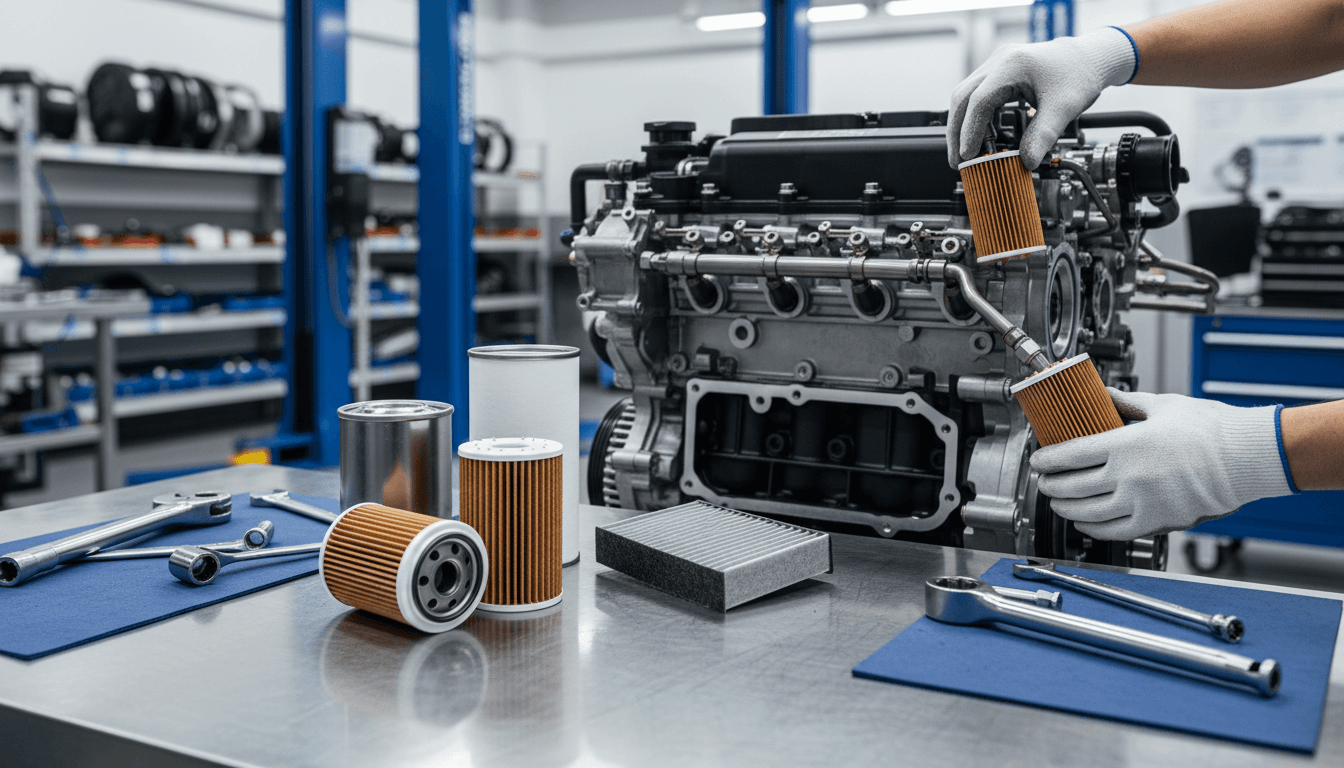
Replacing a fuel filter can range from a relatively simple task to a more complex procedure, depending on the vehicle's design and filter location. While this guide provides a general overview, always consult your vehicle's specific service manual for detailed instructions. If unsure, it is always best to seek professional assistance.
Safety First
Working with fuel requires extreme caution due to its flammability and toxicity. Always prioritise safety:
- Work in a Well-Ventilated Area: Ensure good airflow to disperse fuel vapours.
- No Open Flames or Sparks: Avoid smoking, welding, or using anything that could ignite fuel.
- Wear Personal Protective Equipment (PPE): Use safety glasses, gloves (fuel-resistant), and long sleeves to protect skin and eyes from fuel exposure.
- Disconnect the Battery: This prevents accidental electrical shorts and ensures the fuel pump doesn't activate.
- Depressurise the Fuel System: Modern fuel systems are under pressure. This step is crucial to prevent fuel spray when disconnecting lines. The method varies but often involves removing the fuel pump fuse/relay and running the engine until it stalls, or using a diagnostic tool.
Tools and Materials
Before you begin, gather the necessary items:
- New fuel filter (correct for your vehicle).
- Wrenches and/or sockets (sizes specific to your filter's fittings).
- Screwdrivers (if hose clamps are used).
- Drain pan or bucket to collect residual fuel.
- Rags or absorbent pads for spills.
- Fuel line clamps (optional, but helpful to minimise fuel leakage).
- Protective eyewear and gloves.
Step-by-Step (Generalised)
This is a simplified sequence; actual steps may vary.
- Locate the Fuel Filter: It could be in the engine bay, under the vehicle near the fuel tank, or integrated with the fuel pump inside the tank.
- Prepare for Spills: Place a drain pan directly beneath the filter.
- Depressurise the System: Follow your vehicle's specific procedure (e.g., remove fuel pump fuse and crank engine).
- Disconnect Fuel Lines: Carefully loosen and remove the fuel lines connected to the old filter. Be prepared for some fuel spillage. Use fuel line clamps if desired.
- Remove Old Filter: Undo any mounting brackets or clamps holding the filter in place and remove the old unit.
- Install New Filter: Ensure the new filter is oriented correctly. Many filters have an arrow indicating the direction of fuel flow. Install it securely into the mounting brackets.
- Reconnect Fuel Lines: Reattach the fuel lines, ensuring all connections are tight and secure.
- Re-establish Fuel Pressure and Check for Leaks: Reinstall the fuel pump fuse/relay. Turn the ignition to the "ON" position (without starting the engine) a few times to allow the fuel pump to prime the system. Listen for the pump and check thoroughly for any fuel leaks around the new filter.
- Start the Engine: Once you're confident there are no leaks, start the engine. It might take a few cranks for the fuel system to fully prime.
- Dispose of Old Filter: The old filter will contain fuel and contaminants and must be disposed of responsibly according to local regulations.
Specific Considerations
- Diesel Filters with Water Separators: Many diesel filters have a drain plug at the bottom to periodically drain accumulated water. This should be done as part of routine maintenance, often indicated by a water-in-fuel warning light.
- Priming Modern Diesel Systems: Some modern diesel systems, particularly common rail, are very sensitive to air. They may require specific priming procedures, sometimes involving manual priming pumps or diagnostic tools, to remove all air from the system after a filter change.
For complex systems, or if you are uncomfortable performing this task, it is highly recommended to consult a qualified mechanic.
Beyond the Fuel Filter: A Holistic Approach to Filtration
While the fuel filter is undeniably crucial, it's just one component in a comprehensive filtration system designed to protect your vehicle or machinery. Optimal performance and longevity are achieved when all filters are regularly inspected and maintained.
- Oil filters: Essential for removing contaminants from engine oil, protecting moving parts from wear and tear.
- Air filters: Safeguard the engine from airborne dust and debris, ensuring clean air for combustion and preventing premature engine wear.
- Cabin filters: Improve air quality inside the vehicle, protecting occupants from pollen, dust, and pollutants.
- Hydraulic filters: Critical for industrial and heavy machinery, maintaining the cleanliness of hydraulic fluids to ensure efficient operation of hydraulic systems.
At Filtry.org, we advocate for a holistic approach to maintenance. By ensuring all filtration systems are in excellent working order, you contribute significantly to the overall health, efficiency, and reliability of your equipment. We offer an extensive selection of all these filter types, ensuring you find the right component for every application.
Why Choose Filtry.org for Your Fuel Filter Needs?
When it comes to protecting your valuable automotive and industrial equipment, compromising on the quality of your filters is not an option. Filtry.org stands as a leading distributor, offering unparalleled choice and expertise for all your filtration requirements.
Here's why discerning customers across Europe choose us:
- Vast Product Range: We boast an extensive catalogue of over 300,000 products. This means whether you need a specific filtr paliwa for a rare industrial machine or a common replacement for a popular passenger car, you're likely to find it with us.
- Specialisation and Expertise: Our focus is on filters. We specialise in air filters, oil filters, fuel filters, cabin filters, and hydraulic filters, ensuring that our team possesses deep knowledge and can provide informed recommendations.
- Comprehensive Application Coverage: Our filters cater to an enormous array of applications, including:
- Passenger cars
- Trucks
- Construction machinery
- Agricultural equipment
- Industrial machines
- Leading Manufacturers: We source our products from reputable manufacturers, guaranteeing high quality, reliability, and performance that meets or exceeds OEM specifications. We never compromise on the integrity of the filters we supply.
- Convenient European Delivery: We understand the diverse needs of our customers across the continent. Filtry.org offers efficient delivery services across Europe, including key markets such as the UK, Germany, and Poland, ensuring your filters arrive where and when you need them.
- Professional Support: Our team is dedicated to providing excellent customer service. We are here to assist you in finding the exact filter you need, offering professional advice and support for your purchase decisions.
Choosing Filtry.org means choosing a partner committed to the longevity and efficiency of your engines and machinery. Explore our comprehensive range of fuel filters today and experience the difference that quality and expertise make.
Conclusion
The fuel filter is a modest yet mighty guardian of your engine's health. Its unwavering dedication to purifying the fuel supply directly translates into reliable performance, optimal fuel efficiency, and the extended lifespan of your vehicle or machinery. From the sensitive injectors of a modern petrol car to the high-pressure diesel common rail systems in heavy plant equipment, a clean fuel supply is non-negotiable.
Regular inspection, timely replacement, and the correct selection of a high-quality fuel filter are not merely maintenance tasks but essential investments in preventing costly breakdowns and ensuring seamless operation. Whether you're a professional mechanic, a dedicated driver, or an operator of industrial machinery, understanding the vital role of this component empowers you to make informed decisions.
Filtry.org is your trusted source for all types of filters, offering an extensive selection designed to meet the rigorous demands of various applications across Europe. Don't underestimate the power of clean fuel; choose quality, choose protection, choose Filtry.org for your next fuel filter.
Share