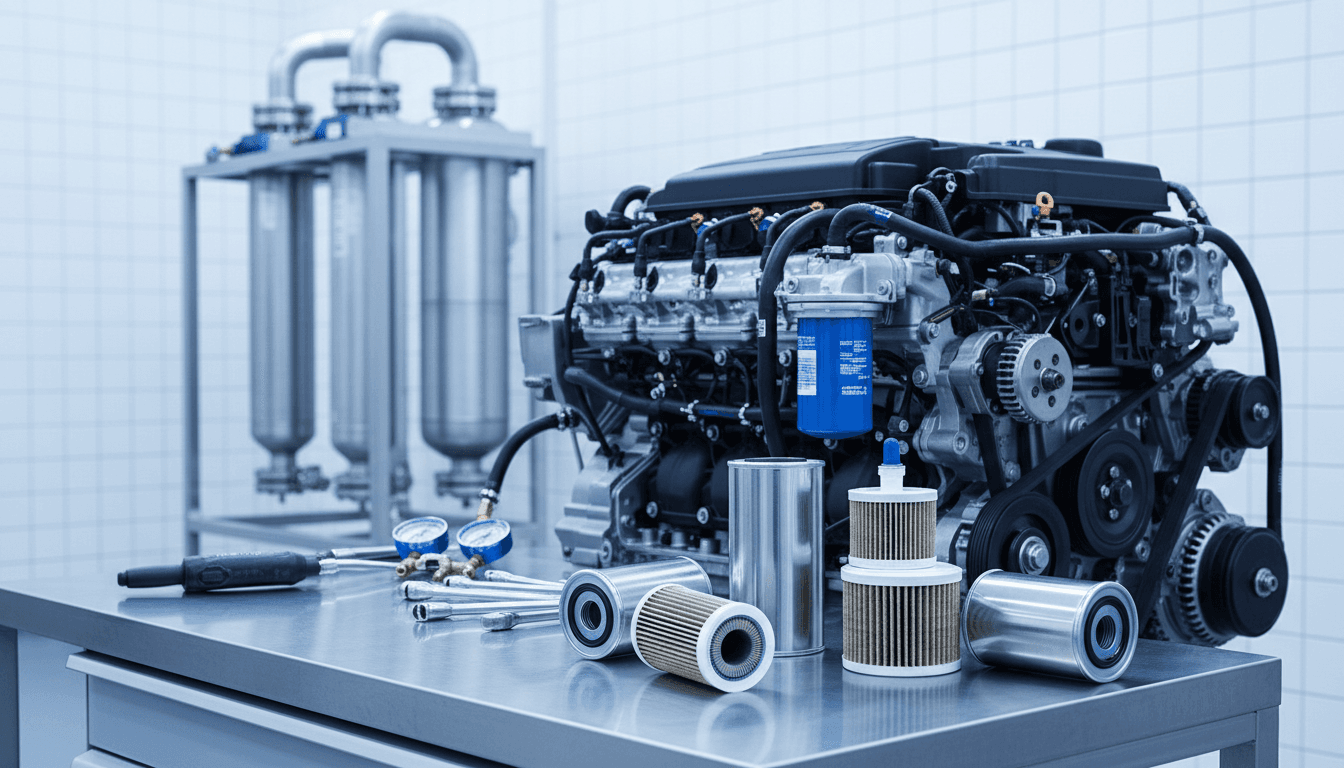
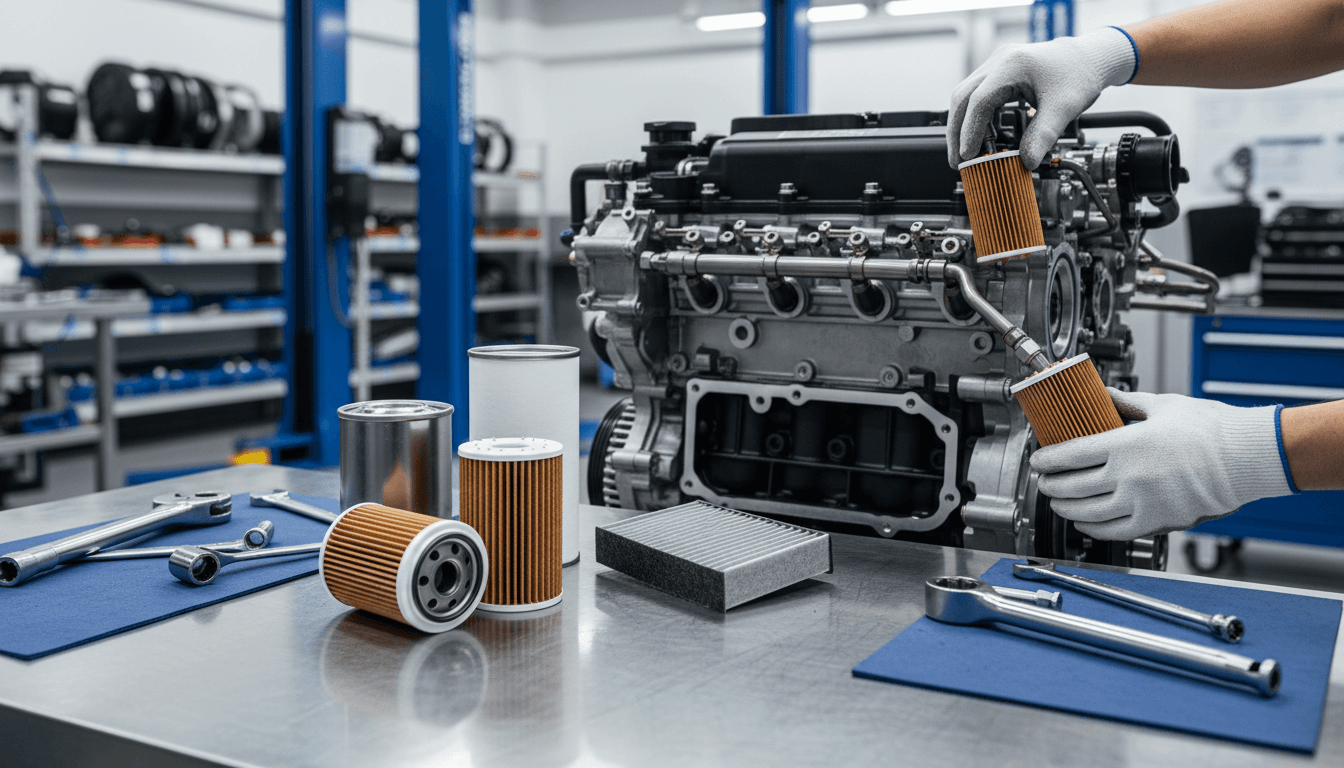
Essential Guide to Fuel Filters: Protecting Your Engine
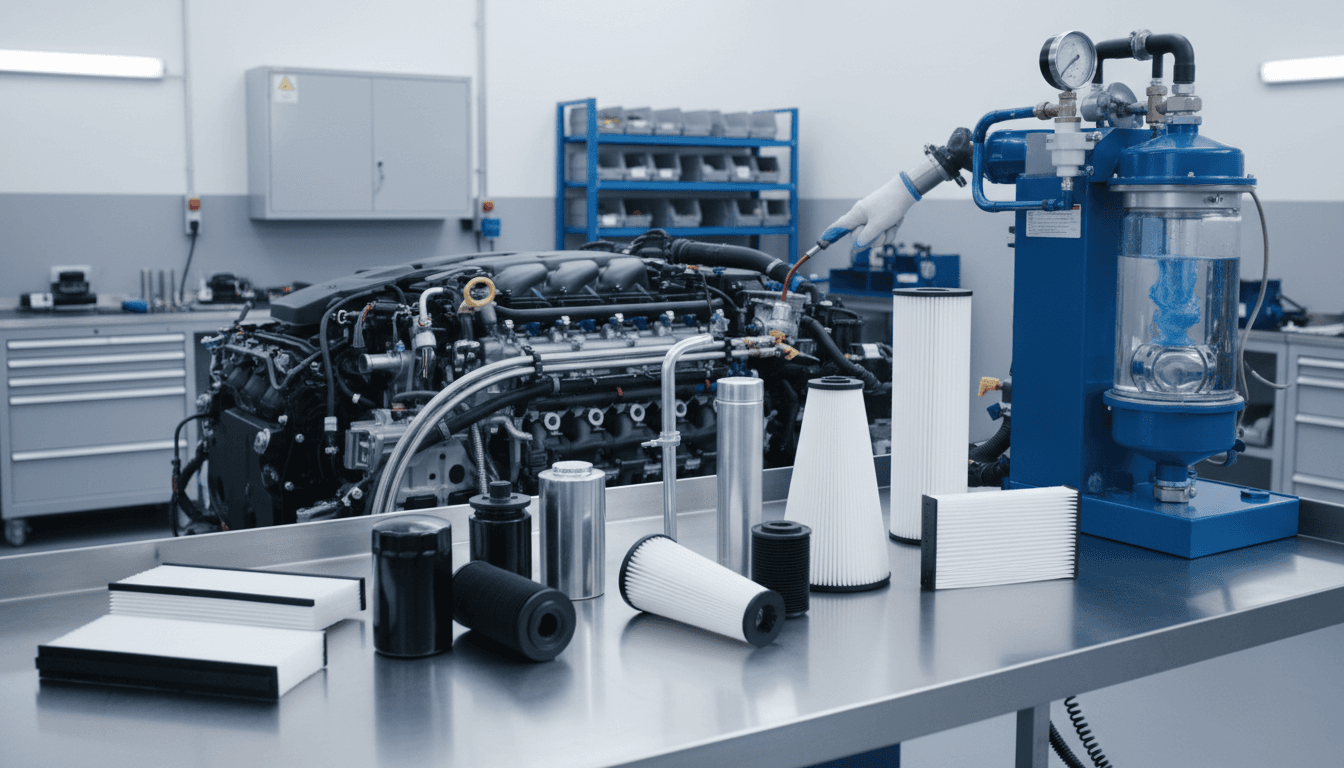
The Unsung Hero: Why the Fuel Filter is Critical for Your Engine
In the intricate world of automotive and industrial machinery, countless components work in harmony to ensure optimal performance and longevity. Among these, the fuel filter often operates unnoticed, yet its role is undeniably critical. As a leading distributor of high-quality automotive and industrial filters, Filtry.org understands the profound importance of proper filtration. With over 300,000 products from leading manufacturers, we specialise in ensuring your engines, whether petrol or diesel, receive the cleanest fuel possible, protecting their sensitive injection systems from damage.
This comprehensive guide will delve into everything you need to know about fuel filters. We'll explore their applications across various vehicle types and machinery, guide you through the selection process, discuss essential replacement and maintenance practices, and highlight the signs of wear to look out for. Whether you're a driver, a professional mechanic, or a machine operator, understanding your fuel filter is key to maintaining peak performance and avoiding costly repairs.
What is a Fuel Filter and Why is it Essential?
At its core, a fuel filter is a device in the fuel line that screens out dirt, rust, and other contaminants from the fuel before it reaches the engine's fuel injection system or carburettor. Fuel, despite being refined, is not always perfectly clean. It can pick up impurities during storage, transport, or even from the fuel tank itself. These microscopic particles, if allowed to enter the engine, can cause significant damage.
The Primary Function of a Fuel Filter
- Protection of Fuel Injectors: Modern fuel injection systems feature extremely fine tolerances and high pressures. Even tiny particles can clog or damage the delicate injector nozzles, leading to poor fuel atomisation, reduced engine efficiency, and potential misfires.
- Prevention of Fuel Pump Wear: Contaminants can also abrade the internal components of the fuel pump, leading to premature failure.
- Maintaining Engine Performance: A clean fuel supply ensures the engine receives the precise amount of fuel required for combustion, optimising power, fuel economy, and emissions.
- Extending Engine Lifespan: By preventing abrasive particles from reaching critical engine parts, the fuel filter contributes significantly to the overall lifespan of the engine.
The Critical Role of Fuel Filters in Modern Engines
The demands placed on fuel filters have increased dramatically with advancements in engine technology. Today's engines, especially those with direct injection systems, operate at incredibly high pressures and require immaculate fuel. This is particularly true for both petrol and diesel engines, each with their unique filtration challenges.
Fuel Filters for Diesel Engines (Filtr Diesla)
Diesel fuel filters face a tougher challenge than their petrol counterparts. Diesel fuel tends to have more impurities and is prone to issues like water contamination and paraffin wax formation in cold weather. Modern common rail diesel (CRD) systems operate at extremely high pressures (up to 2,500 bar), making them highly susceptible to damage from even the smallest particles.
Key Aspects of Diesel Fuel Filtration:
- Particulate Filtration: Diesel filters must effectively remove fine particulate matter to protect sensitive injectors and high-pressure fuel pumps. Filtration ratings often go down to 2-5 microns.
- Water Separation: Water is a major enemy of diesel engines. It can cause corrosion, damage to fuel pumps and injectors, and promote microbial growth. Many diesel fuel filters incorporate a water separator that collects water in a separate chamber, often with a drain plug for periodic removal.
- Heating Elements: In colder climates, diesel fuel can thicken and form wax crystals (gelling), which can clog the filter. Some advanced diesel filters include heating elements to prevent this, ensuring continuous fuel flow.
- Multi-stage Filtration: Many heavy-duty diesel applications use multi-stage filtration systems, starting with a coarser primary filter and followed by a finer secondary filter for comprehensive protection.
Fuel Filters for Petrol Engines (Filtr Paliwa Benzynowego)
While generally less complex than diesel filtration, petrol filters are equally vital. Petrol engines, especially modern direct injection (GDI) types, also rely on precise fuel delivery and are vulnerable to particulate contamination. Ethanol in petrol can also pose challenges, as it can absorb water and degrade certain materials over time.
Key Aspects of Petrol Fuel Filtration:
- Particulate Removal: Petrol filters remove rust, dirt, and debris from the fuel, preventing clogs in fuel injectors and carburettors.
- Pressure Regulation (in some designs): Some petrol fuel filter designs integrate a fuel pressure regulator, ensuring a consistent fuel pressure is delivered to the engine.
- In-Tank vs. In-Line: Petrol filters can be located inside the fuel tank (often integrated with the fuel pump module) or in-line along the fuel pipe.
Understanding Fuel Filter Types and Designs
Fuel filters come in various designs, tailored to specific engine types and applications. Knowing the differences helps in proper selection and understanding their function.
Common Fuel Filter Designs:
- Canister Filters: These are sealed units, often made of metal or plastic, containing the filter media. They are common in both petrol and diesel applications and are typically replaced as a complete unit.
- Cartridge Filters: Used predominantly in diesel and some modern petrol systems, these filters consist of a replaceable filter element (cartridge) housed within a reusable casing. This design is often more environmentally friendly as less material is discarded.
- In-Line Filters: Simple, often plastic or metal, filters installed directly in the fuel line between the fuel tank and the engine. These are common in older petrol systems and some smaller engines.
- Spin-On Filters: Similar to oil filters, these are threaded canisters that spin onto a mounting base. They are popular in diesel applications and often incorporate water separation capabilities.
Filter Media and Micron Ratings
The effectiveness of a fuel filter largely depends on its filter media and micron rating. The media is typically made from pleated paper, synthetic fibres, or a combination. The micron rating indicates the smallest particle size the filter can capture:
- Absolute Micron Rating: Guarantees that all particles larger than the specified micron size are removed.
- Nominal Micron Rating: Indicates that a certain percentage (e.g., 98%) of particles at or above the specified micron size are removed.
Modern fuel injection systems, especially common rail diesels, often require filters with very low micron ratings (e.g., 2-5 microns) to protect their precision components.
Choosing the Right Fuel Filter: A Practical Guide
Selecting the correct fuel filter is paramount for optimal engine protection and performance. A wrong filter can lead to poor fuel flow, inadequate filtration, or even physical incompatibility. Here’s what you need to consider:
How to Choose the Correct Fuel Filter:
- Vehicle or Machine Specificity: The most crucial step is to identify the exact make, model, year, and engine type of your vehicle or machinery. Fuel filters are designed to precise specifications for flow rate, pressure, and physical dimensions.
- Fuel Type (Petrol vs. Diesel): As discussed, petrol and diesel filters have different requirements due to the characteristics of the fuels. Always ensure you are selecting a filter specifically designed for your fuel type.
- Original Equipment (OE) Specifications: Refer to your vehicle’s owner's manual or maintenance guide for the recommended filter specifications. High-quality aftermarket filters are designed to meet or exceed these OE standards.
- Filtration Efficiency (Micron Rating): Especially important for modern diesel engines, ensure the filter provides the necessary level of filtration to protect high-pressure components.
- Additional Features: For diesel applications, consider filters with integrated water separators and, if operating in cold climates, heating elements.
- Reputable Manufacturers: Always choose filters from reputable distributors like Filtry.org, which offer products from leading manufacturers that adhere to strict quality controls. This ensures reliability and performance.
Filtry.org offers an extensive selection of fuel filters tailored for a vast array of applications. For example, if you are looking for specific parts for high-performance vehicles, you can explore options like Mercedes fuel filters or BMW fuel filters directly on our site.
When to Replace Your Fuel Filter: Signs of Wear and Recommended Intervals
Fuel filters are consumables; they are designed to trap contaminants and eventually become saturated or clogged. Regular replacement is a non-negotiable part of engine maintenance.
Recommended Replacement Intervals:
The exact replacement interval varies significantly depending on the vehicle or machine, manufacturer recommendations, fuel quality, and operating conditions. However, general guidelines include:
- Passenger Cars (Petrol): Typically every 30,000 to 60,000 kilometres (20,000 to 40,000 miles), or every 2-4 years. Some in-tank filters are considered 'lifetime' but it's still good practice to inspect them.
- Passenger Cars (Diesel): More frequently, often every 20,000 to 40,000 kilometres (12,000 to 25,000 miles), or annually, due to higher contamination risks and the criticality of diesel injection systems.
- Trucks and Commercial Vehicles: Intervals are typically based on mileage or engine hours, often more frequently than passenger cars due to heavier use and exposure to harsher conditions. Consult the vehicle's maintenance schedule.
- Construction and Agricultural Machinery: Replacement is usually tied to engine hours, often every 250-500 operating hours, depending on the machine and working environment.
- Industrial Machines: Follow manufacturer's recommendations based on operating hours and environmental conditions, which can be highly variable.
Always consult your vehicle or machinery's service manual for precise recommendations.
Signs of a Clogged or Failing Fuel Filter:
A failing fuel filter can manifest several symptoms, indicating that it's struggling to supply adequate clean fuel to the engine. Ignoring these signs can lead to more severe engine damage.
- Reduced Engine Performance: A noticeable drop in acceleration, especially under load, can be a primary indicator. The engine may feel sluggish or unresponsive.
- Engine Misfires or Stalling: Insufficient fuel supply due to a clogged filter can cause the engine to misfire, sputter, or even stall, particularly at higher speeds or under stress.
- Difficulty Starting: If the fuel pump has to work harder to push fuel through a restricted filter, it can lead to extended cranking times, especially during cold starts.
- Rough Idling: An inconsistent fuel supply can cause the engine to idle roughly or irregularly.
- Check Engine Light: In modern vehicles, a severely restricted fuel filter can trigger the 'check engine' light, often accompanied by diagnostic trouble codes related to fuel pressure or fuel trim.
- Unusual Noises from the Fuel Pump: If the fuel pump is struggling to push fuel through a clogged filter, it may emit a whining or humming sound louder than usual.
- Decreased Fuel Economy: While not always immediately obvious, a partially clogged filter can indirectly affect fuel economy as the engine's computer tries to compensate for lean fuel conditions.
The Replacement Process: What Mechanics and Operators Should Know
Replacing a fuel filter can range from a straightforward task to a complex procedure, depending on the filter's location and the vehicle's design. While many skilled DIY enthusiasts can perform this, professional mechanics or trained operators are often required, especially for complex systems or heavy machinery.
General Steps for Fuel Filter Replacement:
- Safety First: Always relieve fuel system pressure before disconnecting any fuel lines. Wear appropriate personal protective equipment (gloves, eye protection). Ensure adequate ventilation and have a fire extinguisher nearby.
- Locate the Filter: Fuel filters can be in-line (along the fuel pipe, often under the vehicle or in the engine bay), or integrated into the fuel pump module within the fuel tank. Diesel filters are typically in the engine bay.
- Disconnect Fuel Lines: Use appropriate tools to carefully disconnect the fuel lines from the old filter. Be prepared for some fuel spillage and have a drip pan ready.
- Remove Old Filter: Detach the old filter from its mounting bracket.
- Install New Filter: Ensure the new filter is installed in the correct direction of fuel flow (marked with an arrow on the filter housing). Reconnect fuel lines securely.
- Prime the Fuel System: After installation, it's crucial to prime the fuel system to remove any air. This usually involves cycling the ignition (without starting) a few times to allow the fuel pump to run, or using a hand primer pump on some diesel systems.
- Check for Leaks: Start the engine and carefully inspect for any fuel leaks around the newly installed filter and connections.
For diesel filters with water separators, remember to drain the collected water periodically as part of routine maintenance, typically every oil change or as recommended by the manufacturer.
Beyond the Basics: Advanced Fuel Filtration Considerations
Modern fuel systems and diverse operating environments introduce additional challenges and considerations for fuel filtration.
Biofuels and Additives
The increasing use of biofuels (e.g., biodiesel blends, ethanol in petrol) can impact fuel filter performance. Biofuels can sometimes loosen deposits in the fuel tank and lines, initially causing filters to clog more quickly. They can also affect filter media over time. It's essential to use filters compatible with the specific fuel types your engine uses.
Water Separation Technology
As mentioned, water is a significant concern for diesel engines. Advanced fuel filters incorporate sophisticated water separation elements, using hydrophobic materials or centrifugal forces to effectively remove water droplets from the fuel. Regular draining of the water separator is vital for maintaining its effectiveness.
Cold Weather Performance
For diesel engines operating in cold climates, cold weather performance of the fuel filter is critical. Filters designed for these conditions may feature finer filtration media that is less prone to clogging from wax crystals or incorporate integrated heating elements to keep the fuel flowing smoothly.
Multi-Stage Filtration Systems
For heavy-duty applications like trucks, construction machinery, and industrial engines, multi-stage filtration is common. A primary filter (often with a coarser micron rating and water separator) protects the fuel pump, while a secondary, finer filter is positioned closer to the engine's injection system for ultimate protection.
Why Quality Fuel Filters Matter for Performance and Longevity
Investing in a high-quality fuel filter is not merely a maintenance task; it's a strategic decision that directly impacts the performance, reliability, and longevity of your engine. Low-quality or incorrect filters can lead to a cascade of problems, from reduced fuel economy to catastrophic engine failure.
At Filtry.org, we pride ourselves on being a trusted distributor of automotive and industrial filters, offering an unparalleled selection of over 300,000 products from leading manufacturers. Our specialisation spans essential filtration categories, including air filters, oil filters, cabin filters, and hydraulic filters, alongside our extensive range of fuel filters. We are committed to providing solutions that meet the diverse needs of passenger cars, trucks, construction machinery, agricultural equipment, and industrial machines.
We understand that clean fuel is the lifeblood of your engine. That's why we ensure access to the right filter for every application, with efficient delivery across Europe, including the UK, Germany, and Poland. By choosing Filtry.org, you're not just buying a filter; you're investing in peace of mind, knowing your engine's vital injection system is protected by the best possible filtration solution.
Don't compromise on fuel filtration. Explore our extensive catalogue today and ensure your engines are running cleanly and efficiently, mile after mile, or hour after hour.
Share