Recognising Cabin Filter Symptoms for HVAC Maintenance
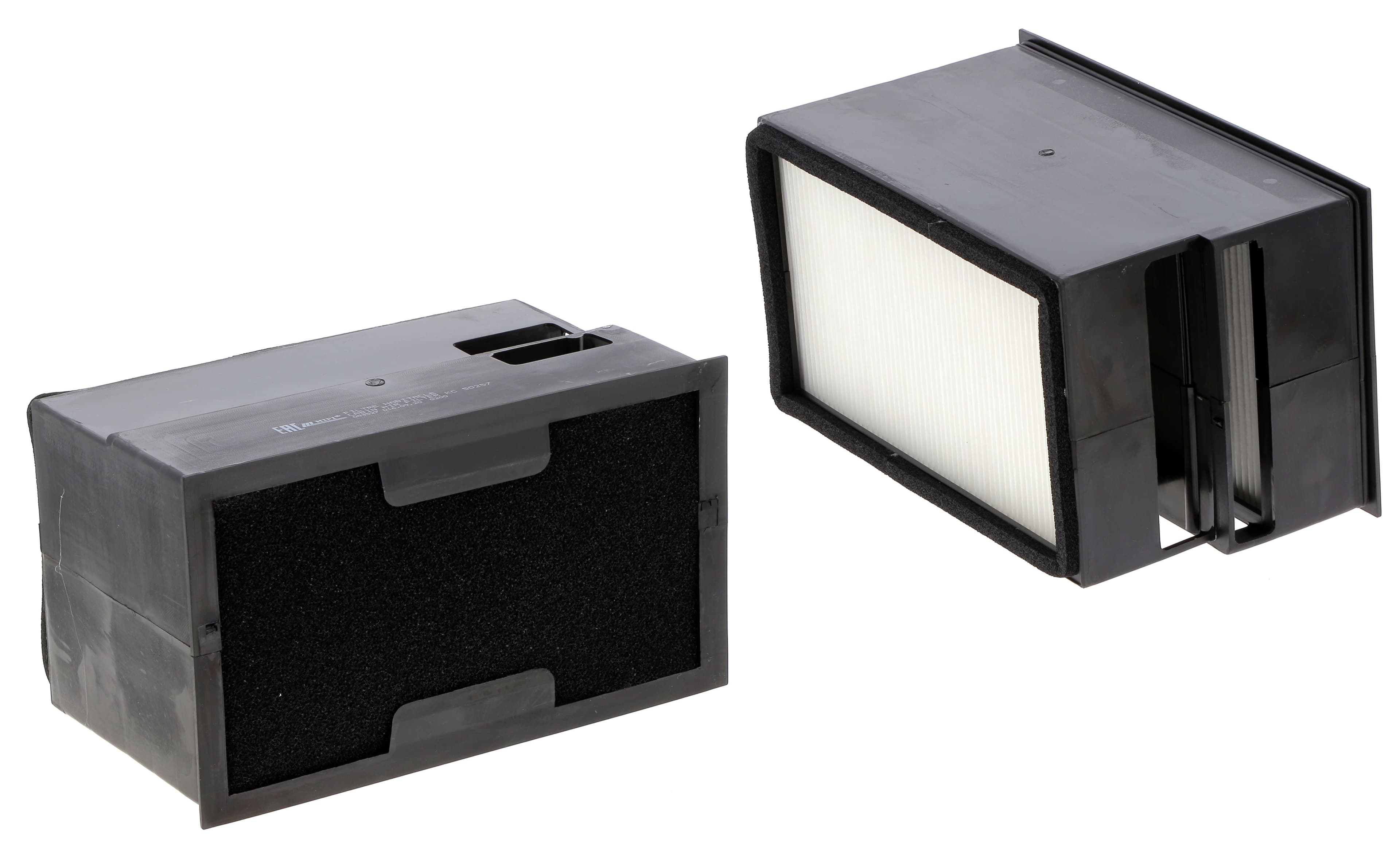
In summary: Recognising cabin filter symptoms is vital for maintaining the vehicle's heating, ventilation, and air conditioning (HVAC) system performance and ensuring the health of the occupants. Common indicators include reduced airflow through the vents, persistent musty odours, and increased window fogging during damp conditions. Addressing these symptoms promptly by installing high-quality replacements, such as the HIFI FILTER KC 50257, prevents premature wear on the blower motor and improves the overall driving environment.
How do you identify common cabin filter symptoms?
The cabin filter acts as a barrier against dust, pollen, soot, and other airborne particulates that would otherwise enter the vehicle's interior. When this component becomes saturated, several physical symptoms manifest. The most immediate sign is a noticeable decline in the volume of air exiting the dashboard vents. When the filter media is clogged with debris, the static pressure within the HVAC ducting increases, forcing the blower motor to work harder to push air through the restricted surface area. This often results in increased fan noise without a corresponding increase in airflow.
Another technical indicator involves the presence of persistent, unpleasant smells. Over time, organic matter trapped within the filter pleats can interact with moisture, leading to the growth of bacteria and mould. This biological activity produces volatile organic compounds that are perceived as a damp or musty odour whenever the ventilation system is engaged. If these cabin filter symptoms are ignored, the air quality inside the cabin can become significantly worse than the ambient air outside, potentially triggering allergic reactions or respiratory discomfort for the driver and passengers.
Why does a clogged filter cause persistent window misting?
Window misting or fogging is a critical safety concern directly linked to the state of the filtration system. Under normal operation, the HVAC system regulates humidity levels within the cabin. A clean filter allows for efficient air exchange, ensuring that moisture-laden air is replaced or processed by the air conditioning evaporator. However, when a filter is compromised, the flow of air is insufficient to clear the condensation from the interior glass surfaces.
In many cases, a heavily soiled filter actually retains moisture within its structure. As air passes through the damp filter media, it carries that humidity back into the cabin, exacerbating the fogging issue rather than resolving it. This is particularly prevalent in autumn and winter months when ambient humidity is high. Technical inspections often reveal that vehicles suffering from chronic misting are equipped with filters that have exceeded their service life, necessitating an immediate replacement with a kit like the HIFI FILTER KC 50379 to restore proper dehumidification capabilities.
What impact do cabin filter symptoms have on the blower motor?
From a mechanical perspective, the cabin filter is a sacrificial component designed to protect more expensive parts of the HVAC system. When the filter is obstructed, the blower motor experiences higher resistance. Modern automotive blower motors are designed to operate within specific thermal and electrical parameters; however, sustained operation against high back-pressure can lead to overheating. The motor draws more current to compensate for the resistance, which can lead to the failure of the blower motor resistor or the motor windings themselves.
Furthermore, a failing filter allows fine dust particles to bypass the media and settle on the fan blades. This accumulation can cause an imbalance in the centrifugal fan, leading to vibrations and premature bearing failure. Identifying cabin filter symptoms early is therefore a preventative measure that extends the lifespan of the entire ventilation assembly. Regularly checking the condition of components like the HIFI FILTER KC 90408 is a cost-effective strategy compared to the intensive labour required to replace a buried blower motor or evaporator core.
How does filter saturation affect air conditioning efficiency?
The air conditioning system relies on a consistent volume of air passing over the evaporator core to facilitate heat exchange. If the airflow is restricted due to a saturated filter, the evaporator core can become excessively cold, leading to ice formation on its fins. This icing further blocks airflow, creating a cycle of diminishing performance. Drivers may notice that the air conditioning feels less effective even if the refrigerant levels are correct and the compressor is engaging properly.
Technical diagnosis of poor cooling performance should always begin with an inspection of the cabin filter. A filter that is laden with road salt, industrial fallout, or heavy dust will significantly reduce the thermal efficiency of the heat exchanger. By maintaining a clean filtration path, the system can achieve the desired cabin temperature more rapidly, reducing the load on the engine and improving fuel economy. High-performance filters, such as those in the HIFI FILTER range, are engineered to provide optimal flow rates while maintaining high filtration efficiency for sub-micron particles.
When should you replace the filter regardless of symptoms?
While reacting to cabin filter symptoms is necessary, a proactive maintenance schedule is recommended for optimal vehicle hygiene. Most manufacturers suggest a replacement interval of every 15,000 to 30,000 kilometres, or at least once per year. However, environmental factors play a significant role in determining the actual lifespan of the filter. Vehicles driven in urban environments with high levels of smog or on unpaved roads will require more frequent changes.
Seasonality also dictates replacement timing. It is technically advantageous to replace the cabin filter in the spring, before the pollen season begins, and again in the autumn to ensure the system is prepared for the high-humidity demands of winter. During a standard service, the technician should visually inspect the filter for discolouration, structural collapse, or the presence of debris such as leaves and insects. If the pleats appear grey or black, or if there is visible debris, the filter has reached its capacity and can no longer provide effective protection against PM2.5 and PM10 pollutants.
Frequently asked questions
Can a dirty cabin filter affect the engine performance?
No, the cabin filter is entirely separate from the engine air intake system. While it does not affect engine combustion, a clogged cabin filter can indirectly impact fuel efficiency by forcing the air conditioning system and alternator to work harder due to increased electrical load from the blower motor.
What is the difference between a standard and an activated carbon filter?
A standard particulate filter is designed to trap mechanical debris like dust and pollen. An activated carbon filter contains an additional layer of charcoal that chemically adsorbs gases and odours, such as exhaust fumes and ozone, providing a higher level of air purification inside the vehicle.
Is it possible to clean a cabin filter instead of replacing it?
It is not recommended to clean a cabin filter with compressed air or water. The fine fibres and electrostatic charge of the filter media are damaged by such methods, and deep-seated particulates cannot be effectively removed. Replacement is the only way to ensure the filter meets its original technical specifications.
How long does it typically take to replace a cabin filter?
In most modern vehicles, the cabin filter is located behind the glovebox or under the dashboard and can be replaced in 10 to 20 minutes. Some vehicles require the removal of plastic scuttle panels near the windscreen, which may take slightly longer but remains a straightforward maintenance task.
Share