Cabin Filter Replacement: Intervals and Technical Guide
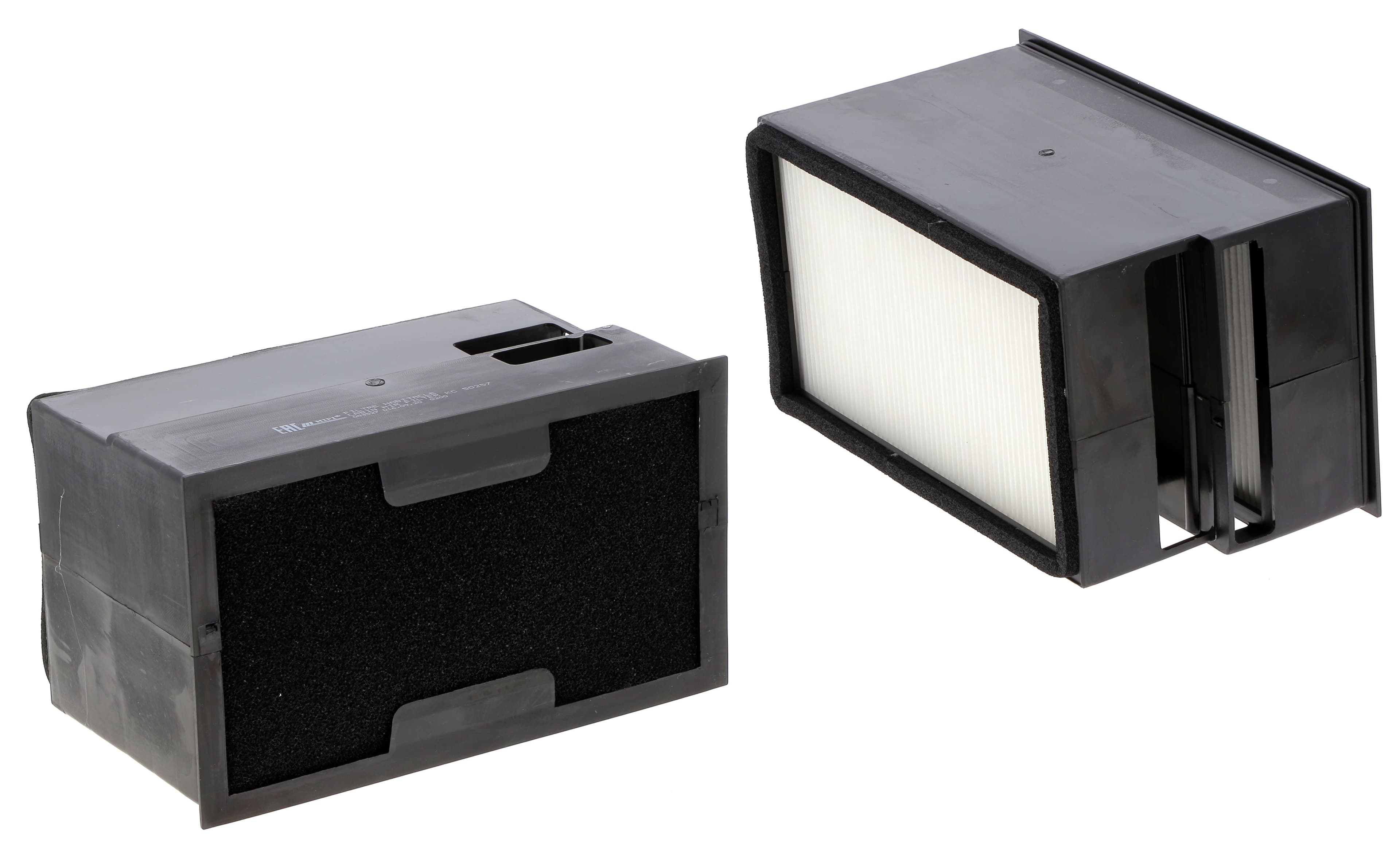
In summary: Regular cabin filter replacement is essential for maintaining HVAC efficiency, ensuring passenger health, and preventing premature wear of the blower motor. A saturated filter restricts airflow, leading to increased humidity, windscreen fogging, and the proliferation of microbial growth within the ventilation ducts. Maintenance should occur every 15,000 to 20,000 kilometres, or annually, depending on the environmental conditions in which the vehicle operates.
Why is cabin filter replacement critical for HVAC efficiency?
The cabin filter serves as the primary barrier between the external environment and the vehicle's interior. Its technical role is to capture particulates such as pollen, dust, soot, and industrial fallout before they enter the evaporator and heater core. Over time, the pleated media becomes loaded with debris, increasing the static pressure within the system. This resistance forces the blower motor to work harder to push air through the ventilation circuit, which can lead to electrical strain and eventual failure of the motor resistor or the motor itself.
Furthermore, a neglected filter becomes a breeding ground for bacteria and fungi. As the filter captures moisture from the ambient air, the organic matter trapped in the media begins to decompose. This process releases unpleasant odours and can trigger allergic reactions in occupants. In technical terms, a clogged filter reduces the volume of air reaching the evaporator, which can lead to the icing of the AC components and a significant drop in cooling performance during high-temperature periods. Consistent cabin filter replacement ensures that the airflow remains within the manufacturer’s specified cubic metres per hour (m³/h).
What are the recommended intervals for cabin filter replacement?
While most automotive manufacturers suggest an interval of 20,000 kilometres, technical data suggests that environmental factors should dictate the actual service schedule. In urban environments with high levels of nitrogen dioxide and particulate matter (PM2.5 and PM10), the filter media may reach its saturation point much earlier. Similarly, vehicles operating in agricultural or high-dust regions require more frequent inspections. Technical professionals often recommend a 12-month cycle as the maximum limit, preferably performed during the spring to ensure the system is prepared for the high demands of the summer cooling season.
For heavy-duty applications or machinery, the replacement cycle is often measured in engine hours. Utilising high-quality components like the HIFI FILTER KC 50257 or the HIFI FILTER KC 50379 ensures that the filtration efficiency meets the original equipment manufacturer (OEM) standards. If the vehicle is frequently used in damp conditions, the filter should be checked for signs of structural collapse or mould growth every six months.
How can airflow direction errors impact filtration performance?
One of the most common mistakes during cabin filter replacement is the incorrect orientation of the filter element. Most high-quality filters are directional, indicated by arrows on the frame showing the intended path of airflow. If a filter is installed backwards, its structural integrity may be compromised. The pleats are designed to withstand pressure from one specific side; reversing this can cause the media to collapse or flutter, creating gaps where unfiltered air (bypass air) can enter the cabin.
Moreover, many modern filters, such as the HIFI FILTER KC 90408 kit, utilise multi-layer media where each layer has a specific density. The first layer usually captures larger particulates, while the subsequent layers handle finer matter or use activated carbon to neutralise gases. Reversing the airflow prevents these layers from functioning in the correct sequence, significantly reducing the filter’s lifespan and its ability to neutralise hazardous gases like ozone or exhaust fumes.
What are the mechanical signs of a failing cabin filter?
Identifying a failing cabin filter does not always require a physical inspection, although it is the most reliable method. Technical indicators of a restricted filter include a noticeable increase in blower motor noise without a corresponding increase in airflow from the vents. If the highest fan setting feels weaker than usual, the filter is likely near its capacity. Another symptom is the persistent fogging of the interior glass, even when the air conditioning is active. This occurs because the restricted filter cannot effectively dehumidify the incoming air.
During a physical inspection, the technician should look for discolouration of the media, the presence of organic debris (leaves, twigs), and any signs of moisture damage. If the filter media feels damp or shows dark spotting, it indicates microbial contamination, requiring immediate replacement. It is also important to inspect the filter housing for debris that may have bypassed the old filter; failing to clean the housing before installing a new unit can lead to immediate contamination of the new media.
How does environmental moisture affect filter longevity?
Moisture is the primary enemy of standard cellulose-based filter media. When a cabin filter becomes damp, the fibres swell, which drastically reduces the pore size and restricts airflow. In high-humidity regions, this can lead to a 'blinding' of the filter, where the surface becomes a solid barrier rather than a breathable membrane. This is particularly problematic in vehicles where the air intake is poorly shielded from rain or snow melt.
Using synthetic or composite media can mitigate some of these issues, as these materials are less prone to absorbing water than pure cellulose. However, even synthetic filters will suffer if the HVAC drain tubes are blocked, causing water to back up into the filter housing. Therefore, every cabin filter replacement should be accompanied by a check of the condensate drain line to ensure that moisture is properly evacuated from the system. Ensuring the housing is dry and the seals are intact will prolong the service life of the replacement part.
Frequently asked questions
Can I clean a cabin filter instead of replacing it?
No, cabin filters are designed as disposable components. Attempting to clean them with compressed air can damage the micro-fibres and destroy the electrostatic charge responsible for capturing fine particulates. Washing a paper-based filter will cause the media to collapse and lose its structural integrity.
What is the difference between a standard and an activated carbon filter?
A standard filter uses a particulate media to trap dust and pollen. An activated carbon filter includes an additional layer of charcoal that adsorbs gases, odours, and volatile organic compounds (VOCs). Technical tests show that activated carbon significantly reduces the concentration of nitrogen oxides entering the cabin.
Does a clogged cabin filter affect fuel consumption?
Yes, indirectly. A clogged filter restricts airflow, forcing the air conditioning system to run for longer periods and at higher intensities to maintain the desired cabin temperature. This places an increased load on the engine via the AC compressor and the alternator, which can lead to a measurable increase in fuel consumption.
Where is the cabin filter typically located?
Location varies by vehicle design but is commonly found behind the glove compartment, under the dashboard on the passenger side, or within the engine bay near the base of the windscreen (cowl area). Always refer to the technical manual to avoid damaging plastic clips during access.
Share