Air Filter Symptoms: Identifying Performance Loss
In summary: A restricted air filter compromises the stoichiometric ratio, leading to reduced power, increased fuel consumption, and potential engine wear. Regular inspection and timely replacement using high-quality components are vital for maintaining internal combustion efficiency.
How do air filter symptoms manifest in engine performance?
The internal combustion engine operates on a precise balance of air and fuel. For every litre of fuel burned, the engine requires approximately 10,000 litres of air. When the air filter becomes saturated with particulates, the volume of air reaching the combustion chamber decreases significantly. This restriction creates several observable air filter symptoms related to performance.
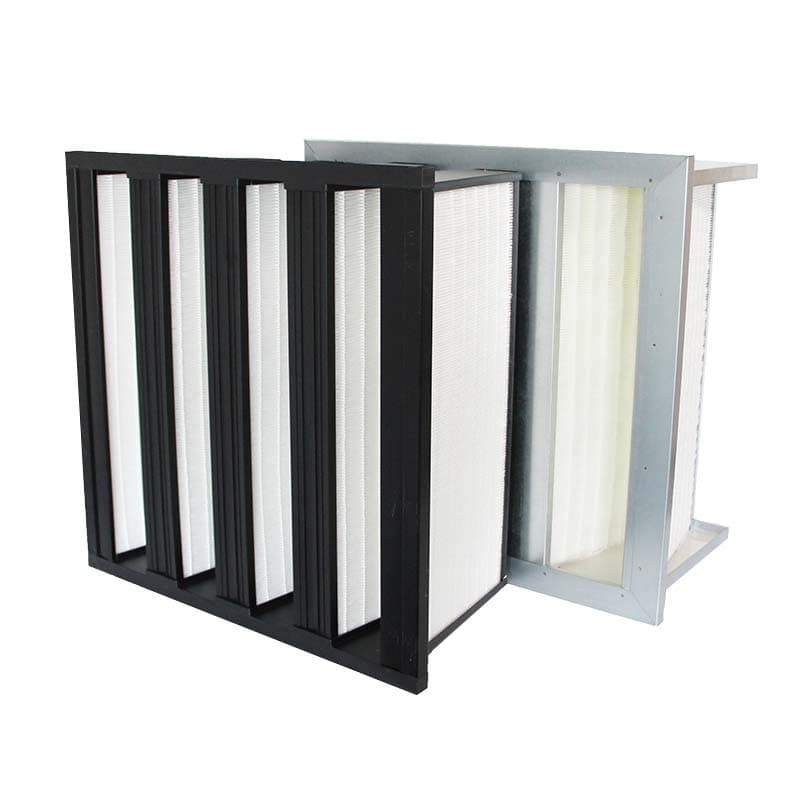
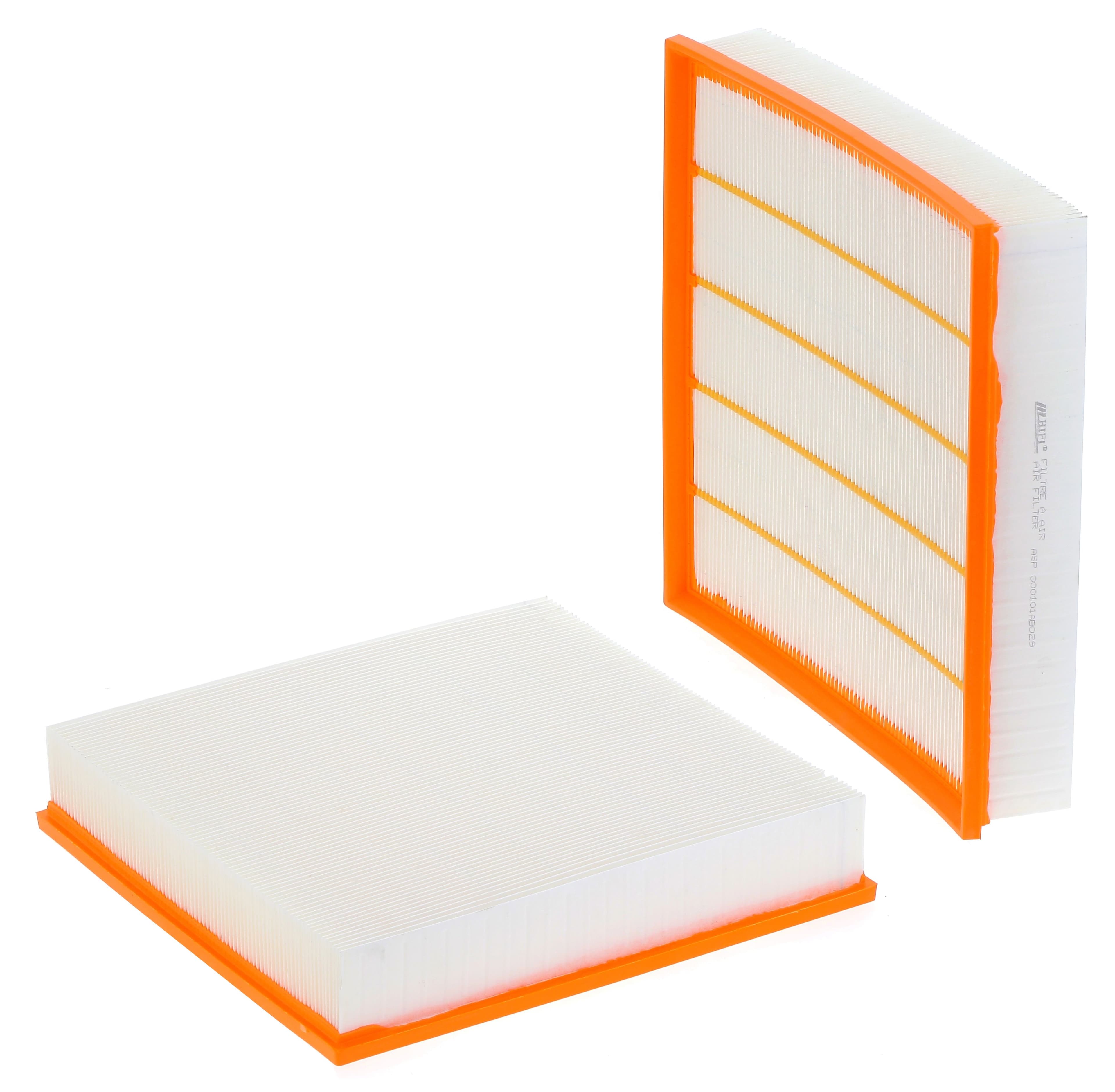
One of the primary indicators is a noticeable reduction in horsepower, especially during acceleration or under heavy load. If the engine feels sluggish or fails to respond promptly to throttle inputs, it is likely struggling to draw sufficient oxygen. In modern turbocharged engines, a clogged filter forces the turbocharger to work harder to overcome the pressure drop across the filter media. This can lead to increased operating temperatures and premature wear of the turbocharger bearings. Using a precision-engineered component such as the SF FILTER 42589 ensures that the pressure differential remains within the manufacturer's specified parameters.
Does a restricted air filter affect fuel economy and emissions?
While modern Engine Control Units (ECUs) can adjust fuel trim to compensate for reduced airflow, there is a limit to their efficiency. When the airflow is severely restricted, the ECU may struggle to maintain the ideal 14.7:1 air-to-fuel ratio. This results in a 'rich' mixture, where there is an excess of fuel relative to the available oxygen.
A rich mixture does not burn completely, leading to a drop in fuel economy. Beyond the cost of wasted fuel, incomplete combustion produces soot and carbon deposits. These deposits can foul spark plugs, causing engine misfires and rough idling. Furthermore, unburnt fuel can enter the exhaust system, potentially damaging the catalytic converter or Diesel Particulate Filter (DPF). If you observe black smoke emanating from the exhaust during acceleration, this is a classic sign that the engine is 'suffocating' due to a blocked intake system.
What visual indicators suggest an immediate filter replacement?
A physical inspection of the filter element is the most reliable way to confirm air filter symptoms. New filter media typically appear white or off-white. As the filter traps dust, pollen, and debris, the media will gradually darken to a grey or brown hue. However, surface dust does not always mean the filter is failing; it is the deep-seated particulates within the pleats that cause restriction.
Look for signs of physical degradation, such as brittle gaskets or collapsed pleats. If the filter media appears oily or damp, this may indicate an issue with the Crankcase Ventilation (CCV) system or moisture ingress, both of which necessitate an immediate change. For heavy-duty applications where air quality is poor, using robust solutions like the SF FILTER 9046 is recommended to ensure the structural integrity of the filter under high vacuum pressures.
How does intake noise change with a failing filter?
The air intake system is designed to dampen the sound of rushing air. When a filter is clean, the airflow is laminar and relatively quiet. As the filter becomes obstructed, the air velocity increases through the remaining open pores of the media, often creating turbulent flow. This can result in unusual noises, such as whistling, sucking sounds, or a deep, throaty drone that was not present before.
In some cases, a severely clogged filter can cause the engine to vibrate or produce a 'coughing' sound during startup. This occurs because the engine is struggling to establish a stable idle with an inconsistent oxygen supply. Ignoring these acoustic warnings can lead to the 'Check Engine' light illuminating, often triggering fault codes related to the Mass Air Flow (MAF) sensor or lean/rich limit exceedances.
Why is regular monitoring critical for heavy-duty machinery?
In industrial and agricultural environments, the rate of particulate accumulation is exponentially higher than in standard automotive applications. For machinery operating in quarries or fields, air filter symptoms can escalate from minor performance dips to total engine failure within a very short timeframe. Dust ingestion is one of the leading causes of cylinder wall scoring and piston ring wear.
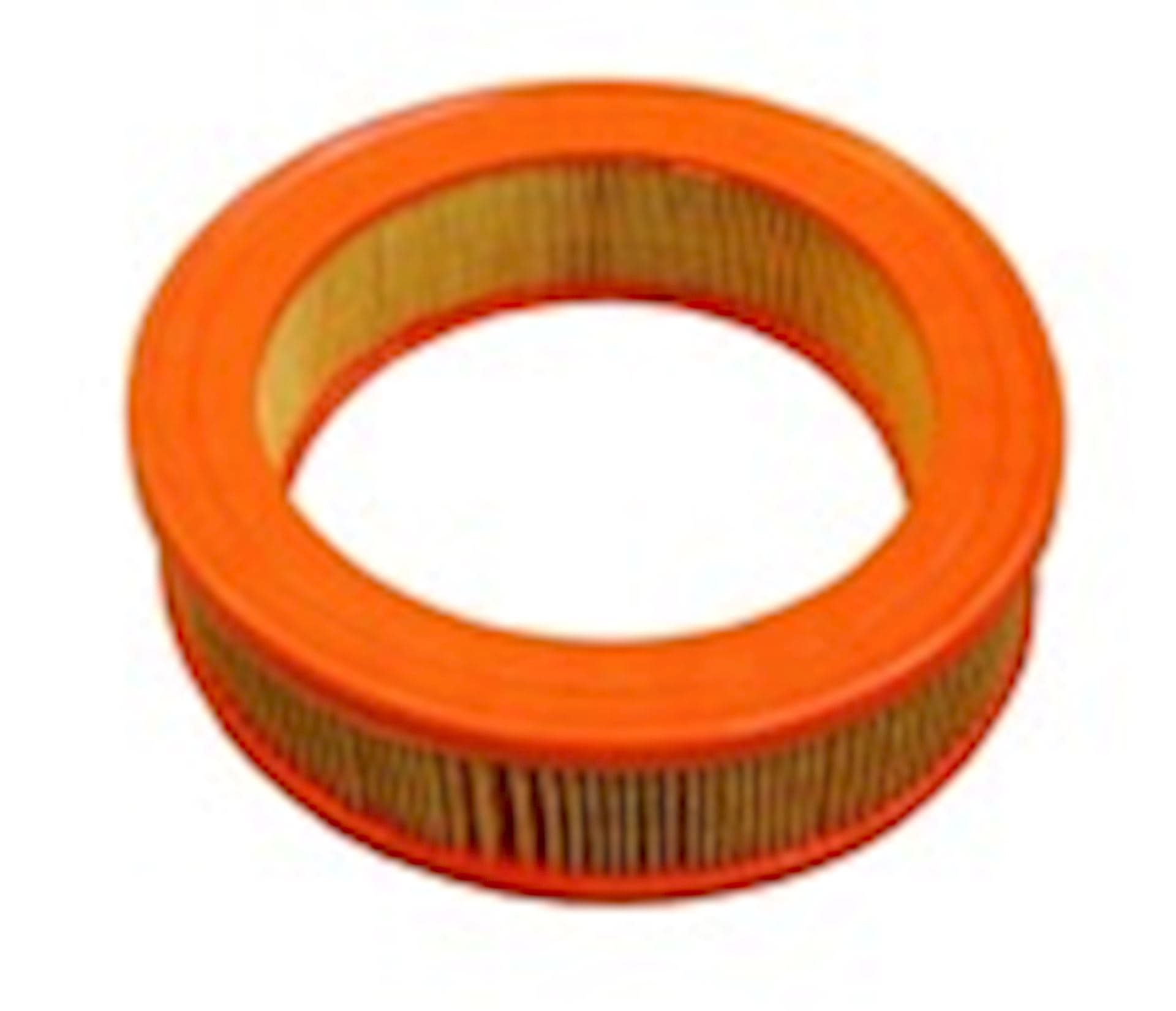
High-capacity filters, such as the SF FILTER 19-5934, are designed with larger surface areas to handle these extreme loads. Many of these systems incorporate a secondary 'safety' element. If the primary filter is compromised, the safety element prevents large contaminants from entering the intake manifold. Monitoring the restriction gauge (often called a 'service indicator') on the air box is the best technical practice for determining the exact moment of replacement, rather than relying on visual guesswork alone.
Frequently asked questions
Can I clean a paper air filter with compressed air?
It is not recommended to clean modern pleated paper filters with compressed air. High-pressure air can create microscopic tears in the filter media, allowing fine dust to pass through directly into the engine. It is always safer and more cost-effective to replace the element with a new unit.
How often should I check for air filter symptoms?
While most manufacturers suggest a 12,000 to 15,000-mile interval, you should inspect the filter every 6,000 miles if you drive in dusty environments or heavy urban traffic. For industrial machinery, daily visual checks of the restriction indicator are standard protocol.
Will a bad air filter cause a Check Engine light?
Yes. If the airflow restriction is significant enough to move the fuel trim beyond its programmed limits, the ECU will trigger a Malfunction Indicator Lamp (MIL). Common codes associated with this include P0101 (MAF sensor range/performance) or P0172 (system too rich).
What happens if I ignore air filter symptoms for too long?
Long-term neglect leads to 'dusting' the engine, where fine abrasives enter the cylinders. This causes rapid wear of the piston rings and valve seats, leading to a permanent loss of compression and eventually requiring a complete engine overhaul.
Share