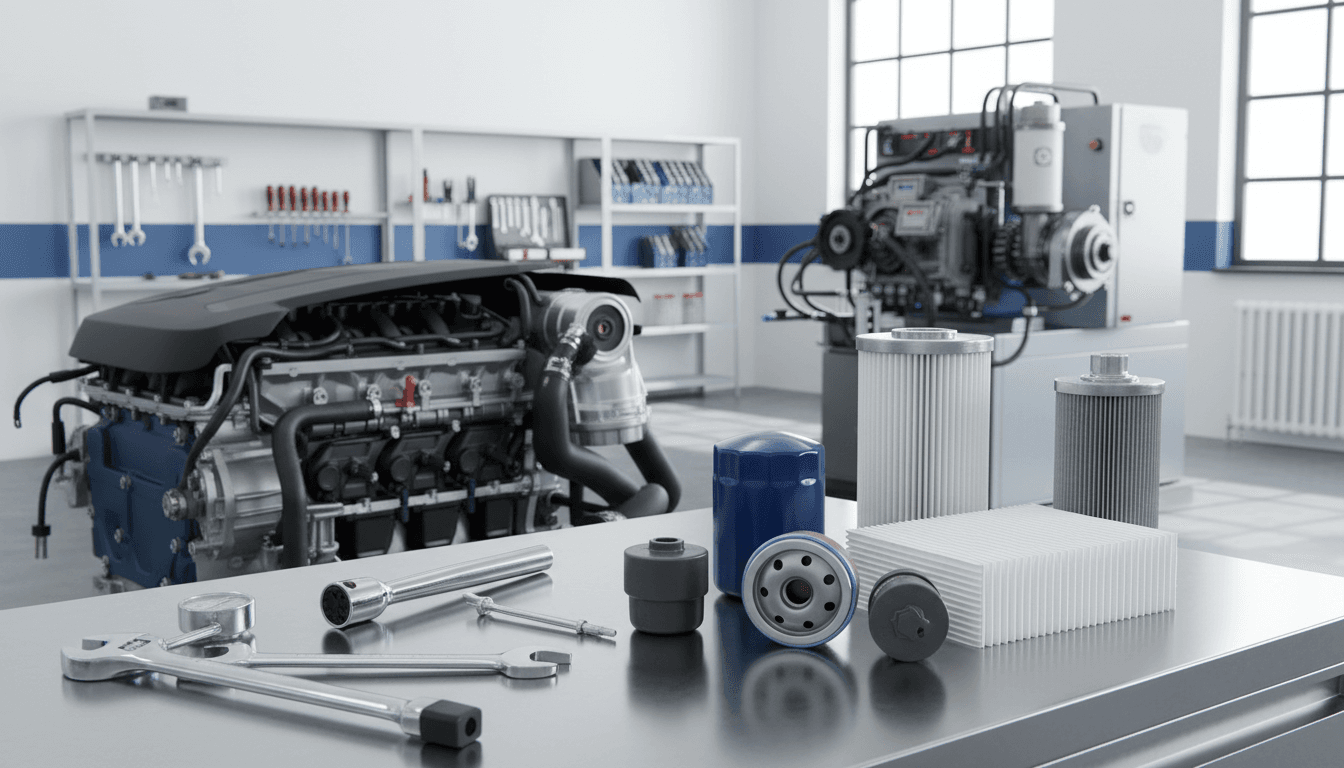
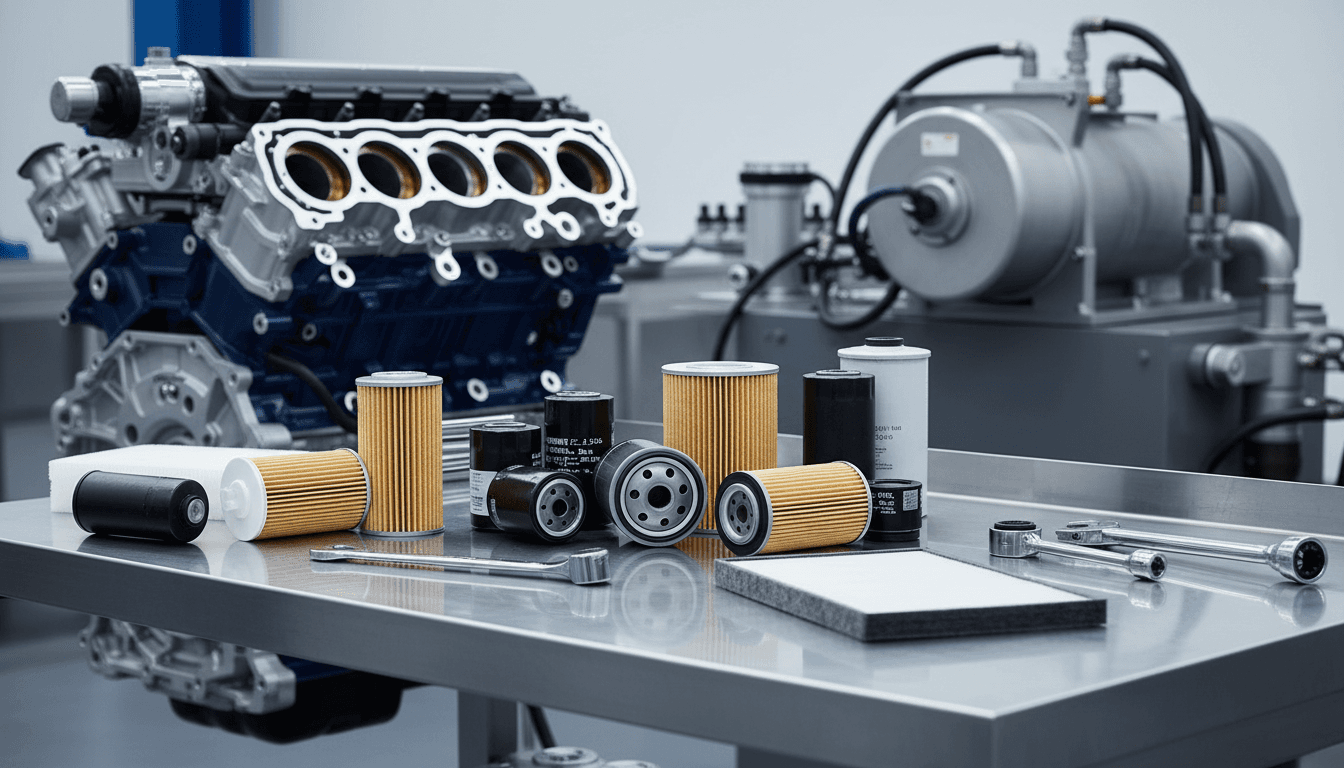
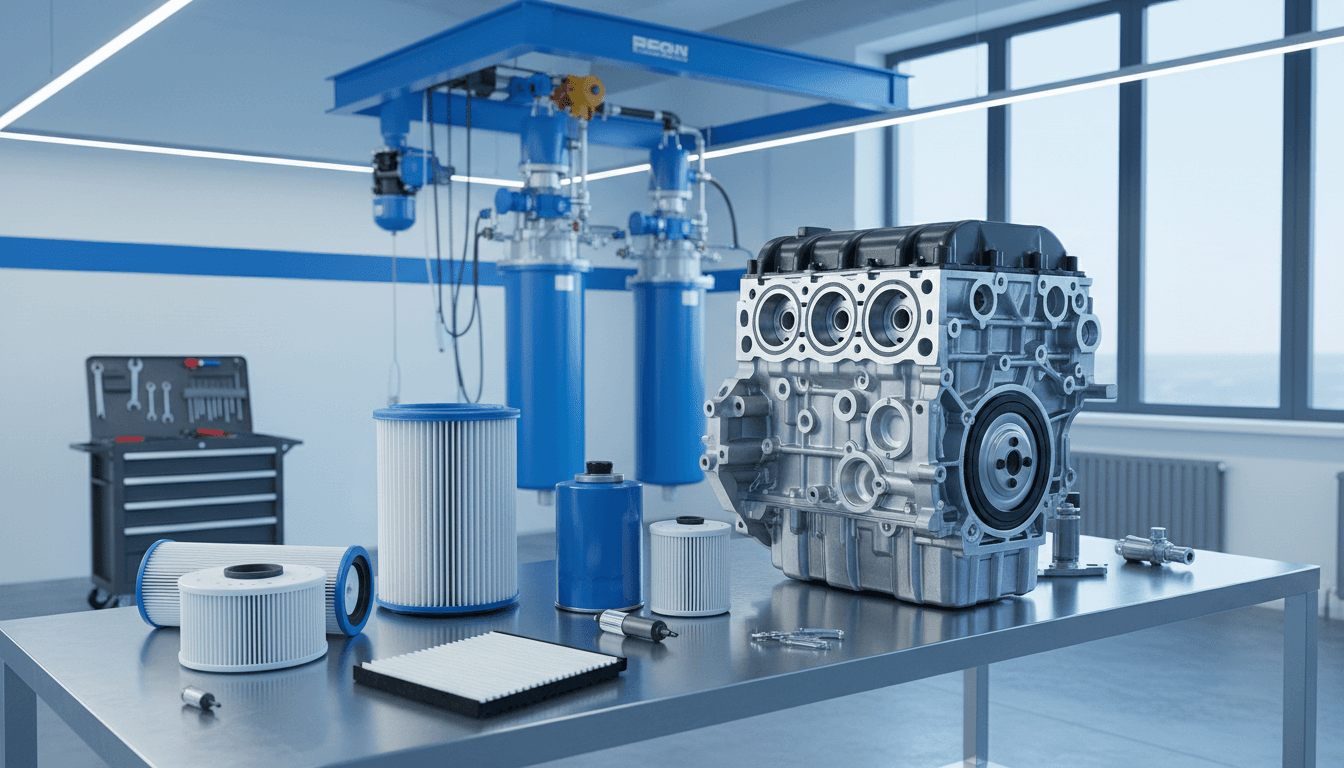
Your Essential Technical Guide to Filter Maintenance
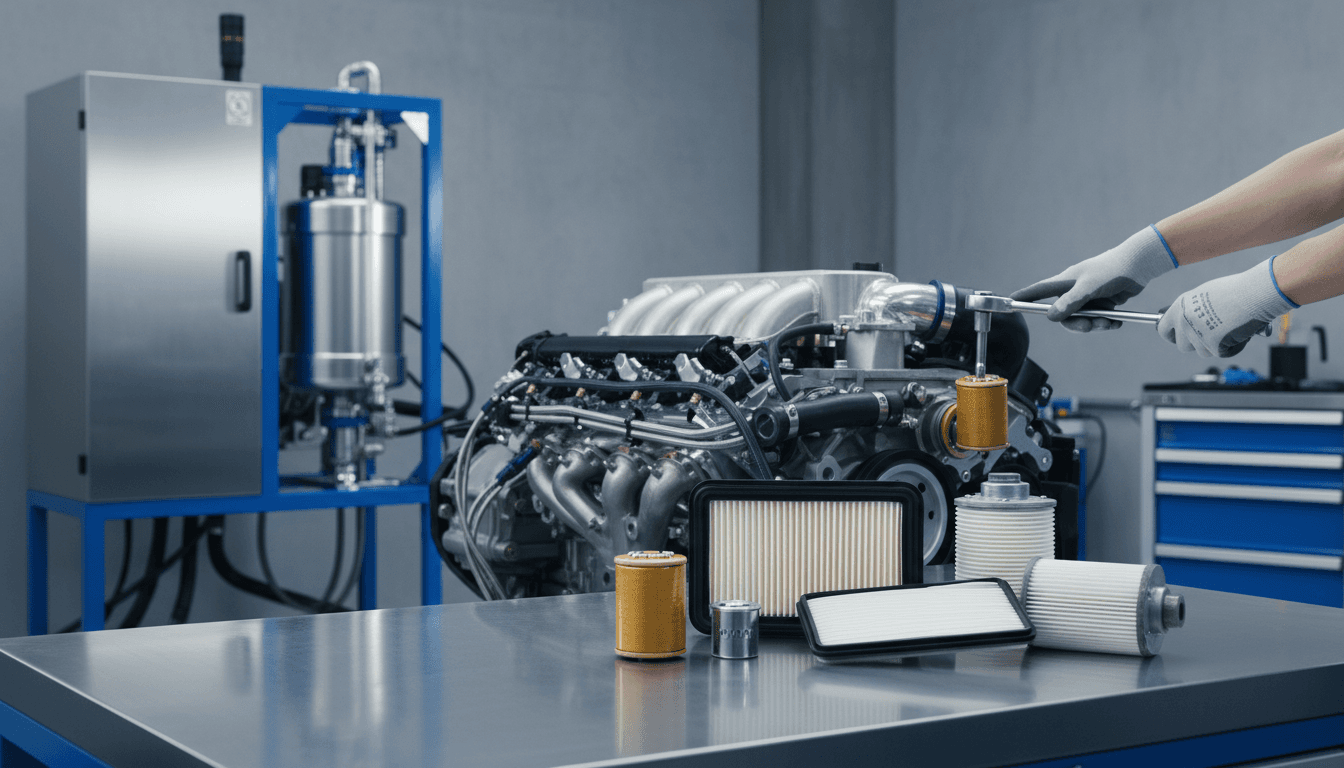
Introduction to Essential Filtration: A Comprehensive Technical Guide
In the intricate world of automotive and industrial machinery, filters play an indispensable role, acting as the silent guardians that ensure longevity, efficiency, and peak performance. From safeguarding delicate engine components against abrasive particles to purifying the air we breathe inside our vehicles, understanding filtration is not just a recommendation, it's a necessity. This practical technical guide (poradnik) from Filtry.org aims to equip drivers, mechanics, and machine operators across Europe – from the bustling streets of London to the industrial centres of Germany and agricultural fields of Poland – with the knowledge needed for effective filter selection, maintenance, and troubleshooting.
As a leading distributor with over 300,000 products from top manufacturers, Filtry.org specialises in providing high-quality solutions for passenger cars, trucks, construction machinery, agricultural equipment, and industrial machines. Our expertise spans air filters, oil filters, fuel filters, cabin filters, and hydraulic filters. This guide will delve into the practical aspects of filtration, offering clear instructions (instrukcja) and diagnostic tips (diagnostyka) to help you address common problems (rozwiązywanie problemów) and maintain your equipment in prime condition.
Understanding Key Filter Types: Applications and Importance
Every filter type serves a unique, critical function within a system. Recognising their individual roles is the first step towards effective maintenance and problem-solving.
Air Filters: Protecting Your Engine and More
The air filter is the engine’s first line of defence against environmental contaminants. It prevents dust, dirt, pollen, and other airborne particles from entering the engine's combustion chambers, where they could cause significant wear to pistons, cylinder walls, and valves. For industrial applications and construction machinery, where dust levels are often extreme, the robustness and efficiency of the air filter are even more critical.
- How to choose: Always consult your vehicle or machine's service manual for the correct part number and specifications. Factors like operating environment (e.g., dusty construction sites vs. clean road driving) may influence recommended replacement intervals.
- When to replace: Typically every 15,000 to 30,000 miles for passenger cars, or annually, whichever comes first. For heavy-duty machinery or vehicles operating in severe dust conditions, replacement intervals will be much shorter, possibly every few hundred operating hours. Visual inspection is crucial.
- What to look for: Check for excessive dirt accumulation, discolouration, tears, or damage to the filter media. A dirty air filter will appear clogged with debris, turning from its original light colour to dark grey or black.
- Signs of wear:
- Decreased engine performance or power loss.
- Reduced fuel efficiency.
- Black smoke from the exhaust (in diesel engines).
- Unusual engine noises, such as whistling or sputtering.
- The "Check Engine" light illuminating (less common for air filters but possible).
Oil Filters: The Lifeline of Your Lubrication System
The oil filter works continuously to remove impurities from the engine oil, such as metal particles, soot, and unburnt fuel residues, which are generated during engine operation. A clean oil filter is essential for maintaining the lubricating properties of the oil, protecting critical engine components from premature wear, and ensuring smooth operation.
- How to choose: Select an oil filter that meets or exceeds the manufacturer's original equipment (OEM) specifications. Incorrect filters can lead to oil pressure problems or insufficient filtration.
- When to replace: Generally with every oil change, as specified by the vehicle or machine manufacturer. This is typically every 5,000 to 10,000 miles or annually for most passenger cars, but can be more frequent for heavy-duty or high-performance applications.
- What to look for: While visual inspection of the filter itself isn't practical without removal, consistent replacement with a quality filter during scheduled oil changes is the best practice.
- Signs of wear:
- Drop in engine oil pressure.
- Engine knocking or rattling sounds, especially upon start-up.
- Reduced engine performance.
- Premature engine wear (over the long term, due to inadequate lubrication).
Fuel Filters: Ensuring Clean Fuel Delivery
Fuel filters are vital for protecting the fuel injection system and engine from contaminants present in fuel, such as dirt, rust, sediment, and water. These impurities can clog injectors, reduce fuel efficiency, and cause significant engine damage. This applies to both petrol and diesel engines, though diesel systems often have more complex filtration due to water separation requirements.
- How to choose: Always use a filter specifically designed for your vehicle's make, model, and fuel type (petrol or diesel). The filter's micron rating and flow rate are critical for proper fuel system operation. Filtry.org offers a wide range of fuel filters to match specific requirements.
- When to replace: Manufacturer recommendations vary widely, from every 20,000 miles to 100,000 miles, or more frequently for diesel engines. Consult your service manual. If using lower quality fuel or operating in areas with known fuel contamination, more frequent replacement is advisable.
- What to look for: Not easily visible without removal. During replacement, check for signs of rust or excessive debris inside the old filter housing.
- Signs of wear:
- Engine sputtering or misfiring.
- Loss of engine power, especially under acceleration.
- Difficulty starting the engine.
- Reduced fuel efficiency.
- Engine stalling.
- In diesel systems, water in fuel warning light.
Cabin Filters: For a Healthier Interior Environment
Often overlooked, the cabin filter (also known as a pollen filter or HVAC filter) removes dust, pollen, soot, and other allergens from the air entering the vehicle's cabin. This improves air quality for occupants and helps maintain the efficiency of the heating, ventilation, and air conditioning (HVAC) system.
- How to choose: Ensure the filter matches the dimensions and specifications for your vehicle's HVAC system. Activated carbon cabin filters offer superior odour absorption in addition to particle filtration.
- When to replace: Typically annually or every 15,000 to 30,000 miles. For drivers with allergies or those in polluted urban environments, more frequent replacement is beneficial.
- What to look for: The filter media will visibly accumulate dirt, leaves, and other debris. A clean filter is usually white or light grey; a dirty one will be dark and potentially have mould growth.
- Signs of wear:
- Reduced airflow from the vents.
- Unpleasant odours coming from the HVAC system.
- Increased allergy symptoms for occupants.
- Excessive fan noise due to restricted airflow.
Hydraulic Filters: Safeguarding Complex Systems
Hydraulic systems in industrial and agricultural machinery rely heavily on clean hydraulic fluid for efficient operation and component longevity. Hydraulic filters remove particulate contaminants that can cause wear to pumps, valves, cylinders, and other precision components, leading to system failure and costly downtime. Filtry.org provides a comprehensive selection of hydraulic filters for various industrial applications.
- How to choose: Selection depends on the specific hydraulic system, fluid type, operating pressure, and desired filtration level (micron rating). Consult the equipment's service manual.
- When to replace: Varies significantly based on equipment type, operating environment, and manufacturer recommendations, often indicated by an hour meter. Some systems have bypass indicators that signal a clogged filter.
- What to look for: Not typically visible without opening the system, but some filters have a differential pressure gauge that indicates clogging.
- Signs of wear:
- Sluggish or erratic hydraulic system operation.
- Increased operating temperature of the hydraulic fluid.
- Unusual noises from hydraulic pumps or components.
- Premature wear or failure of hydraulic system components.
- Activation of a filter bypass indicator.
Selecting the Right Filter: A Detailed Poradnik (Guide)
Choosing the correct filter is paramount for optimal performance and protection. It's not just about fitting; it's about compatibility and efficacy.
Matching Filters to Your Application
The first rule is always to follow the equipment manufacturer's specifications. This includes:
- Part Number: The most reliable way to ensure compatibility.
- Filter Type: Discern between full-flow, bypass, or combination filters for oil; primary and secondary for fuel; or particle vs. activated carbon for cabin filters.
- Dimensions: Incorrect size can lead to improper sealing or insufficient filtration.
- Thread Size and Seal Type: Crucial for leak-free operation, especially for spin-on filters.
Consider the operating environment:
- Heavy dust or dirt requires air filters with higher capacity or pre-filters.
- Extreme temperatures or humidity can affect filter media performance.
- Aggressive industrial environments may necessitate more robust filtration solutions.
Understanding Filter Specifications
Delve deeper into what the numbers mean:
- Micron Rating: Indicates the size of particles the filter can capture. A lower micron rating means finer filtration.
- Efficiency Rating: Often expressed as a percentage, indicating how much of a given particle size the filter removes.
- Flow Rate: Ensures the filter doesn't restrict the flow of fluid (air, oil, fuel, hydraulic fluid) beyond acceptable limits.
- Burst Pressure and Collapse Pressure: Important for structural integrity, ensuring the filter can withstand system pressures without failing.
- Service Life: The estimated operational time before the filter media becomes saturated or ineffective.
When to Replace Filters: Diagnostyka (Diagnostics) and Intervals
Timely replacement is key to preventing system damage and maintaining efficiency. Rely on a combination of manufacturer guidelines and practical observation.
Manufacturer Recommendations vs. Real-World Conditions
Service manuals provide baseline intervals for filter replacement under normal operating conditions. However, real-world factors often necessitate earlier intervention:
- Severe Driving Conditions: Frequent short trips, heavy traffic, dusty roads, or extreme temperatures.
- Heavy-Duty or Industrial Use: Machinery operating continuously under high loads, in harsh environments.
- Fuel Quality: Poor quality or contaminated fuel will require more frequent fuel filter changes.
- Air Quality: Vehicles or machines operating in areas with high levels of dust, pollen, or industrial pollutants will need more frequent air and cabin filter replacements.
Key Indicators and Signs of Wear for Each Filter Type
Beyond the scheduled intervals, your equipment often provides clear signals that a filter is nearing the end of its effective life. Pay attention to:
For Air Filters:
- A noticeable drop in engine power, especially when accelerating.
- Decreased fuel economy.
- A darker exhaust plume than usual.
- Increased engine noise or rough idling.
For Oil Filters:
- A persistent oil pressure warning light, even after checking oil levels.
- Unusual engine noises like ticking or clattering, suggesting poor lubrication.
- Darker, dirtier oil shortly after an oil change, indicating inadequate filtration.
For Fuel Filters:
- Engine hesitation or sputtering, particularly at higher speeds or under load.
- Difficulty starting the engine or requiring multiple attempts.
- A sudden, unexplained loss of power.
- Engine stalling at low speeds or idle.
For Cabin Filters:
- Weak airflow from the HVAC vents, even when the fan is on high.
- Persistent musty or unpleasant odours inside the cabin.
- Increased condensation on interior windows.
- Visible debris or mould on the filter when inspected.
For Hydraulic Filters:
- Sluggish operation of hydraulic cylinders or motors.
- Increased noise from the hydraulic pump.
- Overheating of hydraulic fluid.
- Erratic or inconsistent operation of hydraulic functions.
- Activation of a filter bypass indicator or warning light on the machine's dashboard.
Troubleshooting Common Filtration Problems: Rozwiązywanie Problemów
When symptoms arise, knowing where to start your diagnostic (diagnostyka) process can save time and prevent further damage.
Identifying Performance Issues Related to Filtration
Many performance issues can trace back to a clogged or failing filter. Consider the interconnectedness of systems:
- A dirty air filter impacts engine combustion and fuel efficiency.
- A clogged oil filter compromises engine lubrication and leads to wear.
- A failing fuel filter starves the engine of clean fuel, affecting power and start-up.
- A neglected cabin filter degrades interior air quality and HVAC performance.
- A blocked hydraulic filter can lead to catastrophic system failure.
Basic Diagnostic Steps for Filter-Related Symptoms
If you suspect a filter issue, perform these initial checks:
- Visual Inspection (where possible): For air and cabin filters, physically remove and inspect the media for visible dirt, damage, or blockages.
- Consult Service Records: Check when the filter was last replaced. If it’s past its recommended interval, it’s a strong candidate for replacement.
- Listen and Feel: Pay attention to unusual engine sounds, reduced airflow, or changes in how the machine operates.
- Check Warning Lights: Many modern vehicles and machines have sensors that can detect issues related to filtration (e.g., fuel pressure, engine warning lights).
- Confirm Fuel Quality: If suspecting a fuel filter issue, consider if you recently filled up with fuel from an unfamiliar or potentially low-quality source.
Maintaining Optimal Filtration Performance
Proactive maintenance and the use of quality components are fundamental to reliable operation and extending the lifespan of your valuable machinery.
Best Practices for Filter Maintenance
- Adhere to Service Schedules: Follow manufacturer recommendations, adjusting for severe operating conditions.
- Regular Visual Checks: Periodically inspect accessible filters (air, cabin) between scheduled services.
- Use Quality Replacements: Always choose filters that meet or exceed OEM specifications to ensure proper fit, filtration efficiency, and durability.
- Proper Installation: Ensure new filters are installed correctly, with proper sealing and torque, to prevent leaks or bypass.
- Maintain Cleanliness: When changing filters, take care to clean the surrounding areas to prevent new contaminants from entering the system.
- Dispose Responsibly: Old filters contain hazardous materials; dispose of them according to local environmental regulations.
The Importance of Quality Filters for Longevity and Efficiency
Opting for cheaper, inferior filters might save a small amount upfront, but it’s a false economy. Substandard filters often:
- Have lower filtration efficiency, allowing harmful particles to pass through.
- Degrade quickly, requiring more frequent replacement.
- Can restrict flow, leading to reduced performance and increased energy consumption.
- May fail prematurely, causing extensive and costly damage to expensive components like engines, fuel injectors, or hydraulic pumps.
Investing in quality filters from a reputable distributor like Filtry.org ensures you receive products engineered for specific applications, providing optimal protection and contributing to the overall reliability and efficiency of your equipment.
Conclusion: Your Partner in Superior Filtration
Effective filtration is the cornerstone of operational excellence for any vehicle or industrial machine. By understanding the function of each filter type, knowing when and how to select and replace them, and recognising the signs of wear, you can significantly extend the life of your equipment, reduce maintenance costs, and ensure consistent, reliable performance. This technical guide serves as your essential poradnik for achieving just that.
Filtry.org is committed to providing expert advice and access to an unparalleled range of over 300,000 filters from leading manufacturers. Whether you’re maintaining a passenger car, a fleet of trucks, heavy construction machinery, or complex industrial systems, we have the right filtration solution for you. We deliver quality filters across Europe, including the UK, Germany, and Poland, directly to your door. Trust Filtry.org for your filtration needs and experience the difference that quality and expertise make.
Share